
Robert Olnick Pavilion by Alberto Campo Baeza + Miguel Quismondo: A Minimalist Masterpiece in Dialogue with Nature
Minimalist cultural pavilion in Cold Spring by Campo Baeza and Quismondo, uniting transparency, art, and landscape with architectural elegance


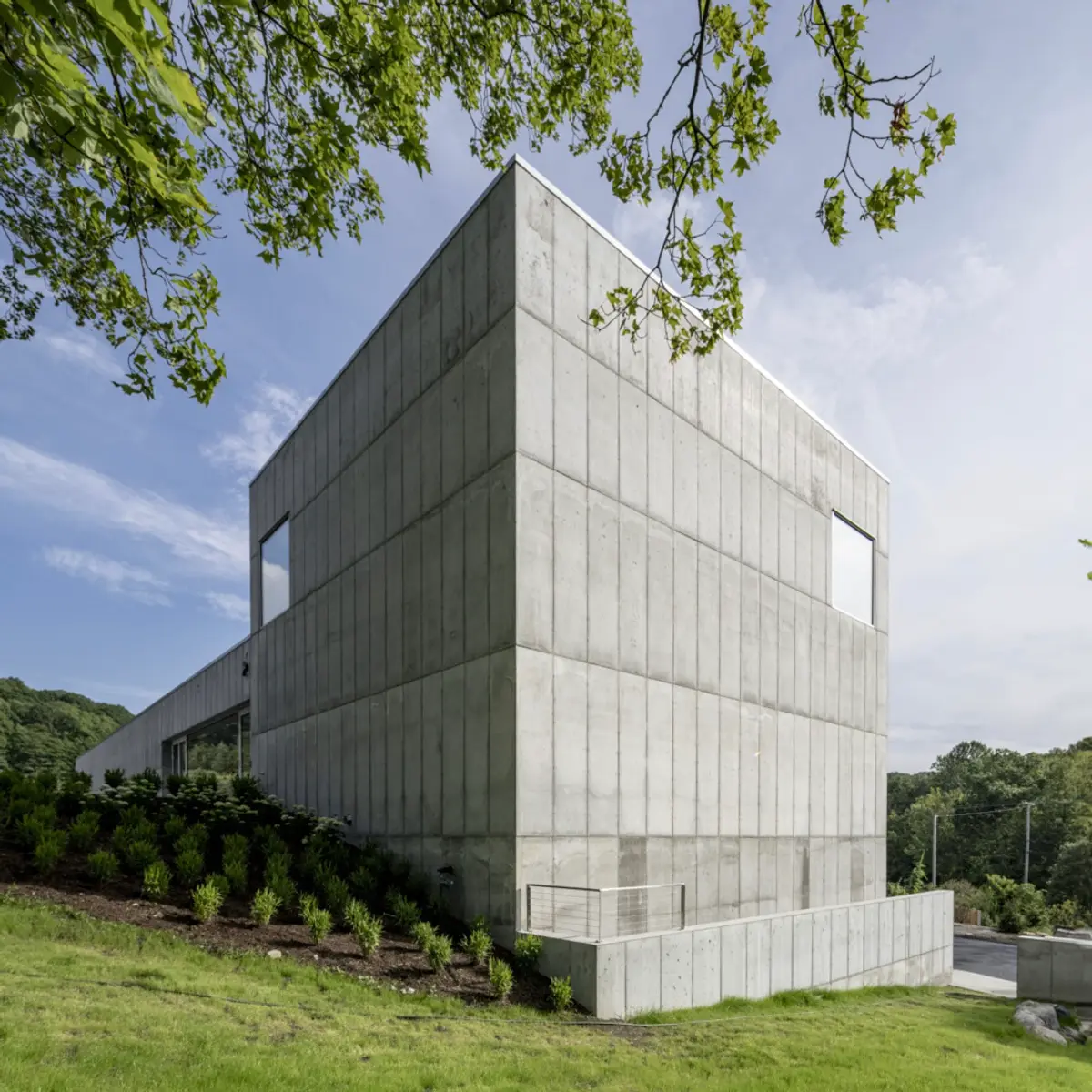
Located in Cold Spring, New York, the Robert Olnick Pavilion is the latest architectural addition to the Magazzino Italian Art Foundation. Designed collaboratively by Alberto Campo Baeza and Miguel Quismondo of MQ Architecture, the project presents a refined architectural language that harmonizes with the natural landscape while complementing the existing museum structure. Completed in 2023, this 335-square-meter cultural pavilion is an elegant example of contemporary museum architecture that balances minimalist design with functional clarity.

A Sculptural Dialogue with the Landscape
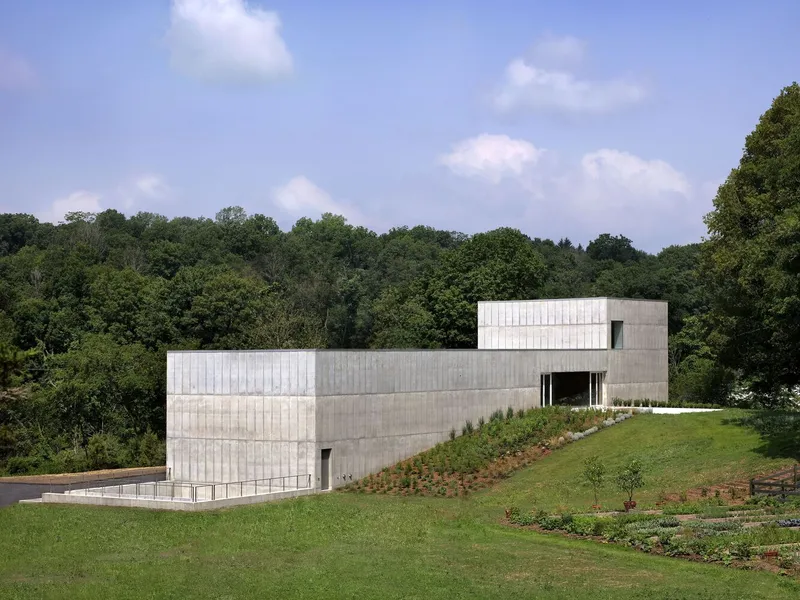
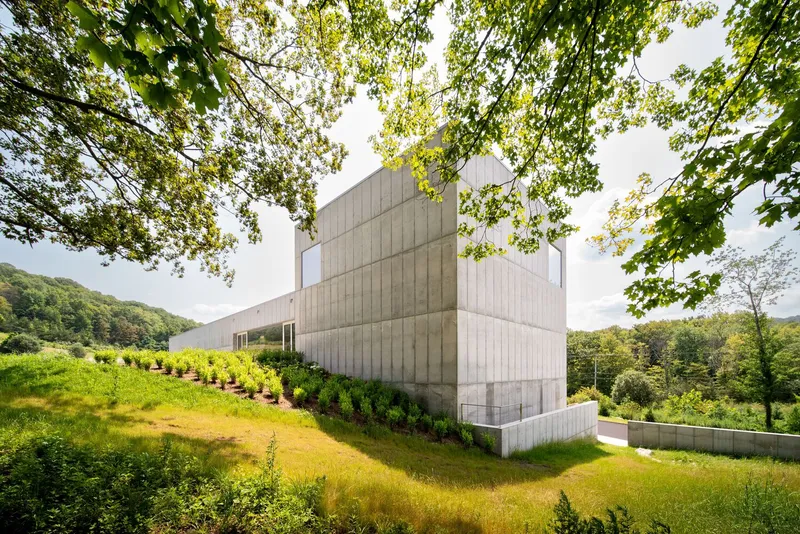
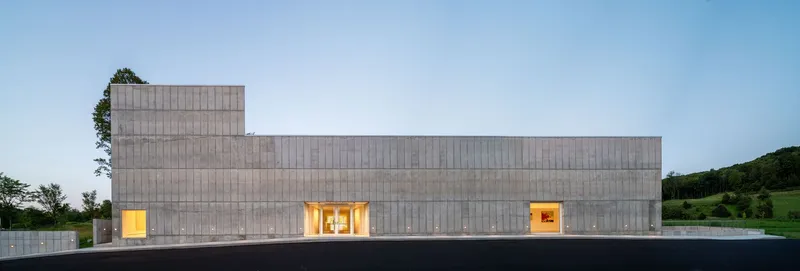
The design of the Robert Olnick Pavilion emerges from a deep understanding of spatial harmony and context. Positioned perpendicular to the original Magazzino building, the pavilion forms a considered dialogue with its architectural predecessor. This alignment not only strengthens spatial coherence between the two structures but also defines a shared axis that serves as a central access avenue. This connection is reinforced by the building's consistent cornice height and scale, establishing visual unity and proportion.
The architects deliberately set the new volume slightly back to preserve spatial balance and create a courtyard-like transitional zone, enhancing the visitor experience and offering a contemplative space between past and present.
A Transparent Threshold: Lobby and Bar
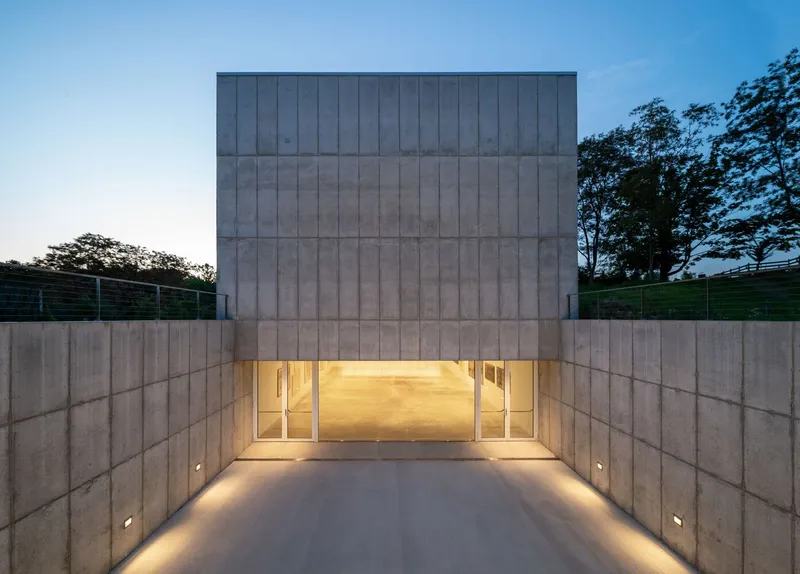
At the heart of the pavilion lies a transparent and open ground floor that acts as both lobby and bar. Designed to facilitate visual flow across the site, this transparent threshold anchors the building’s public interface. The glass-lined volume invites visitors into a welcoming environment while providing a visual backdrop to the architectural ensemble. This element of spatial transparency serves as a metaphorical and literal bridge between art, architecture, and nature.
Interior Programming: Curating the Visitor Experience
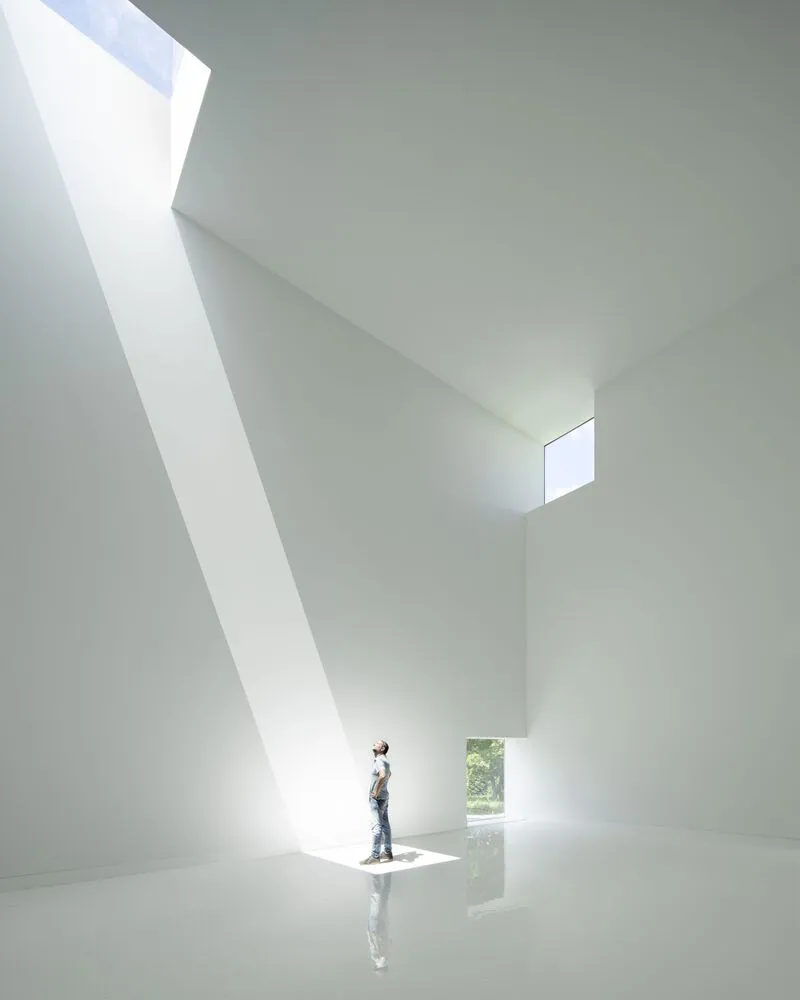
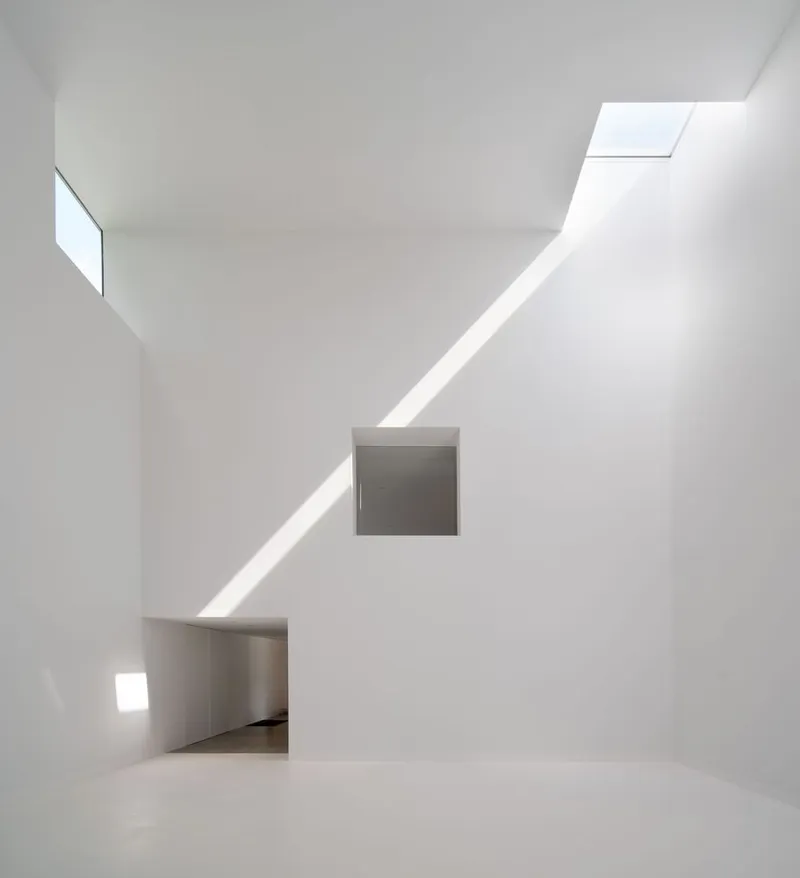
To the left of the entrance, the architects have created a double-height gallery dedicated to Murano glass. This room is an immersive space defined by translucent walls and floating glass art pieces that reflect light and air, enhancing the ethereal beauty of the glassworks. The design thoughtfully includes Vignelli-designed display cases, mounted on the walls to frame and elevate each piece.
Above this gallery, a mezzanine-level houses ceramic exhibitions, offering a contrasting materiality while maintaining the visual fluidity of the interior.
On the right side of the lobby, a spacious temporary exhibition hall doubles as an auditorium, accommodating lectures and cultural events. This flexible gallery space reinforces the pavilion's mission as a dynamic cultural node, capable of adapting to diverse programming.
Structural Simplicity Meets Subterranean Innovation
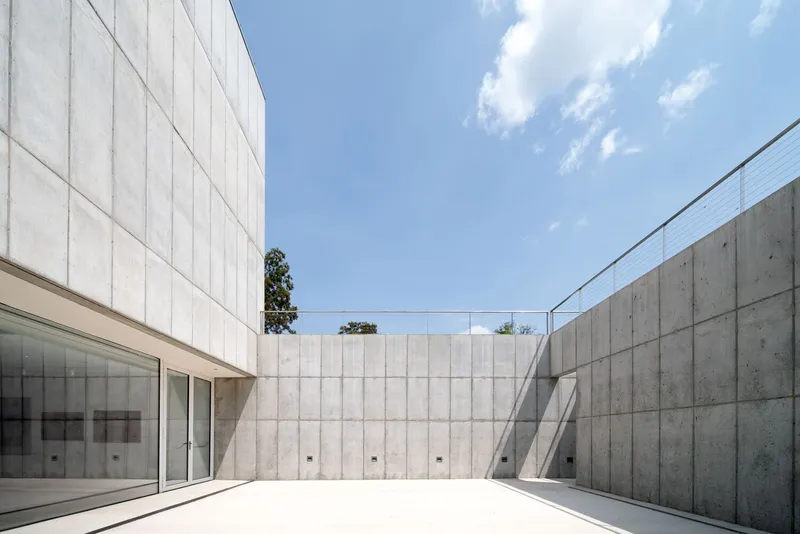
The building’s layout is rooted in architectural simplicity. Yet, the design offers programmatic flexibility through its integrated semi-basement level beneath the Murano glass gallery. Naturally lit by a minimalist English courtyard, this subterranean level is earmarked for educational classrooms, extending the pavilion’s function into the realm of art education. The design also anticipates future growth, with the possibility of expanding basement spaces as new needs arise.
A thoughtful roof plan and site topography further ensure resilience against the challenges posed by the local wetland conditions, with geotechnical strategies employed to mitigate moisture infiltration.
A Dedicated Space for New Acquisitions
Adjacent to the pavilion, a compact Olnick Spanu Pavilion measuring either 6x6x6 meters or 9x9x9 meters provides a ceremonial gateway for new art acquisitions. Connected via the central axis, this intimate architectural gem is reserved for the initial presentation of works before their integration into the main collection—a symbolic space where contemporary art meets architectural purity.
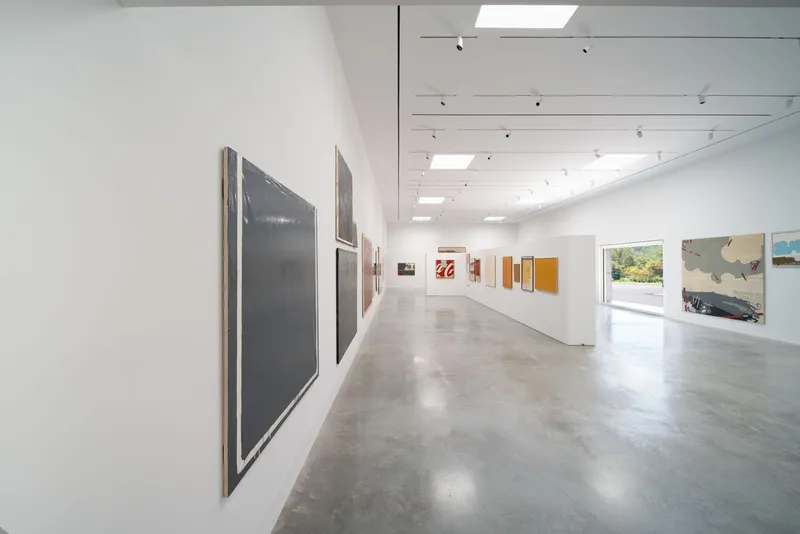
A Vision of Timeless Architecture
Alberto Campo Baeza and Miguel Quismondo envisioned the Robert Olnick Pavilion as a building that is “simple and sober, yet one of the most beautiful in the world.” Their design philosophy is manifest in every proportion, material choice, and spatial sequence of the project. Rather than overshadowing its surroundings, the pavilion gracefully extends the narrative of Magazzino, offering a calm yet compelling stage for art, community, and contemplation.
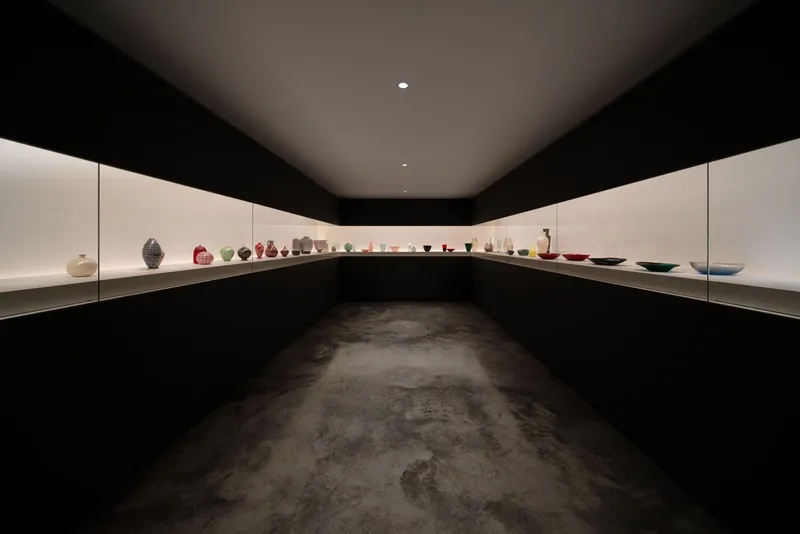


Popular Articles
Popular articles from the community


Co-life: Sustainable Architecture for Age-Friendly Community Living
Co-life reimagines sustainable architecture for seniors through courtyards, rammed earth, shared gardens, and spaces designed for belonging.

Play: Fragments of Their World
Familiar architecture becomes modular playground design, creating safe spaces where displaced children can learn, connect, imagine and play.

The Musturak Paradise: Senior Living Architecture for a Connected Future in Temara, Morocco
The Musturak Paradise reimagines senior living architecture in Temara via private homes, social spaces, culture, community, and shared care.

Co-Life: Senior Housing Design That Reconnects Older Adults With the City
Co-Life reimagines senior housing design through healing gardens, shared streets, workshops, and a sustainable community across generations.

Similar Reads
You might also enjoy these articles


Hodi-Mandai Geram
Project Function: Preservation and revitalization of the Intangible heritage and socio-spatial identity of the Hodi by Housing, Cultural Memory Center, Sacred Grove, landscape, local tourism economy


Olio Towers: A Mid-Rise for Performers That Fuses Housing, Rehearsal, and Stage
Located blocks from Houston's Theater District, this modular tower stacks living units around a central performance atrium.

Oasis: Modular Green Housing Carved into Dhaka's Urban Fabric
A shortlisted Plugin Housing entry reclaims unauthorized settlements in Dhaka with stepped concrete volumes, green roofs, and ventilation-driven design.

Black Hole: A Floating Megastructure for the Post-Physical Era
Emiliano Mazzarotto envisions a spherical, self-scaling arena where e-sports, digital hotels, and holographic stadiums replace traditional public space.

Explore Architecture Competitions
Discover active competitions in this discipline

Challenge to reimagine the Iron Throne

Photograph architecture without architects

Illustrate the lost glory of Angkor Wat - Render Challenge

Design challenge to reuse E-waste
Comments (0)
Please login or sign up to add comments
No comments yet. Be the first to comment!