
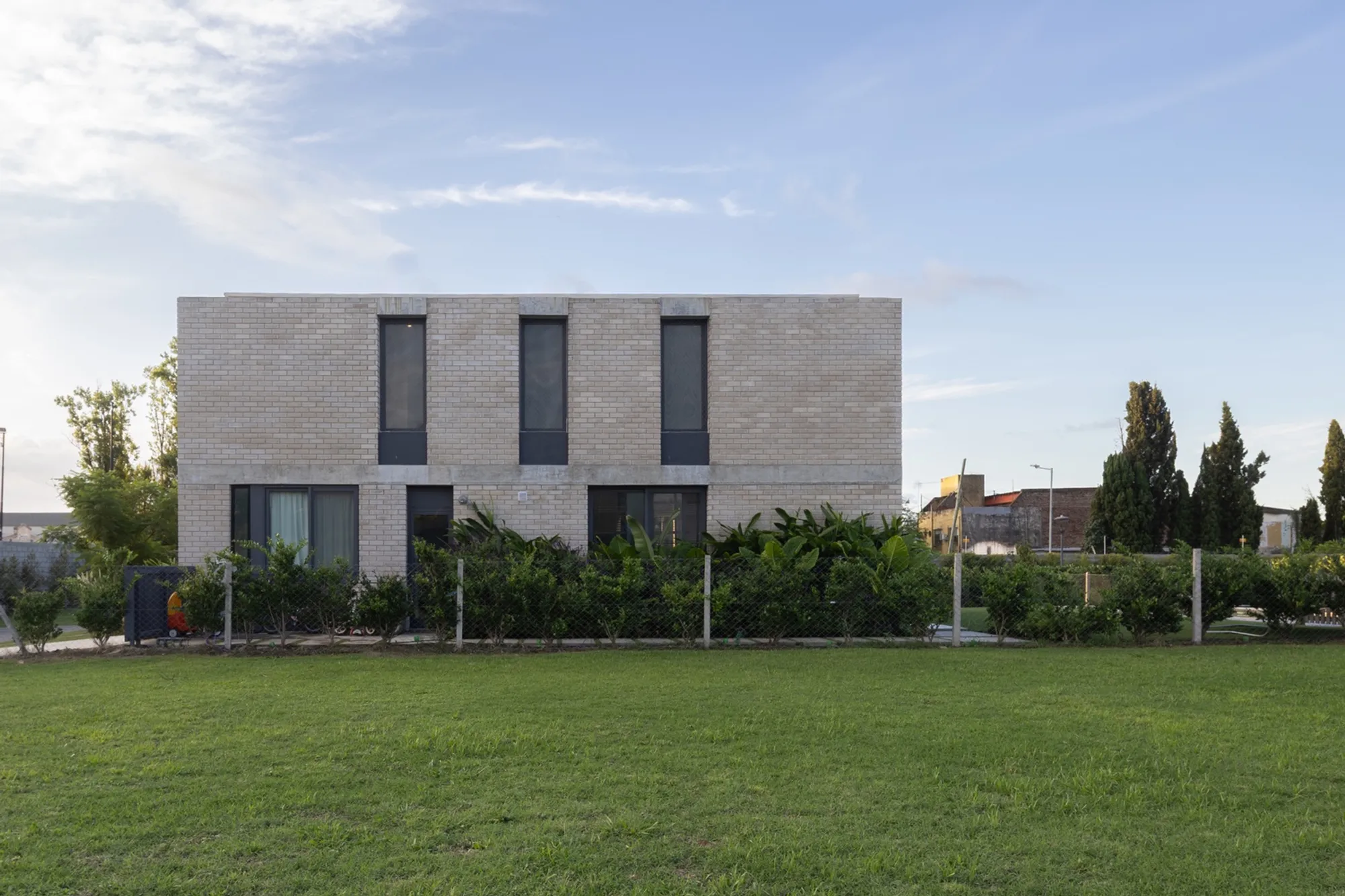
RoMa House: A Masterpiece of Compact House Design in Béccar, Argentina
RoMa House in Argentina exemplifies compact house design, maximizing space through thoughtful volumes, material honesty, and fluid indoor-outdoor connections.


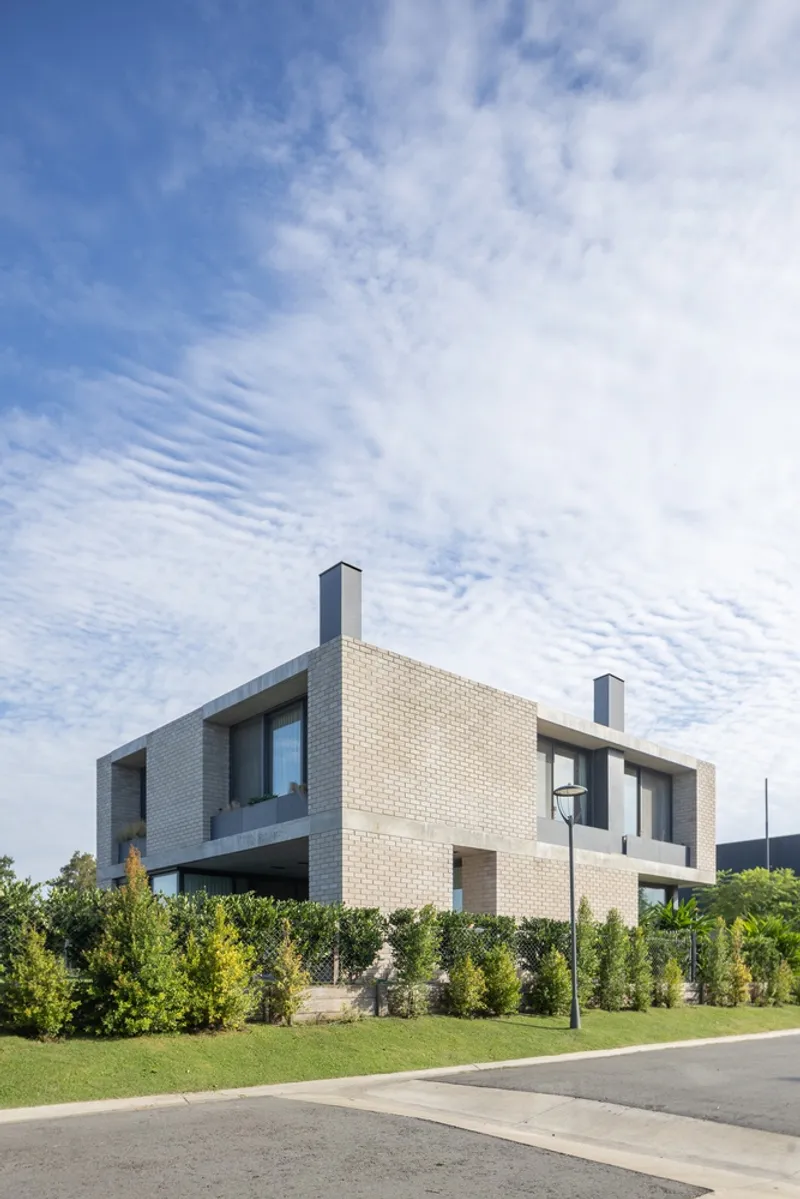
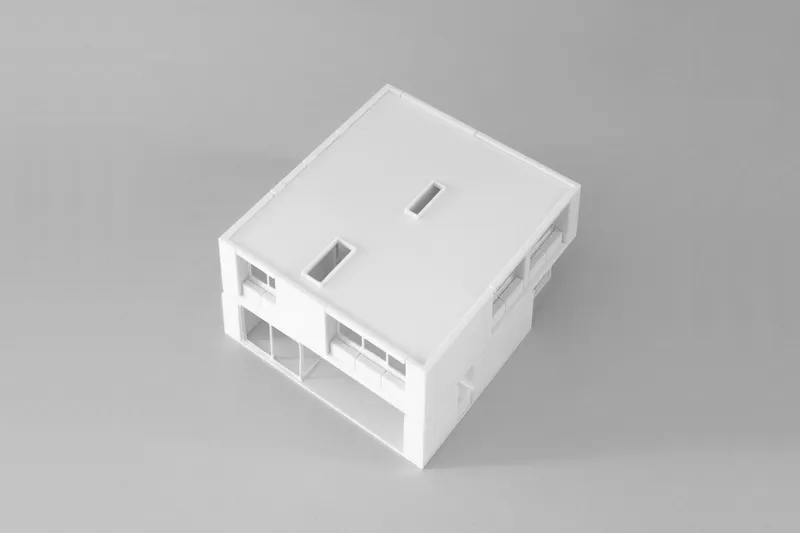
RoMa House, designed by Guayra, Ignacio Bóscolo, and Pedro Ignacio Yáñez, challenges conventional residential typologies with a refined approach to compact house design. Located in Béccar, Argentina, this 2,023 m² residence demonstrates how thoughtful placement of volumes and strategic material choices can transform a limited footprint into a spacious, continuous, and harmonious living environment.
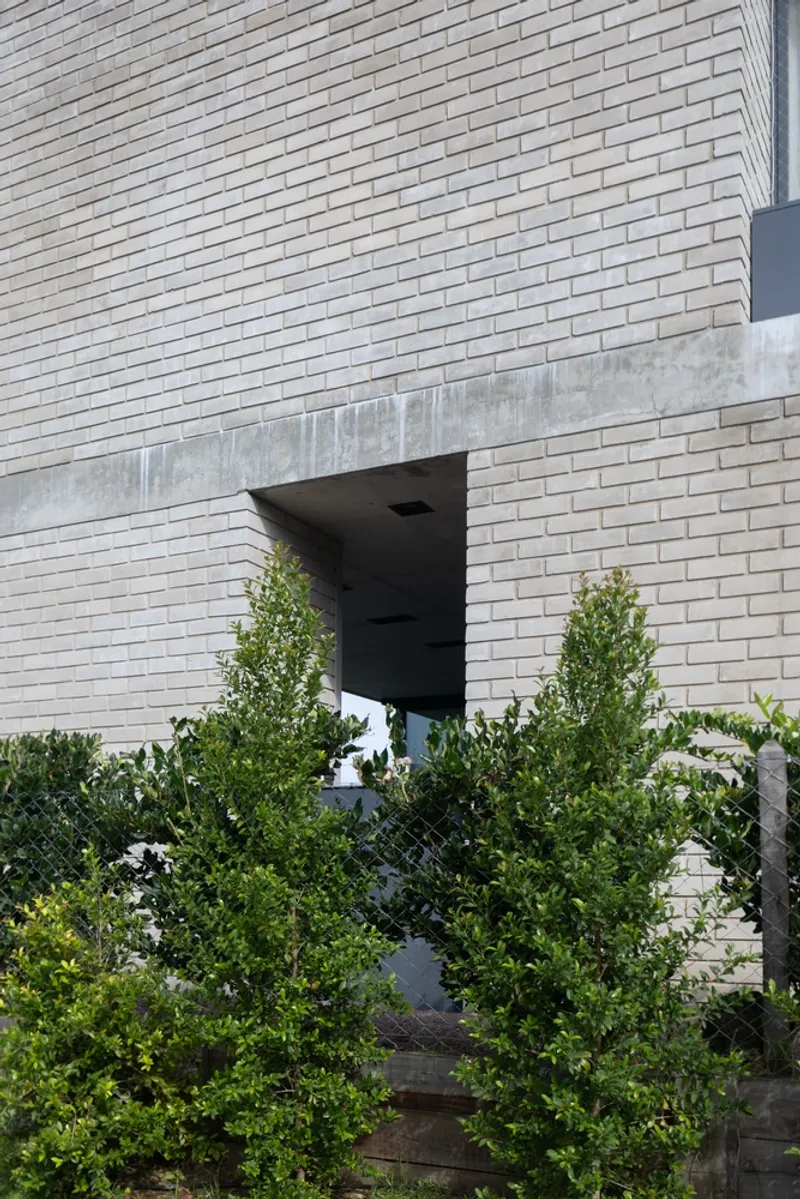
Maximizing Space with Minimal Footprint
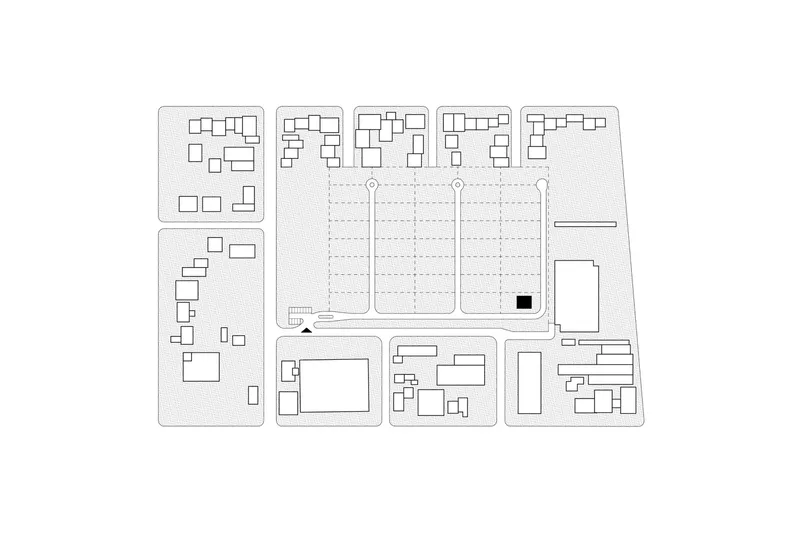
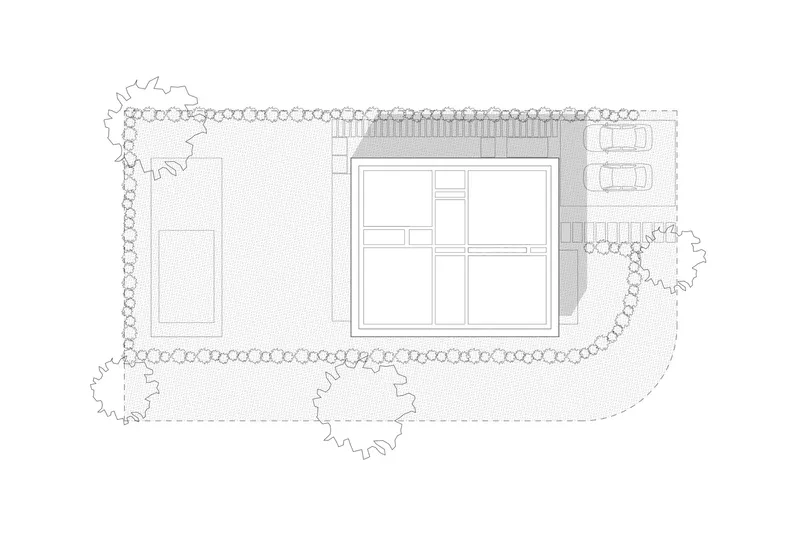
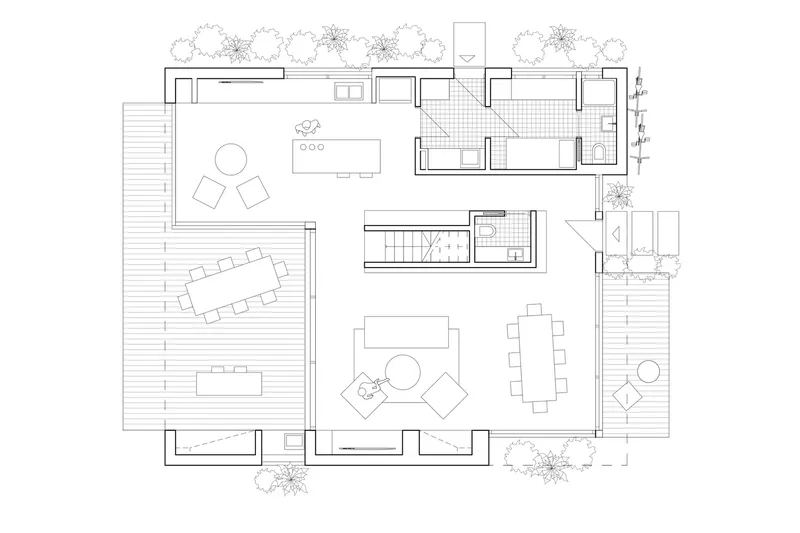
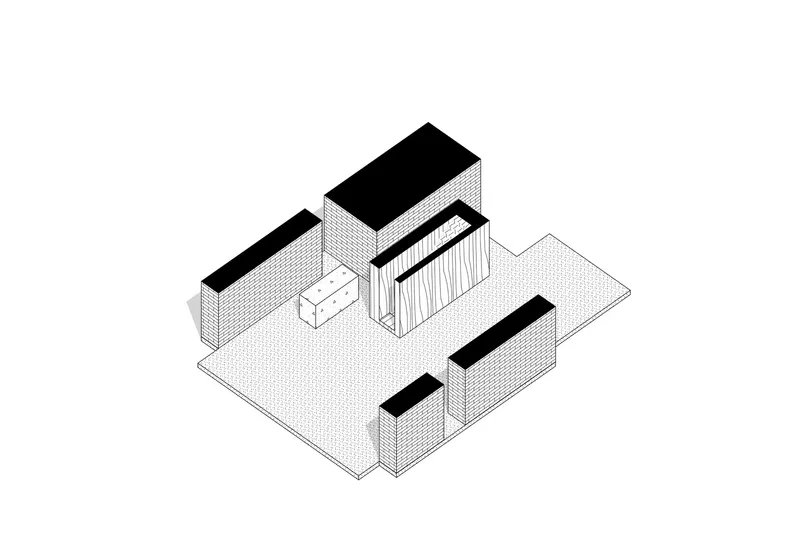
The clients, Rocío and Mariano, envisioned a home that would offer generous living spaces without expanding the built footprint excessively. The design team responded with a compact yet expansive layout that prioritized the surrounding garden. By carefully arranging volumes, the architecture extends perspectives across the plot, blending interiors and exteriors into one continuous environment.
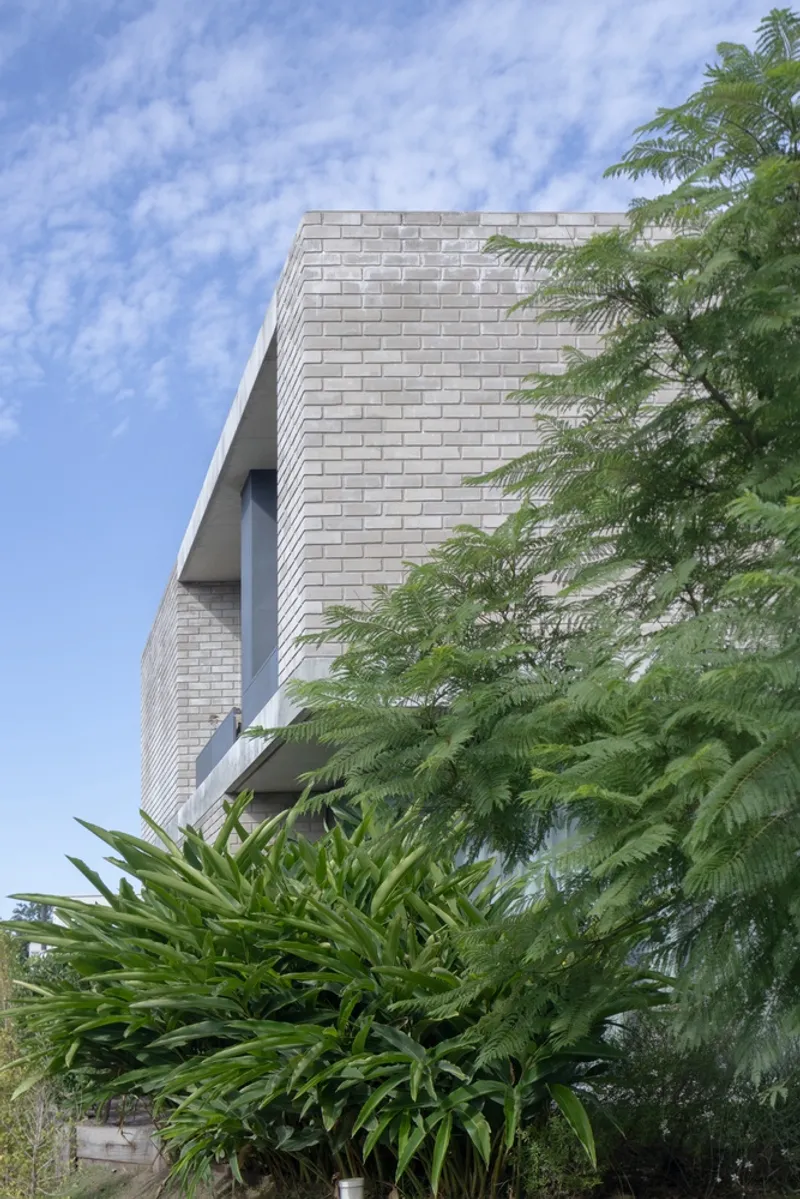
Blurring Boundaries Between Interior and Exterior
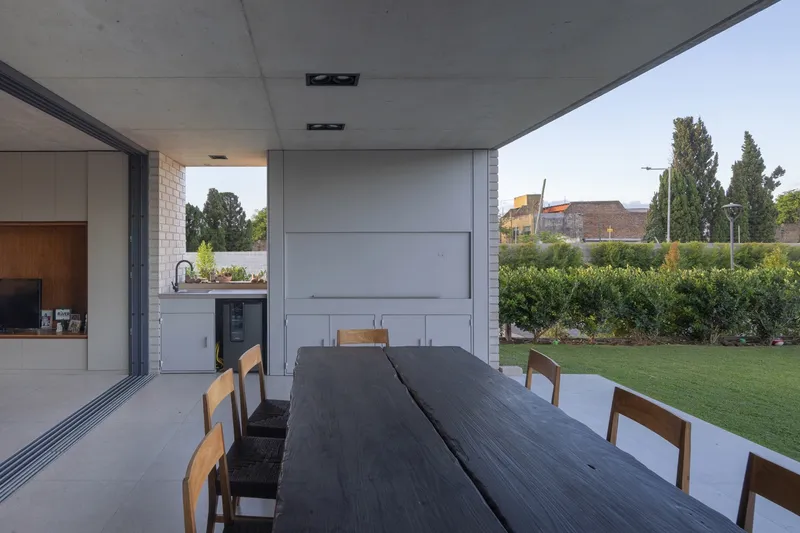
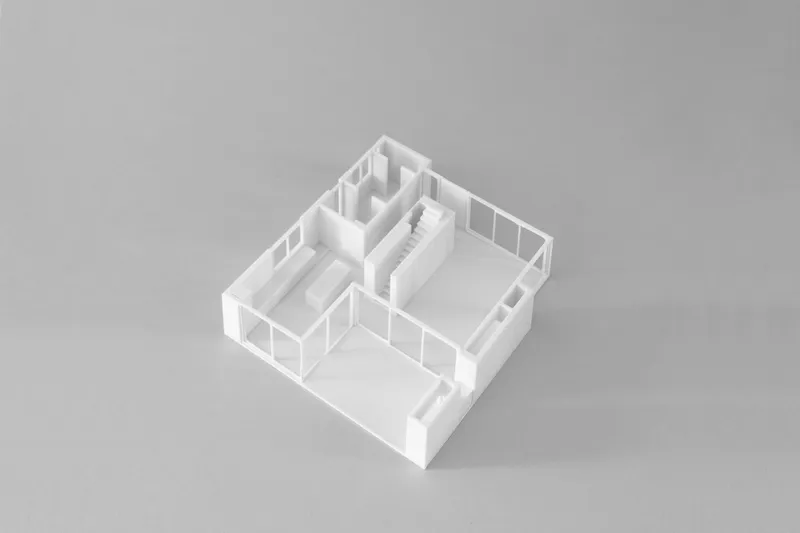
One of the defining features of RoMa House is the fluid transition between indoor and outdoor spaces. Volumes are carefully positioned to create long sightlines and garden-facing perspectives, challenging traditional separations of public and private spaces. At times, the boundaries dissolve completely, merging interior living areas with exterior courtyards, reinforcing a strong connection to the natural surroundings.
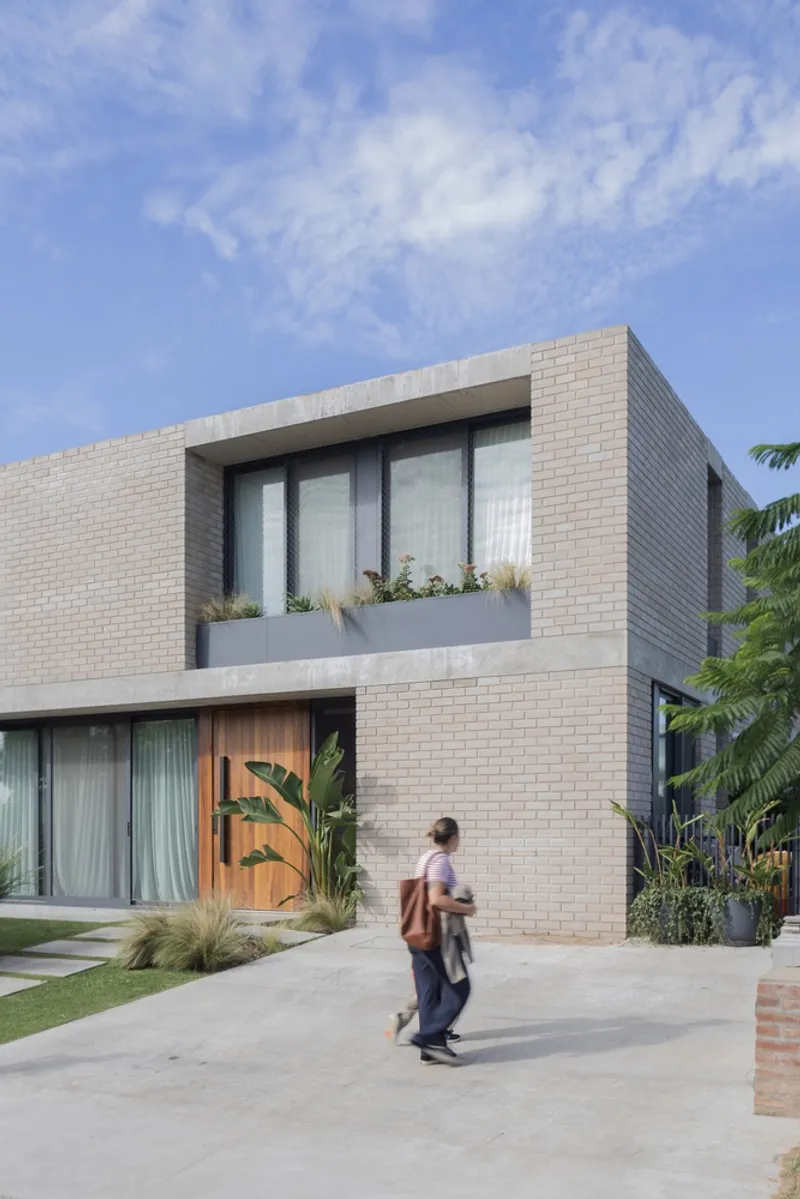

Integrated Volumes and Functional Design
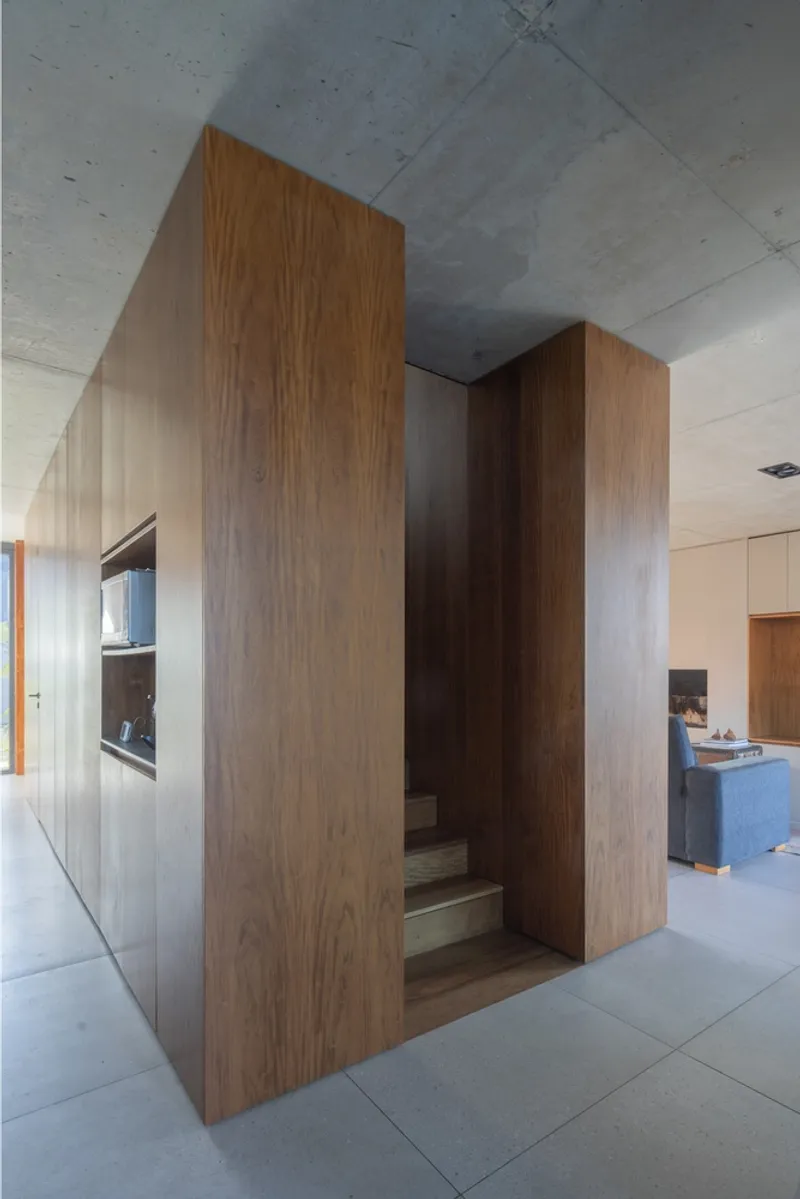
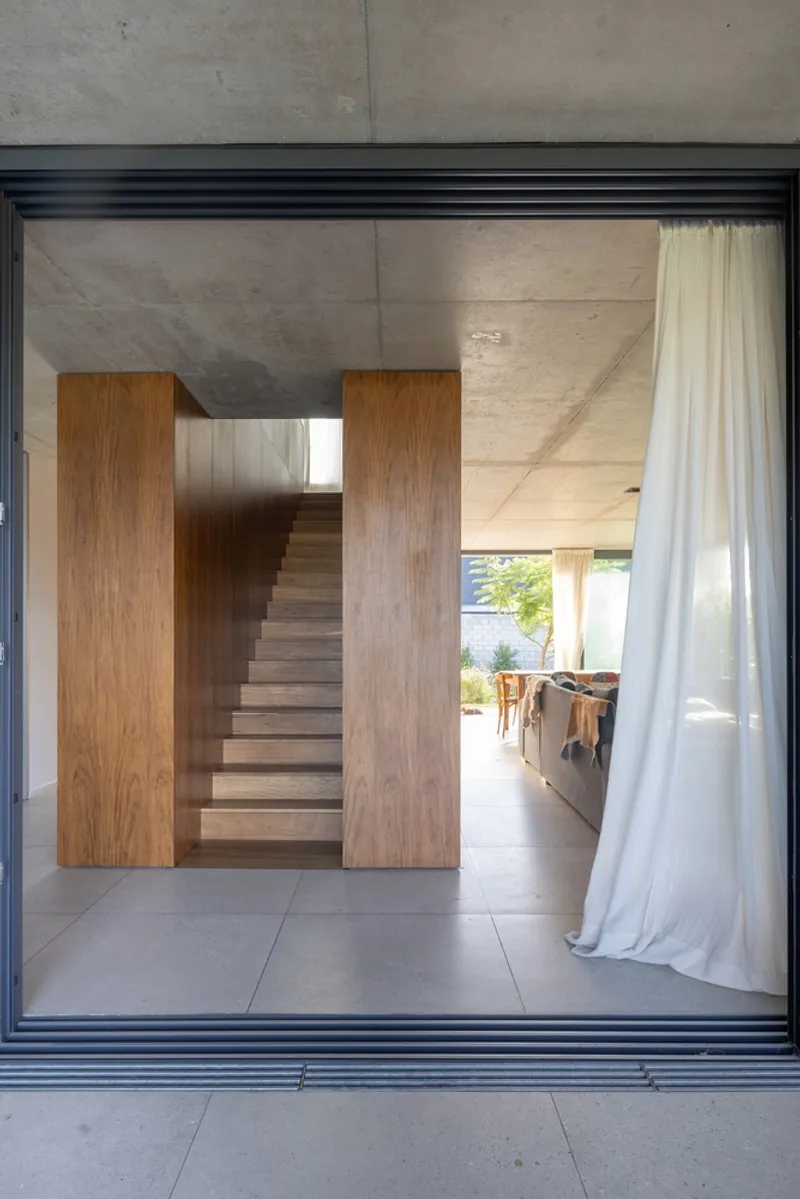
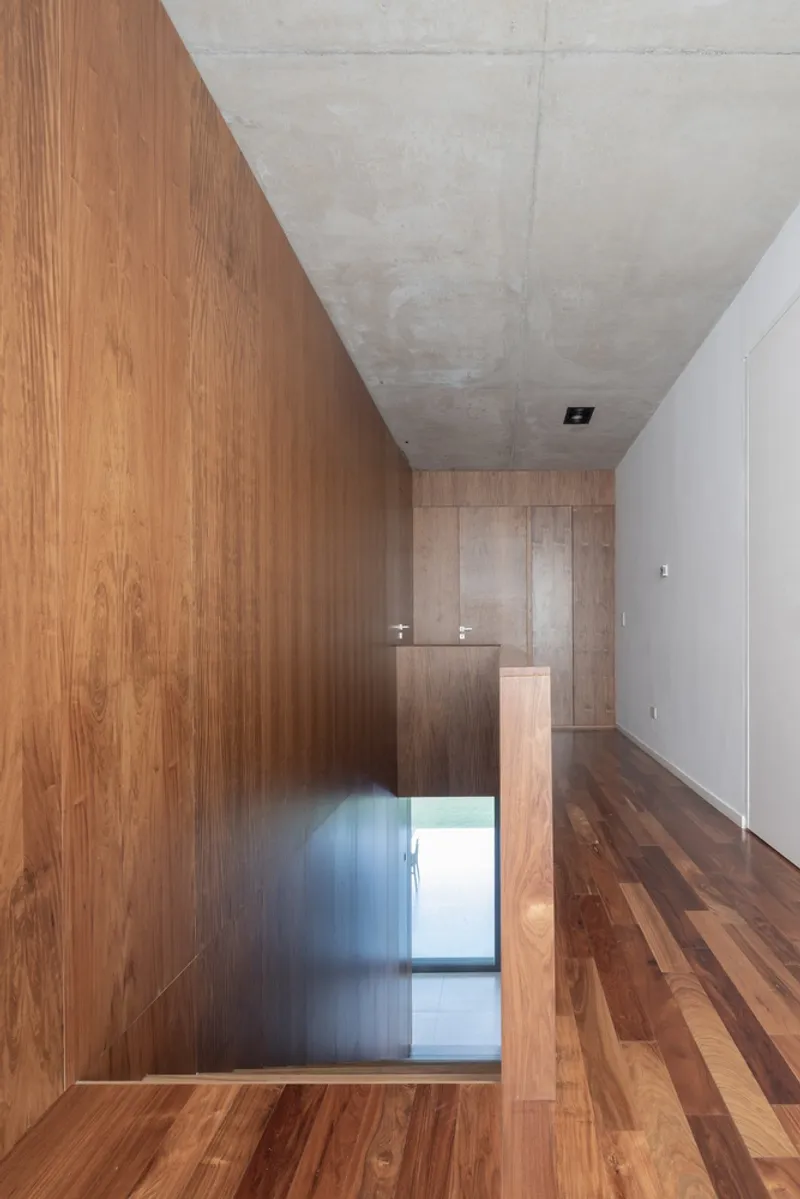
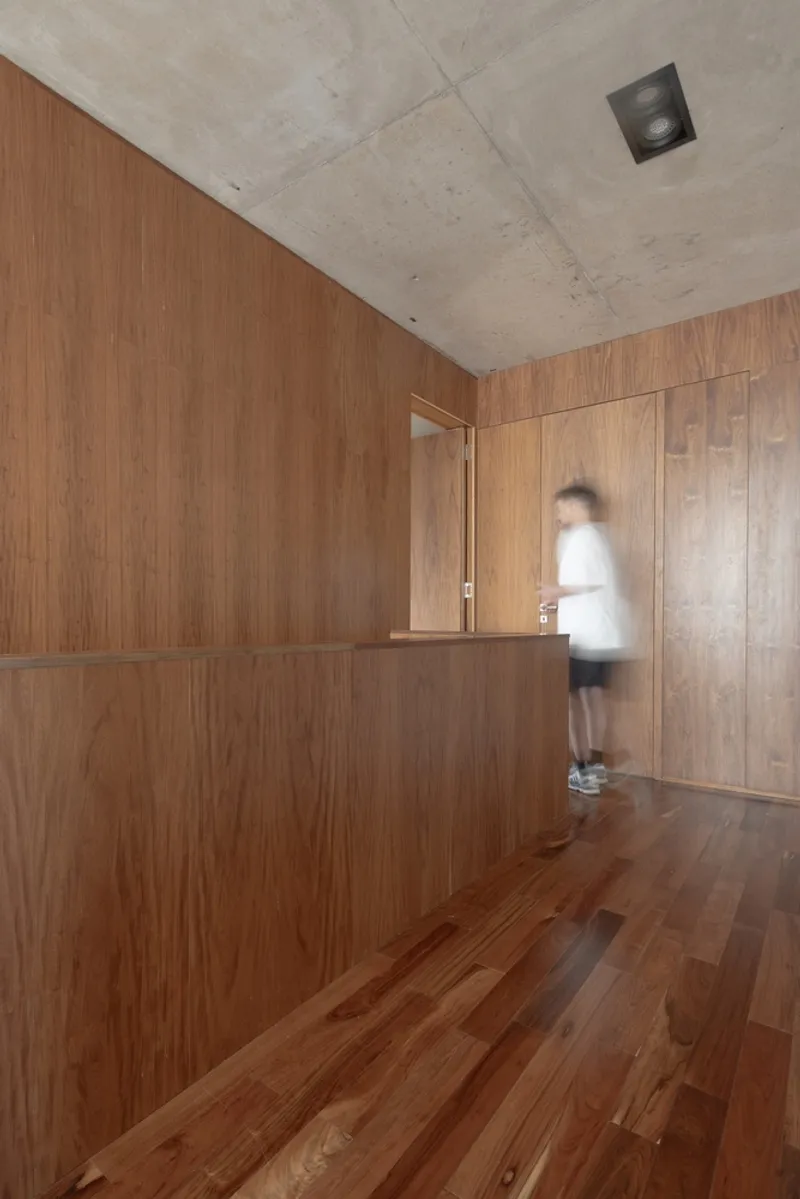
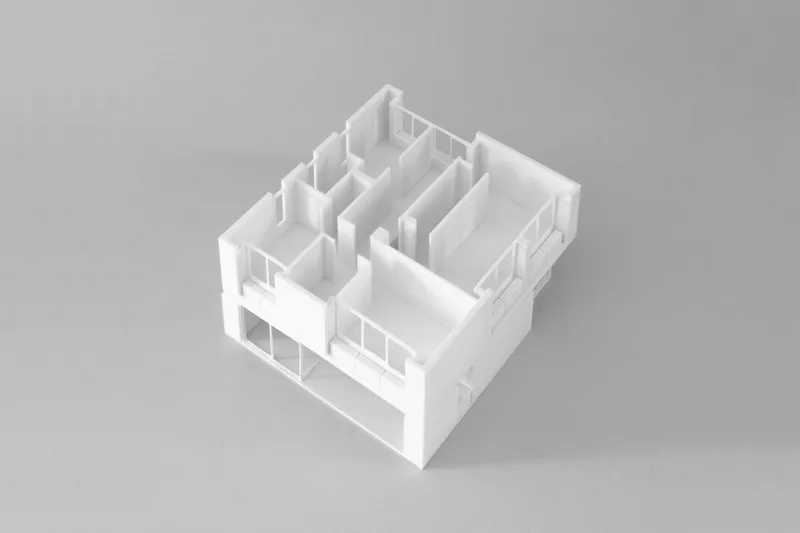
To preserve continuity, the architects minimized isolated structural elements. Service areas and storage were fully integrated into the main volumes, creating "containing walls" that serve both functional and spatial purposes. On the ground floor, this strategy enhances openness, while the upper level accommodates private bedrooms with equally efficient spatial solutions.
Material Palette and Atmosphere
Material restraint enhances the clarity of the design. A monochromatic palette of grays dominates the interior and exterior walls, achieved with industrialized clay, ceramic bricks, and lacquered surfaces. Exposed concrete slabs and cement flooring are balanced by the warmth of incense wood, creating a refined atmosphere that oscillates between minimalism and warmth. This balance ensures that compact house design feels neither constrained nor cold, but rather expansive and welcoming.

Flexible Spaces for Family Life
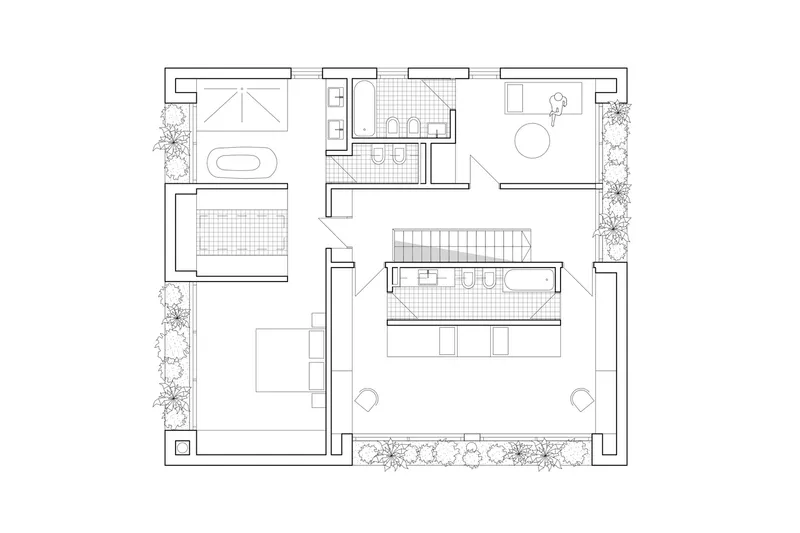
The house reflects the evolving needs of its residents: Rocío, Mariano, their twin children, and their younger daughter. The design incorporates a flexible “double” room for the twins, adaptable to future needs, along with an additional bedroom for the youngest child. The master suite is designed with privacy in mind, featuring a spacious walk-in closet and a well-divided bathroom, providing the parents with their own retreat within the compact layout.
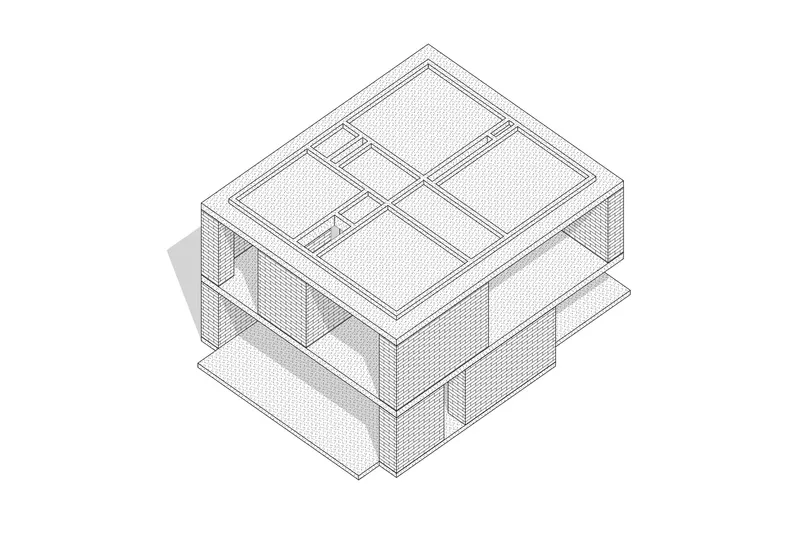
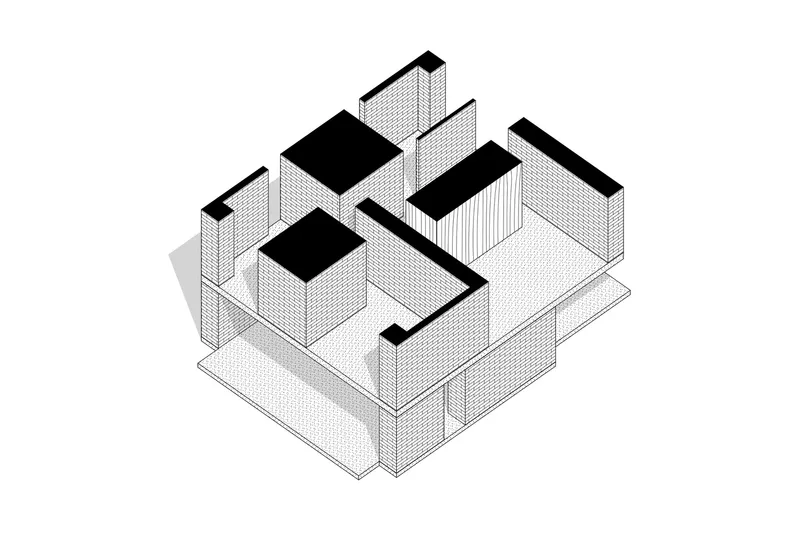
RoMa House is a powerful case study in compact house design, showing how careful volumetric strategies, functional integration, and material honesty can create a spacious and versatile home within a modest footprint. It redefines compact living, proving that architectural intelligence can amplify space, comfort, and family adaptability without sacrificing elegance.




Popular Articles
Popular articles from the community


The Musturak Paradise: Senior Living Architecture for a Connected Future in Temara, Morocco
The Musturak Paradise reimagines senior living architecture in Temara via private homes, social spaces, culture, community, and shared care.

Play: Fragments of Their World
Familiar architecture becomes modular playground design, creating safe spaces where displaced children can learn, connect, imagine and play.

Riyadh For All: Intergenerational Urban Design for Active Aging in Rabat
Riyadh For All reimagines urban design in Rabat with intergenerational co-living, adaptive courtyards, and Moroccan cultural exchange today.

Lunar Spiral: Space Architecture Shaped by the Mathematics of the Universe
Lunar Spiral reimagines space architecture through Fibonacci geometry, lunar regolith, levitating habitats, and self-sustaining Moon living.


Similar Reads
You might also enjoy these articles

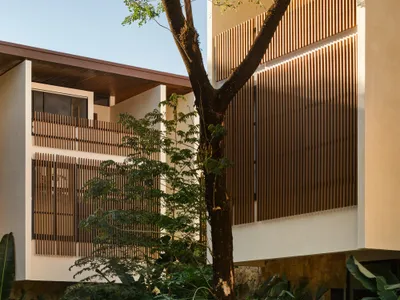
FAMM Arquitectura Organizes Ten Villas Around Courtyards and Jungle in Nosara, Costa Rica
El Molino pairs two elongated volumes with deep overhangs and timber louvers to build a compact coastal community five minutes from the beach.
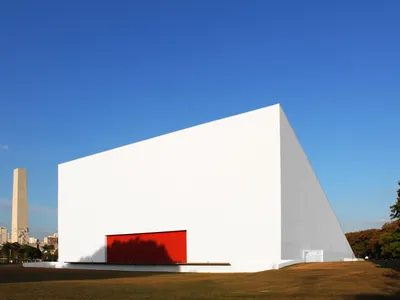
Oscar Niemeyer's Ibirapuera Park Pavilions Define São Paulo's Cultural Identity in Concrete and Curve
A constellation of modernist volumes set within São Paulo's most important urban park, conceived for the city's 400th anniversary in 1954.

How Henri Picq's 1889 Paris Pavilion Traveled 11,000 Kilometers to Become Santiago's Artequín Museum
A prefabricated iron and glass pavilion built for the Paris Universal Exposition found a second life as a children's art museum in Chile.
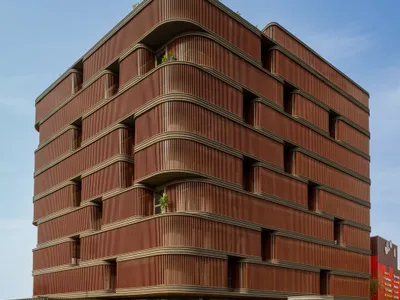
Sanjay Puri Architects Wraps a Jaipur Office Tower in Capsule-Shaped Green Buffers
A nine-level climate-responsive workplace near Jaipur Airport uses stacked planter terraces and aluminium screens to fight 40°C heat.


Explore Romanian Architecture Competitions
Discover active competitions in this discipline



Challenge to reimagine the Iron Throne


Photograph architecture without architects


Illustrate the lost glory of Angkor Wat - Render Challenge


Design challenge to reuse E-waste
Comments (0)
Please login or sign up to add comments
No comments yet. Be the first to comment!