
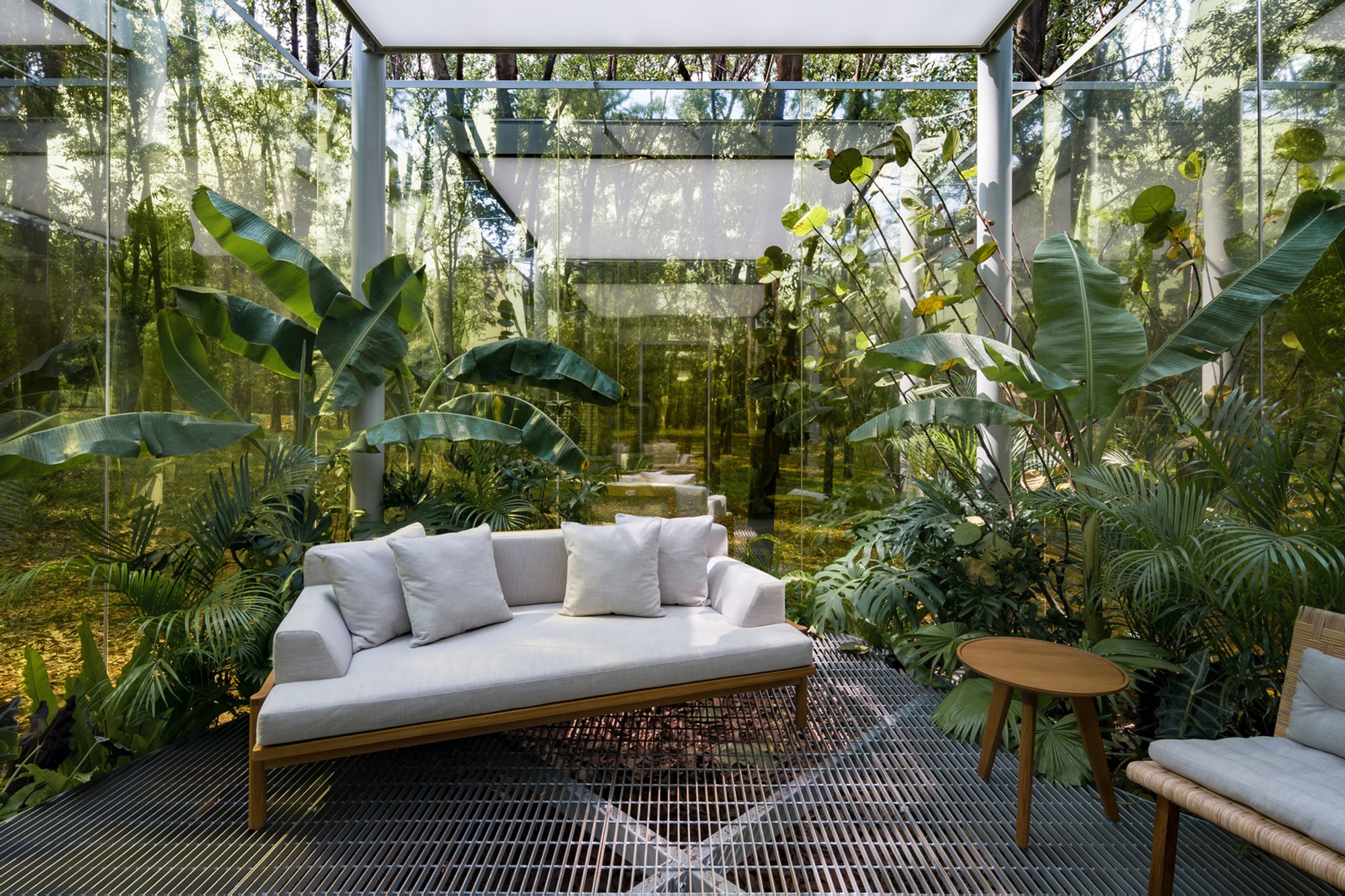
Room Installation by Tamara Wibowo Architects: A Meditation on Duality in Architectural Installations
Room Installation by Tamara Wibowo Architects is a reflective architectural installation exploring duality, perception, and the relationship between nature and design.

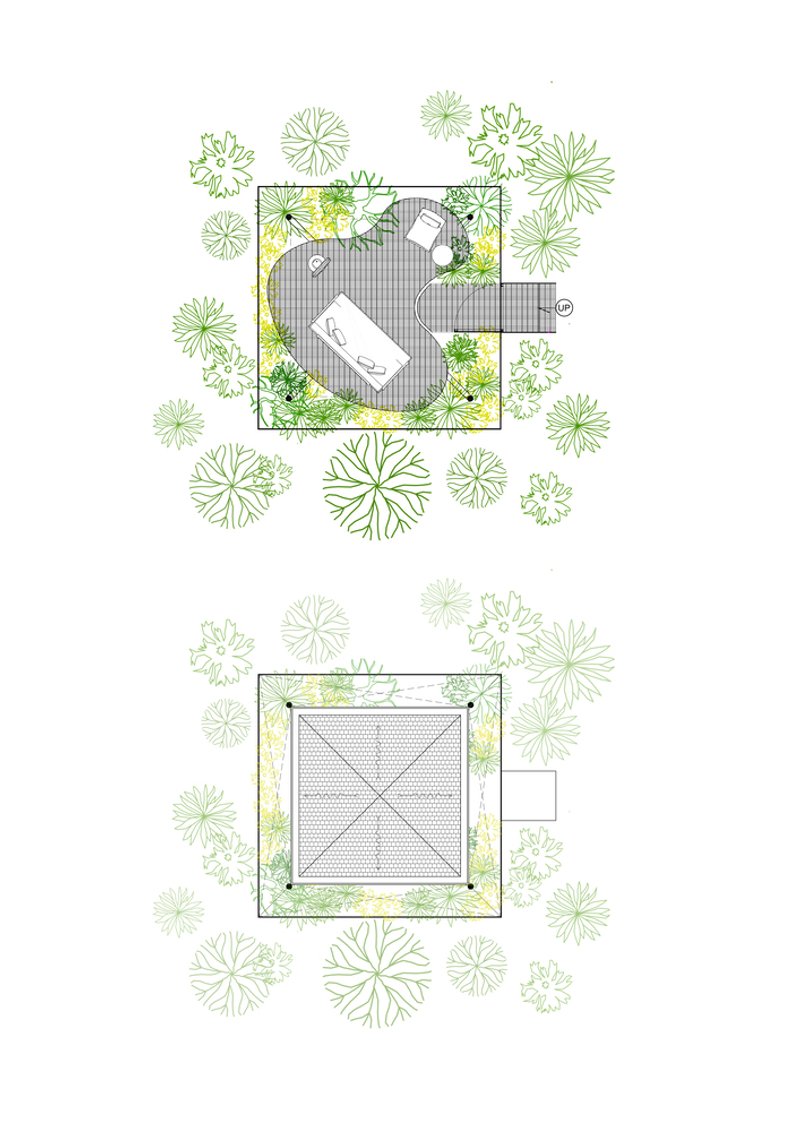
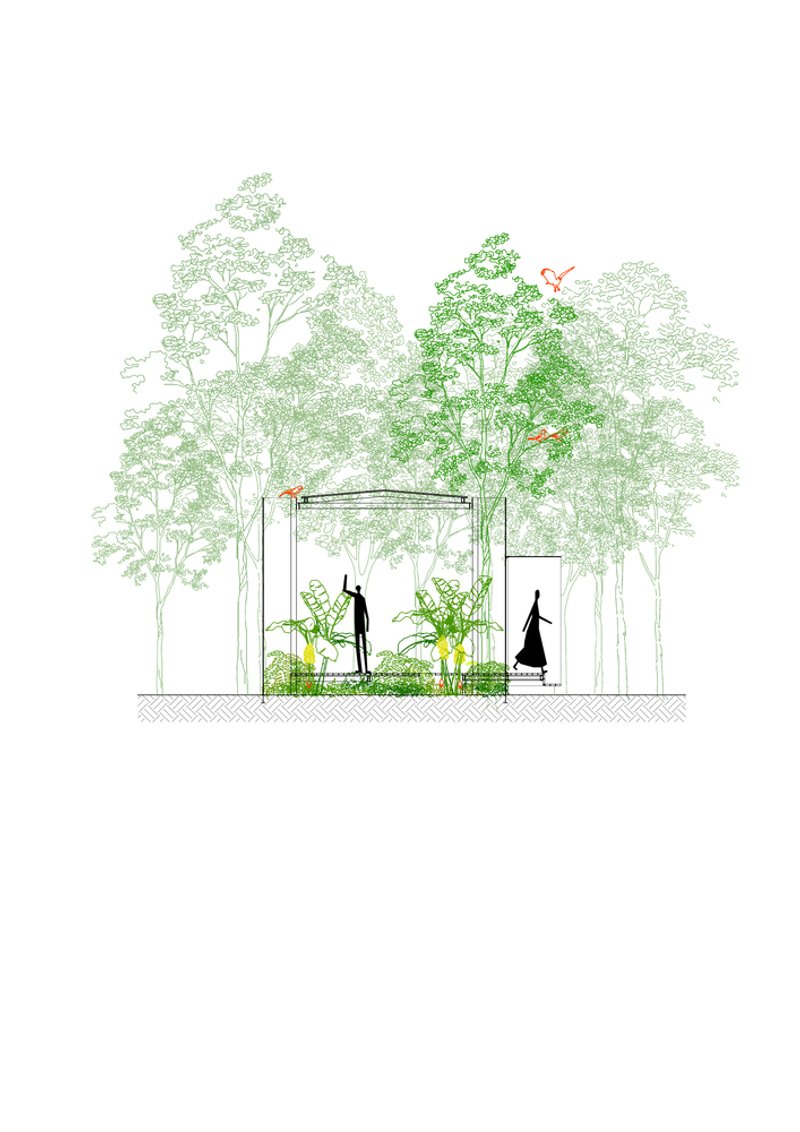
Architectural installations often serve as experimental platforms where architects can explore ideas beyond the constraints of traditional buildings. The Room Installation by Tamara Wibowo Architects in Ciputat Timur, Indonesia, is a powerful example of how architecture and nature can coexist in a carefully balanced dialogue. Designed in 2023, this 20 m² temporary pavilion is more than a spatial experiment; it is a meditation on duality and perception, reflecting how built forms can transform depending on time, light, and the presence of nature.
Concept: Duality as the Heart of Design
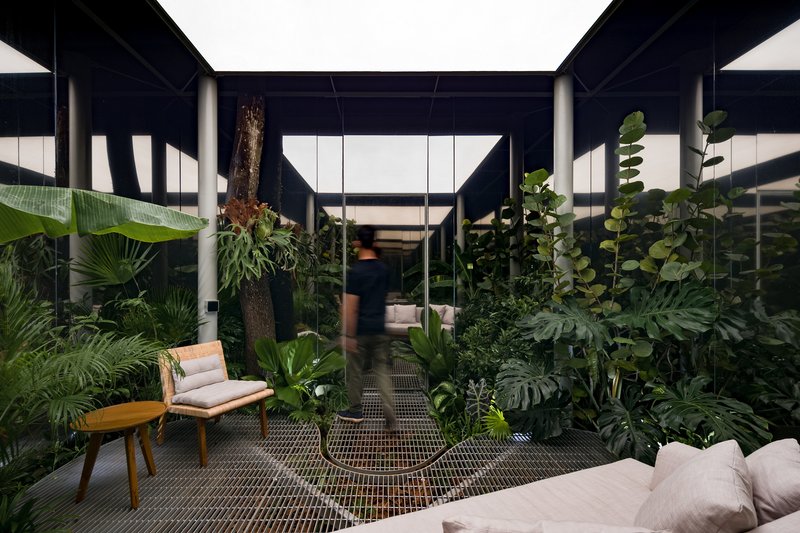
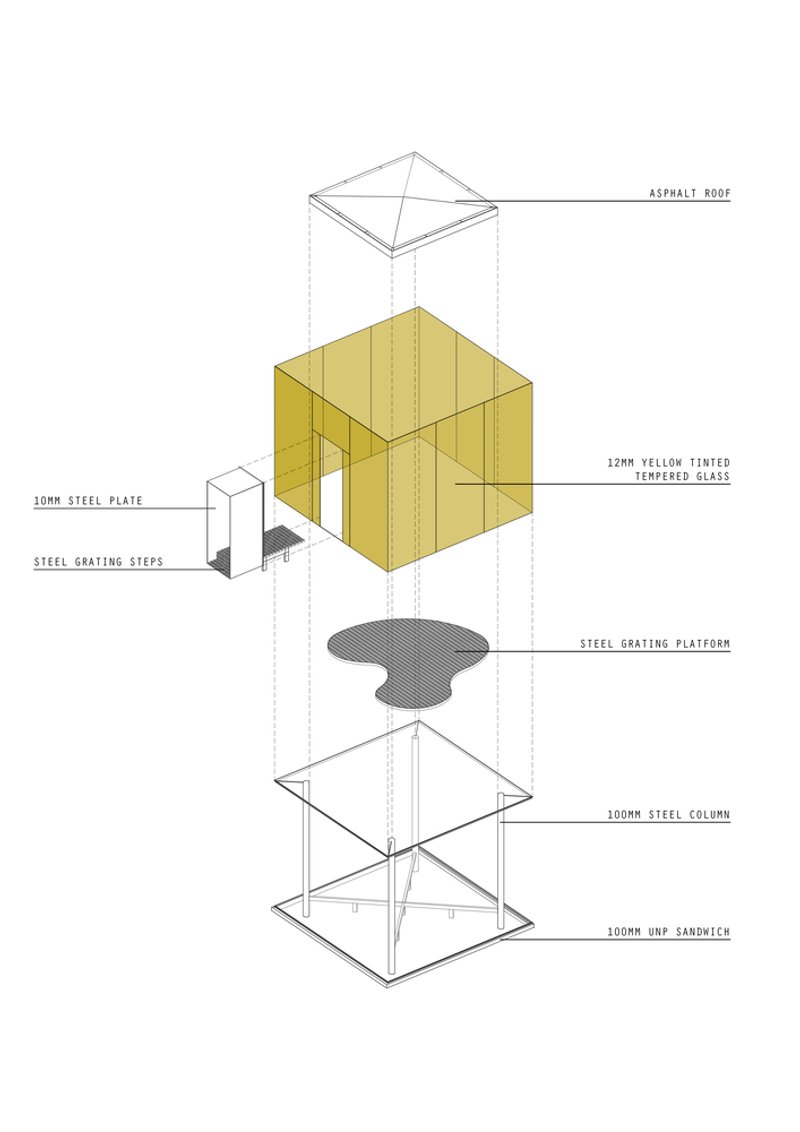
"Room" is conceived as an architectural diptych—two realities existing within one installation. The project challenges binary understandings of space, materiality, and perception, asking whether architecture should dominate nature or blend into it. By using tinted glass, wood, and orthogonal geometry, the installation embodies both order and organicity, both concealment and revelation.
Exterior: A Reflective Mirror in the Forest
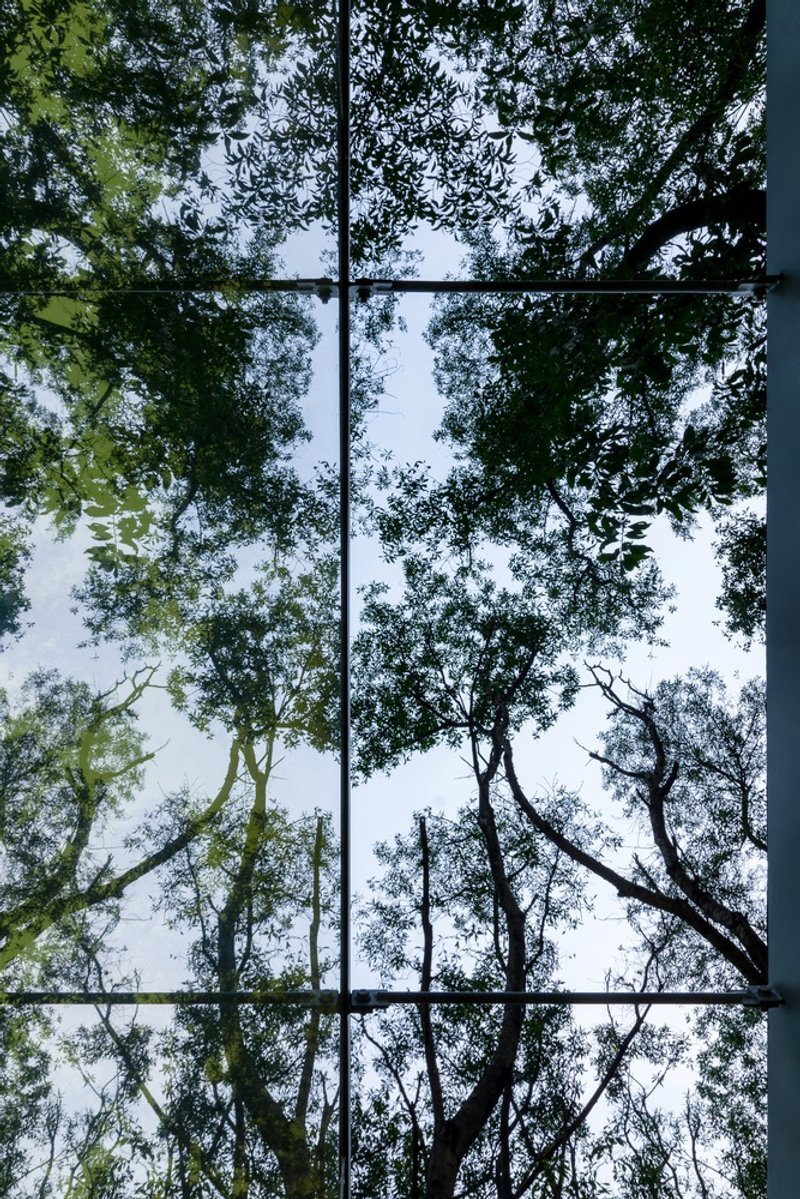
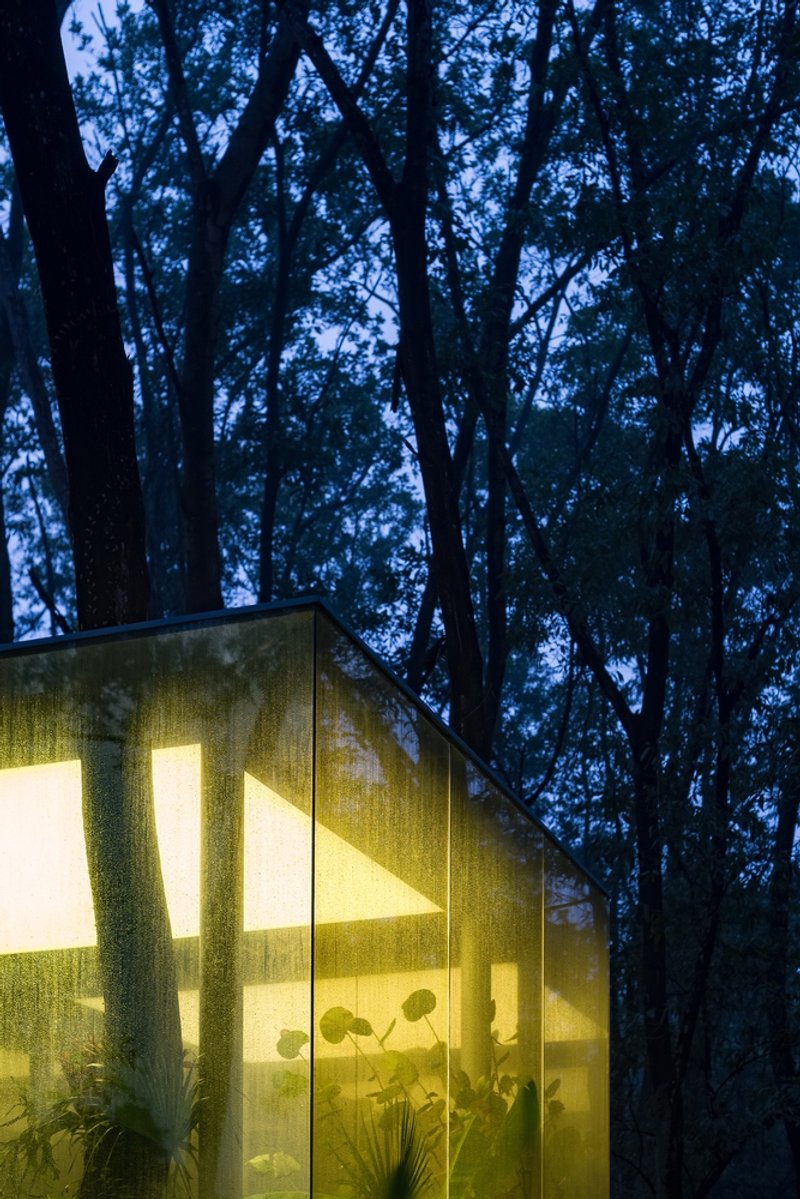
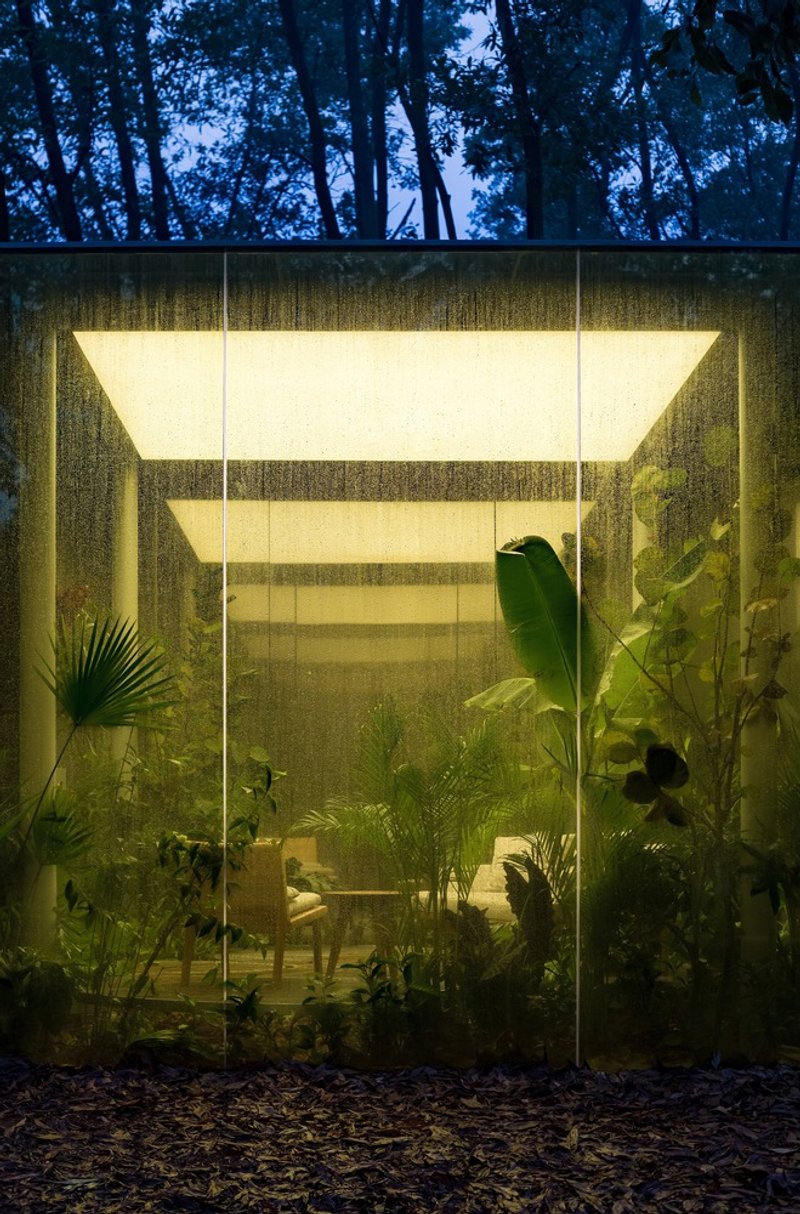
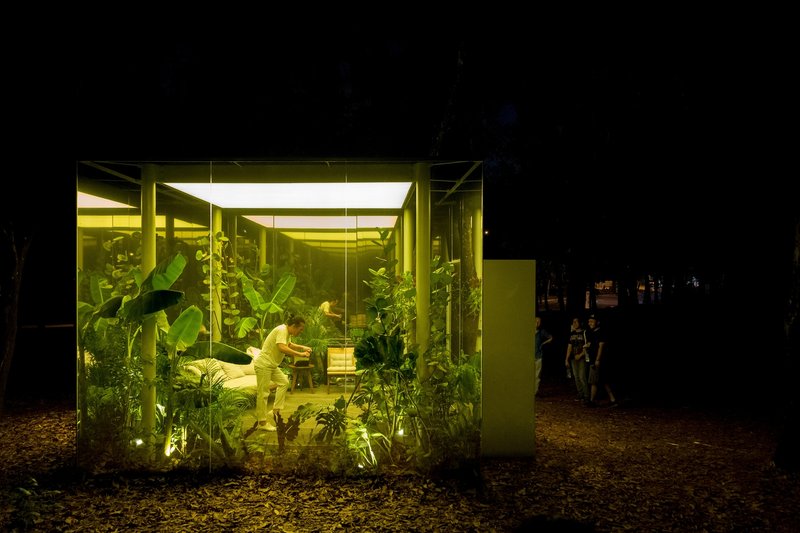
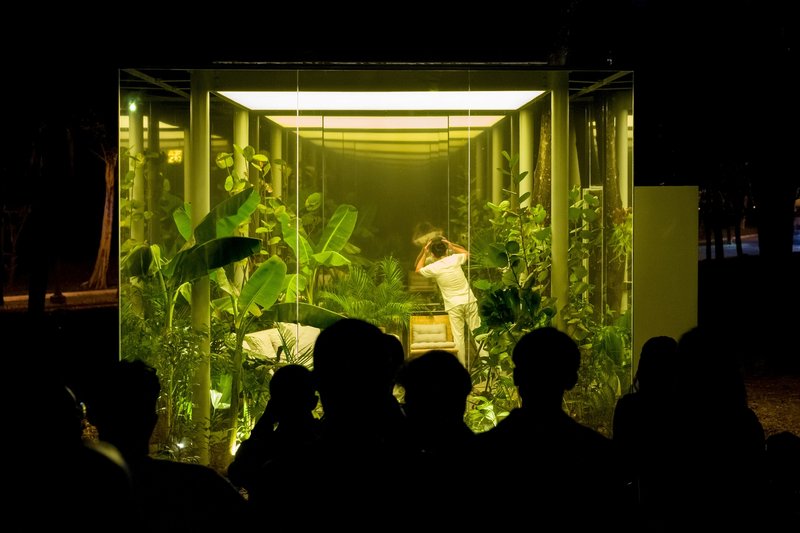
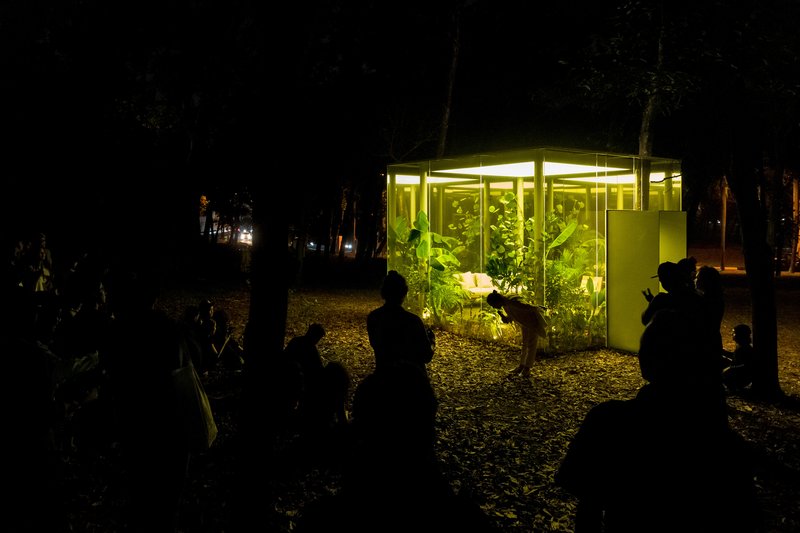
From the outside, the installation appears as a tinted-glass façade surrounded by a dense canopy of trees. By day, the semi-reflective surface mirrors its surroundings, making the structure nearly dissolve into the forest. By night, when illuminated, the pavilion becomes a glowing lantern, its transparency revealing an entirely different character. This transformation highlights how architectural installations can shift identities based on environmental conditions.
Interior: Transparency, Reflection, and Framing Nature
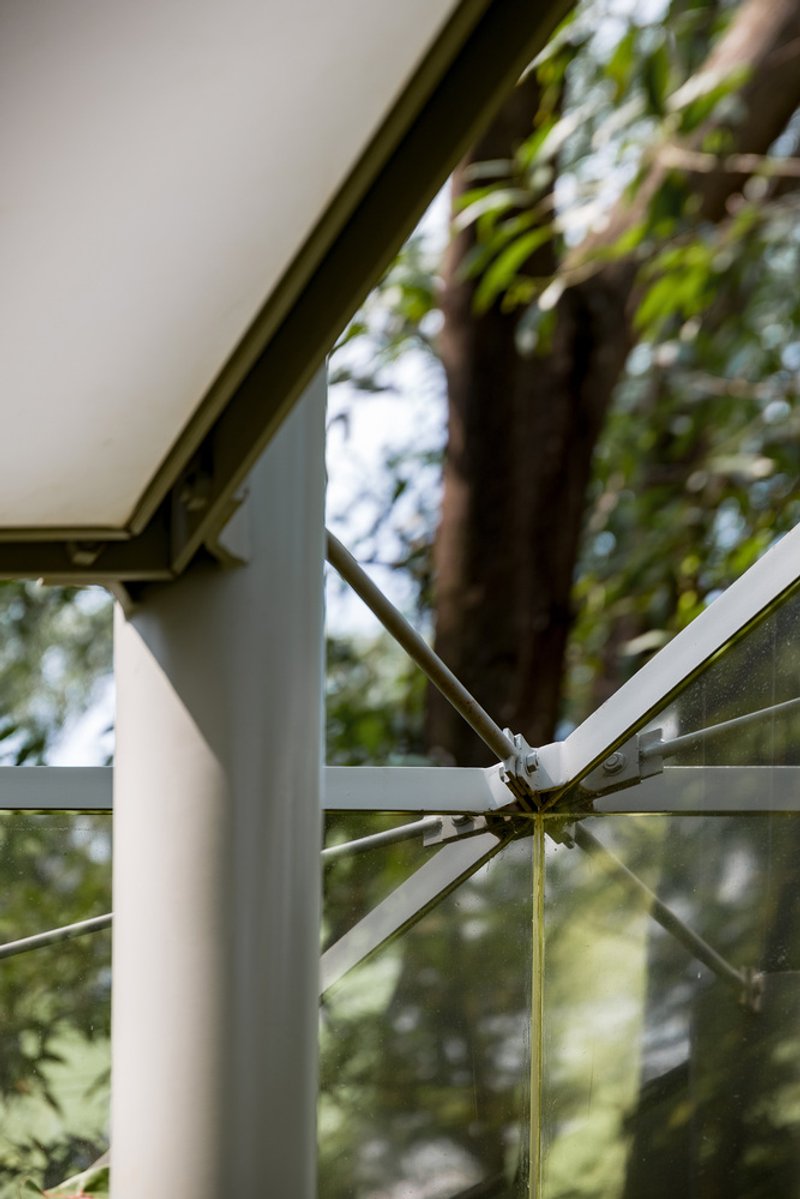
Stepping inside, the glass transforms the user’s perception. In daylight, it acts as a clear frame to the surrounding forest, creating a seamless visual connection. At night, the surface becomes a reflective veil, concealing the inhabitants while casting the forest back into view. The orthogonal planes of the installation soften against the organic patterns of the trees, reinforcing the installation’s dialogue between architectural order and natural irregularity.
The Dialogue Between Architecture and Nature
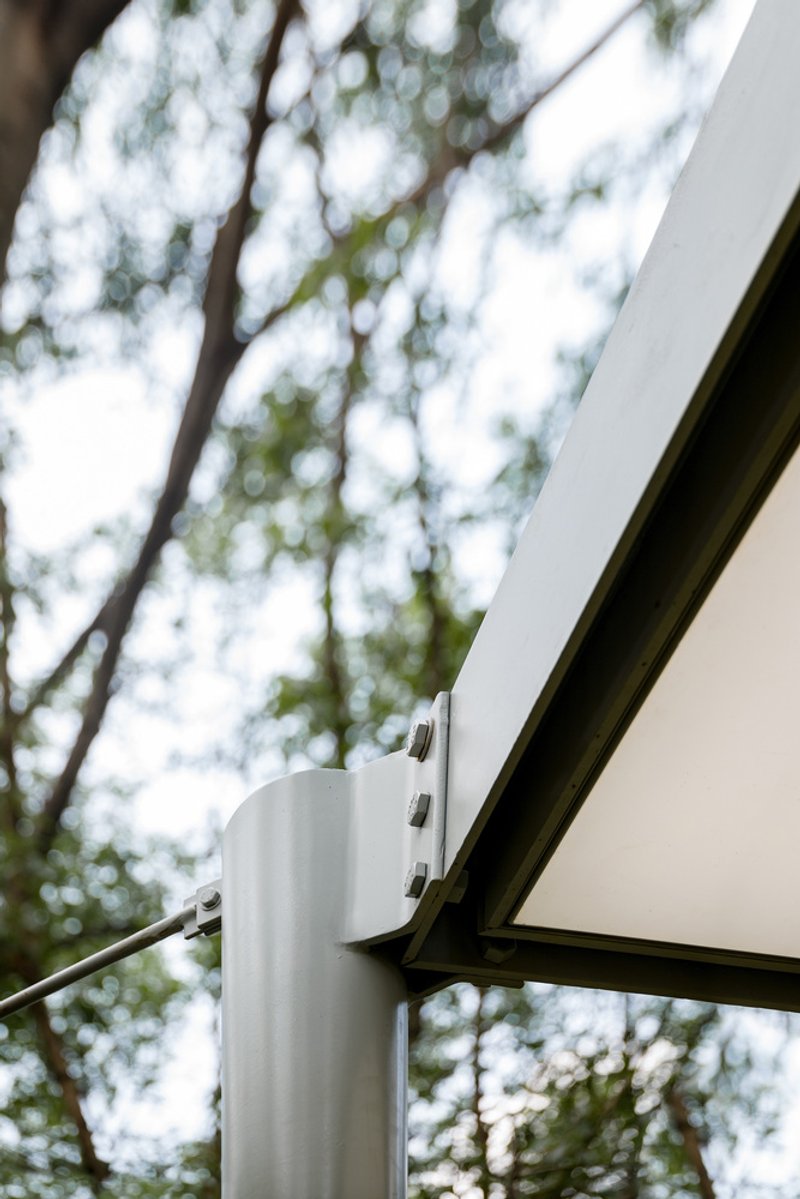
The installation raises critical questions about how we appropriate nature within architecture. Should architecture bend natural surroundings for comfort and clarity, or should it allow itself to be absorbed into natural rhythms? The Room Installation resists giving definitive answers, instead creating a stage for visitors to reflect on the relationship between architectural geometry and organic landscapes.
Experience: Negotiating Boundaries
Every view from within the Room Installation becomes an act of negotiation. Visitors find themselves shifting between interior and exterior awareness, between the tension of being seen and unseen. This collapsing of public and private boundaries reveals the true strength of the installation: it transforms into a space of contemplation where dualities merge into a continuum.
A Landmark in Architectural Installations
By embracing dualities—reflective and transparent, simple and complex, real and imaginary—Tamara Wibowo Architects offers more than just a temporary structure. The Room Installation is a profound exploration of how architectural installations can redefine our relationship with nature, perception, and space itself. It is both architecture and philosophy, both structure and spectacle, leaving its visitors questioning the very thresholds that define their world.
All Photographs are works of Andreas Widi



Popular Articles
Popular articles from the community

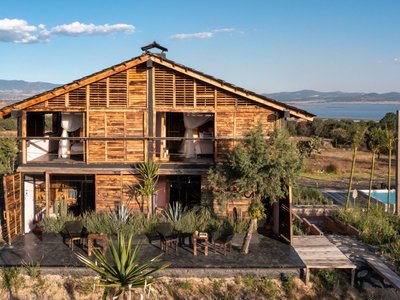
Fausto Terán and Toro Fuse Japanese Craft with Mexican Tradition in a Lakeside Retreat
Nakamura House pairs Shou-Sugi-Ban charred pine with handmade clay tile at the foot of Atlangatepec Lagoon in Mexico.
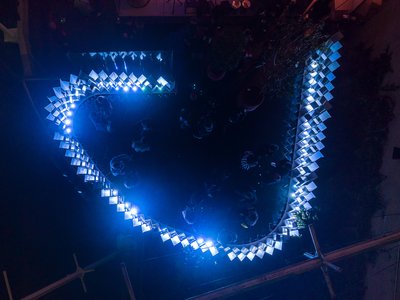
Rojkind Arquitectos and Think Parametric Build a Glueless Pavilion from 67 Interlocking Panels
A serpentine fiber-cement installation in Chapultepec Park celebrates a decade of architectural media in Mexico City.
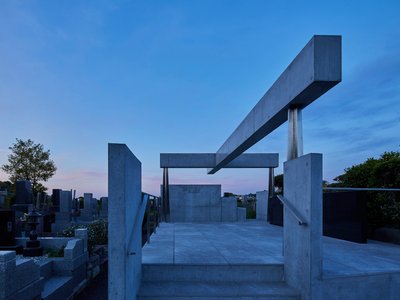
Takeshi Hosaka Architects Suspends a Concrete Cross Above a Yokohama Cemetery
A 28-square-meter burial renovation in Yokohama lifts the symbol of resurrection into the sky so mourners see it against heaven.
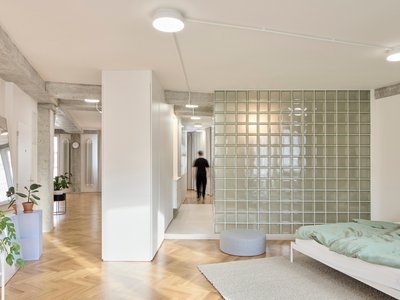
RDTH architekti Rips Out Nearly Every Wall in a Prague Apartment and Replaces Them with Furniture
A 101-square-meter post-war flat in Prague trades rigid partitions for a single rotated furniture block, curtains, and glass concrete.

Similar Reads
You might also enjoy these articles
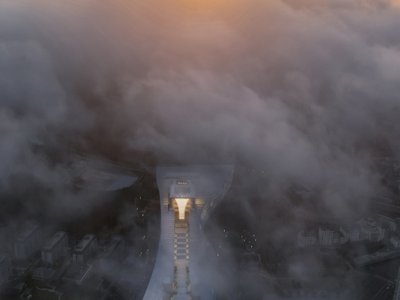
CSADI Carves a Jade Blade into the Qinling Mountains for China's First Ecology Museum
A 43,788 square meter terraced museum in Shangluo draws its form from a Xia Dynasty artifact and steps down toward the valley below.
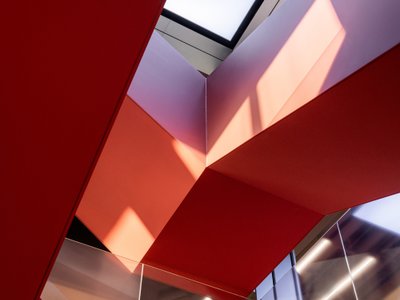
Ippolito Fleitz Group Identity Architects Turn Eight Floors in Shanghai into a Vertical Creative City
Publicis Groupe's new headquarters in Xintiandi reimagines the office as a courtyard-driven urban landscape stacked across eight floors.
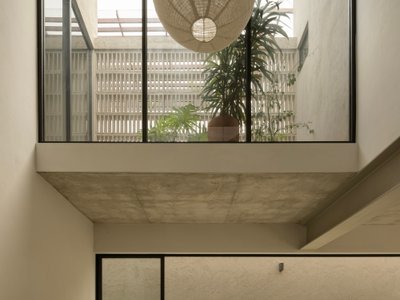
Díaz Webster Arquitectura Carves Light and Air into a Compact Zapopan House
A 237-square-meter residence in western Zapopan uses courtyards and double-height voids to dissolve the boundary between interior and garden.
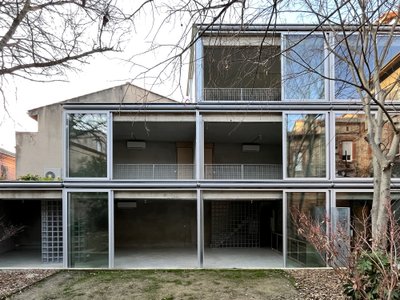
BAST Slots a Four-Story Glass House into a Narrow Gap Between Toulouse Townhouses
In the dense Bonnefoy district, a stepped infill building merges home and office while preserving a majestic hackberry tree.

Explore Architecture Competitions
Discover active competitions in this discipline




The International Standard for Design Portfolios


The Global Benchmark for Architecture Dissertation Awards


The Global Benchmark for Graduation Excellence


Challenge to reimagine the Iron Throne
Comments (0)
Please login or sign up to add comments
No comments yet. Be the first to comment!