
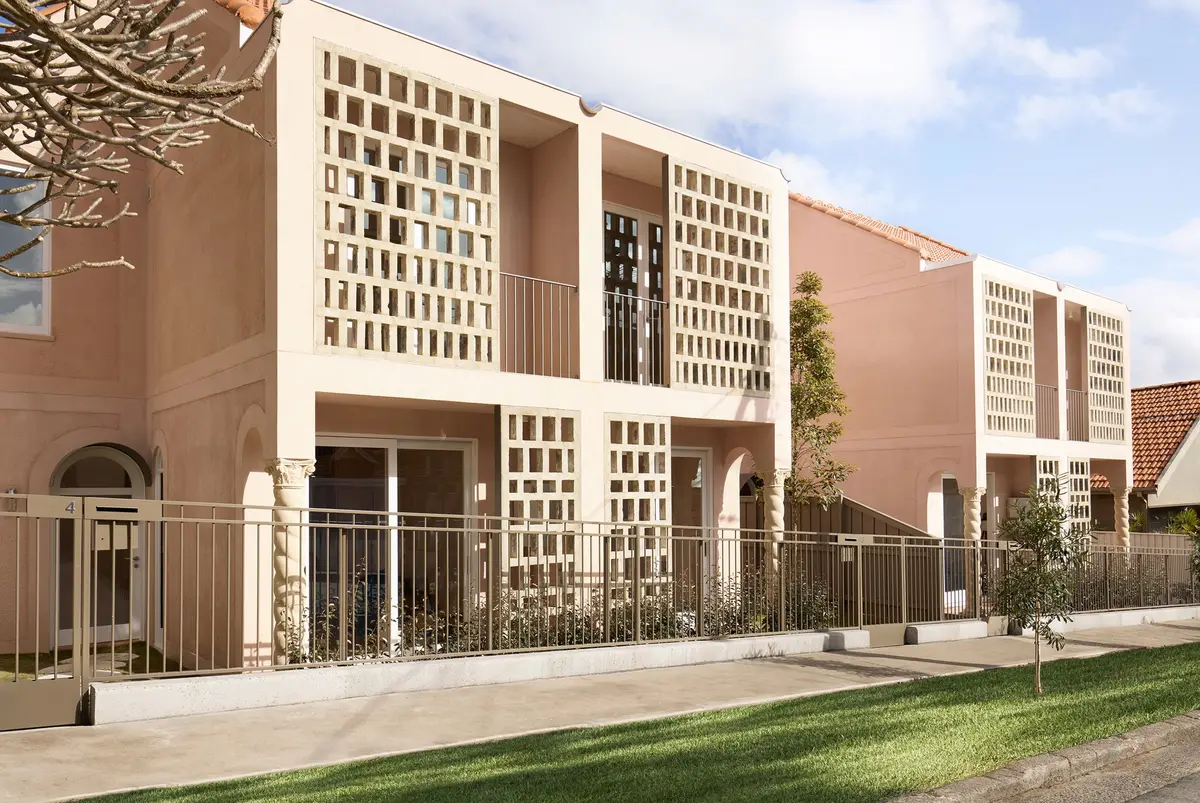
Rose Terraces: Cross-Laminated Timber as a Tool for Faster, Fairer, and Lower-Carbon Housing by Luigi Rosselli Architects
A Sydney build-to-rent experiment using cross-laminated timber to deliver faster, lower-carbon housing through precision, repetition, and architectural restraint.


In a city grappling with housing affordability, rising construction costs, and the urgent need to reduce carbon emissions, Rose Terraces represents a quiet but significant architectural experiment. Designed and developed by Luigi Rosselli Architects in Bondi Junction, Sydney, this row of four build-to-rent terraces demonstrates how cross-laminated timber (CLT) can transform the speed, economics, and environmental impact of urban housing—without sacrificing architectural quality.
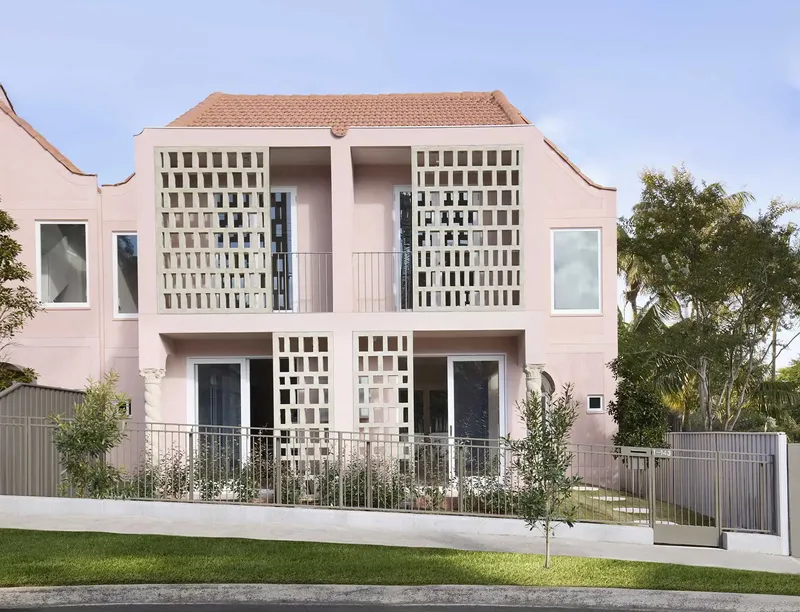
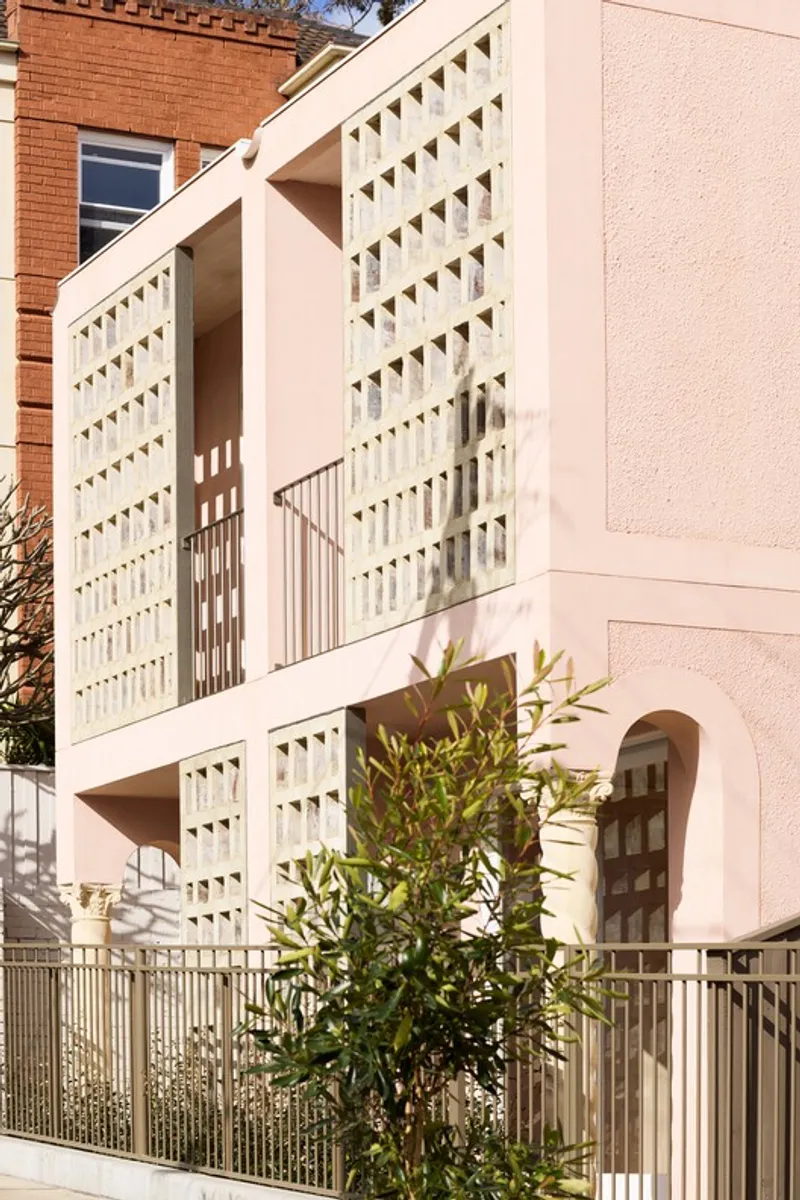
For decades, Luigi Rosselli has been known for bespoke residential architecture, often associated with craftsmanship, rammed earth walls, and long construction timelines. With Rose Terraces, however, the architect turns his attention to a different challenge: how to build faster, denser, and more affordably, while remaining deeply committed to sustainability. The result is a project Rosselli calls “CLT with TLC”—both a technical test and a social proposition.
A New Model for Build-to-Rent Housing
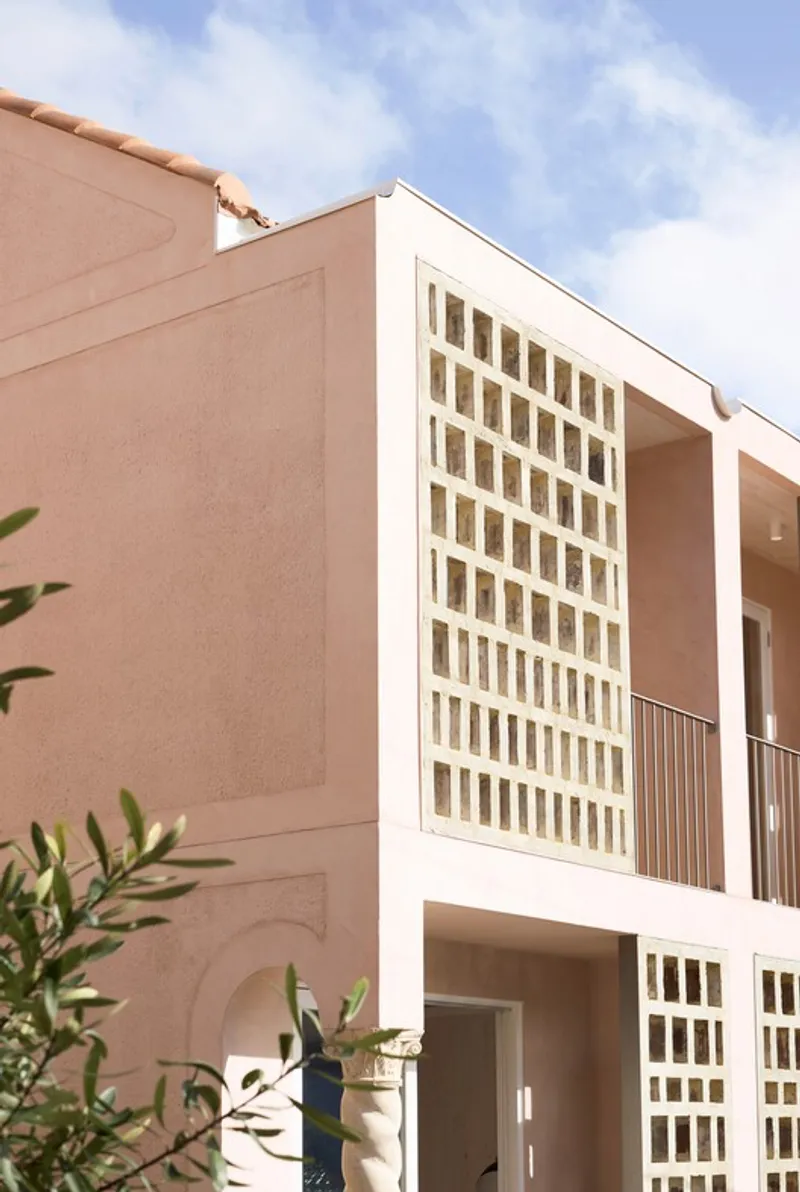
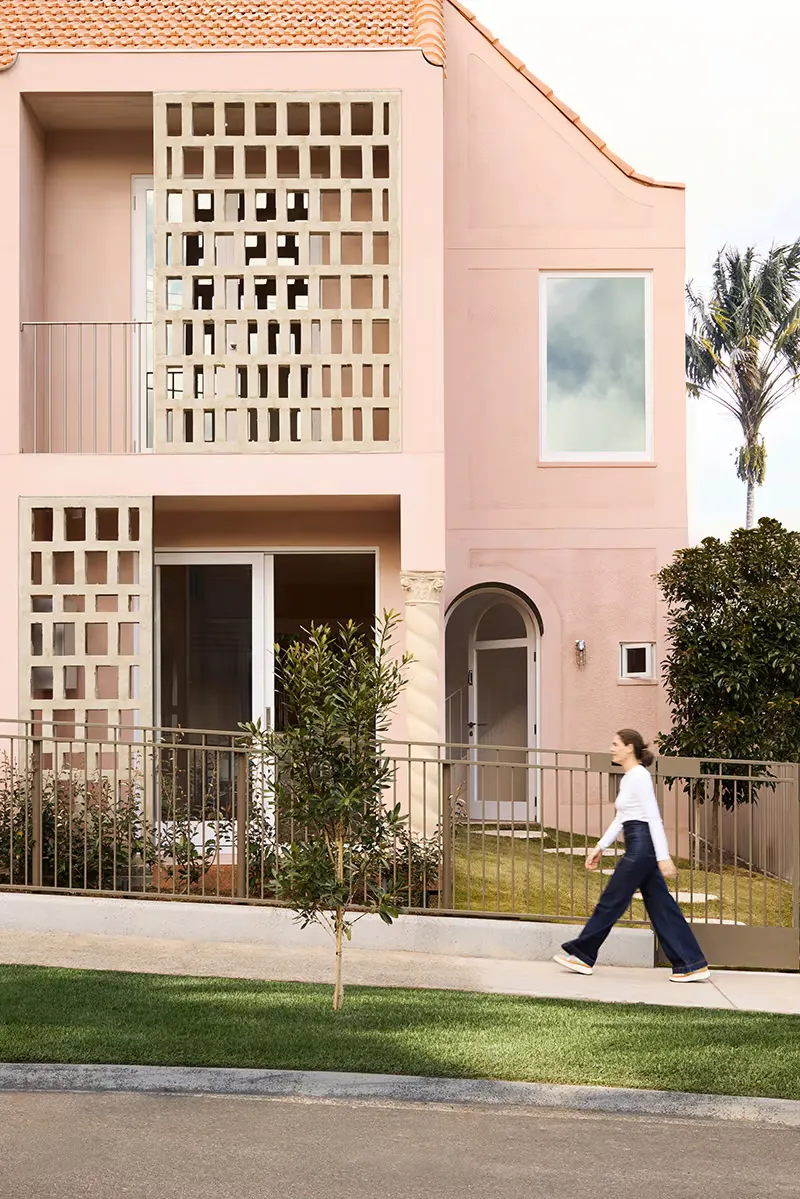
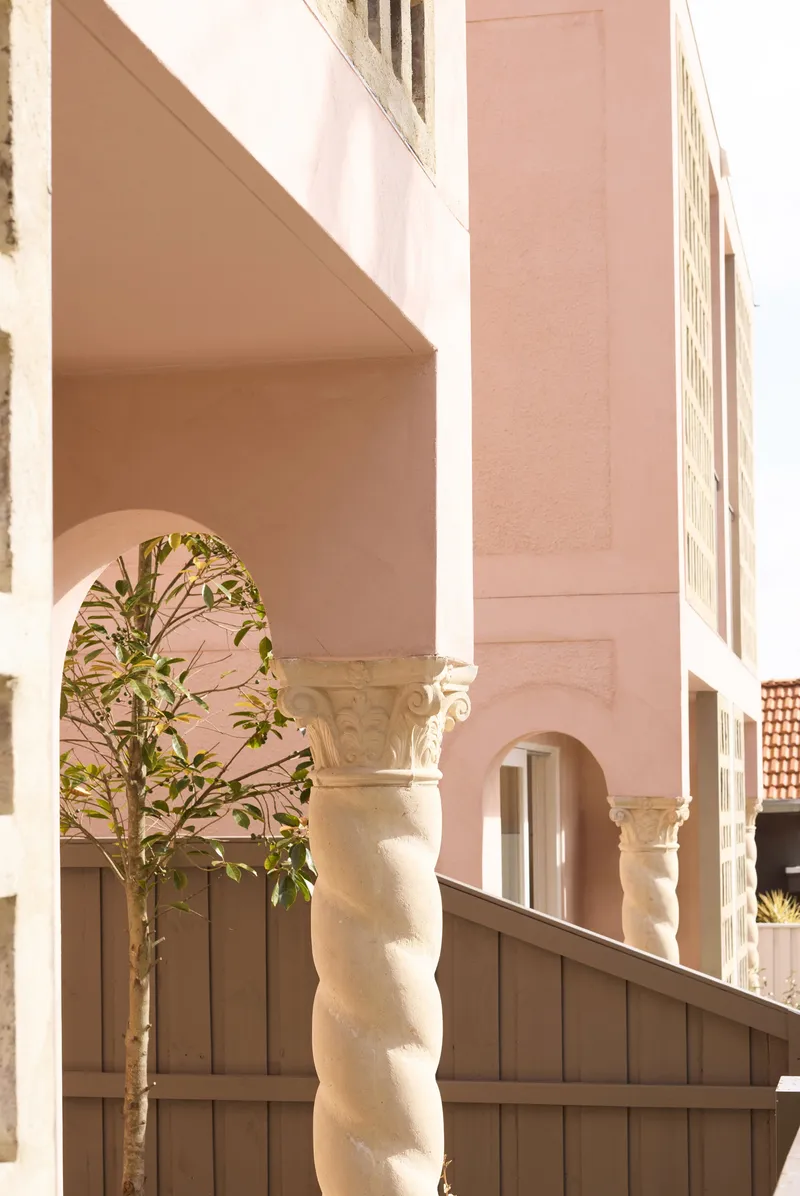
Rose Terraces occupies the footprint of a former single-storey dwelling, yet accommodates four compact homes of approximately 80 square metres each. Rather than pursuing maximised luxury, the project is deliberately restrained, prioritising repeatable planning, material efficiency, and construction speed. Conceived, funded, and developed by Rosselli himself, the project responds directly to the shortage of stable rental housing in Sydney while also serving as a long-term personal investment.
The build-to-rent model allows the architect to test ideas without the constraints often imposed by speculative development. It also aligns with broader policy shifts: the Australian federal government’s 2025 budget allocated significant funding to accelerate modern methods of construction, recognising prefabrication as a key pathway toward housing delivery and emissions reduction.
Building Like a “Lego Kit”
At the core of the project is cross-laminated timber, an engineered wood product made by gluing layers of timber boards at right angles to each other. This process creates large structural panels with exceptional strength, dimensional stability, and fire performance. For Rose Terraces, prefabricated CLT panels were manufactured off-site and assembled rapidly on location—an approach Rosselli likens to building with Lego.
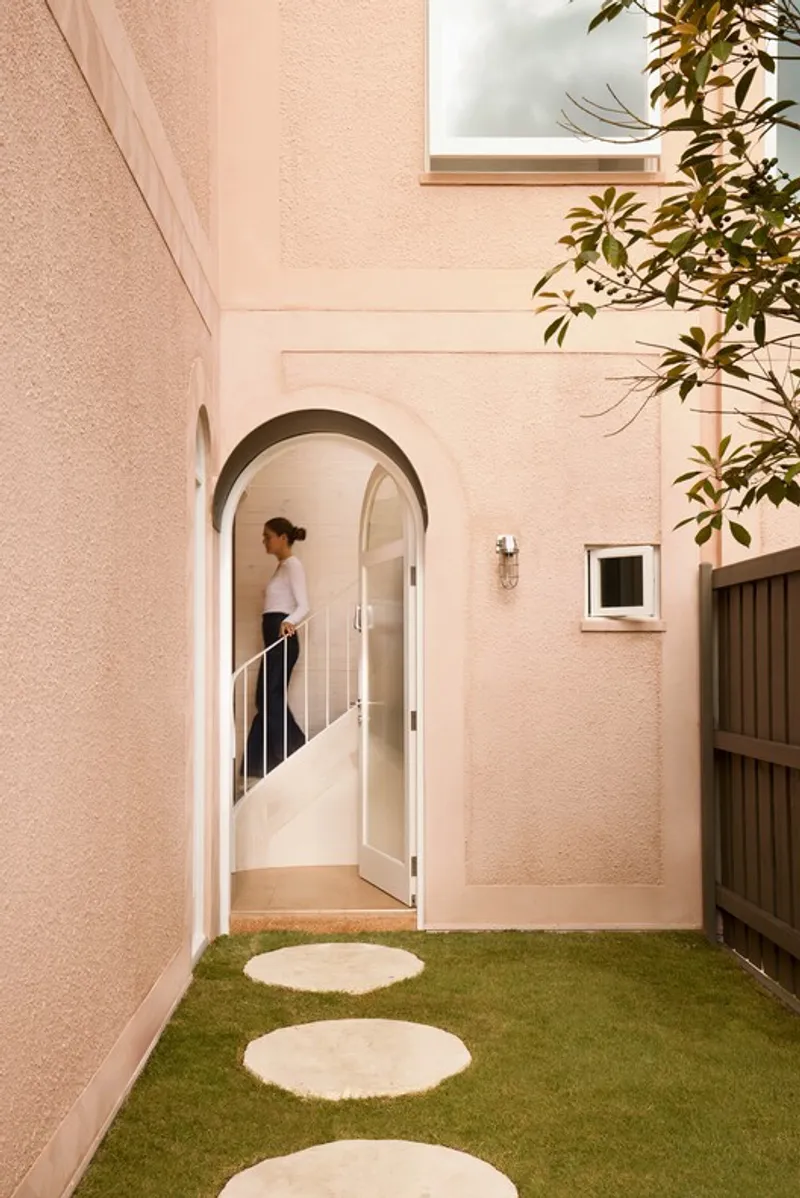
This system reduced total construction time from the industry norm of 18–24 months to just six months, even while incorporating conventional trades such as tiling, glazing, and joinery. The precision of CLT panels allowed services, openings, and fittings to be coordinated in advance, reducing waste, errors, and delays on site.
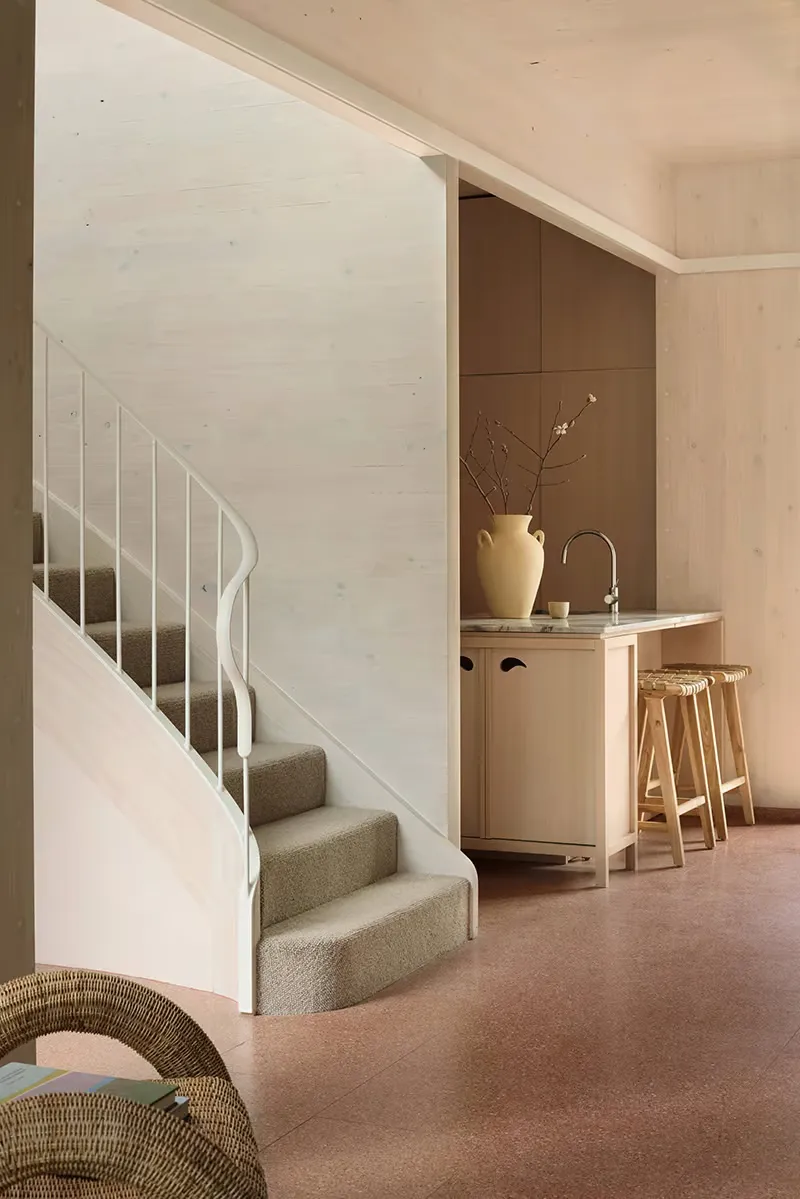
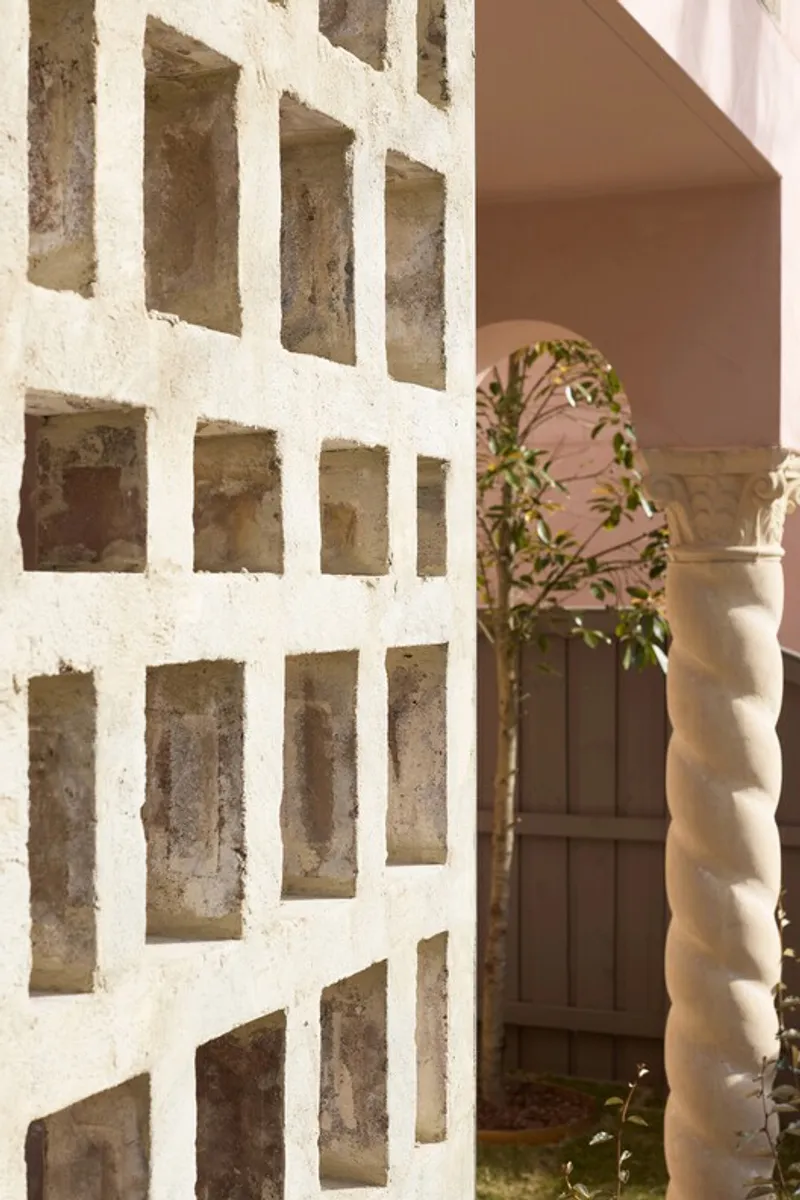
While CLT panels are more expensive upfront than traditional timber stud framing, the savings appear elsewhere: reduced labour hours, lower insurance and scaffolding costs, shorter site supervision periods, and fewer scheduling conflicts between trades. As Rosselli notes, the industry’s increasing regulatory complexity has slowed construction dramatically—CLT offers a way to reclaim time without compromising quality or safety.
Sustainability Embedded in Structure
Beyond speed, the environmental performance of CLT is central to the project’s ambition. Unlike concrete and steel, which generate significant carbon emissions during production, timber stores carbon absorbed during tree growth. According to manufacturer estimates, the 173 cubic metres of CLT used in Rose Terraces stores over 80 tonnes of CO₂-equivalent—roughly equal to removing sixty cars from the road for a year.
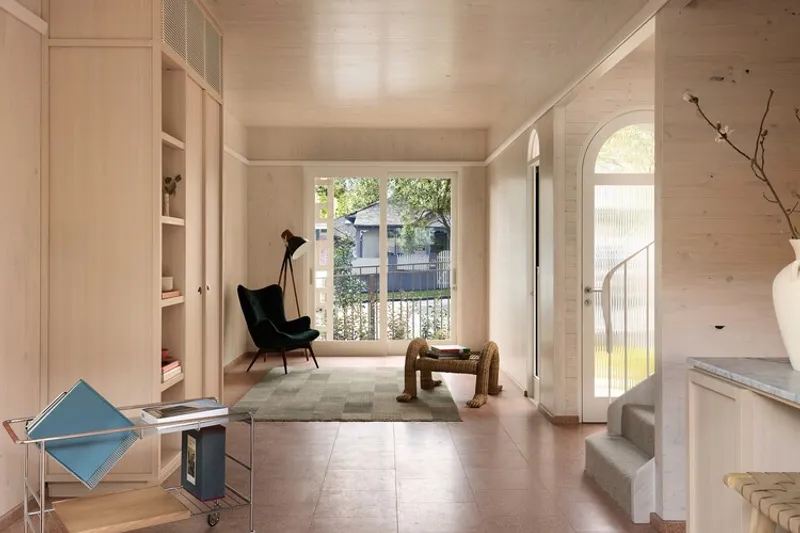
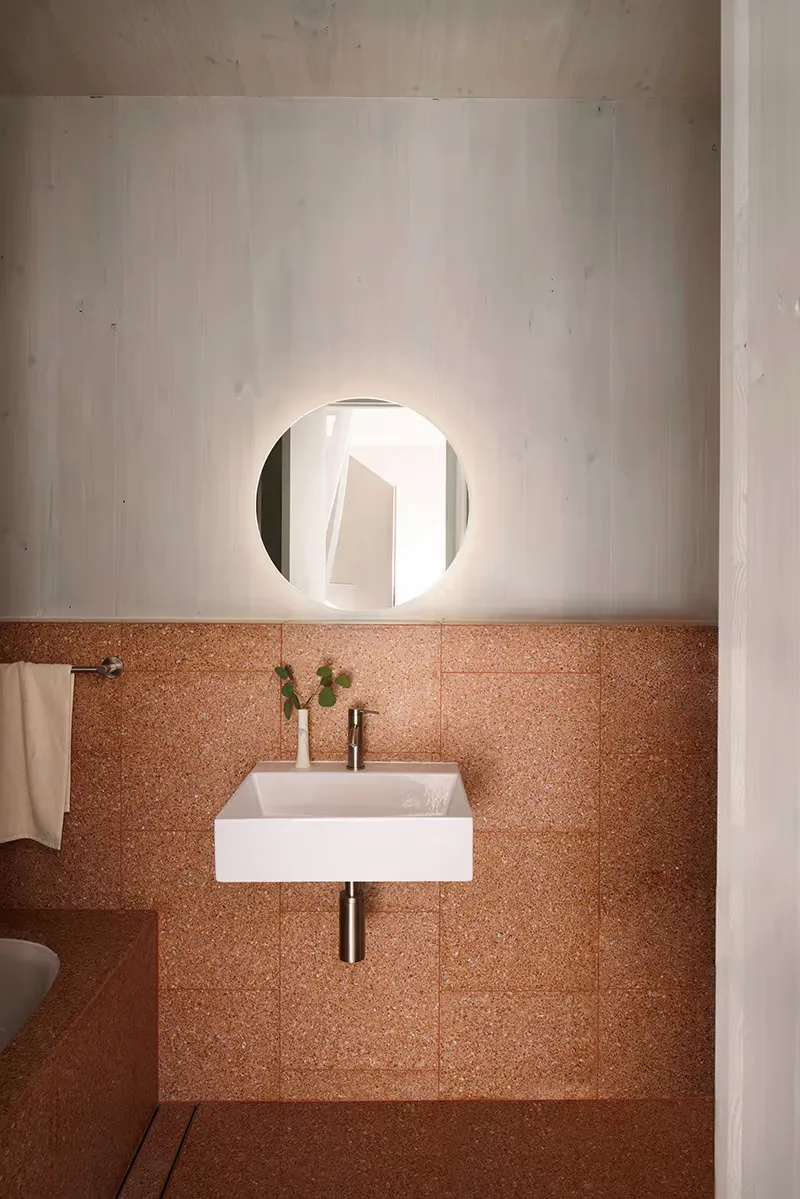
The timber was sourced from Australian pine plantations, reinforcing local supply chains and renewable forestry practices. This material choice aligns with Rosselli’s long-standing advocacy for low-carbon construction, whether through rammed earth, recycled materials, or adaptive reuse.
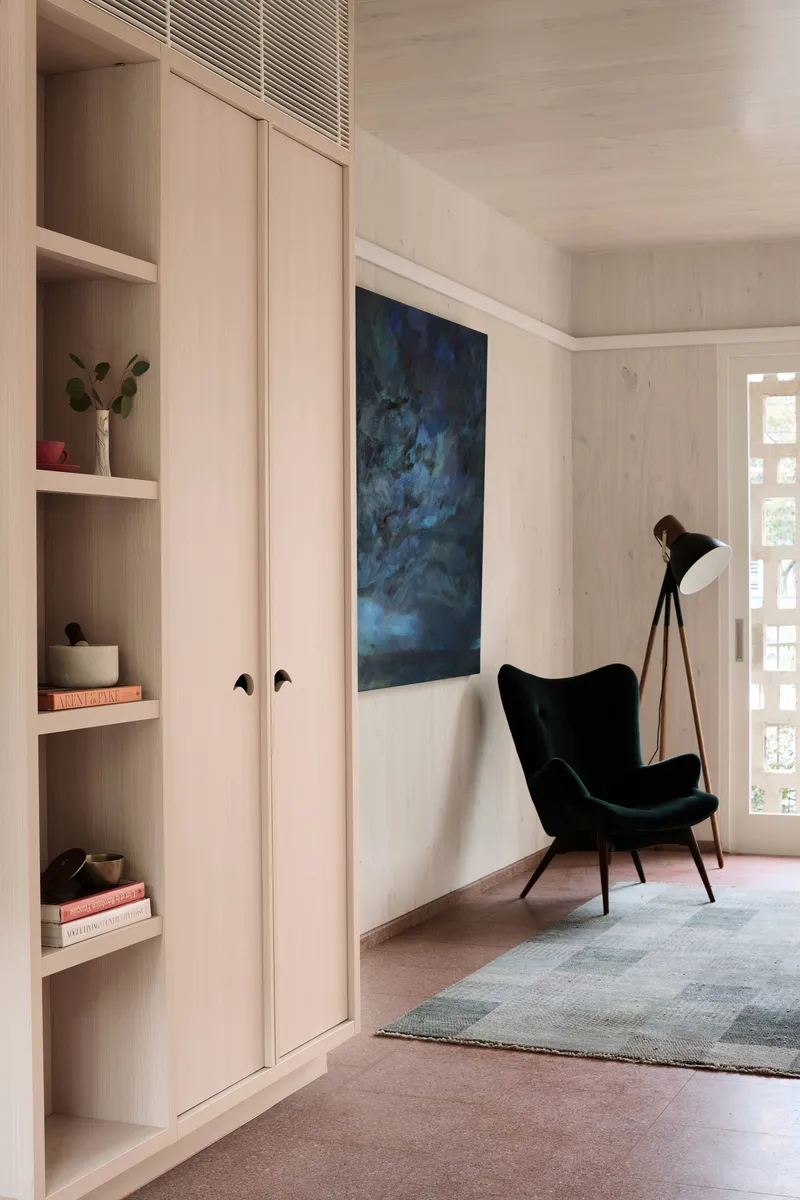
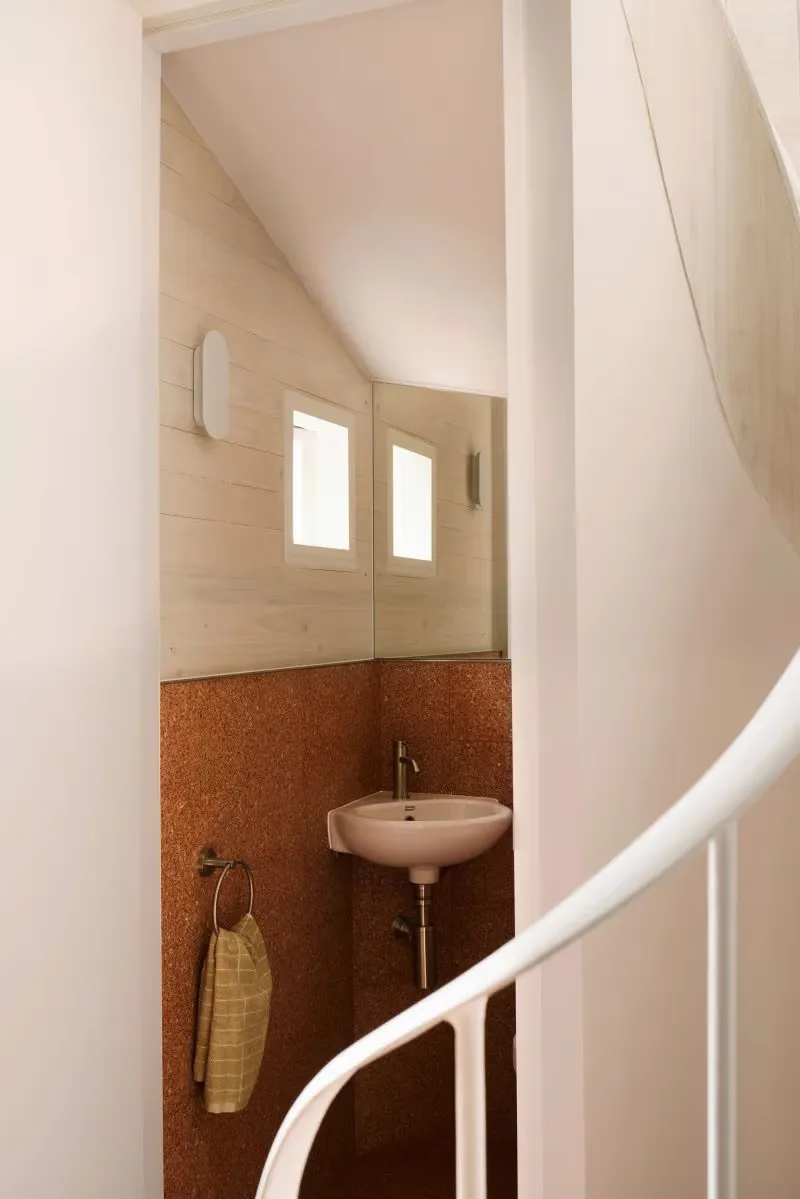
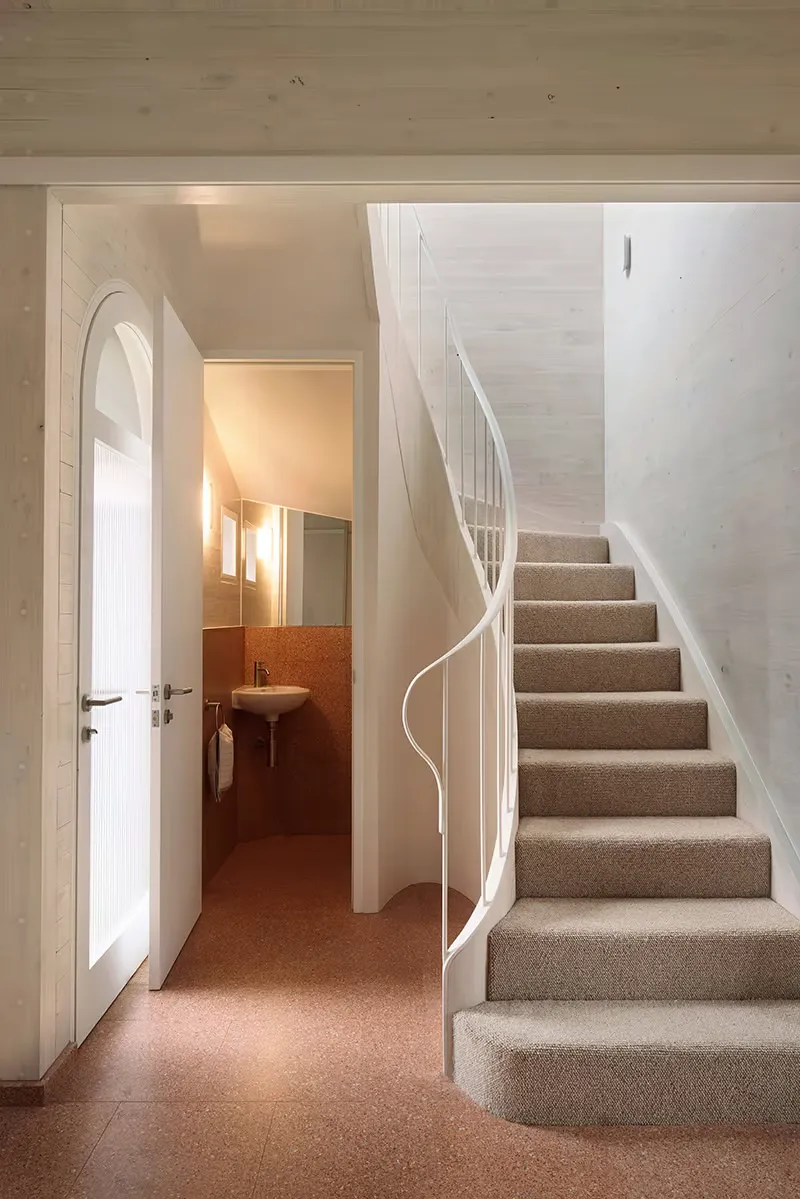
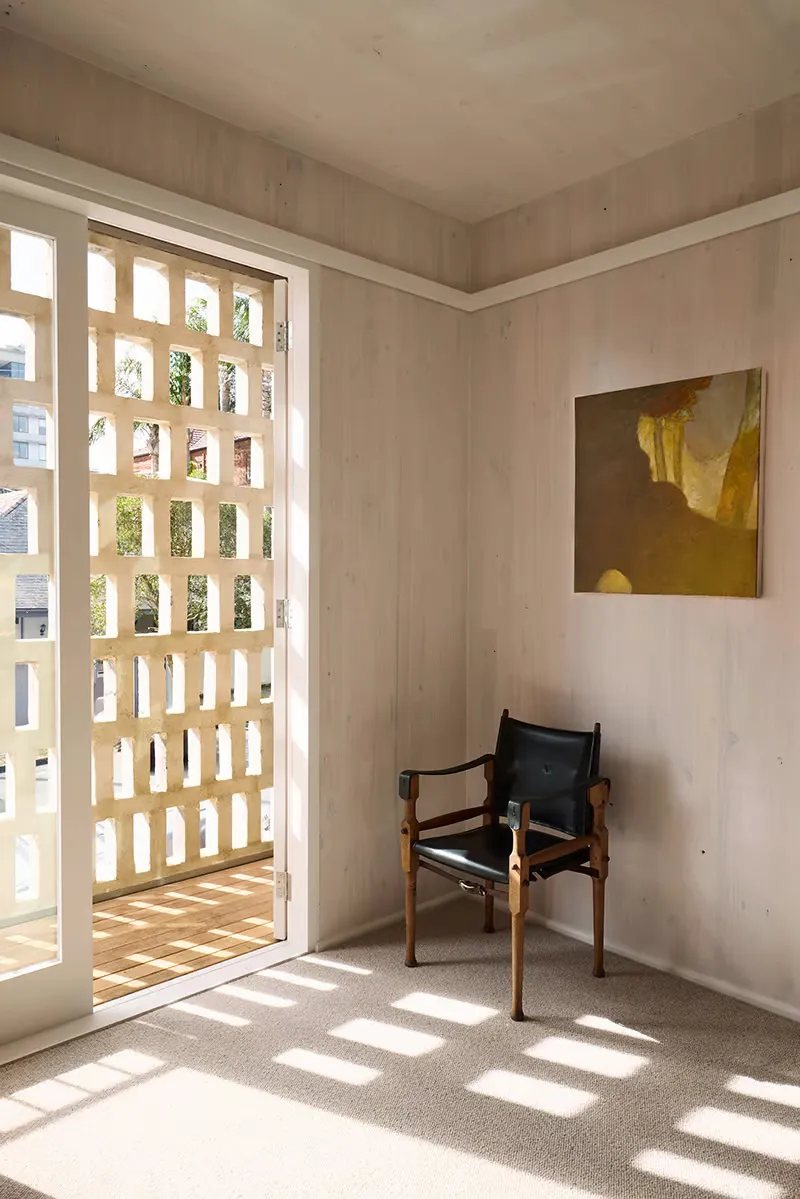
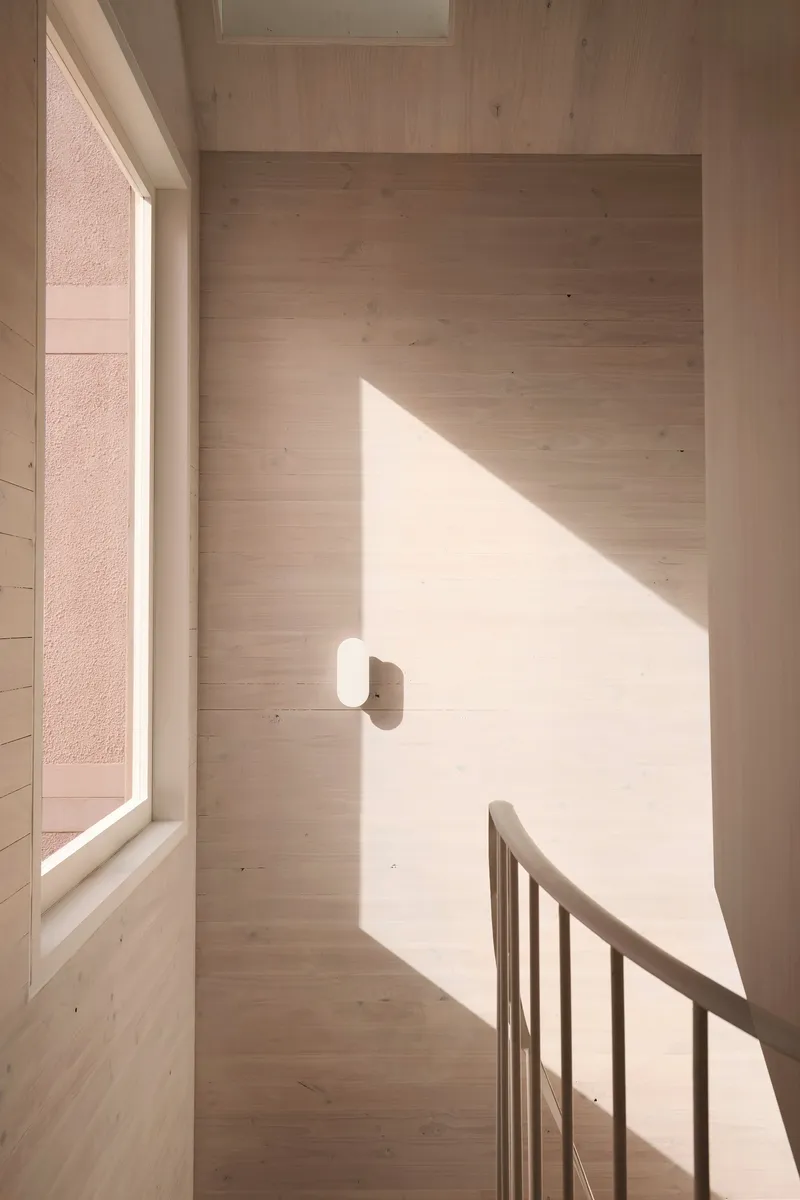
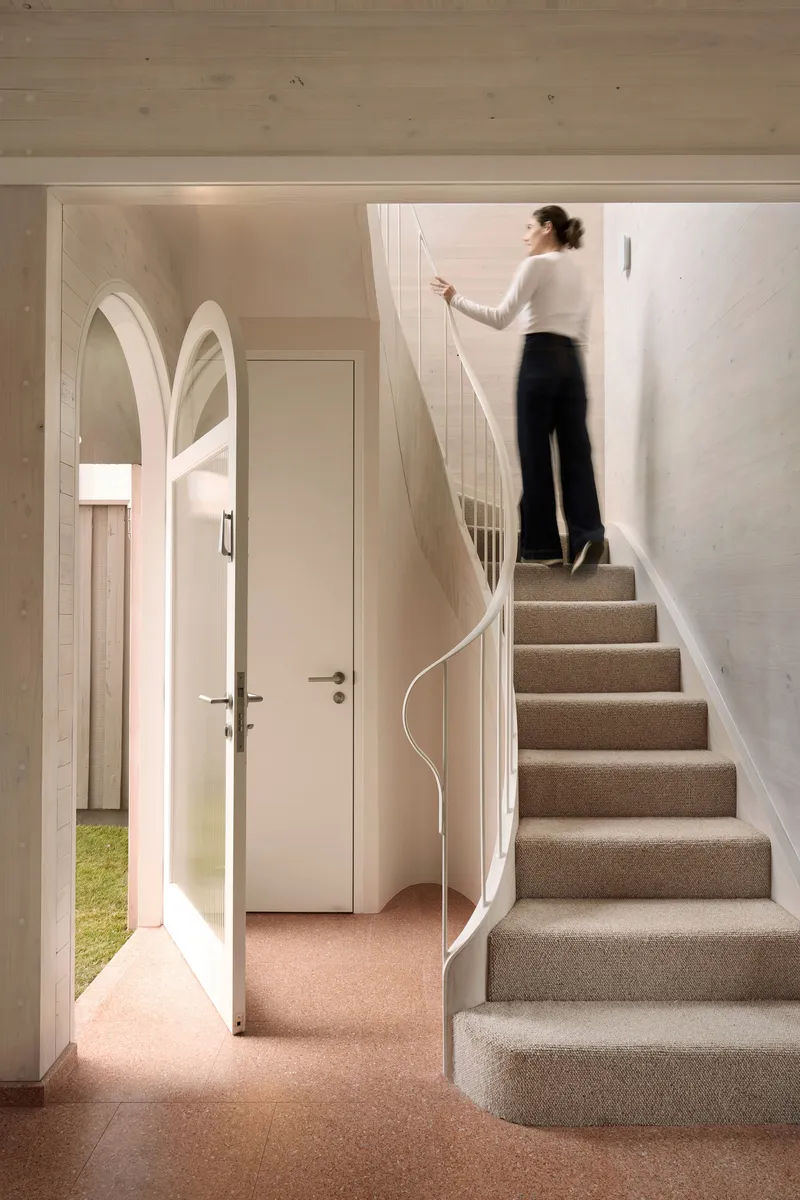
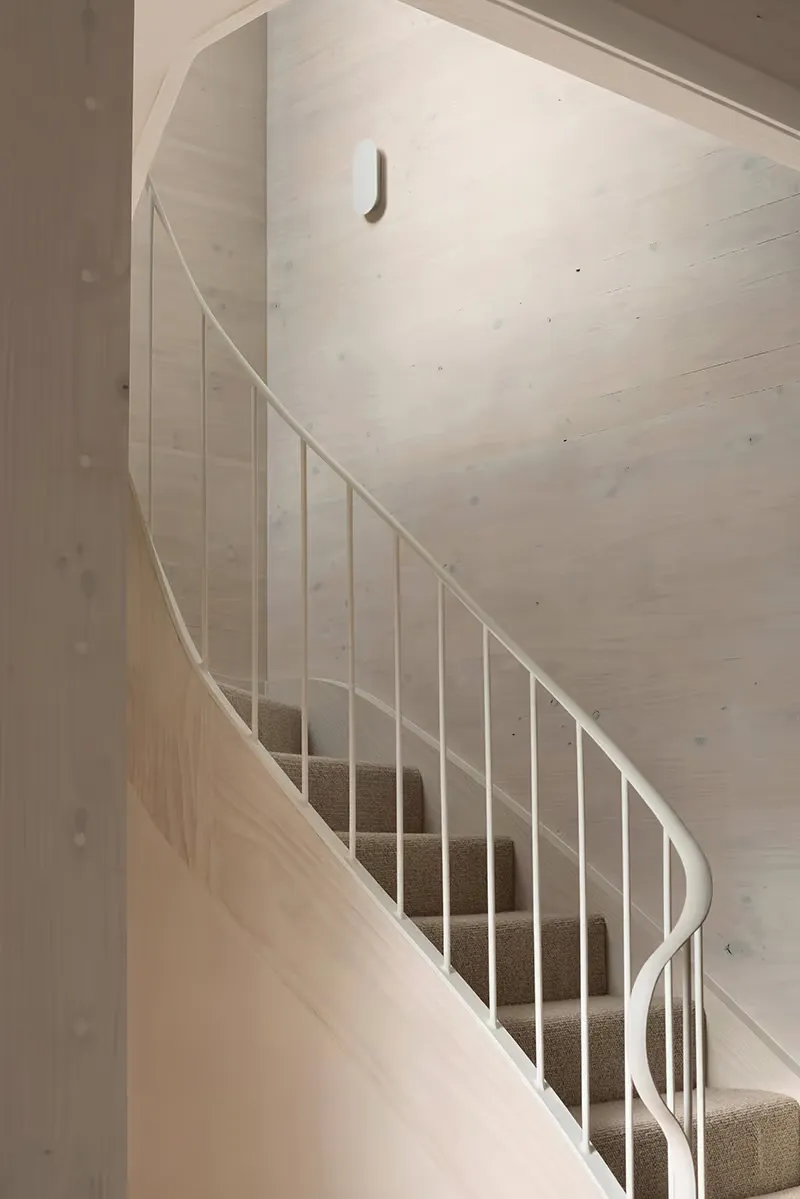
Importantly, sustainability here is not treated as an aesthetic gesture but as a structural principle. CLT walls are left partially exposed internally, celebrating their tectonic clarity and reducing the need for additional finishes. The interiors balance timber warmth with concrete elements, creating durable, low-maintenance spaces suitable for long-term rental use.
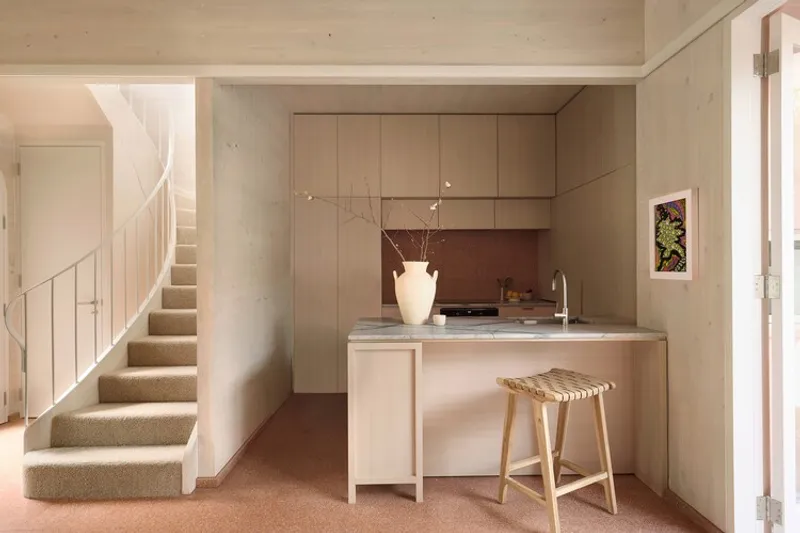
Replication, Density, and Urban Impact
One of CLT’s greatest advantages lies in its potential for replication. Rose Terraces uses a plan that can be easily duplicated, making it particularly well suited to low- and medium-density housing across suburban contexts. In a city dominated by detached houses and high-rise apartments, this middle-ground typology offers a scalable alternative.
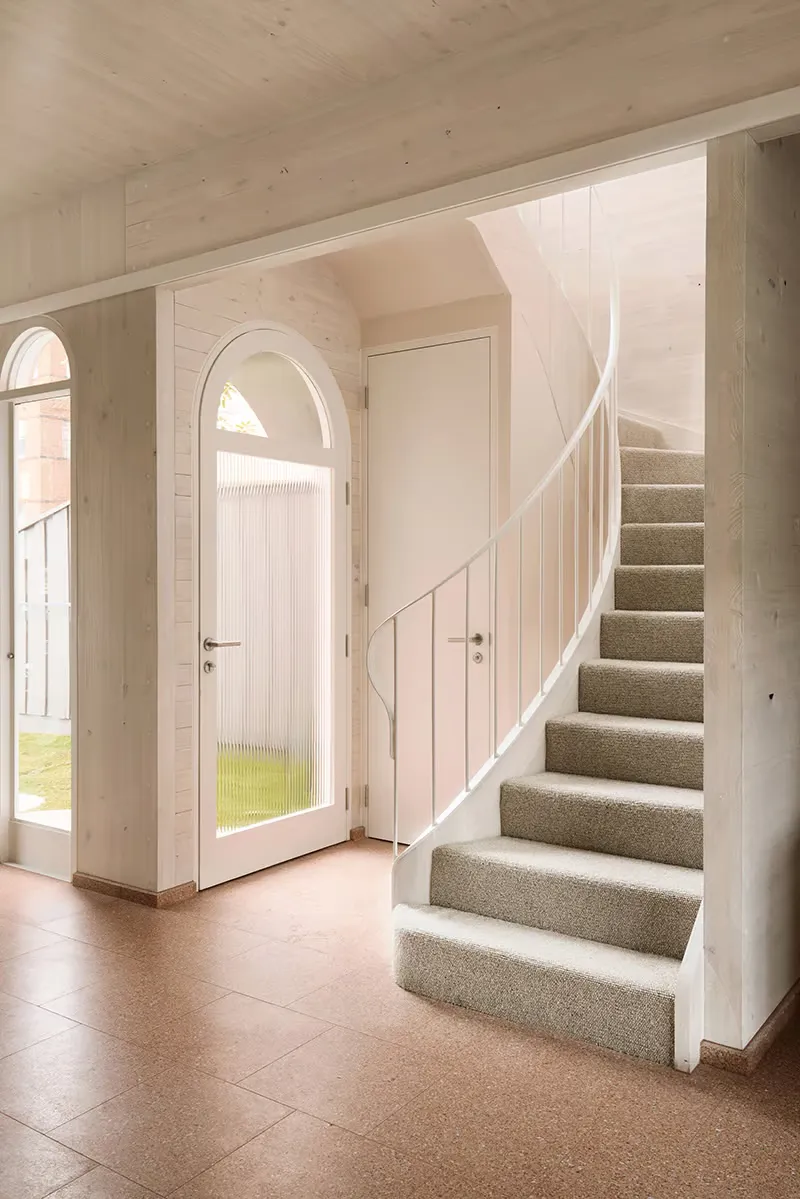
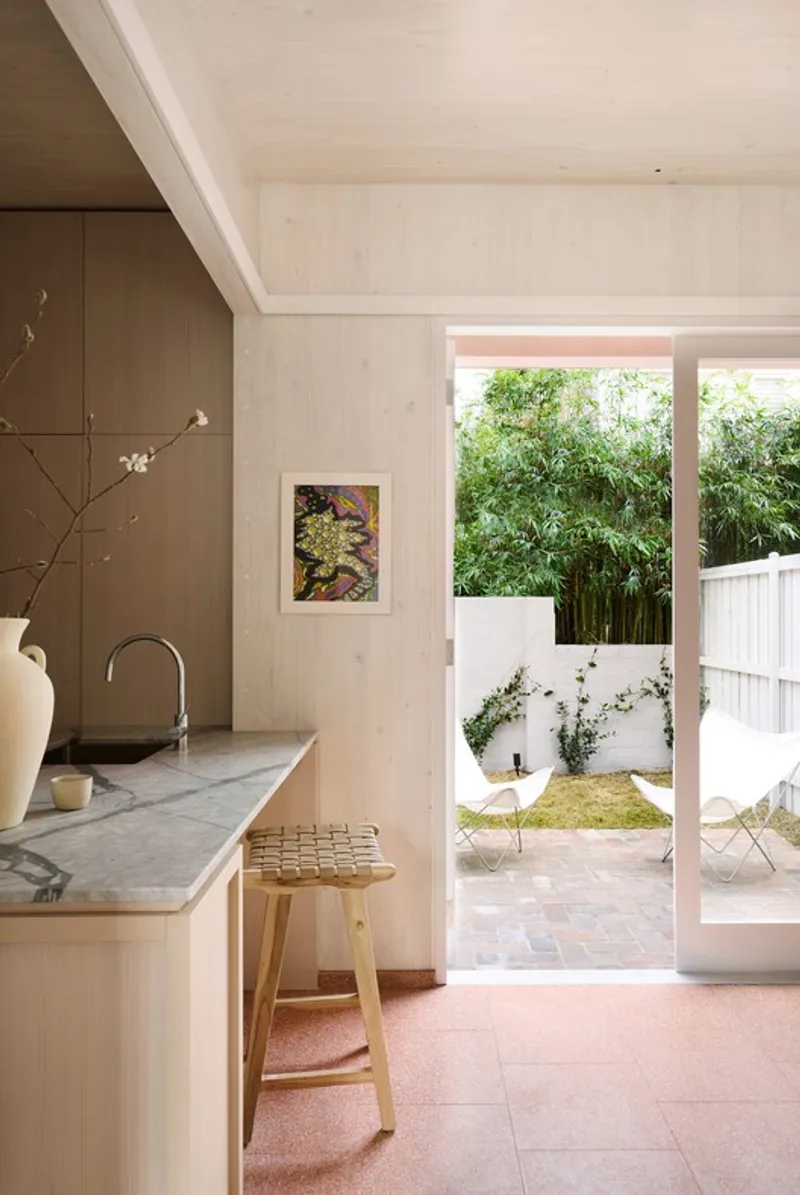
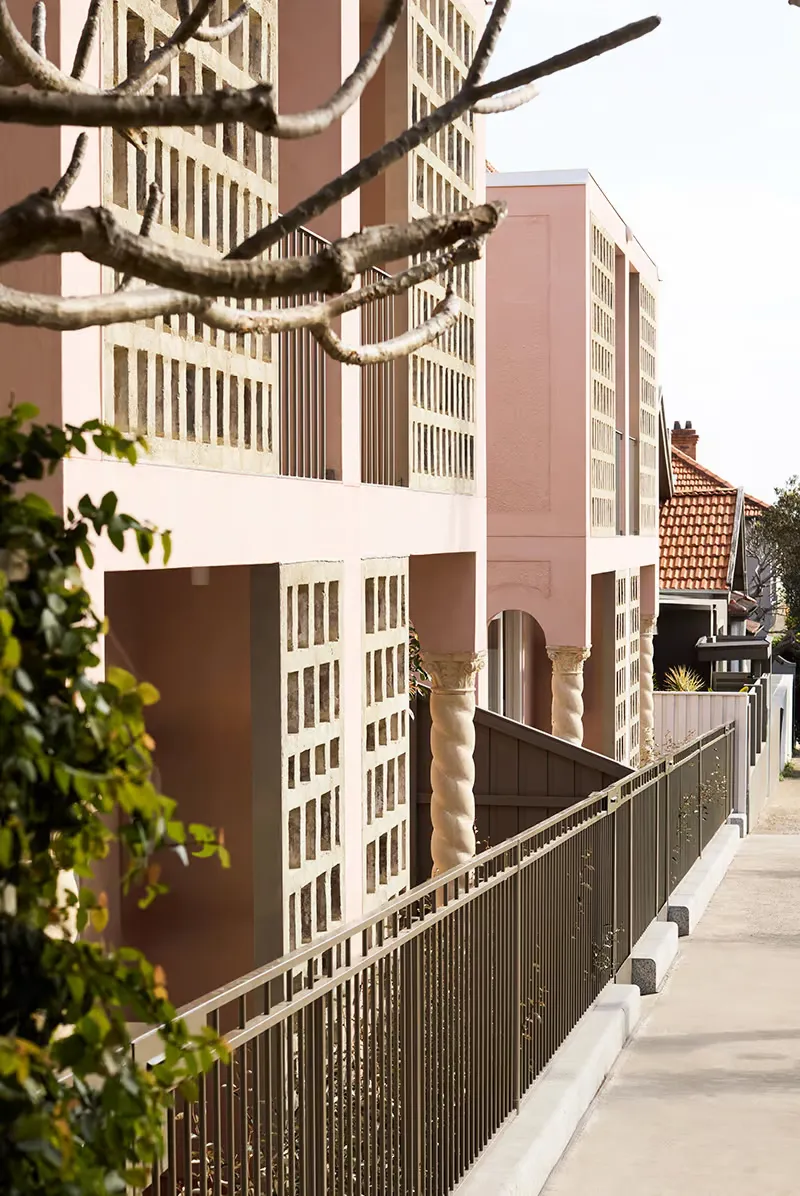
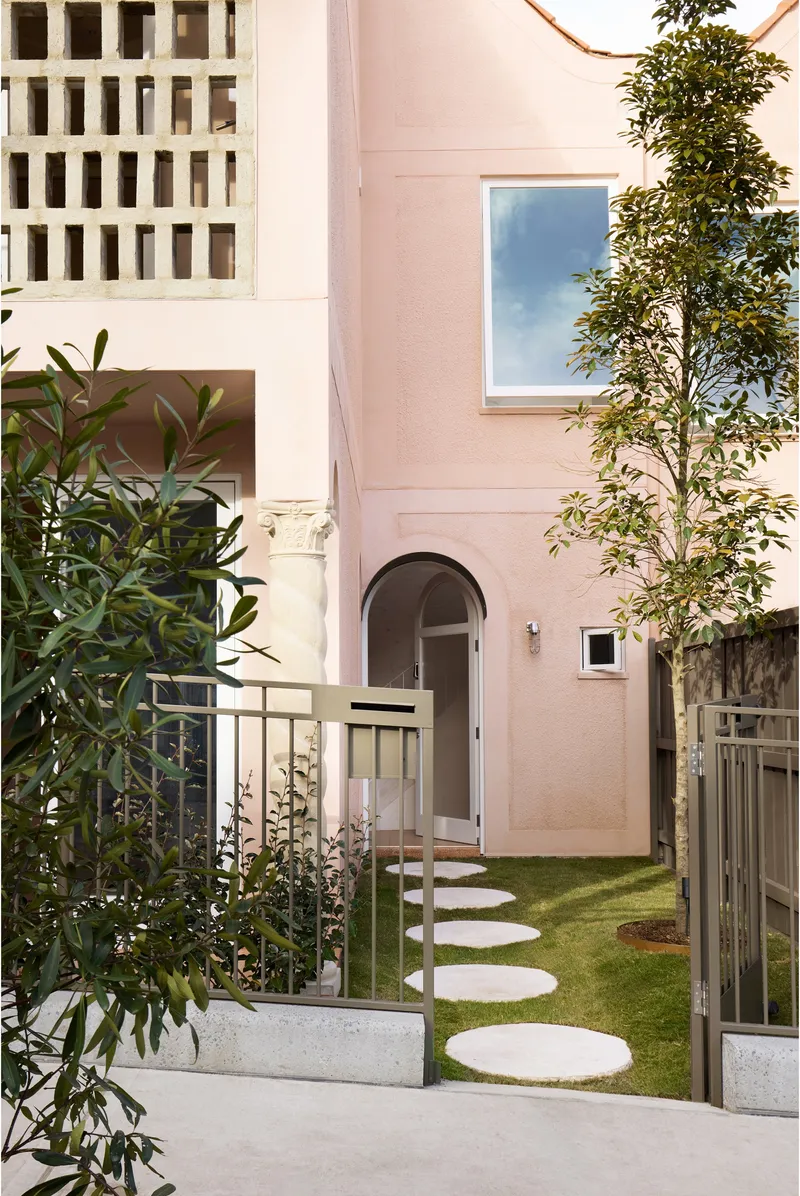
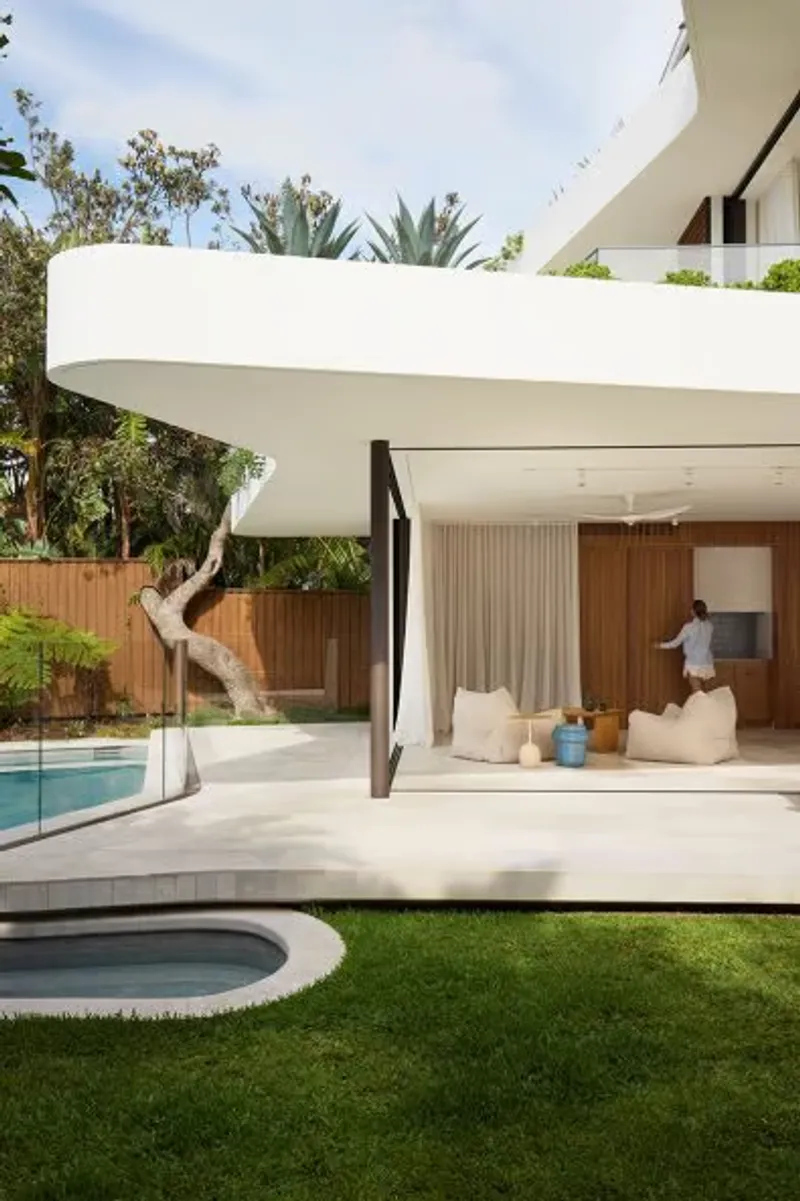
The project demonstrates how density can be increased gently, without overwhelming neighbourhood character. The terraces read as robust yet restrained, with careful attention to courtyards, balconies, and natural light. While modest in scale, Rose Terraces points toward a future where architect-designed rental housing can be delivered quickly, responsibly, and at lower environmental cost.
An Industry at a Turning Point
Experts in timber construction have long argued that CLT represents one of the few truly scalable, renewable building materials available today. As Professor Karl-Heinz Weiss notes, its capacity for large-format panels enables rapid assembly while maintaining structural integrity—advantages that become even more pronounced in multi-storey construction.
For Rosselli, Rose Terraces is both a beginning and a provocation. It challenges assumptions about who sustainable architecture is for, and whether speed and economy must come at the expense of design integrity. By applying his experience and influence to a modest, repeatable housing model, Rosselli demonstrates how architectural leadership can shape industry norms.
In the context of Australia’s housing crisis and climate commitments, Rose Terraces suggests a pragmatic yet hopeful path forward: one where architecture, technology, and responsibility converge—not in grand gestures, but in well-built homes that arrive on time.
All the Photographs are works of Prue Ruscoe


Popular Articles
Popular articles from the community


Manzana Morphosis: Stretching Barcelona's Grid into a Living Landscape for 2050
A radical reworking of the Eixample manzana turns density into a tool for generous public space, vertical ecology, and environmental performance.


Cube Design Draws an Ecological Corridor Between Two Shenzhen Hills with the Nankai Building
Beside Shenzhen's container docks, the Nankai Building pairs stacked balconies with a climbing green screen to connect two hillsides across its height.

Aquadapt: An Underwater Habitat That Rewrites Its Rooms by the Hour
Curved modules ring the seabed while one shell shifts from breakfast room to cinema, farm and football pitch as residents' needs change.

David Ortega Stacks a Two-Story Mexico City Penthouse Around a Steel Stair and a Pergola-Shaded Roof Terrace
In Colonia Roma, a 300 m² penthouse uses oak joinery, a planted steel stair and a slatted roof pergola to make a new-build apartment feel like a house.

Similar Reads
You might also enjoy these articles


Hodi-Mandai Geram
Project Function: Preservation and revitalization of the Intangible heritage and socio-spatial identity of the Hodi by Housing, Cultural Memory Center, Sacred Grove, landscape, local tourism economy


Olio Towers: A Mid-Rise for Performers That Fuses Housing, Rehearsal, and Stage
Located blocks from Houston's Theater District, this modular tower stacks living units around a central performance atrium.

Oasis: Modular Green Housing Carved into Dhaka's Urban Fabric
A shortlisted Plugin Housing entry reclaims unauthorized settlements in Dhaka with stepped concrete volumes, green roofs, and ventilation-driven design.

Black Hole: A Floating Megastructure for the Post-Physical Era
Emiliano Mazzarotto envisions a spherical, self-scaling arena where e-sports, digital hotels, and holographic stadiums replace traditional public space.

Explore Cross Laminated Timber Competitions
Discover active competitions in this discipline

Challenge to reimagine the Iron Throne

Photograph architecture without architects

Illustrate the lost glory of Angkor Wat - Render Challenge

Design challenge to reuse E-waste
Comments (0)
Please login or sign up to add comments
No comments yet. Be the first to comment!