
Rumah Haruku: A Modern Ode to Traditional Balinese Architecture
Rumah Haruku blends traditional Balinese architecture with modern design, creating a serene, nature-integrated retreat.

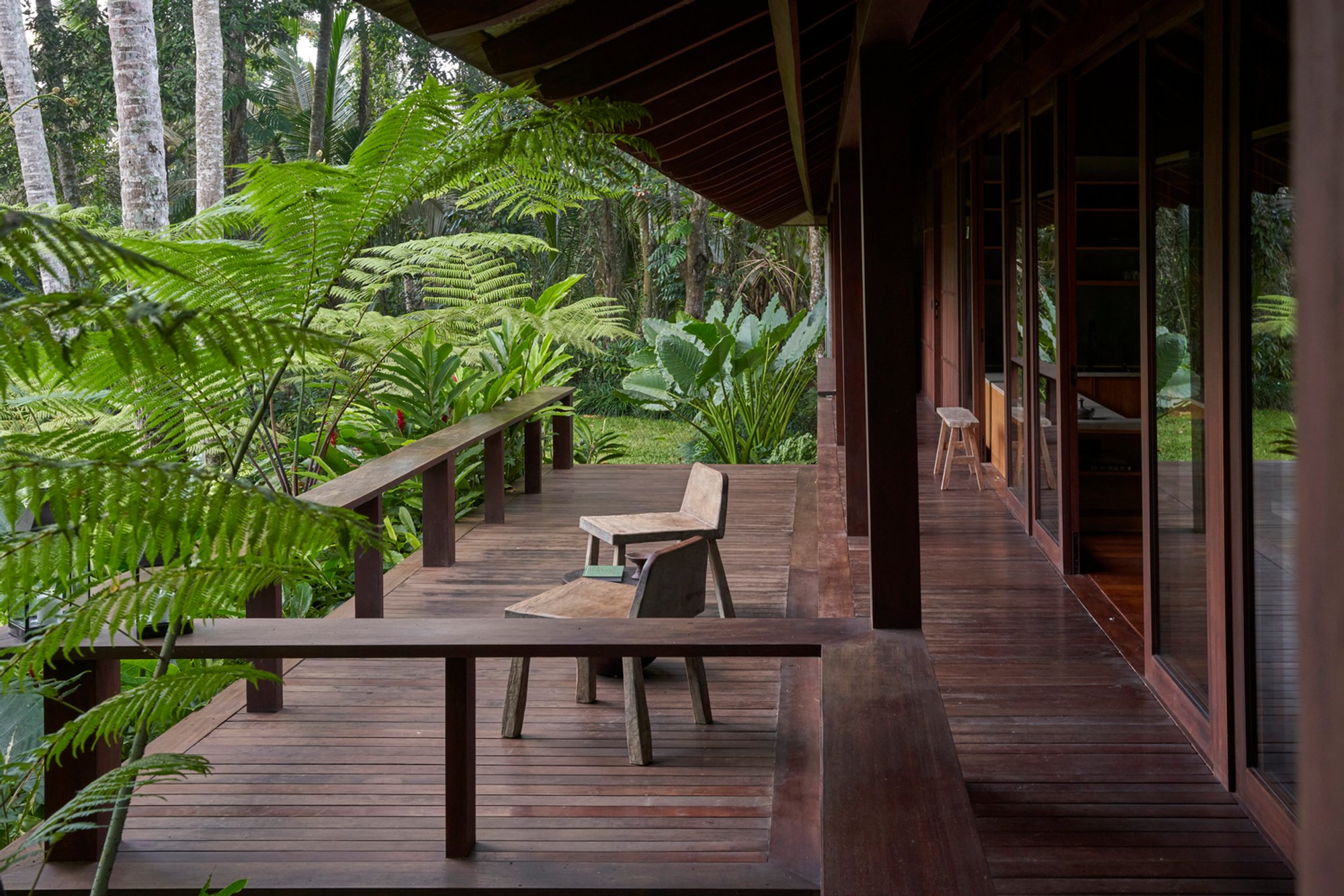
Nestled in Tampaksiring, Bali, Rumah Haruku by Bada Studio reimagines traditional Indonesian architecture in a serene, tropical setting. Designed for clients Tijn and Raisa, along with their two dogs, this 234-square-meter private villa harmoniously blends the simplicity of minimalism with the richness of Indonesian craftsmanship, creating a sanctuary that celebrates nature, community, and heritage.
A Home Rooted in Nature
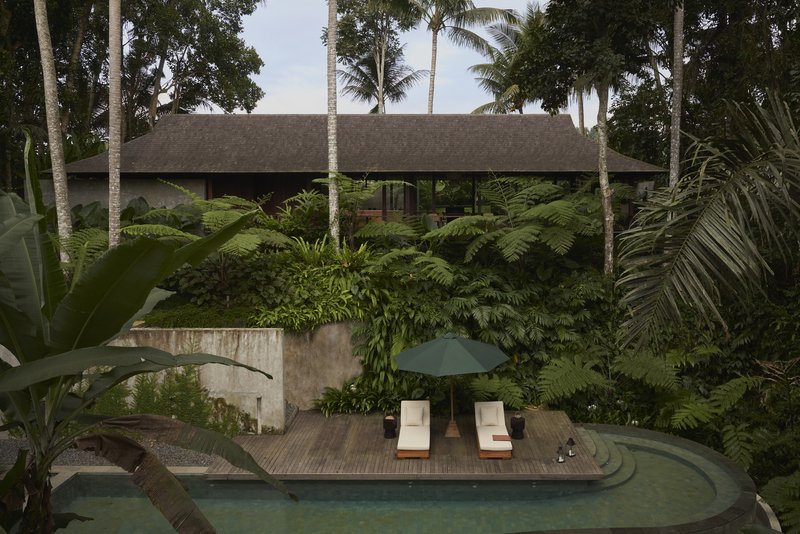
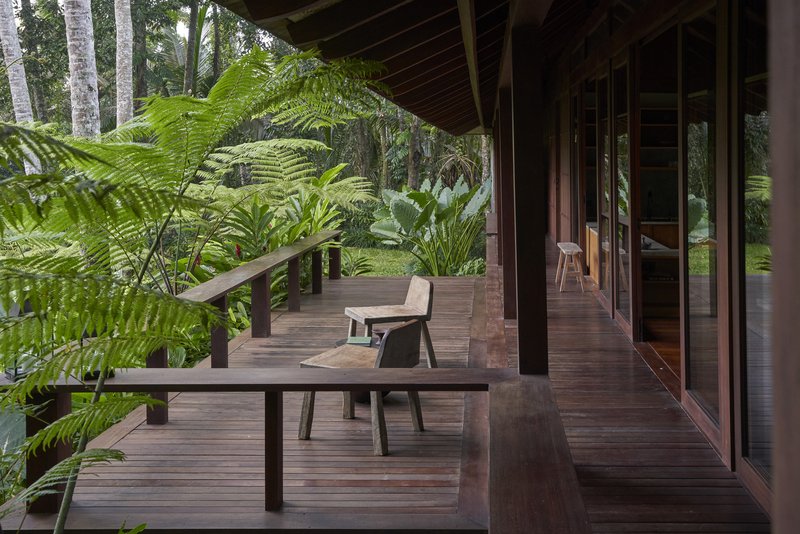
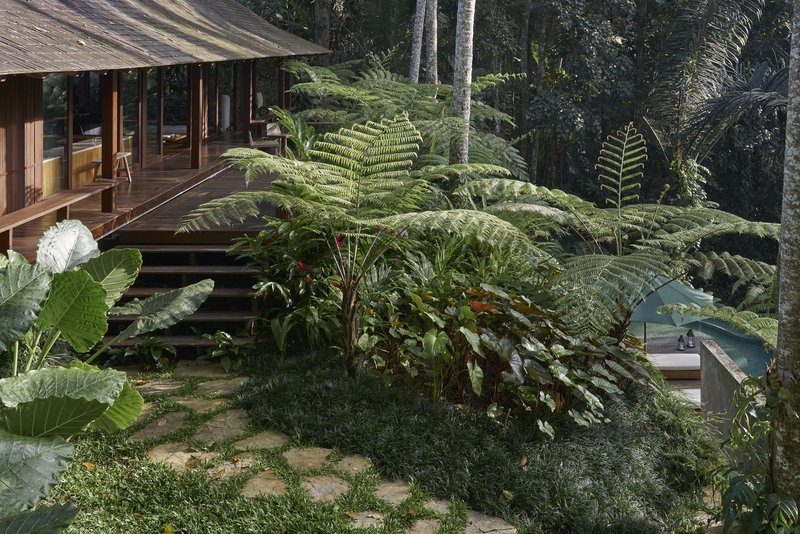
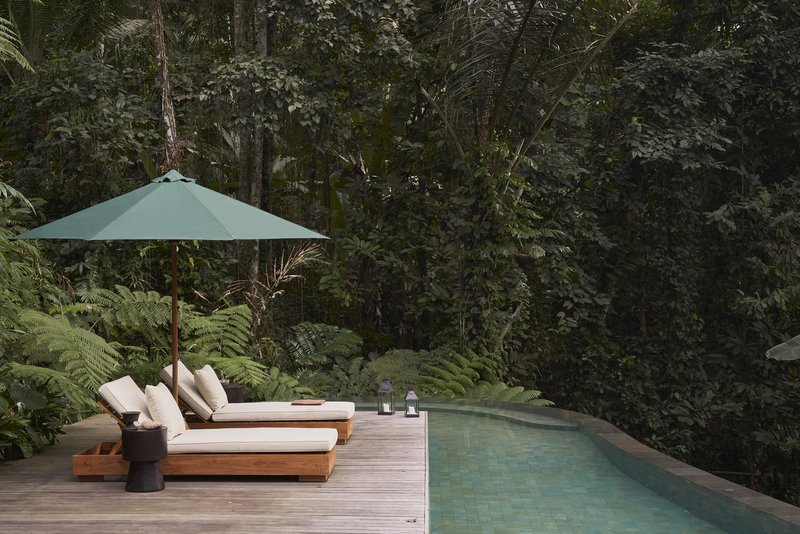
The villa’s site is a lush, biodiverse haven featuring mature trees, a sloping terrain leading to a river, and open rice paddy fields framed by coconut palms. In keeping with Bada Studio's philosophy of respecting nature, all existing trees were preserved and incorporated into the design. The result is a home that feels as though it has always been part of the landscape.
In addition to preserving the natural flora, the design enhances biodiversity by integrating tropical plants, ensuring the house not only coexists with its environment but actively contributes to it.
Traditional Inspirations
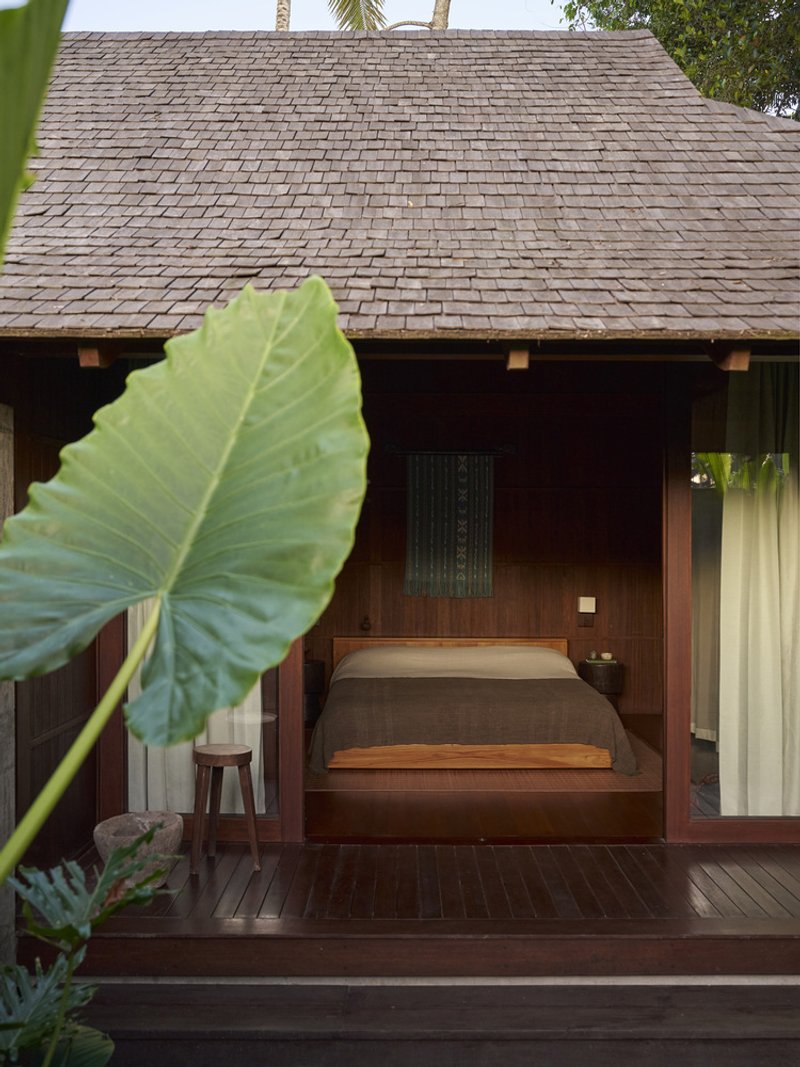
The design of Rumah Haruku draws heavily from the "Rumah Panjang" of Borneo, a traditional longhouse elevated on stilts in the rainforest. This inspiration manifests in the home’s elongated form, open communal areas, and thoughtful materiality.
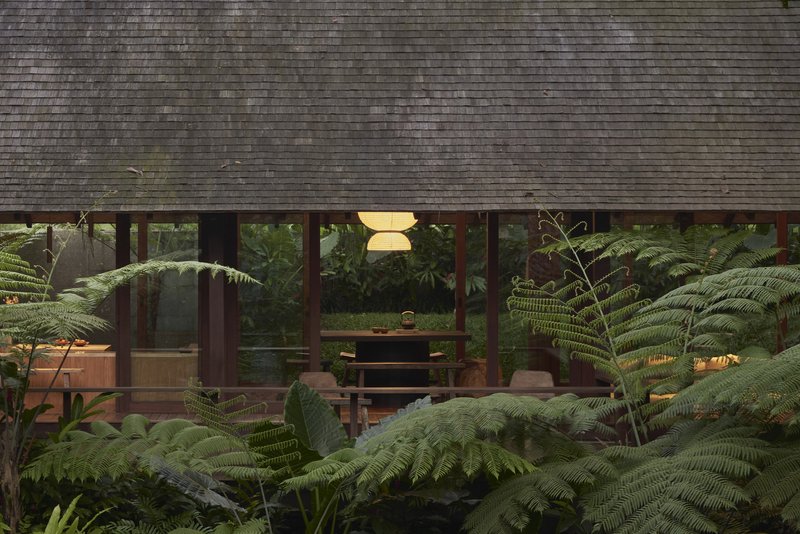
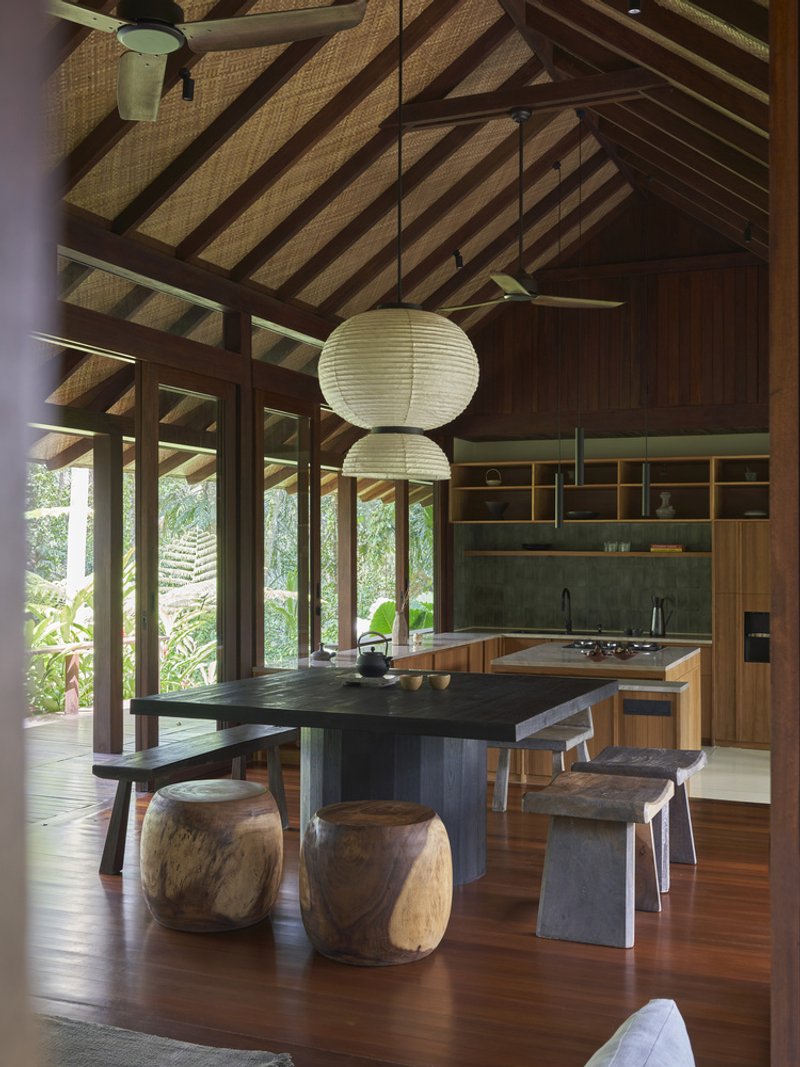
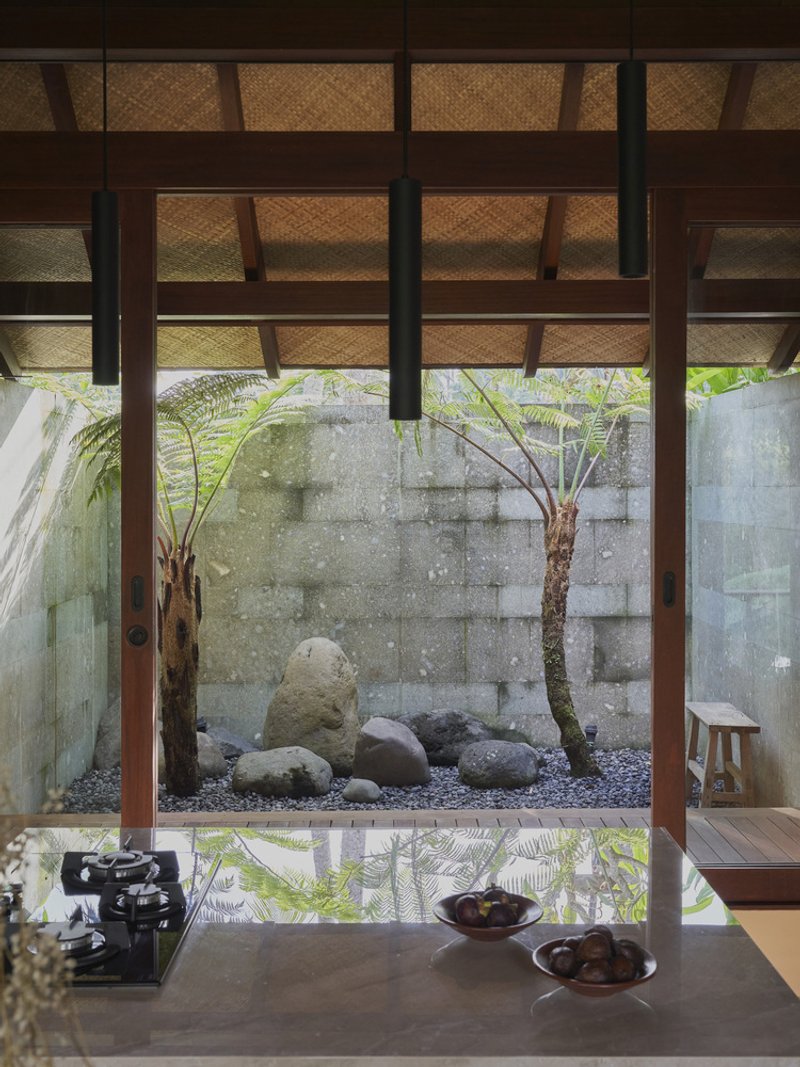
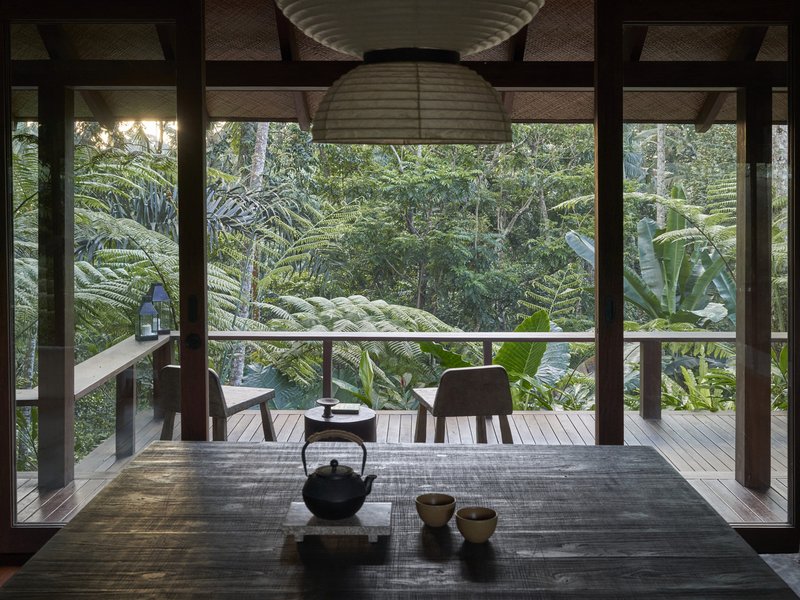
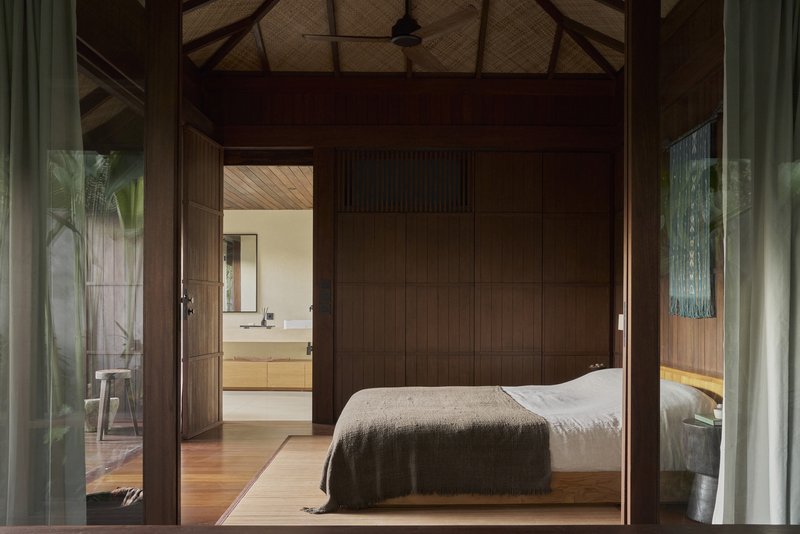
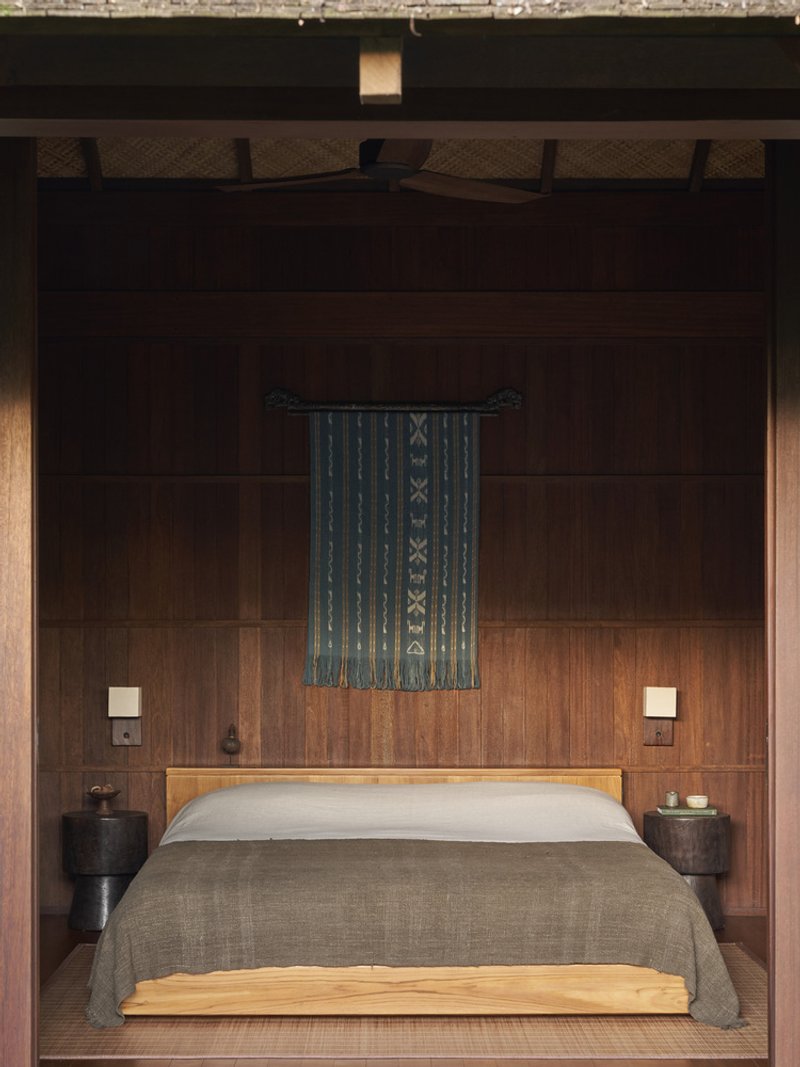
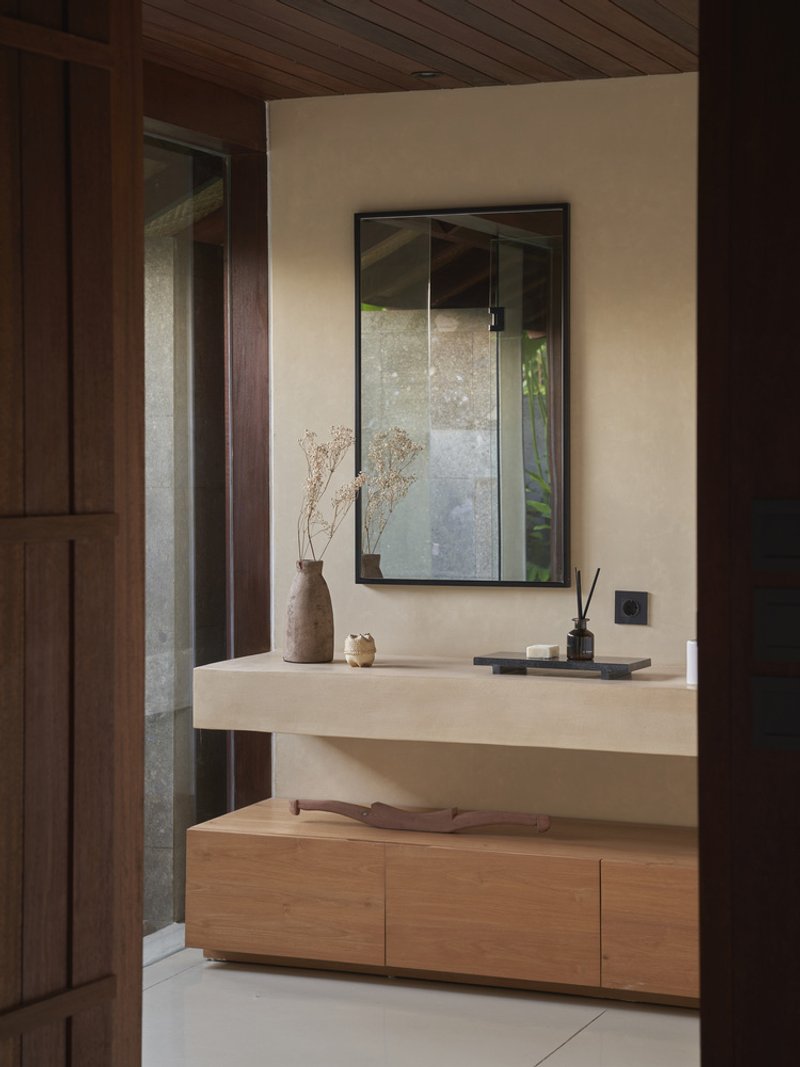
The Balinese "Grantang" hipped roof, constructed from locally sourced Bangkirai wood and covered with sirap ulin wooden shingles, evokes a sense of tradition while maintaining durability against the tropical climate. Wooden elements extend throughout the house, including doors, windows, flooring, and wall panels, creating a cohesive and warm aesthetic.
Local Craftsmanship
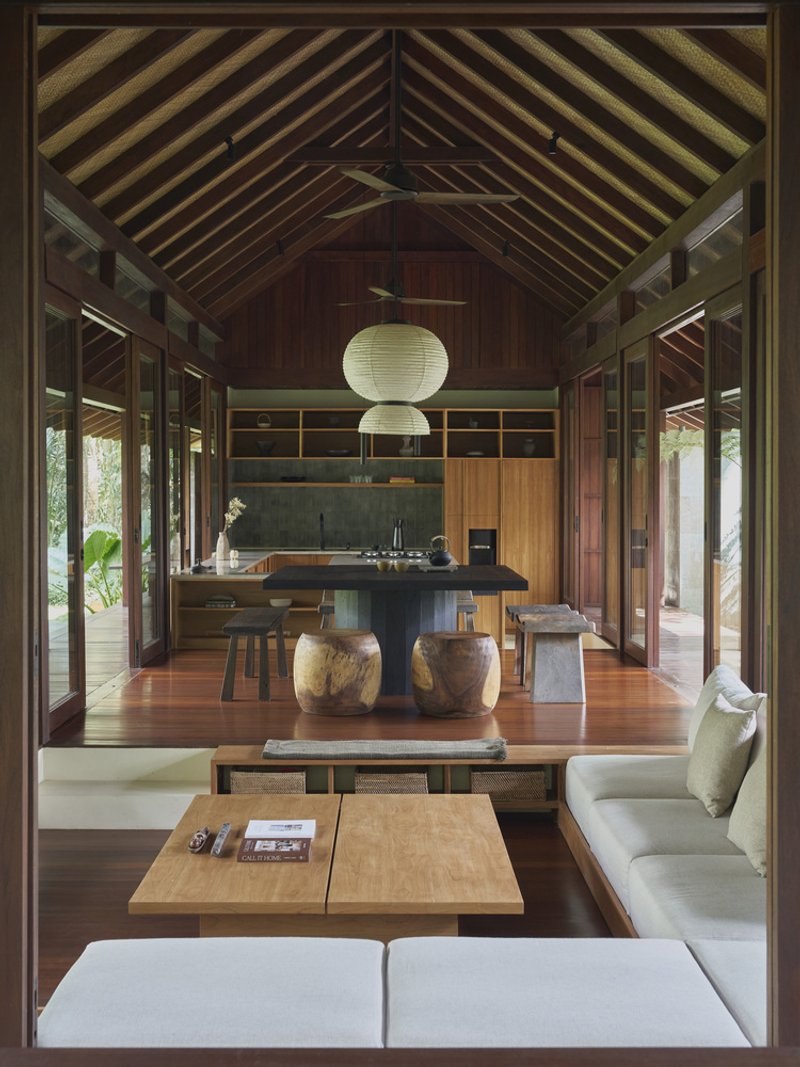
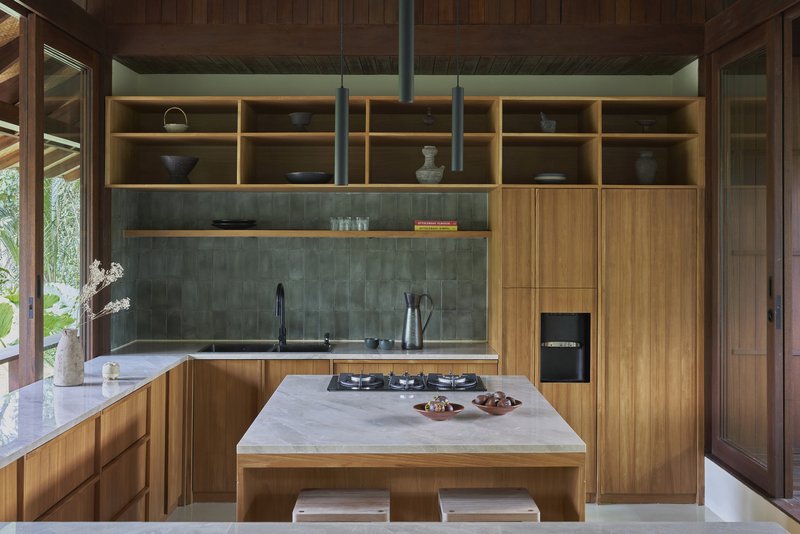
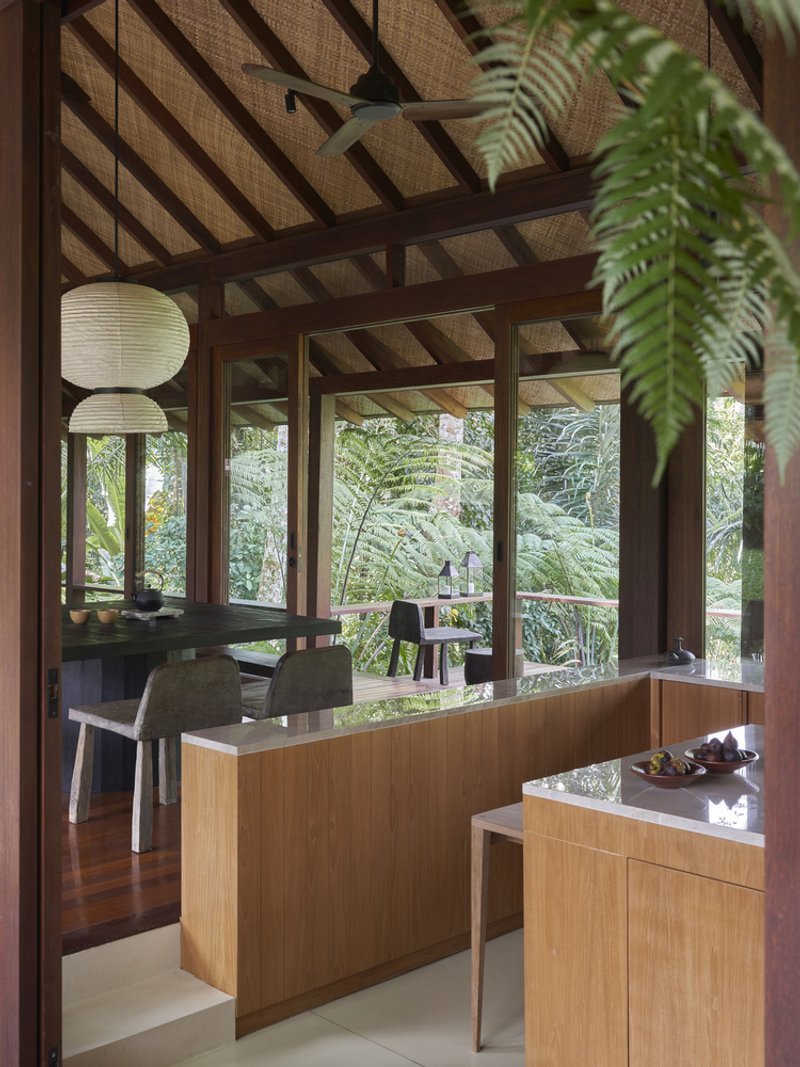
A standout feature of Rumah Haruku is its use of "karpet lontar," a material traditionally utilized in Balinese ceremonial floor coverings. Here, it adorns the ceiling, adding texture and a unique visual element. The combination of terrazzo flooring, custom cement tiles, and wooden finishes further ties the villa to Indonesian architectural heritage.
Expansive Living Spaces
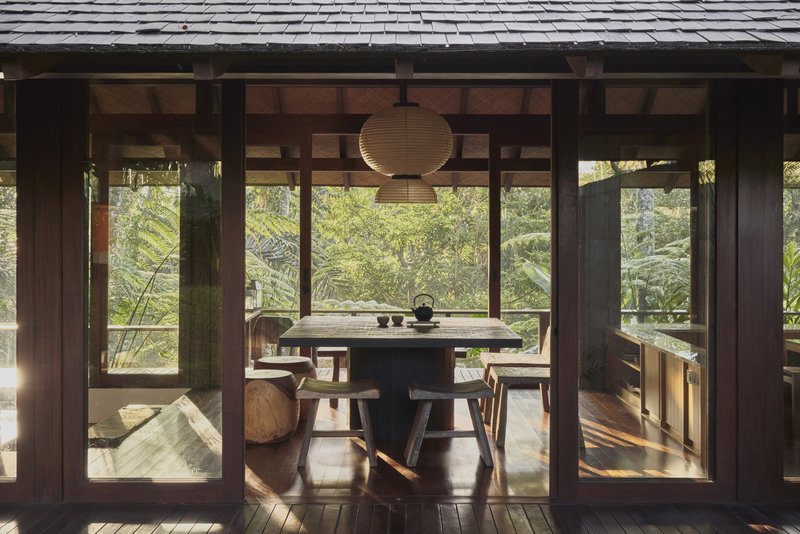
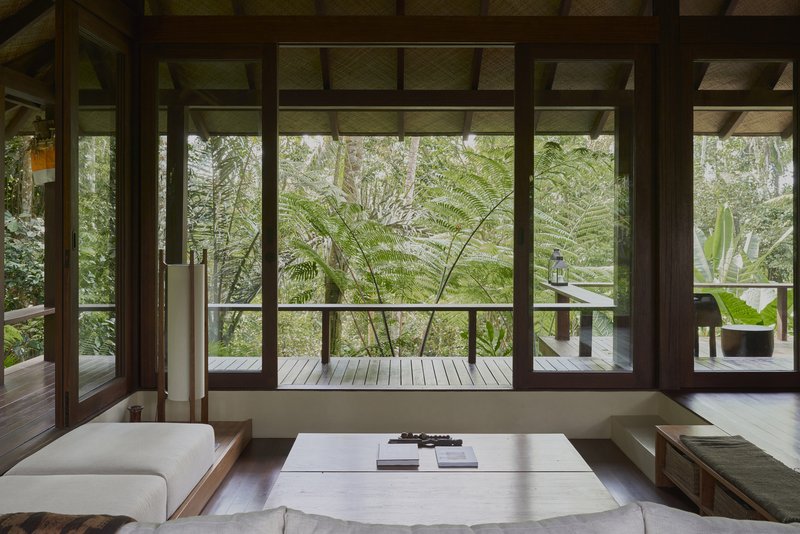
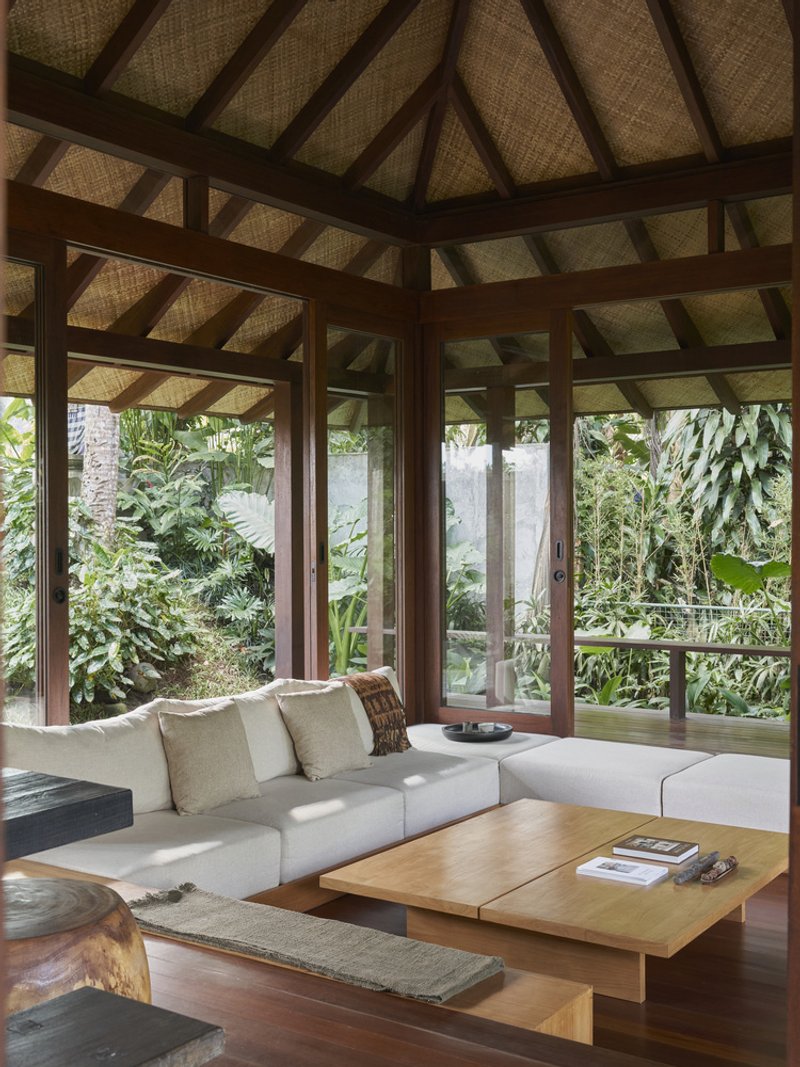
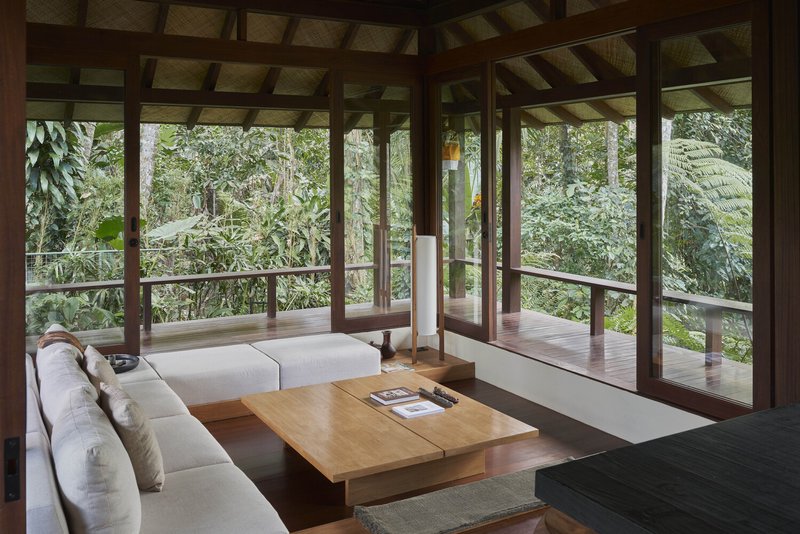
The villa’s layout fosters a seamless indoor-outdoor connection, with an expandable living area inspired by the communal corridors of traditional longhouses. Sliding panels open up the living room to the surrounding tropical environment, with built-in bench railings doubling as extra seating for gatherings. This flexibility allows the space to transition effortlessly between intimate family moments and larger social occasions.
Functionality Meets Aesthetics
Every detail of Rumah Haruku is designed to balance beauty with practicality. The open kitchen and dining areas serve as the heart of the home, providing a welcoming space for hosting friends and family. Terrazzo and cement tiles in the kitchen and bathroom lend durability while adding a touch of contemporary design.
A Timeless Sanctuary
By blending modern minimalism with the enduring beauty of Indonesian tradition, Rumah Haruku captures the essence of timeless design. Its thoughtful integration of natural elements, local materials, and cultural influences makes it a testament to sustainable and meaningful architecture.
This home is more than just a villa; it’s a tribute to Bali’s landscape and heritage, offering its owners a tranquil retreat that resonates with the rhythm of nature.
All Photographs are work of Iker Zuñiga (@pempki)



Popular Articles
Popular articles from the community

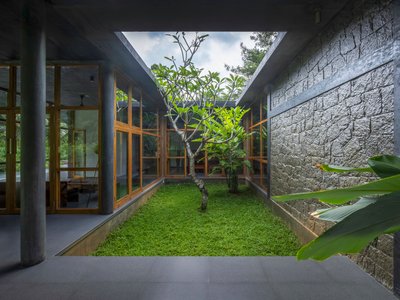
3dor Concepts Wraps a Kerala Home in Mirrored Concrete Arcs Around a Courtyard Tree
In the Western Ghats foothills of Thamarassery, a 270 m² single-story house uses two curved volumes to frame nature as its center.
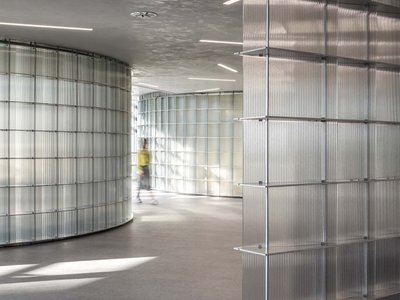
HCCH Studio Wraps a Shanghai High-Rise Office in Curved Walls of Translucent Glass
A 1,000 square meter fit-out in Lujiazui replaces the typical tech-office palette with layered glass, micro-cement, and quiet rigor.
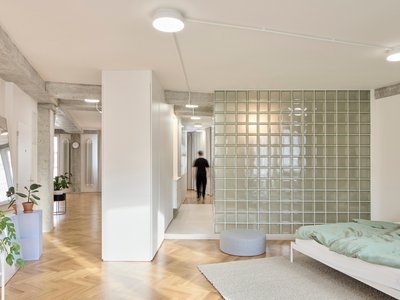
RDTH architekti Rips Out Nearly Every Wall in a Prague Apartment and Replaces Them with Furniture
A 101-square-meter post-war flat in Prague trades rigid partitions for a single rotated furniture block, curtains, and glass concrete.
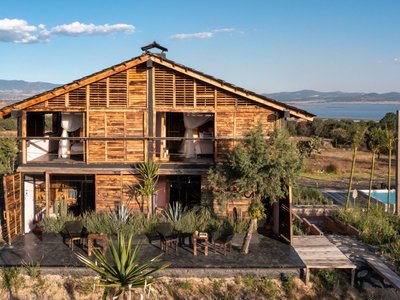
Fausto Terán and Toro Fuse Japanese Craft with Mexican Tradition in a Lakeside Retreat
Nakamura House pairs Shou-Sugi-Ban charred pine with handmade clay tile at the foot of Atlangatepec Lagoon in Mexico.


Similar Reads
You might also enjoy these articles

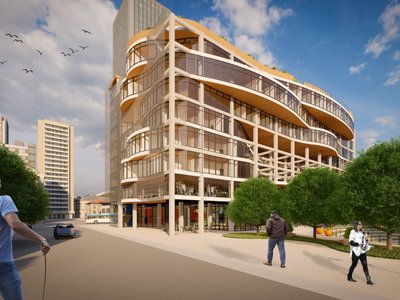
Olio Towers: A Mid-Rise for Performers That Fuses Housing, Rehearsal, and Stage
Located blocks from Houston's Theater District, this modular tower stacks living units around a central performance atrium.

Oasis: Modular Green Housing Carved into Dhaka's Urban Fabric
A shortlisted Plugin Housing entry reclaims unauthorized settlements in Dhaka with stepped concrete volumes, green roofs, and ventilation-driven design.

Black Hole: A Floating Megastructure for the Post-Physical Era
Emiliano Mazzarotto envisions a spherical, self-scaling arena where e-sports, digital hotels, and holographic stadiums replace traditional public space.
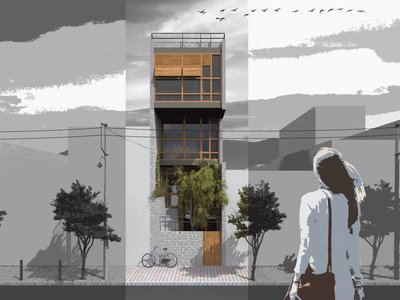
Compact & Sustainable Living in Piraeus: A Four-Level Family Home Built Around Light and Air
A narrow townhouse in one of Greece's densest port cities uses a central atrium and passive strategies to house three generations under one roof.


Explore Architecture Competitions
Discover active competitions in this discipline




The International Standard for Design Portfolios


The Global Benchmark for Architecture Dissertation Awards


The Global Benchmark for Graduation Excellence


Challenge to reimagine the Iron Throne
Comments (0)
Please login or sign up to add comments
No comments yet. Be the first to comment!