
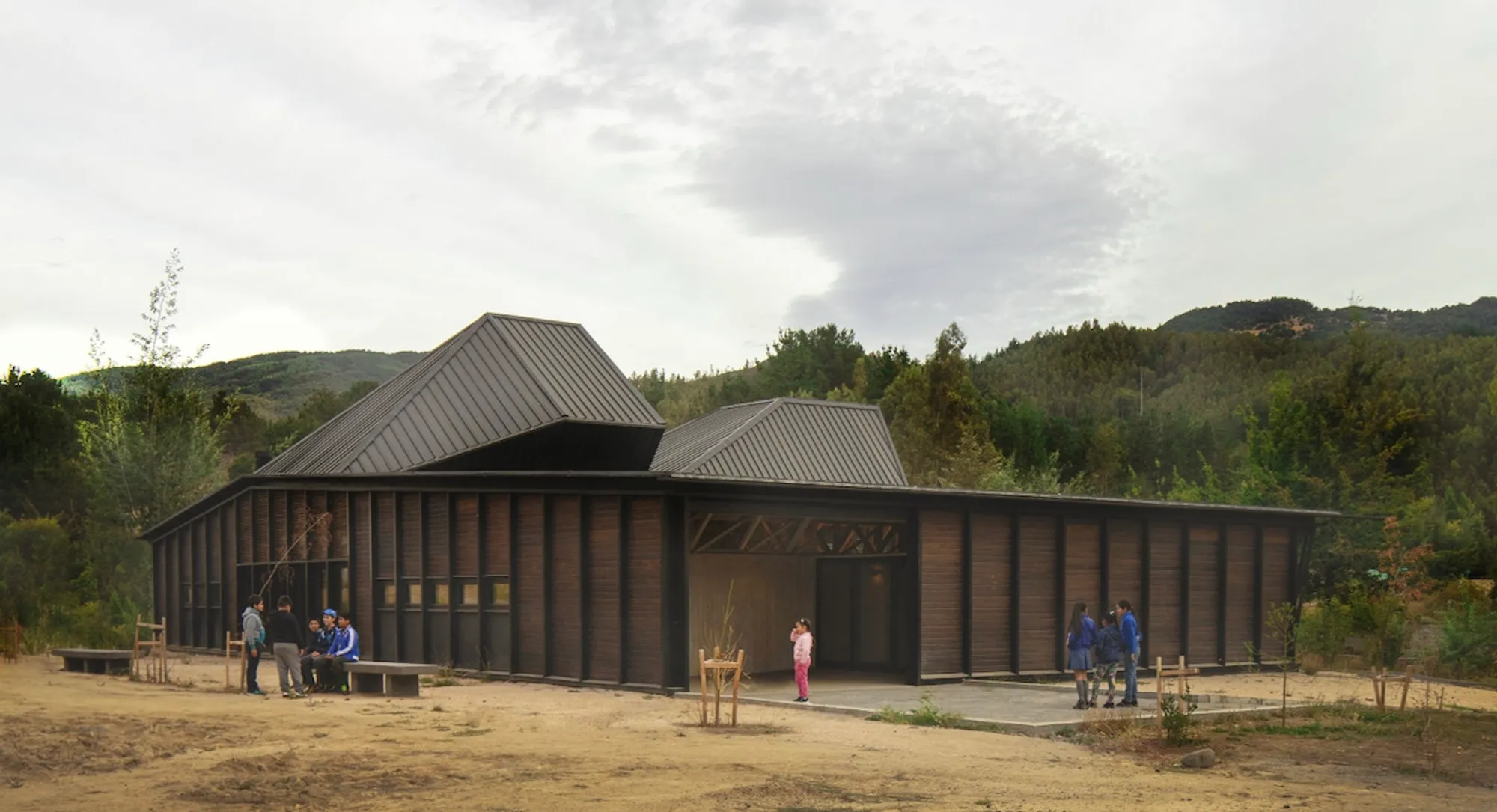
Rural School Pivadenco by Duque Motta & AA + MAPAA
Rural School Pivadenco blends sustainable architecture with cultural identity, creating a flexible, community-centered space in Chile’s Araucanía region.


A Community-Centered School for the Heart of Araucanía
Rural School Pivadenco, designed by Duque Motta & AA + MAPAA, is more than just an educational building—it's a cultural and social anchor for the local Mapuche community in Los Sauces, Chile. As part of the Rural Schools of Araucanía initiative by the Chilean Ministry of Education, the project responds to the urgent need for inclusive and intercultural education infrastructure in one of the most underserved and culturally rich regions of the country.
Architecture Rooted in Community and Nature
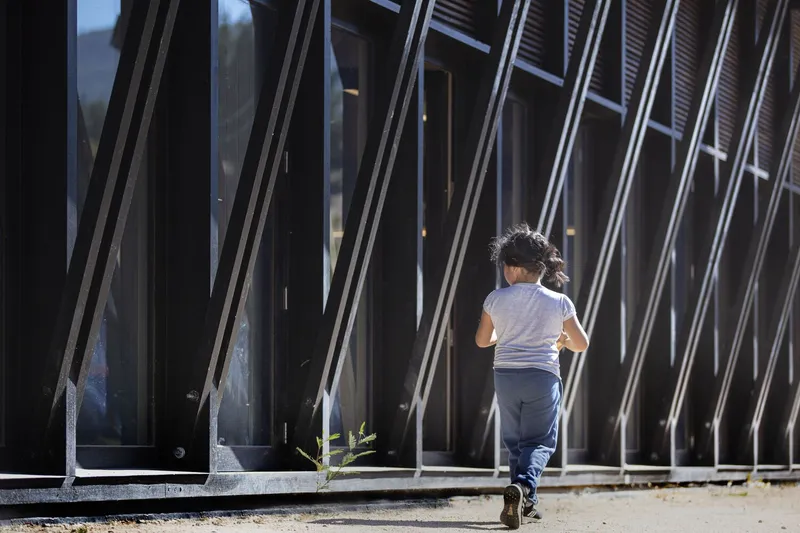
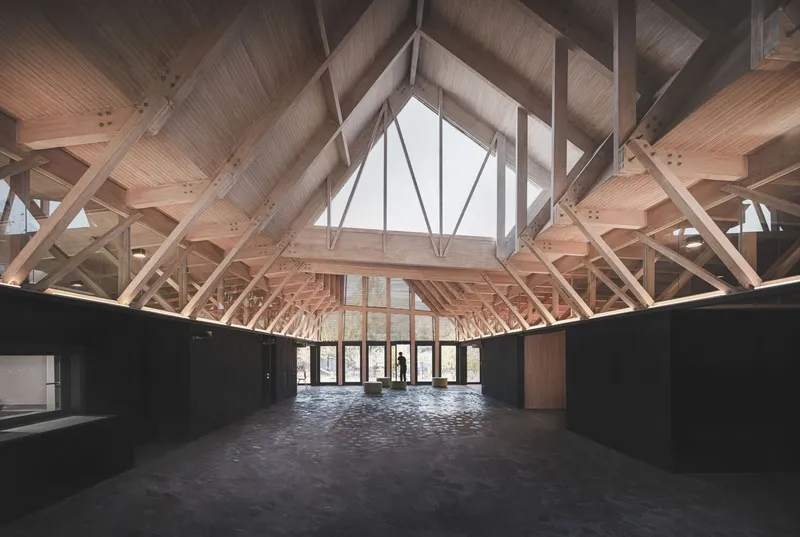
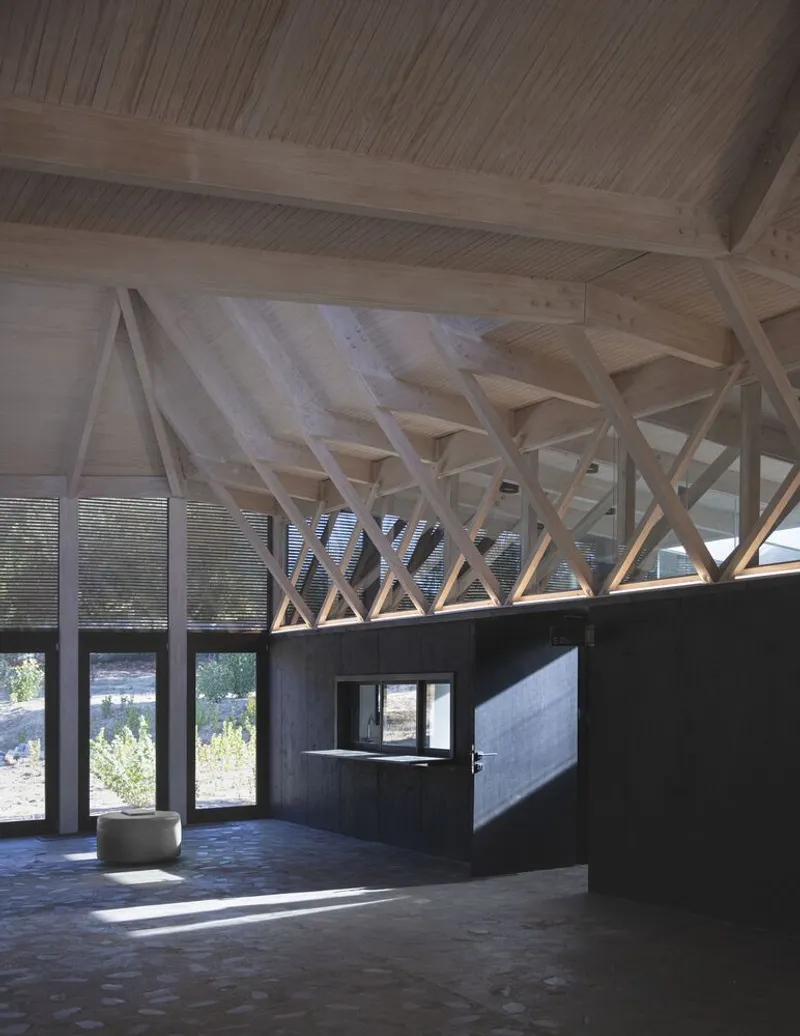
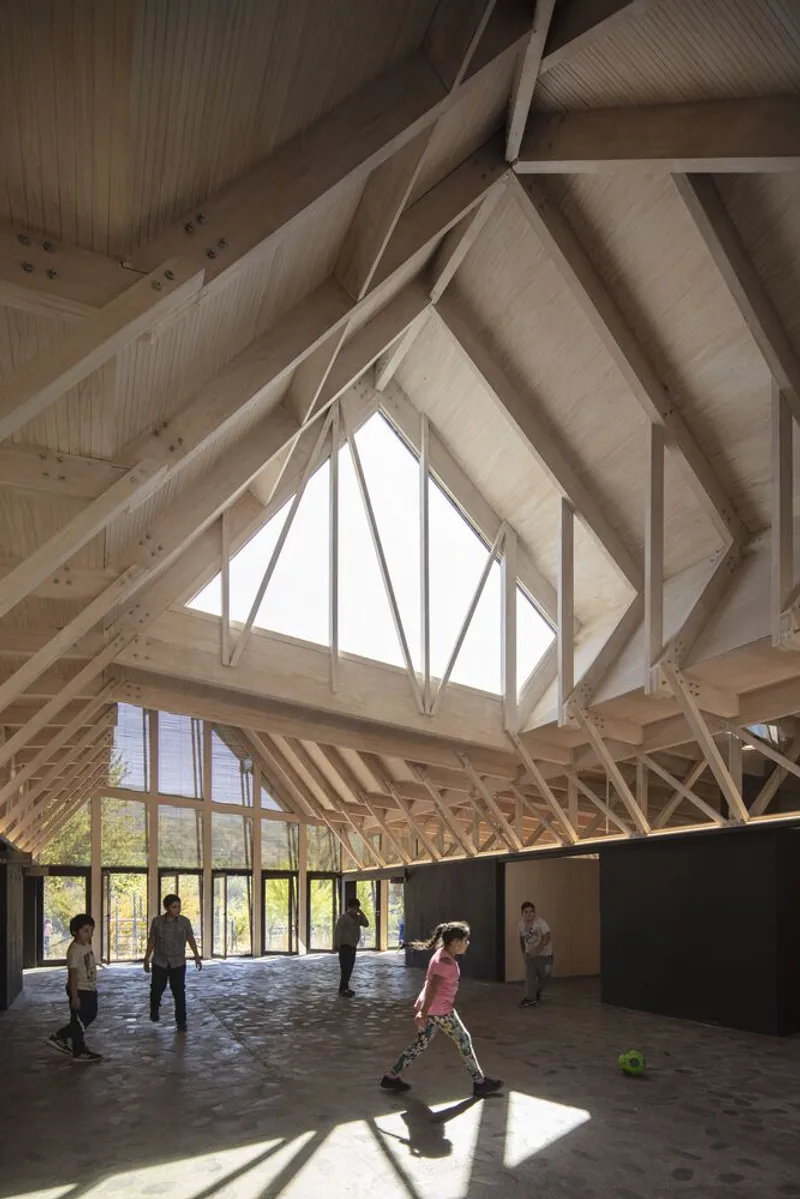
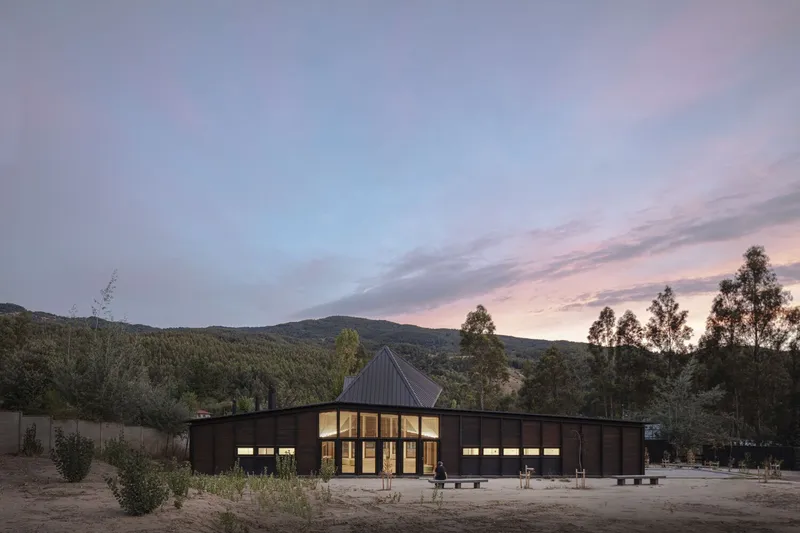
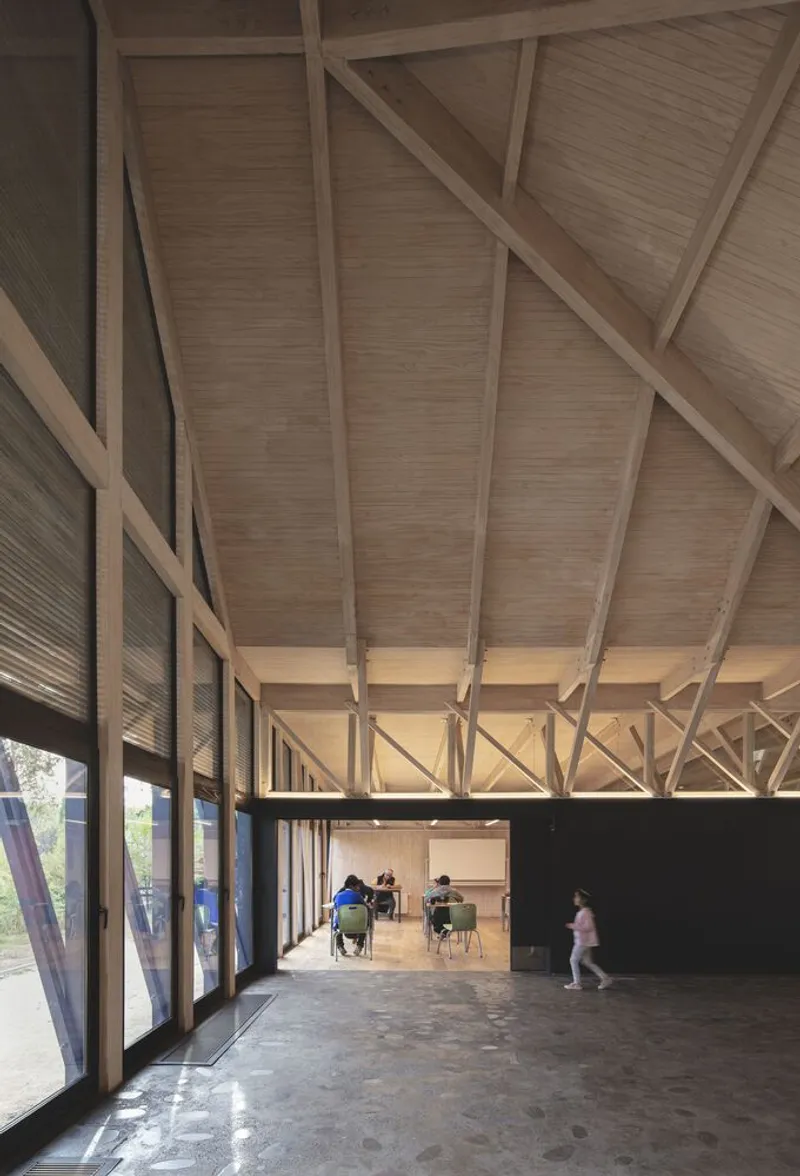
Conceived not only as a school but as a multi-functional community center, the design integrates all common areas—dining, circulation, hallways, and a covered patio—into a single, flexible central space. This space becomes the soul of the school, organizing the various rooms and seamlessly connecting them to the outdoors.
To promote versatility, large sliding partitions open up or close off classrooms, creating a fluid relationship between teaching spaces and communal zones—ideal for workshops, gatherings, and events.
Design Inspired by Local Vernacular
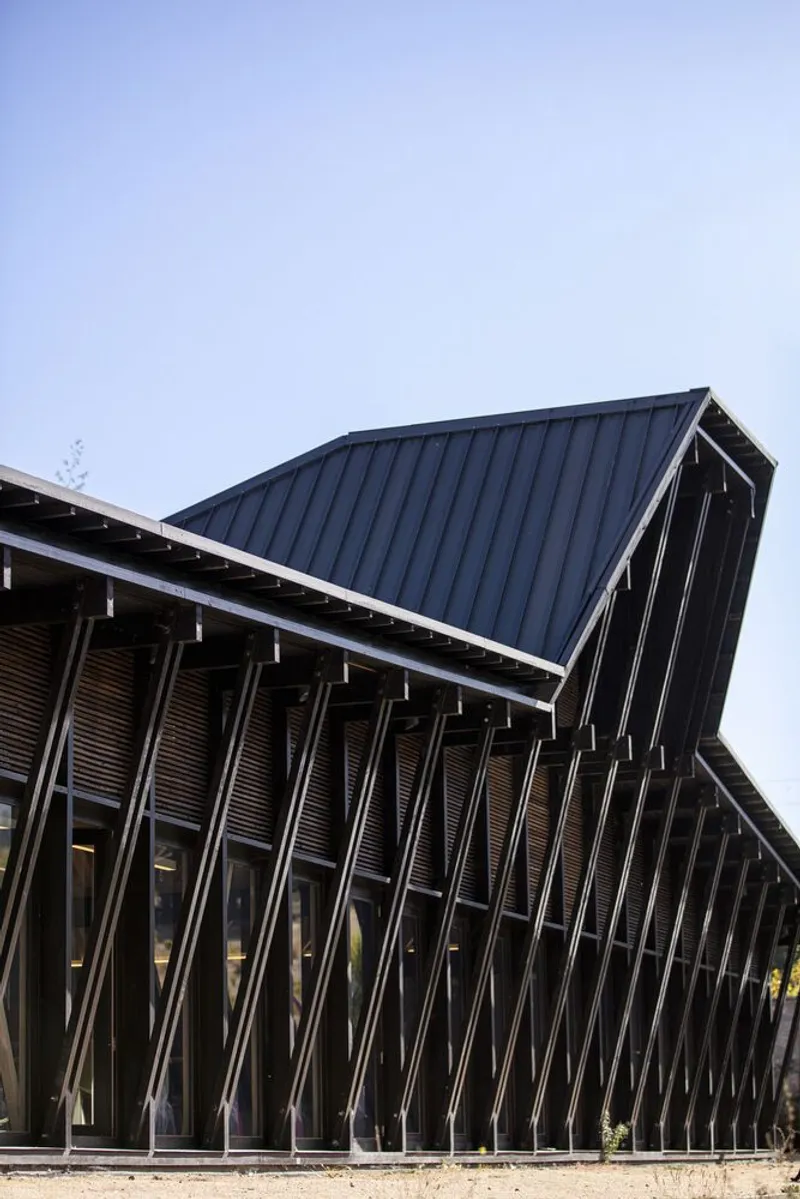
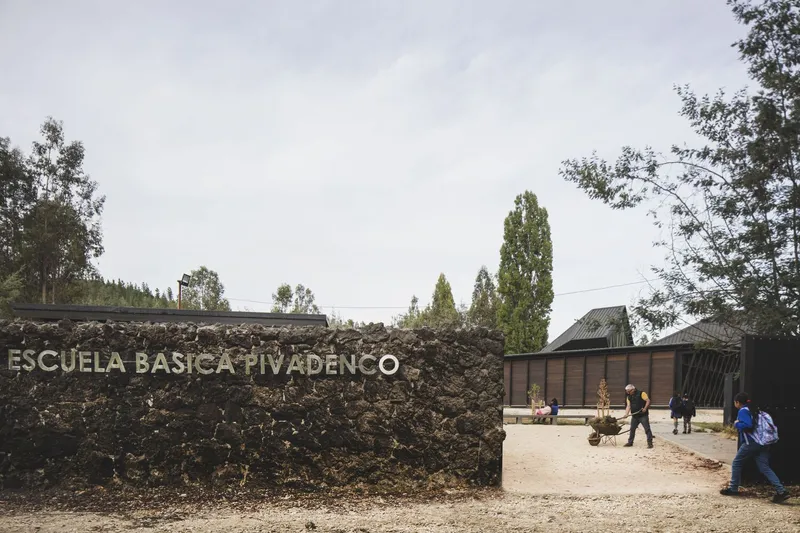
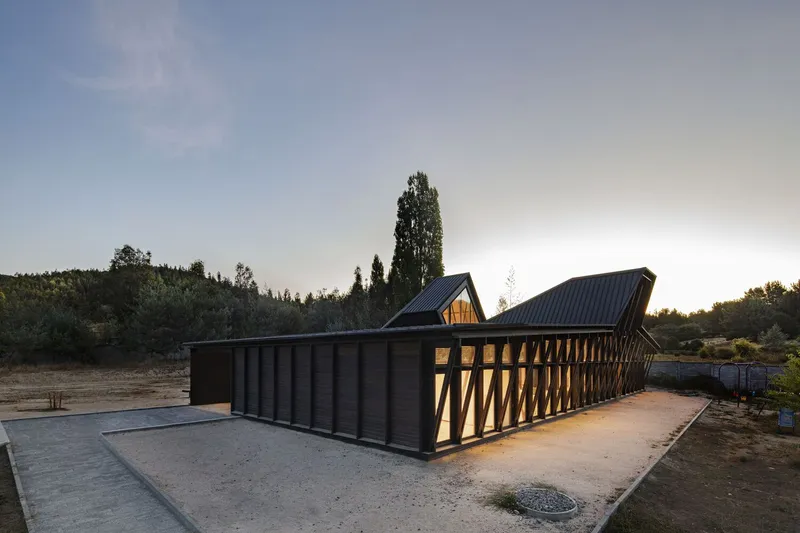
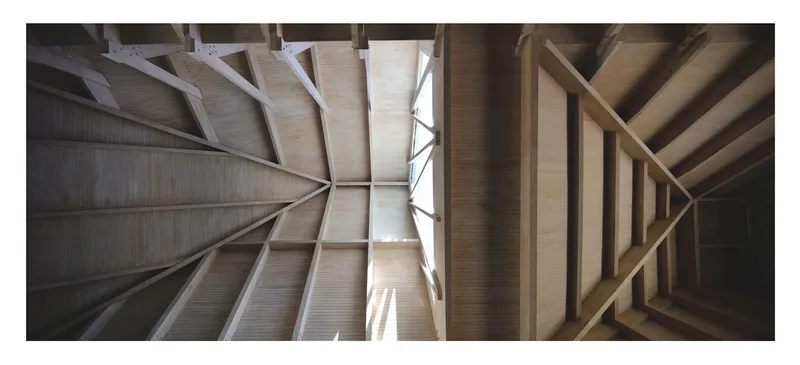
The building draws formal references from the region’s traditional agricultural sheds, using a contemporary material palette: metal cladding, exposed wood beams, and volcanic stone sourced from the site. These materials lend the school both a rustic charm and modern resilience, adapting it to the natural and cultural context of rural Araucanía.
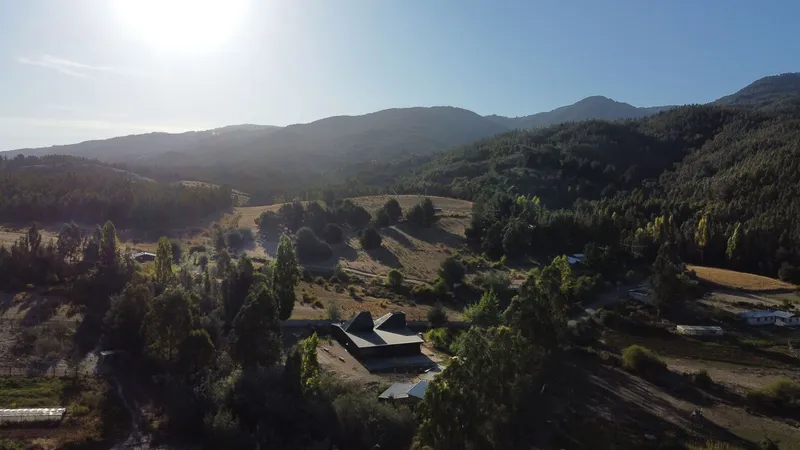
The site is divided into three zones to serve different community needs:
- A public plaza for events and social activities
- A recreation and sports area for students
- An educational garden with native plants, fruits, and vegetables for environmental learning
Passive Design for Energy Efficiency
The school is designed to ensure thermal comfort year-round without heavy reliance on mechanical systems, using three passive strategies:
- North-facing skylights bring in natural light and adjust to seasonal sun angles.
- Concrete walls act as thermal mass, storing heat during the day and releasing it at night.
- Cross-ventilation helps maintain a cool interior during the summer.
This sustainable design allows the building to regulate its internal climate naturally, enhancing comfort and reducing energy consumption.
Educating the Future, Empowering the Present
The Pivadenco School embodies a holistic architectural approach that respects cultural identity, encourages community engagement, and fosters environmental consciousness. It's a model of how small-scale educational buildings can have a big impact in rural settings by blending function, culture, and sustainability.
All the photographs are works of Pablo Casals Aguirre




Popular Articles
Popular articles from the community


Lunar Spiral: Space Architecture Shaped by the Mathematics of the Universe
Lunar Spiral reimagines space architecture through Fibonacci geometry, lunar regolith, levitating habitats, and self-sustaining Moon living.

Conexión: Biophilic Design Reimagines High-Rise Living in Hong Kong
Conexión reimagines high-rise living in Hong Kong through biophilic design, green facades, shared spaces, daylight, water and nature within.

The Earth Pod: 3D Printed Homes for Resilient Refugee Communities
The Earth Pod reimagines refugee housing through 3D printed homes made from clay, combining resilience, self-sufficiency, and rapid shelter.

Play: Fragments of Their World
Familiar architecture becomes modular playground design, creating safe spaces where displaced children can learn, connect, imagine and play.

Similar Reads
You might also enjoy these articles


Hodi-Mandai Geram
Project Function: Preservation and revitalization of the Intangible heritage and socio-spatial identity of the Hodi by Housing, Cultural Memory Center, Sacred Grove, landscape, local tourism economy


Olio Towers: A Mid-Rise for Performers That Fuses Housing, Rehearsal, and Stage
Located blocks from Houston's Theater District, this modular tower stacks living units around a central performance atrium.

Oasis: Modular Green Housing Carved into Dhaka's Urban Fabric
A shortlisted Plugin Housing entry reclaims unauthorized settlements in Dhaka with stepped concrete volumes, green roofs, and ventilation-driven design.

Black Hole: A Floating Megastructure for the Post-Physical Era
Emiliano Mazzarotto envisions a spherical, self-scaling arena where e-sports, digital hotels, and holographic stadiums replace traditional public space.


Explore Pont-Aven School Competitions
Discover active competitions in this discipline



Challenge to design public laboratory


Challenge to reimagine the Iron Throne


Photograph architecture without architects


Illustrate the lost glory of Angkor Wat - Render Challenge
Comments (0)
Please login or sign up to add comments
No comments yet. Be the first to comment!