
Russet House by Mulroy Architects: A Contemporary Victorian House Renovation in London
A bold and sustainable Victorian house renovation in London that blends light, flexibility, and heritage for modern family living.


Transforming a Historic Home in Crouch End
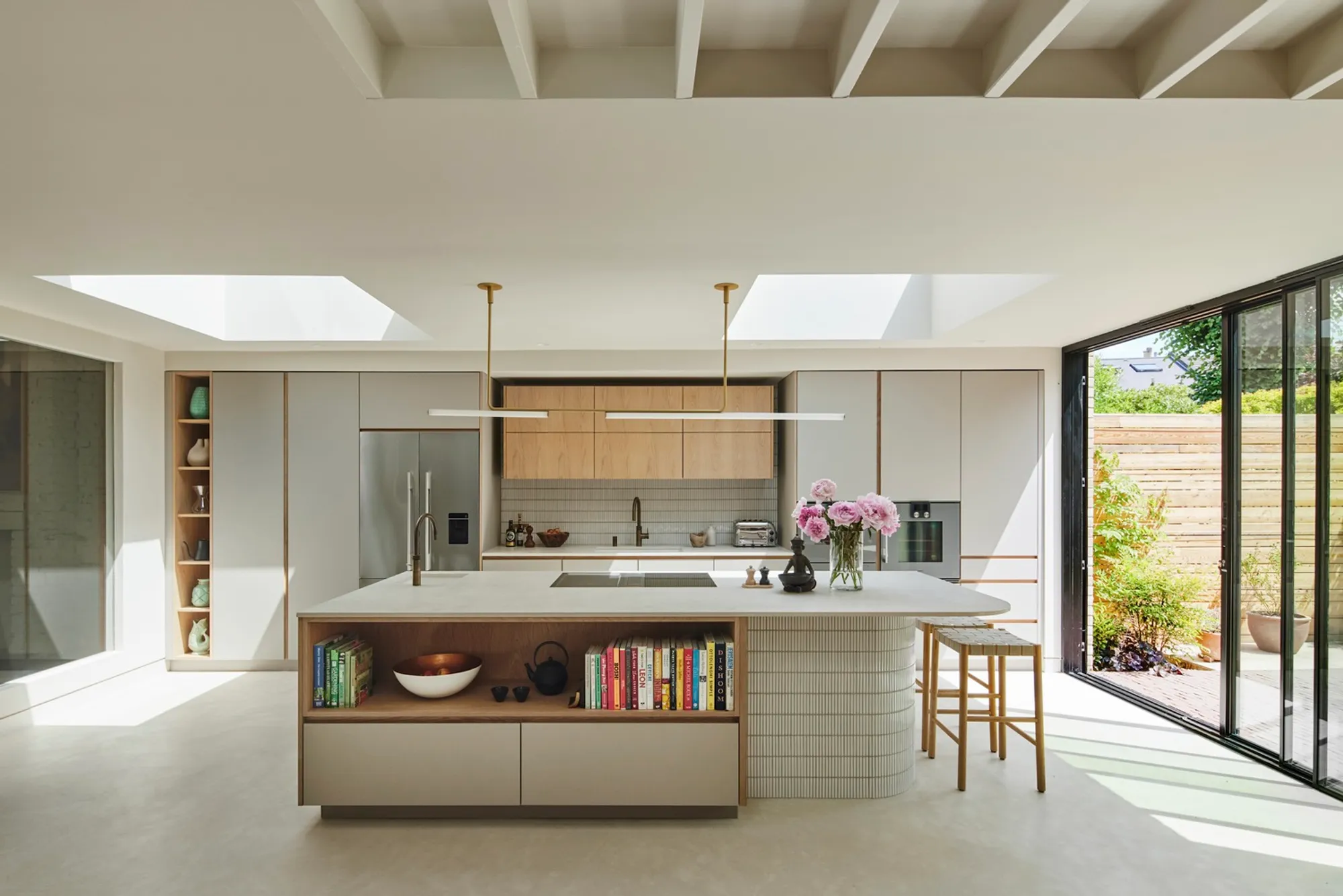
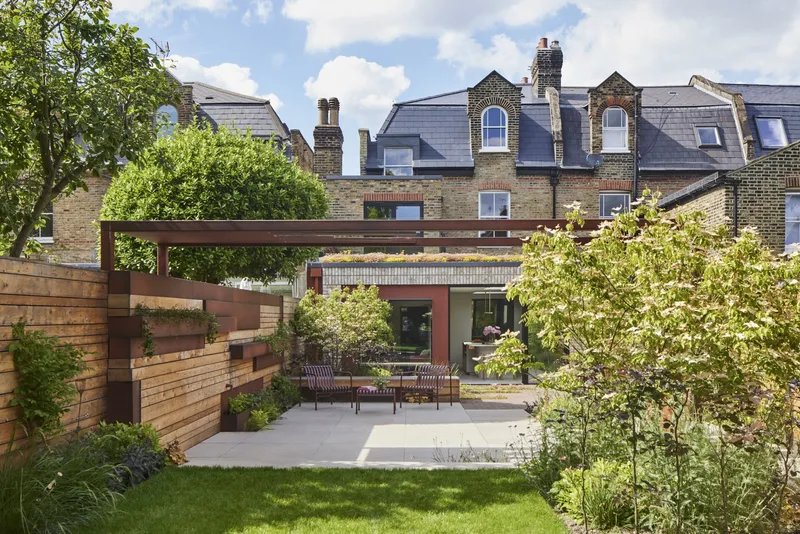
Nestled within the lively neighborhood of Crouch End in north London, Russet House by Mulroy Architects redefines what a Victorian house renovation in London can achieve. This four-storey, five-bedroom residence had fallen into disrepair after a string of misguided extensions left it fragmented and poorly lit. Through visionary design and meticulous execution, the architects have transformed it into a light-filled, adaptive family home that celebrates connection—both spatial and emotional—with the garden and among generations.
Rebuilding Flow Through Architectural Intervention
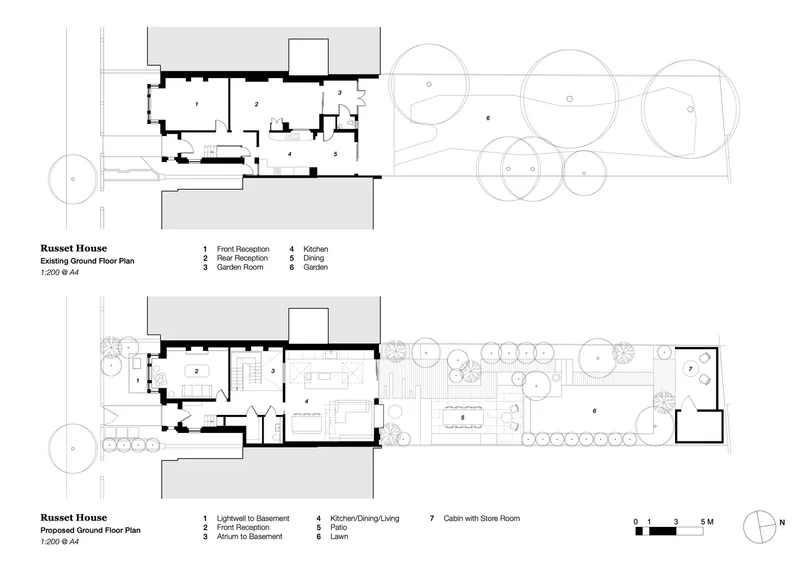
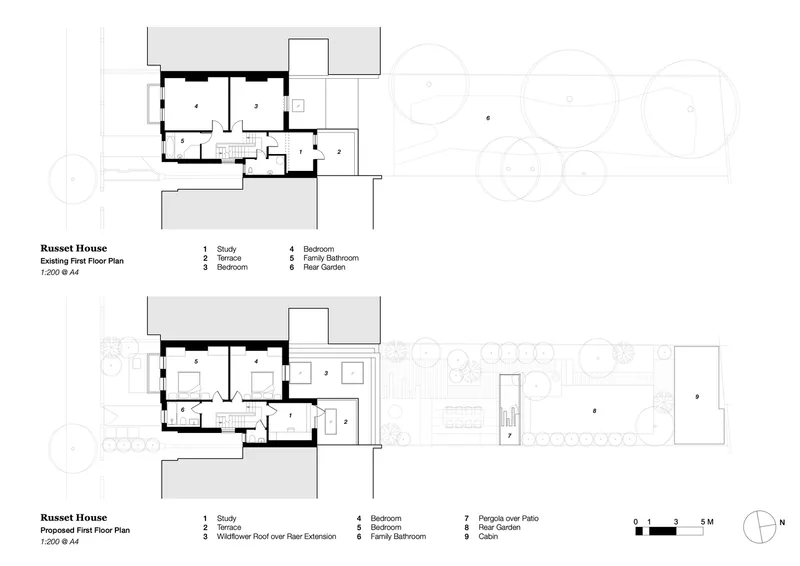
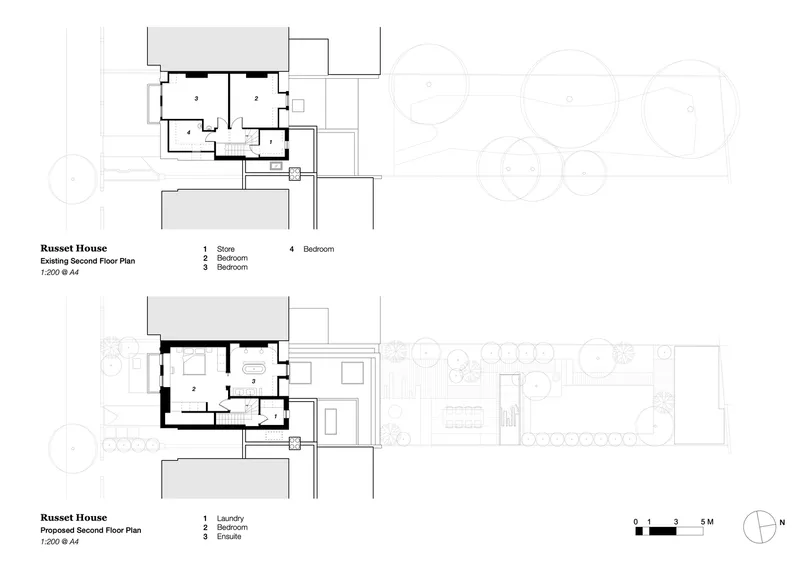
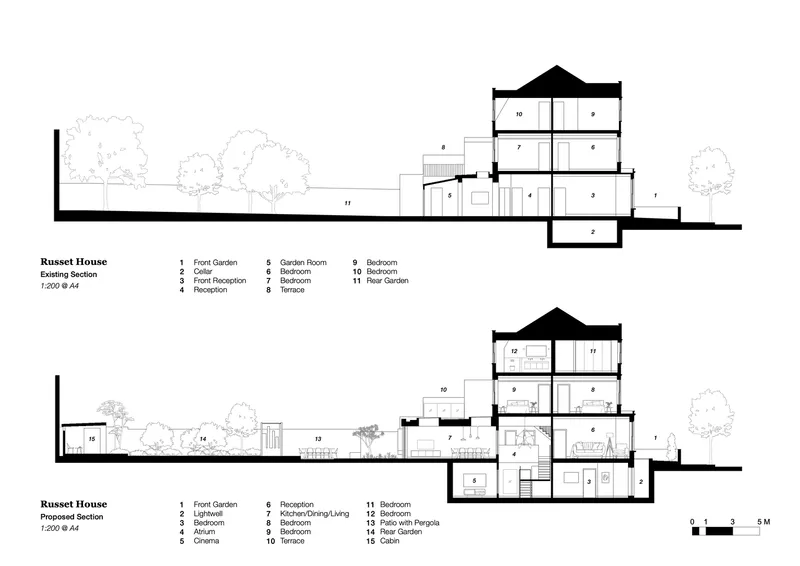
Originally a mid-terrace Victorian house, the structure suffered from years of piecemeal additions that disrupted the home’s flow and severed its link to the outdoor space. The clients—professionals with young children—sought a home that could grow with them. Mulroy Architects’ solution was a bold reimagining of the interior architecture. By removing the dining room floor and creating a central atrium, they introduced a dramatic sense of verticality and clarity throughout the home.
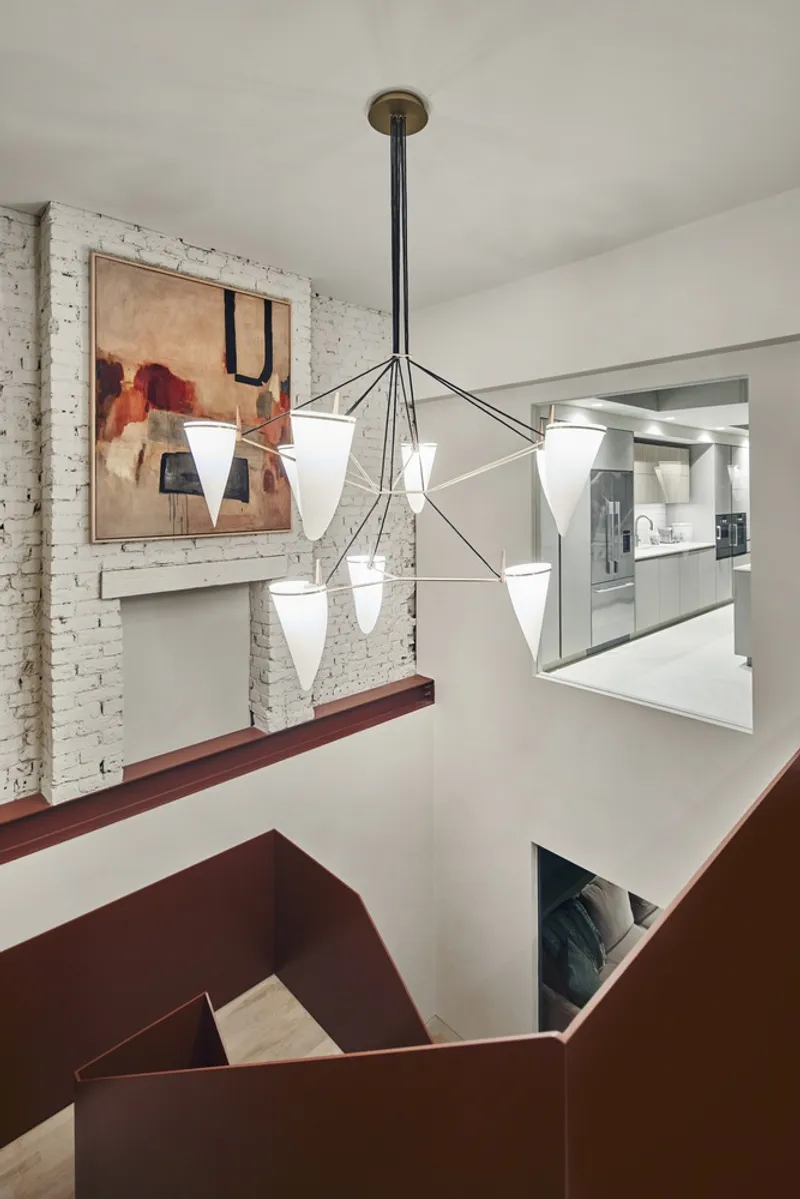
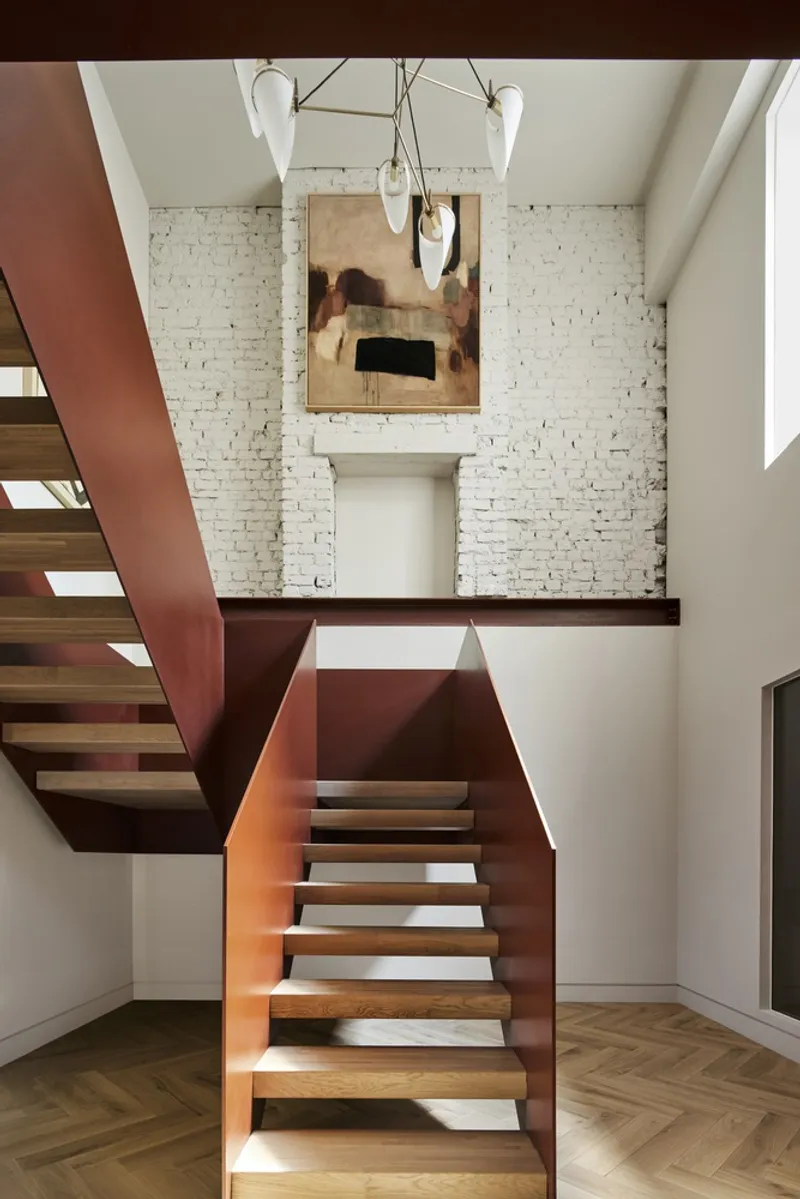
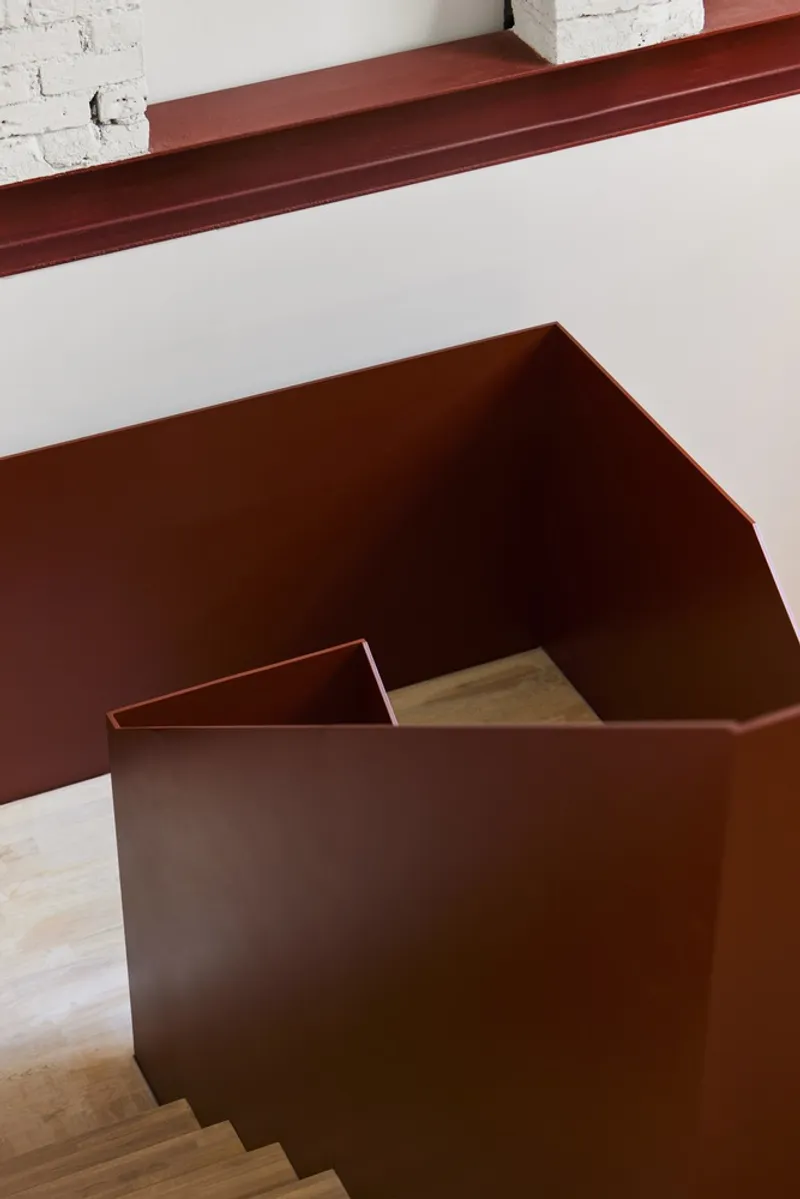
This atrium acts as the heart of the house, allowing light and sightlines to traverse multiple floors. The russet-colored steel staircase that rises through the center is not merely functional but sculptural—an expressive element that gives the project its name and unifies the different levels.
A Flood of Natural Light and Spatial Coherence
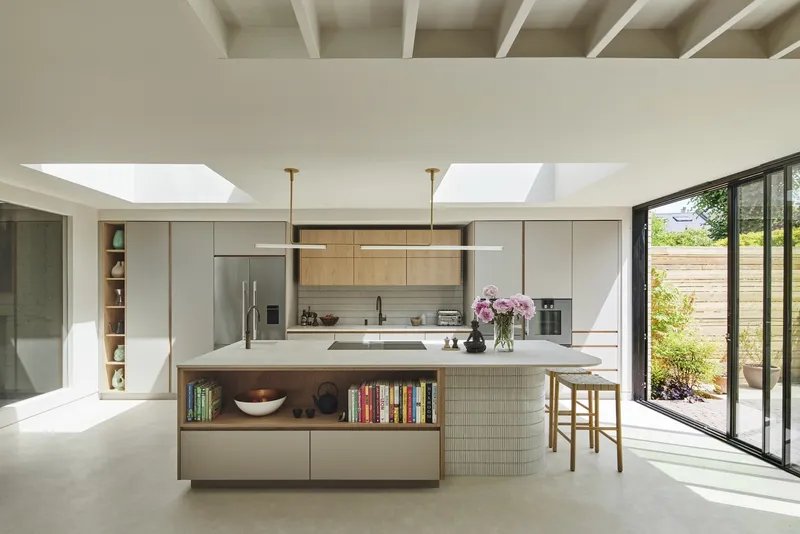
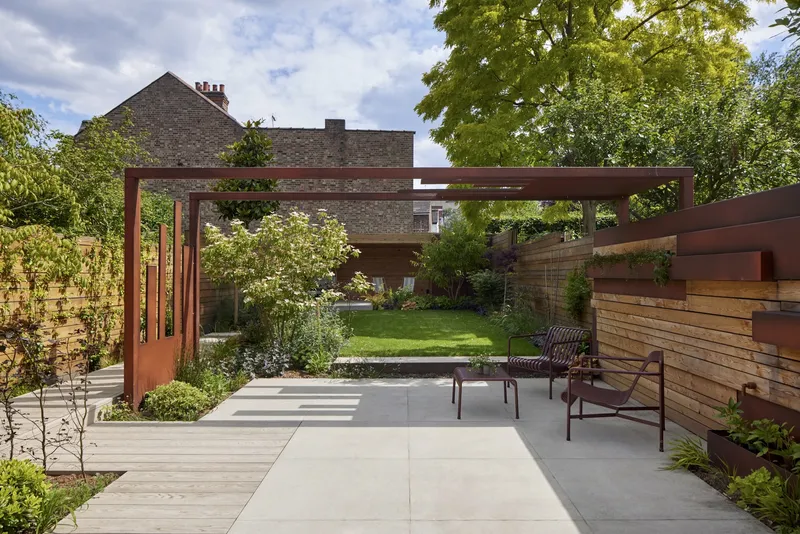
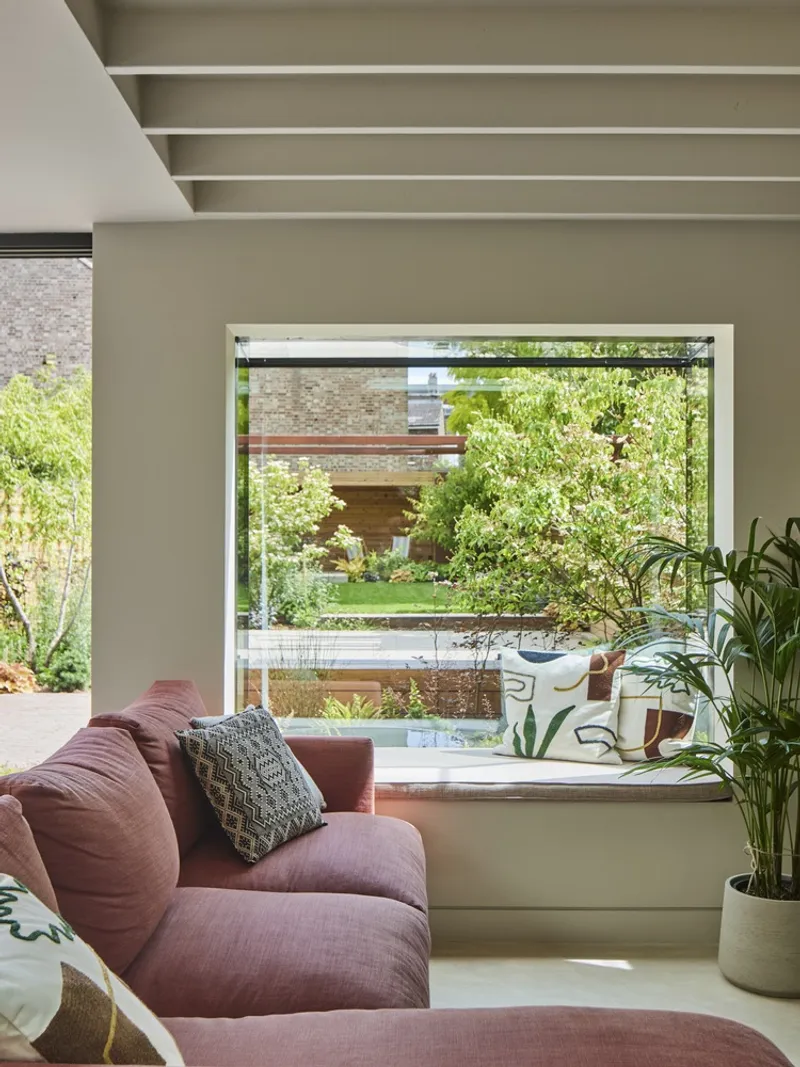
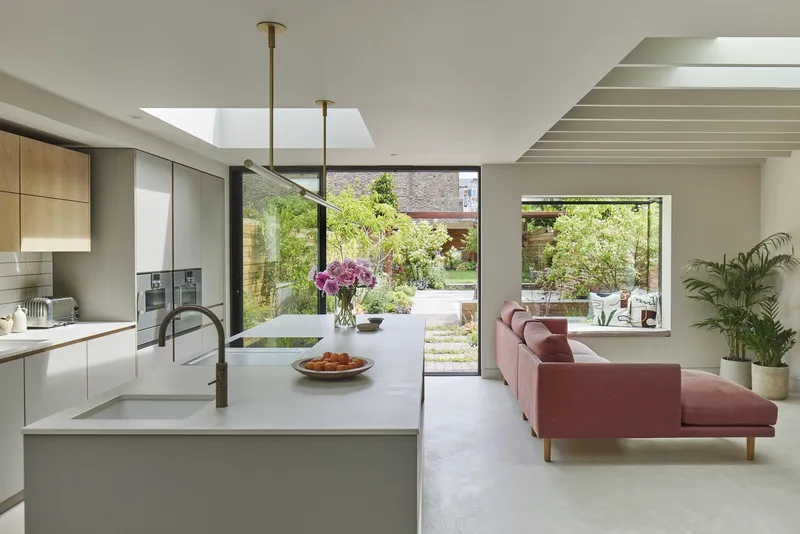
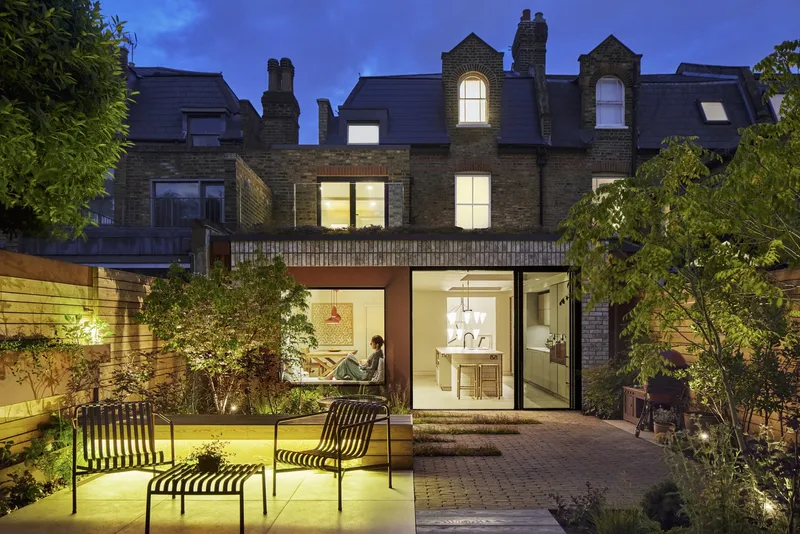
Prior to the intervention, the home’s extensions blocked natural light and created a series of dark, disconnected spaces. To counter this, the new design includes skylights facing south, a newly opened rear extension, and strategic glazing across levels. These features ensure daylight reaches deep into the structure—including the basement—while reinforcing a visual and physical connection between inside and out.
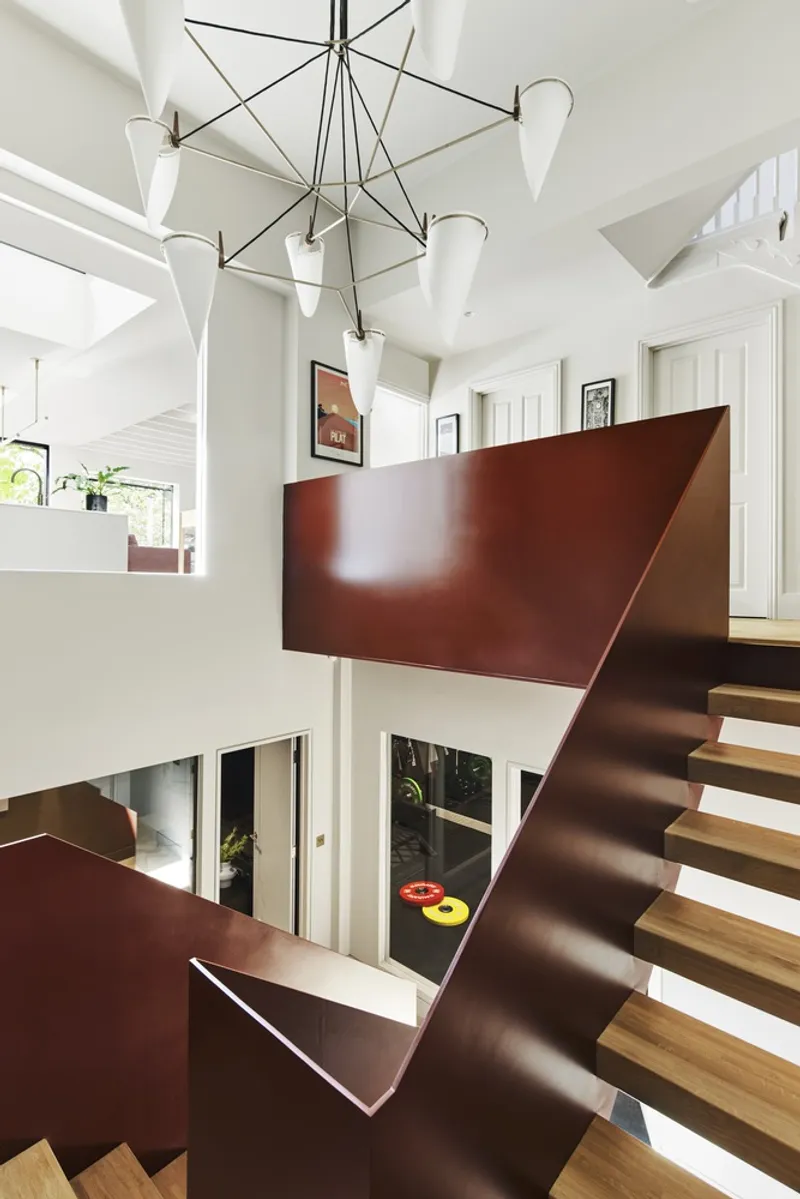
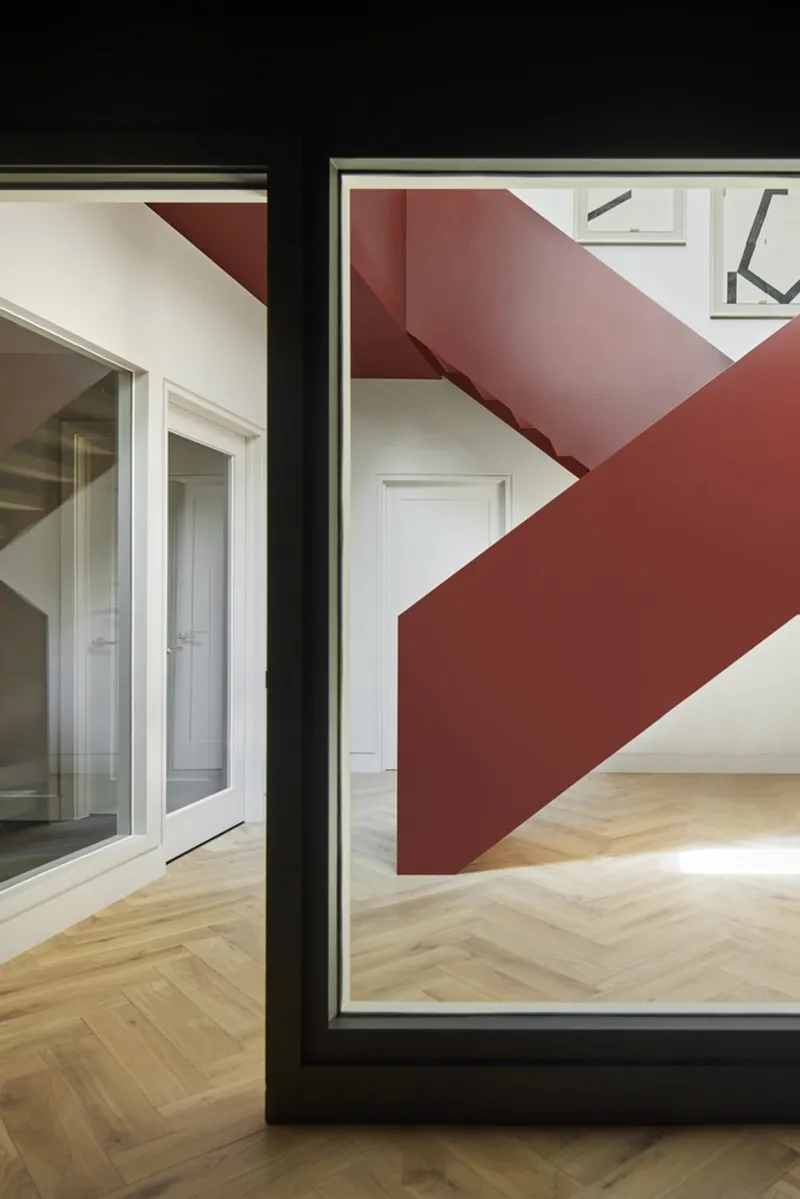
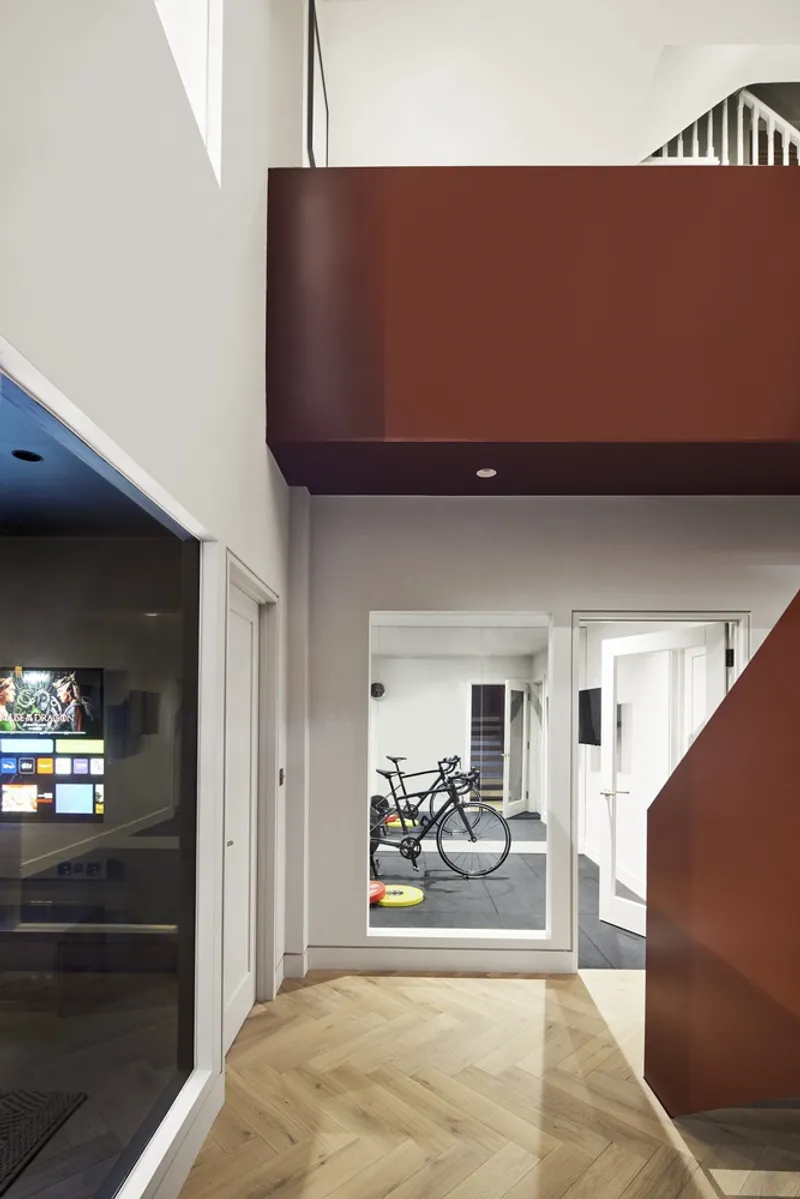
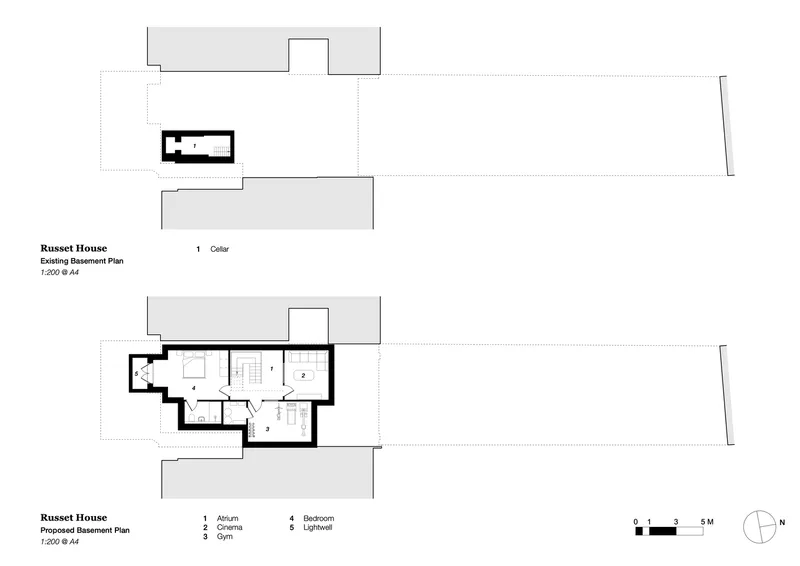
The basement, often an afterthought in London homes, was elevated to a fully integrated part of the house. It now hosts an ensuite bedroom, gym, and cinema room. Thanks to independent access and self-contained amenities, this level can easily transition into a separate living unit—offering flexible use for ageing parents, older children, or guests.
Layered Materiality and Cohesive Interiors
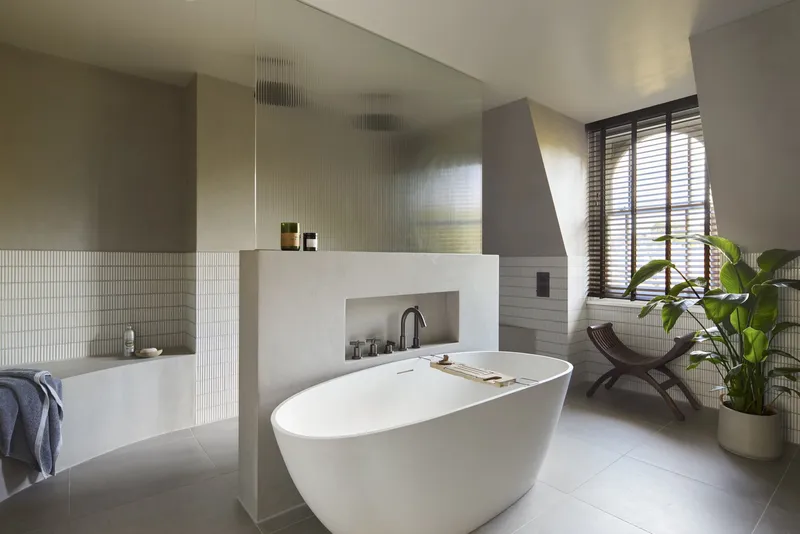
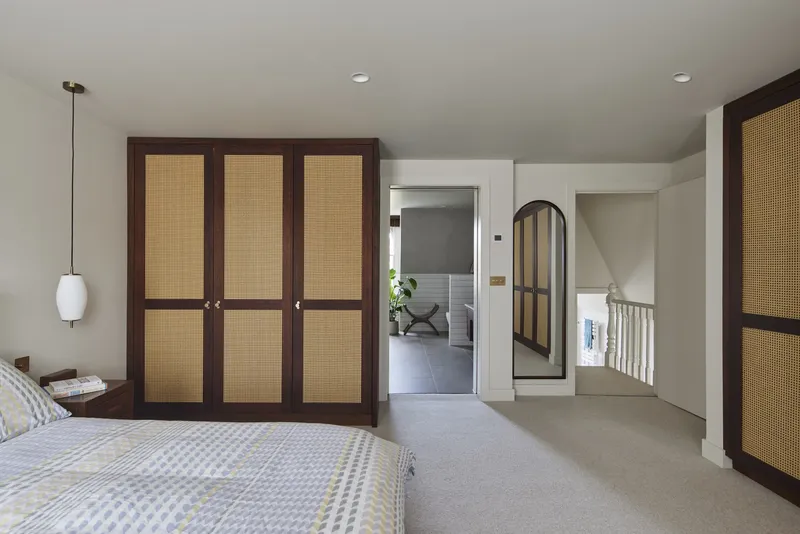
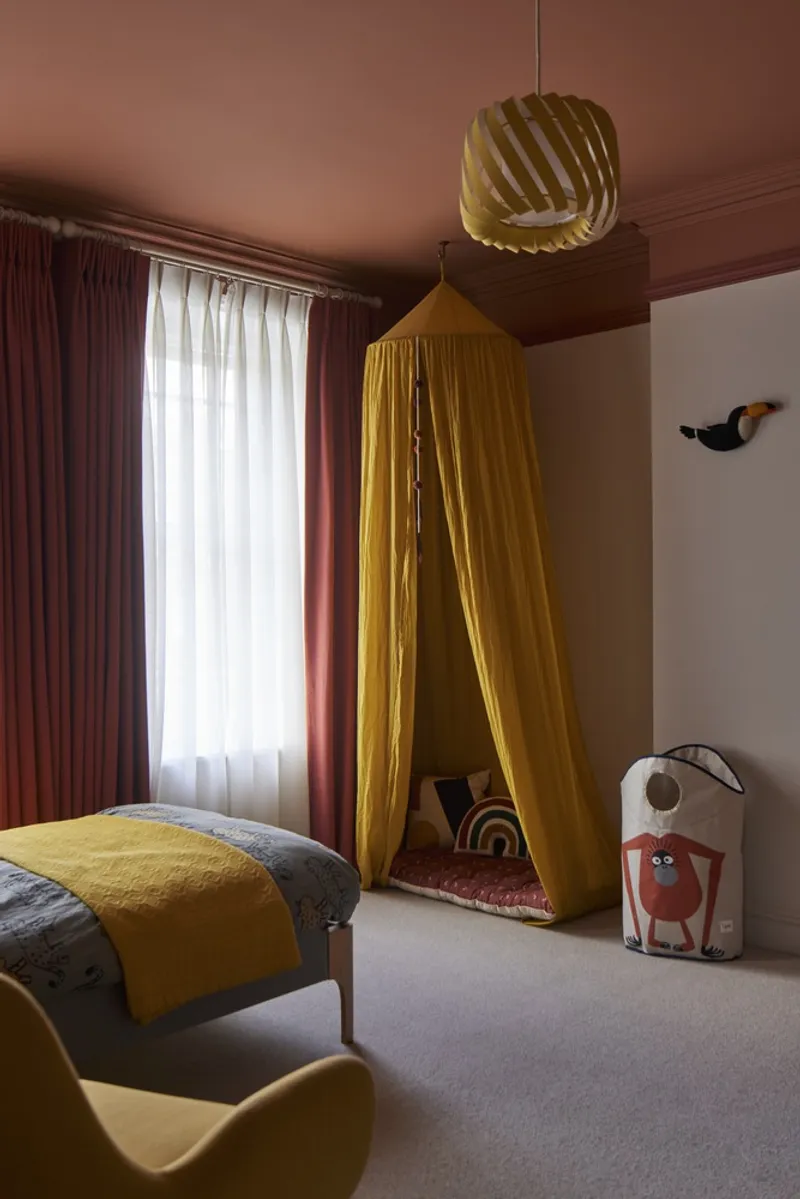
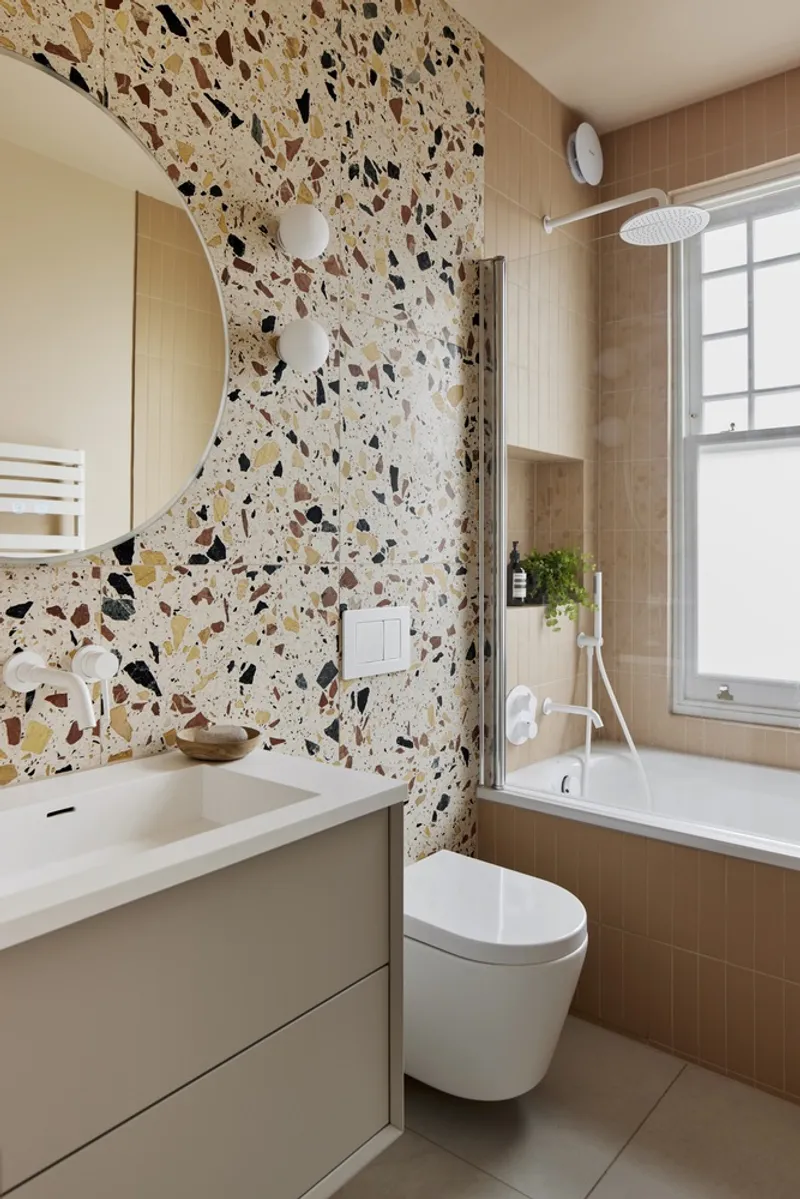
The interior design balances earthy tones—russet reds, burnt oranges, warm browns—with neutral greys and whites. The choice of materials, including exposed brick, smooth plaster, and warm parquet flooring, reflects a desire for texture, warmth, and harmony. These finishes establish a comforting aesthetic while enhancing the tactile quality of each space. Throughout the home, an emphasis on greenery, both internal and external, blurs the boundary between garden and interior.
Sustainability at the Core of the Renovation
Beyond aesthetics, this Victorian house renovation prioritized energy efficiency and long-term sustainability. Key features included upgraded roof insulation, underfloor heating, and the installation of a mechanical ventilation heat recovery system (MVHR) in the basement. The retrofit also incorporated infrastructure for an air source heat pump, preparing the home for a future off-gas transition.
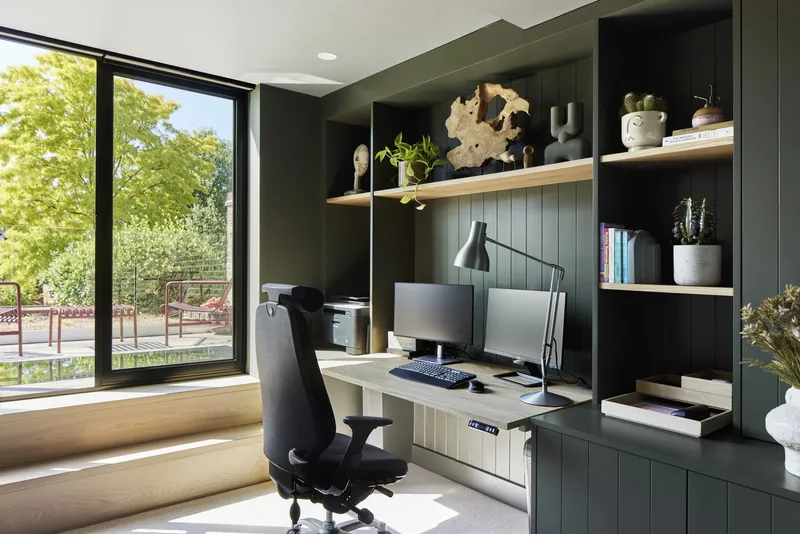
These interventions led to a dramatic improvement in the home's energy performance, elevating its SAP rating from Band F (21) to Band C (75). The project stands as a model for sustainable domestic renovation, achieving both comfort and environmental responsibility.
Designing a Home for the Present and Future
Russet House exemplifies how sensitive yet innovative architectural thinking can unlock the full potential of a historic structure. This Victorian house renovation in London not only addresses the shortcomings of its past but anticipates the evolving needs of a modern family. With light-filled interiors, sustainable infrastructure, and adaptable spaces, Mulroy Architects have delivered a home that is both rooted in its heritage and ready for the future.
All Photographs are works of Dan Glasser




Popular Articles
Popular articles from the community


Lunar Spiral: Space Architecture Shaped by the Mathematics of the Universe
Lunar Spiral reimagines space architecture through Fibonacci geometry, lunar regolith, levitating habitats, and self-sustaining Moon living.

The Ocean Hive: Sustainable Architecture for a Self-Sufficient Civilization at Sea
The Ocean Hive imagines sustainable architecture at sea, where modular habitats, algae, wave power and ocean waste sustain a growing colony.

The Earth Pod: 3D Printed Homes for Resilient Refugee Communities
The Earth Pod reimagines refugee housing through 3D printed homes made from clay, combining resilience, self-sufficiency, and rapid shelter.

Riyadh For All: Intergenerational Urban Design for Active Aging in Rabat
Riyadh For All reimagines urban design in Rabat with intergenerational co-living, adaptive courtyards, and Moroccan cultural exchange today.

Similar Reads
You might also enjoy these articles


Hodi-Mandai Geram
Project Function: Preservation and revitalization of the Intangible heritage and socio-spatial identity of the Hodi by Housing, Cultural Memory Center, Sacred Grove, landscape, local tourism economy


Olio Towers: A Mid-Rise for Performers That Fuses Housing, Rehearsal, and Stage
Located blocks from Houston's Theater District, this modular tower stacks living units around a central performance atrium.

Oasis: Modular Green Housing Carved into Dhaka's Urban Fabric
A shortlisted Plugin Housing entry reclaims unauthorized settlements in Dhaka with stepped concrete volumes, green roofs, and ventilation-driven design.

Black Hole: A Floating Megastructure for the Post-Physical Era
Emiliano Mazzarotto envisions a spherical, self-scaling arena where e-sports, digital hotels, and holographic stadiums replace traditional public space.


Explore Architecture Competitions
Discover active competitions in this discipline



Challenge to reimagine the Iron Throne


Photograph architecture without architects


Illustrate the lost glory of Angkor Wat - Render Challenge


Design challenge to reuse E-waste
Comments (0)
Please login or sign up to add comments
No comments yet. Be the first to comment!