
Sacred Hollow
"Abbey" competition entry

The « Abbey » competition takes place in the city of Whitby in North Yorkshire, England. Whitby is a small city who has been developed around its abbey: Whitby Abbey. This abbey has a strong history and its ruins still show the beauty of gothic architecture. The ruins, associated with the traditional architecture of the surrounding houses, offer a picturesque landscape to the visitors. Whitby Abbey still attracts over 150’000 visitors a year but the area needs a new place of worship.
Design
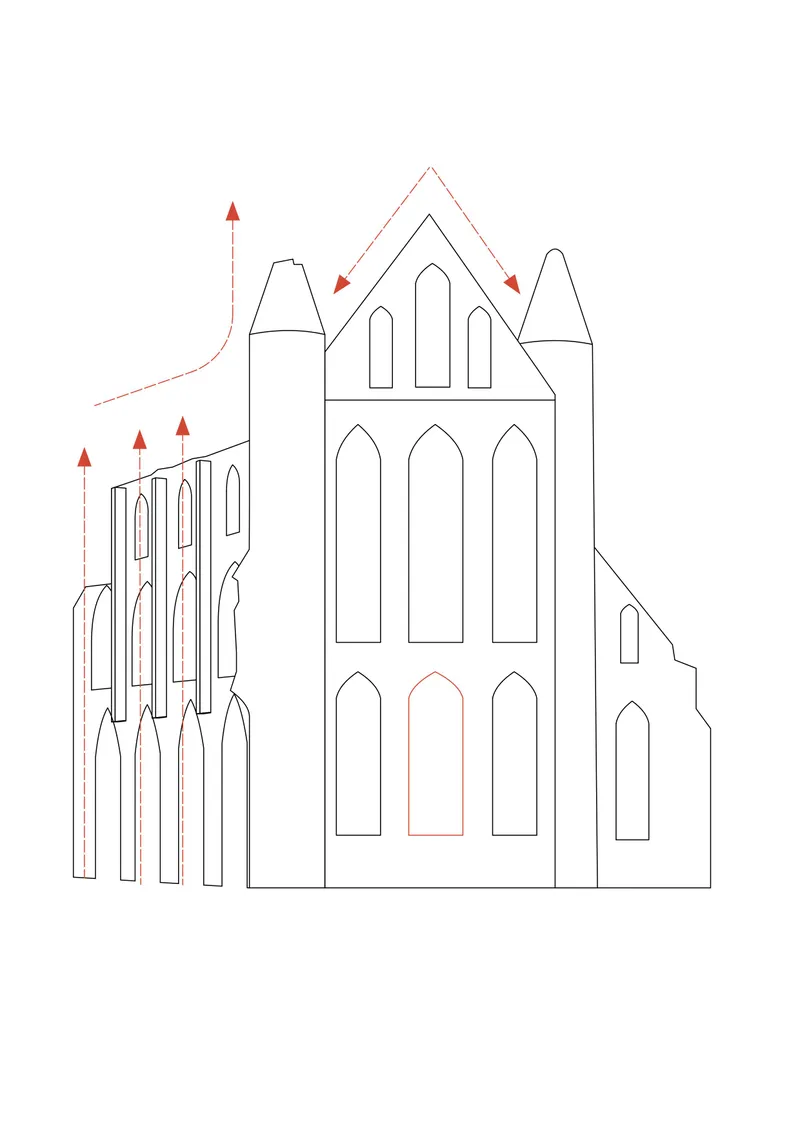
Following the idea that the new chapel is a continuity of the Whitby Abbey, the design of the chapel is inspired by the architecture of the abbey. So the new structure respects the context but offers a contemporary design.
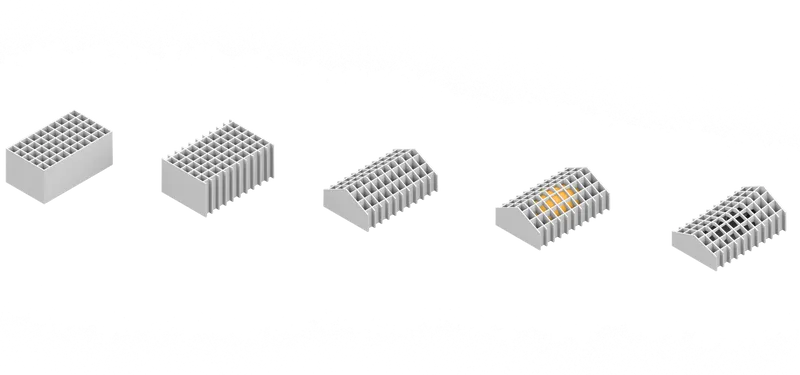
The Gothic architecture shows specific features who are still well visible on the Whitby Abbey. These features are the start point for the development of the chapel’s design. The first characteristic we observe in Gothic architecture is the repetition of structural elements. These repeated elements provide an alternance of solid and void and a willingness of verticality. For the new chapel, this aesthetic is interpreted by the creation of a concrete grid structure. Then the transverse walls are extruded to make them visible in facades.
Afterwards the grid is shaped in such a way as to respect the gable roofs of the abbey and the surrounding houses. At this step we need a space to welcome the faithfuls. So a hollow is excavated from the grid structure and so it creates a room for the visitors to meet and celebrate faith. This hollowing out then forms interior arches and thus extends the reinterpretation of the Gothic aesthetic.
Finally, the chapel is stretched to generate an elevating movement. This effect of elevation is reinforced by a zenithal opening from the entrance to the altar. The difference in height also makes the entrance less massive and more welcoming for the visitor.
Spaces distribution / plan
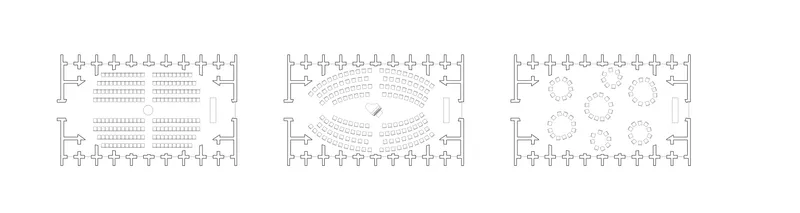
The grid plan gives the opportunity to add four closed rooms in the corners: a locker room for visitors and a WC near the entrance, a sacristy and stockage room for the priest near the altar area. In the center, the main room is furbished with individual chairs instead of benches. The choice of chairs allows more freedom with the layout of the room. Then the chapel can be revamp more easily or serve a different purpose than a religious ceremony (e.g.: concert, support groups,…)
Materials and details
Concrete was chosen for the structure and the roof. Long lasting and adapted to this type of structure, concrete is the closest material to the cut stone used for the Abbey and the neighbouring buildings. The materiality of the concrete suits with the bucolic English countryside and its architecture. The chapel appears then as a strong traditional building but with a gentle and contemporary design.
Inside, walls are covered with wood panel finishing. The wood contrast with the raw exterior and welcome the visitor into the sacred space. This wooden and vibrant interior gives the visitor a warmth welcome. However, the edges of the walls are left bare and the raw concrete highlights the structure and the arches. Behind the wood panels, the insulation protects the visitors from the wet and cold british weather. Here, the choice was to use a sheep wool based insulation.
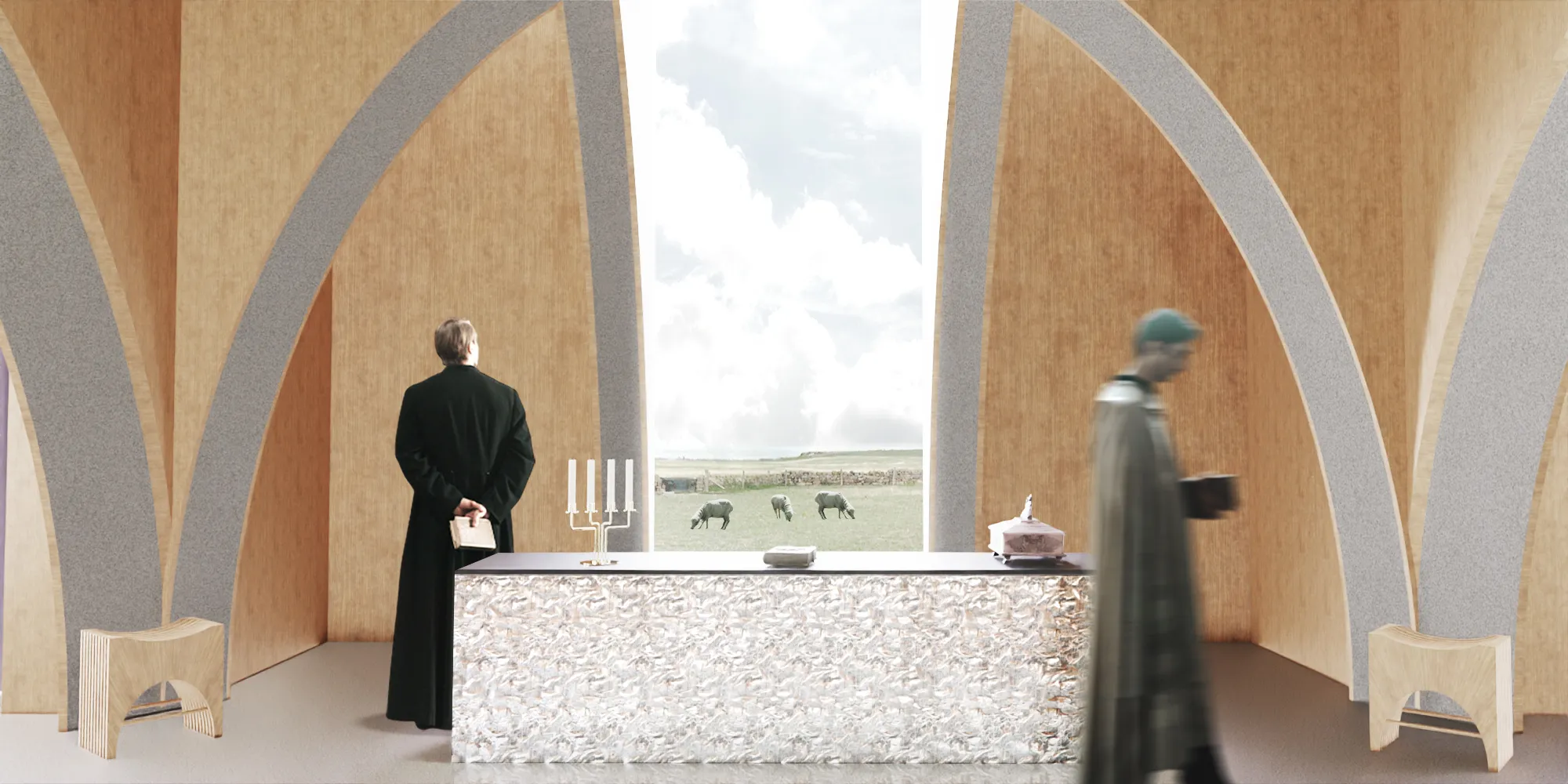
On the side of the chapel, windows with frosted glass let come in a lot of ambient light but preserve the intimacy from the road. At the south side, a tall clear glass window show the landscape and enlights the priest. Made out of hammered aluminum, the altar stand out in light halo who represents a Sacred Presence. Light is the only tool to signify the divine here. No ostentatious decoration or specific religious symbol has been placed in an effort to accommodate the different religions and being neutral. Neutral decoration is important to welcome visitors and travelers and reduce the border between the different religions.



Popular Articles
Popular articles from the community


The Ocean Hive: Sustainable Architecture for a Self-Sufficient Civilization at Sea
The Ocean Hive imagines sustainable architecture at sea, where modular habitats, algae, wave power and ocean waste sustain a growing colony.

Co-Life: Senior Housing Design That Reconnects Older Adults With the City
Co-Life reimagines senior housing design through healing gardens, shared streets, workshops, and a sustainable community across generations.

The Musturak Paradise: Senior Living Architecture for a Connected Future in Temara, Morocco
The Musturak Paradise reimagines senior living architecture in Temara via private homes, social spaces, culture, community, and shared care.

Conexión: Biophilic Design Reimagines High-Rise Living in Hong Kong
Conexión reimagines high-rise living in Hong Kong through biophilic design, green facades, shared spaces, daylight, water and nature within.

Similar Reads
You might also enjoy these articles

The Rhythm of Seasons
A Farmers' Market Connecting Nature and the City

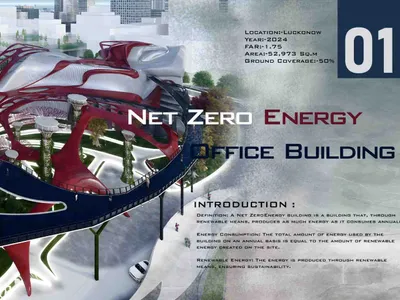
More Than a Building-Designing a Living System
More Than a Building-Designing a Living System
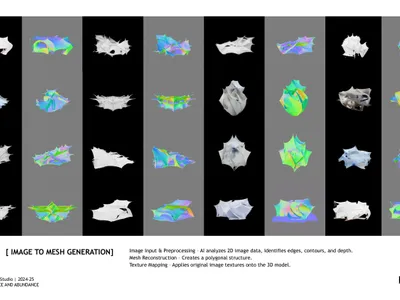
Base Beyond
DESERT COMPOUND ARID: TOURISM OF ABSENCE AND ABUNDANCE


Explore Religious Building Competitions
Discover active competitions in this discipline




Design Challenge - Contemporary interpretation of a religious complex


Challenge to reimagine the Iron Throne


Photograph architecture without architects


Illustrate the lost glory of Angkor Wat - Render Challenge
Comments (0)
Please login or sign up to add comments
No comments yet. Be the first to comment!