

Sandi Simon Center for Dance at Chapman University: A Historic Orange Packing House Transformed Into a Modern Dance Hub
A historic orange packing house transformed into a vibrant, light-filled dance center blending preservation, innovation, and movement at Chapman University.


The Sandi Simon Center for Dance at Chapman University stands as a remarkable example of adaptive reuse, transforming a historic 1918 orange packing house into a state-of-the-art dance and performance facility. Designed by the acclaimed Lorcan O’Herlihy Architects (LOHA), this expansive 72,000-square-foot center is not just a building—it’s a bold architectural gesture that celebrates both the past and the future of movement and creativity.

Revitalizing History Through Design Innovation
Originally serving as the headquarters of the Santiago Orange Growers Association, the heavy timber frame building is an enduring relic of California’s industrial past. The structure was later used by the Villa Park Orchards Association, continuing its agricultural legacy well into the late 20th century. In a bid to preserve its historical identity while reimagining its purpose, Chapman University acquired the building and entrusted LOHA with the transformation.
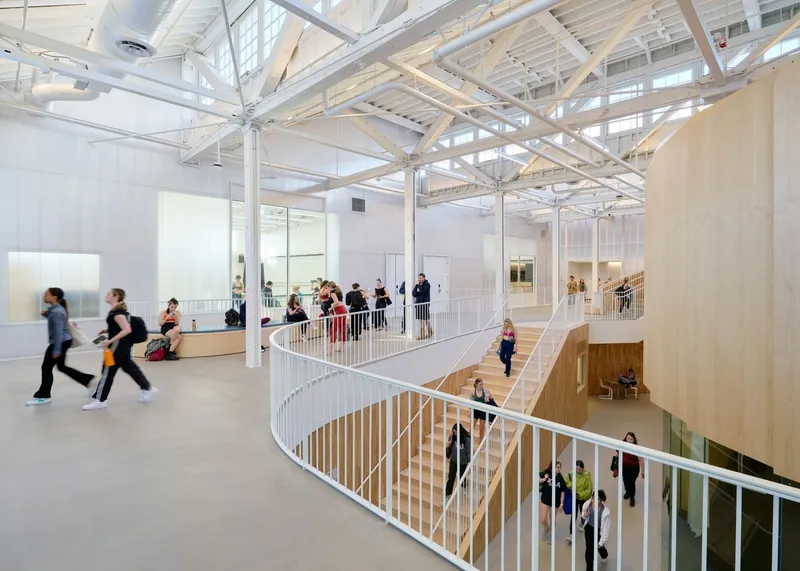
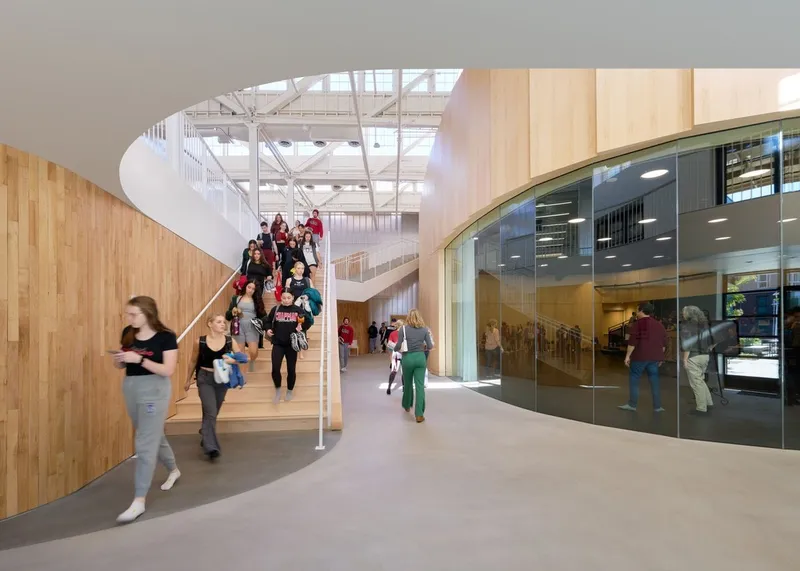
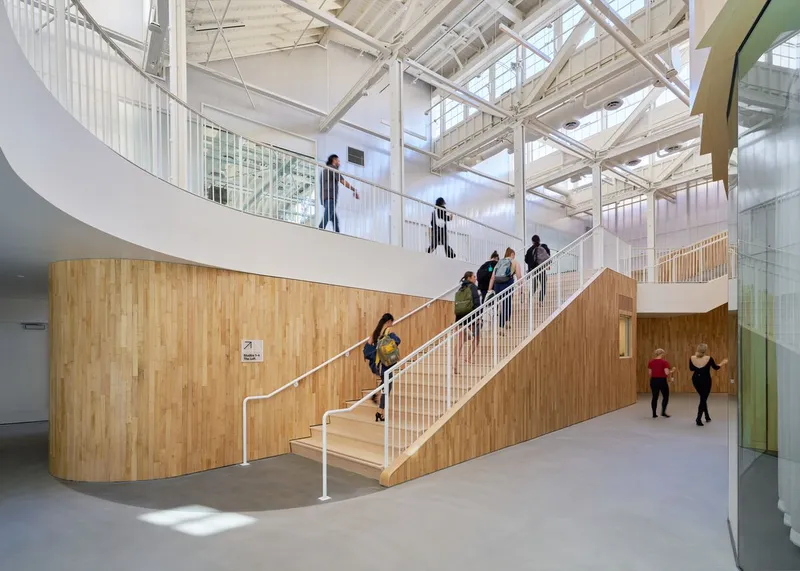
Rather than erasing the past, the design team embraced it. The building’s industrial vernacular style, landmarked by the National Register of Historic Places, is preserved through the original façade and exposed structural elements. Inside, the once-disjointed one-story layout is restructured into three dynamic levels, allowing light, movement, and interaction to define the space.
Design Highlights: A Space That Moves With Purpose
The center features:
- Five professional dance studios
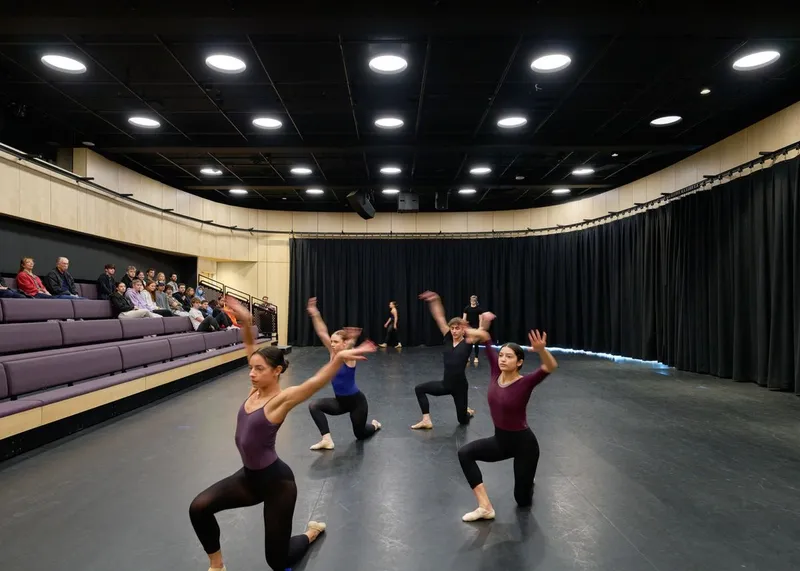
- A performance studio for masterclasses and concerts
- Two academic classrooms
- Faculty offices, meeting areas, and social lounges
- A vibrant atrium and outdoor courtyard that serve as social and warm-up spaces
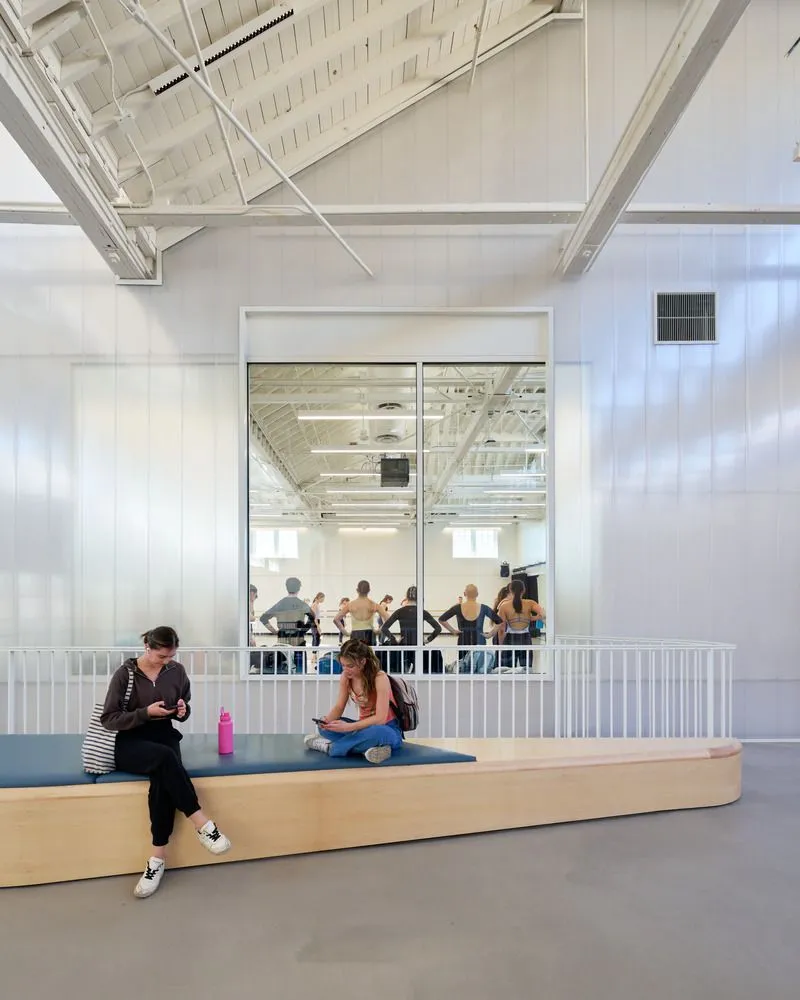
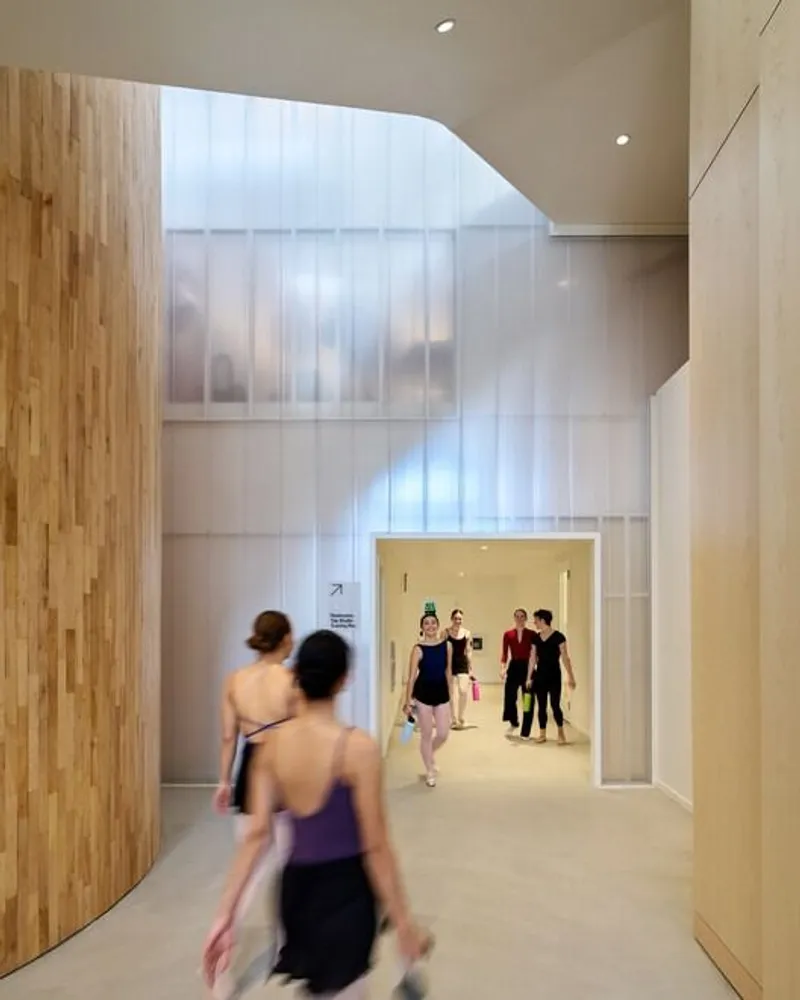
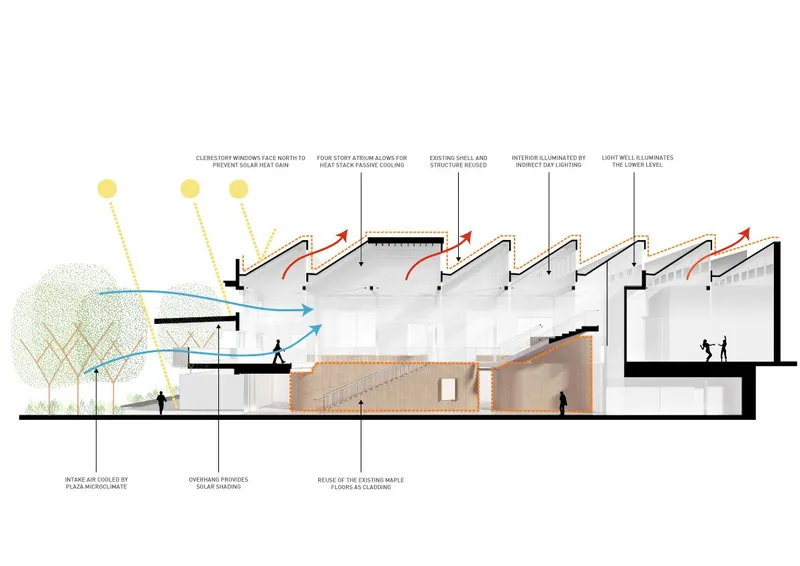
The new design includes a strategic cut through the existing floor, creating vertical transparency and natural circulation across all levels. North-facing clerestory windows, part of the original sawtooth roof, now flood the entire center with natural light—an intentional nod to the ephemeral beauty of dance.
Materiality and Movement: Architecture as Performance
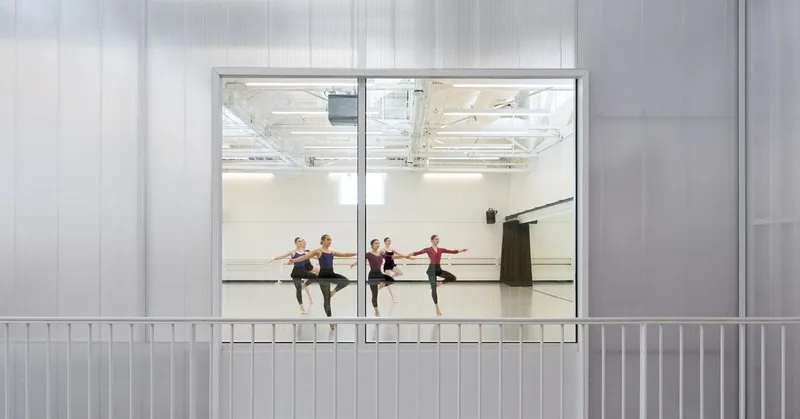
To reflect the fluidity of dance, LOHA used polycarbonate materials for their translucency and reflective quality, enabling walls and openings to shimmer with movement and changing light. The design layers transparency to evoke the spirit of performance—an architecture that breathes with the rhythm of its inhabitants.
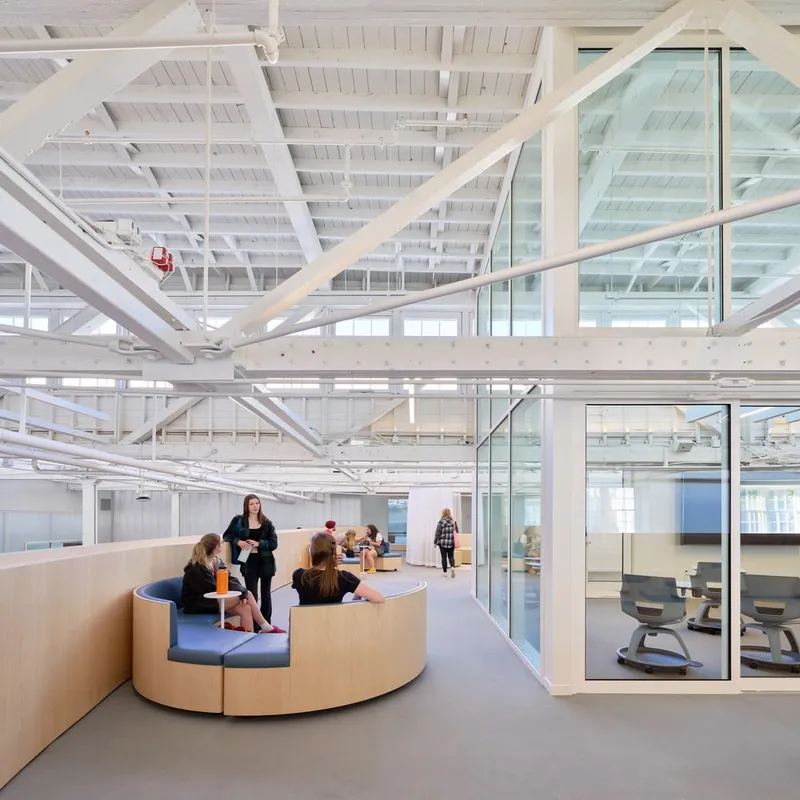
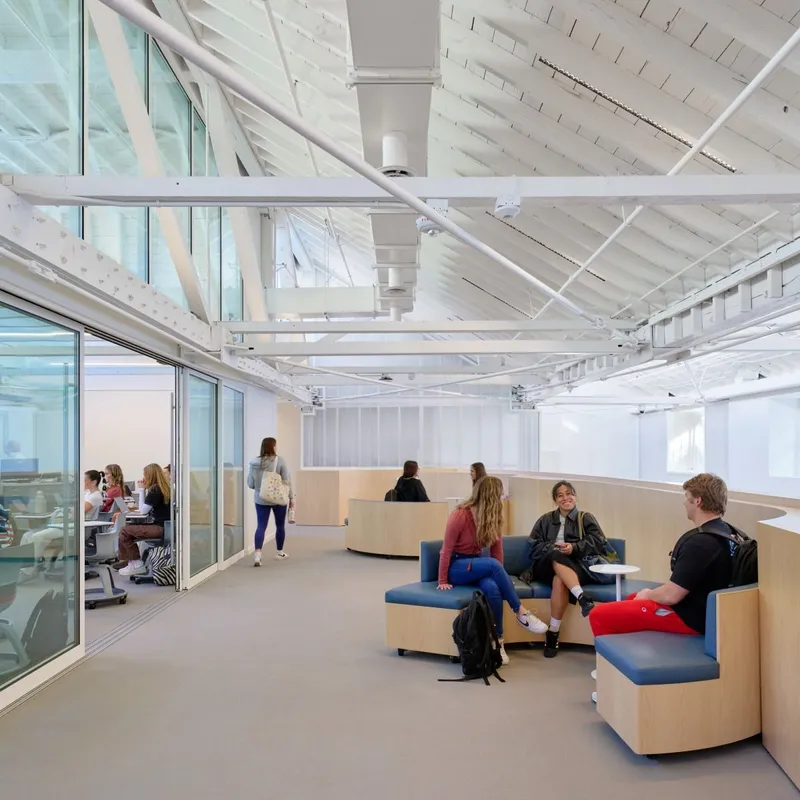
Historic timber trusses remain exposed and visible from all levels, creating a striking contrast between old and new. The original wood flooring was repurposed within the new structure, further grounding the contemporary design in its historic roots.
Mechanical systems were carefully integrated with automated operable clerestory windows, which regulate indoor climate naturally—honoring both sustainability and user comfort.
Empowering Community, Creativity, and Collaboration
More than a dance facility, the Sandi Simon Center is a social and educational epicenter. Its open layout encourages spontaneous interactions, interdisciplinary collaboration, and immersive learning experiences. Students flow from studio to classroom to common areas, creating a sense of unity and purpose in every movement.
The design fosters a holistic student experience, where creativity thrives in a space that’s equal parts performance, practice, and place-making.
A Model for Adaptive Reuse and Campus Transformation
The Sandi Simon Center for Dance is not only a cornerstone for Chapman University’s performing arts program—it’s a leading example of adaptive reuse in educational architecture. By respecting its agricultural-industrial history while introducing forward-thinking design strategies, LOHA has created a cultural landmark that enriches both the campus and the broader community.
All the photographs are works of Eric Staudenmaier


Popular Articles
Popular articles from the community


Singing Woman: An Opera House That Performs Before the Curtain Rises
Ovidiu Cristian Pavel's conceptual opera house translates Estonia's choral identity into a sculpted waterfront landmark facing the Baltic Sea.


David Ortega Stacks a Two-Story Mexico City Penthouse Around a Steel Stair and a Pergola-Shaded Roof Terrace
In Colonia Roma, a 300 m² penthouse uses oak joinery, a planted steel stair and a slatted roof pergola to make a new-build apartment feel like a house.

Manzana Morphosis: Stretching Barcelona's Grid into a Living Landscape for 2050
A radical reworking of the Eixample manzana turns density into a tool for generous public space, vertical ecology, and environmental performance.

FCC Arquitectura Expands a Portuguese Granite House with a Board-Marked Concrete Wing
In Portugal, JV House pairs a cleaned-up whitewashed and granite dwelling with a timber-shuttered concrete extension, courtyards and a garden pool.

Similar Reads
You might also enjoy these articles


Hodi-Mandai Geram
Project Function: Preservation and revitalization of the Intangible heritage and socio-spatial identity of the Hodi by Housing, Cultural Memory Center, Sacred Grove, landscape, local tourism economy


Olio Towers: A Mid-Rise for Performers That Fuses Housing, Rehearsal, and Stage
Located blocks from Houston's Theater District, this modular tower stacks living units around a central performance atrium.

Oasis: Modular Green Housing Carved into Dhaka's Urban Fabric
A shortlisted Plugin Housing entry reclaims unauthorized settlements in Dhaka with stepped concrete volumes, green roofs, and ventilation-driven design.

Black Hole: A Floating Megastructure for the Post-Physical Era
Emiliano Mazzarotto envisions a spherical, self-scaling arena where e-sports, digital hotels, and holographic stadiums replace traditional public space.

Explore Performing Arts Center Competitions
Discover active competitions in this discipline

Challenge to design public laboratory

Challenge to reimagine the Iron Throne

Photograph architecture without architects

Illustrate the lost glory of Angkor Wat - Render Challenge
Comments (0)
Please login or sign up to add comments
No comments yet. Be the first to comment!