
São Pedro Restaurant by VAGA: Harmonizing Heritage and Contemporary Design in Itu, Brazil
São Pedro Restaurant by VAGA blends historic warehouse charm with modern design, creating a flexible, inviting space within Itu’s FAMA Museum.

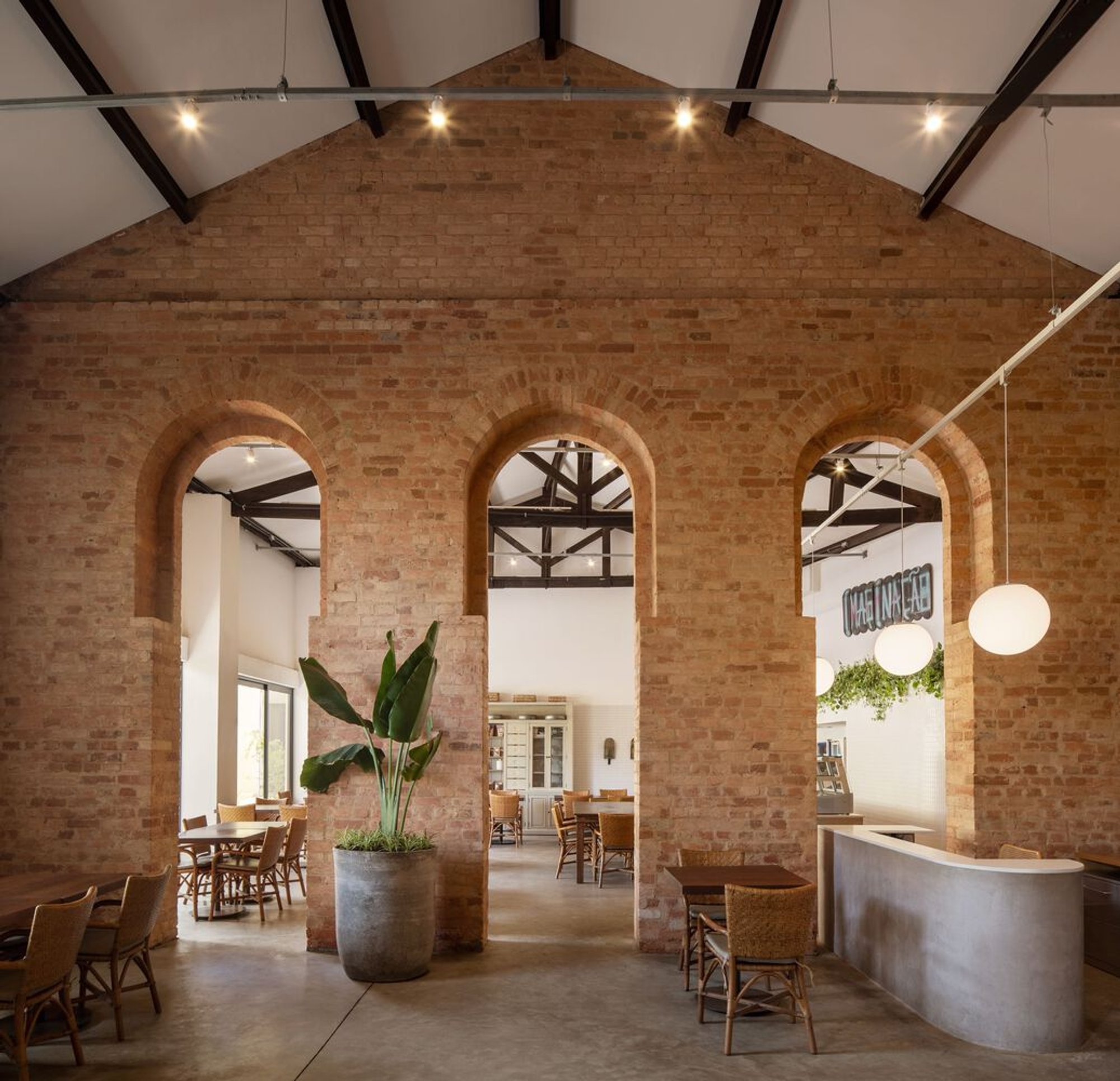
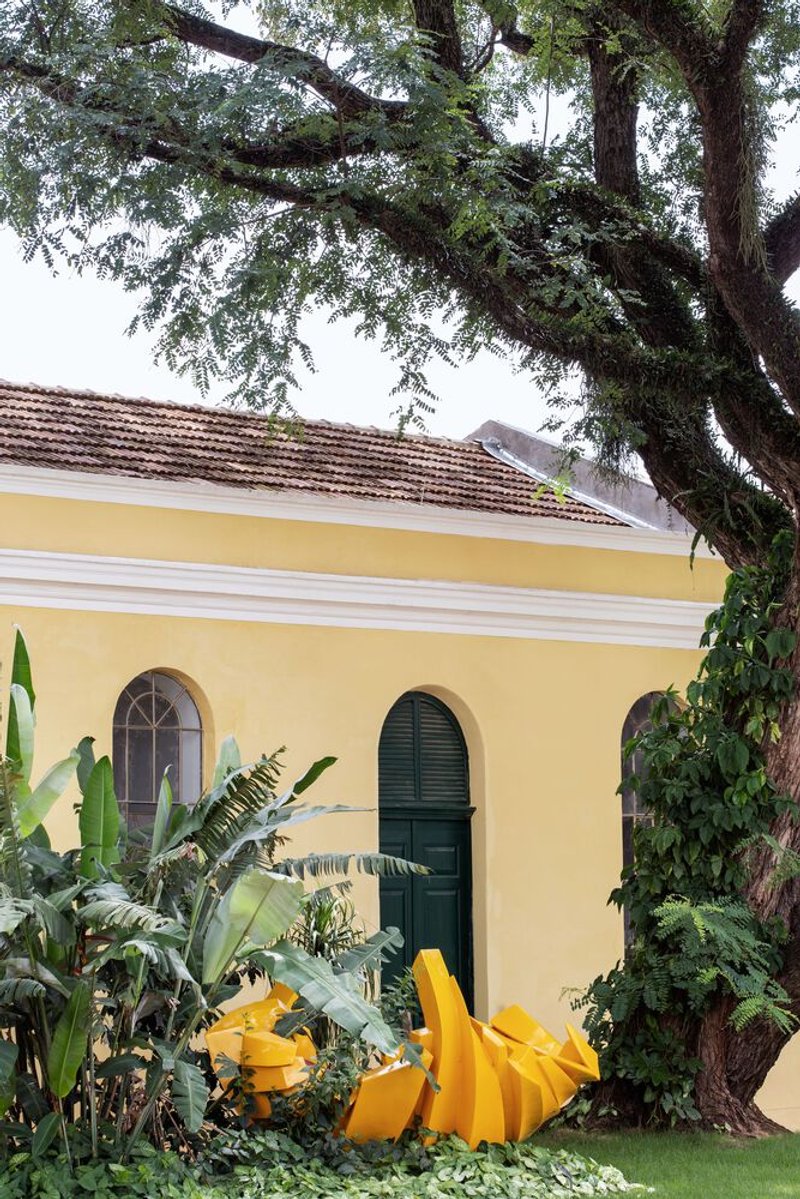
Located within the expansive cultural grounds of the FAMA Museum in Itu, São Paulo, the São Pedro Restaurant is a masterful example of architectural intervention that honors history while embracing modernity. Designed by the innovative team at VAGA Architecture, led by Fernando O’leary, Pedro Domingues, and Pedro Faria, this project transforms two historic warehouses into a versatile, inviting space that functions as both a refined restaurant and a dynamic event venue.
A Dialogue Between Past and Present
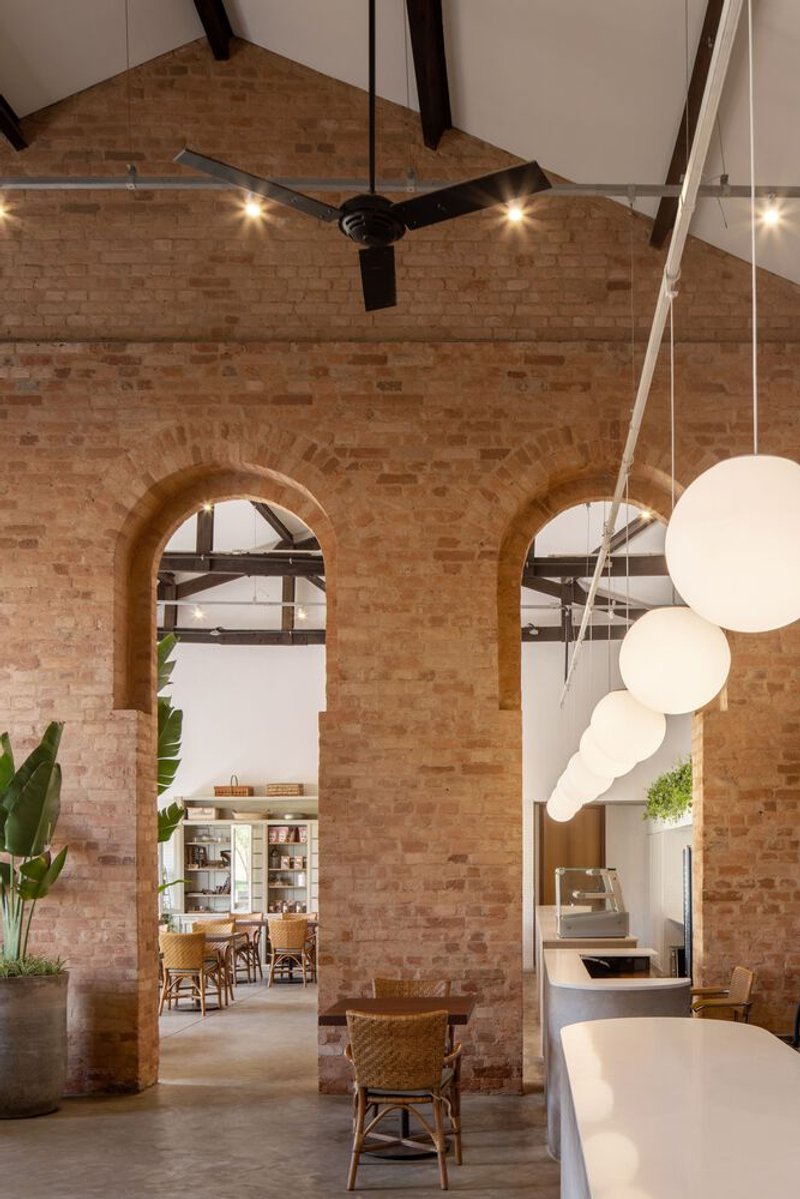
The São Pedro Restaurant was conceived with a deep respect for the museum’s heritage and its rich collection of art scattered across the 25,000 m² complex. The architects prioritized creating a space with a contemporary language that adapts existing structures without overpowering them. The key was to restore and celebrate the original architectural elements, such as the exposed clay brick walls and historic arches, which had been closed off during previous renovations. By reopening these arches, VAGA successfully re-established both physical and visual connections between the two warehouse spaces, creating a fluid and engaging spatial experience.
Design and Atmosphere: Minimalist and Impactful
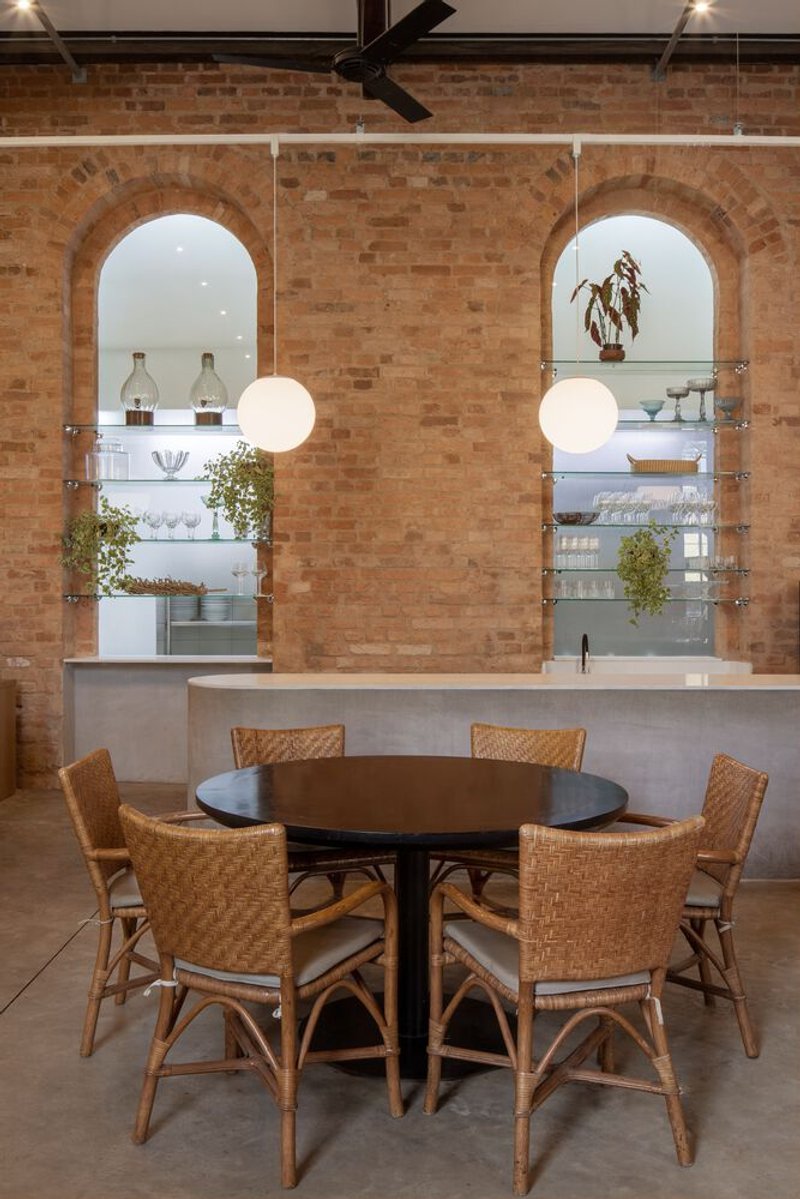
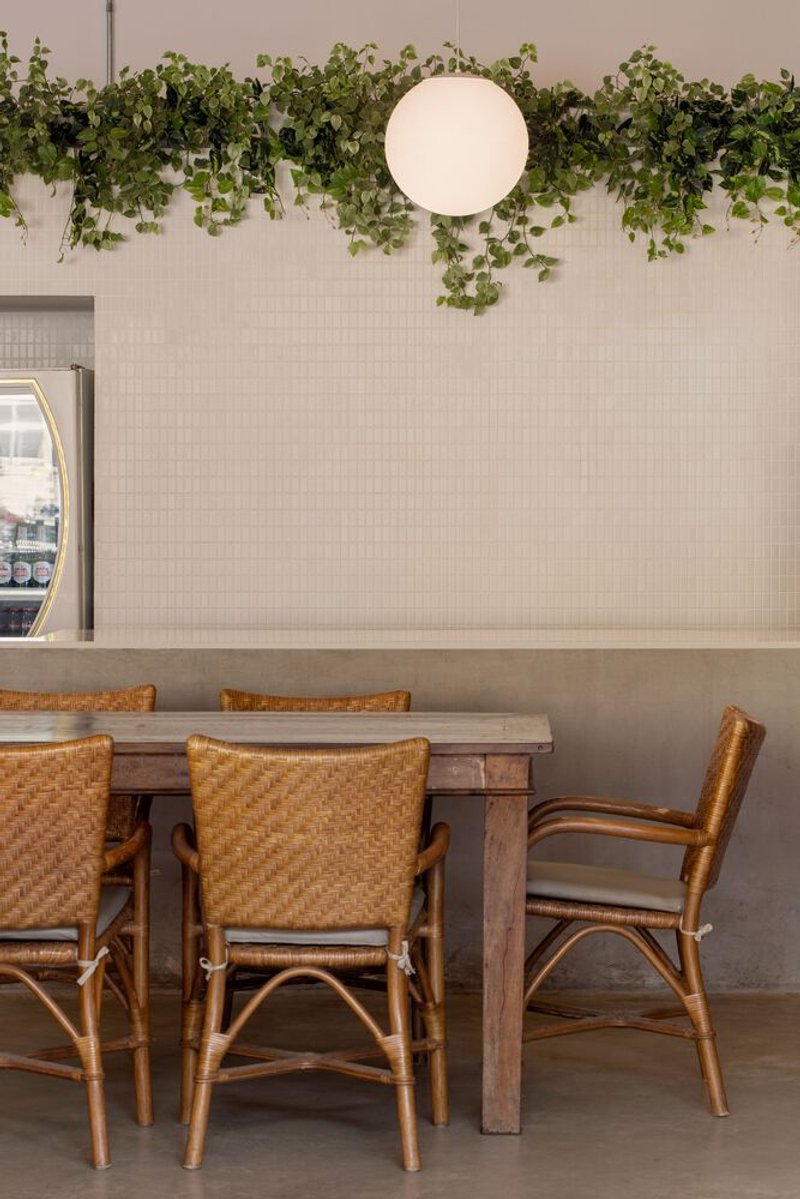
The intervention is characterized by its simplicity and subtlety, using a limited material palette that accentuates the building’s historic textures and forms. The exposed concrete floors and a prominent monolithic counter—crossing through one of the historic arches—anchor the space, while walls covered in clean white tiles define new, functional zones without cluttering the layout.
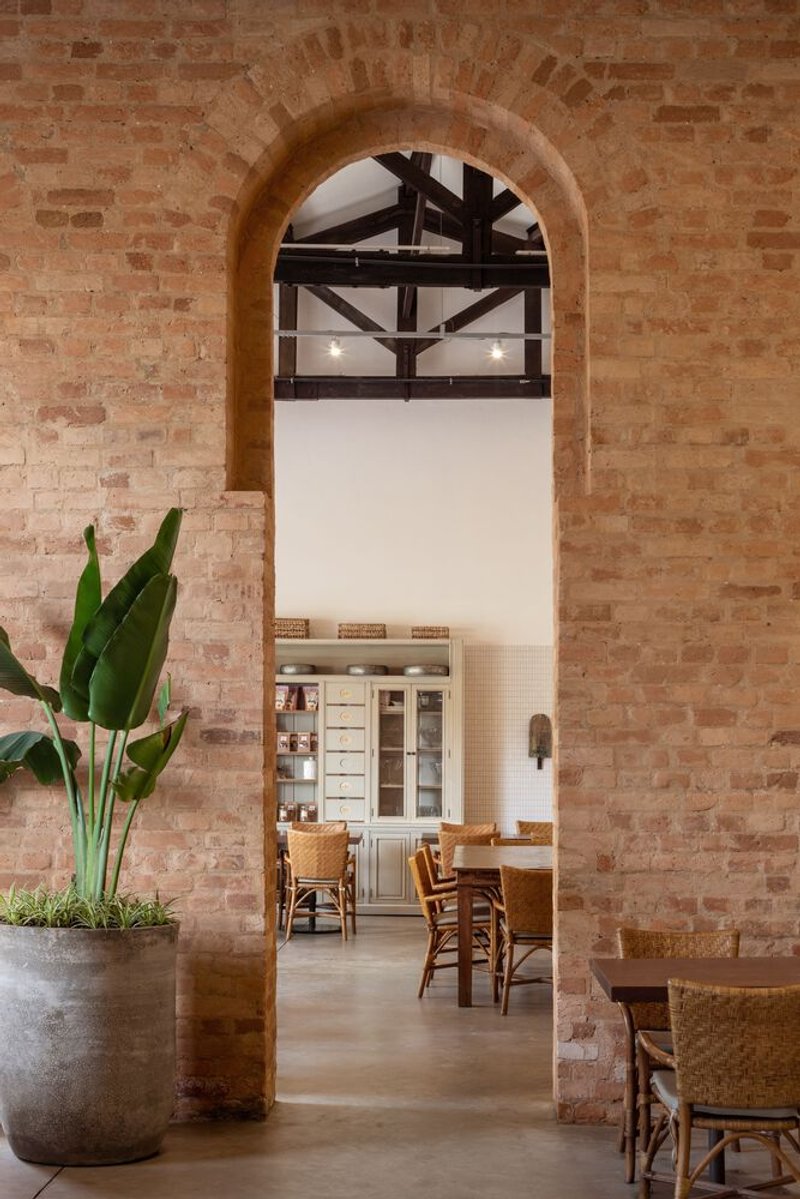
The furniture within São Pedro Restaurant is deliberately flexible and non-fixed, allowing the space to transform effortlessly from an intimate dining area into a venue for museum events or private gatherings. This adaptability highlights the architects’ foresight in creating a multi-use environment that serves the museum’s evolving needs.
Lighting and Integration
Lighting plays a crucial role in the project, designed as an aerial element that complements the monolithic counter and unifies the two warehouse areas. Matte white acrylic pendant spheres create a soft, inviting glow and act as striking sculptural elements, enhancing the room’s ambiance without detracting from the historic setting.
Landscape Connection and Spatial Flow
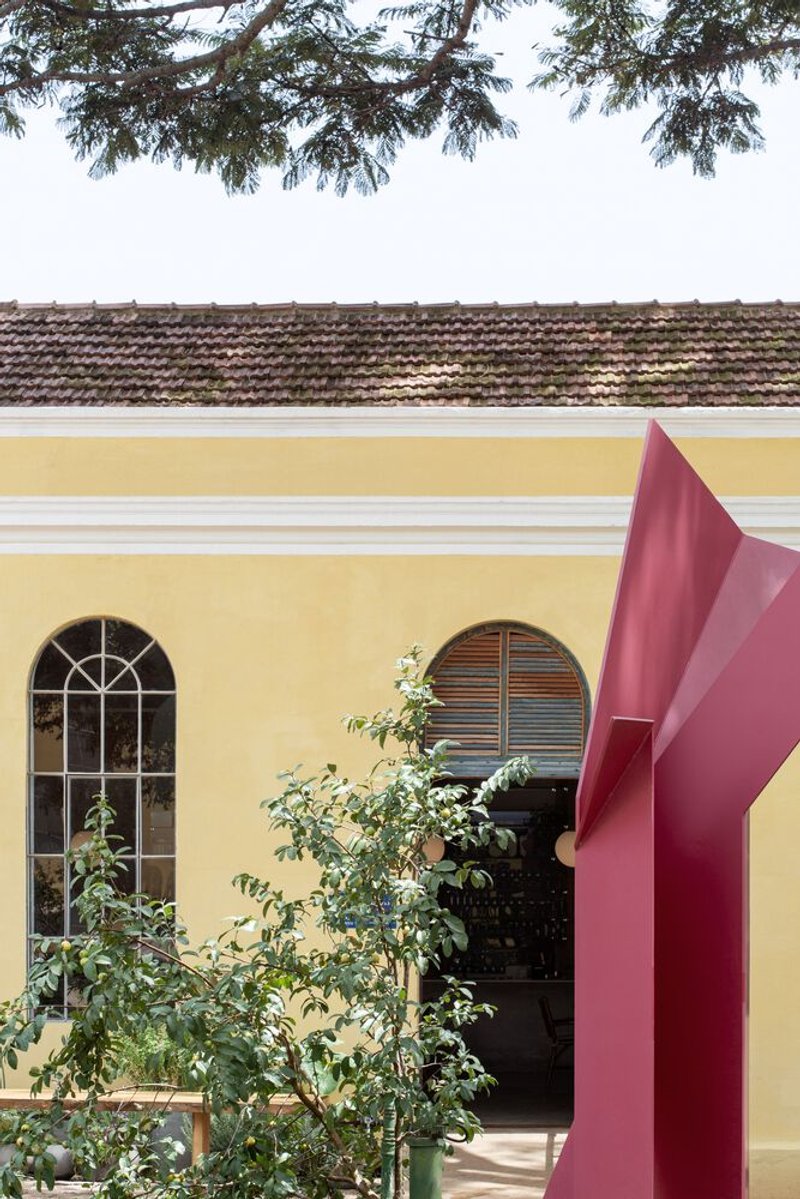
The landscape design subtly integrates the outdoor gardens into the interior without compromising flexibility. This careful approach bridges the indoors with the surrounding natural environment, offering visitors a tranquil and refreshing atmosphere that complements the culinary and cultural experience.
Collaborative Restoration and Respect for Heritage
The VAGA team worked closely with the museum’s restoration experts to carefully analyze and preserve significant architectural features. This collaboration ensured that the new interventions enhanced the original structures, allowing the building’s story to remain evident. Importantly, the project does not attempt to replicate the past but instead contrasts it with contemporary design. This honest juxtaposition creates a poetic dialogue between eras, making clear distinctions between old and new while achieving a harmonious coexistence.
All the photographs are works of Carolina Lacaz




Popular Articles
Popular articles from the community

Kaffeebühnen: Coffee Shop Architecture Designed as a Civic Stage Between Vienna’s City and Park
Kaffeebühnen turns coffee shop architecture into a civic stage, linking Vienna’s park edge, urban life, warm timber yards, and coffee craft.
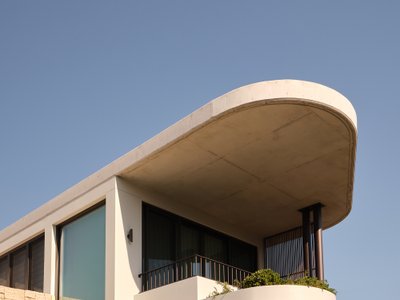
Stanton Architects Sculpts a Curving Family Home into Sydney's Inner West Fabric
Five Dock House uses cantilevers, curved concrete, and layered courtyards to carve out privacy on a tight suburban lot in Sydney.
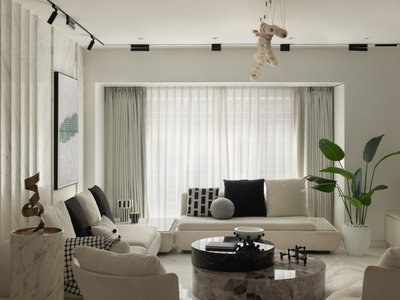
Inside a Timeless Mumbai Residence by Aether Studio
Aether Studio's 2,250 sq ft apartment in Malad, Mumbai uses marble, brass, boucle, and disciplined restraint to build a quiet retreat from the city.
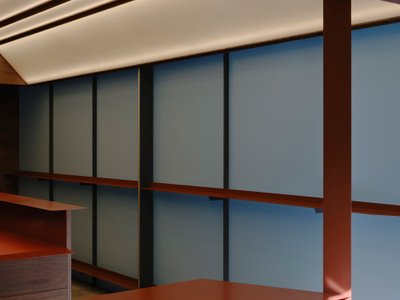
Kerry Kounnapis Packs 800 Daily Coffees into a 43-Square-Metre Melbourne Laneway Bar
Palace Coffee channels Pellegrini's and European standing bars through oxide-red steel and spotted gum timber in a Ridgway Place sliver.


Similar Reads
You might also enjoy these articles

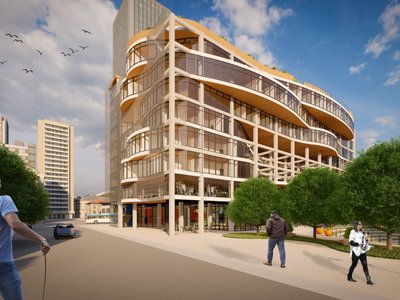
Olio Towers: A Mid-Rise for Performers That Fuses Housing, Rehearsal, and Stage
Located blocks from Houston's Theater District, this modular tower stacks living units around a central performance atrium.
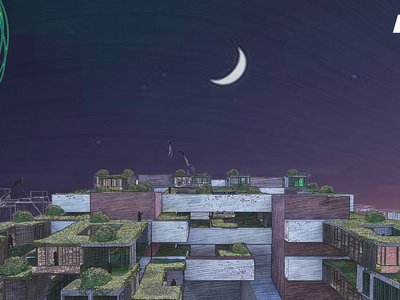
Oasis: Modular Green Housing Carved into Dhaka's Urban Fabric
A shortlisted Plugin Housing entry reclaims unauthorized settlements in Dhaka with stepped concrete volumes, green roofs, and ventilation-driven design.

Black Hole: A Floating Megastructure for the Post-Physical Era
Emiliano Mazzarotto envisions a spherical, self-scaling arena where e-sports, digital hotels, and holographic stadiums replace traditional public space.
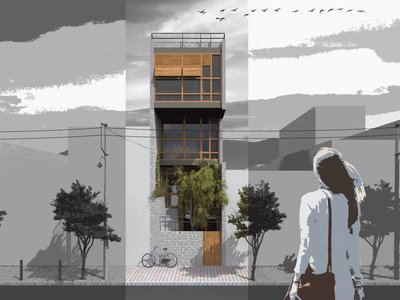
Compact & Sustainable Living in Piraeus: A Four-Level Family Home Built Around Light and Air
A narrow townhouse in one of Greece's densest port cities uses a central atrium and passive strategies to house three generations under one roof.


Explore Commercial Buildings Competitions
Discover active competitions in this discipline




The International Standard for Design Portfolios


The Global Benchmark for Architecture Dissertation Awards


The Global Benchmark for Graduation Excellence


Challenge to reimagine the Iron Throne
Comments (0)
Please login or sign up to add comments
No comments yet. Be the first to comment!