
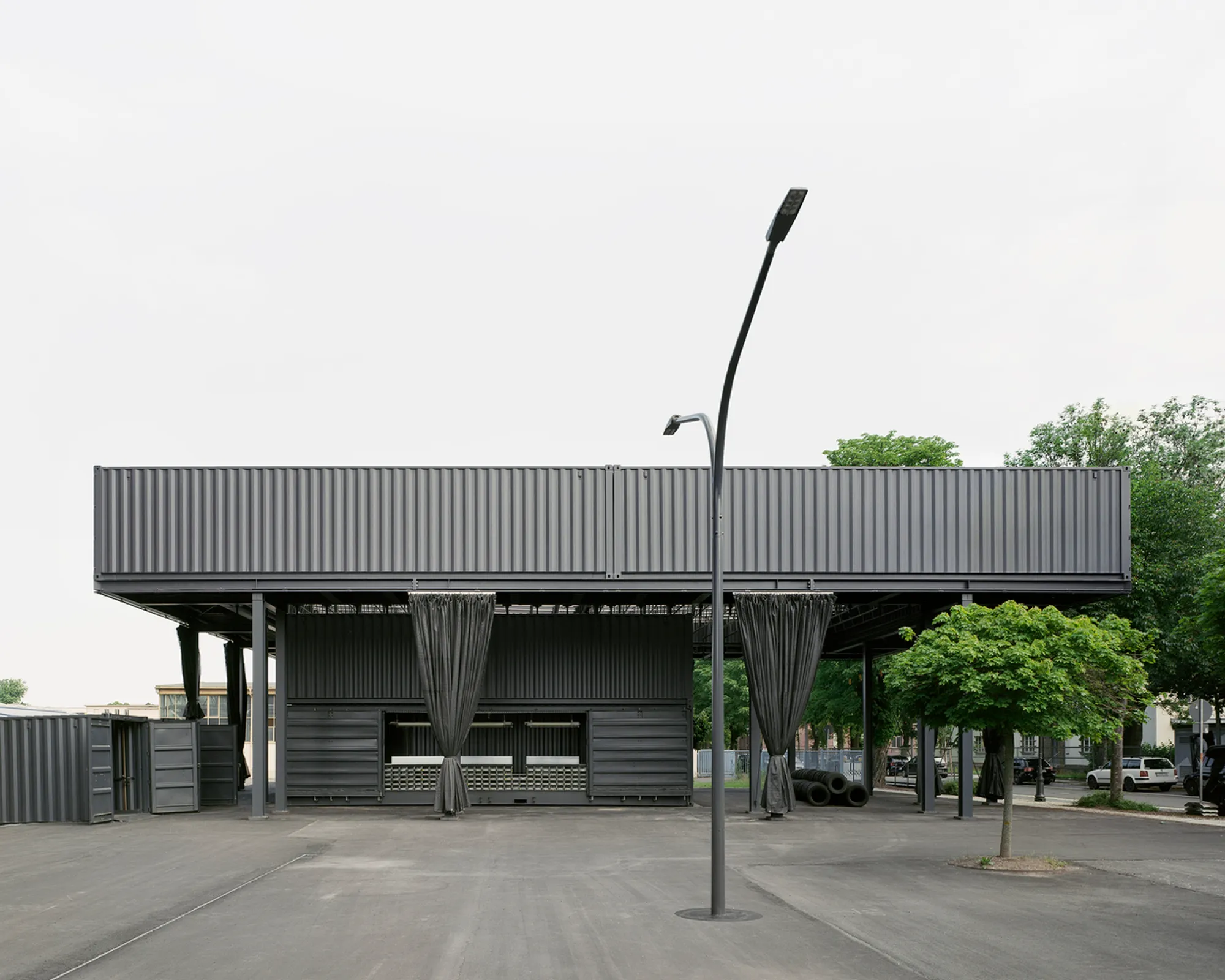
Saxony State Exhibition 2020 Entrance Pavilion: A Sustainable Architectural Statement
The Saxony State Exhibition 2020 Entrance Pavilion showcases sustainable architecture through adaptive reuse, modular design, and recycled industrial materials in Zwickau.


Reimagining Industrial Heritage Through Adaptive Reuse
The Saxony State Exhibition 2020 Entrance Pavilion in Zwickau, Germany, designed by AFF Architekten, Georgi and Ilja Oelschlägel Produkt Design, is a prime example of sustainable architecture and adaptive reuse. As the gateway to the 4th Saxon State Exhibition, this pavilion was conceived to accommodate high visitor traffic while promoting environmental responsibility.
Design Concept: Merging Functionality with Sustainability
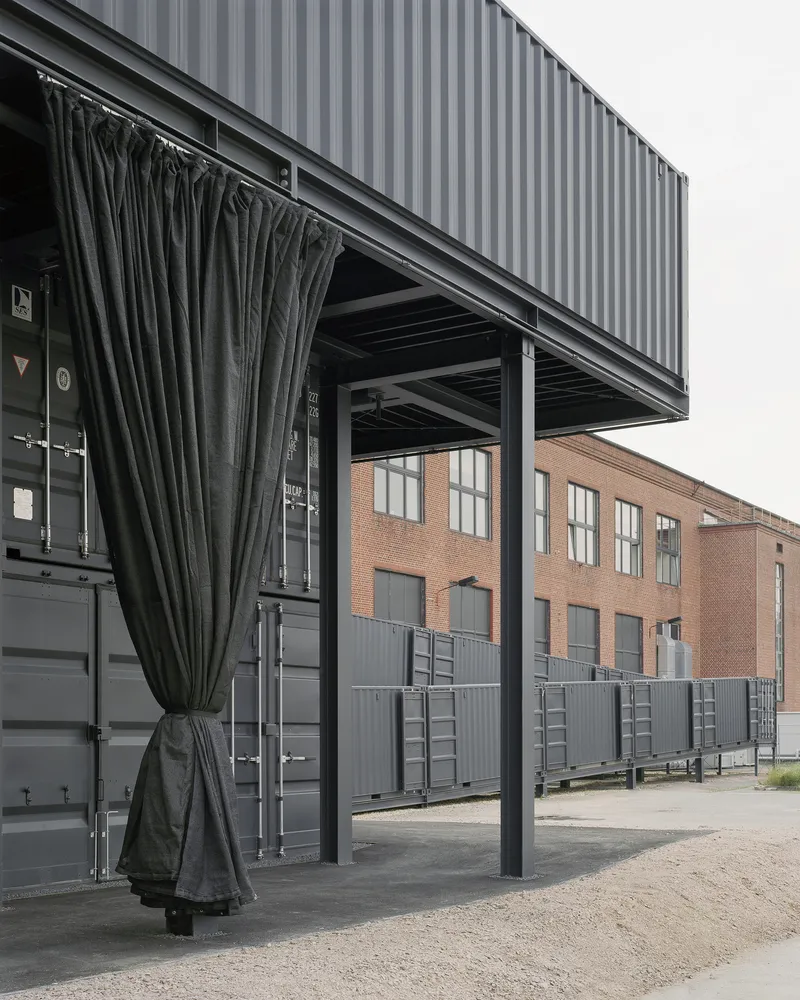
Saxony holds a significant place in Germany’s industrial history, making it the ideal setting for an exhibition celebrating 500 years of industrial culture. The design of the entrance pavilion reflects this legacy by repurposing existing industrial materials, creating a structure that not only serves a functional purpose but also highlights themes of recycling, modularity, and circular construction.
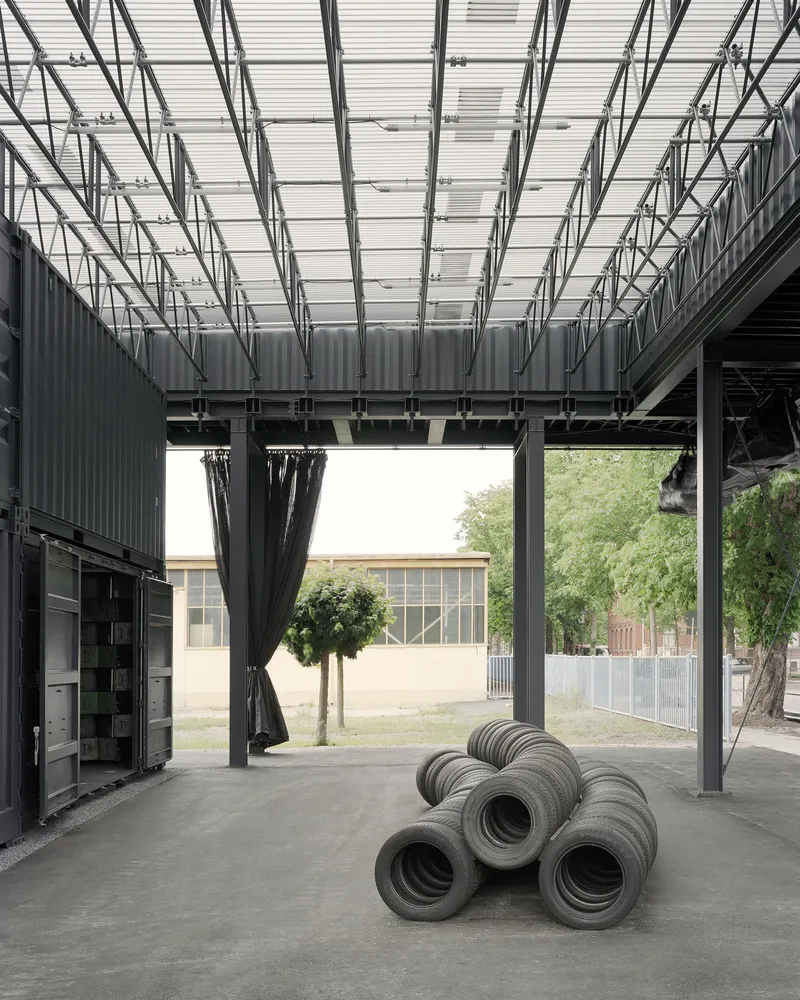
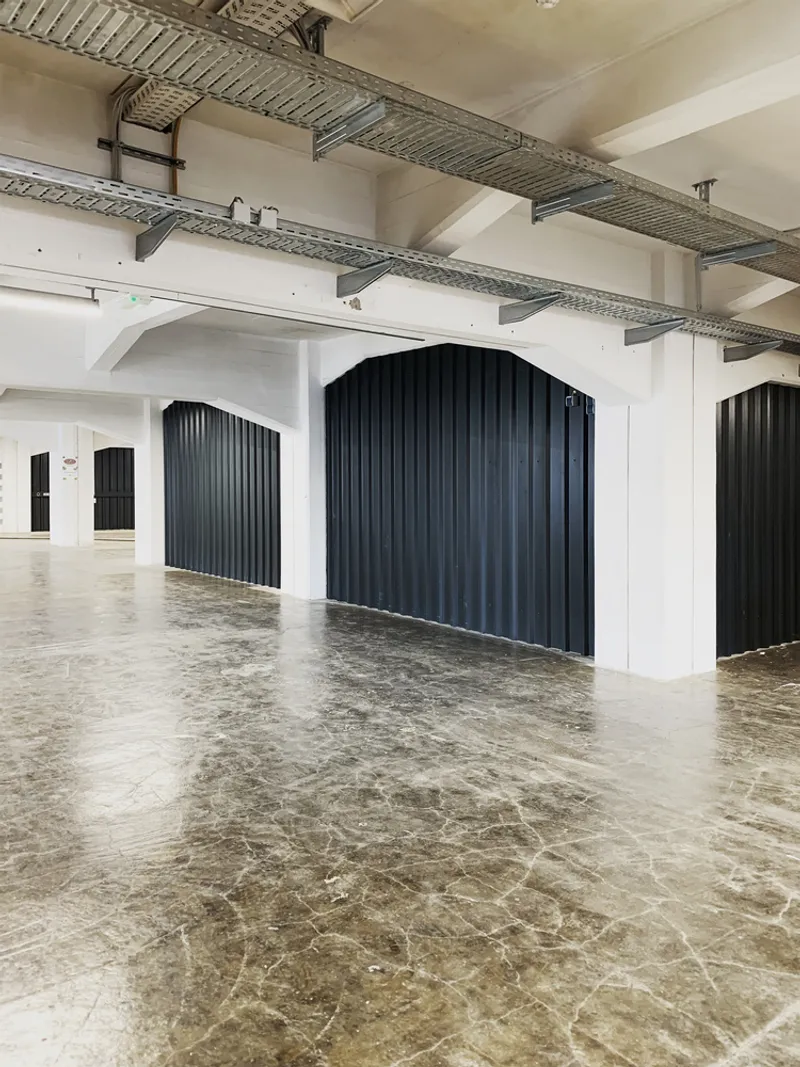
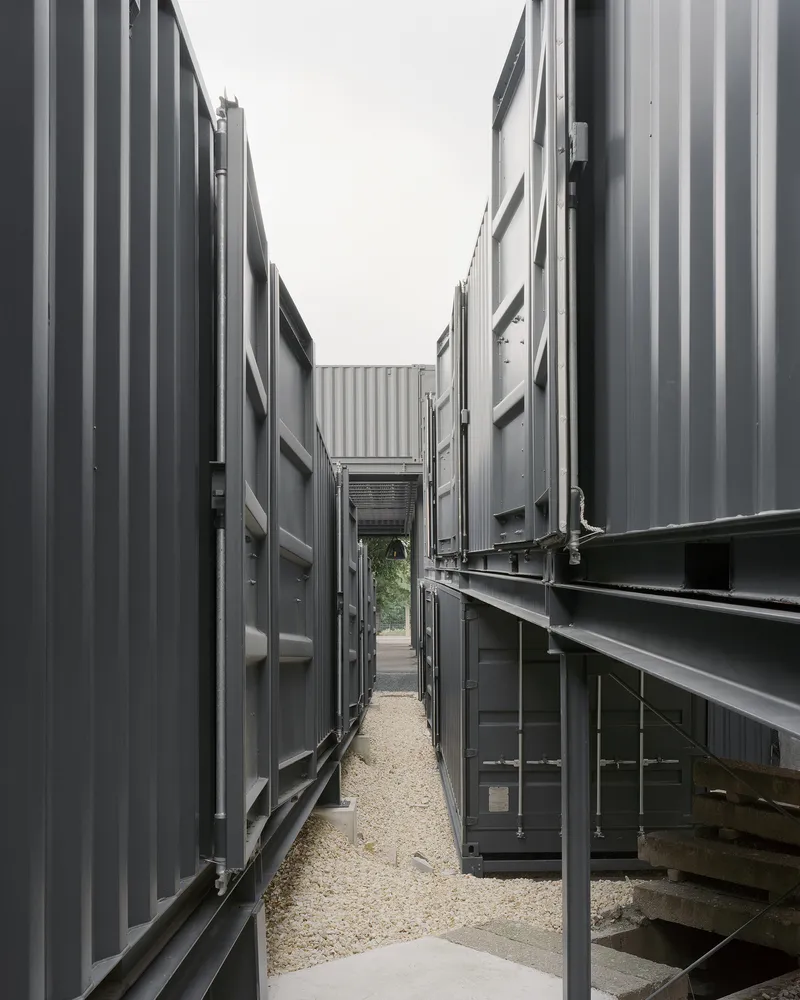
The pavilion is constructed using reclaimed sea containers, forming a dynamic and adaptable space. The ramp system seamlessly guides visitors into the historic Audi Hall, a former assembly and production site. Inside, the pavilion continues the industrial aesthetic, incorporating elements such as:
- Counters and lockers repurposed from toolboxes
- Seating areas created from upcycled car tires
These design choices reinforce the principles of sustainability, material reuse, and resource-conscious architecture, positioning the project as a benchmark for future eco-friendly exhibition spaces.
A Historical Context: Preserving the Industrial Legacy
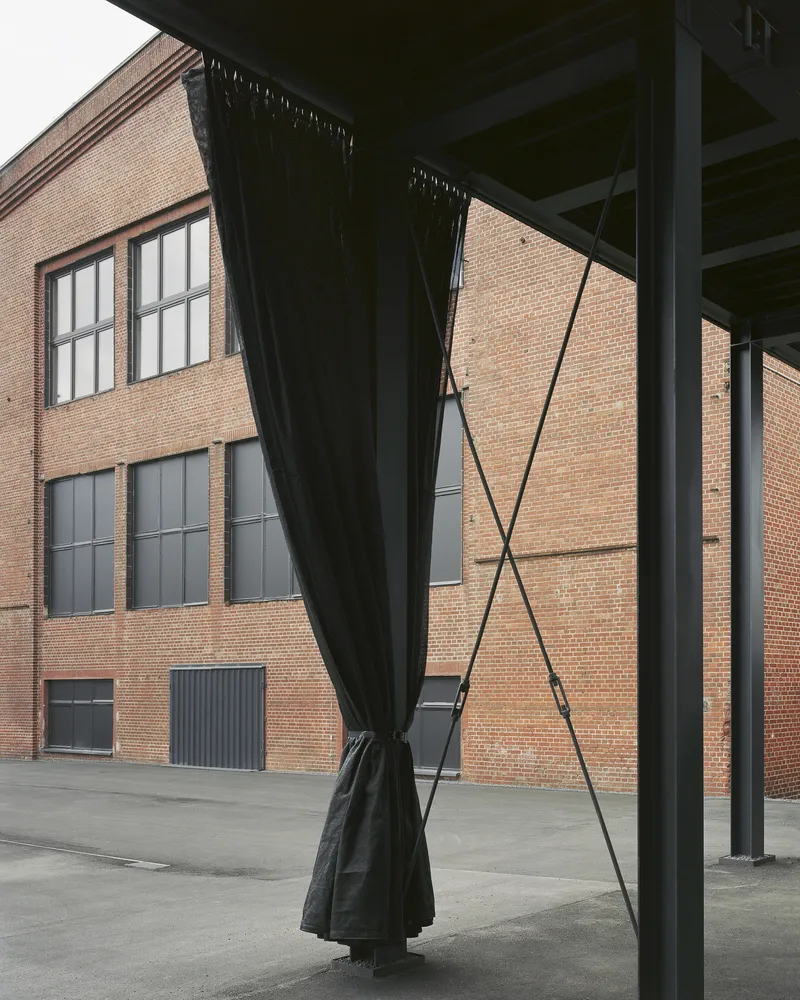
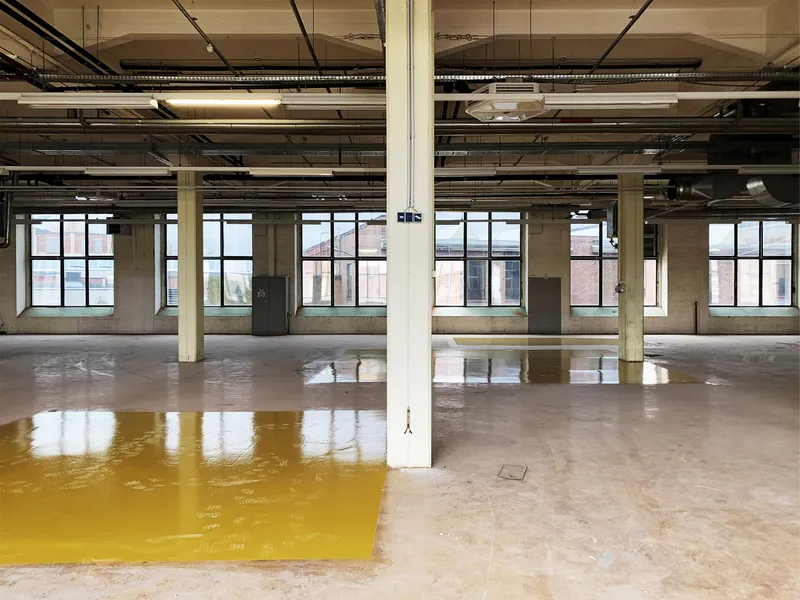
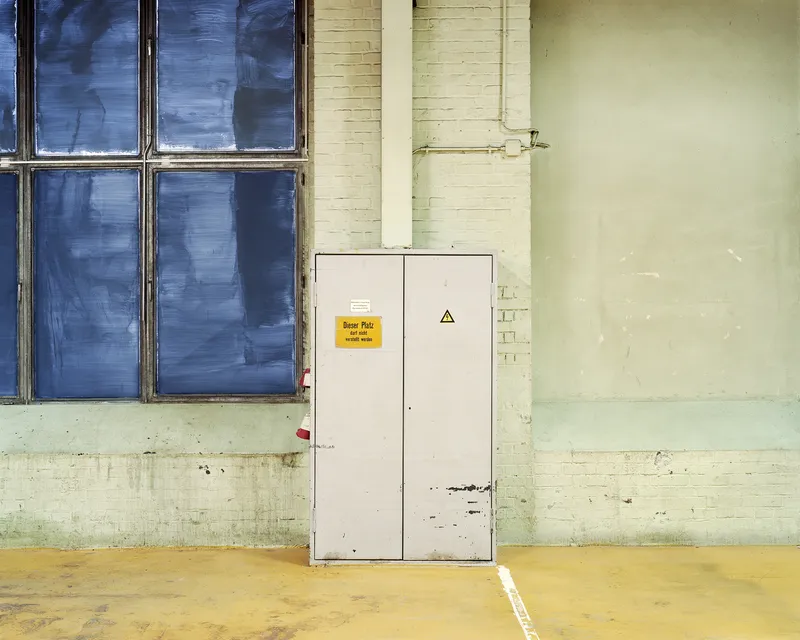
Originally built in 1938-1939 by Th. Quaysin for Audi-Union AG, the existing structure was designed to maximize efficiency while minimizing the use of iron. The renovation and architectural intervention by AFF Architekten remain faithful to this philosophy, ensuring that every modification aligns with the building’s original material-conscious design.
This approach not only preserves the historic integrity of the site but also establishes a dialogue between past and present industrial practices, making it a model for circular architecture in exhibition design.
An Architectural Model for the Future
The Saxony State Exhibition 2020 Entrance Pavilion serves as more than just an entry point—it is a symbol of transformation in contemporary architecture. By utilizing recycled materials, integrating sustainable design solutions, and respecting historical context, this project showcases the potential of circular construction in public spaces.
As cities worldwide grapple with the challenge of sustainable urban development, projects like this offer an inspiring blueprint for responsible architectural innovation.
All Photographs are works of Hans Christian Schink



Popular Articles
Popular articles from the community


Riyadh For All: Intergenerational Urban Design for Active Aging in Rabat
Riyadh For All reimagines urban design in Rabat with intergenerational co-living, adaptive courtyards, and Moroccan cultural exchange today.

Conexión: Biophilic Design Reimagines High-Rise Living in Hong Kong
Conexión reimagines high-rise living in Hong Kong through biophilic design, green facades, shared spaces, daylight, water and nature within.

Hill & Cross Opera: Sculptural Opera House Architecture Shaped by Tallinn’s Landscape and Identity
Hill & Cross Opera reimagines opera house architecture in Tallinn through its sculptural hill, civic plaza, glass wave and a luminous cross.

The Earth Pod: 3D Printed Homes for Resilient Refugee Communities
The Earth Pod reimagines refugee housing through 3D printed homes made from clay, combining resilience, self-sufficiency, and rapid shelter.


Similar Reads
You might also enjoy these articles


Hodi-Mandai Geram
Project Function: Preservation and revitalization of the Intangible heritage and socio-spatial identity of the Hodi by Housing, Cultural Memory Center, Sacred Grove, landscape, local tourism economy


Olio Towers: A Mid-Rise for Performers That Fuses Housing, Rehearsal, and Stage
Located blocks from Houston's Theater District, this modular tower stacks living units around a central performance atrium.

Oasis: Modular Green Housing Carved into Dhaka's Urban Fabric
A shortlisted Plugin Housing entry reclaims unauthorized settlements in Dhaka with stepped concrete volumes, green roofs, and ventilation-driven design.

Black Hole: A Floating Megastructure for the Post-Physical Era
Emiliano Mazzarotto envisions a spherical, self-scaling arena where e-sports, digital hotels, and holographic stadiums replace traditional public space.


Explore Industrial Design Competitions
Discover active competitions in this discipline



Challenge to reimagine the Iron Throne


Photograph architecture without architects


Illustrate the lost glory of Angkor Wat - Render Challenge


Design challenge to reuse E-waste
Comments (0)
Please login or sign up to add comments
No comments yet. Be the first to comment!