
Separo House by HYPERTEXT ARCHITECTURE STUDIO: A Vernacular-Inspired Sustainable Home in Naeen, Iran
Separo House in Naeen, Iran blends vernacular architecture, adobe construction, handicrafts, and climate-responsive design, creating a sustainable, culturally rooted, sensory-rich home.

Architects: HYPERTEXT ARCHITECTURE STUDIO
Contextual Architecture Rooted in Tradition
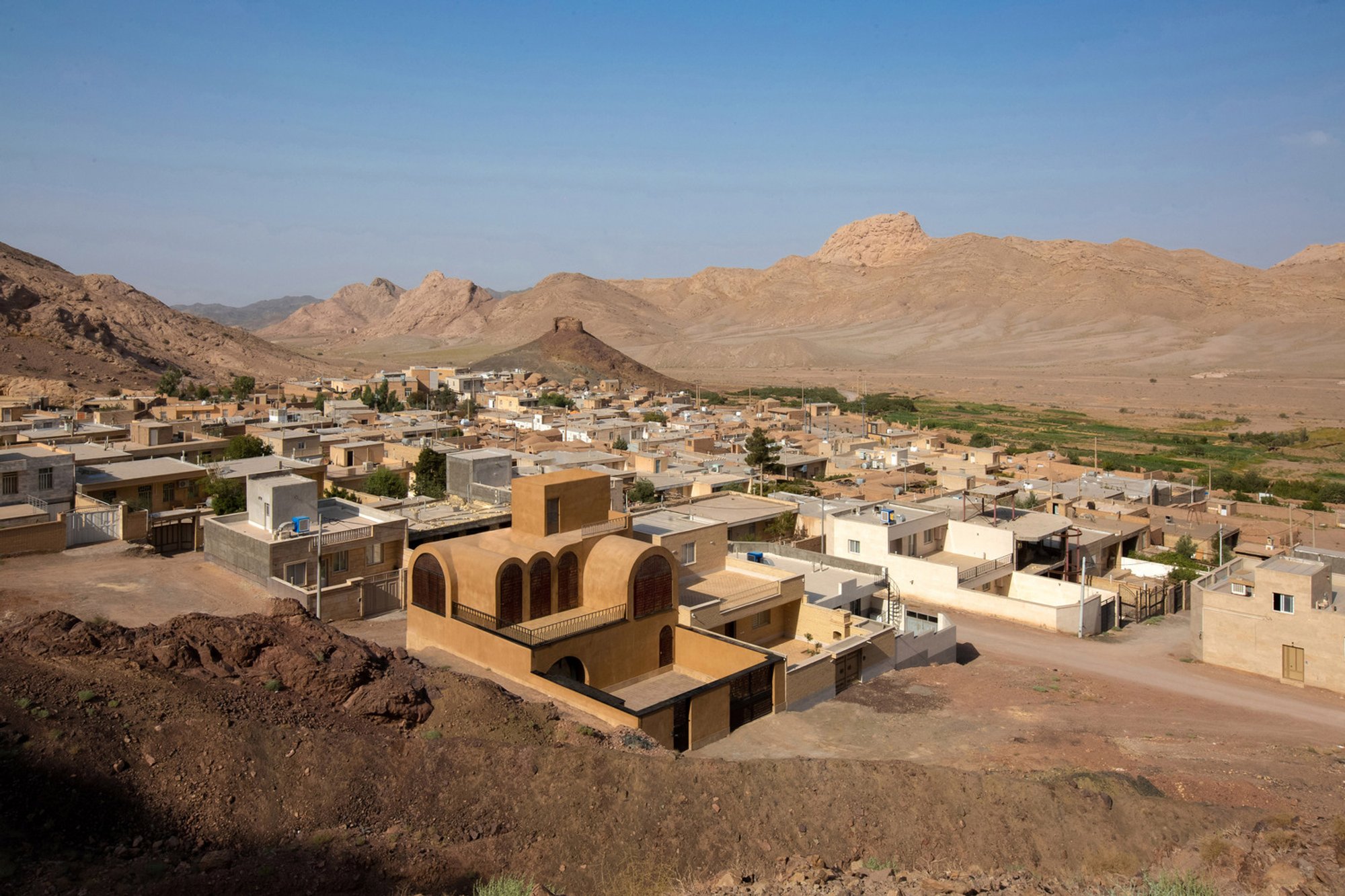
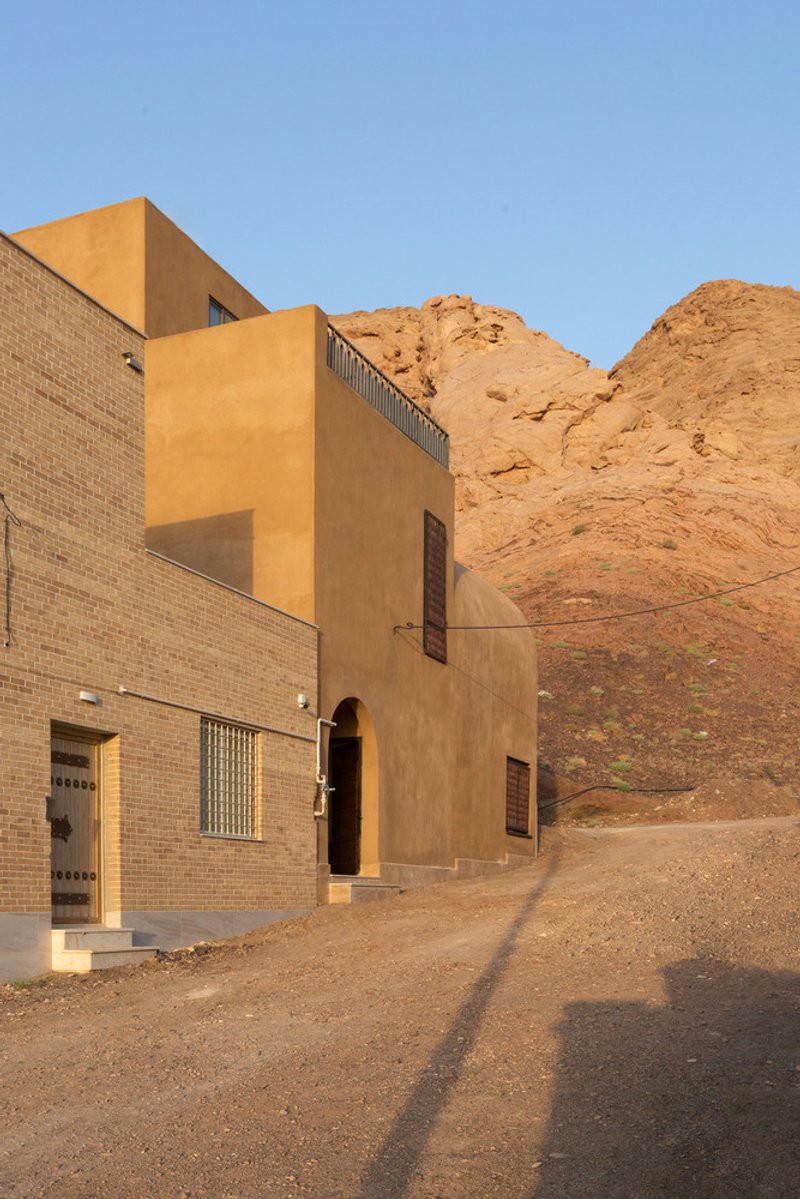
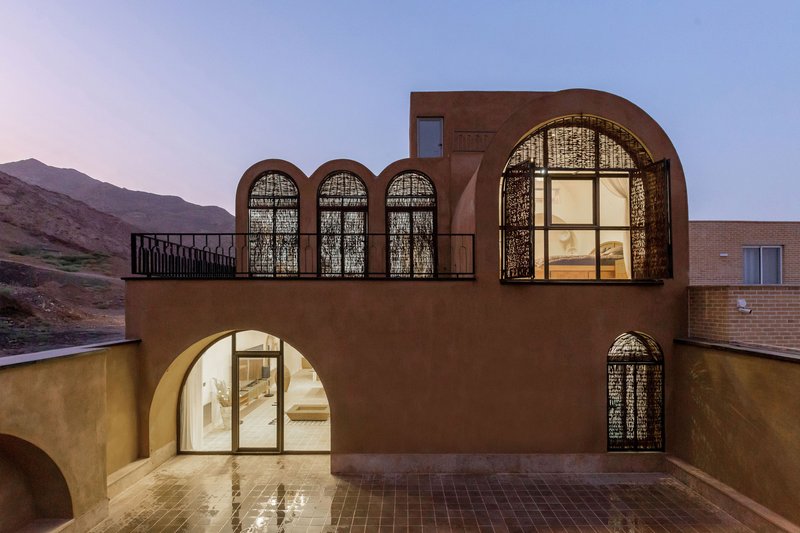
Separo House is located in the small village of Separo, near the historic city of Naeen in Isfahan Province, Iran, approximately 160 kilometers from Yazd. The name “Separo” historically refers to a place surrounded on three sides by flowing water, though the region now faces water scarcity challenges. The site occupies the village's final plot, bordered by residential neighbors to the east and mountains to the west, with narrow pedestrian passages to the north and south.
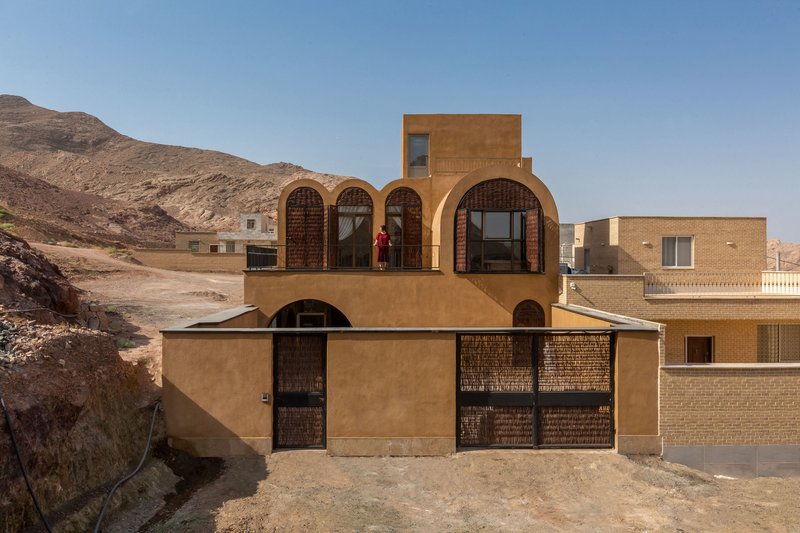
The design draws inspiration from local architectural archetypes, particularly the curved roofs that are a hallmark of the village’s historic buildings. By studying the context and vernacular patterns, the architects created a home that resonates with the region’s collective memory while integrating contemporary comfort.
Climate-Responsive Design
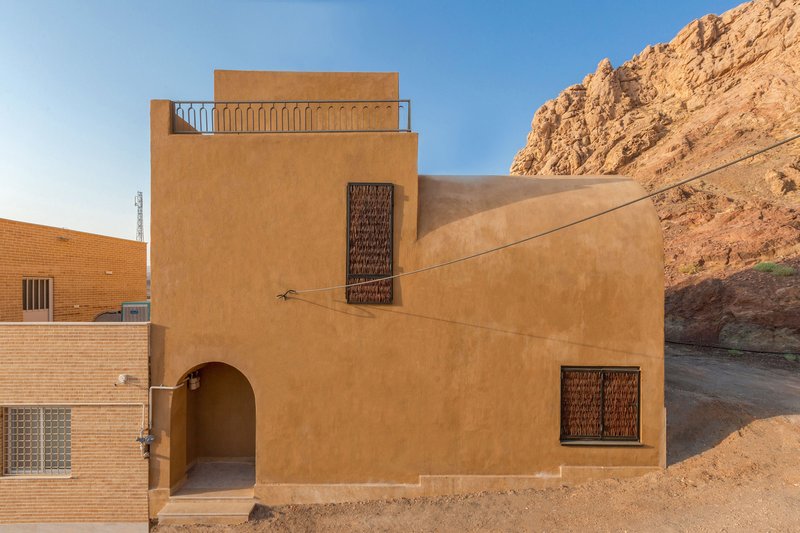
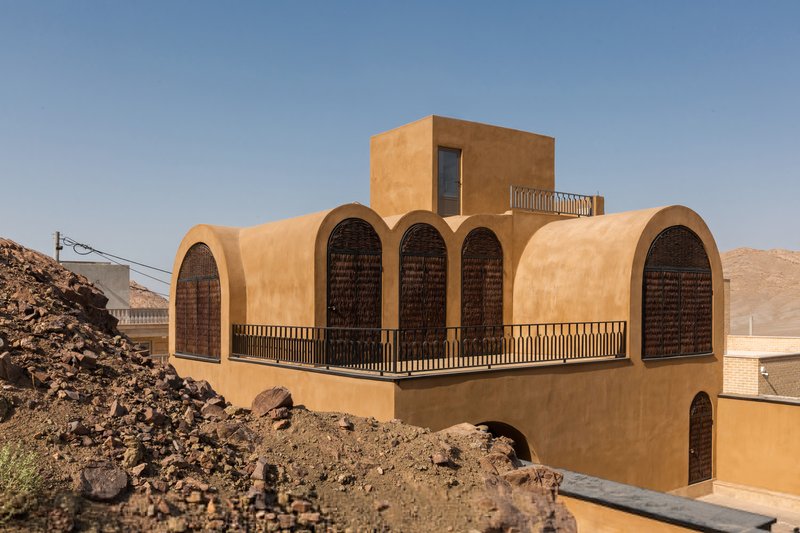
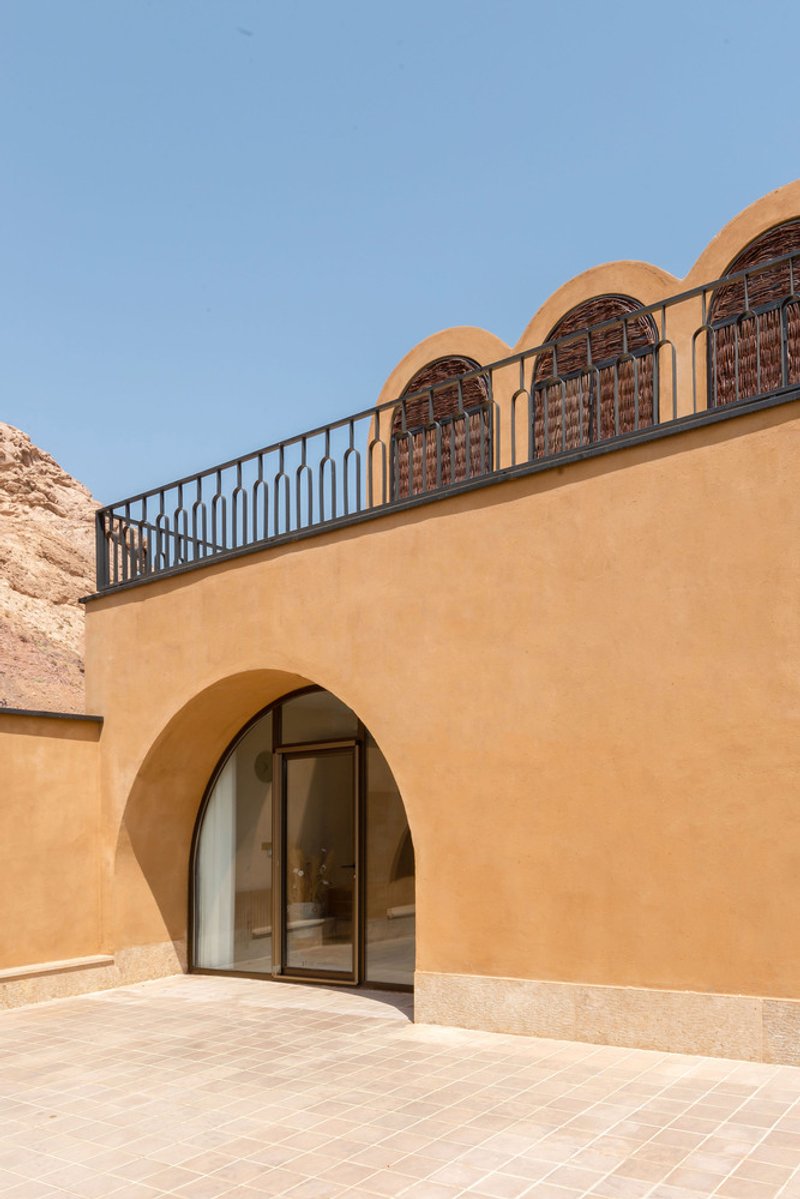
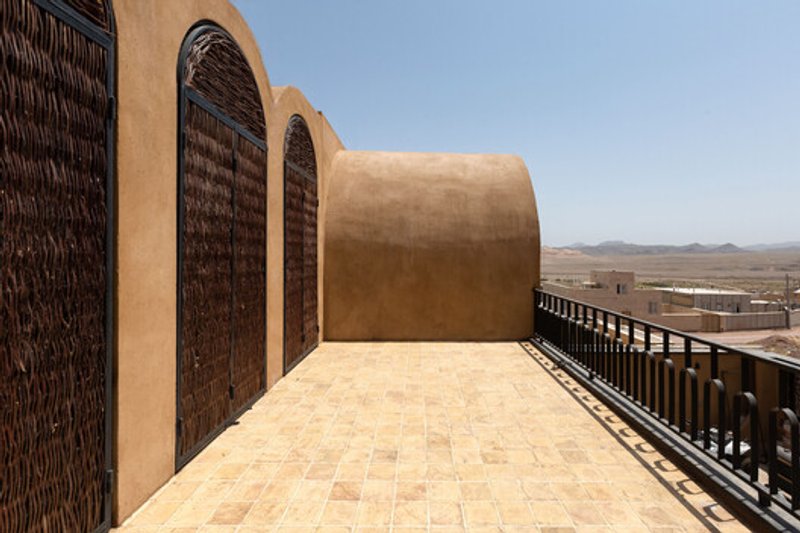
Situated in a hot and dry climate, Separo House employs a double-shell curved roof that provides essential shading for external surfaces. This architectural choice enhances thermal comfort, reduces indoor heat gain, and minimizes energy consumption, demonstrating a sustainable approach tailored to the local climate.
The arched roof and building orientation also optimize natural ventilation, ensuring passive cooling throughout the interior spaces. The home's design reflects a deep understanding of context-sensitive climate architecture in rural Iran.
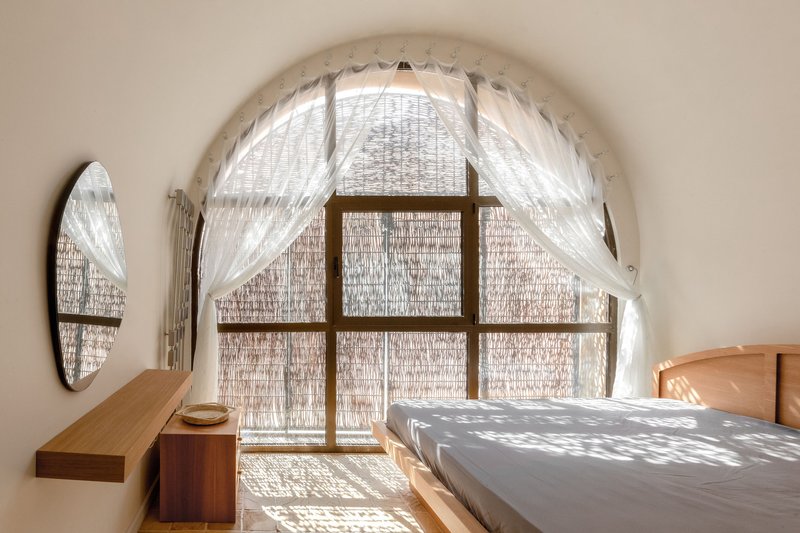
Cost-Effective and Locally Sourced Materials
Working with a modest budget of approximately $200 per square meter, the design team prioritized affordability without compromising quality. The primary building material is adobe, chosen to blend seamlessly with the surrounding mountains and village context. Namachin bricks complement the facade, while local wood is used for interior details and structural elements.
By leveraging local craftsmanship and labor, Separo House supports the community economically while preserving traditional building techniques. The project serves as an example of cost-effective, sustainable rural housing in Iran.
Handicrafts as a Bridge Between Architecture and Community
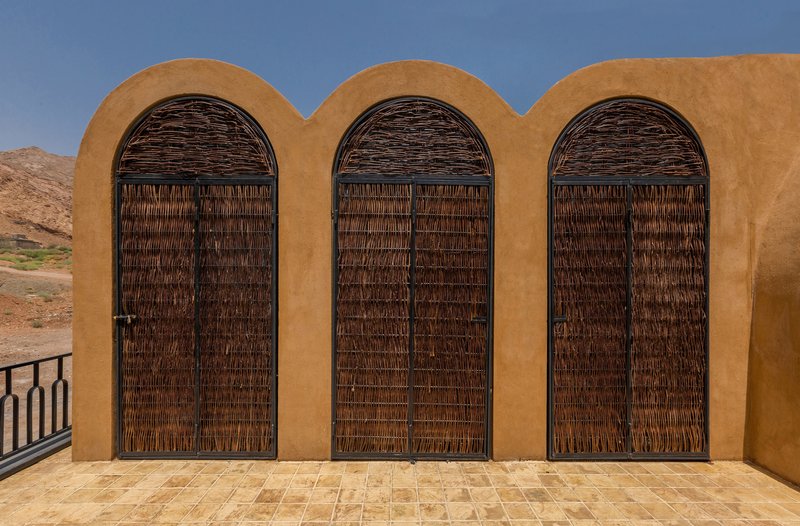
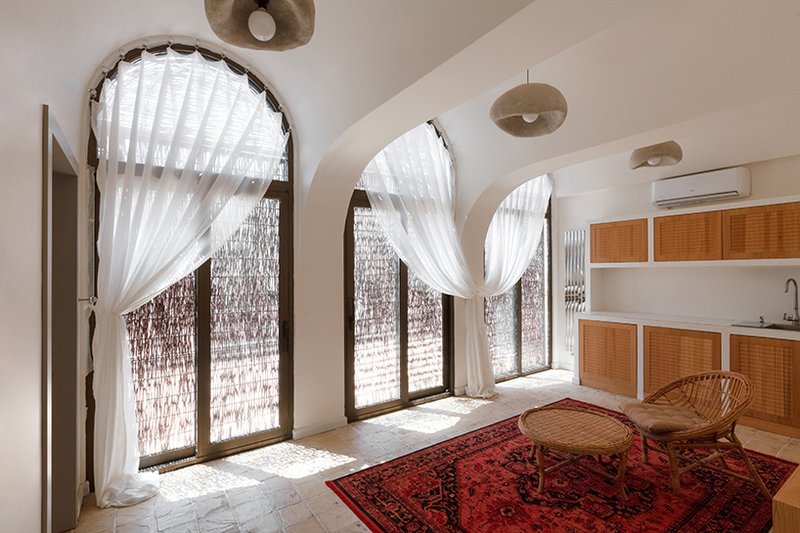
Separo House integrates traditional handicrafts into its architecture, notably the purple tree branch basket weaving endemic to Naeen and neighboring villages. These wooden panels serve as interior shading devices that allow natural light to filter in without obstructing airflow.
This approach not only strengthens the connection between the house and local culture but also promotes job creation for village artisans, reviving forgotten crafts while enhancing the home’s tactile and visual qualities.
Sensory Experiences and Interior Design
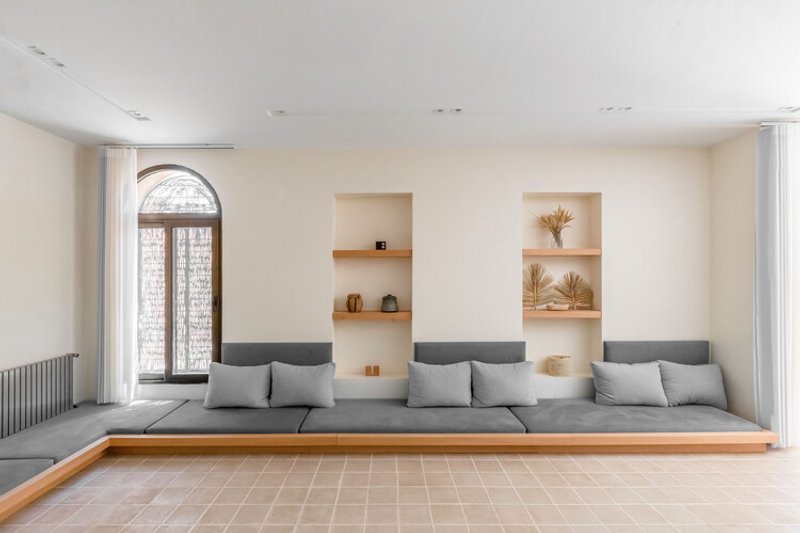
The design of Separo House emphasizes sensory engagement, creating a home that stimulates touch, sight, and spatial awareness. Interior elements include adobe walls, brick flooring, and low seating, providing diverse tactile experiences.
The natural variations of light within the interior, combined with carefully crafted furniture and details, cultivate a memorable spatial experience for residents. Activities such as cooking, sitting, and relaxing are enhanced through the thoughtful arrangement of openings, courtyards, and interior layouts, emphasizing a holistic connection between human experience and architecture.
Harmony with the Landscape
Positioned at the village’s edge and adjacent to the western mountains, the house achieves visual and material harmony with its surroundings. The choice of adobe and earth-toned finishes ensures that the structure appears naturally integrated into the landscape, fostering a seamless transition between built and natural environments.
The arched roof, brick details, and traditional wooden shading devices collectively echo vernacular Iranian architecture, creating a residence that is modern yet deeply rooted in local identity.
Separo House is a compelling example of context-sensitive, sustainable architecture in rural Iran. By merging traditional building techniques, local craftsmanship, and climate-responsive design, HYPERTEXT ARCHITECTURE STUDIO has created a home that balances affordability, environmental stewardship, and cultural heritage.
This project exemplifies the potential of modern vernacular architecture to preserve local identity while addressing contemporary living needs.
All photographs are works of
Ali Ghalambor




Popular Articles
Popular articles from the community

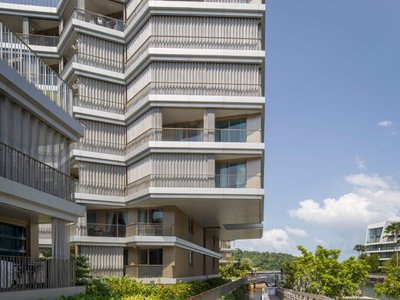
KCAP and DCA Architects Build a Stepped Urban Village on Singapore's King's Dock Waterfront
A 26,000 square meter residential development in Singapore trades tower isolation for terraced courtyards and a planted promenade along the harbor.
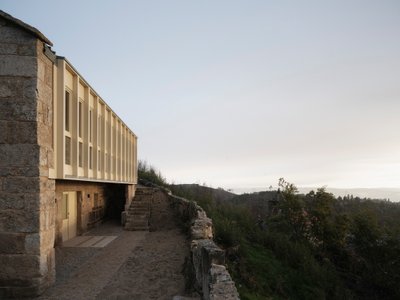
Three Architects Stitch a Social Center into a Crumbling Galician Hamlet
In Muimenta, Spain, timber and plywood volumes graft onto granite ruins to anchor a rural revitalization effort.
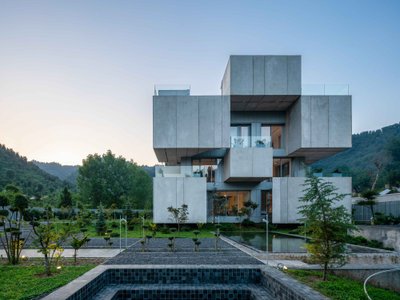
Bood Design Bureau Splits a Gilan Residence in Two to Let the Forest In
Double Side House negotiates privacy and openness through interlocking concrete volumes and planted courtyards in northern Iran's humid Caspian lowlands.
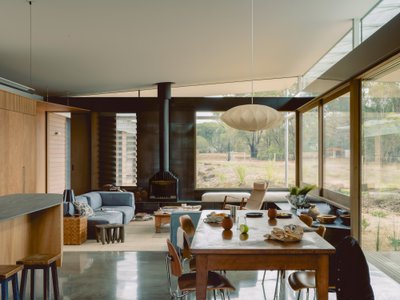
Not All Architecture Grounds a Timber Retreat in Victoria's Coastal Bushland
Ironbark House stretches low beneath eucalyptus canopy, threading a quiet domestic life between courtyard, deck, and landscape.

Similar Reads
You might also enjoy these articles

Filtering Space: A Gradual Spatial Experience
From urban intensity to spatial calm.


The Ken Roberts Memorial Delineation Competition (Krob)
As the most senior architectural drawing competition currently in operation anywhere in the world, it draws hundreds of entries each year, awarding the very best submissions in a series of medium-based categories.


Waterfront Redevelopment and Urban Revitalization in Mumbai: Forging a New Dawn for Darukhana
A transformative waterfront redevelopment project reimagining Darukhana’s shipbreaking heritage into an inclusive urban future.

OUT-OF-MAP: A Call for Postcards on Feminist Narratives of Public Space
Rhizoma Design and Research Lab invites artists, designers, architects, researchers, and students to reflect on how feminist perspectives can reshape public space. Selected works will be exhibited in Barcelona, October 2026. Submissions open until 15 April 2026.

Explore Architecture Competitions
Discover active competitions in this discipline




The International Standard for Design Portfolios


The Global Benchmark for Architecture Dissertation Awards


The Global Benchmark for Graduation Excellence


Challenge to reimagine the Iron Throne
Comments (0)
Please login or sign up to add comments
No comments yet. Be the first to comment!