
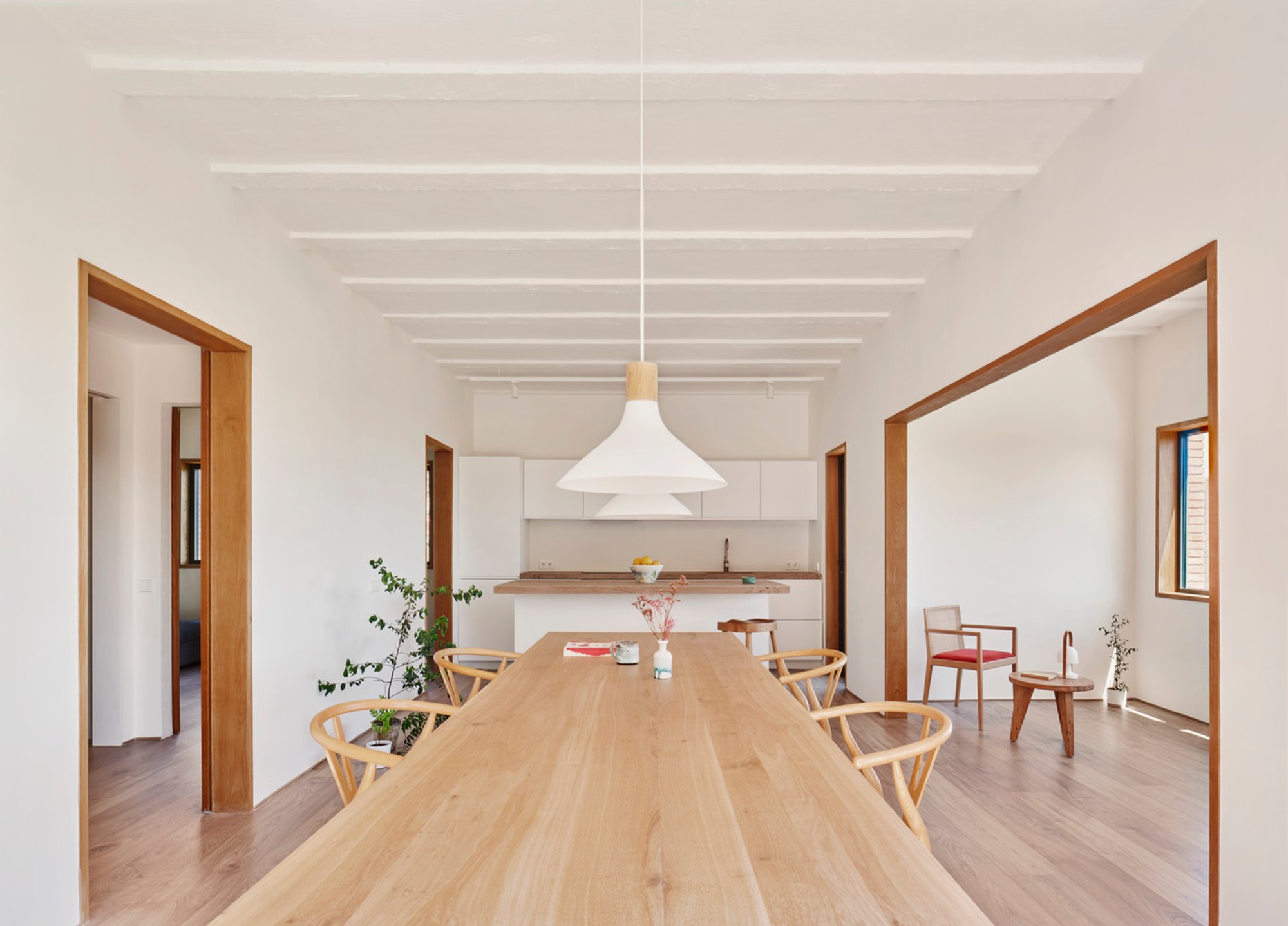
Sitges House Renovation by Roman Izquierdo Bouldstridge: A Coastal Home Reimagined Through Shakkei and Mediterranean Light
A coastal home transformed through Shakkei, natural light, wooden frames, and open spaces that seamlessly connect interior living with Sitges’ surrounding landscape.

The Sitges House, renovated by architect Roman Izquierdo Bouldstridge, transforms a once-fragmented dwelling into a serene, nature-immersed residence overlooking the dramatic coastline of Garraf Natural Park in Sitges, Spain. Spanning 296 m², the project redefines Mediterranean domestic living through the Japanese concept of Shakkei, “borrowed scenery”: and by framing the sea, sky, and mountains as integral elements of the interior experience.
Design Concept: Borrowed Scenery and the Art of Framing Nature
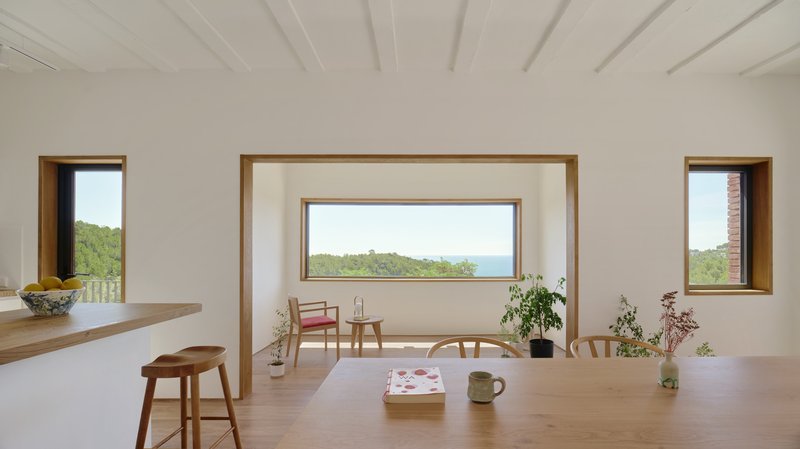
At the heart of the project lies a fundamental question: How can architecture deepen our connection with nature? To answer this, the renovation strategically incorporates large openings, wooden thresholds, and minimalist spatial sequences that allow the landscape to become a natural extension of the home.
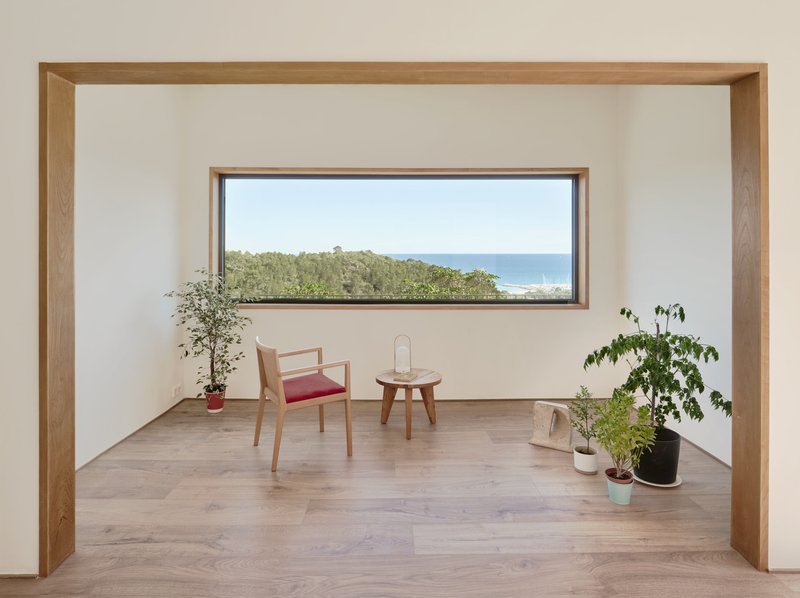
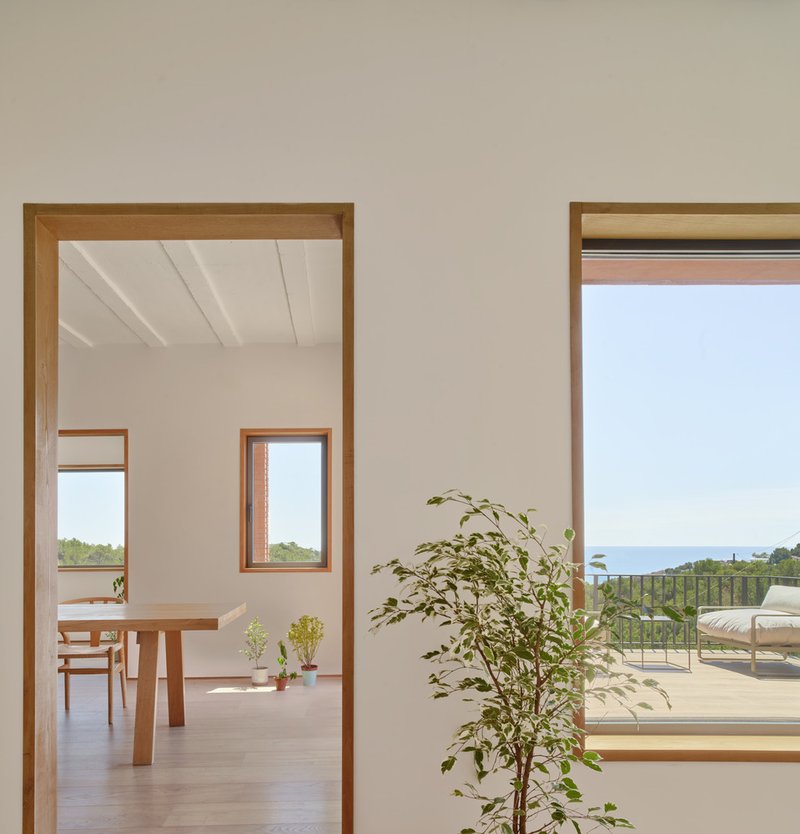
Through Shakkei, the renovation creates a series of “living pictures,” turning sea views, coastal cliffs, and Mediterranean vegetation into dynamic visual compositions. The home functions as a habitable viewpoint, where every room captures a new perspective of the surrounding environment.
Restoring Structure and Optimizing Sustainability
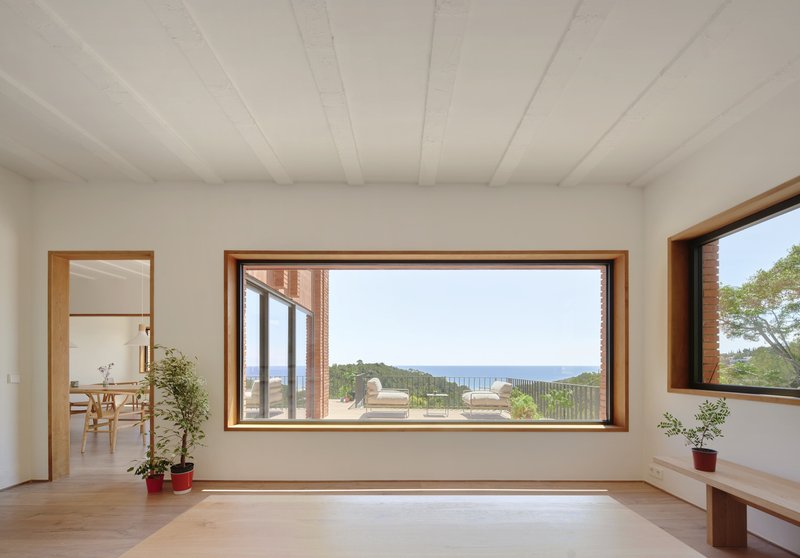
Originally, the house was heavily compartmentalized, especially on the upper floor, where narrow corridors and isolated rooms disconnected the interior from the outdoors. The lower floor suffered from limited light and ventilation due to a stone retaining wall with few openings.
The first intervention involved:
- Stripping the entire envelope
- Recovering the existing ceramic roof
- Demolishing interior partitions
- Preserving and reusing the longitudinal load-bearing walls
These structural walls, oriented south toward the sea, became the key framework for a flexible and poetic architectural layout. The renovation also maximizes natural ventilation, improves energy performance, and utilizes the thermal inertia of stone to maintain indoor comfort.
Spatial Organization: Three Bays Connected by Light
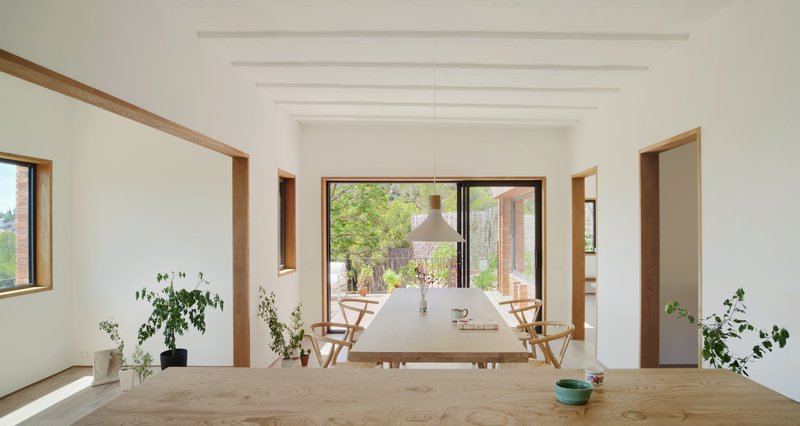
The new layout organizes the home into three longitudinal bays, connected through large interior thresholds and framed openings.
Upper Floor, Daytime Living
- Bay 1: Study space
- Bay 2: Terrace, dining room, open kitchen
- Bay 3: Living room, staircase, bathroom, children’s playroom
Ground Floor, Night and Private Areas
- Bay 1 & 2: Porch, entrance hall, master bedroom, main bathroom
- Bay 3: Two additional bedrooms, secondary bathroom, staircase, laundry room
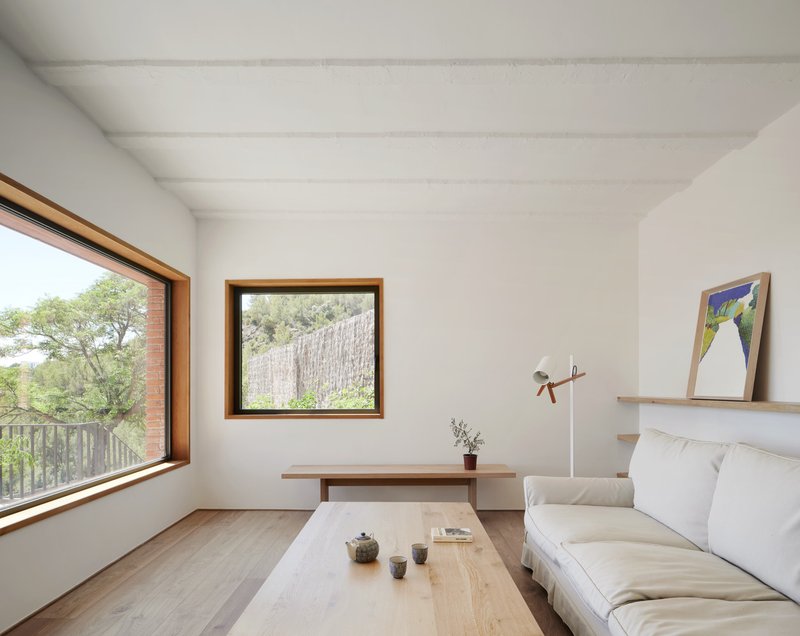
By carving new openings into both the façade and interior structural walls, the architect created four transversal circulation axes that connect all three bays. This approach expands sight lines, increases visual depth, and enhances the sense of openness throughout the home.
Increased Light, Cross Ventilation, and Energy Efficiency
The new windows and interior frames introduce abundant natural light and encourage cross-breezes throughout the home. Long visual corridors now stretch from the deepest interior spaces to the mountains and sea, turning everyday routines into moments of contemplation.
Natural materials, improved insulation, and passive ventilation strategies combine to boost sustainability and long-term energy efficiency.
Framing the Landscape: Wood, Light, and Japanese Influence
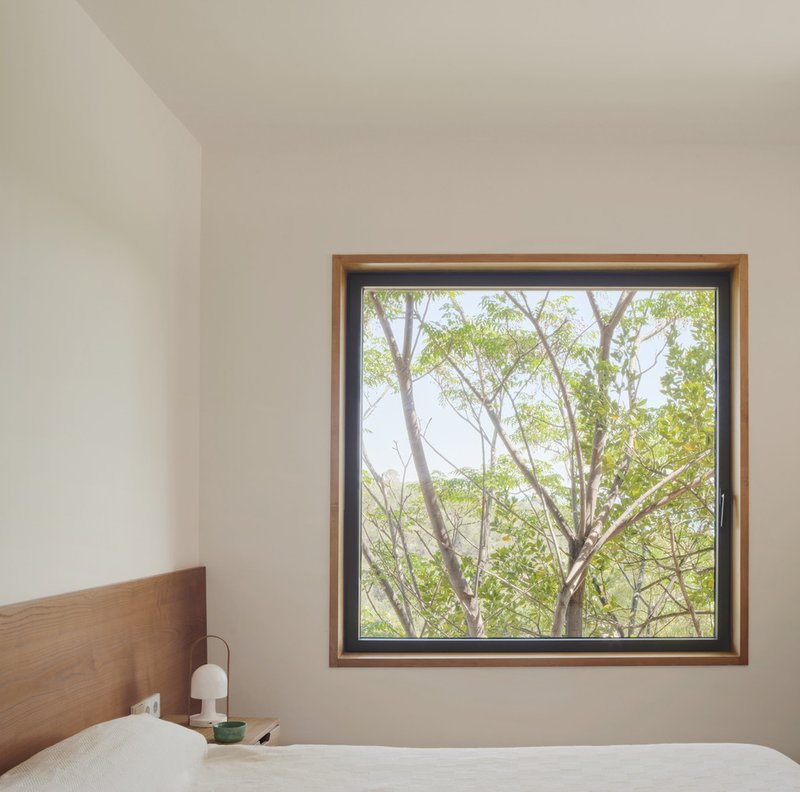
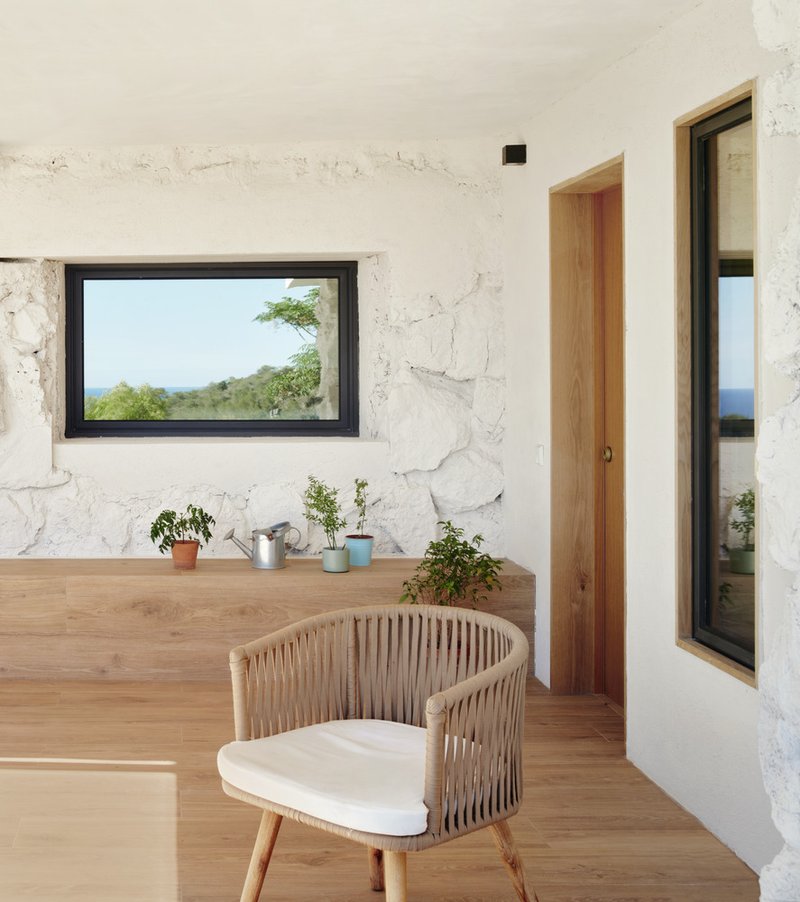
One of the most defining features of Sitges House is the use of solid chestnut wood frames. Each window and door becomes an “in-between” space: an architectural threshold inspired by the Japanese idea of ma, a spatial pause where movement, light, and air converge.
Key design elements:
- Unified wooden frames blending door and window systems
- Minimalist chestnut strips forming natural viewfinders
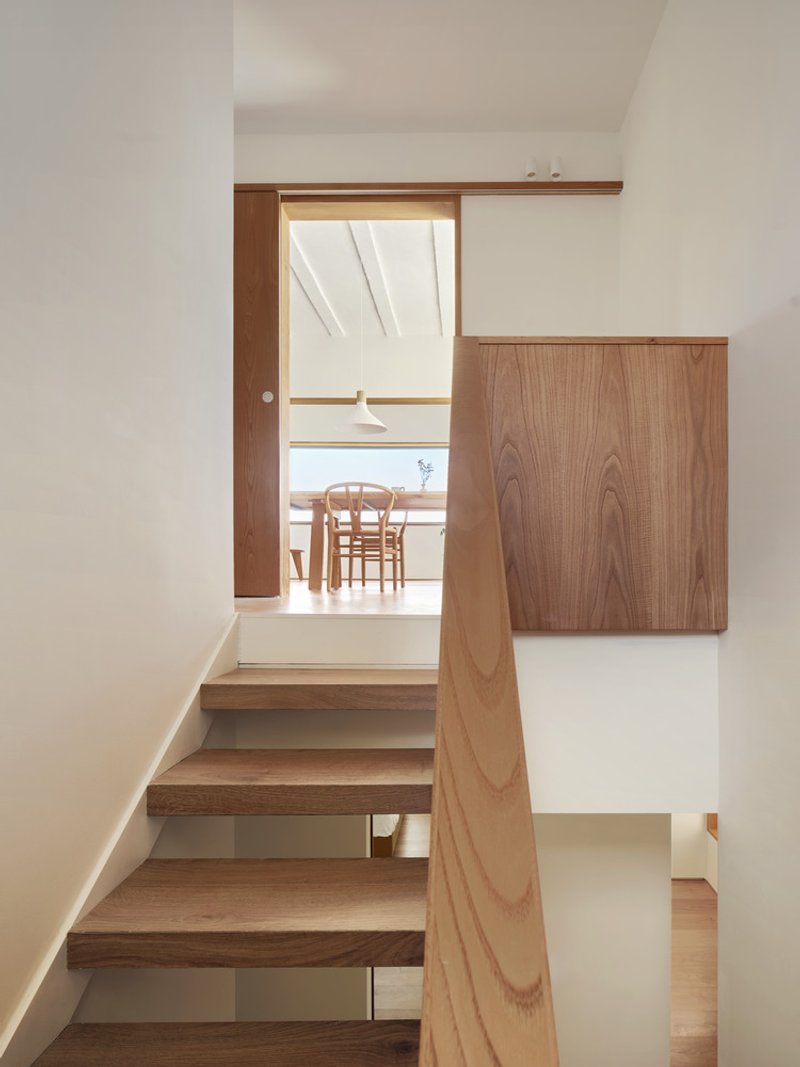
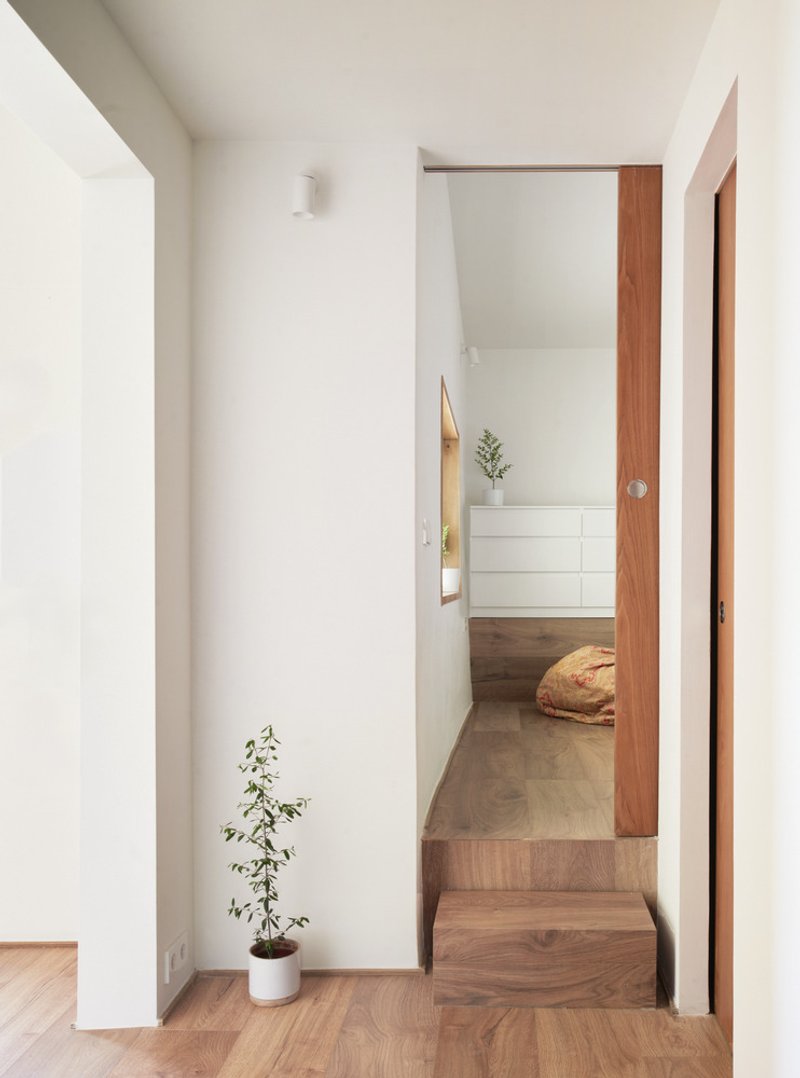
- Sliding wooden doors inspired by fusuma panels
- Horizontal mullions that emphasize calm, linear proportion
Together, these details create a warm, cohesive identity where the house becomes a quiet observer of its surroundings.
Material Palette: White, Wood, and Natural Textures
The interiors combine:
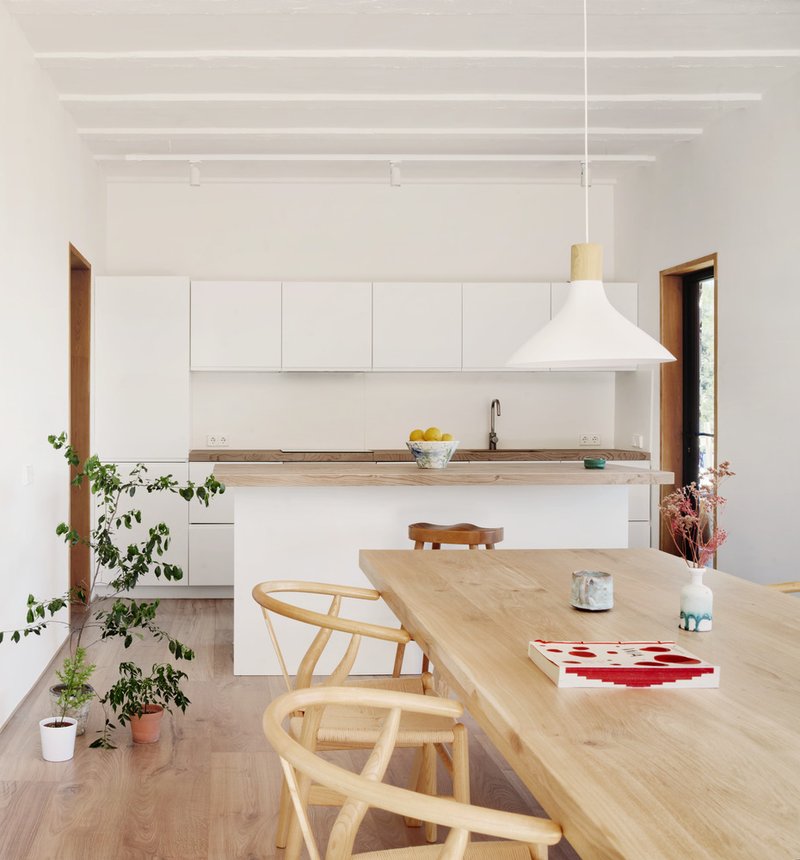
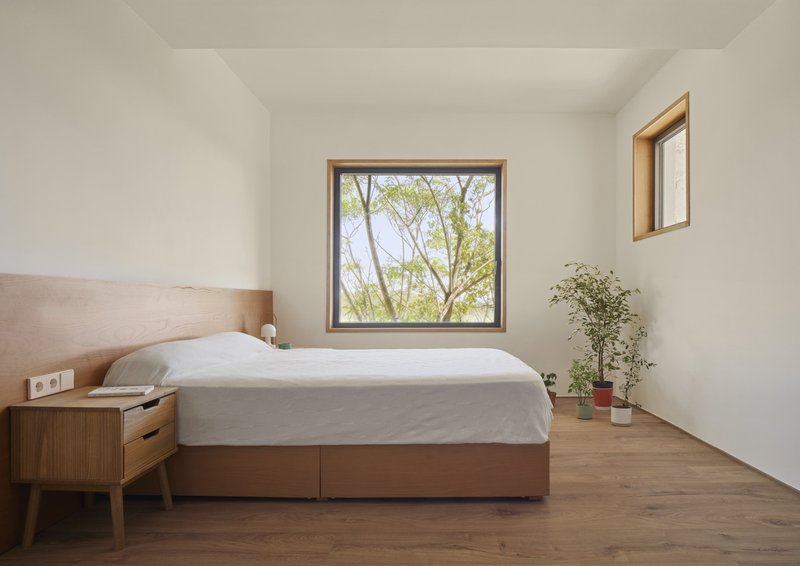
- White walls and ceilings to increase brightness
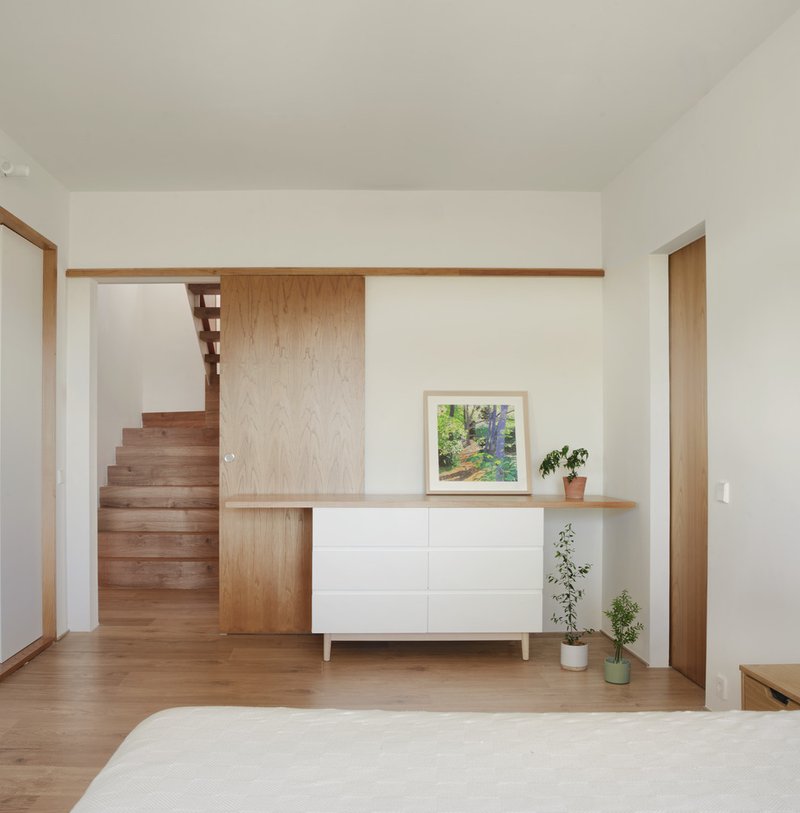
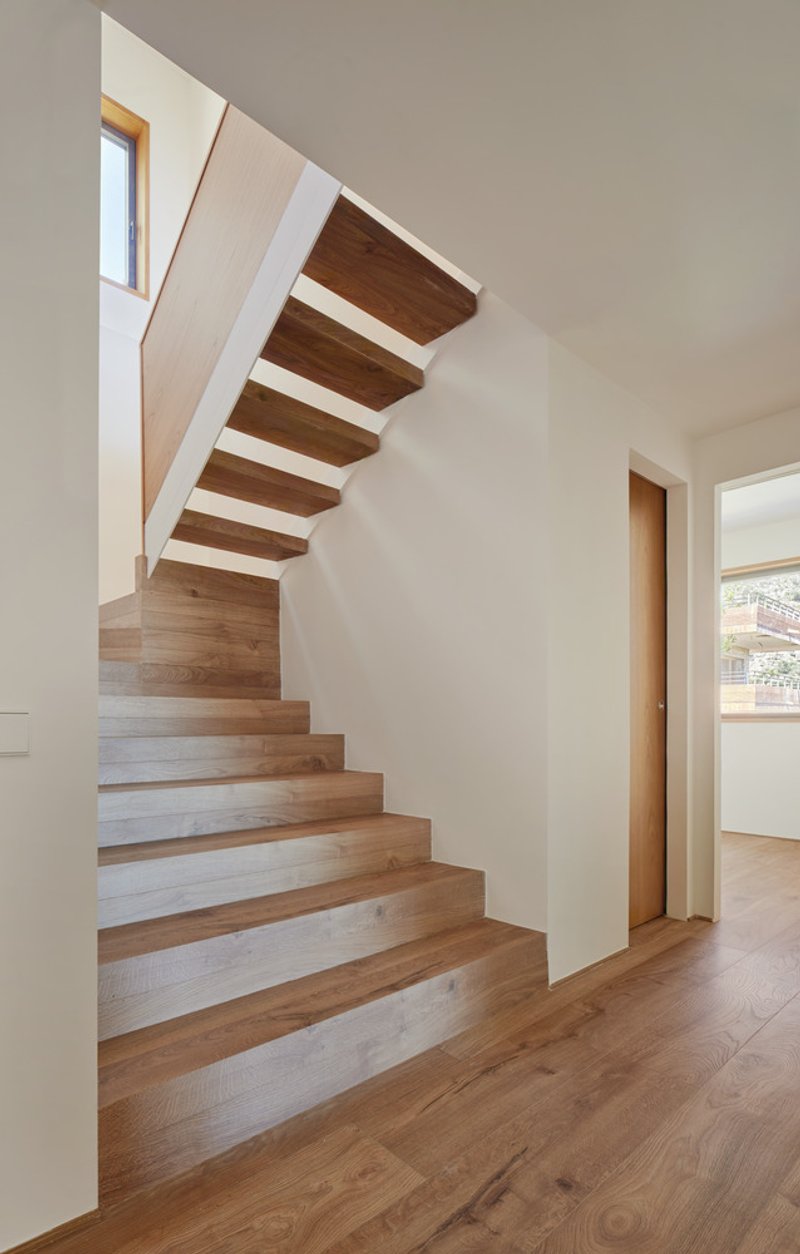
- Chestnut wood floors and furniture for warmth
- Wooden sliding elements to create fluid partitioning
- Organic materials that echo the landscape outside
The contrast between minimal white surfaces and the earthy tones of wood enriches the interior’s visual serenity while strengthening the connection to nature.
Blurring Boundaries: Bringing Nature Indoors
Plants are intentionally integrated into the architecture, extending the outdoor landscape inside. The interplay between live vegetation and the wooden elements, once living materials themselves, creates an atmosphere that celebrates the dialogue between organic and crafted forms.
This harmony between interior and exterior results in a home that feels calm, meditative, and deeply connected to its environment.
A Poetic Meditation on Nature and Architecture
Sitges House is more than a renovation: it is an architectural transformation rooted in light, nature, and sensory experience. By merging Mediterranean landscapes with Japanese spatial philosophy, Roman Izquierdo Bouldstridge creates a domestic setting where the everyday becomes poetic, and the boundary between interior and landscape dissolves into harmony.




Popular Articles
Popular articles from the community

The Faith: Modular Architecture for Play, Learning, and Hope in Kutupalong Refugee Camp
A modular playground architecture project in Bangladesh where play, learning, safety, and hope rebuild childhood inside a refugee camp anew.

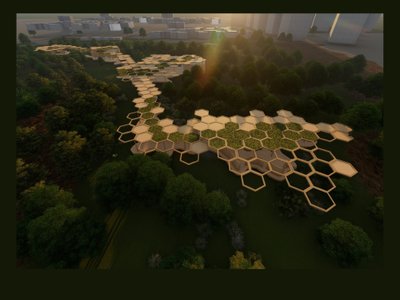
Eco Chapel: A Green Architecture Pavilion Designed in Symbiosis with the Forest
Eco Chapel uses green architecture to weave prayer, learning and reuse into a forest pavilion shaped by modular hexagonal canopies for life.
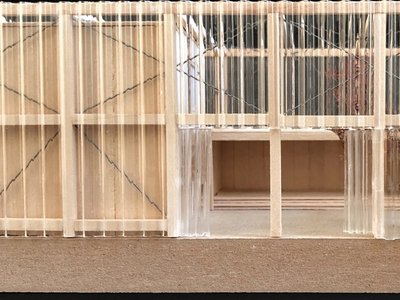
Kaffeebühnen: Coffee Shop Architecture Designed as a Civic Stage Between Vienna’s City and Park
Kaffeebühnen turns coffee shop architecture into a civic stage, linking Vienna’s park edge, urban life, warm timber yards, and coffee craft.
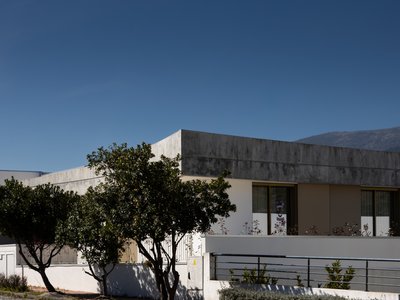
PLATAFORMArq Folds a Concrete Roof Over the Portuguese Mountains in House #474
A 220-square-meter residence in Teixoso, Portugal, wraps board-formed concrete into an angular canopy that frames the Serra da Estrela foothills.


Similar Reads
You might also enjoy these articles

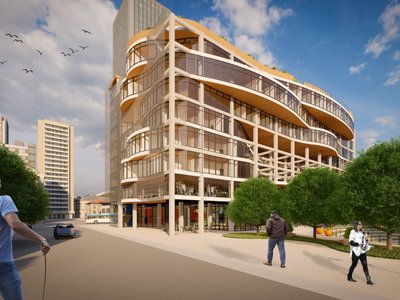
Olio Towers: A Mid-Rise for Performers That Fuses Housing, Rehearsal, and Stage
Located blocks from Houston's Theater District, this modular tower stacks living units around a central performance atrium.
Oasis: Modular Green Housing Carved into Dhaka's Urban Fabric
A shortlisted Plugin Housing entry reclaims unauthorized settlements in Dhaka with stepped concrete volumes, green roofs, and ventilation-driven design.

Black Hole: A Floating Megastructure for the Post-Physical Era
Emiliano Mazzarotto envisions a spherical, self-scaling arena where e-sports, digital hotels, and holographic stadiums replace traditional public space.
Compact & Sustainable Living in Piraeus: A Four-Level Family Home Built Around Light and Air
A narrow townhouse in one of Greece's densest port cities uses a central atrium and passive strategies to house three generations under one roof.


Explore Housing Competitions
Discover active competitions in this discipline




The International Standard for Design Portfolios


The Global Benchmark for Architecture Dissertation Awards


The Global Benchmark for Graduation Excellence


Challenge to reimagine the Iron Throne
Comments (0)
Please login or sign up to add comments
No comments yet. Be the first to comment!