
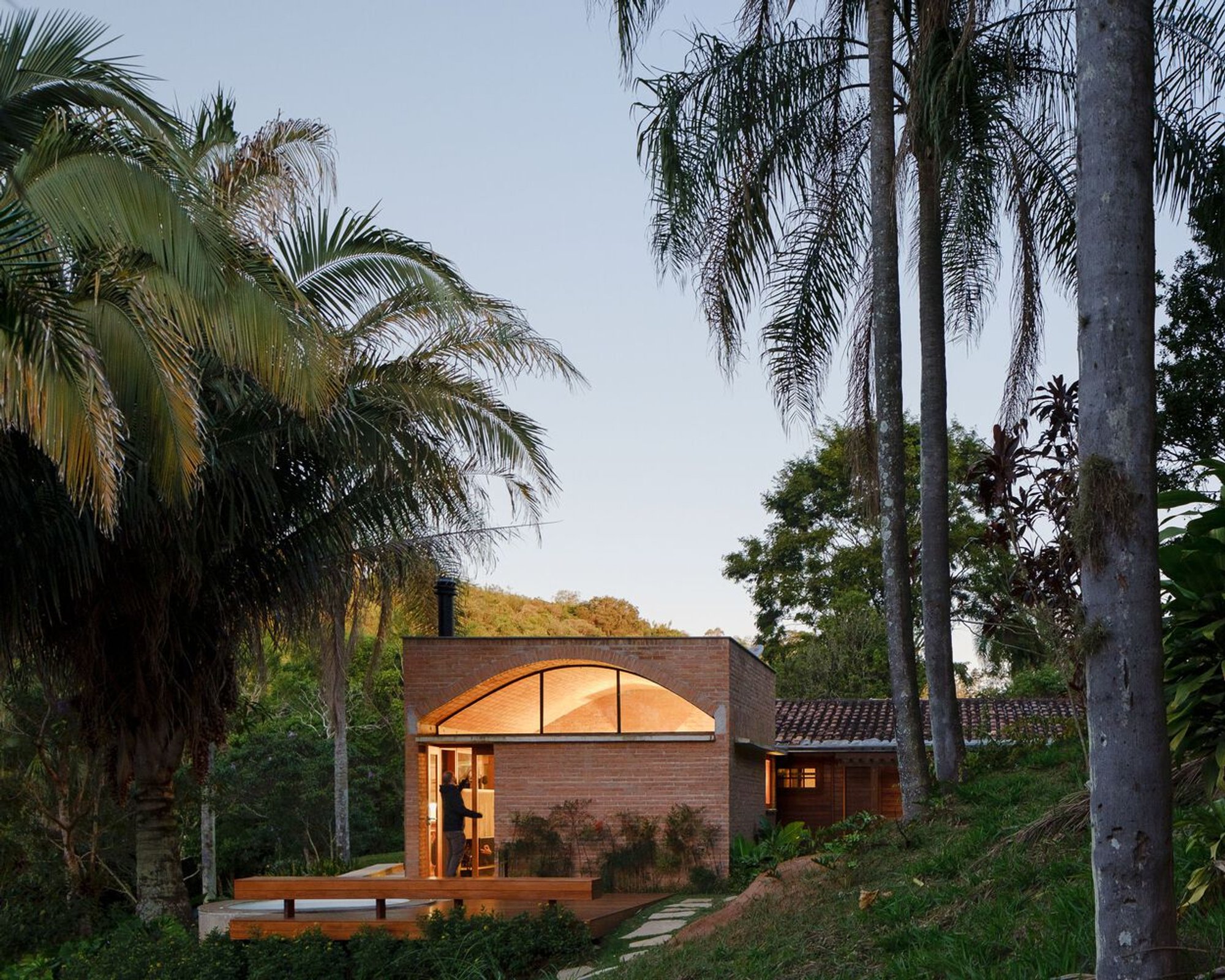
Sítio Rio Acima Renovation by Denis Joelsons: A Harmonious Blend of Heritage, Landscape, and Contemporary Brazilian Arch
Sensitive renovation unifies fragmented rural structures through brick interventions, adaptive reuse, and landscape integration, creating a cohesive, contemporary multigenerational retreat.

The renovation of Sítio Rio Acima in Jundiaí, Brazil, led by architect Denis Joelsons, is a thoughtful exploration of adaptive reuse, vernacular inspiration, and contextual architecture. Spanning 329 square meters and completed in 2022, this residential renovation project reimagines a multi-generational countryside retreat through a series of precise architectural interventions that respect memory while embracing modern living.
Contextual Design Rooted in Memory and Landscape
Located on the outskirts of Jundiaí, the site carries over four decades of family history, shaped by different generations and evolving needs. The property originally consisted of disparate structures built over time, each holding sentimental value. Rather than erasing this layered past, the design strategy focused on preserving and enhancing it.
The surrounding environment reflects a hybrid identity—part rural countryside, part industrial legacy—marked by remnants of old factories, chimneys, and railway structures. This duality became a central theme in the architectural narrative, guiding material choices and spatial organization.
Architectural Strategy: Stitching Fragments into Unity
The project’s core concept lies in “punctual interventions”—small yet impactful architectural gestures that collectively create cohesion across the site. Instead of a singular transformation, the renovation works as a network of carefully positioned additions and modifications that unify the fragmented built environment.
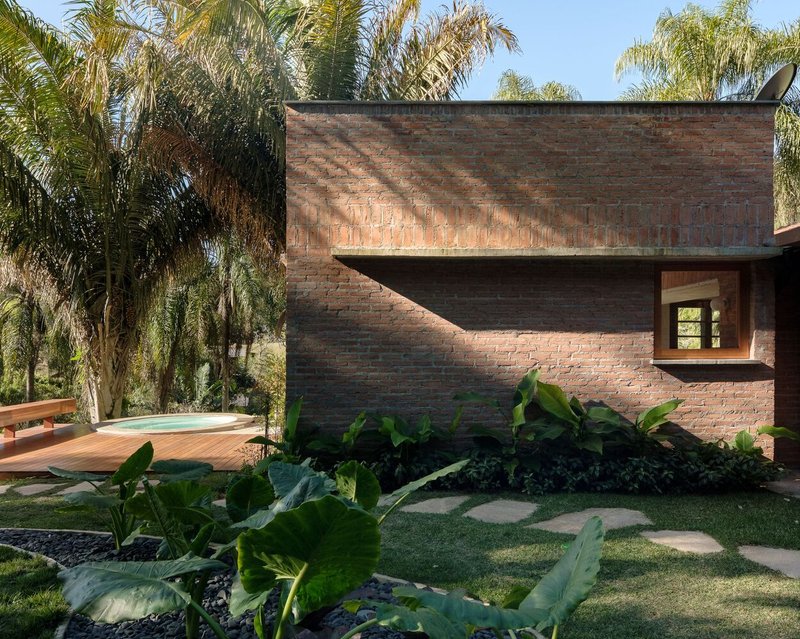
Solid brick masonry, absent in the original structures, was introduced as a defining material for the new interventions. This choice references the region’s historic brick kilns and industrial past, while clearly distinguishing new elements from the old. The tactile quality of brick adds warmth and continuity, grounding the architecture in local identity.
Arrival Sequence and Vernacular References
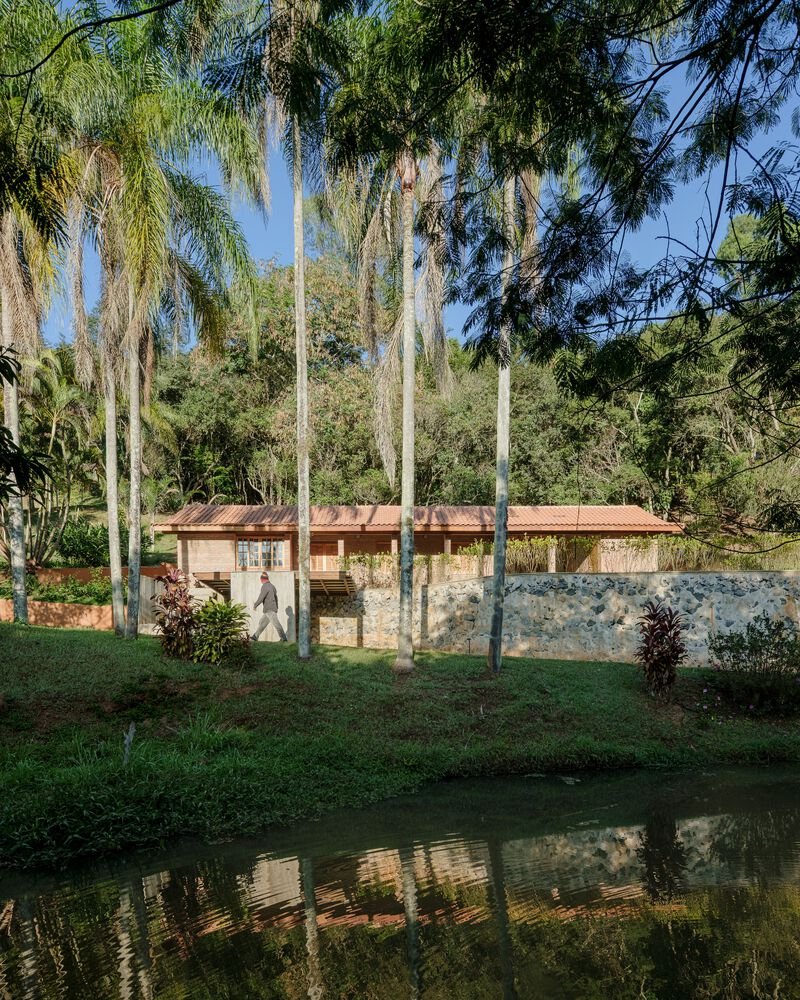
The entrance experience is orchestrated along a gently sloping access road that runs beside a serene lake. A curved cyclopean concrete retaining wall defines the threshold, serving both as a structural element and as a visual marker. It also accommodates a garage and supports the platform for the caretaker’s house.
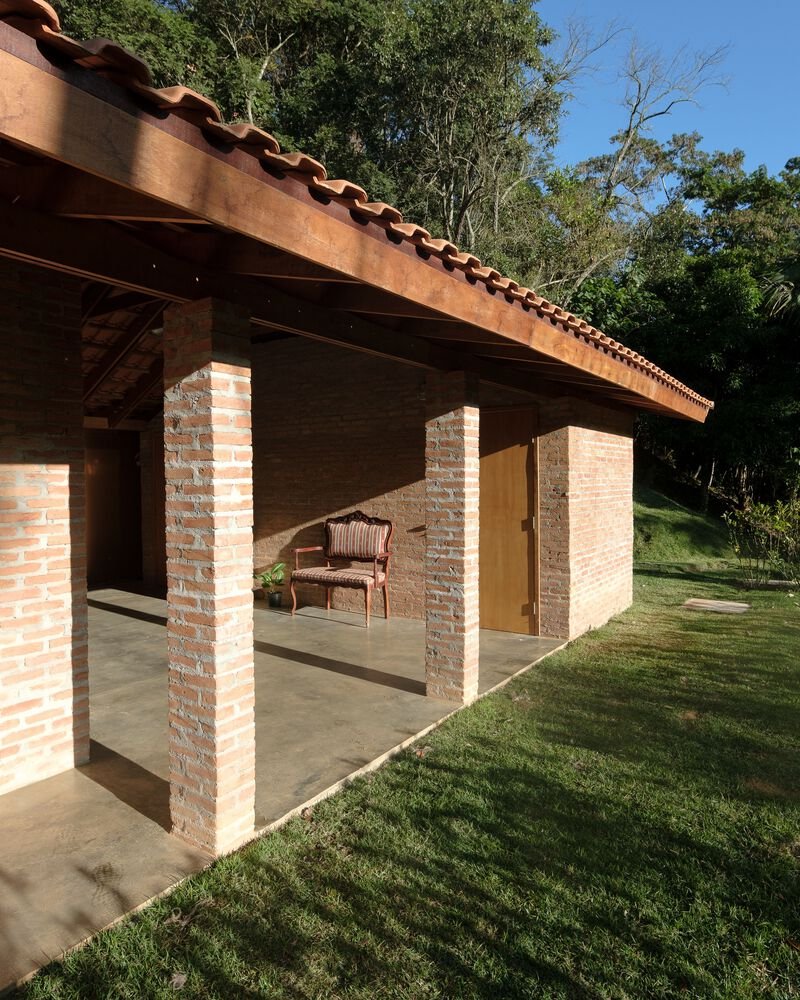
The caretaker’s house draws inspiration from traditional Brazilian “caipira” architecture, characterized by simple forms, shaded porches, and rural construction techniques. Its design subtly references colonial bandeirista houses, particularly through the use of a sheltered veranda framed by solid volumes—an architectural gesture that bridges past and present.
Landscape Integration and Outdoor Living
As the road ascends, the main house emerges on higher ground, offering views of the lake and surrounding greenery. The landscape design plays a crucial role in connecting built elements, with outdoor spaces carefully curated to encourage leisure and social interaction.
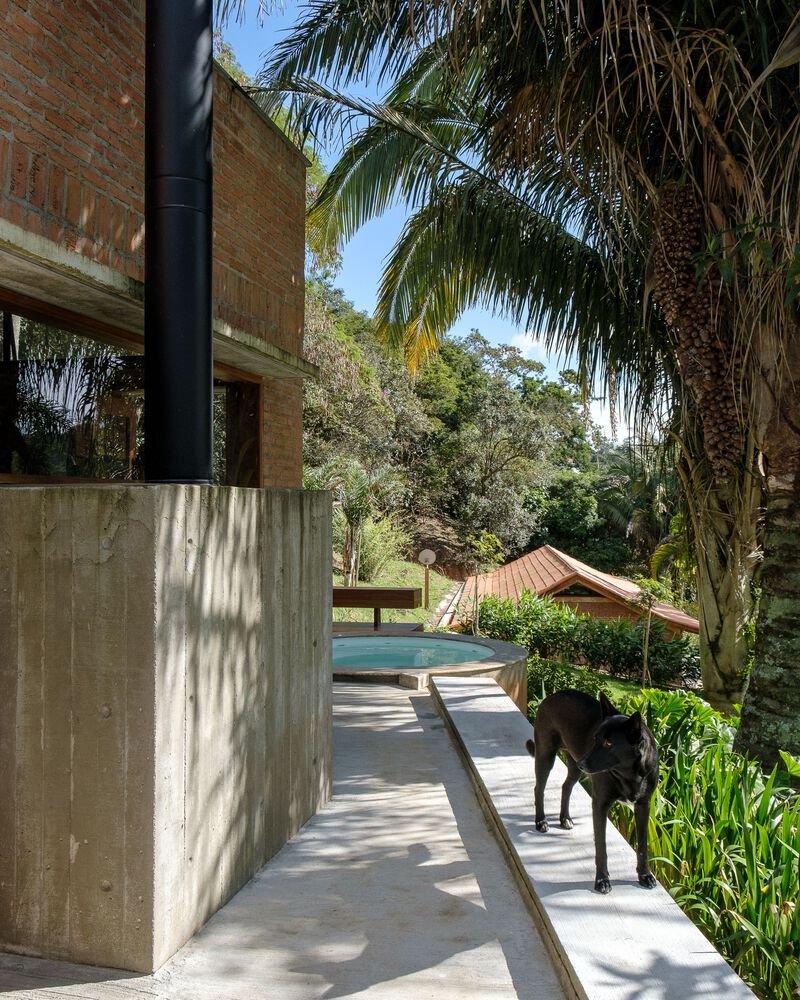
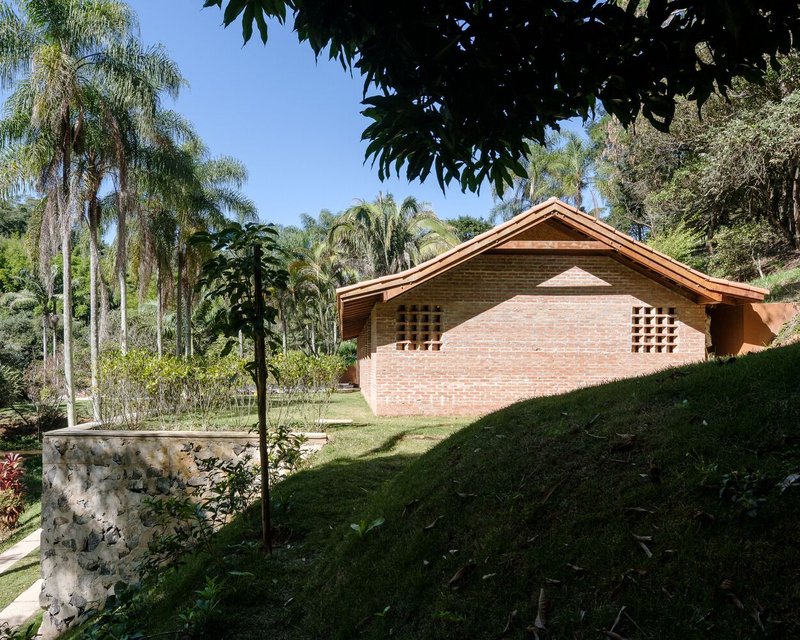
Near the lake, a triangular composition organizes the swimming pool, an existing kiosk, and a newly constructed brick volume housing bathrooms and changing rooms. The use of spiral brick walls in this new structure introduces a sculptural quality, enhancing both privacy and spatial dynamism.
Main House Transformation: From Cottage to Contemporary Retreat
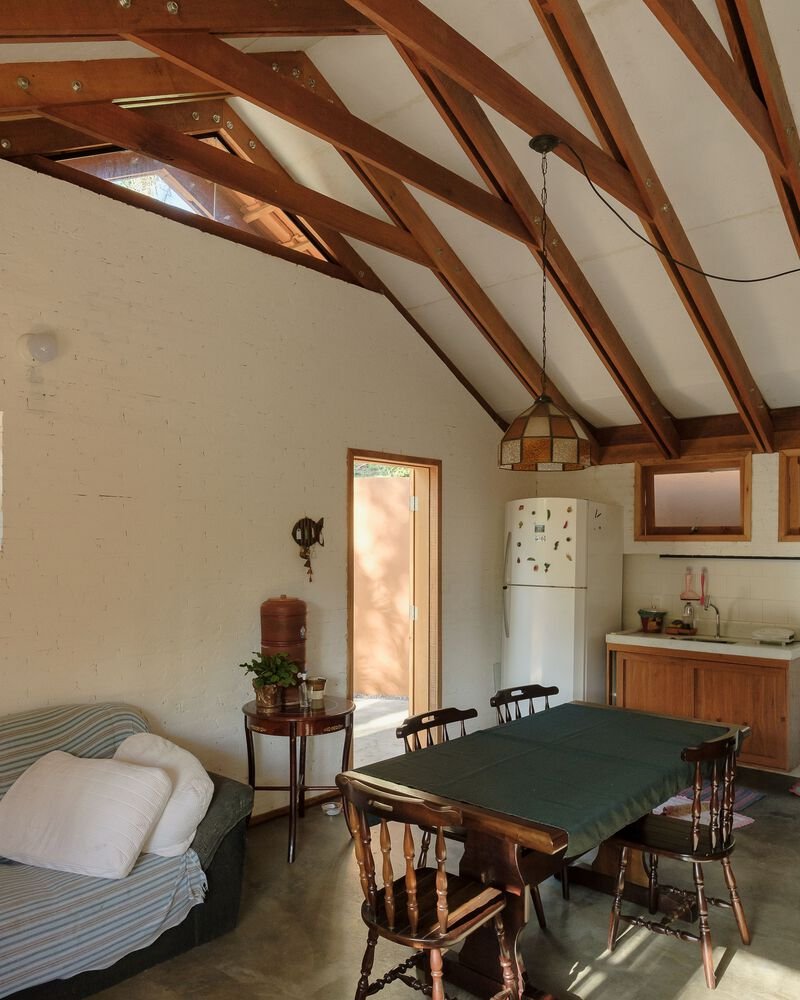
The original wooden cottage underwent a comprehensive renovation to accommodate modern living requirements. The internal layout was reconfigured to increase capacity, transforming the house into a more flexible and guest-friendly space.
A former master bathroom was removed to create an additional bedroom, bringing the total to four. New bathrooms were relocated to an annex at the rear, preserving the integrity of the original structure while improving functionality.
One of the most significant interventions involved replacing traditional windows with French doors fitted with shutters. This change extends interior spaces դեպի the الخارج, seamlessly connecting bedrooms to a veranda shaded by a wooden pergola. The result is a fluid indoor-outdoor living experience, essential to contemporary tropical architecture.
Social Spaces and Volumetric Expansion
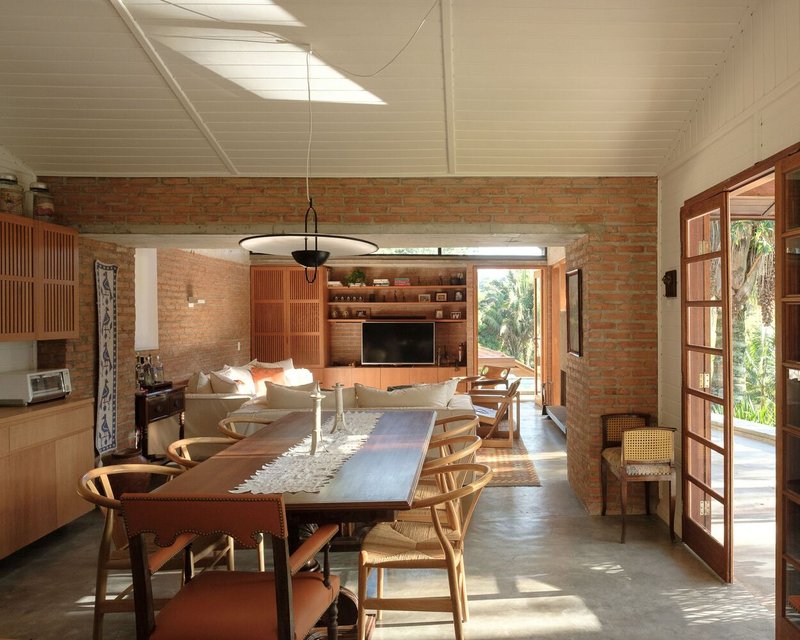
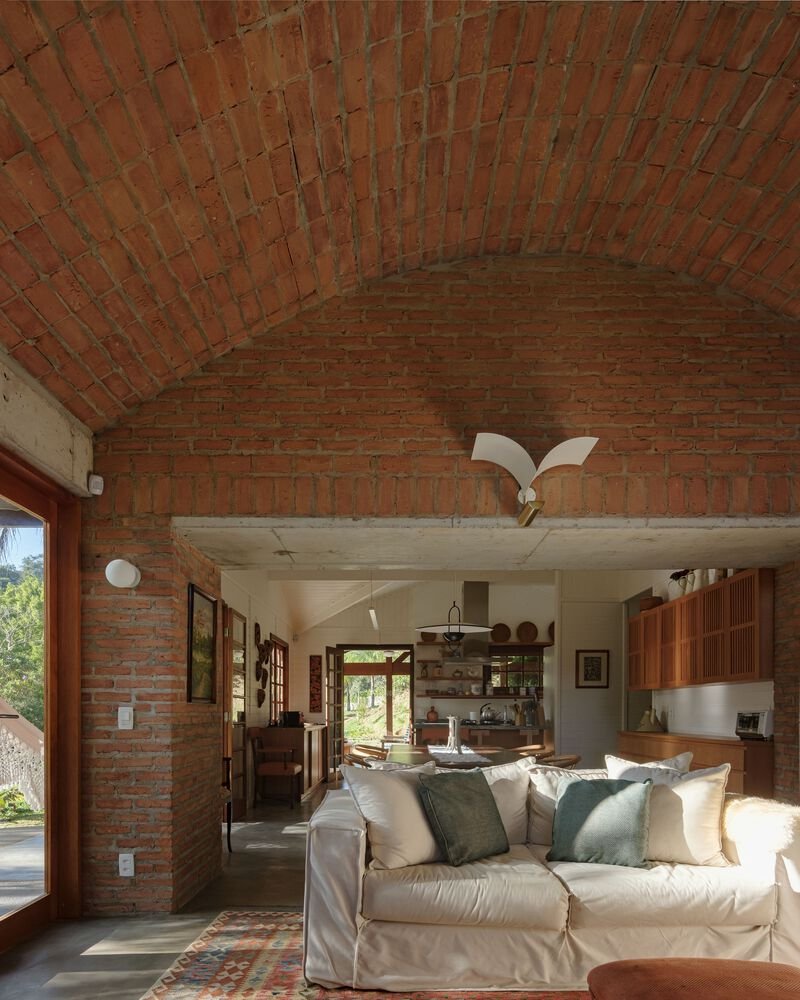
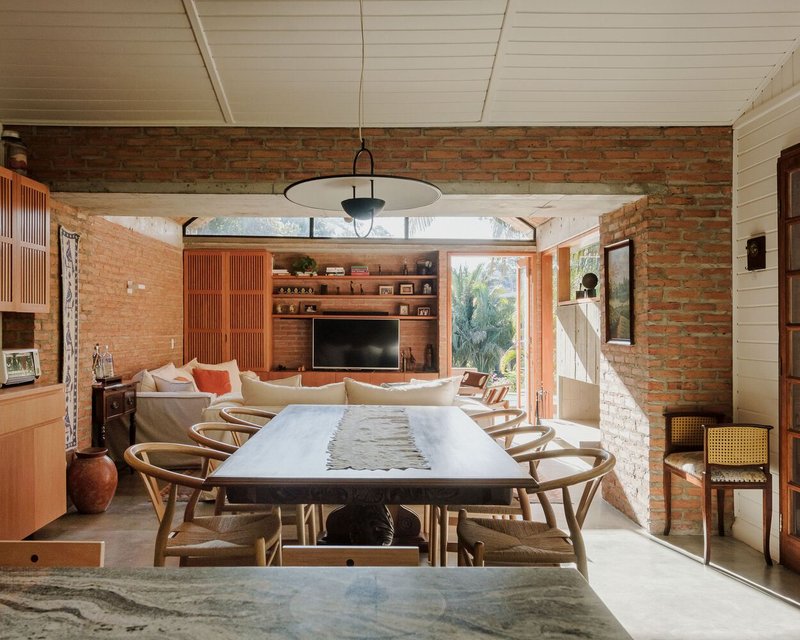
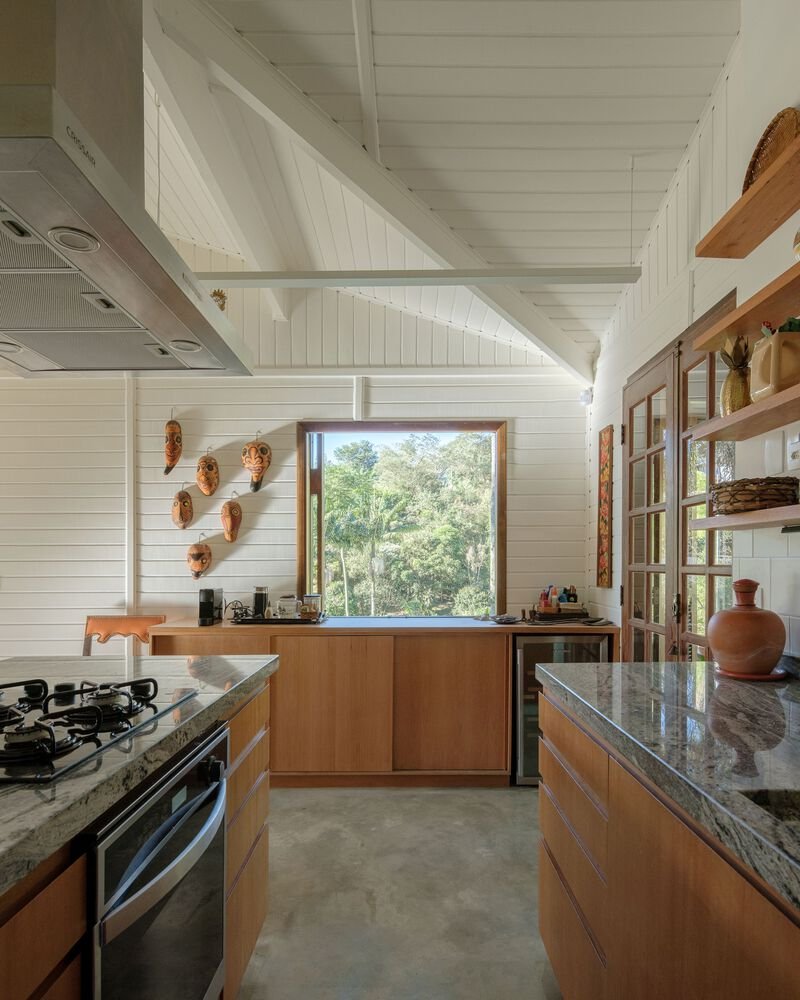
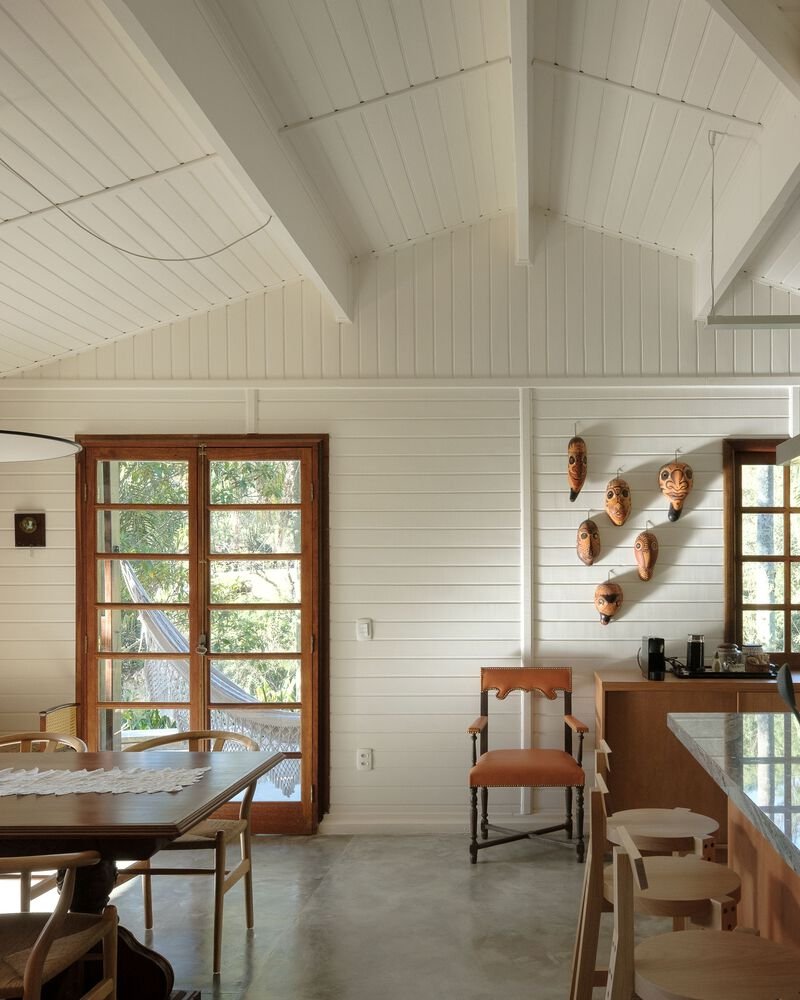
The social areas of the house were redesigned to accommodate larger gatherings, reflecting the evolving needs of a multi-generational family. The kitchen and dining areas were reorganized within the existing footprint, while a new living room extension introduces a bold architectural gesture.
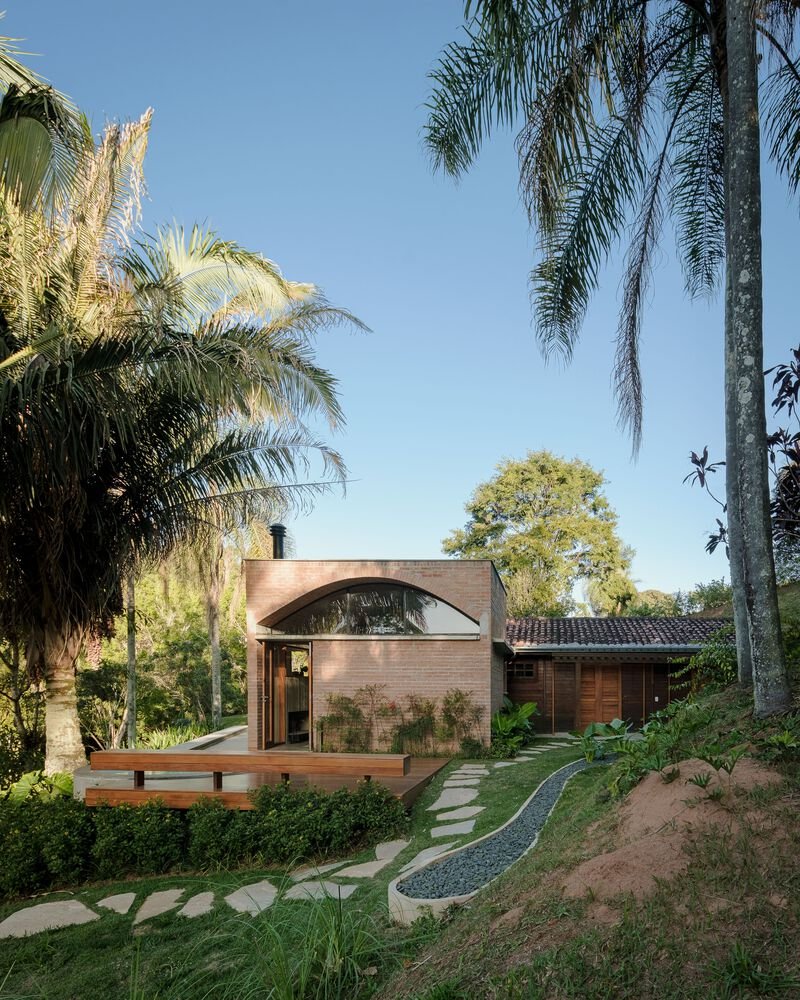
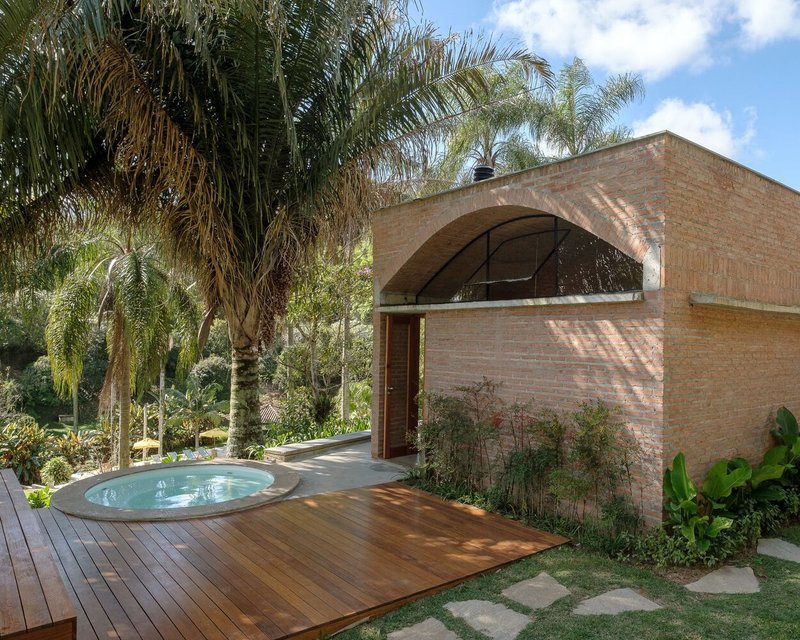
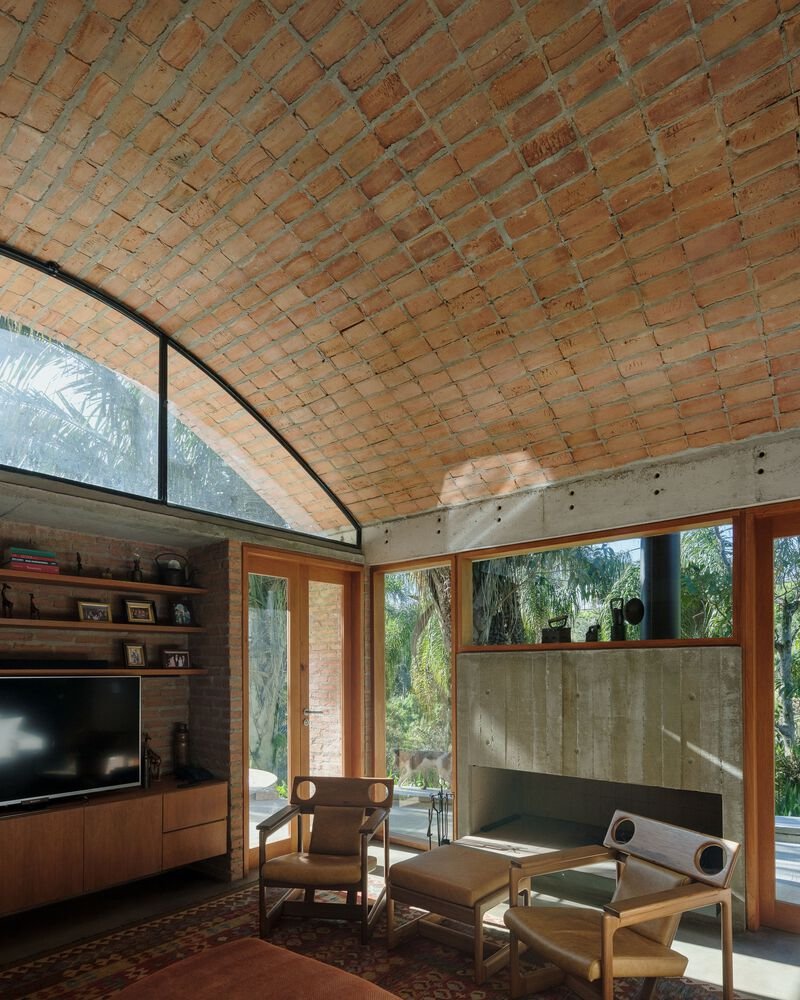
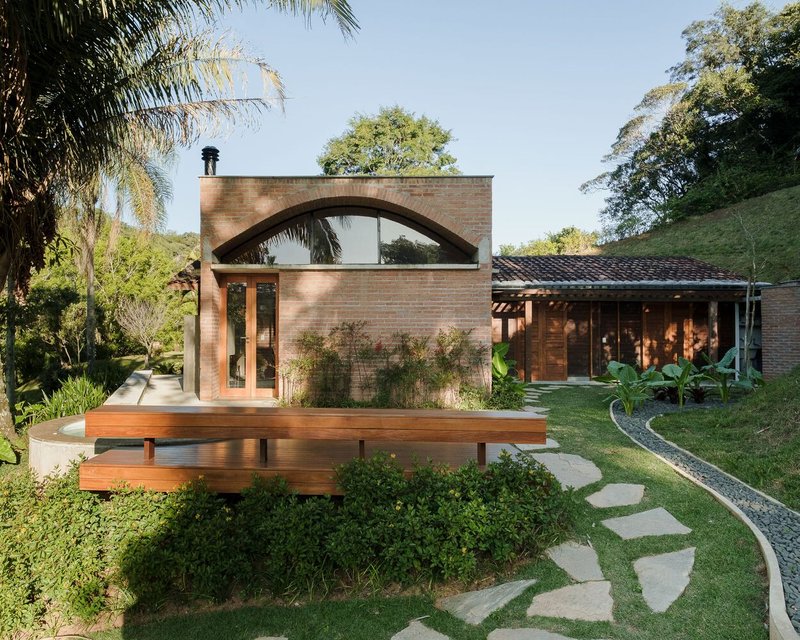
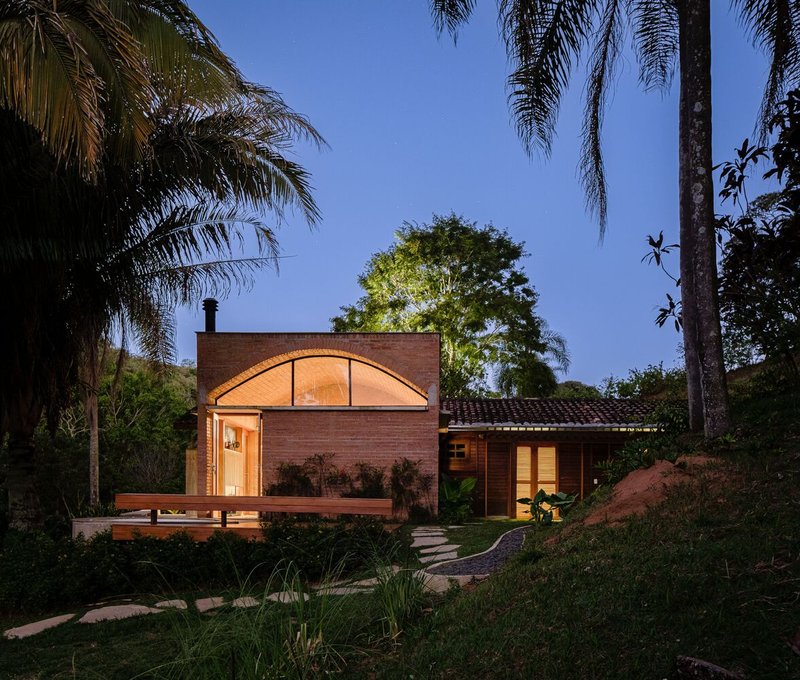
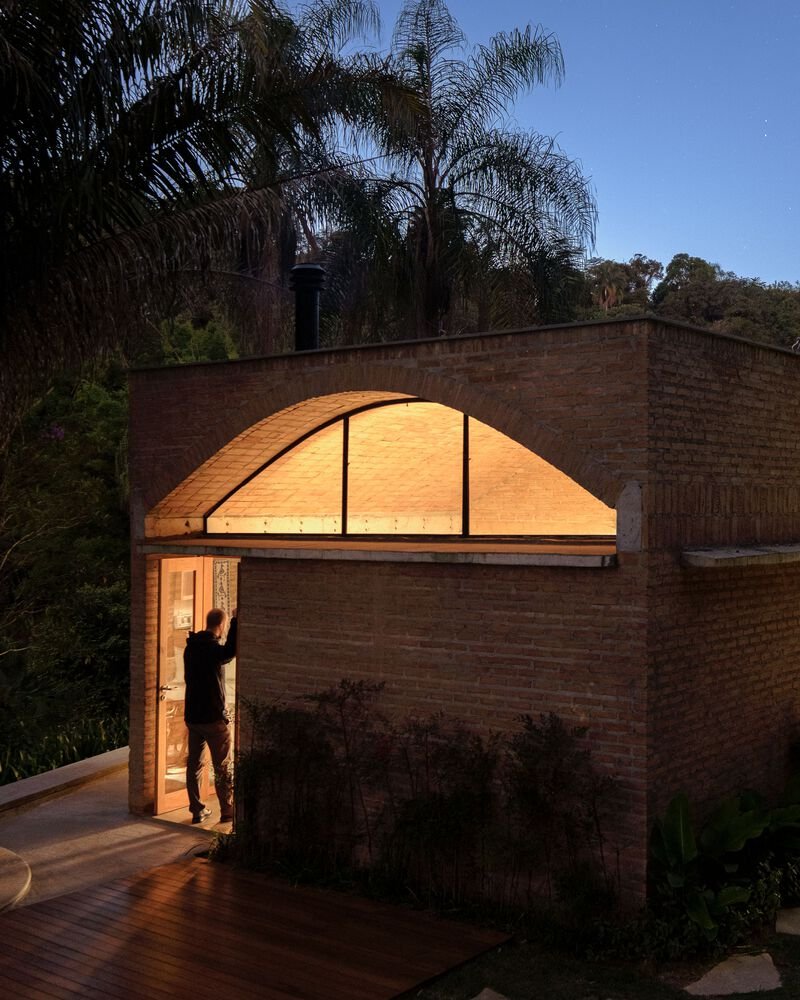
This addition takes the form of a cubic volume capped with a vaulted ceiling, creating a striking contrast with the orthogonal geometry of the original cottage. Externally, the new volume aligns with the existing roof ridge while integrating seamlessly with the eaves, maintaining visual harmony.
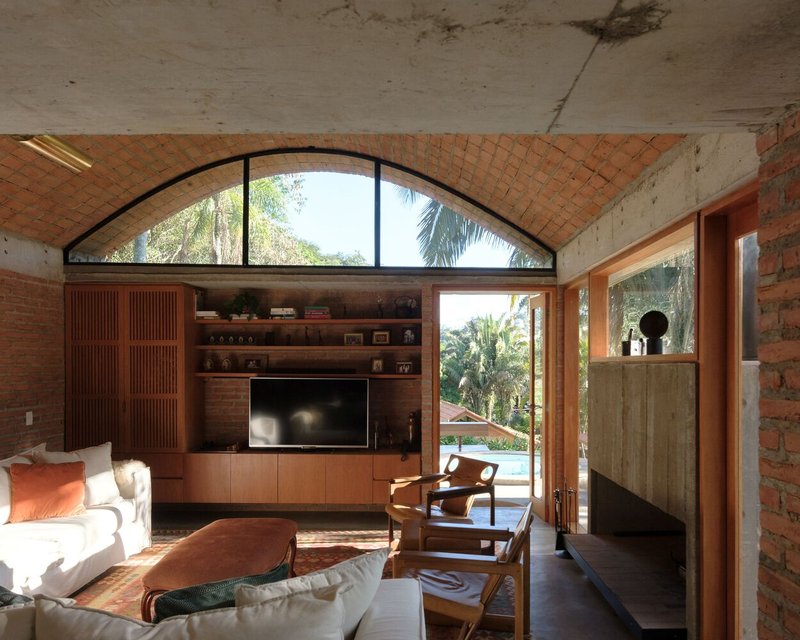
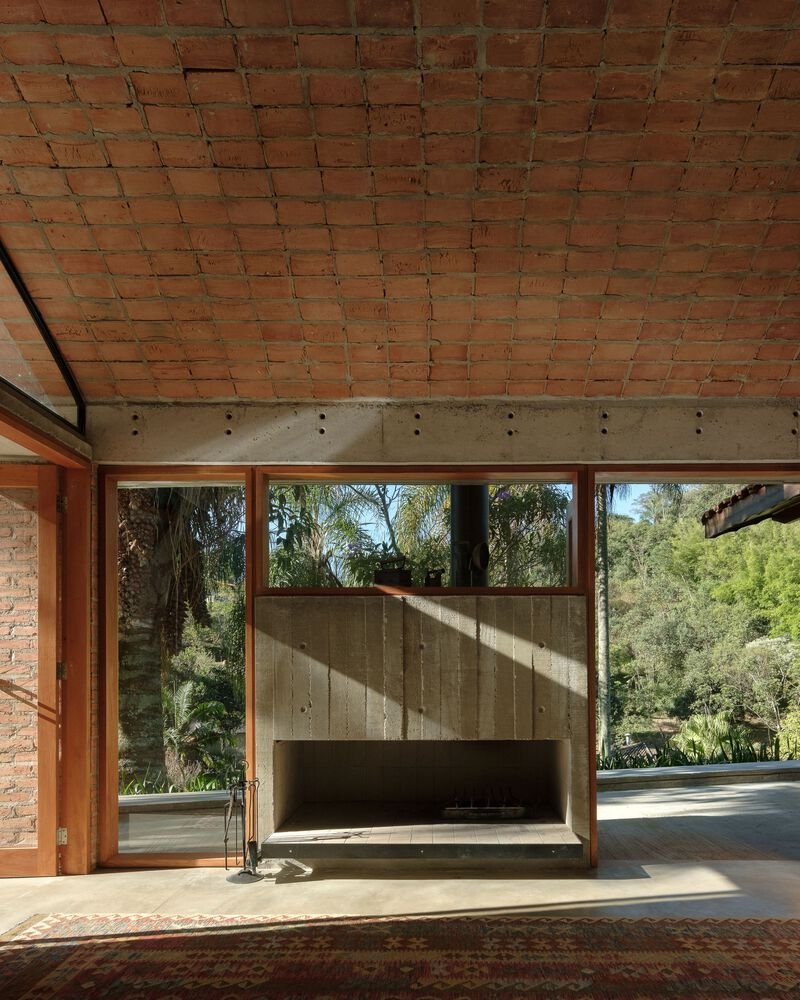
Inside, the vaulted ceiling enhances spatial perception, allowing natural light to filter through high windows and animate the interiors throughout the day. The interplay between old and new structures creates a rich spatial experience defined by light, texture, and proportion.
Materiality and Spatial Atmosphere
Material choices throughout the project emphasize authenticity and regional identity. Brick, wood, and concrete form a cohesive palette that reflects both vernacular traditions and contemporary sensibilities. The exposed structure, wooden beams, and tactile surfaces contribute to a warm, inviting atmosphere.
The design also prioritizes passive environmental strategies, such as natural ventilation, shading devices, and orientation-sensitive openings, ensuring comfort while reducing reliance on mechanical systems.
Outdoor Experience and Sensory Connection
Beyond the built spaces, the project celebrates its natural surroundings. A wooden deck extends toward the landscape, where a hot tub is carefully positioned between two towering indaiá palm trees. This intimate setting offers panoramic views of the lake and pool, reinforcing the connection between architecture and nature.
A Model for Sustainable and Contextual Renovation
The renovation of Sítio Rio Acima stands as a compelling example of sustainable architecture through adaptive reuse. By preserving existing structures, minimizing demolition, and integrating new elements with sensitivity, the project reduces environmental impact while maintaining cultural continuity.
Denis Joelsons’ approach highlights the importance of designing with respect for context, history, and user needs. The result is a cohesive architectural ensemble that balances tradition and innovation, offering a renewed vision for rural residential design in Brazil.
All photographs are works of
Pedro Kok




Popular Articles
Popular articles from the community

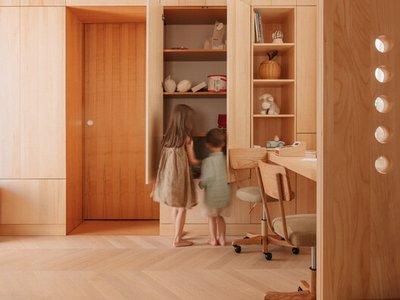
Treehouse Apartment: A Warm Timber Interior Blending Craft, Play, and Contemporary Living
Warm timber apartment with integrated treehouse, combining natural materials, craftsmanship, and playful design to create a flexible, family-oriented living environment.
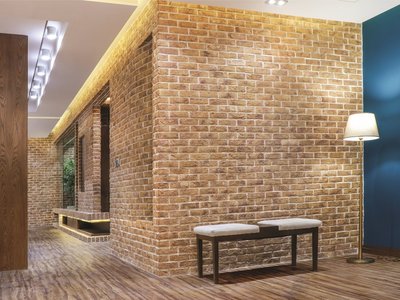
A Contemporary Take on Iranian Residential Architecture
A modern interior design in Mashhad that reinterprets brick, light, and spatial flow to create a warm, contemporary residential architecture.
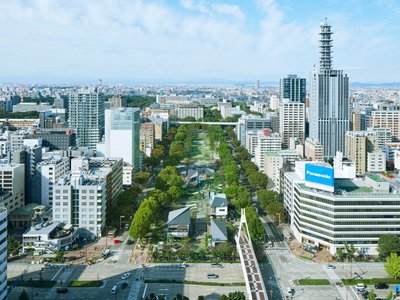
On the Brooks House by Monsoon Collective – A Contemporary Kerala Home Rooted in Tradition
Kerala home blending tradition and modernity with water-inspired design, brick architecture, courtyard planning, and sustainable rainwater harvesting strategies.
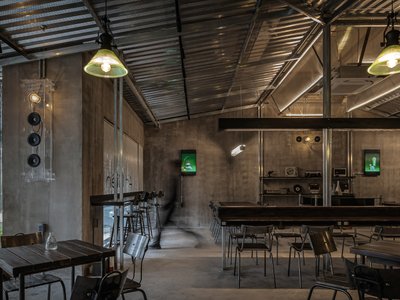
An Miên Lumière Cafe by xưởng xép, Ho Chi Minh City, Vietnam
An industrial-inspired café where layered steel and warm light create a dynamic, immersive environment shaped by reflection, depth, and perception.


Similar Reads
You might also enjoy these articles

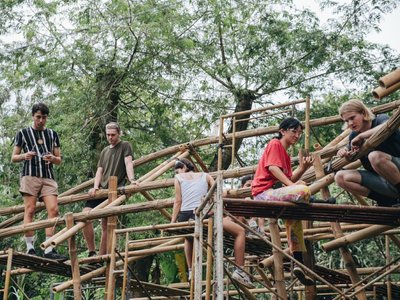
Bamboo Housing Challenge 2026: Design Affordable, Sustainable Homes Using Bamboo
An international design competition by Bamboo U and IBUKU inviting architects and designers to reimagine affordable housing using bamboo — with the winning design built full-scale in Bali.

Computational Design & Education: Beegraphy Design Awards Introduces 7th Category (Featuring Jiyun's Innovative Approach)
Dive into Beegraphy’s 7th Design Awards category, where computational design meets education to create immersive, interactive learning tools, inspired by Jiyun’s work.

From Parametric Lighting to Urban Furniture: Join the 2nd Workshop in Beegraphy’s Computational Design Series
Dive into Cutting-Edge Design Techniques and Practical Applications with Industry Experts

Introducing Sphere by UNI: Pioneering a New Era in AEC Industry
Unlocking Global Potential with BIM and Agile Management


Explore Architecture Competitions
Discover active competitions in this discipline




The International Standard for Design Portfolios


The Global Benchmark for Architecture Dissertation Awards


The Global Benchmark for Graduation Excellence


Challenge to reimagine the Iron Throne
Comments (0)
Please login or sign up to add comments
No comments yet. Be the first to comment!