
Ski House: Reviving Heritage Through Architectural Harmony in Budapest
Revitalizing Budapest's Normafa Ski House with a heritage-focused renovation and contemporary forest pavilion addition.


Nestled within the serene landscapes of Budapest, the Normafa Ski House stands as a testament to thoughtful heritage restaurant renovation. Reimagined by Hetedik Müterem and Studio Konstella, this 400 m² space, originally built between 1930-1931, blends historical reverence with contemporary design, creating a unique dining experience surrounded by nature.

Preserving Historical Essence
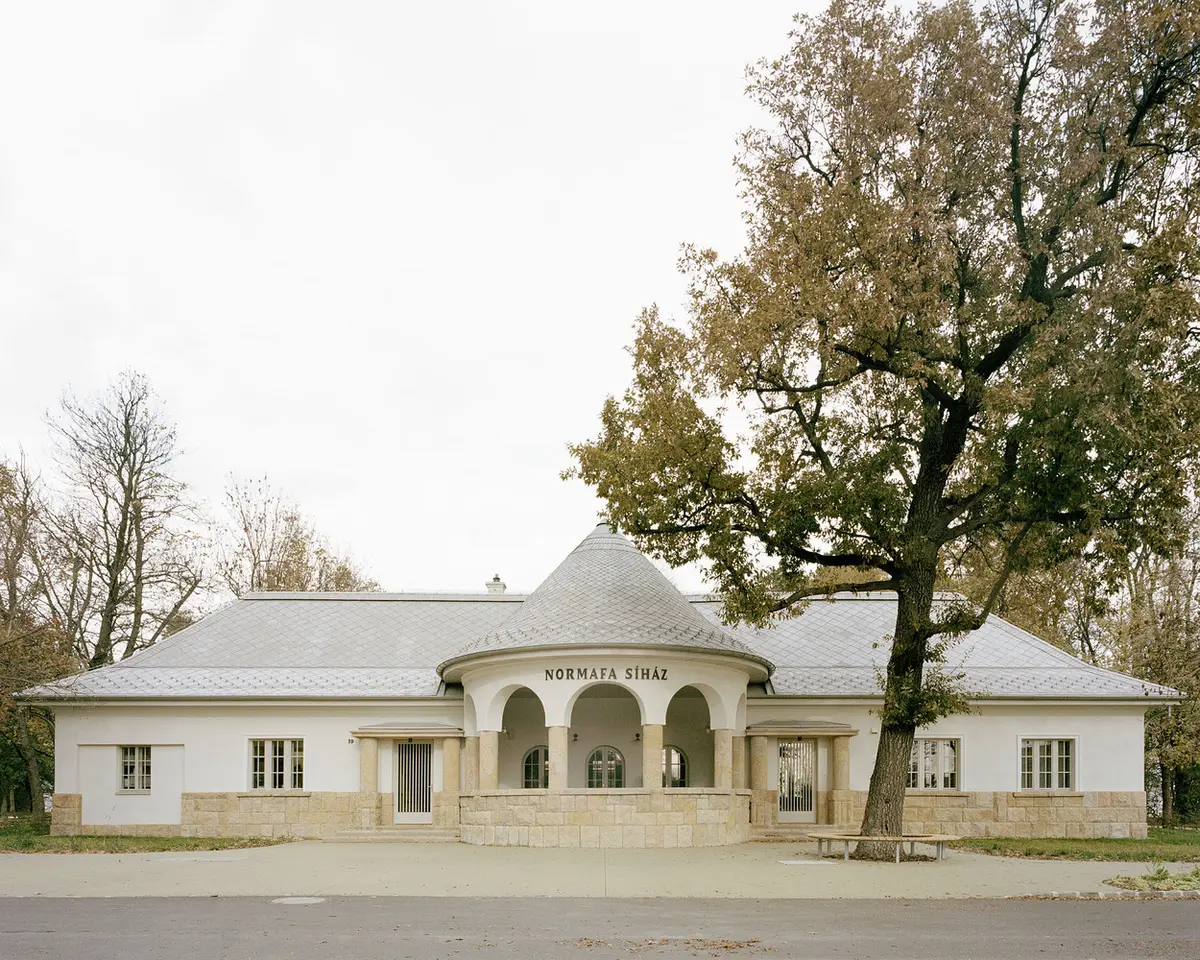
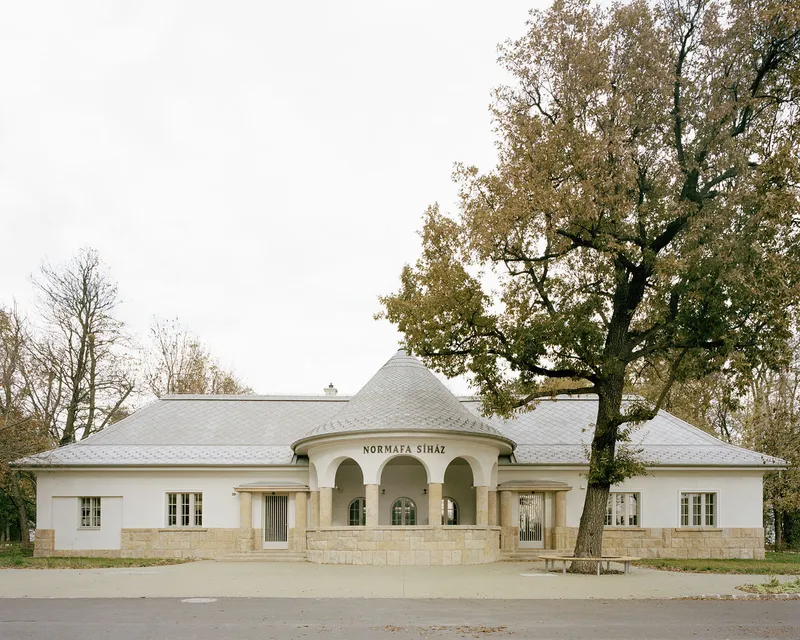
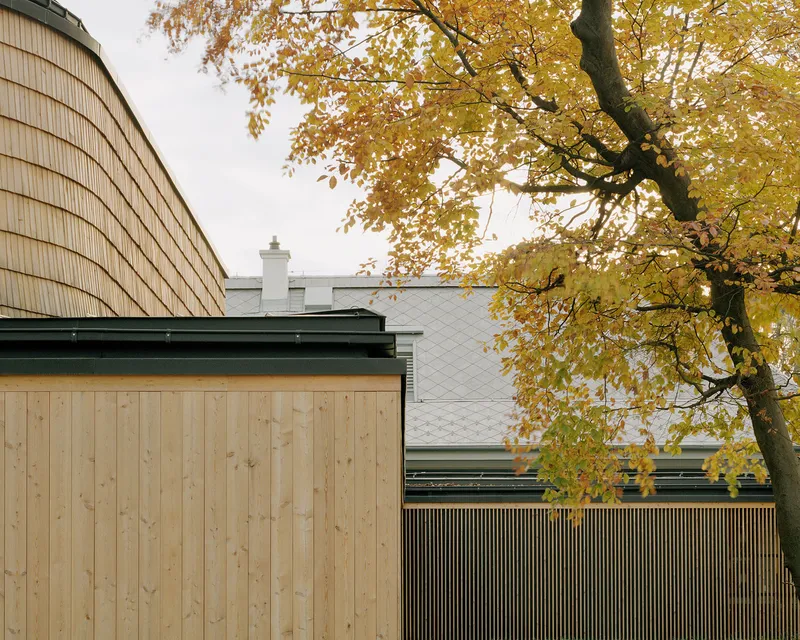
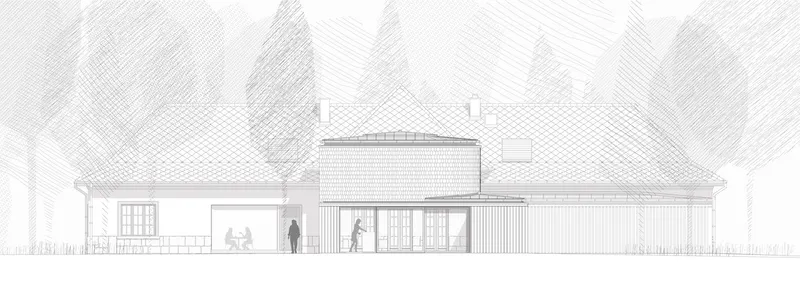
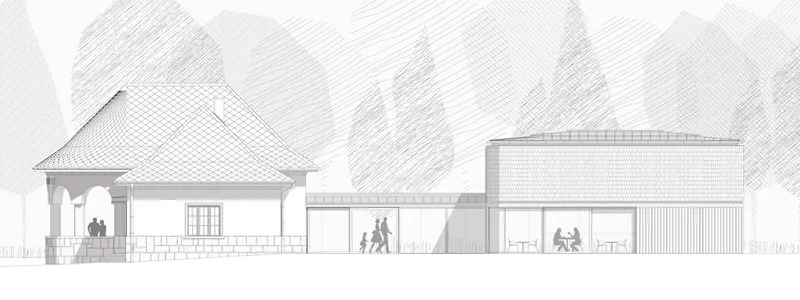
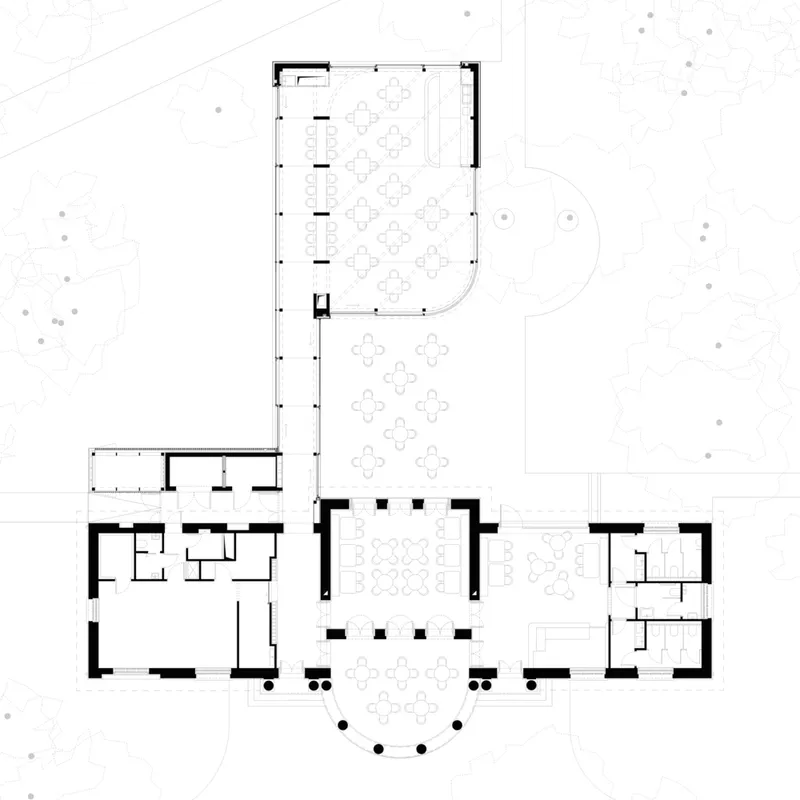
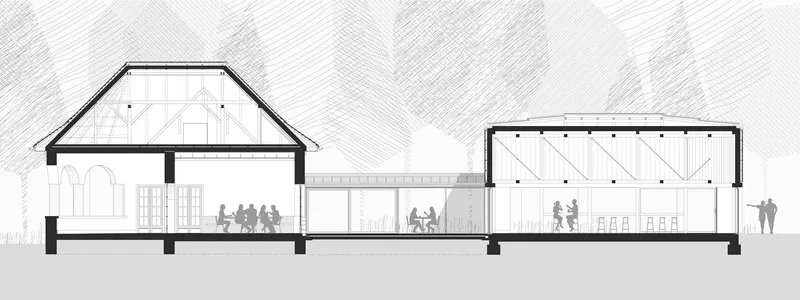
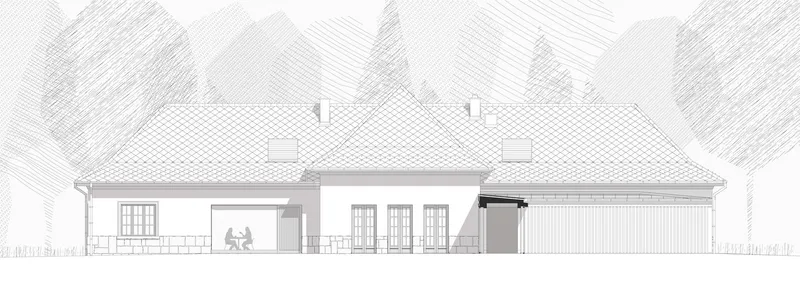
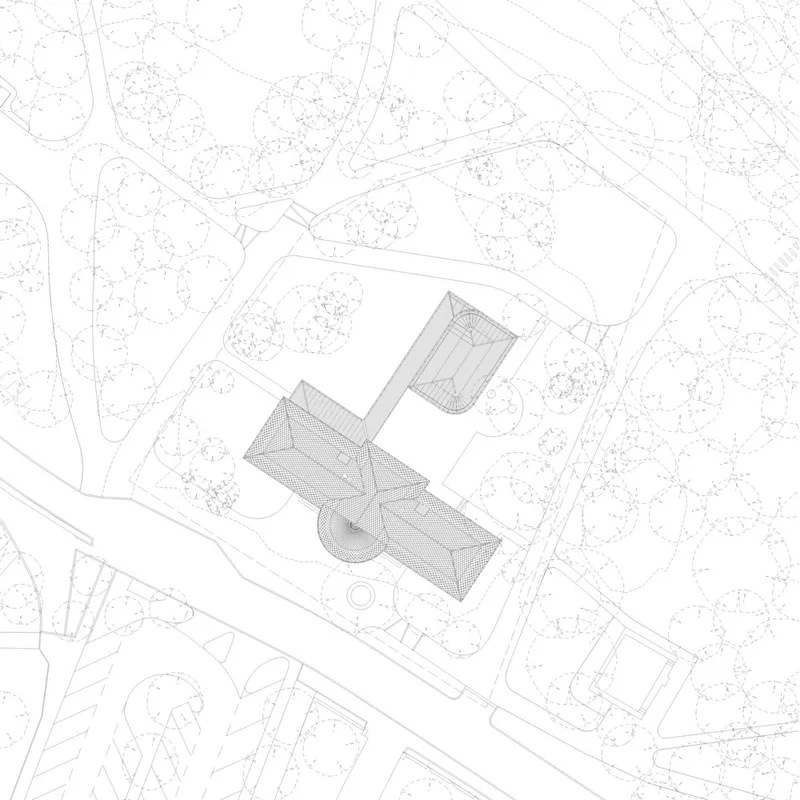
The renovation project was deeply committed to preserving the main facade and the mass of the Ski House, a protected local heritage site. The architects meticulously planned the restaurant's layout to mirror the original interior spaces, ensuring that the essence of the 1930s structure was kept intact. The service areas were strategically placed at the ends of the side wings, in alignment with the original plan, while the public spaces were situated in the central and most prominent part of the building.

A Contemporary Forest Pavilion
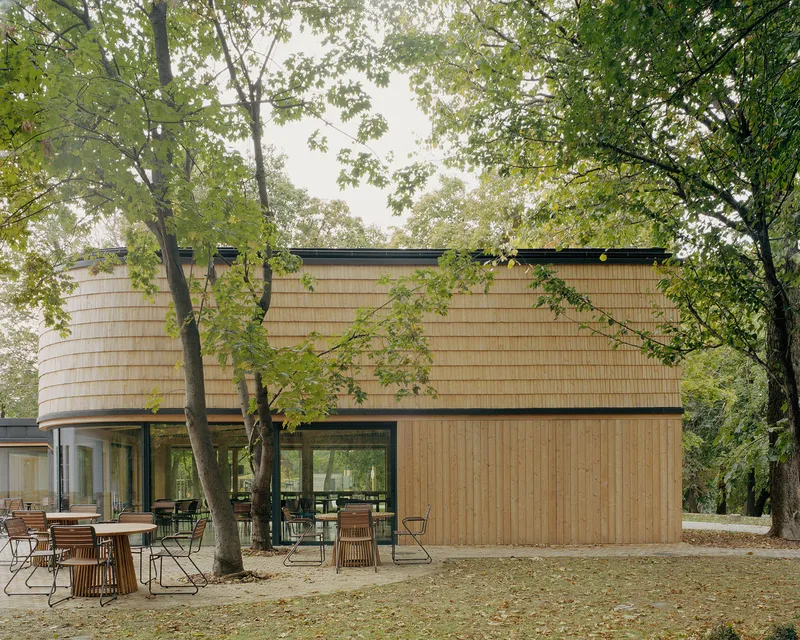
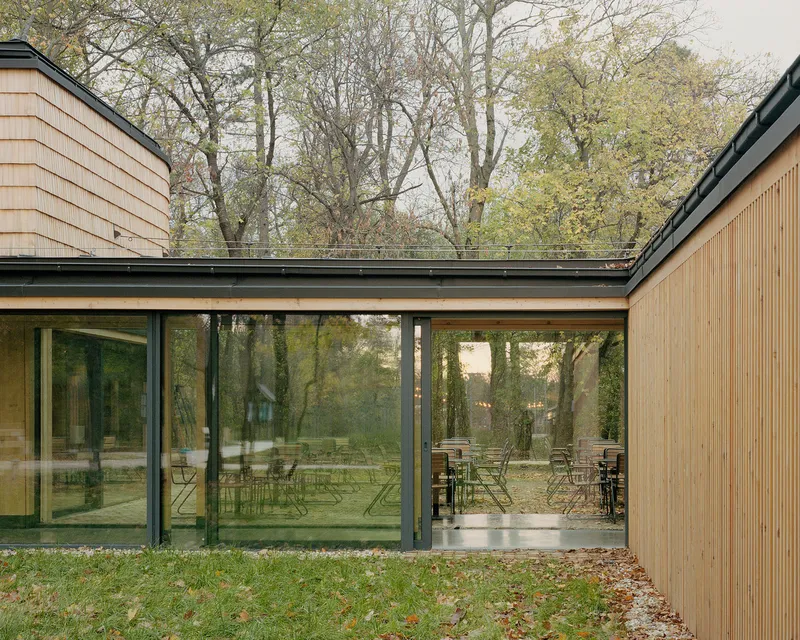
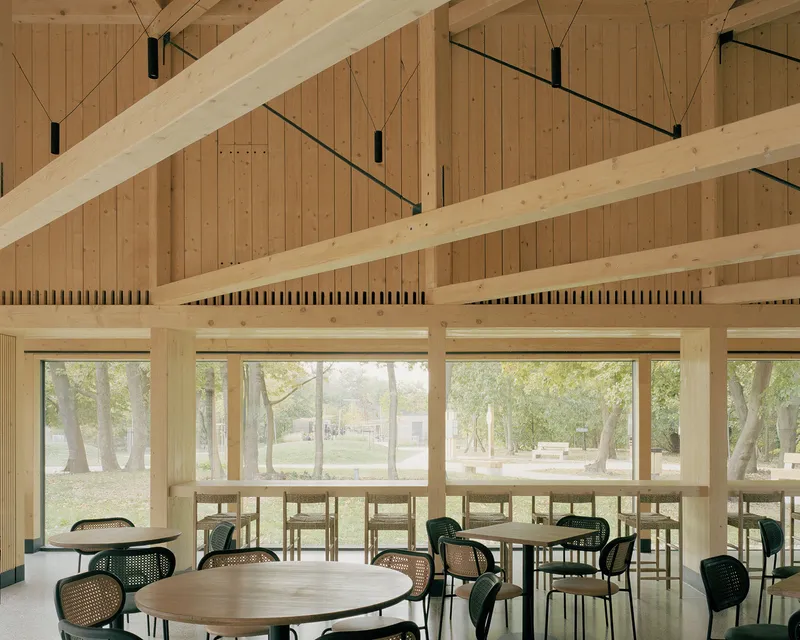
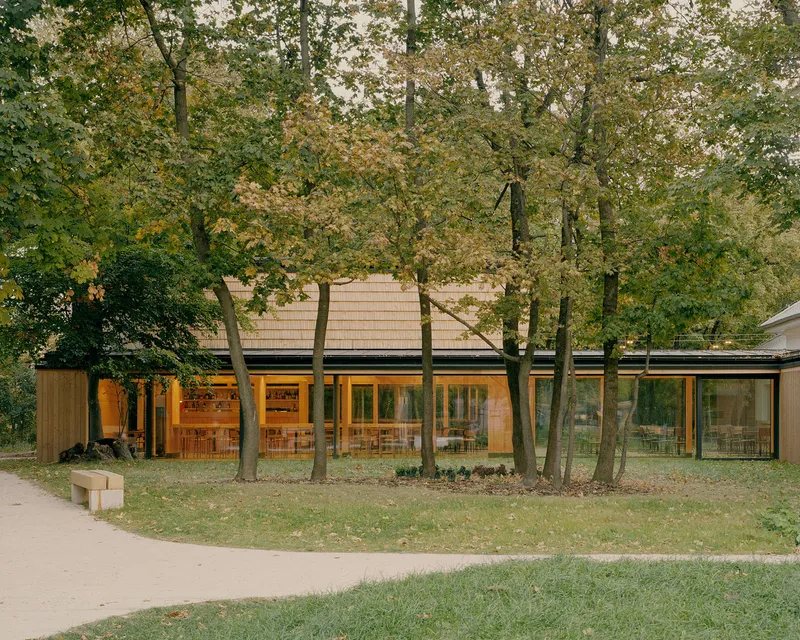
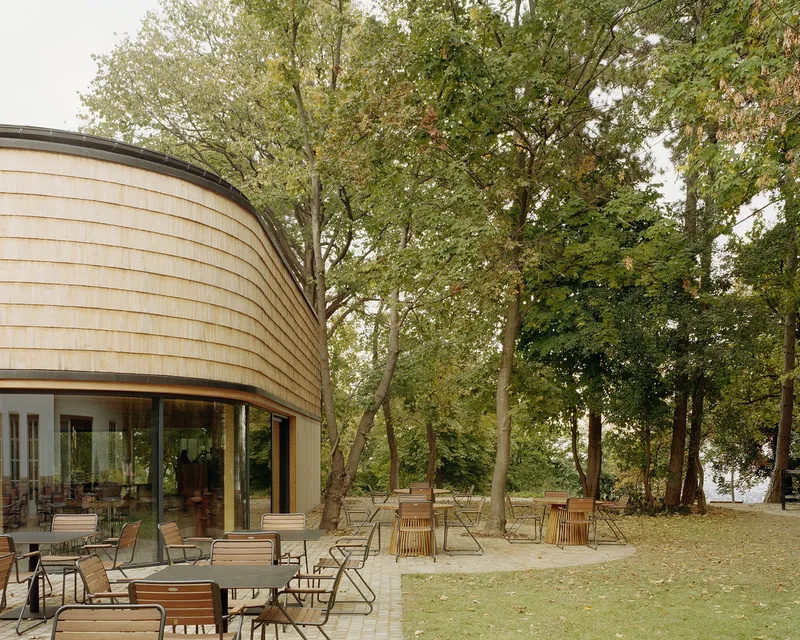
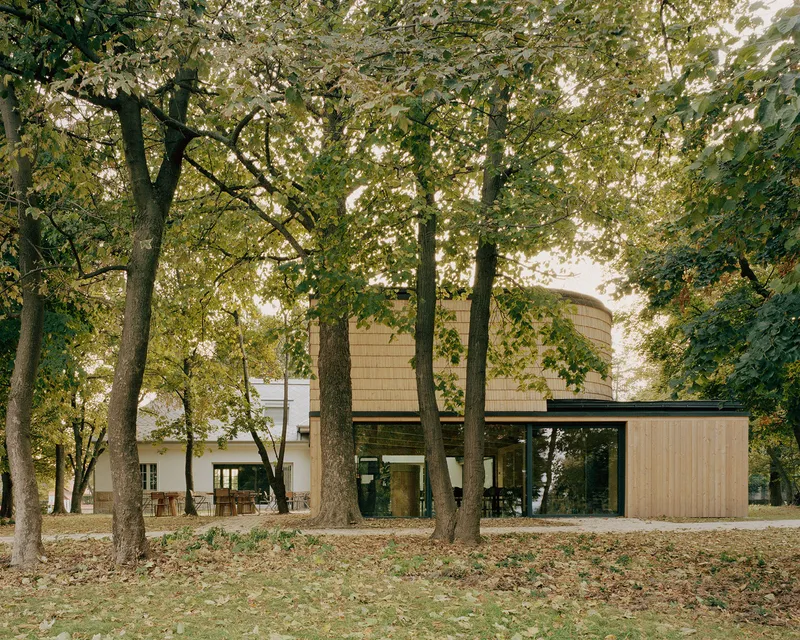
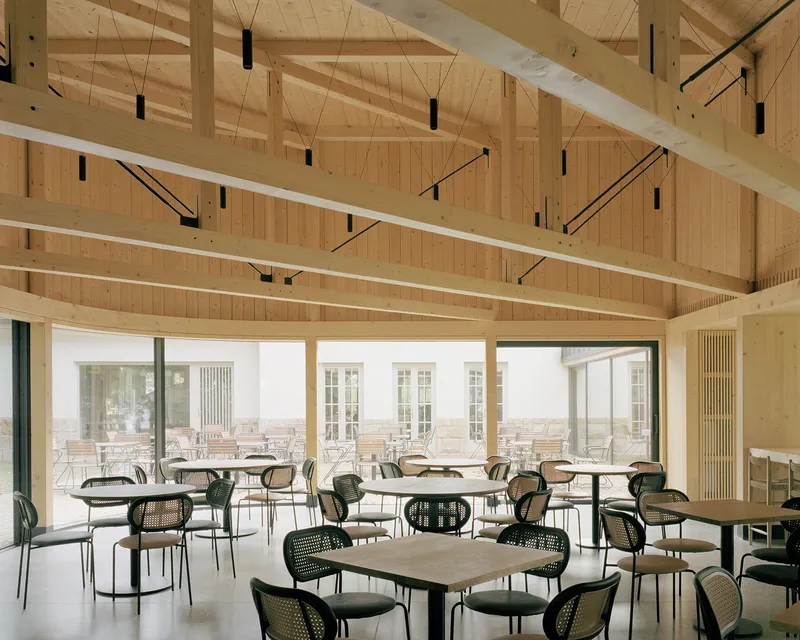
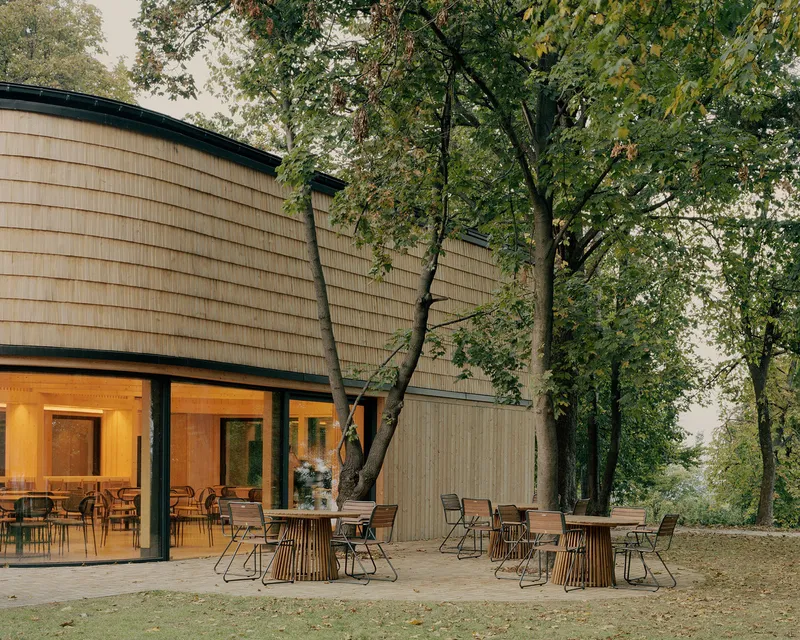
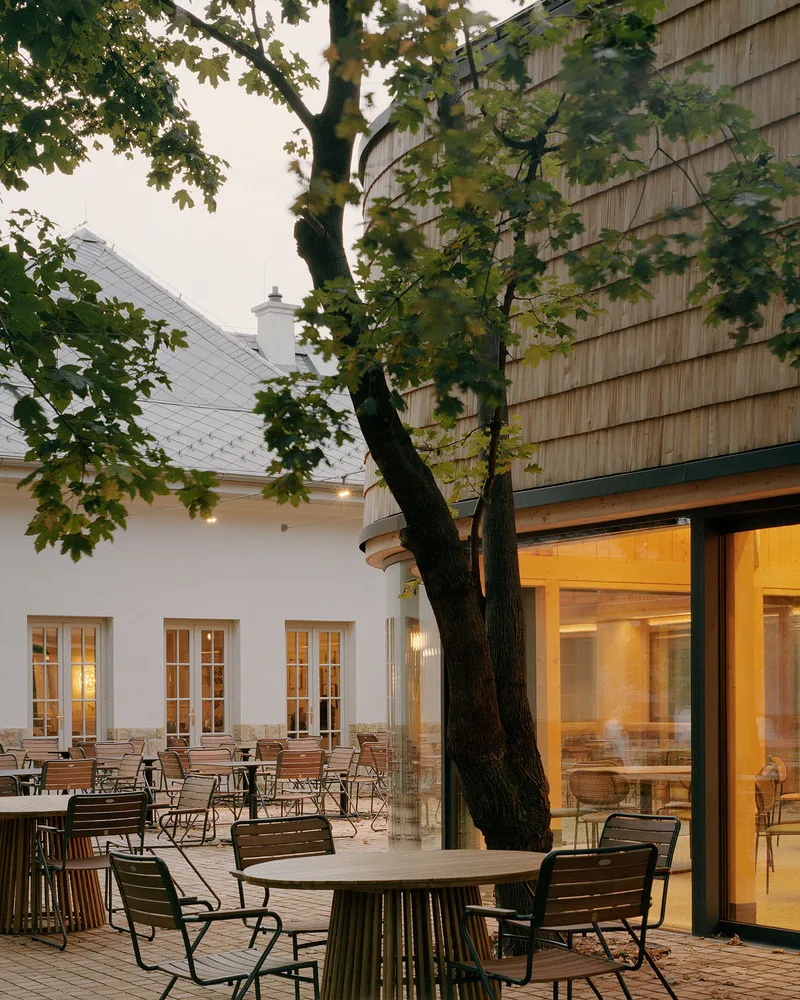
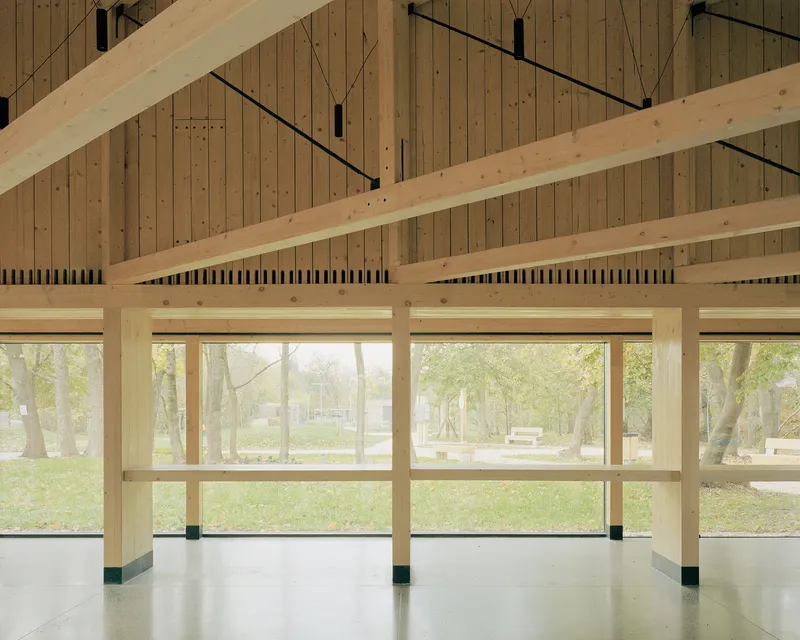
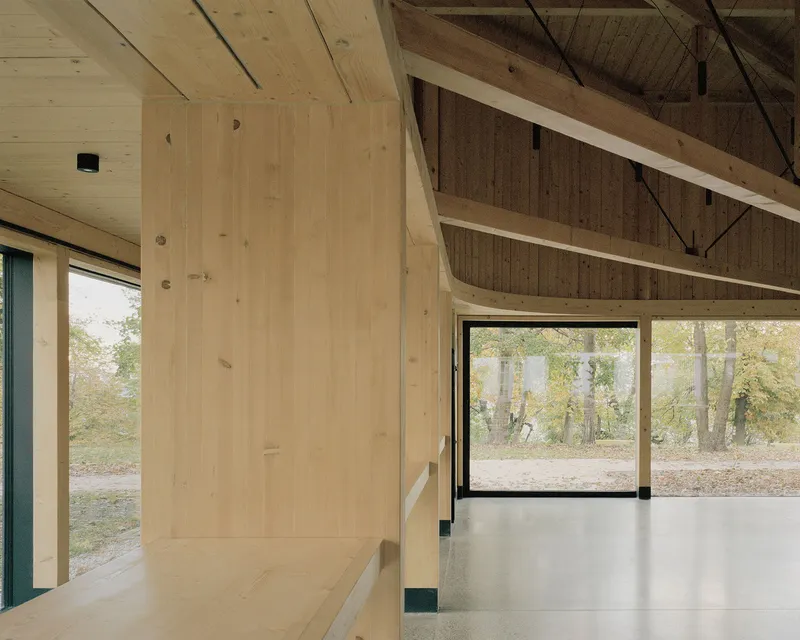
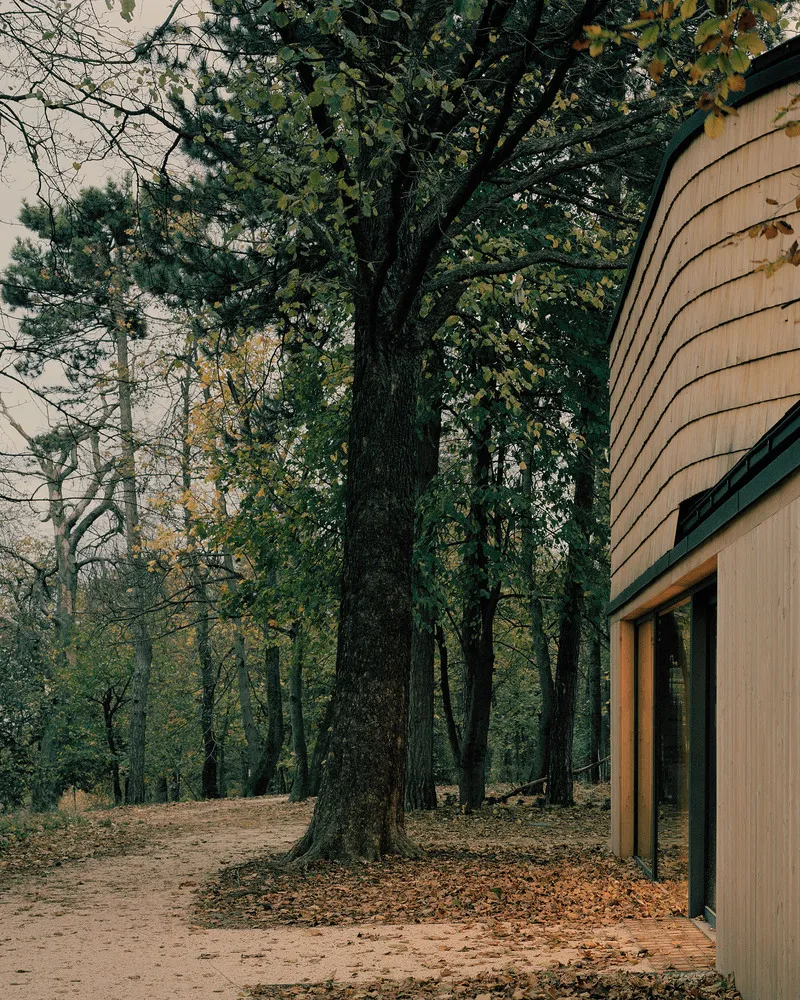
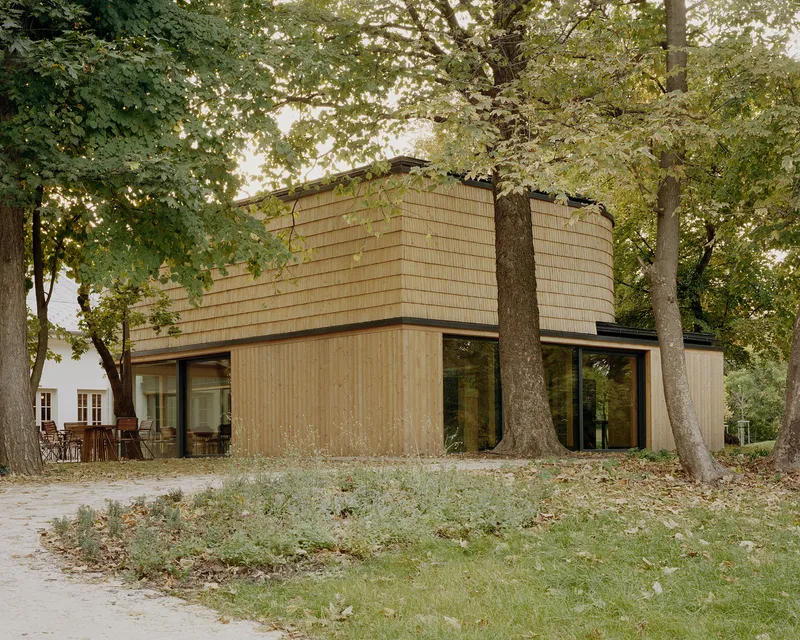
A significant addition to the Ski House is the new forest pavilion, designed to extend the usability of the public spaces. This pavilion, with its exposed wooden structure and the use of wood shingles, contrasts yet complements the "mountain villa" character of the main building. Its design is inspired by the relaxed and natural character of the valley and the forest it inhabits. The pavilion's retractable glass walls offer transparency and permeability, especially in the summer months, blending the indoor and outdoor experiences seamlessly.

Architectural and Natural Harmony
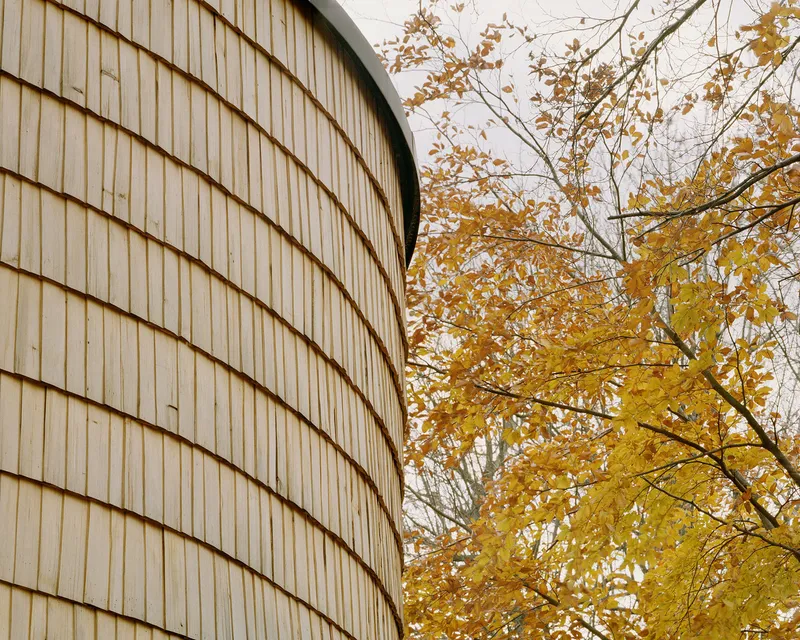
The new pavilion stands as a contemporary counterpoint to the historic Ski House, embodying a distinct architectural approach while sharing a deep connection with its natural surroundings. The natural aging process of the larch shingles will allow the pavilion to harmonize with the landscape over time, further bridging the gap between new and old.



A Synergy of History and Modernity
The Ski House renovation and extension project is a prime example of how architectural interventions can breathe new life into historic structures. By respecting the original character of the building and introducing modern elements that complement its natural setting, Hetedik Müterem and Studio Konstella have created a space that offers a unique dining experience. This project not only revitalizes a piece of Budapest's architectural heritage but also sets a precedent for future heritage renovation projects, proving that historical preservation and contemporary design can coexist in harmony.

All photographs are work of Balázs Danyi


Popular Articles
Popular articles from the community


Conexión: Biophilic Design Reimagines High-Rise Living in Hong Kong
Conexión reimagines high-rise living in Hong Kong through biophilic design, green facades, shared spaces, daylight, water and nature within.

Co-life: Sustainable Architecture for Age-Friendly Community Living
Co-life reimagines sustainable architecture for seniors through courtyards, rammed earth, shared gardens, and spaces designed for belonging.

Co-Life: Senior Housing Design That Reconnects Older Adults With the City
Co-Life reimagines senior housing design through healing gardens, shared streets, workshops, and a sustainable community across generations.

ALGAL REALM: A Bio-Integrated Lunar Habitat Design for Life Beyond Earth
ALGAL REALM reimagines lunar habitat design with algae-powered life support, 3D-printed regolith, and vertical living for a lunar future.

Similar Reads
You might also enjoy these articles


Hodi-Mandai Geram
Project Function: Preservation and revitalization of the Intangible heritage and socio-spatial identity of the Hodi by Housing, Cultural Memory Center, Sacred Grove, landscape, local tourism economy


Olio Towers: A Mid-Rise for Performers That Fuses Housing, Rehearsal, and Stage
Located blocks from Houston's Theater District, this modular tower stacks living units around a central performance atrium.

Oasis: Modular Green Housing Carved into Dhaka's Urban Fabric
A shortlisted Plugin Housing entry reclaims unauthorized settlements in Dhaka with stepped concrete volumes, green roofs, and ventilation-driven design.

Black Hole: A Floating Megastructure for the Post-Physical Era
Emiliano Mazzarotto envisions a spherical, self-scaling arena where e-sports, digital hotels, and holographic stadiums replace traditional public space.

Explore Architecture Competitions
Discover active competitions in this discipline

Challenge to reimagine the Iron Throne

Photograph architecture without architects

Illustrate the lost glory of Angkor Wat - Render Challenge

Design challenge to reuse E-waste
Comments (0)
Please login or sign up to add comments
No comments yet. Be the first to comment!