
SkyGarden House: A Sustainable Urban Architecture Masterpiece in Nha Trang, Vietnam
SkyGarden House showcases sustainable urban architecture, blending natural elements with modern design to create energy-efficient, eco-friendly living spaces.


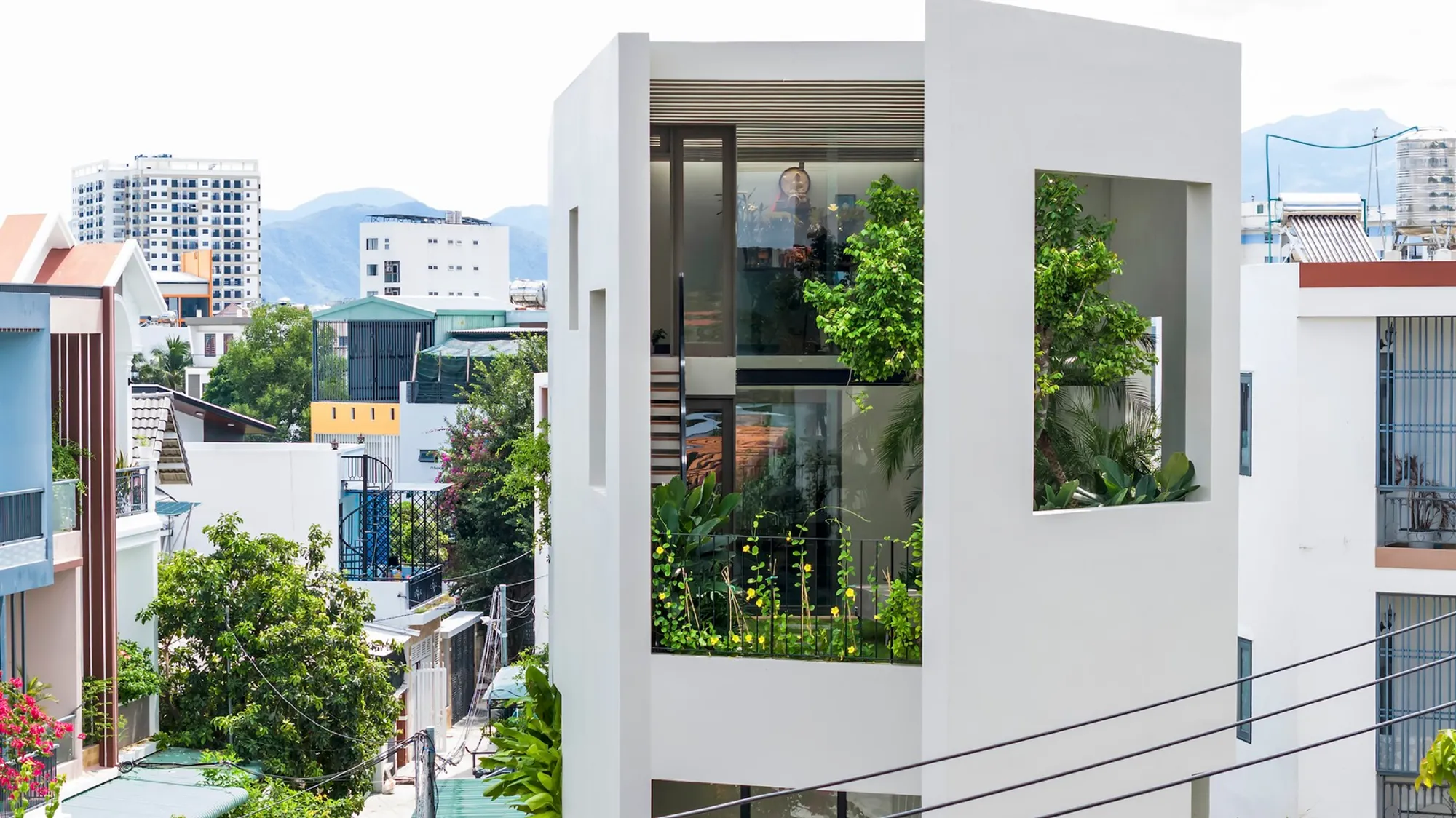
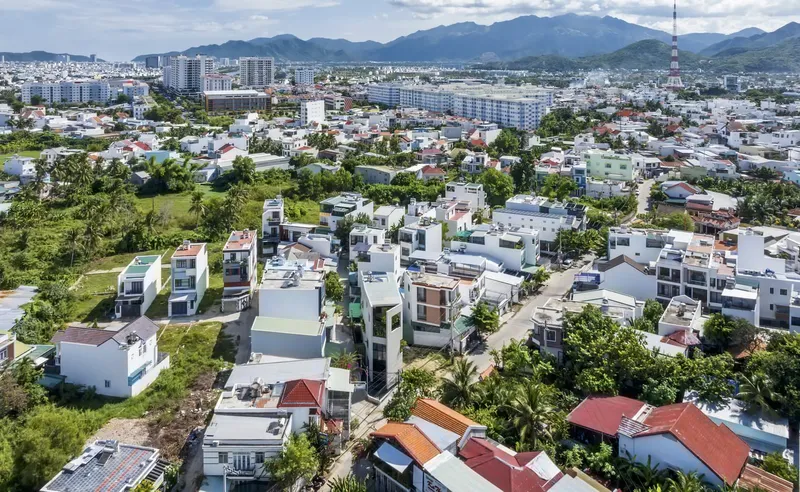
SkyGarden House, designed by Pham Huu Son Architects, is an exemplary model of sustainable urban architecture in Nha Trang, Vietnam. Completed in 2023, this 400 m² townhouse redefines urban living by integrating nature, optimizing space, and reducing energy consumption. Situated in the heart of Nha Trang City, a region known for its tropical climate and distinctive wet and dry seasons, the SkyGarden House showcases how architects can harmonize modern living with environmental consciousness.
The Challenge of Urban Living in Limited Spaces
Designing for Functionality in Crowded Urban Areas
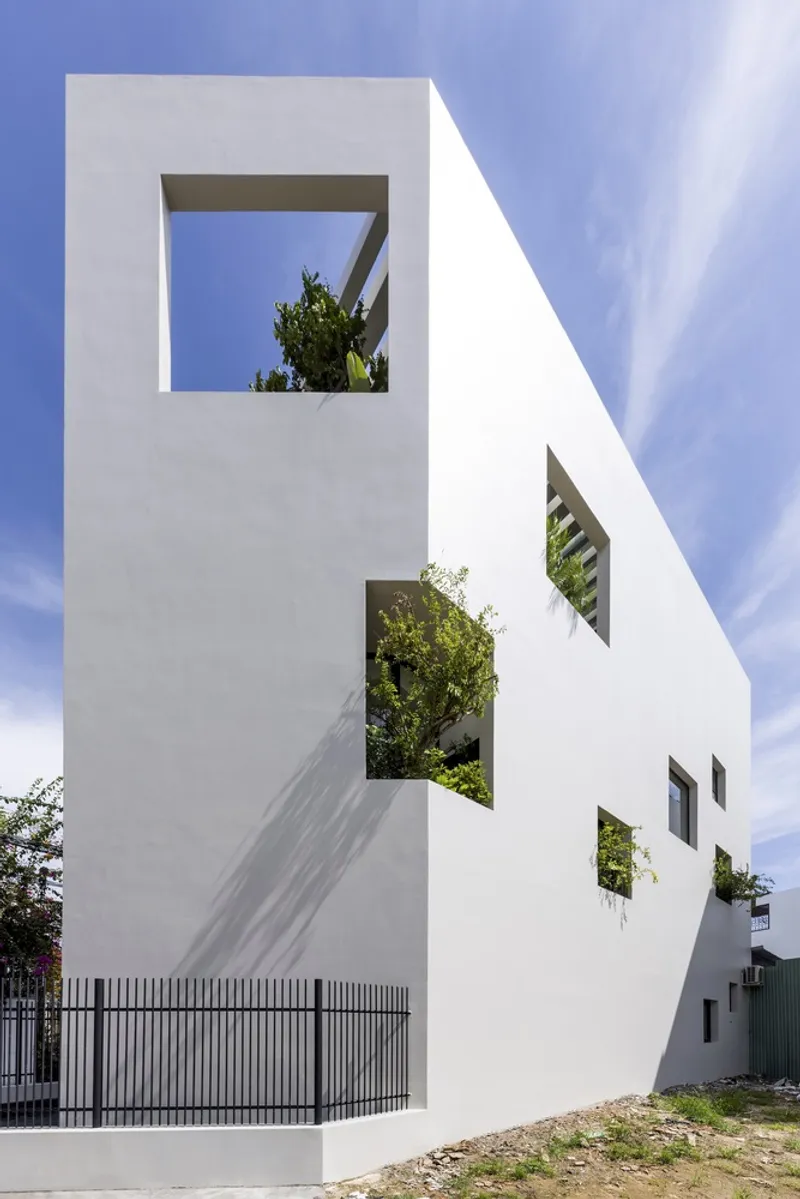
Vietnam's urban growth presents a pressing challenge for architects aiming to create homes that meet diverse functional needs while fitting within limited spaces. The SkyGarden House was built on a 100 m² non-square plot of land, which added complexity to the design process. Despite these constraints, Pham Huu Son Architects used their innovative approach to design a home that seamlessly blends indoor comfort with outdoor natural elements. This sustainable urban architecture solution not only serves as a practical dwelling but also as an ecological haven that fosters a deep connection with nature.
Natural Light and Airflow: Key Components of Sustainability
Maximizing Natural Resources to Reduce Energy Consumption
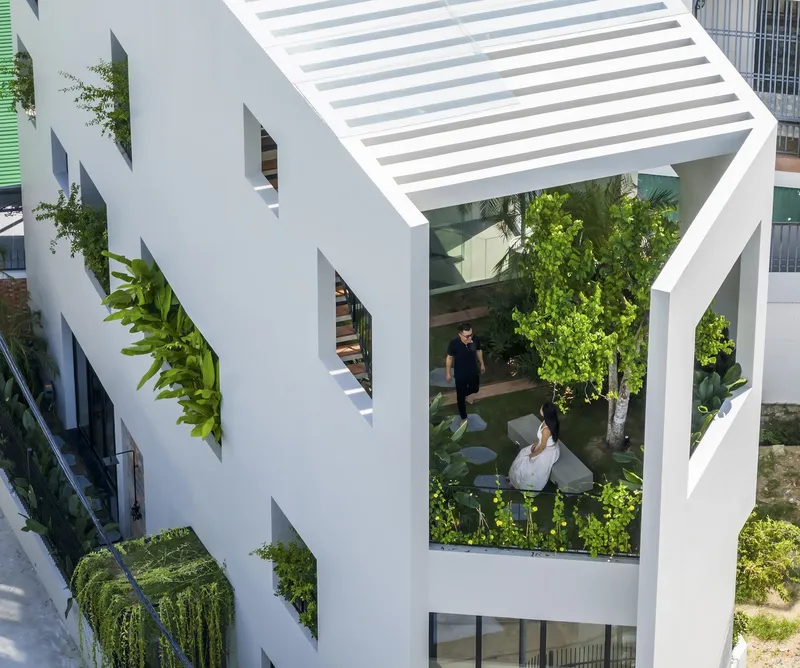
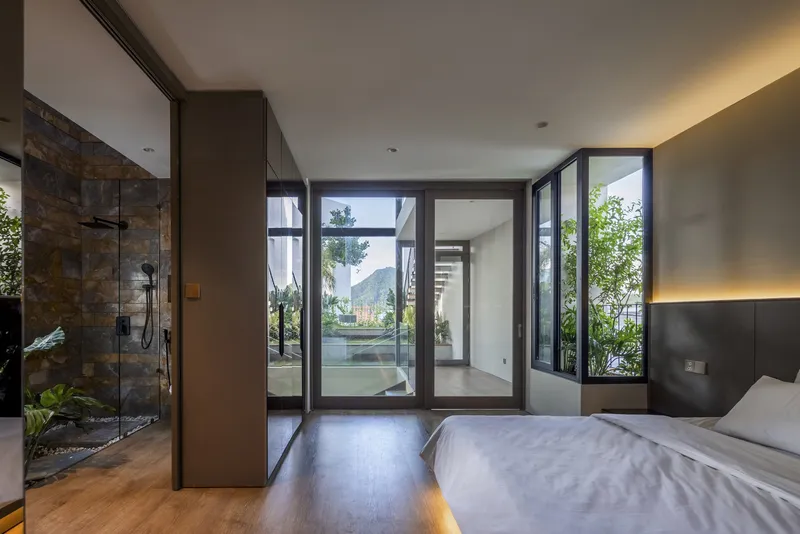
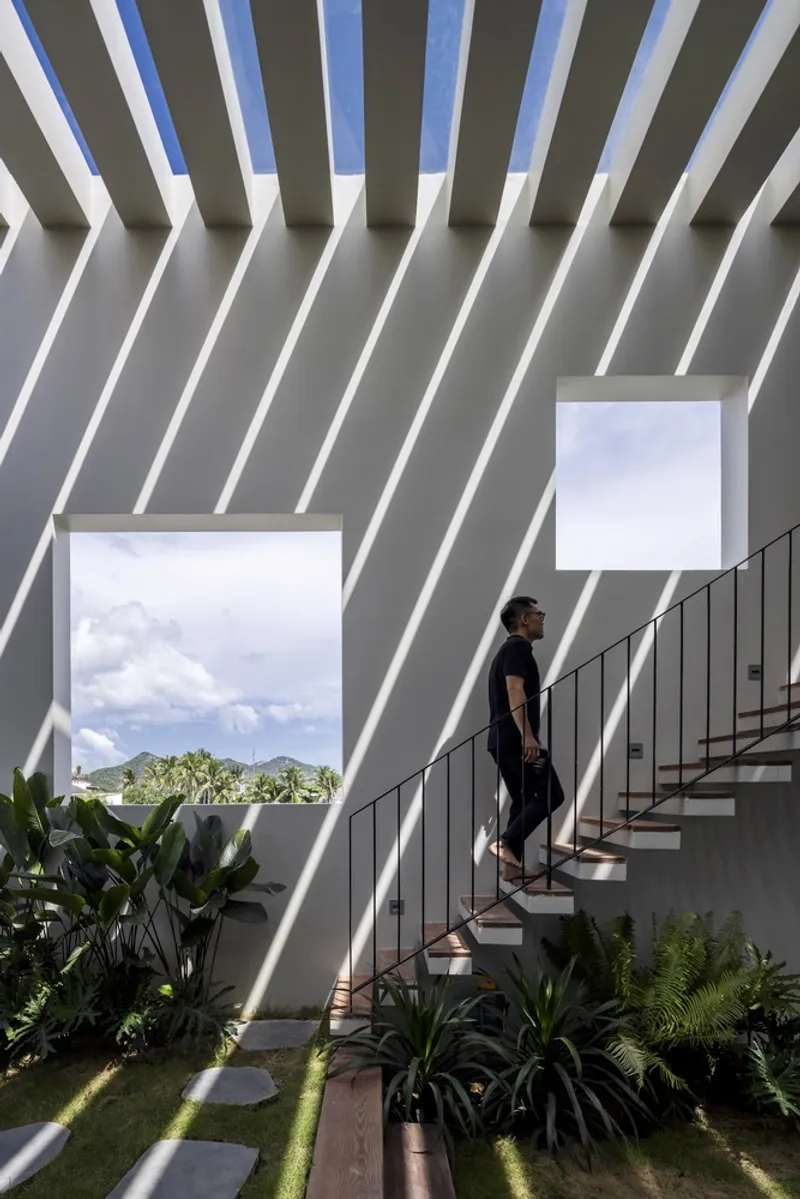
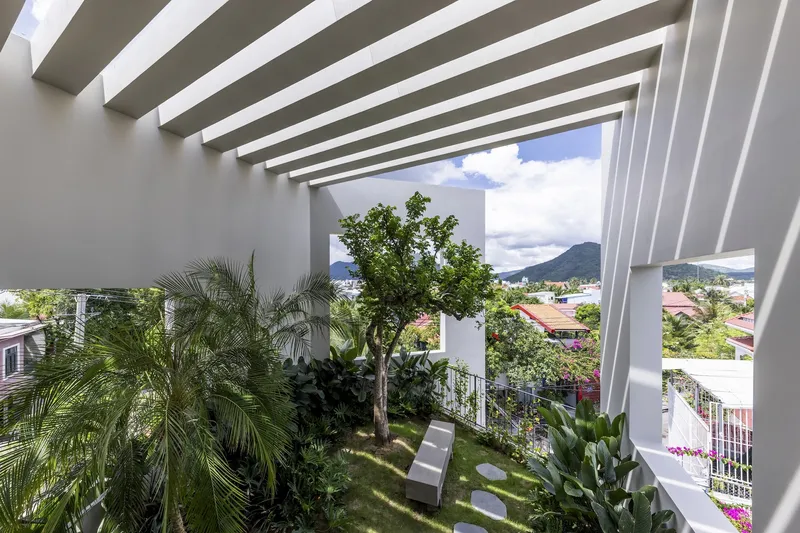
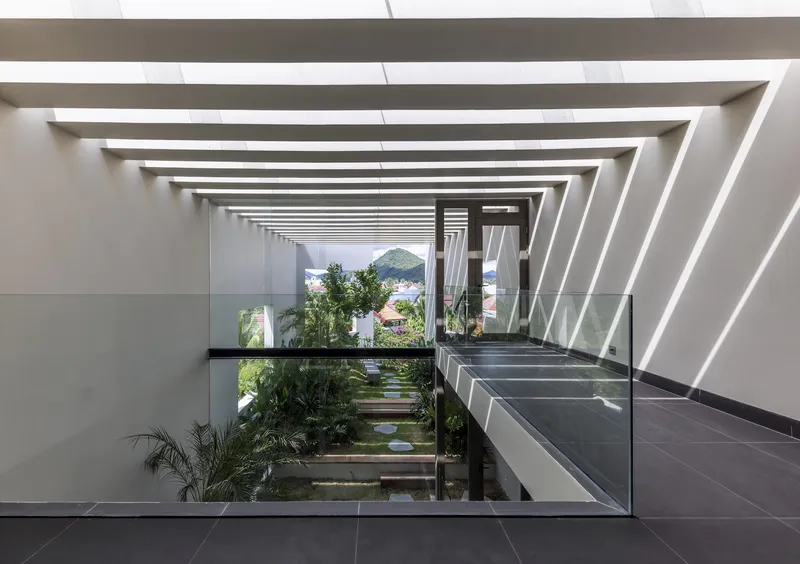
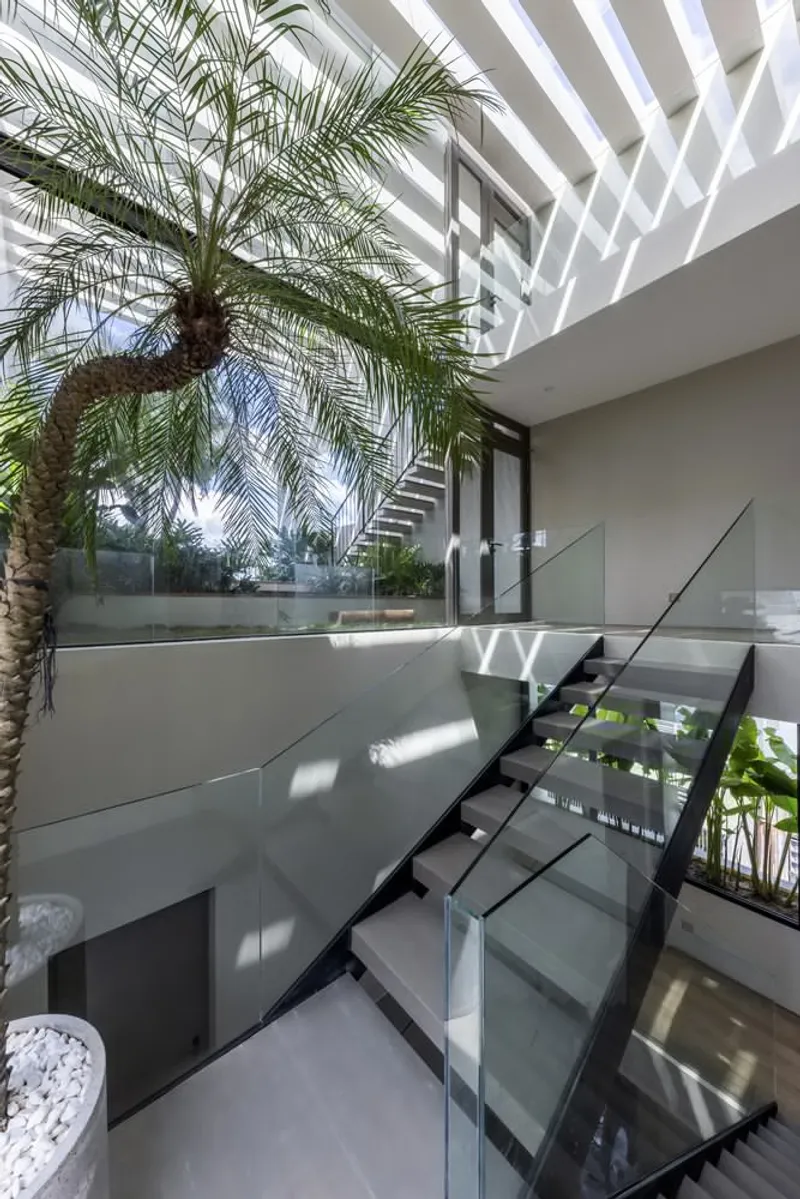
One of the standout features of the SkyGarden House is its use of natural light. Through expansive glass panels, a central skylight above the staircase, and numerous glass doors, the home minimizes reliance on artificial lighting. This design choice significantly cuts energy consumption while providing a dynamic play of light throughout the day. The strategic placement of these architectural elements fosters a connection to the outdoors and helps reduce the need for electrical lighting, which is a hallmark of sustainable urban architecture.
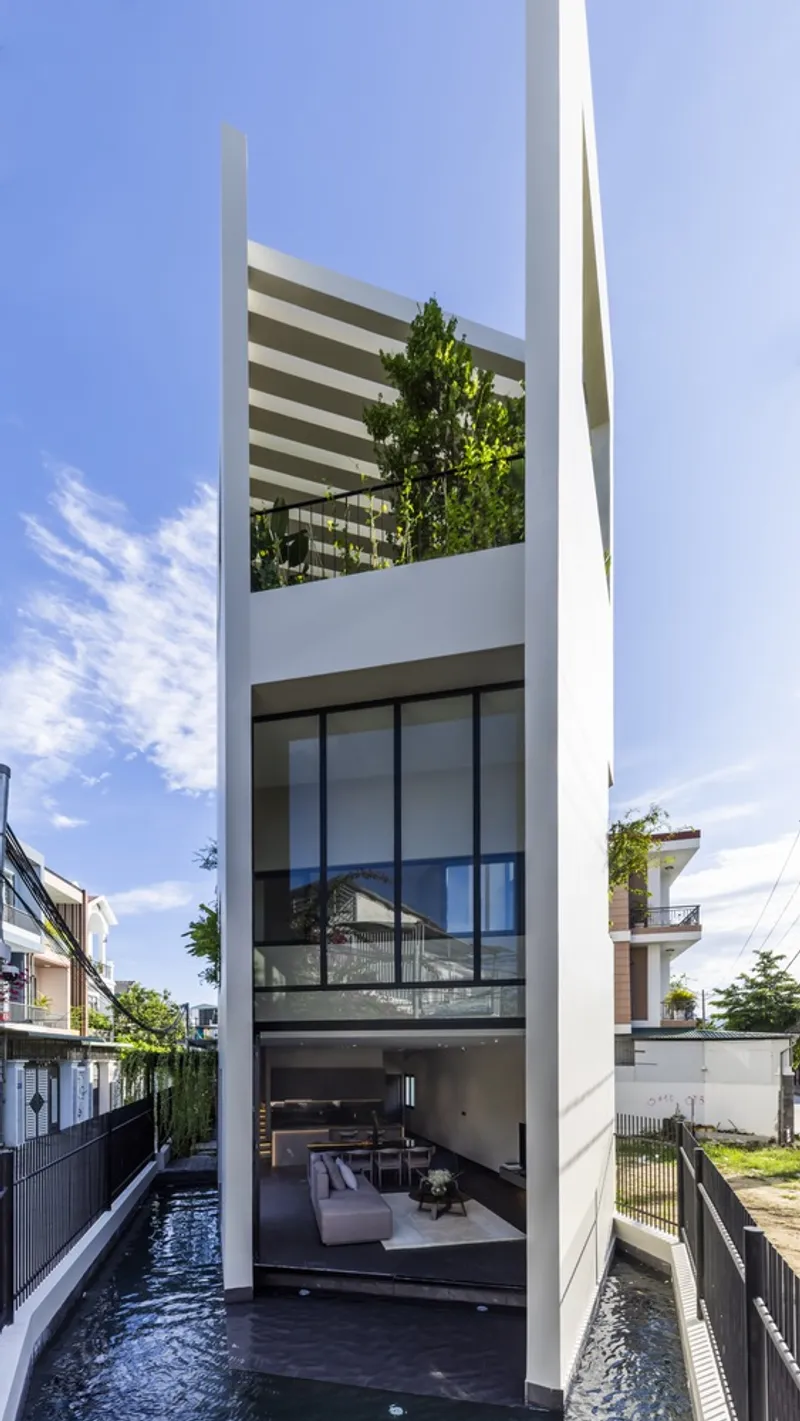
Additionally, the house incorporates advanced ventilation strategies to counter the challenges of the heat-absorbing nature of glass materials. To combat heat buildup, the architects divided the glass into multiple layers with air gaps in between, allowing for natural airflow that cools the interior. This sustainable approach eliminates the need for mechanical air conditioning, showcasing an energy-efficient design solution ideal for tropical climates.
Green Spaces: Integrating Nature into Urban Design
Bringing the Outdoors In for Improved Air Quality and Privacy
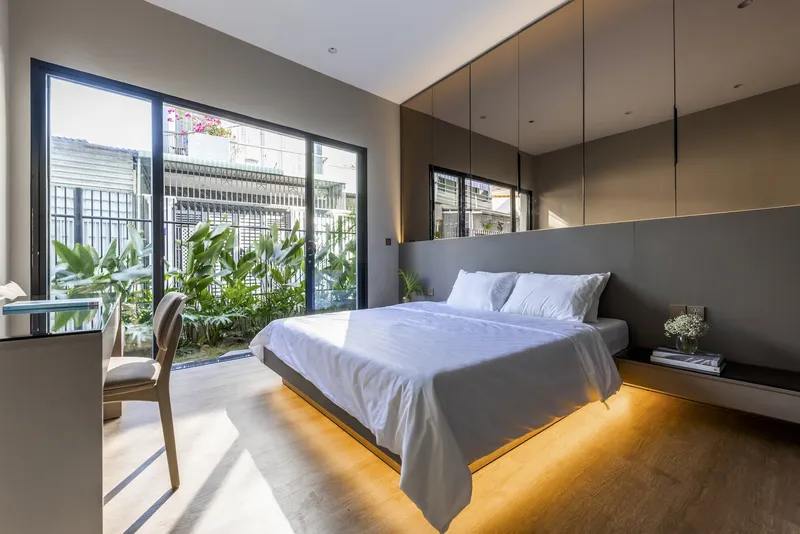
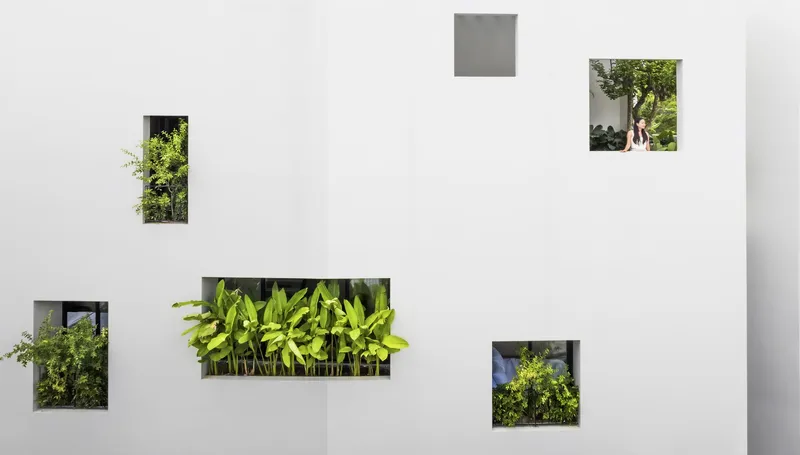
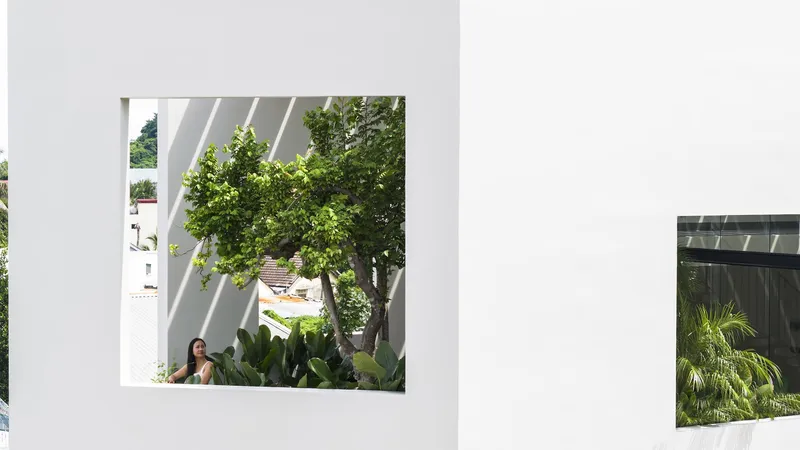
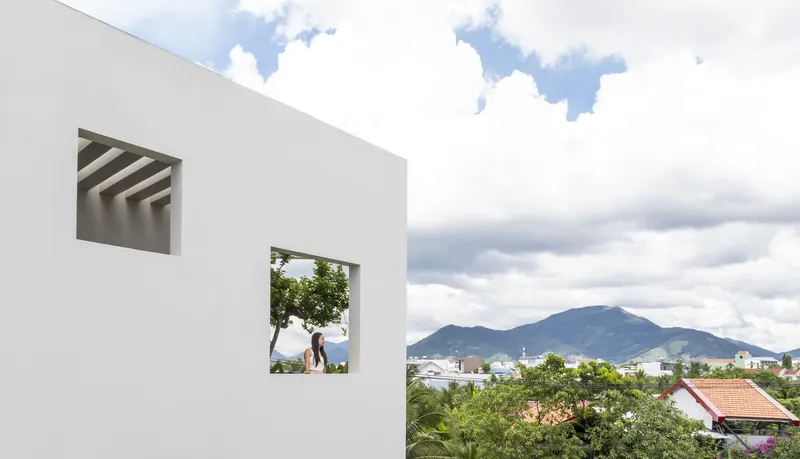
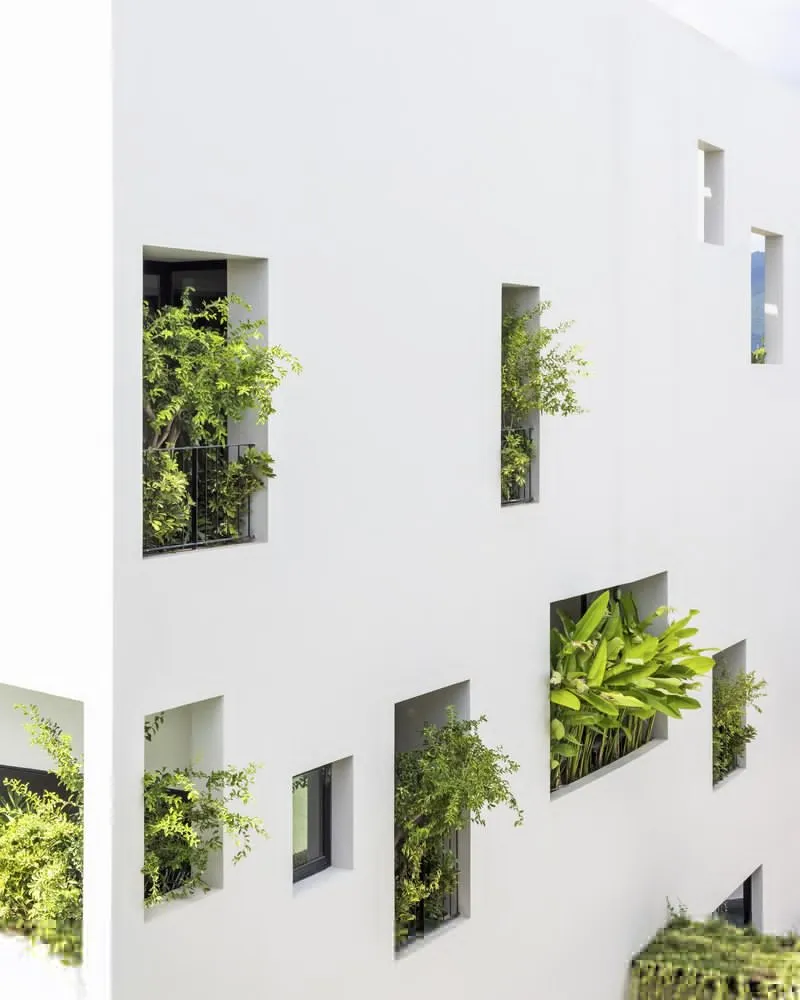
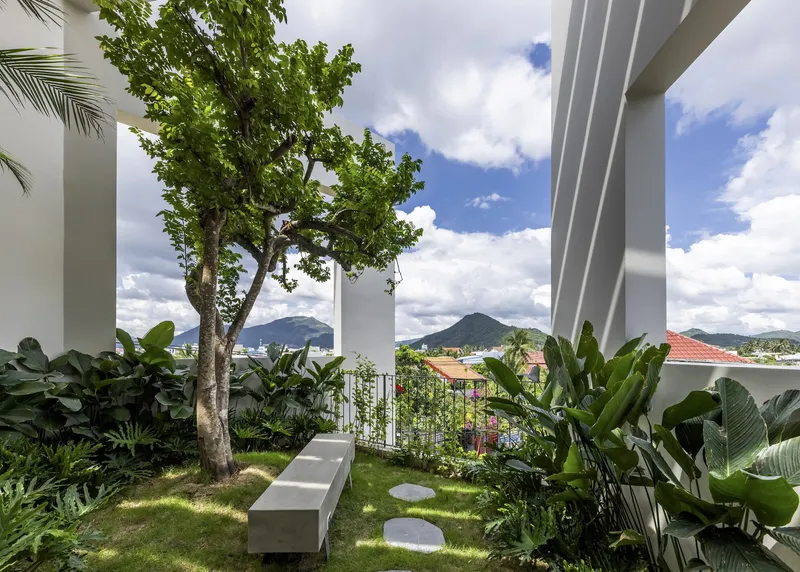
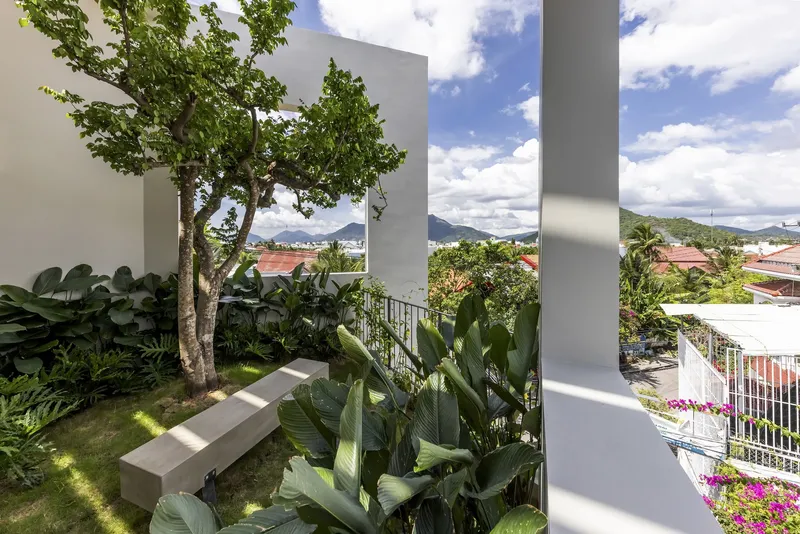
The SkyGarden House introduces greenery in unexpected ways. Green spaces are strategically placed around bedrooms and sanitary areas, creating an indoor garden atmosphere that not only improves air quality but also enhances privacy. This design solution addresses the challenges of city living by offering a sense of tranquility and connection to nature. The master bedroom, located on the third floor, is transformed into a green sanctuary, with lush views visible through expansive glass walls that merge the indoor and outdoor spaces.
The surrounding garden not only provides privacy but also helps to filter dust and improve air quality, making it an essential aspect of sustainable urban architecture. This integration of green elements reduces the environmental footprint of the home while offering its inhabitants a healthier and more serene living environment.
Privacy and Comfort with Minimalist Design
Crafting a Luxurious Yet Functional Living Space
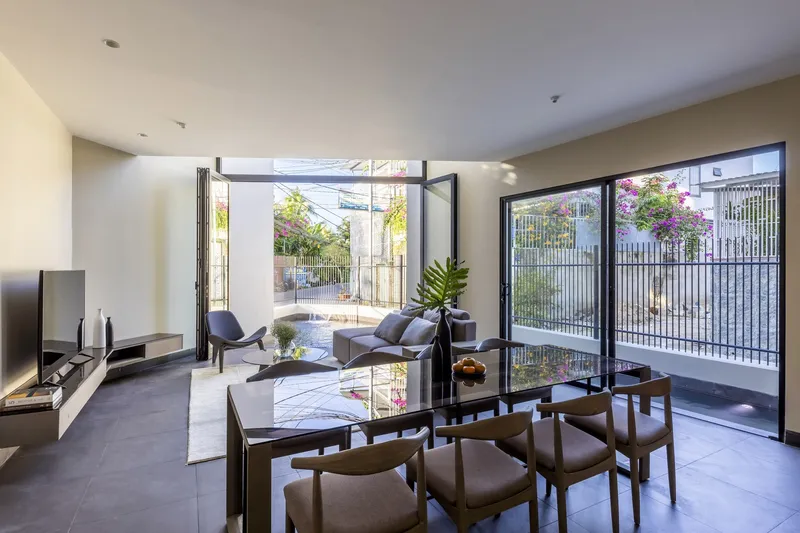
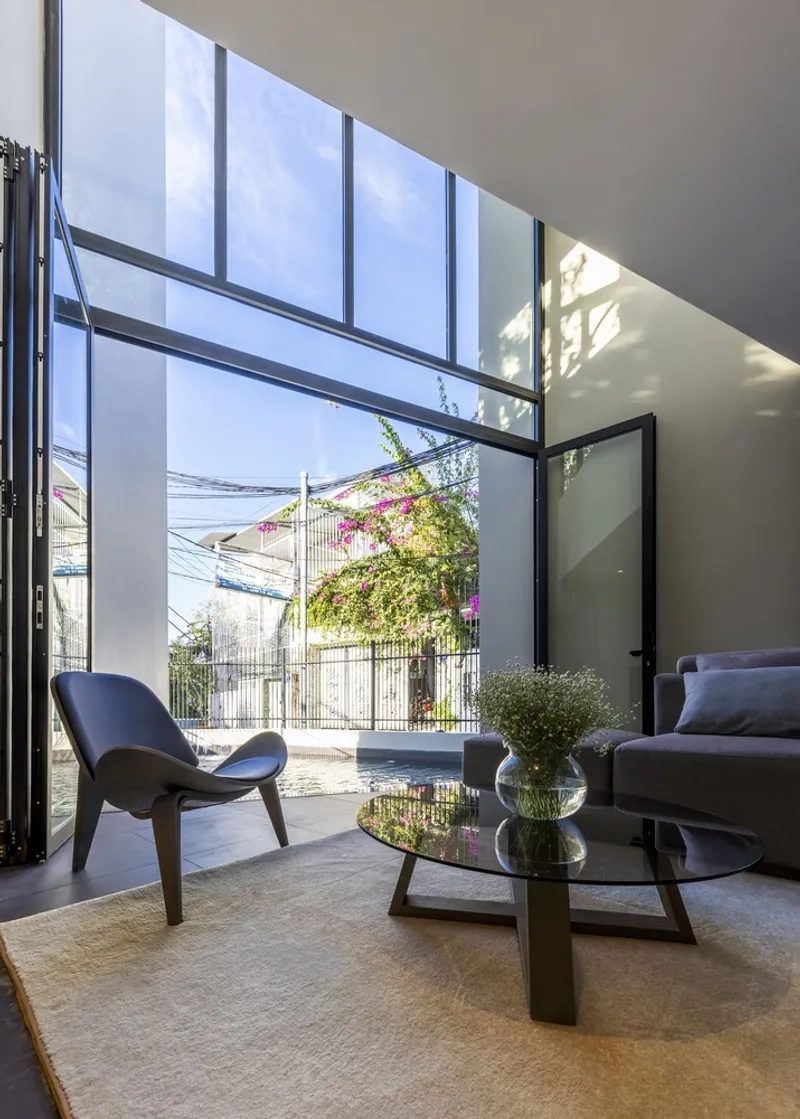
The minimalist interior design of the SkyGarden House focuses on simplicity, warmth, and functionality. The use of reflective glass and neutral tones creates a calm and expansive atmosphere. By combining functional elements with aesthetic appeal, the interior layout maximizes space without compromising on comfort or style.
Large glass walls enhance the home's openness while offering unobstructed views of the surrounding natural beauty. The living room and kitchen area are designed to provide a seamless connection with the outdoor pool, which acts as both a visual focal point and a cooling element for the interior space on hot days. This thoughtful design ensures that every area within the home is connected to the larger context of nature, offering both privacy and an extraordinary living experience.
SkyGarden House as a Model for Sustainable Urban Architecture
Redefining Urban Living Through Environmental and Functional Design
SkyGarden House is not just a residence; it is a visionary project that embodies sustainable urban architecture. With its innovative use of natural resources, strategic placement of greenery, and minimalist design principles, it sets a new standard for urban homes in tropical climates. The home minimizes energy consumption, enhances indoor air quality, and maximizes the residents' connection to nature, all while maintaining privacy and luxury in a densely populated urban environment.
By embracing sustainability and environmental consciousness in its design, SkyGarden House stands as a testament to what is possible when architecture and nature coexist harmoniously. It offers a glimpse into the future of urban living, where sustainability is not just a trend but a necessity
All photographs are work of Hiroyuki Oki




Popular Articles
Popular articles from the community


The Ocean Hive: Sustainable Architecture for a Self-Sufficient Civilization at Sea
The Ocean Hive imagines sustainable architecture at sea, where modular habitats, algae, wave power and ocean waste sustain a growing colony.

The Musturak Paradise: Senior Living Architecture for a Connected Future in Temara, Morocco
The Musturak Paradise reimagines senior living architecture in Temara via private homes, social spaces, culture, community, and shared care.

Hill & Cross Opera: Sculptural Opera House Architecture Shaped by Tallinn’s Landscape and Identity
Hill & Cross Opera reimagines opera house architecture in Tallinn through its sculptural hill, civic plaza, glass wave and a luminous cross.

Co-life: Sustainable Architecture for Age-Friendly Community Living
Co-life reimagines sustainable architecture for seniors through courtyards, rammed earth, shared gardens, and spaces designed for belonging.


Similar Reads
You might also enjoy these articles


Hodi-Mandai Geram
Project Function: Preservation and revitalization of the Intangible heritage and socio-spatial identity of the Hodi by Housing, Cultural Memory Center, Sacred Grove, landscape, local tourism economy


Olio Towers: A Mid-Rise for Performers That Fuses Housing, Rehearsal, and Stage
Located blocks from Houston's Theater District, this modular tower stacks living units around a central performance atrium.

Oasis: Modular Green Housing Carved into Dhaka's Urban Fabric
A shortlisted Plugin Housing entry reclaims unauthorized settlements in Dhaka with stepped concrete volumes, green roofs, and ventilation-driven design.

Black Hole: A Floating Megastructure for the Post-Physical Era
Emiliano Mazzarotto envisions a spherical, self-scaling arena where e-sports, digital hotels, and holographic stadiums replace traditional public space.


Explore Architecture Competitions
Discover active competitions in this discipline



Challenge to reimagine the Iron Throne


Photograph architecture without architects


Illustrate the lost glory of Angkor Wat - Render Challenge


Design challenge to reuse E-waste
Comments (0)
Please login or sign up to add comments
No comments yet. Be the first to comment!