
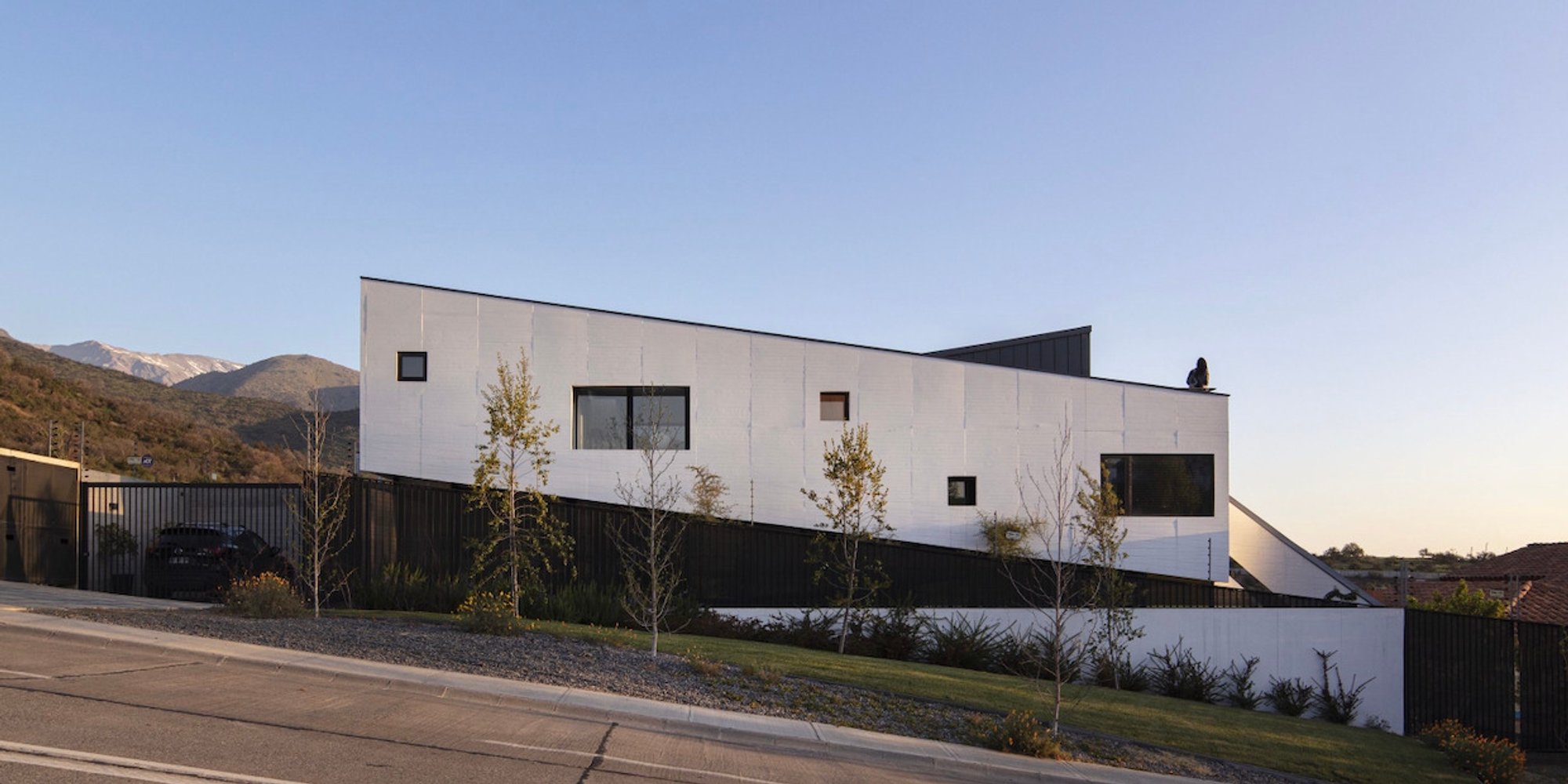
Sloping House by Claudio Santander & María Inés Buzzoni: A Seamless Integration with the Landscape
Sloping House blends modern architecture with Santiago’s terrain, featuring open spaces, minimalist materials, and seamless integration with the landscape.

A Modern Architectural Approach in Santiago, Chile
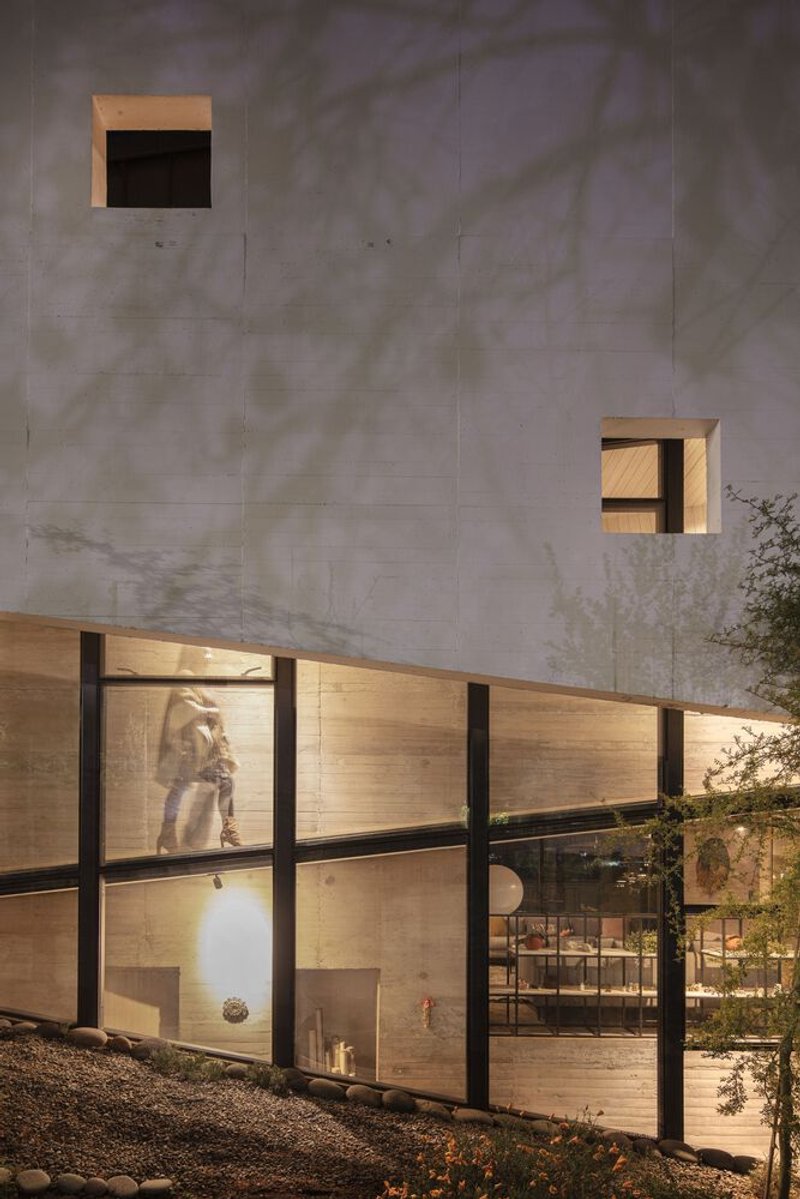
The Sloping House, designed by Claudio Santander and María Inés Buzzoni, is a striking example of how contemporary architecture can harmonize with natural terrain. Situated in the pre-Andean foothills of Santiago, Chile, this 285 m² residence embraces the site's slope while redefining the concept of spatial continuity.
A House Designed for Flow and Functionality
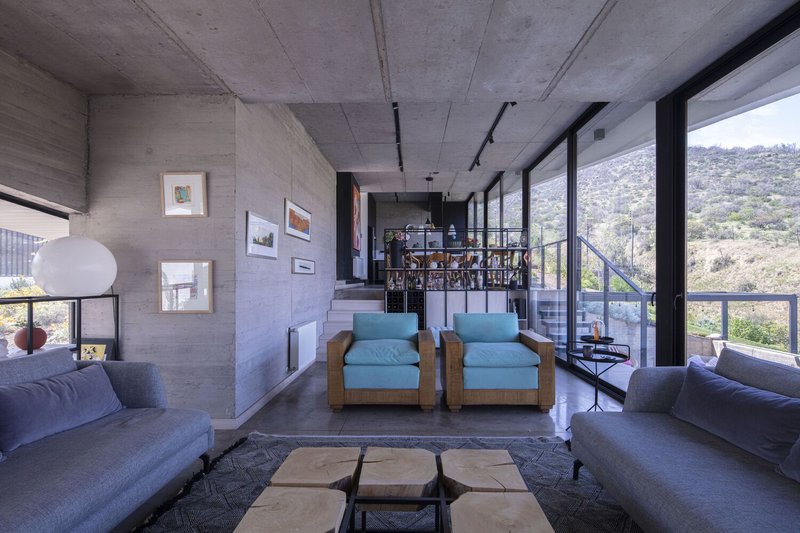
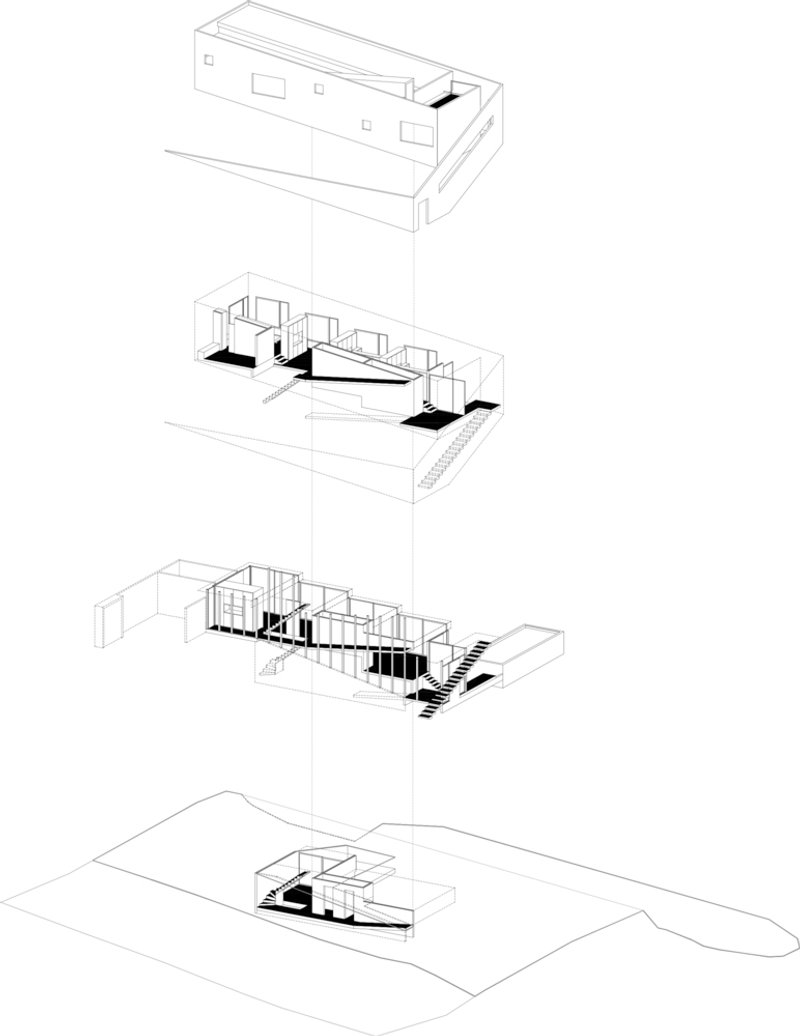
From the outset, the architects embraced the challenge of designing a home that adapts to its steep surroundings. The Sloping House follows an open-plan concept, creating a fluid and interconnected living experience. It is structured into two staggered, overlapping volumes that serve distinct functions:
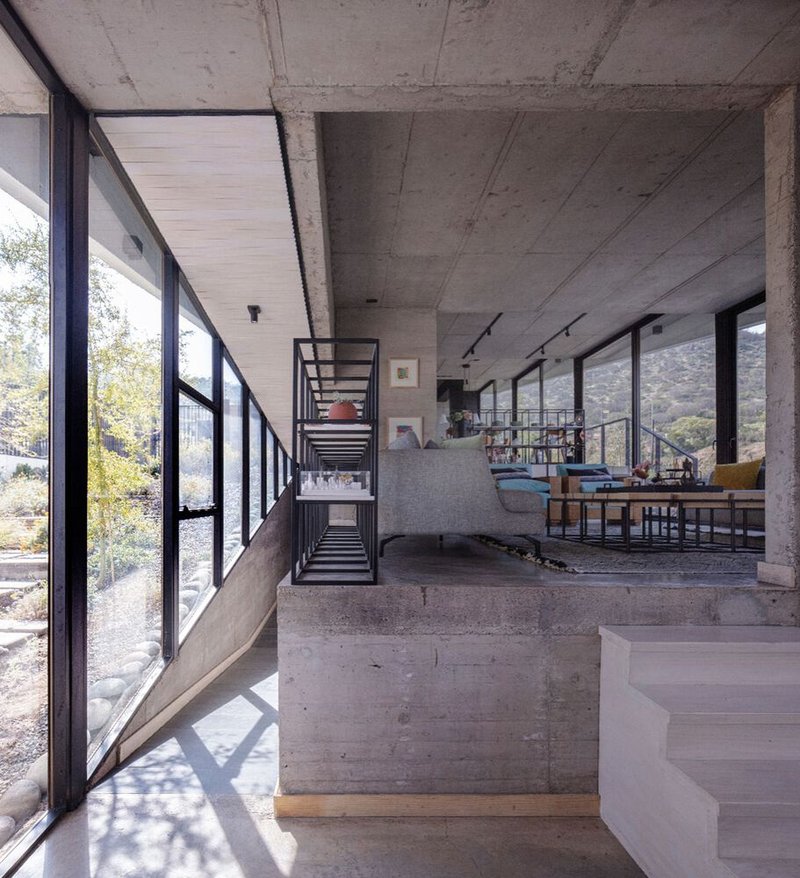
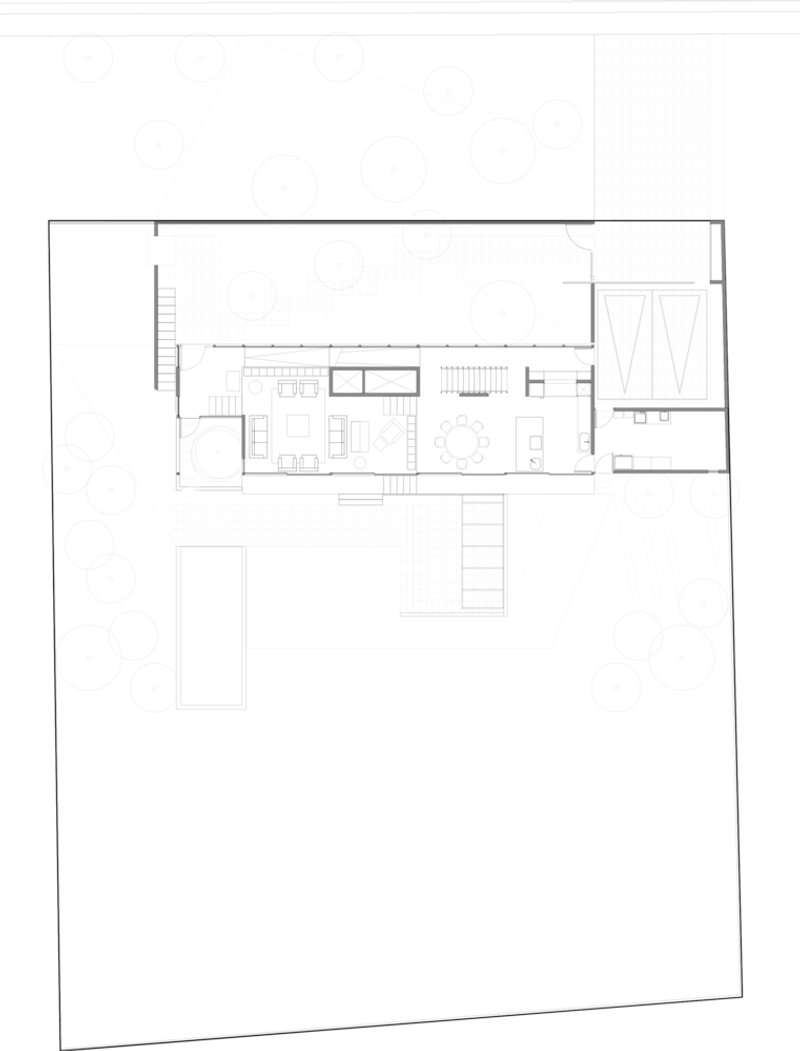
- Lower Level: A fully open perimeter, seamlessly integrating social spaces such as the living room, dining area, and kitchen in a continuous nave.
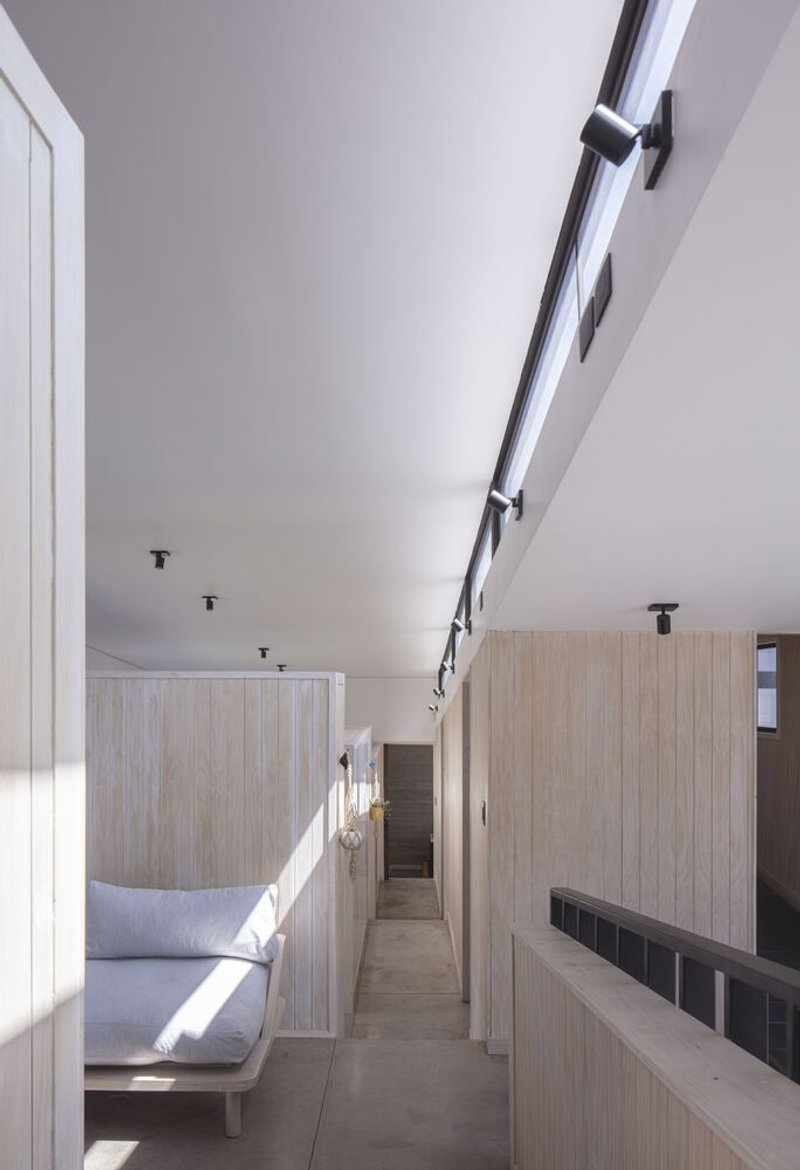
- Upper Level: A more private retreat, featuring bedrooms, a family room, and an office, maintaining the theme of openness while ensuring a sense of intimacy.
Breaking Traditional Boundaries in Urban Housing
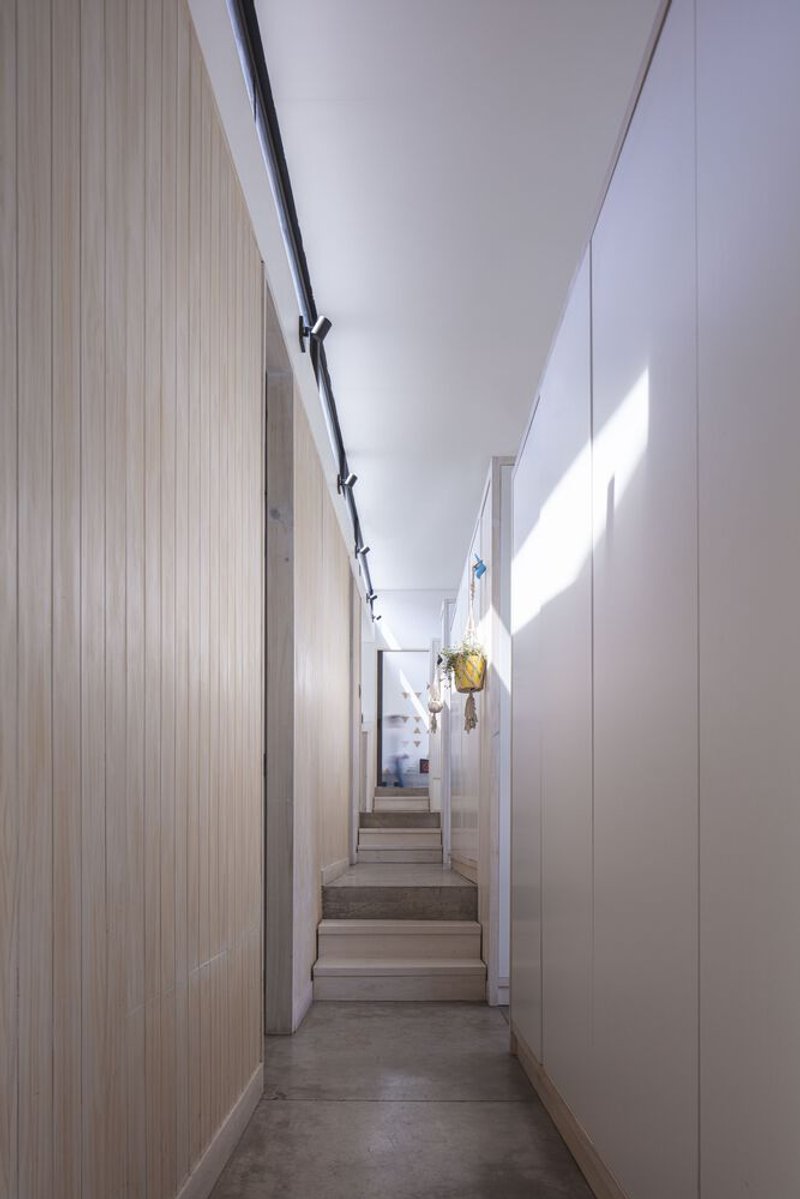
Unlike conventional homes, the Sloping House challenges traditional spatial divisions. Instead of rigid walls, built-in furniture and subtle elevation changes define the transitions between spaces. The lower level features three sets of six-step transitions, subtly connecting different zones. Meanwhile, the upper level introduces shorter three-step transitions, maintaining an open yet private ambiance.
Minimalist Materiality and Architectural Expression
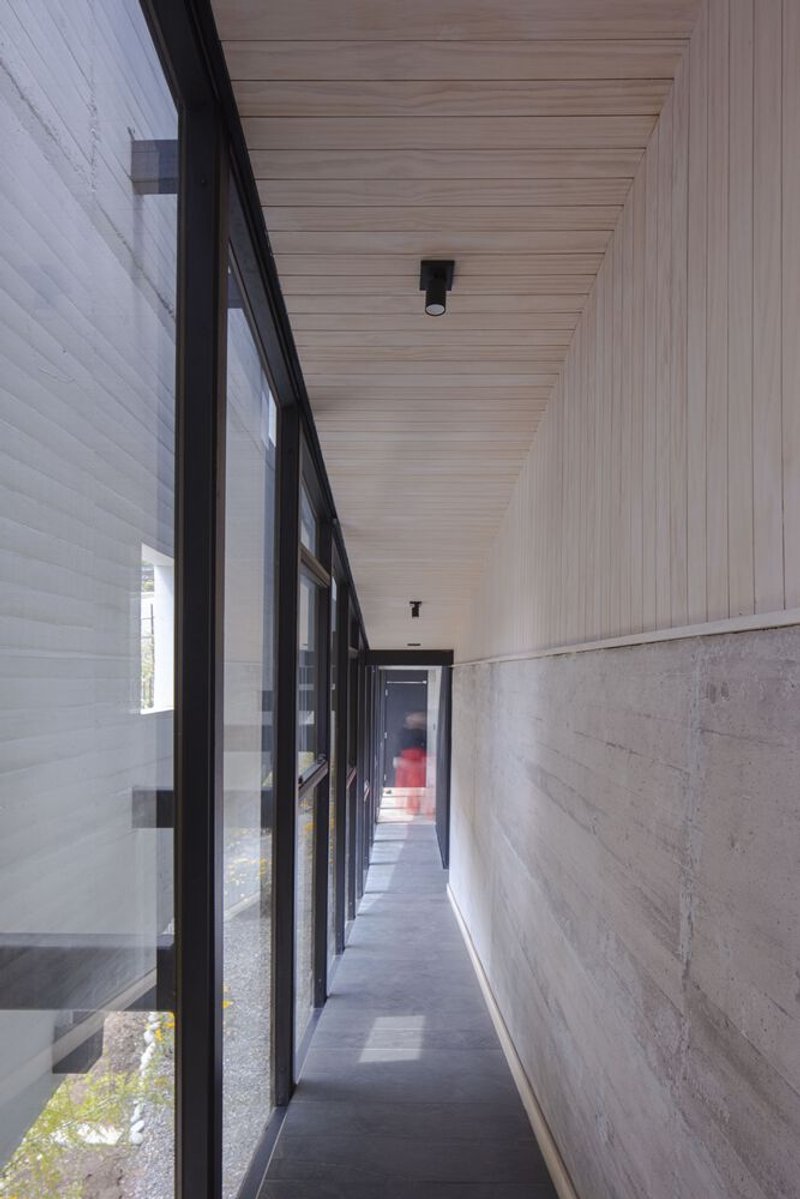
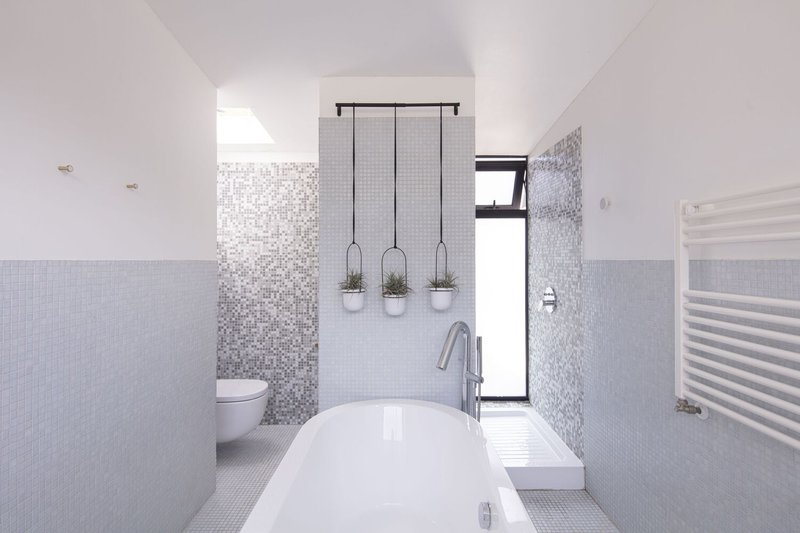
A restrained material palette enhances the home's architectural purity. The interior is defined by exposed concrete walls, refined concrete slab flooring, and monochromatic bathrooms clad in glass mosaic. The raw, unfinished textures create a modern yet timeless aesthetic, emphasizing the play of light and shadow within the space.
A Dynamic Interaction with the Landscape
Movement within the home is carefully orchestrated through a combination of stairs and ramps, offering varying speeds of circulation:
- Staircases provide a direct connection between spaces.
- Ramps encourage a gradual ascent, allowing residents to engage with the architecture and surrounding views more deliberately.
An Architectural Experiment in Daily Living
Beyond its innovative design, the Sloping House represents a deeply personal exploration of family living. Designed with two growing children in mind, the home was intended as an experiment in how a family could interact with space over time. The experience of inhabiting this continuous, flowing environment became especially profound during the pandemic, revealing new ways of engaging with the home’s social and private realms.
All Photographs are works of Pablo Casals Aguirre




Popular Articles
Popular articles from the community

Stanton Architects Sculpts a Curving Family Home into Sydney's Inner West Fabric
Five Dock House uses cantilevers, curved concrete, and layered courtyards to carve out privacy on a tight suburban lot in Sydney.

Milan Crossover: Sustainable Architecture for a New Fashion Culture in Milan
Milan Crossover transforms fashion culture through sustainable architecture, linking material libraries, remake studios, and public runways.
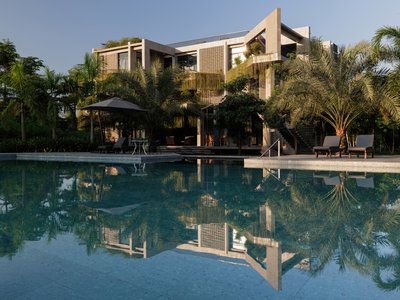
Reincarnation Weaves a Three-Story Retreat into the Green Landscape of Rural Bangladesh
Ara Manor in Narsingdi dissolves the line between domestic architecture and its lush surroundings through screens, courtyards, and planted rooftops.
Kerry Kounnapis Packs 800 Daily Coffees into a 43-Square-Metre Melbourne Laneway Bar
Palace Coffee channels Pellegrini's and European standing bars through oxide-red steel and spotted gum timber in a Ridgway Place sliver.


Similar Reads
You might also enjoy these articles

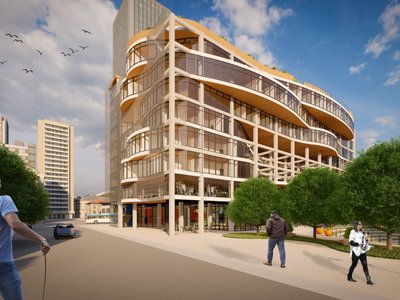
Olio Towers: A Mid-Rise for Performers That Fuses Housing, Rehearsal, and Stage
Located blocks from Houston's Theater District, this modular tower stacks living units around a central performance atrium.

Oasis: Modular Green Housing Carved into Dhaka's Urban Fabric
A shortlisted Plugin Housing entry reclaims unauthorized settlements in Dhaka with stepped concrete volumes, green roofs, and ventilation-driven design.

Black Hole: A Floating Megastructure for the Post-Physical Era
Emiliano Mazzarotto envisions a spherical, self-scaling arena where e-sports, digital hotels, and holographic stadiums replace traditional public space.
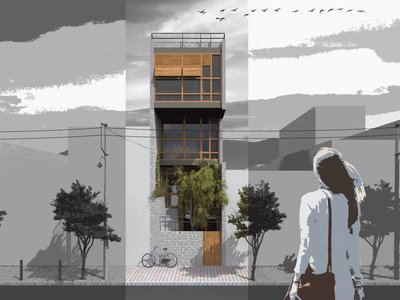
Compact & Sustainable Living in Piraeus: A Four-Level Family Home Built Around Light and Air
A narrow townhouse in one of Greece's densest port cities uses a central atrium and passive strategies to house three generations under one roof.


Explore Housing Competitions
Discover active competitions in this discipline




The International Standard for Design Portfolios


The Global Benchmark for Architecture Dissertation Awards


The Global Benchmark for Graduation Excellence


Challenge to reimagine the Iron Throne
Comments (0)
Please login or sign up to add comments
No comments yet. Be the first to comment!