
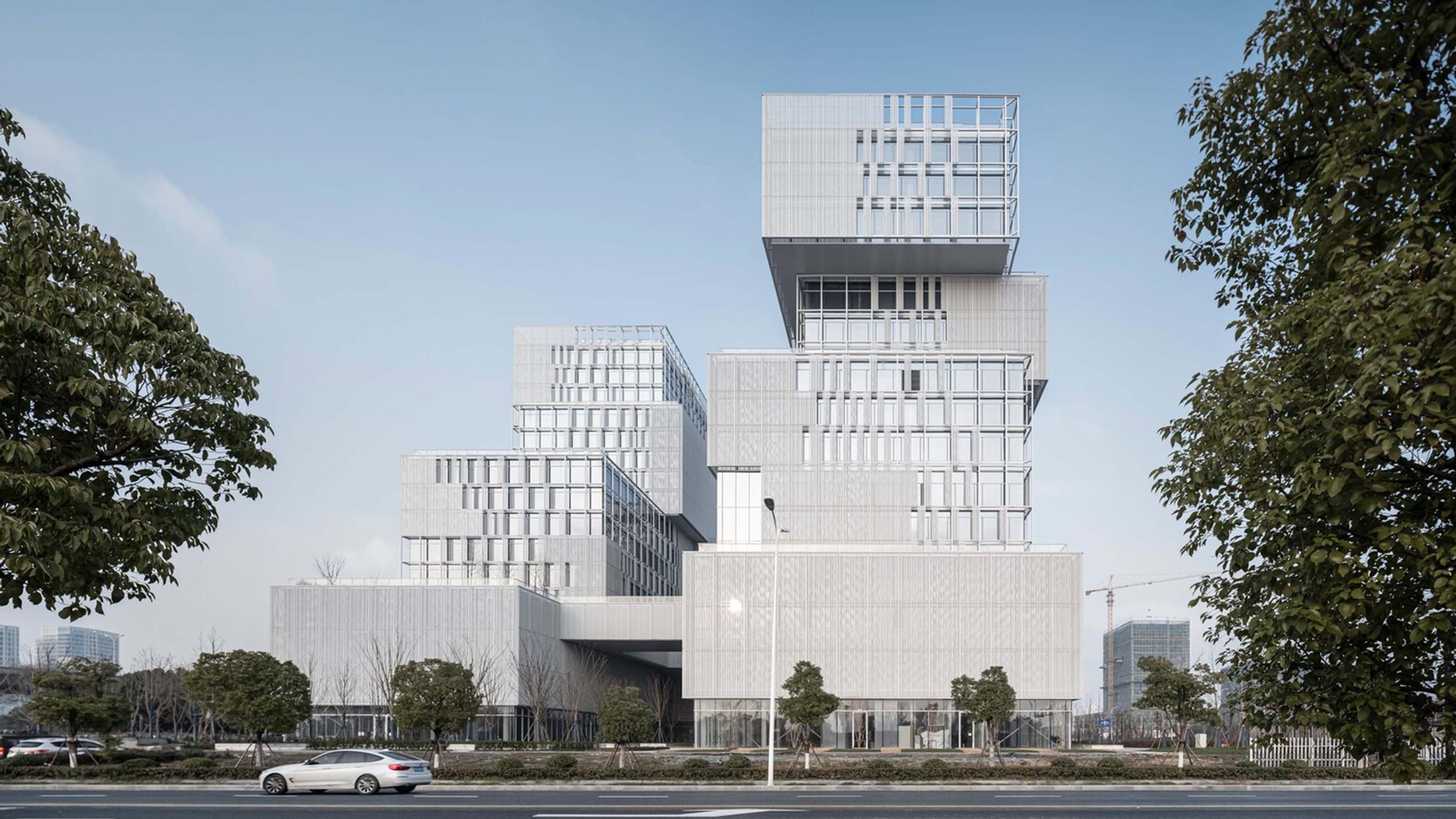
Smart New World Innovation Center by gad: A Modular Vision of Nature, Flexibility, and High-Tech Urbanism
Modular office towers in Hangzhou integrating nature, flexibility, and innovation to create a sustainable, high-tech, and human-centric workplace.

A Future-Oriented Office Hub in Hangzhou’s High-Tech Belt
Strategically located in the Hangzhou High-Tech Zone along the north bank of the Qiantang River and adjacent to the iconic Zhijiang Bridge, the Smart New World Innovation Center serves as a pivotal node in China’s burgeoning innovation corridor. Designed by leading architecture firm gad, this mixed-use development integrates commercial services and office spaces, designed to attract emerging tech companies and strategic industries. The project answers a growing demand for agile, human-centric, and environmentally responsive work environments in one of China’s most rapidly developing urban areas.
Modular Mountains: Architecture Inspired by Nature
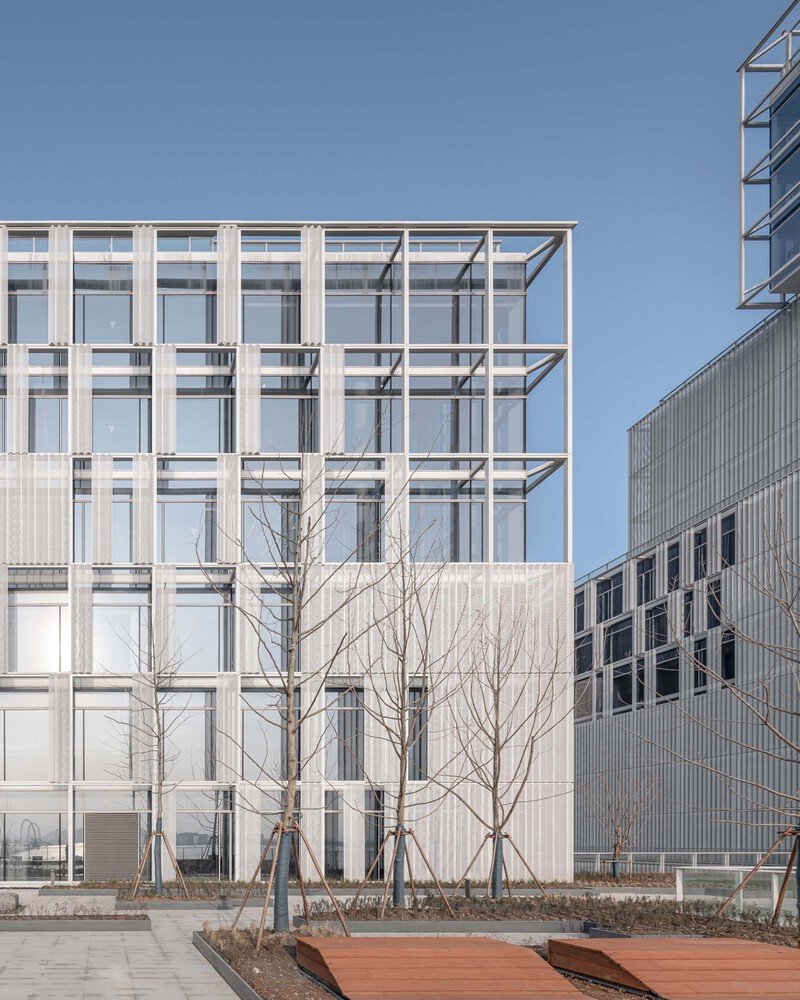
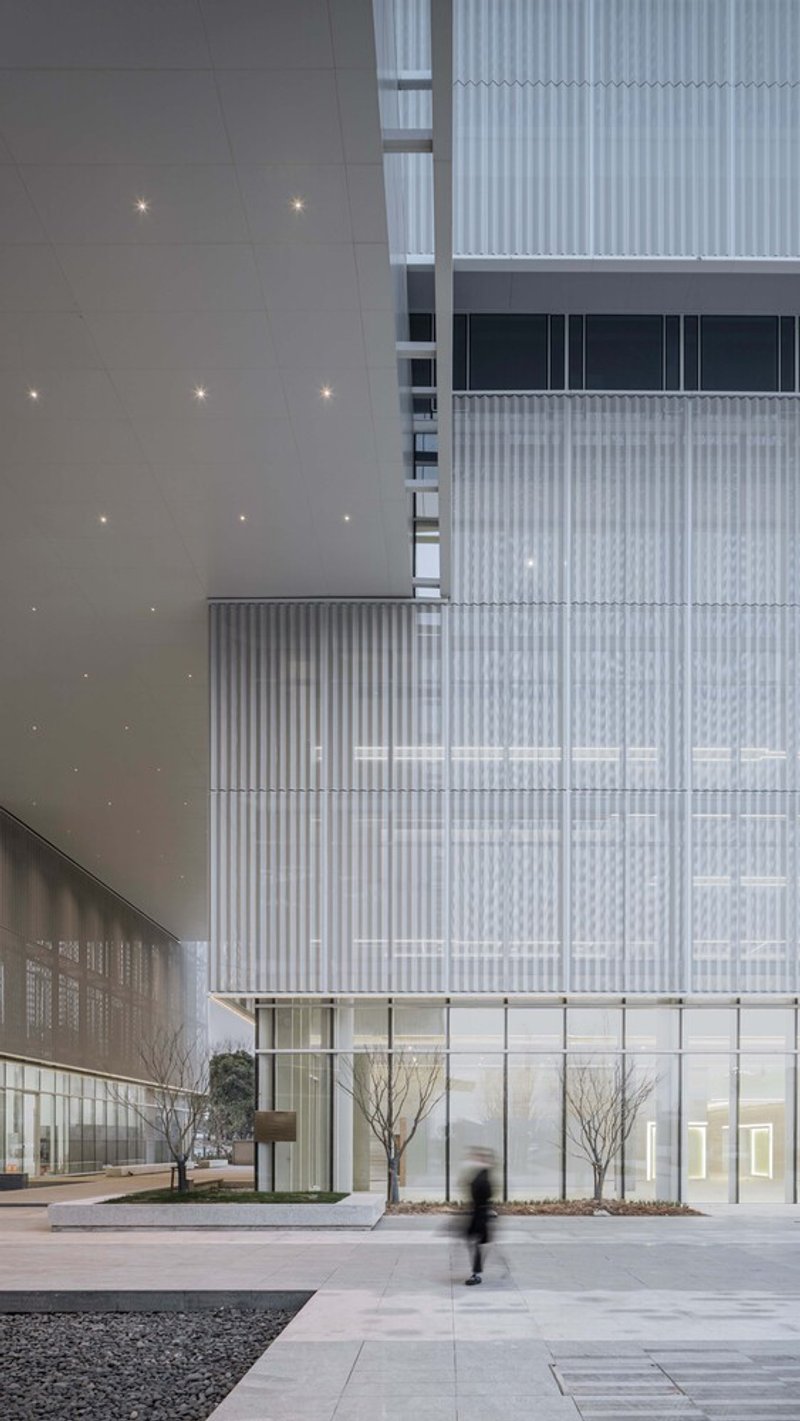
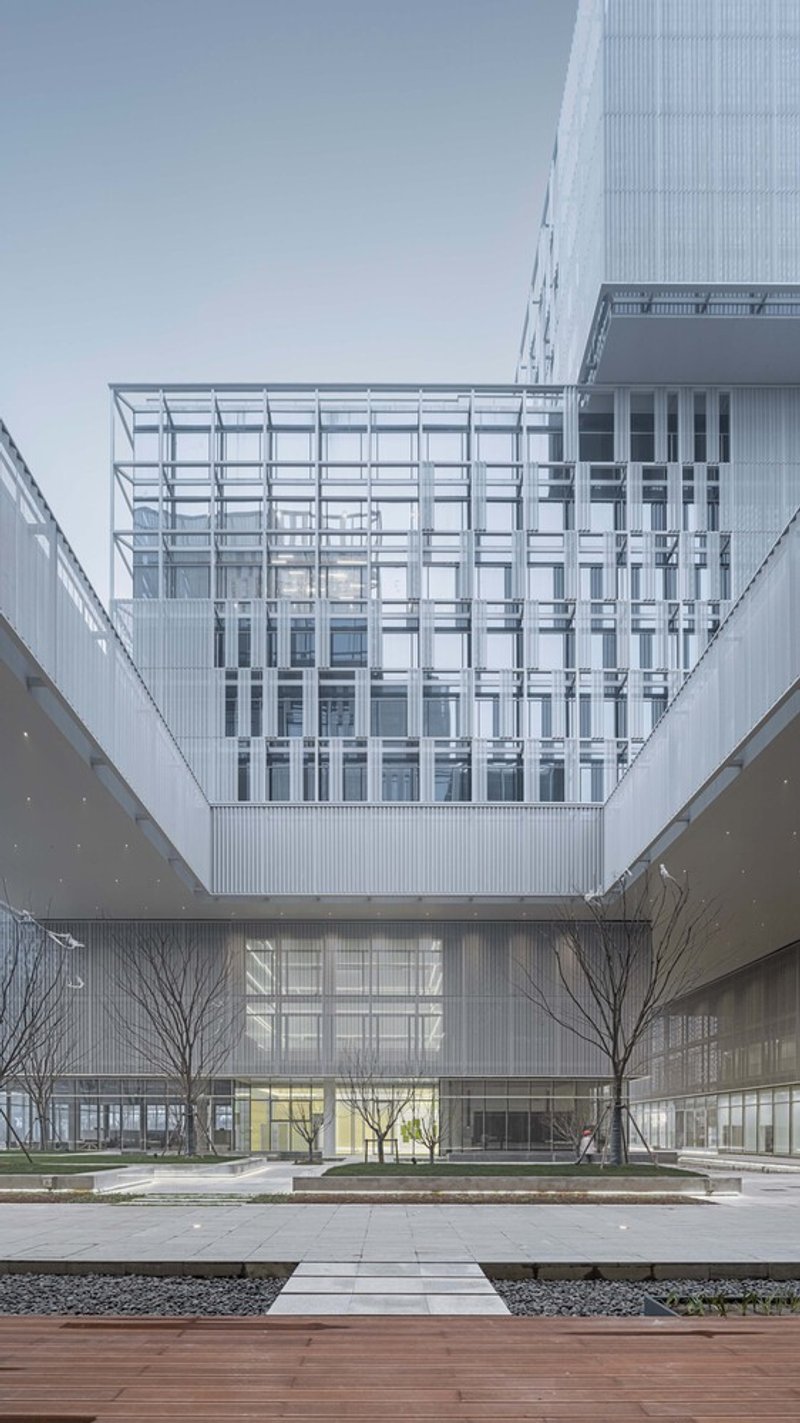
Responding to the lack of green integration in the surrounding urban fabric, gad envisioned a design that mimics mountainous terrains using a modular, pixelated architectural language. Two staggered towers, designed to accommodate diverse office requirements, are set back incrementally to create multi-level terraces, public plazas, and roof gardens. These tiered forms simulate natural topography, allowing for climbing paths, resting platforms, and a dynamic vertical experience of space that blurs the boundaries between architecture and landscape.
Flexible, Scalable Workspaces for Resilient Growth
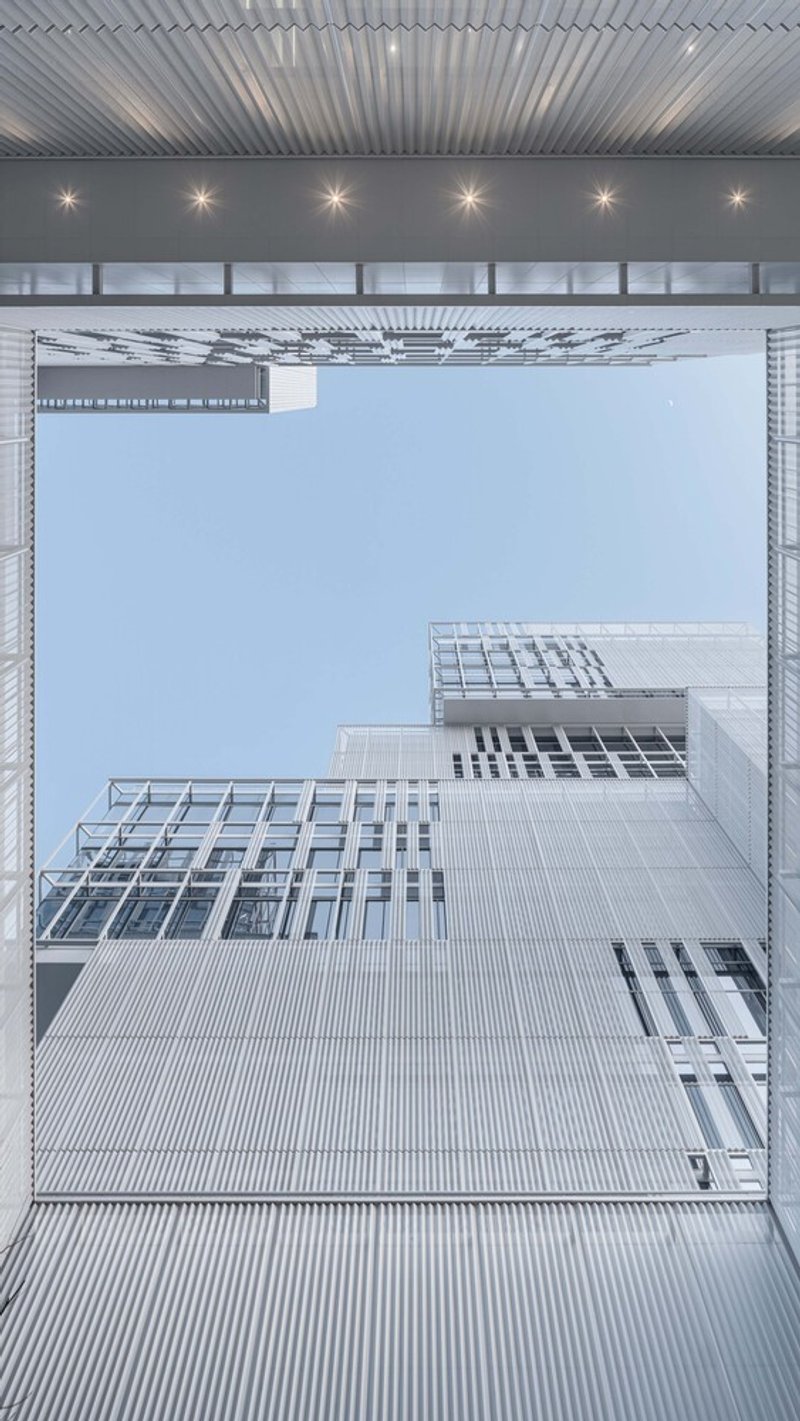
In anticipation of the fast-evolving demands of high-tech startups and scale-up companies, the building is designed with a standard column grid and modular office units of 3 to 5 floors. This configuration allows businesses to expand or contract their footprint with ease. Each “box” can be rented as a single level or a full-stack unit, offering maximum adaptability and supporting the long-term growth of enterprises at every stage of development.
Green Office Concept: Three-Dimensional Sky Gardens
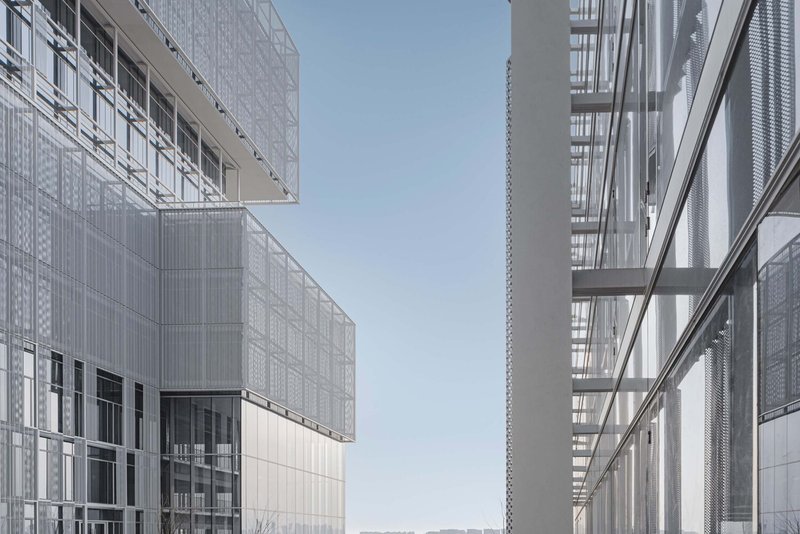
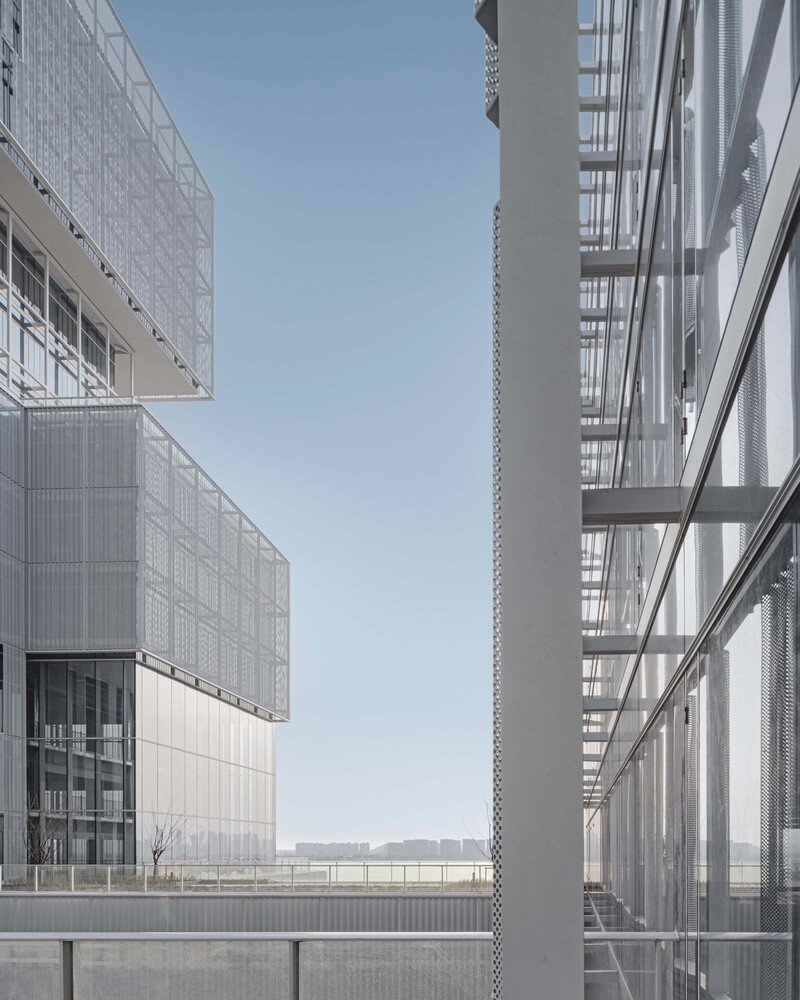
Breaking away from the monotony of traditional office towers, gad implemented a system of sky gardens, rooftop greenery, and open-air terraces that promote natural light, ventilation, and user well-being. These green interventions inject vitality into the workplace, enhancing social interaction and mental stimulation, while reinforcing the project’s core values of sustainability and biophilic design. The design fosters a deeper connection between people and nature, which is essential for productivity and creativity in the modern workplace.
The Precision of Modularity: Structural and Aesthetic Innovation
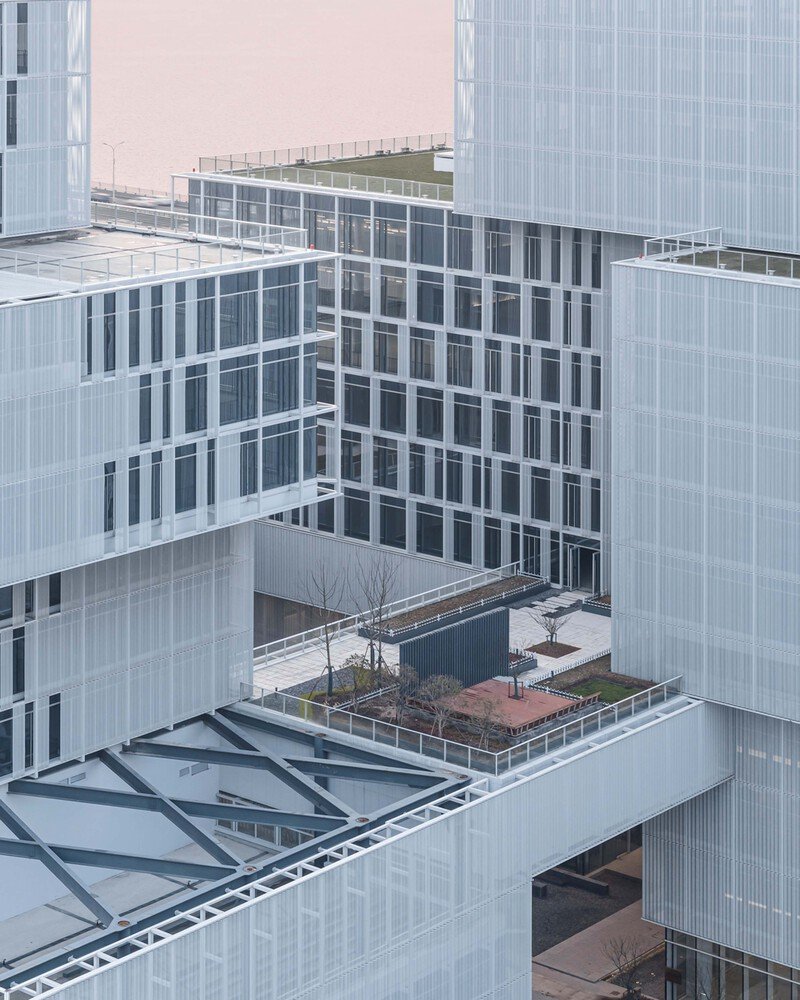
The architectural language of the Innovation Center is defined by clean lines, sharp geometry, and an extreme precision in elevation control. Each module is designed to appear flat and flush, with technical solutions such as inclined beams, modular curtain walls, and hidden mechanical equipment contributing to a refined, weightless aesthetic. By subdividing the facade using a strict modulus frame (3m x 2.8m), gad ensured that even the smallest façade components align with the building’s structural logic, achieving a high level of formal clarity and cohesion.
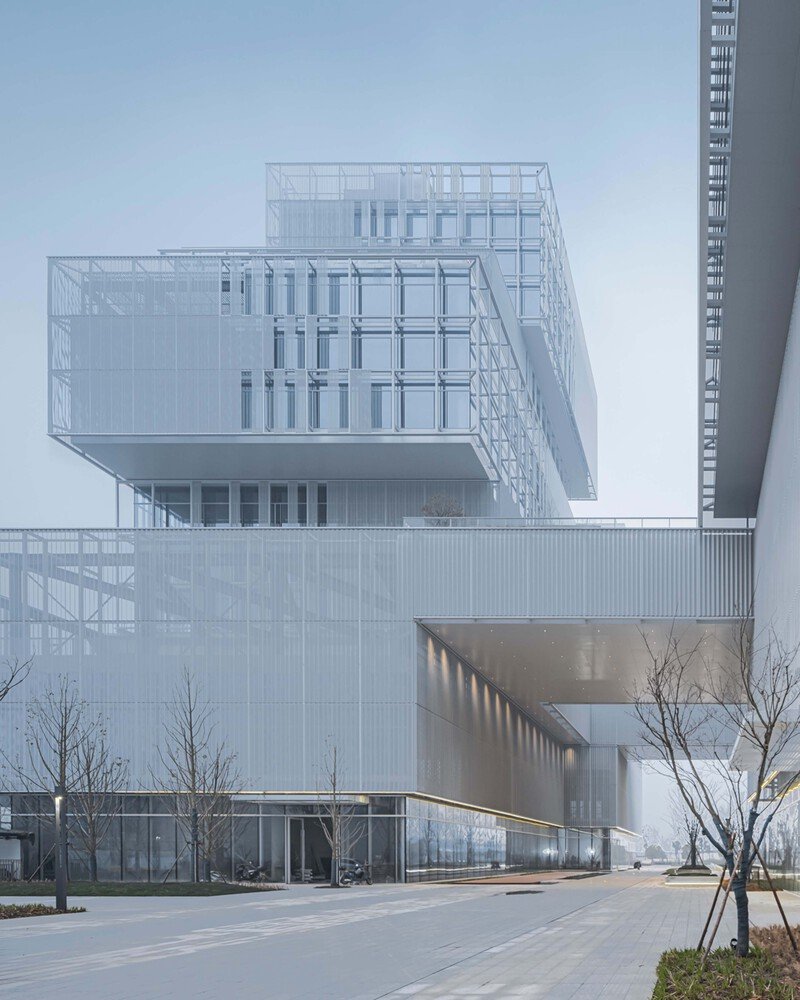
Integrated Systems and Unified Design Language
The visual purity of the form is extended to the building systems, equipment layout, and landscape, all designed within the same modular logic. A double-layer curtain wall system with perforated panels reduces glare and enhances energy efficiency, while seamlessly integrating with the building’s pixelated geometry. Ventilation, vertical circulation, and equipment zones are concealed within dropped terrace spaces, preserving the minimalist character of the architectural envelope.
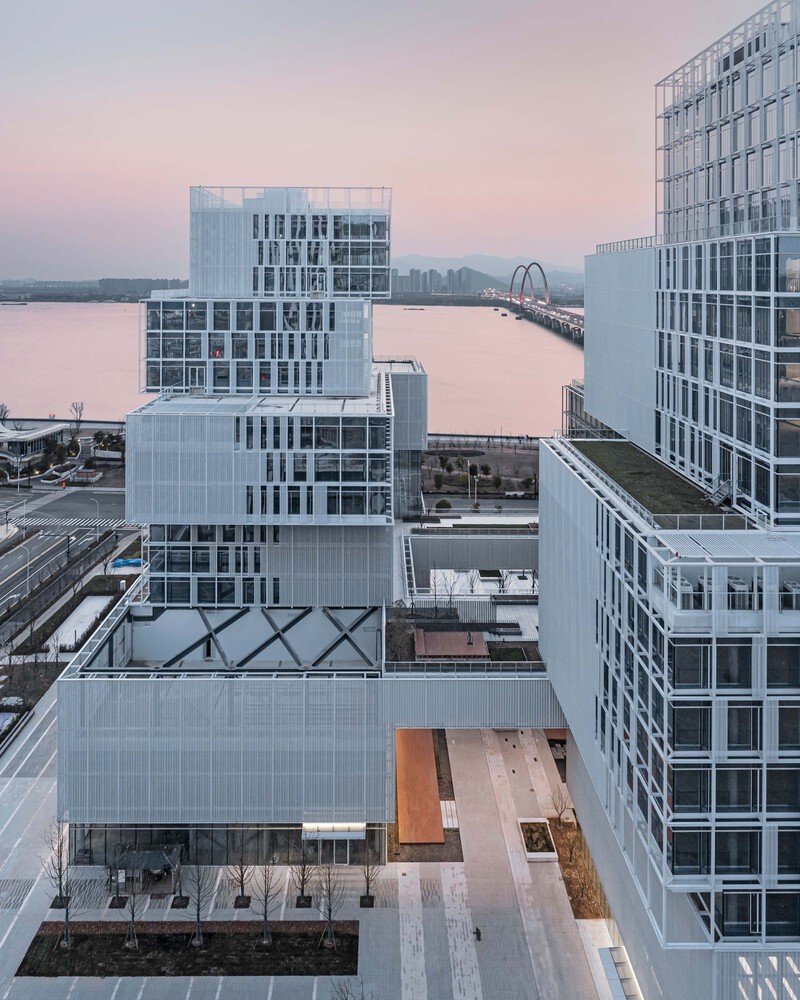
A Symbol of Sustainable Innovation
The Smart New World Innovation Center embodies the future of sustainable workplace design. As a model of innovation, ecological responsiveness, and spatial flexibility, it redefines the office as a dynamic garden that evolves with the companies it houses. Through its fusion of modular architecture, mountainous metaphors, and landscape urbanism, the project sets a new benchmark for high-performance office campuses in China and beyond.
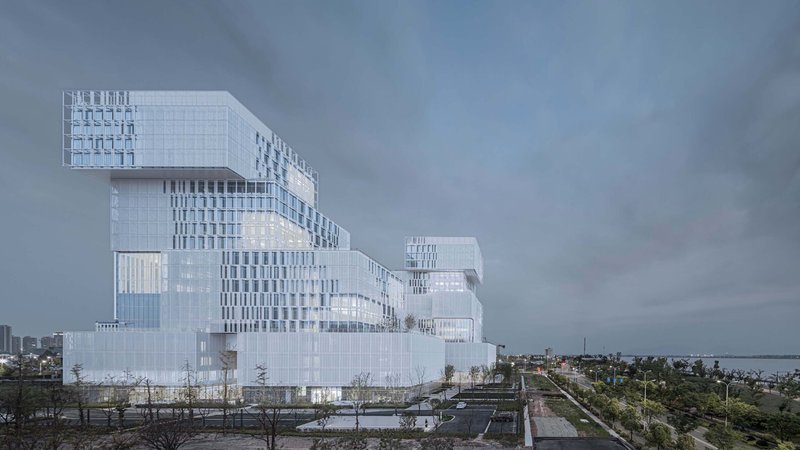
All Photographs are works of architectural translator




Popular Articles
Popular articles from the community

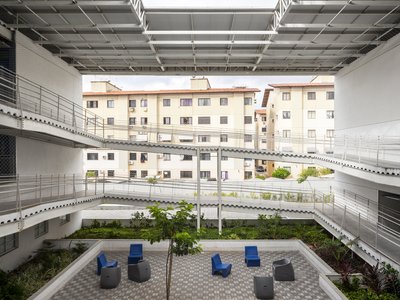
Rede Arquitetos Builds an Open-Air School in Fortaleza That Doubles as a Neighborhood Living Room
Educar II SESC-CE folds sports, dance, and community gathering into a courtyard campus wrapped in mesh and tropical color.
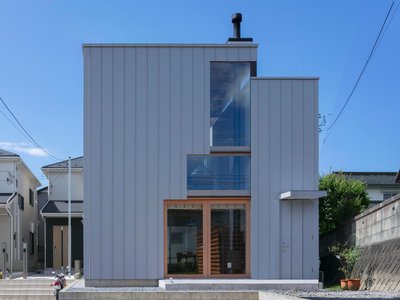
Split House: A Compact Urban Home Blending Privacy, Light, and Flexible Living in Japan
Compact Japanese home featuring DOMA space, flexible café potential, passive lighting, privacy zoning, and sustainable urban living design.

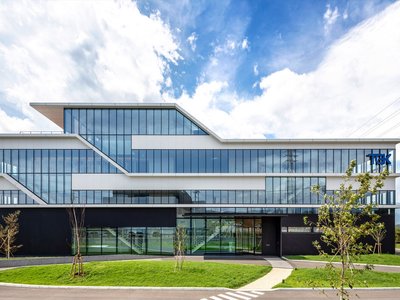
TGK Nirasaki Plant: A Smart Factory Blending Technology, Landscape, and Wellness
Smart factory in Japan blending IoT manufacturing, scenic trail design, natural ventilation, and landscape integration to enhance user experience and sustainability.

Similar Reads
You might also enjoy these articles

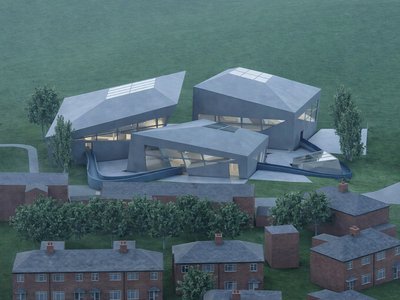
Filtering Space: A Gradual Spatial Experience
From urban intensity to spatial calm.


The Ken Roberts Memorial Delineation Competition (Krob)
As the most senior architectural drawing competition currently in operation anywhere in the world, it draws hundreds of entries each year, awarding the very best submissions in a series of medium-based categories.

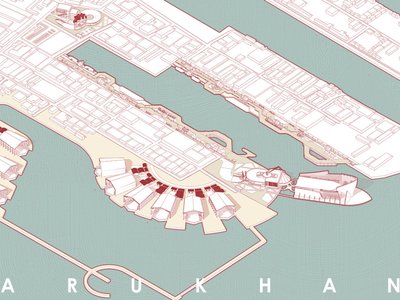
Waterfront Redevelopment and Urban Revitalization in Mumbai: Forging a New Dawn for Darukhana
A transformative waterfront redevelopment project reimagining Darukhana’s shipbreaking heritage into an inclusive urban future.
OUT-OF-MAP: A Call for Postcards on Feminist Narratives of Public Space
Rhizoma Design and Research Lab invites artists, designers, architects, researchers, and students to reflect on how feminist perspectives can reshape public space. Selected works will be exhibited in Barcelona, October 2026. Submissions open until 15 April 2026.


Explore Office Building Competitions
Discover active competitions in this discipline




The International Standard for Design Portfolios


The Global Benchmark for Architecture Dissertation Awards


The Global Benchmark for Graduation Excellence


Challenge to reimagine the Iron Throne
Comments (0)
Please login or sign up to add comments
No comments yet. Be the first to comment!