

South East Centre for Contemporary Art (SECCA) by Sibling Architecture: A Civic Beacon for Creativity on the Sapphire Coast
SECCA by Sibling Architecture transforms Bega’s regional gallery into a light-filled cultural landmark connecting art, community, and Australian landscape.


In the coastal town of Bega, New South Wales, the transformation of the South East Centre for Contemporary Art (SECCA) by Sibling Architecture signals a new chapter for regional Australian cultural architecture. The project expands the Bega Valley Regional Gallery into a vibrant social and artistic hub—one that connects the town’s creative pulse to the broader landscape of Australia’s Sapphire Coast.
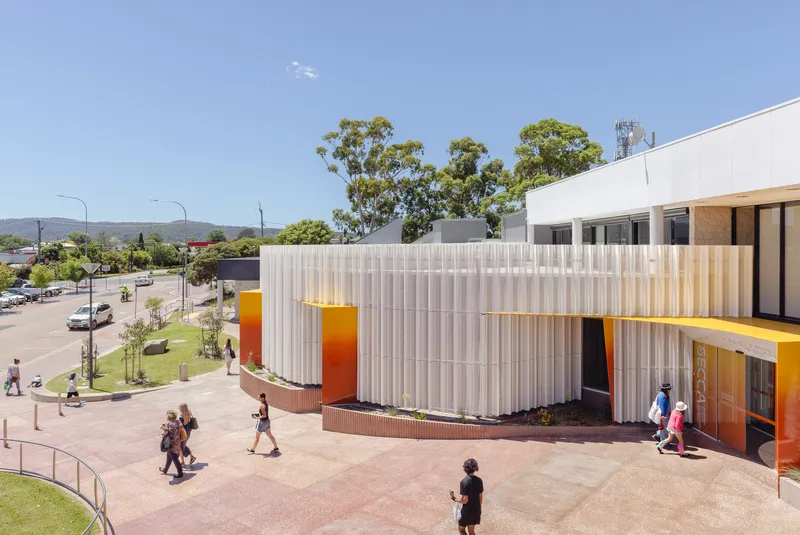
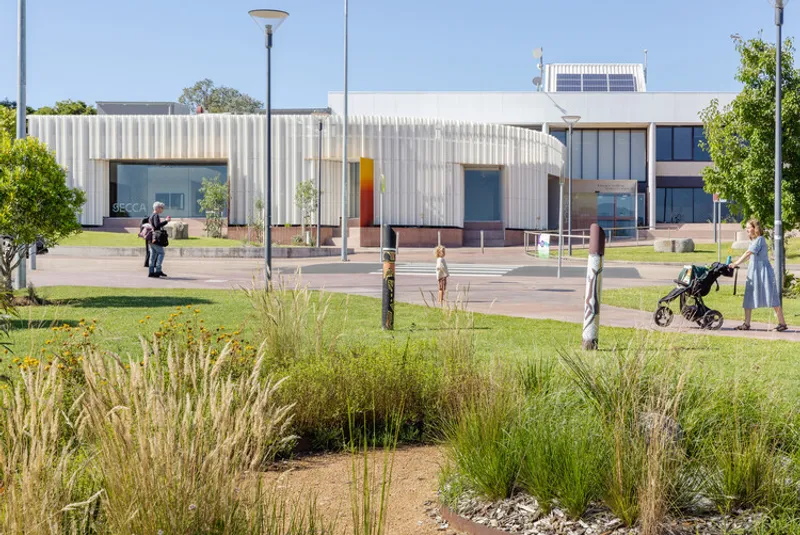
This expansion not only enhances the gallery’s exhibition capabilities but also repositions SECCA as a community-focused civic landmark, where art, learning, and local culture converge.
Vision: Culture and Community on the Sapphire Coast
Stretching from Bermagui to the Victorian border, the Sapphire Coast is a region known for its natural beauty and expanding creative scene. As part of broader efforts to grow cultural tourism, the Bega Valley Regional Gallery sought to evolve from a modest regional space into a flagship destination capable of hosting national and international exhibitions while nurturing local talent.
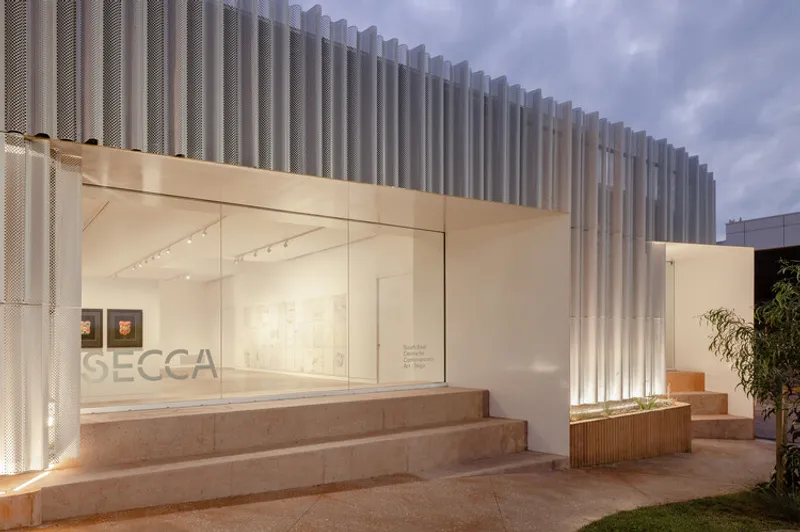
Sibling Architecture responded by designing a building that could act as both cultural infrastructure and public living room—a place for encounter, making, and reflection. The project unites 500 square meters of new programmatic space—comprising galleries, archives, workshops, and a reimagined façade—under a carefully calibrated architectural identity.
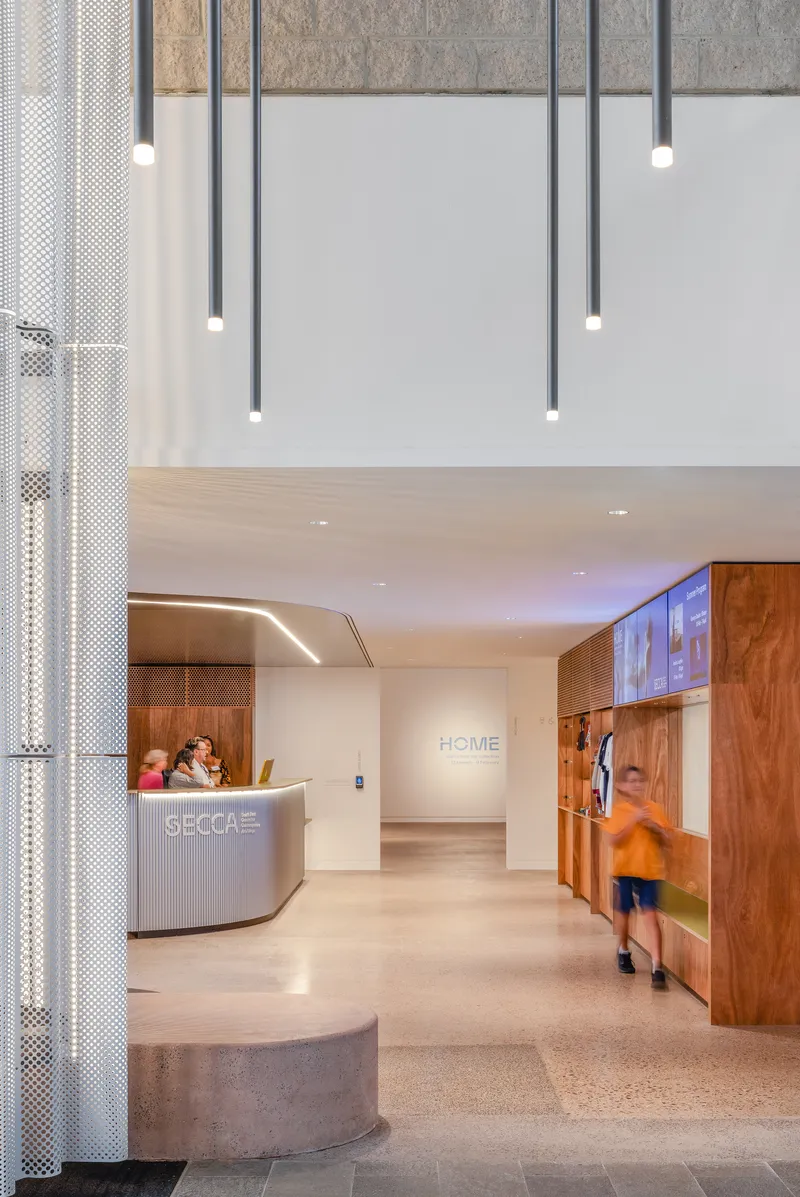
Spatial Strategy: A Light-Filled Cultural Volume
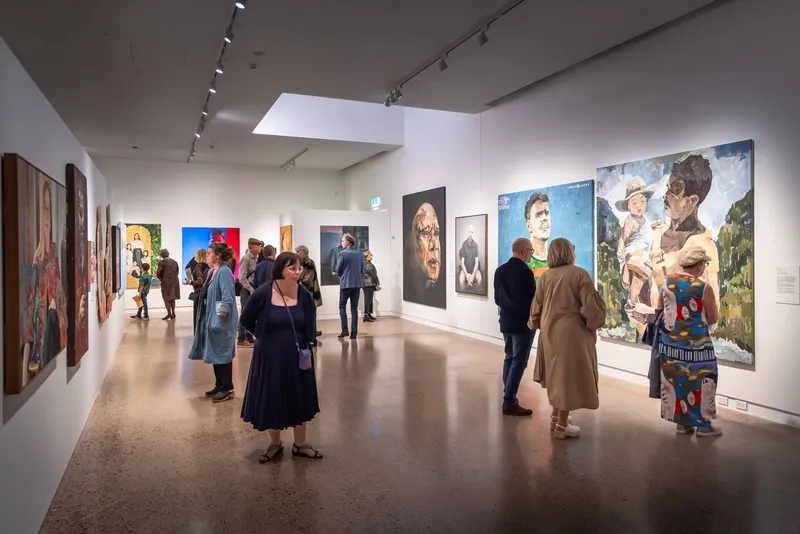
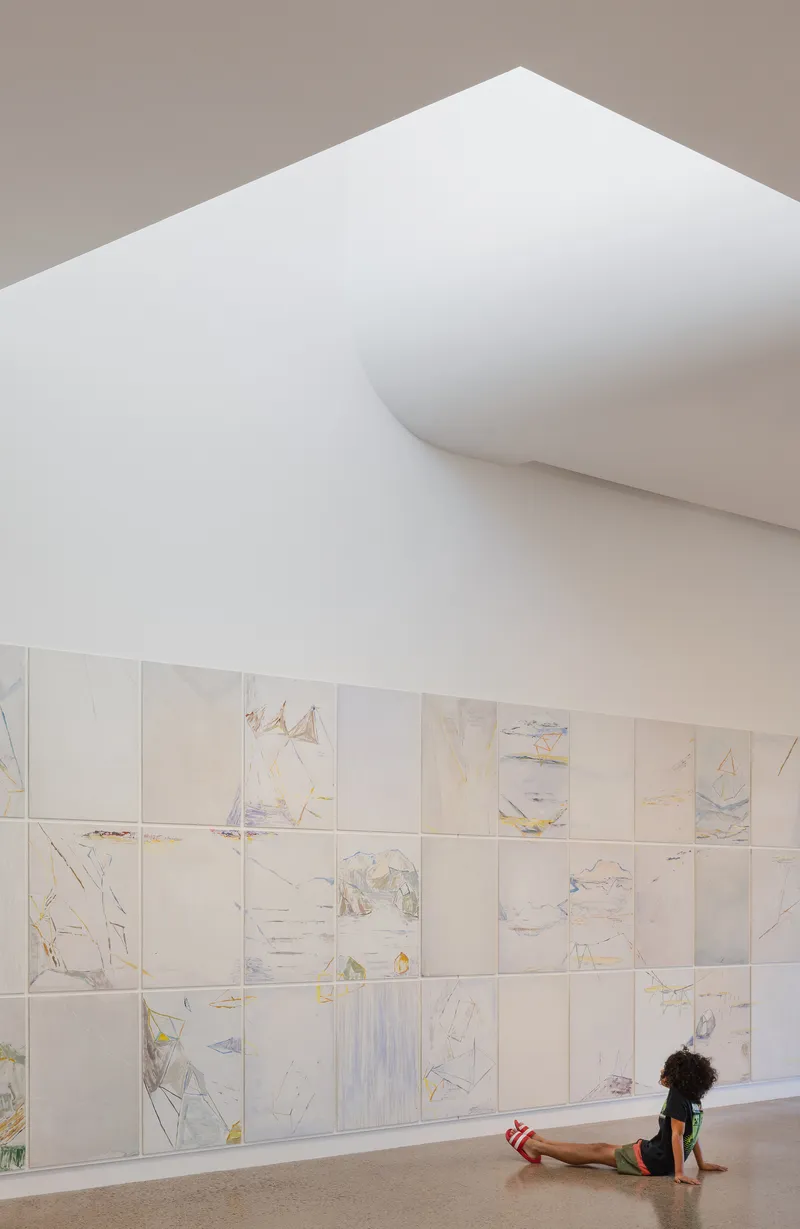
At the heart of the design lies the new roof system, punctuated by generous south-facing skylights. These skylights bathe the exhibition rooms in even, diffuse light—ideal for art display—and reduce reliance on artificial illumination. This passive design approach also supports environmental sustainability while imbuing the interiors with a tranquil, luminous quality.
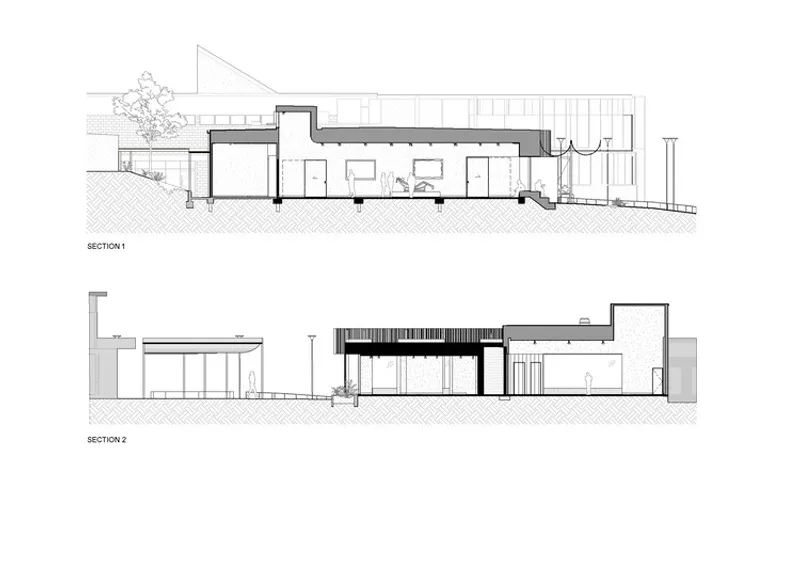
The expanded galleries now meet international climate and conservation standards thanks to purpose-built archive and storage facilities equipped with museum-grade climate-control systems. This enables SECCA to host high-profile traveling exhibitions and partnerships with major cultural institutions.
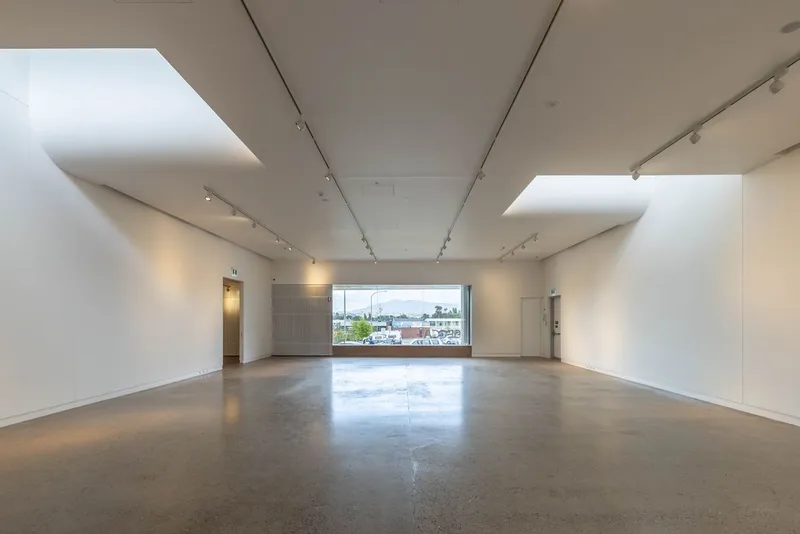
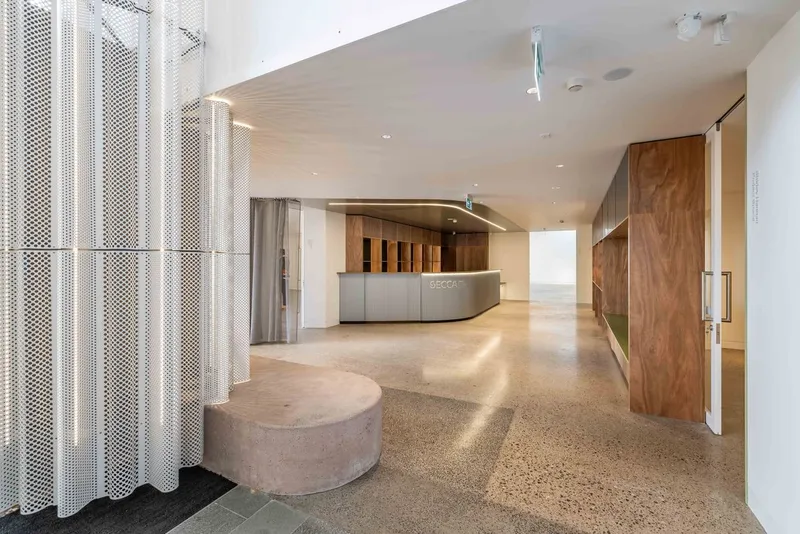
The interior spatial arrangement is fluid, allowing flexibility for artists, curators, and the public. Workshops and studios open directly onto a central foyer, promoting visibility between creative processes and visitors. The new gallery layout translates art viewing into a communal experience—open, democratic, and inclusive.
Collaborative Design Approach
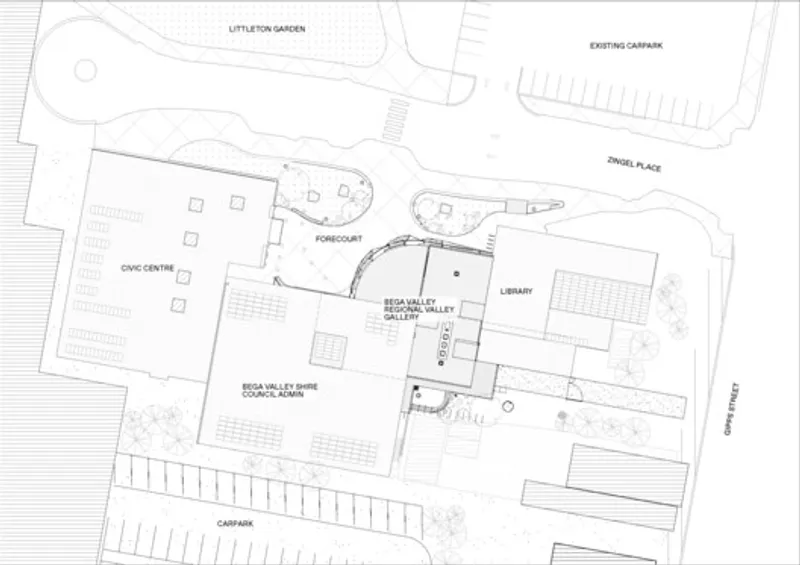
Sibling Architecture emphasizes that SECCA’s redesign was shaped through extensive engagement with the community. Workshops and consultations were held with local arts groups, Indigenous representatives, administrative partners, and neighboring civic institutions like the library.
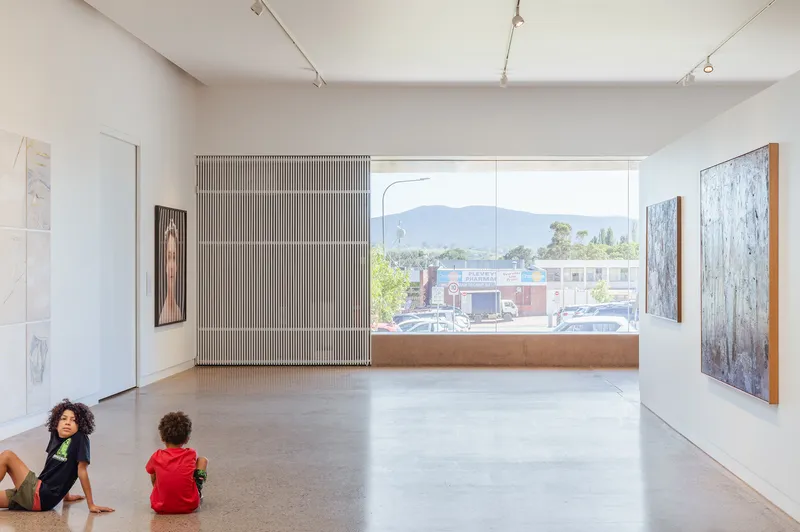
This participatory design process ensured that SECCA would not be an isolated cultural object but a social organism responsive to the needs of Bega’s diverse populations. The building’s redesign thus acts as an architectural interface—connecting artists, residents, and visitors through shared cultural activity.
Façade and Form: Bridging Inside and Out
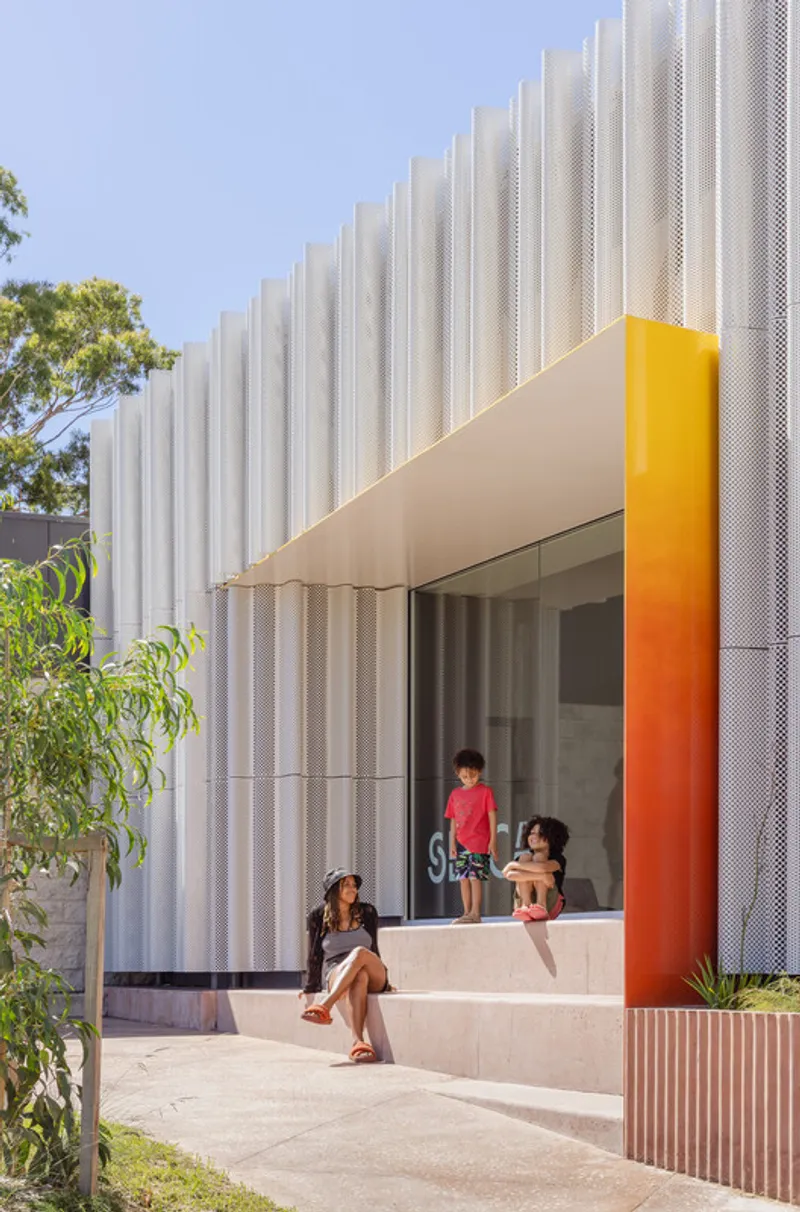
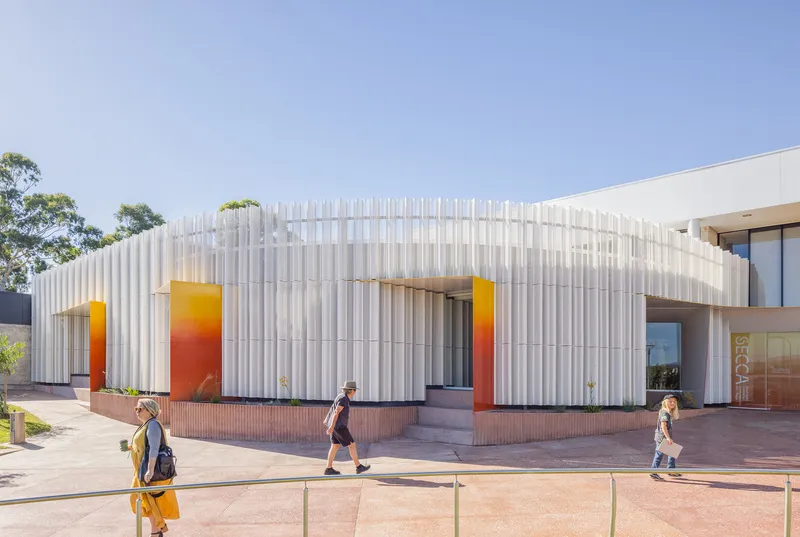
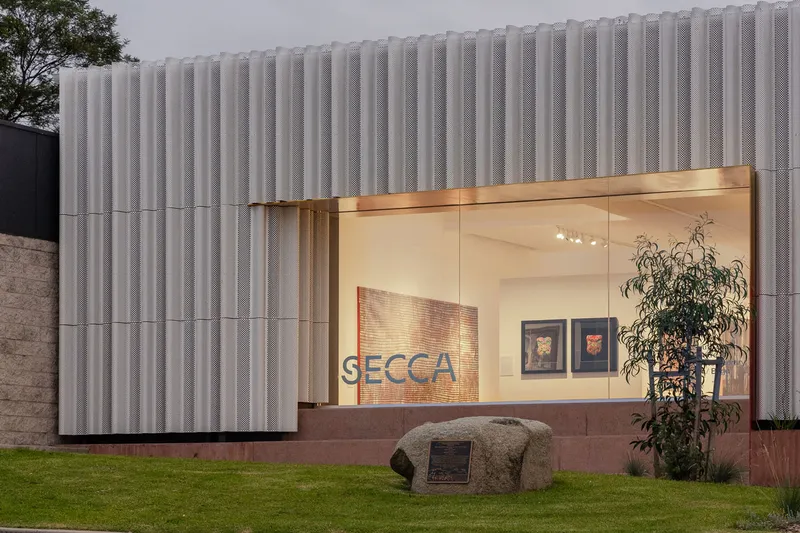
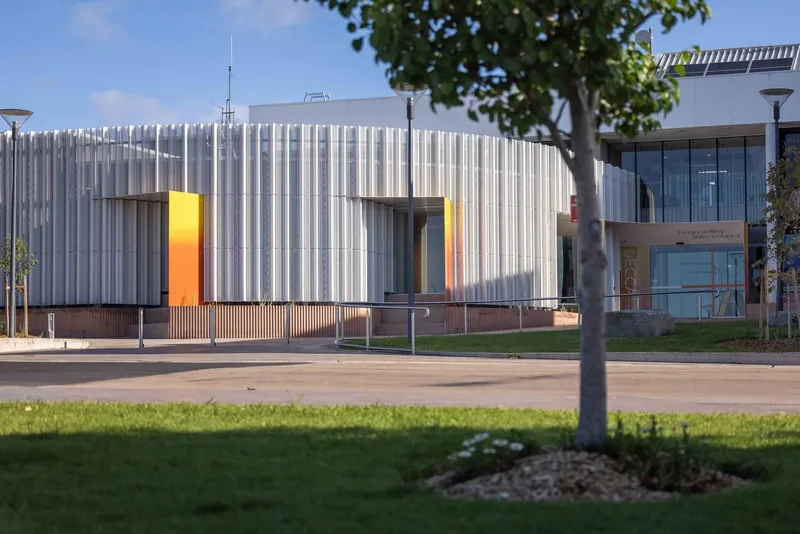
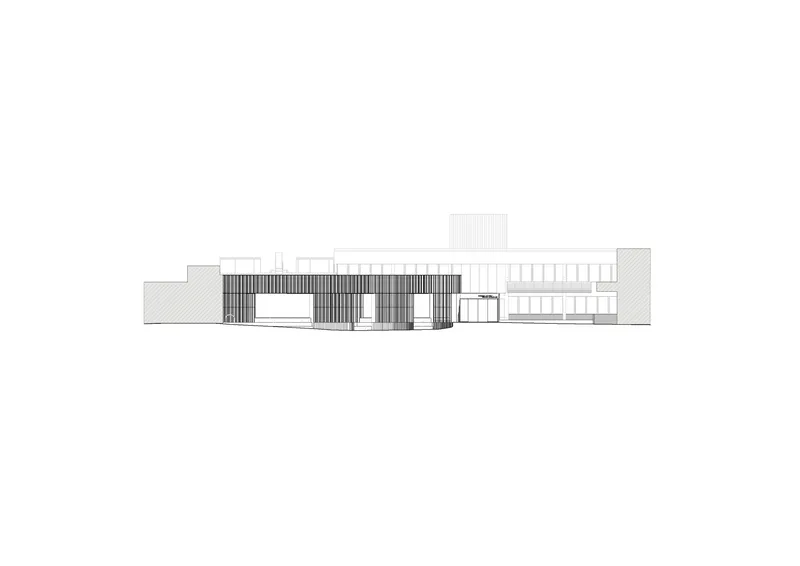
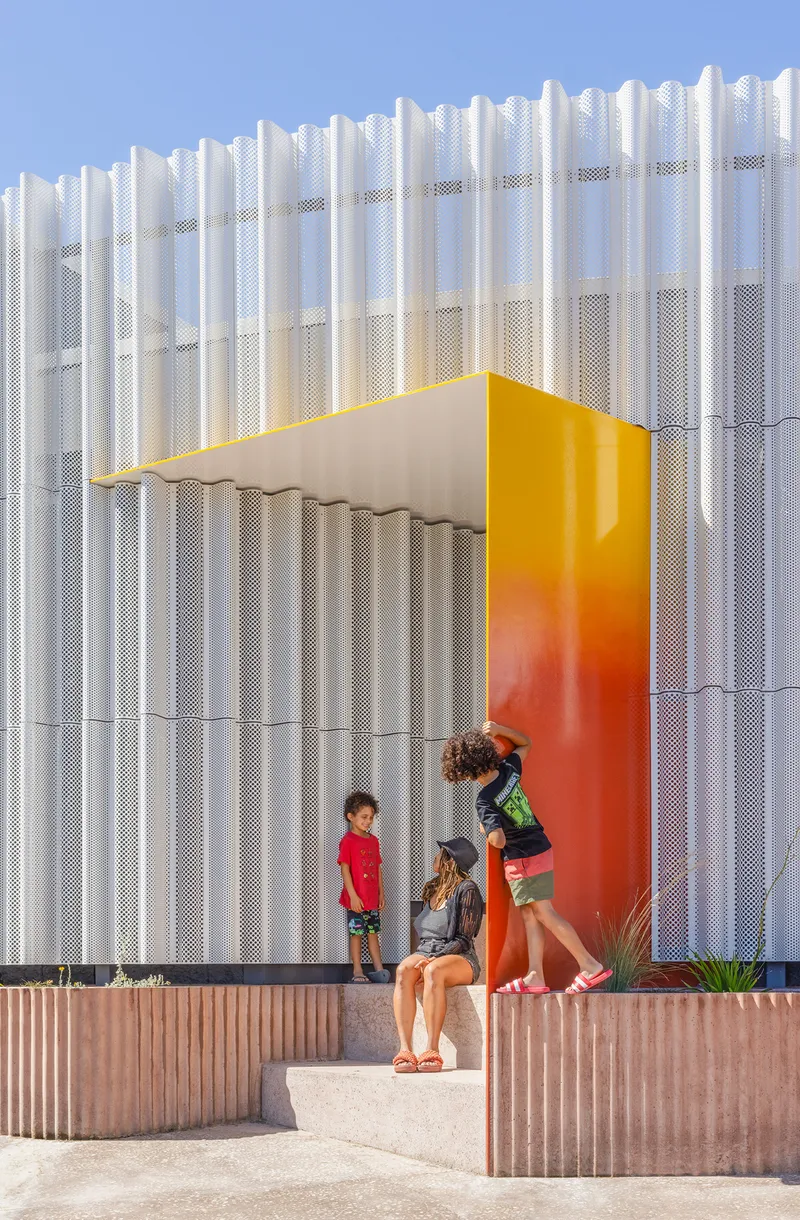
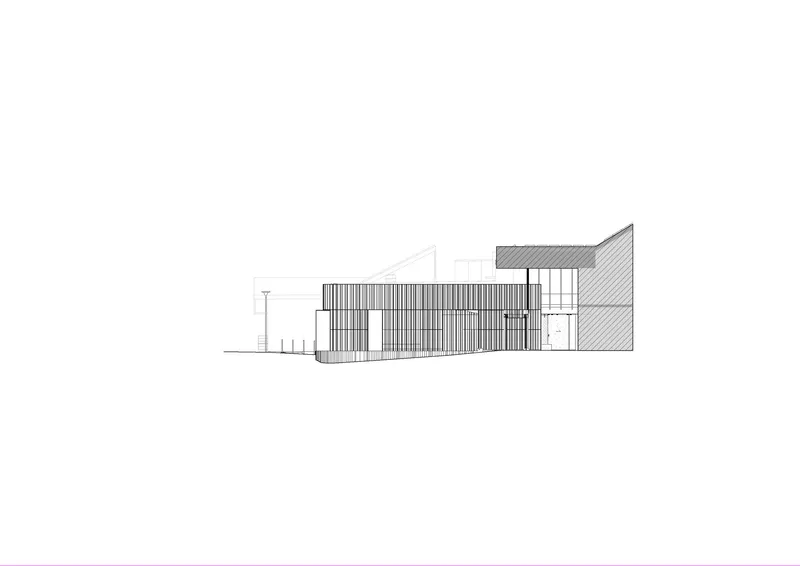
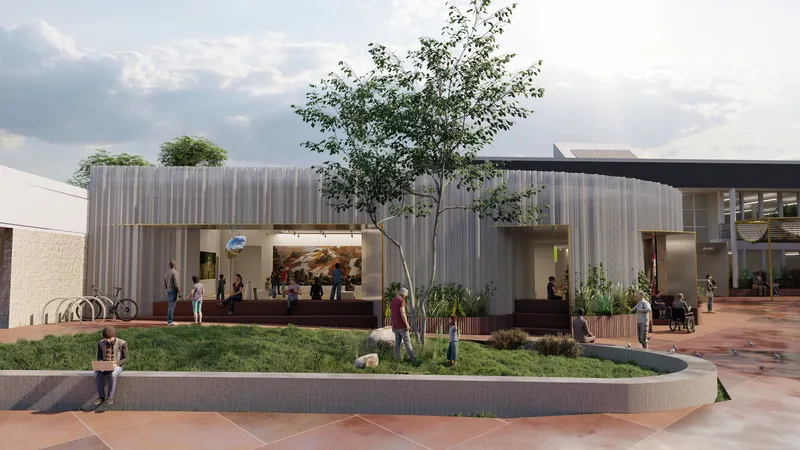
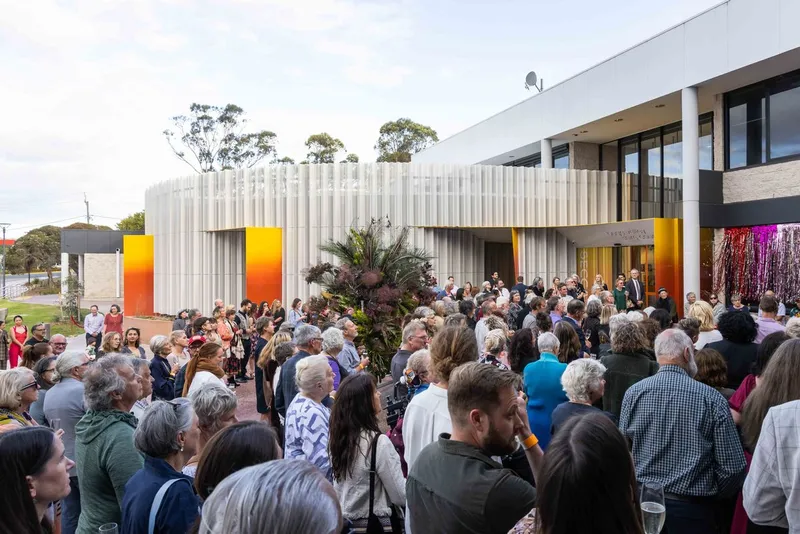
The building’s new façade plays a dual role: reinvigorating SECCA’s identity and opening it to the town’s daily rhythms. The previous structure’s closed frontage has been replaced with a textured steel-screen curtain façade, punctuated by large framed windows.
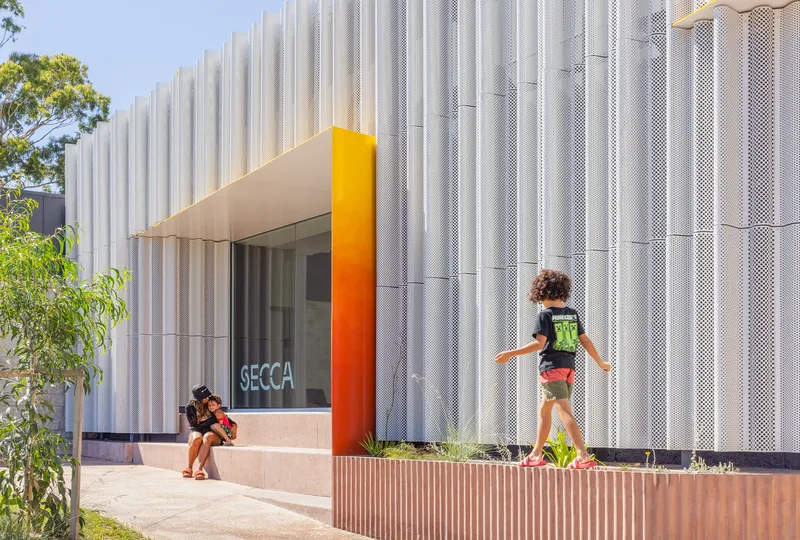
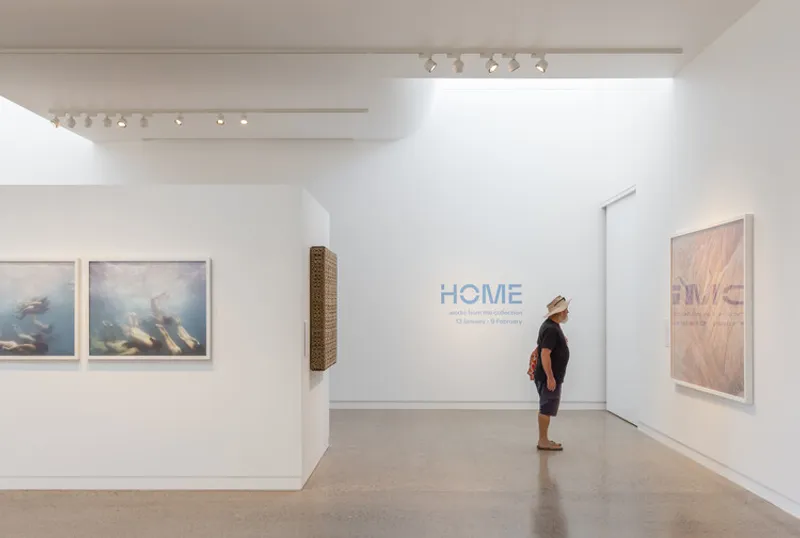
These windows act as both display cases and invitations to engage, allowing exhibitions and workshop activities to visually extend into the town square. The façade’s tonal variations and depth create a sense of movement, transforming SECCA into a dynamic beacon within Bega’s cultural landscape.
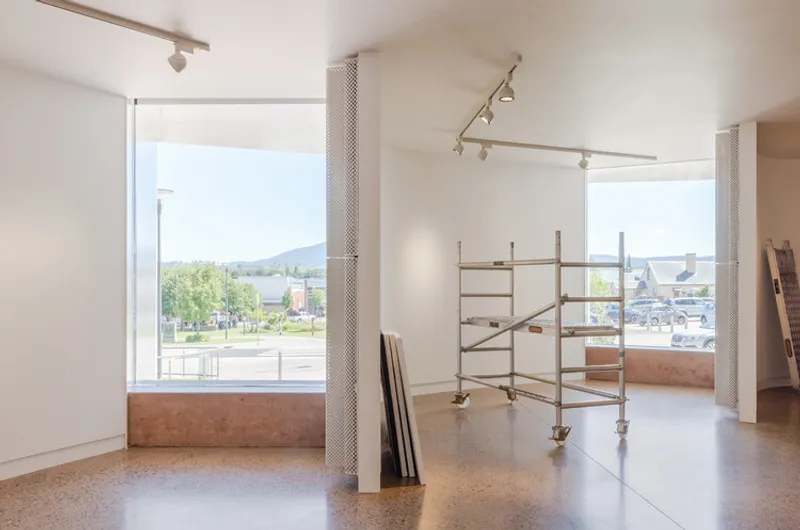
The new public face redefines SECCA as architecture in dialogue—where culture reaches beyond walls, and civic life folds into artistic production.
Landscape Integration: The Public Forecourt
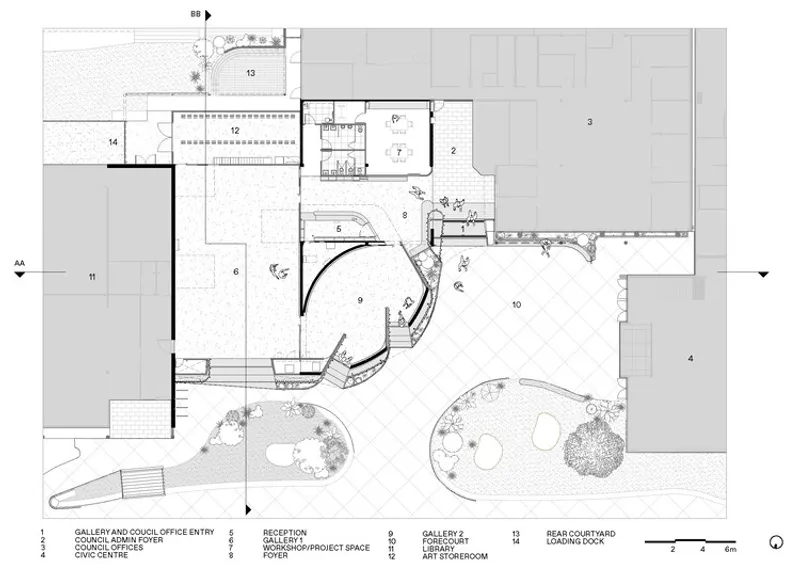
In parallel with the architectural extension, Sibling Architecture redesigned the adjacent public forecourt, turning it into a multifunctional civic space. Previously underused, the area now accommodates gatherings, performances, and everyday recreation.
Key interventions include:
- A shading canopy that provides shelter for outdoor programs and markets.
- Soft landscaping and endemic plantings, which introduce ecological variety while referencing the region’s native flora.
- Urban furniture and planters, framing the space with human-scaled, tactile elements that encourage pause and participation.
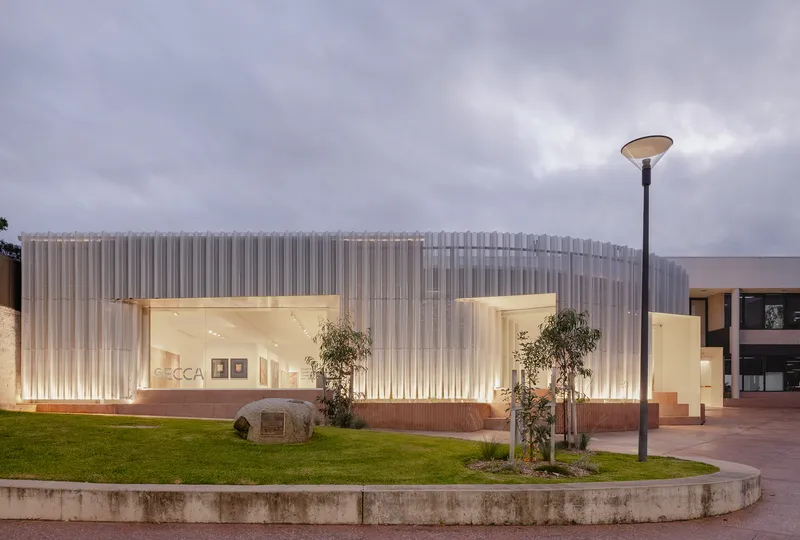
These gestures weave the building into Bega’s urban fabric, blurring the line between museum and town square. Visitors can view art indoors or enjoy informal moments outdoors, surrounded by art, nature, and community life.
Framed Views and Cultural Context
Beyond its architectural qualities, SECCA is attentive to cultural geography. The new gallery windows frame Biamanga (Mumbulla Mountain)—a landscape of sacred significance to the local Indigenous community. This deliberate orientation invites reflection on art’s relationship to Country, heritage, and contemporary identity.
From inside the gallery, visitors experience the convergence of natural and civic landscapes: the mountain on the horizon and Bega’s public life unfolding just across the road. Architecture becomes the medium through which these narratives meet.
Materiality and Atmosphere
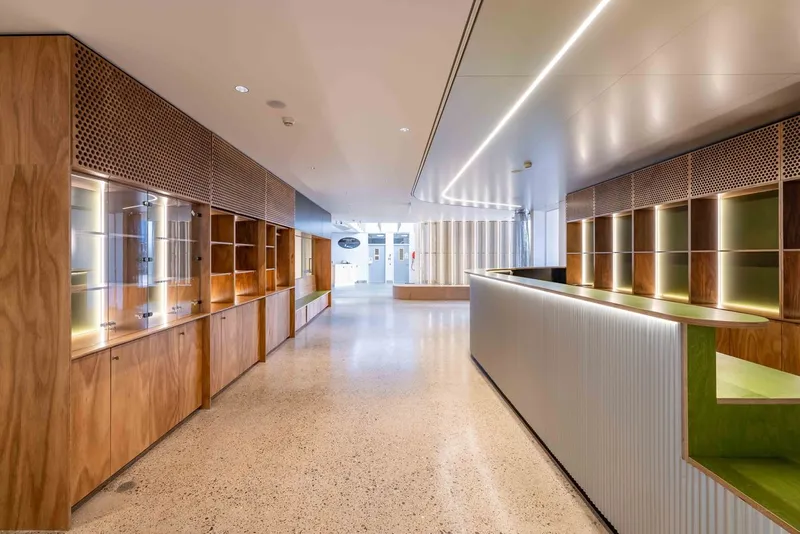
SECCA’s material palette balances raw and refined elements—industrial steel, glass, and concrete offset by warm timber detailing. The tactile façade contrasts with the clean spatial volumes within, giving the gallery a sense of both solidity and openness.
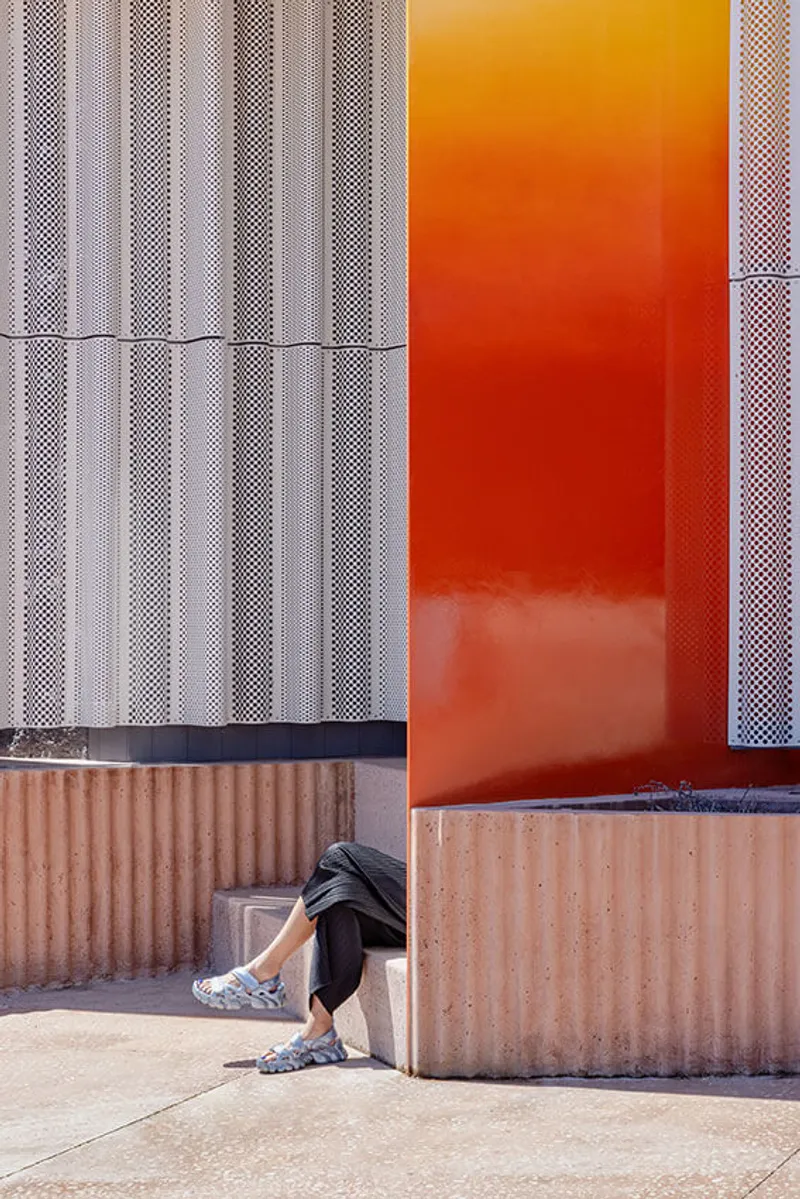
Light and texture drive the visitor experience. As daylight washes across surfaces and filters through the steel mesh skin, it creates shifting plays of transparency—mirroring SECCA’s mission to continually reinterpret the boundaries between art, audience, and environment.
SECCA as a Cultural Catalyst
The renewed SECCA represents more than architectural improvement—it signifies cultural empowerment. As an adaptable and inclusive facility, it serves as:
- A regional hub for contemporary art and creative practice.
- A platform for collaboration between artists, institutions, and Indigenous communities.
- A sustainable civic infrastructure promoting local identity and cultural resilience.
Through its expanded facilities and open design, SECCA asserts that art belongs to everyone—embedding creativity into the daily life of the Bega Valley.SECCA by Sibling Architecture transforms Bega’s regional gallery into a light-filled cultural landmark connecting art, community, and Australian landscape.
All the photographs are works of Katherine Lu




Popular Articles
Popular articles from the community


Hill & Cross Opera: Sculptural Opera House Architecture Shaped by Tallinn’s Landscape and Identity
Hill & Cross Opera reimagines opera house architecture in Tallinn through its sculptural hill, civic plaza, glass wave and a luminous cross.

The Ocean Hive: Sustainable Architecture for a Self-Sufficient Civilization at Sea
The Ocean Hive imagines sustainable architecture at sea, where modular habitats, algae, wave power and ocean waste sustain a growing colony.

Co-life: Sustainable Architecture for Age-Friendly Community Living
Co-life reimagines sustainable architecture for seniors through courtyards, rammed earth, shared gardens, and spaces designed for belonging.
EW PARK: Sustainable Architecture Reimagines the Future of Urban Parking
EW PARK reimagines city parking as a modular wooden tower combining automation, solar energy, electric mobility, and adaptable urban design.


Similar Reads
You might also enjoy these articles


Hodi-Mandai Geram
Project Function: Preservation and revitalization of the Intangible heritage and socio-spatial identity of the Hodi by Housing, Cultural Memory Center, Sacred Grove, landscape, local tourism economy


Olio Towers: A Mid-Rise for Performers That Fuses Housing, Rehearsal, and Stage
Located blocks from Houston's Theater District, this modular tower stacks living units around a central performance atrium.

Oasis: Modular Green Housing Carved into Dhaka's Urban Fabric
A shortlisted Plugin Housing entry reclaims unauthorized settlements in Dhaka with stepped concrete volumes, green roofs, and ventilation-driven design.

Black Hole: A Floating Megastructure for the Post-Physical Era
Emiliano Mazzarotto envisions a spherical, self-scaling arena where e-sports, digital hotels, and holographic stadiums replace traditional public space.


Explore Public Building Competitions
Discover active competitions in this discipline



Challenge to design locus for the upliftment of human rights


Challenge to reimagine the Iron Throne


Photograph architecture without architects


Illustrate the lost glory of Angkor Wat - Render Challenge
Comments (0)
Please login or sign up to add comments
No comments yet. Be the first to comment!