
St. Mary Chapel: A Beacon of Modern Religious Architecture by PLY+
Exploring St. Mary Chapel by PLY+, a modern religious architecture marvel integrating diverse spiritual needs with innovative design.


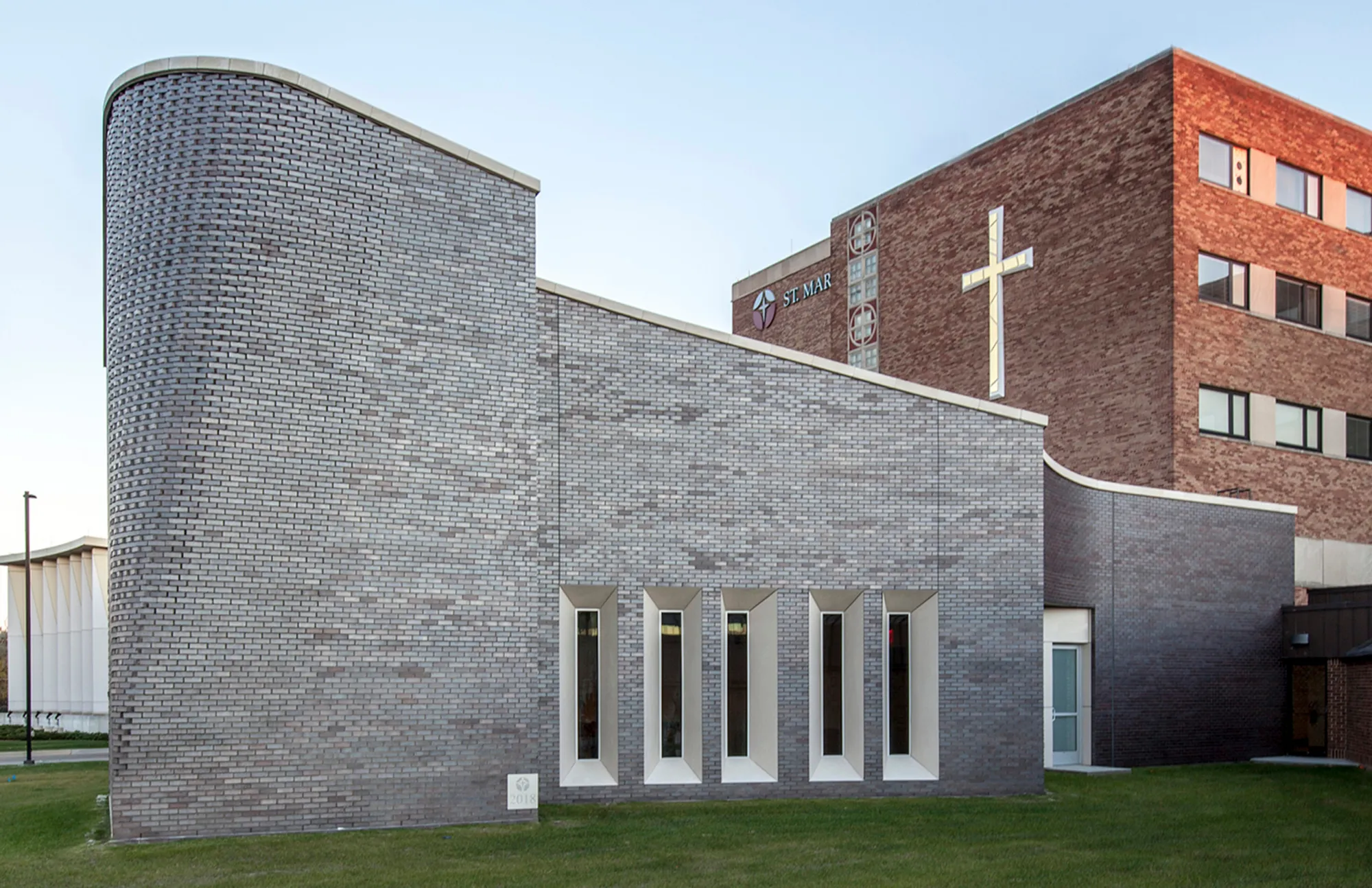
St. Mary Chapel in Livonia, Michigan, designed by PLY+, exemplifies the transformative potential of modern religious architecture. This project not only serves as a spiritual haven but also integrates seamlessly with the existing St. Mary Mercy Hospital. Through innovative design and material usage, the chapel reflects the evolving needs of a diverse and growing community. This article explores the architectural brilliance of St. Mary Chapel and its role in fostering spiritual unity.
Historical and Community Context
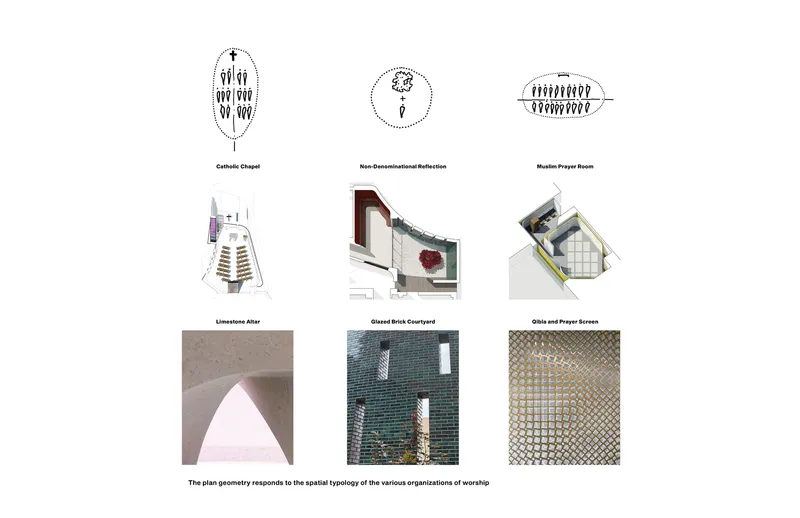
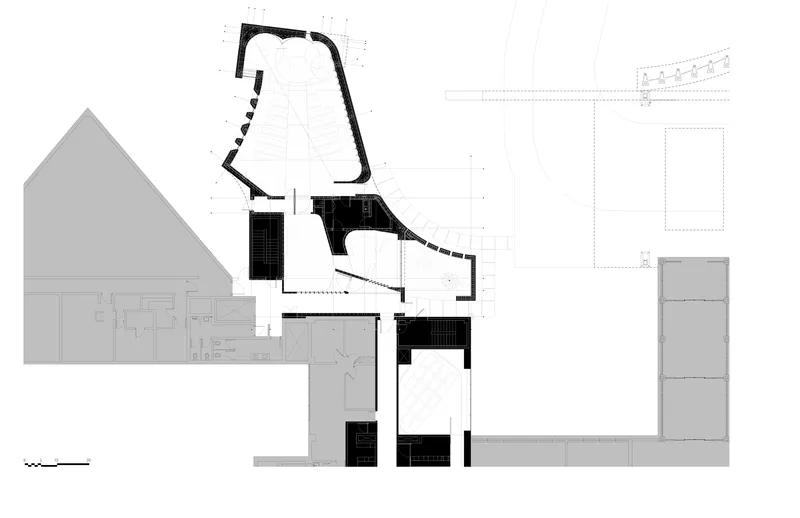
St. Mary Mercy Hospital, established in 1959 by the Felician Sisters, has long been a pillar of the Livonia community, providing crucial healthcare services during the region's industrial boom. As the population grew and diversified, the need for a space that could cater to various spiritual needs became apparent. The new chapel project includes a Roman Catholic Chapel, a reflection room, and a Muslim prayer room, symbolizing the hospital's commitment to serving a multi-faith community.

Architectural Design and Materiality
Visual Prominence and Integration
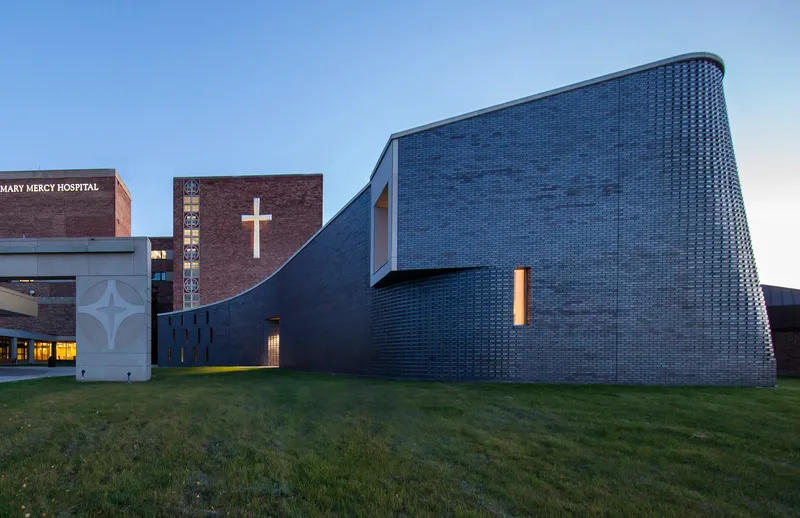
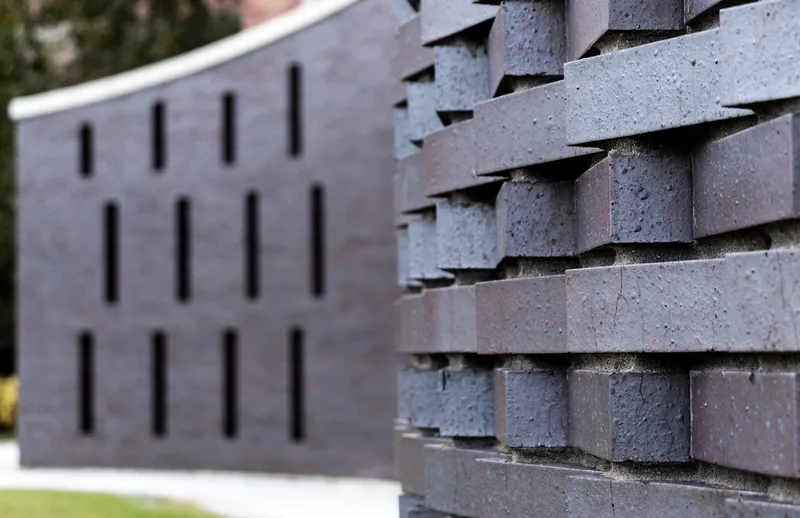
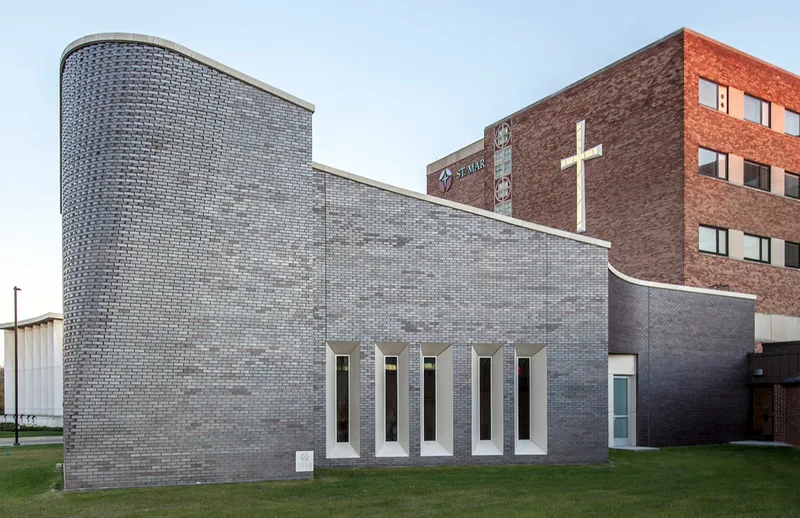
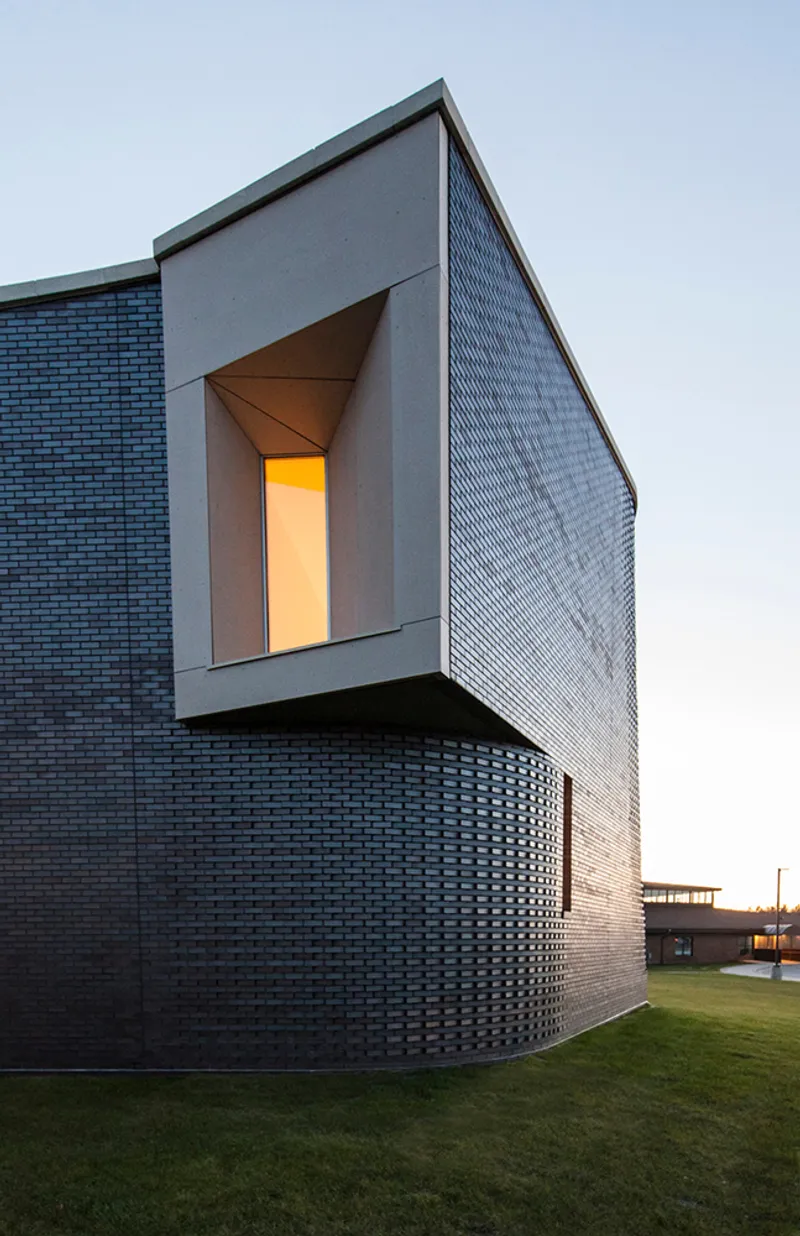
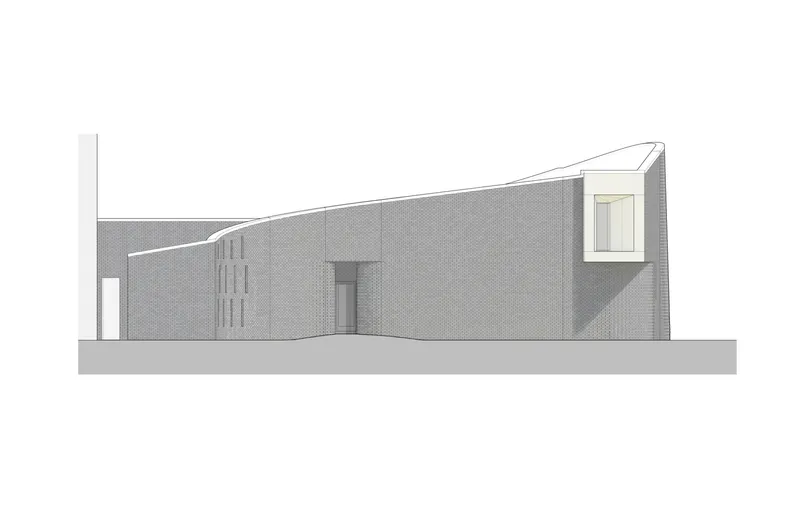
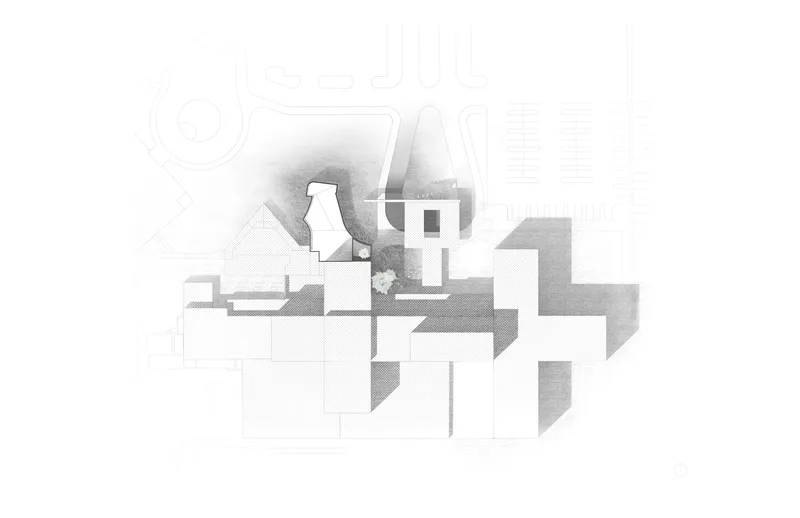
The location for the chapel was carefully chosen for its visibility from the north entrance of the hospital. This strategic placement allows the chapel to "borrow" the visual impact of an existing cross on the hospital's north façade. The design employs brick to achieve a smooth yet defined aesthetic, creating a unified spiritual center that stands out while harmonizing with the existing structures.
Form and Structure
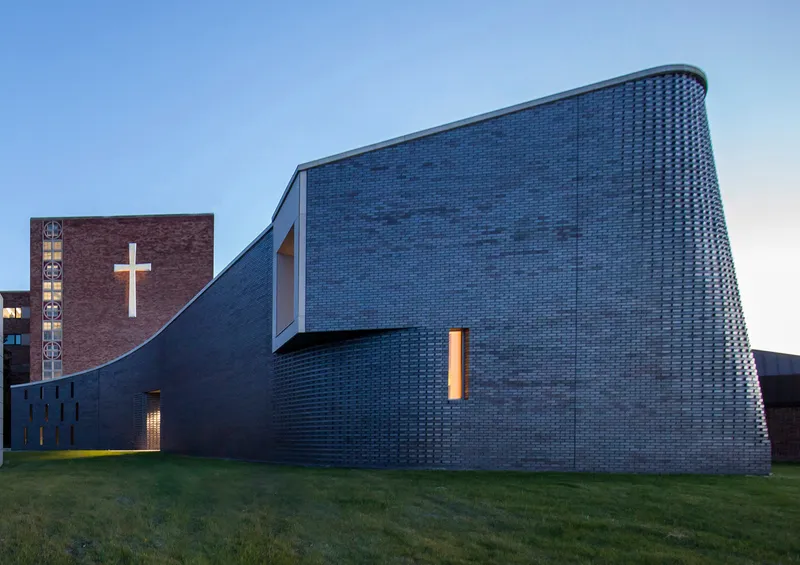
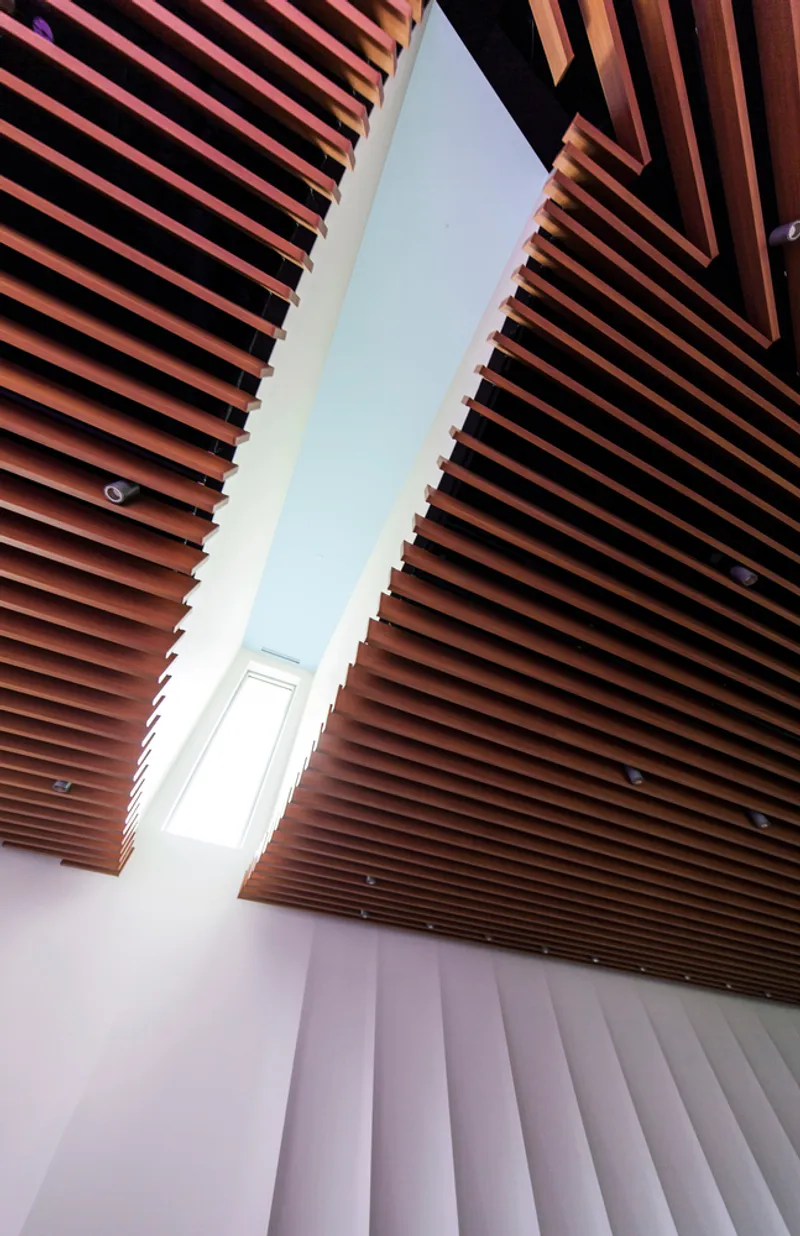
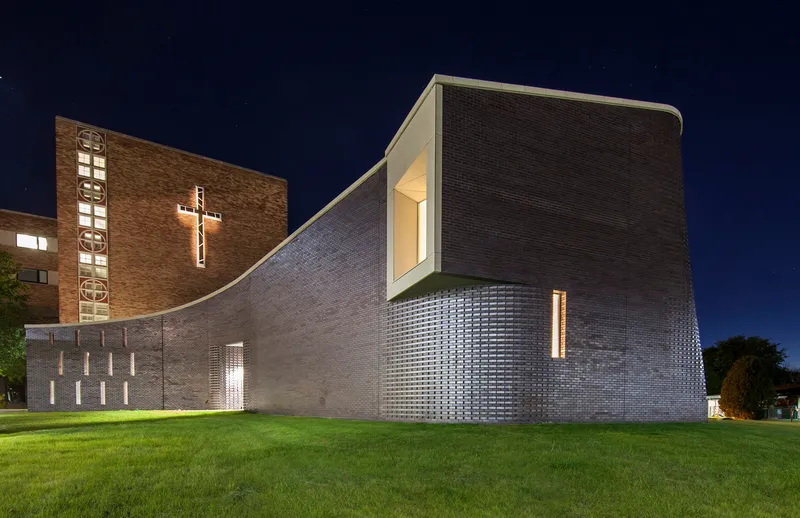
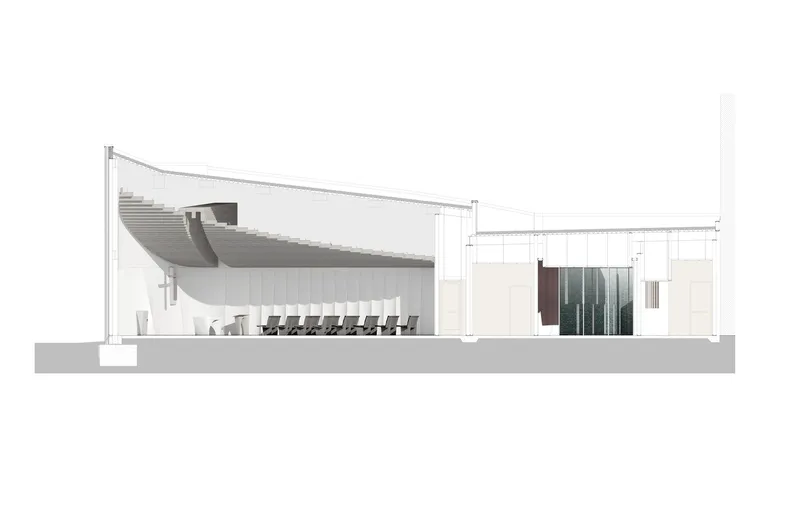
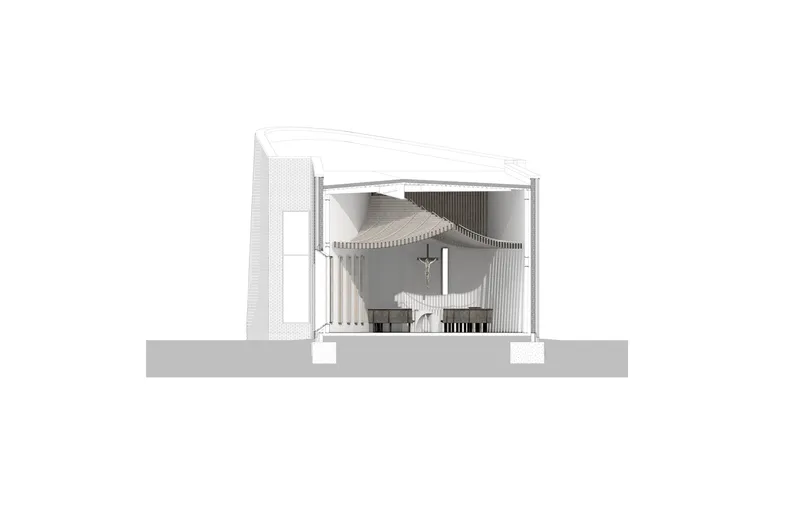
The chapel's form starts low at its connection with the hospital, rising gradually to create a vertically generous space that underscores the chapel's significance. This design approach not only enhances the interior spatial experience but also signifies the importance of the chapel as a new addition.
Illuminating Spiritual Spaces
Strategic Apertures
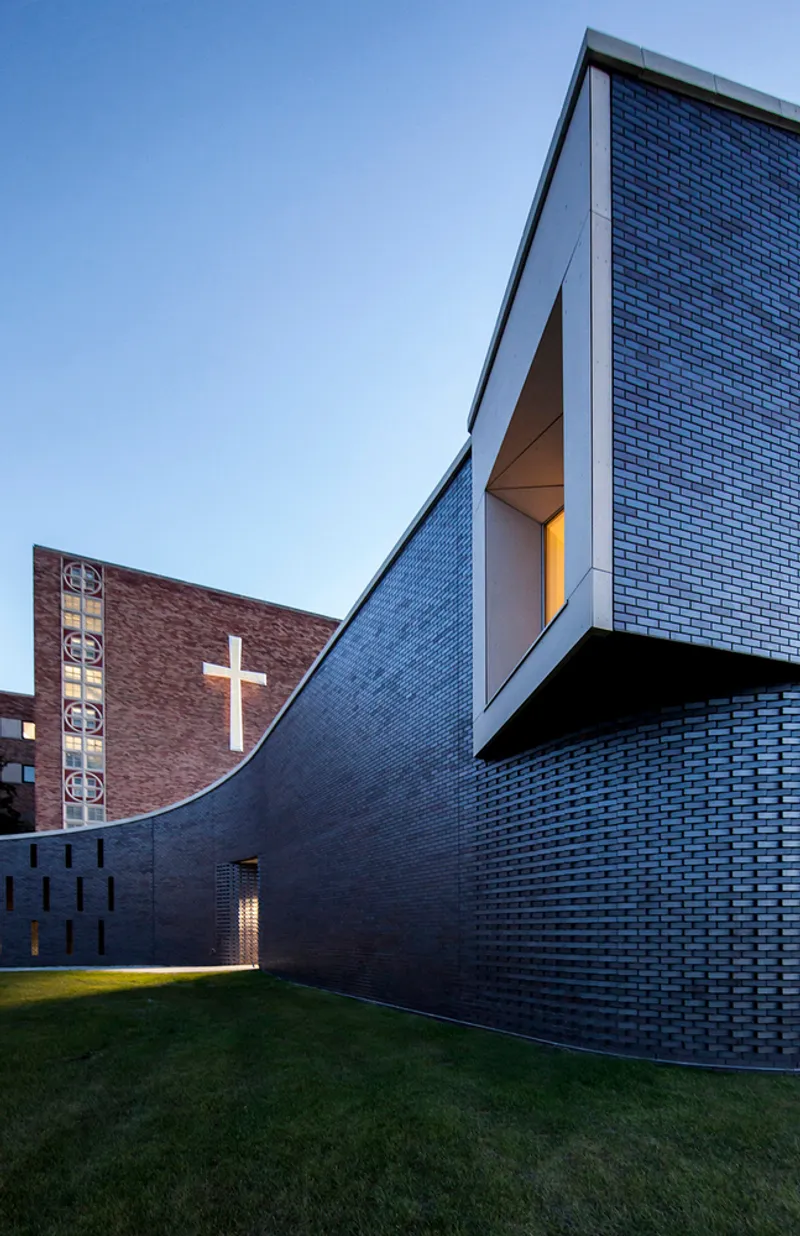
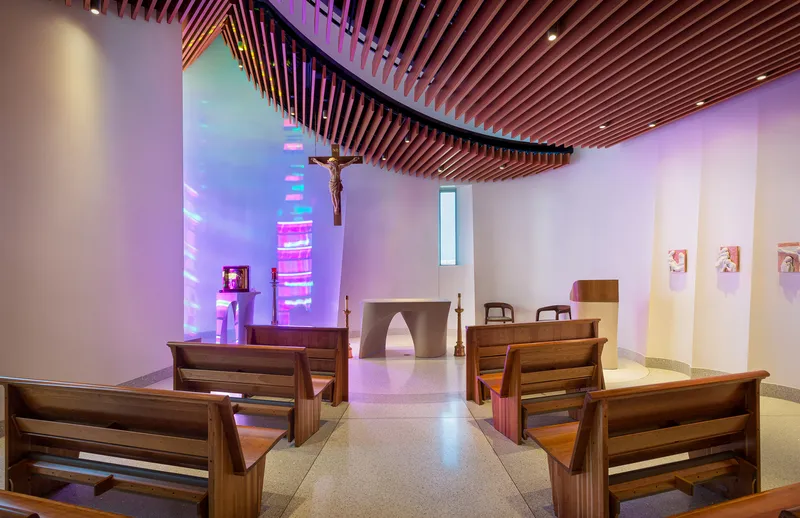
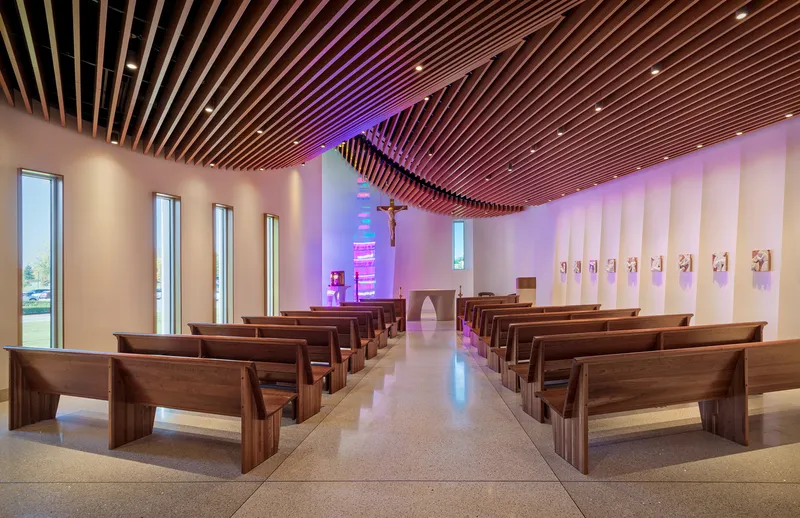
The chapel's design features strategically placed apertures that align with specific programmatic needs. A high east window provides early morning light for the daily 6am mass, while a southern opening with dichroic glass brings vibrant spectral colors into the space. A western row of windows establishes a connection with a planned healing garden, creating a serene and contemplative environment.

Dichroic Glass Window
The southern dichroic glass window is a standout feature, designed to maximize the color range through the strategic placement of two layered glass colors. This innovative use of materials and light creates a dynamic and spiritually uplifting atmosphere within the chapel.

Liturgical Elements and Interior Design
Geometrical Harmony
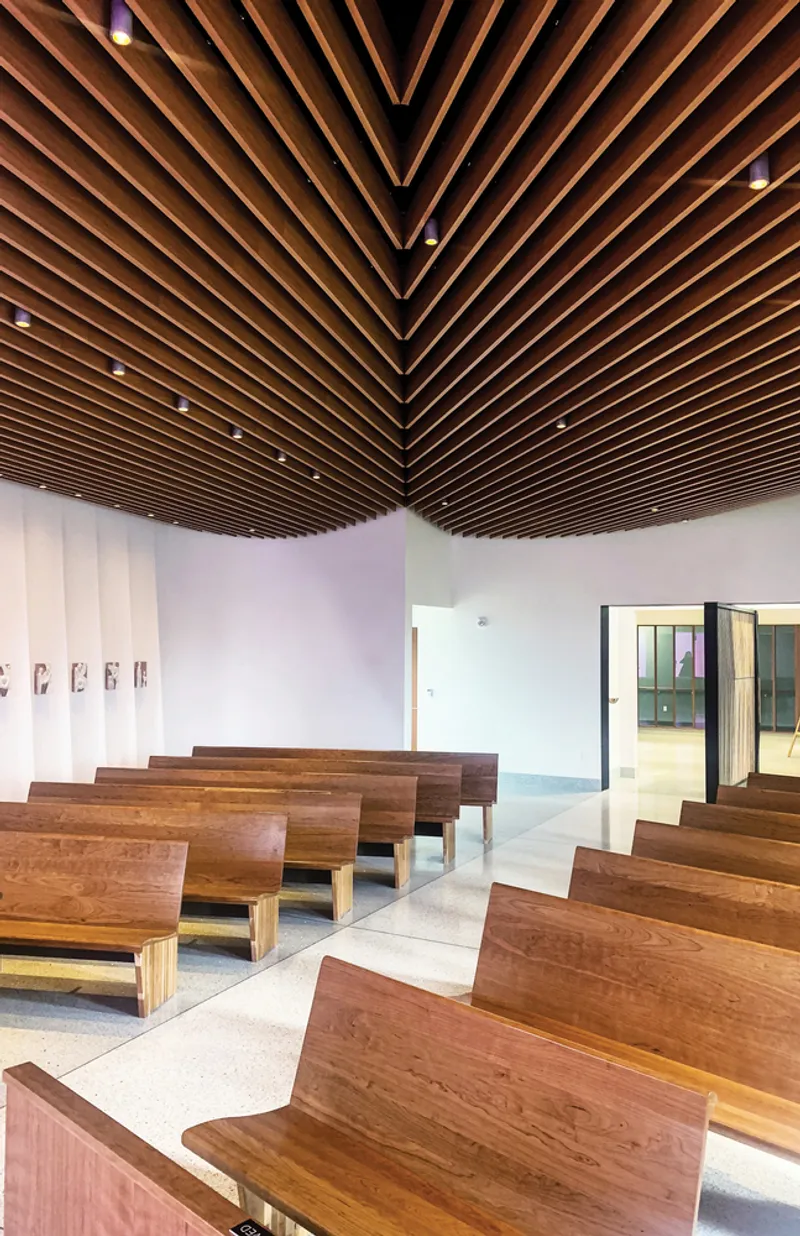
Inside the chapel, the geometrical design celebrates the central liturgical elements—the tabernacle, altar, and ambo. These elements are carved from solid dolomitic limestone using digital fabrication techniques by Quarra Stone Company, enhancing the chapel's modern aesthetic.
Conical Corner
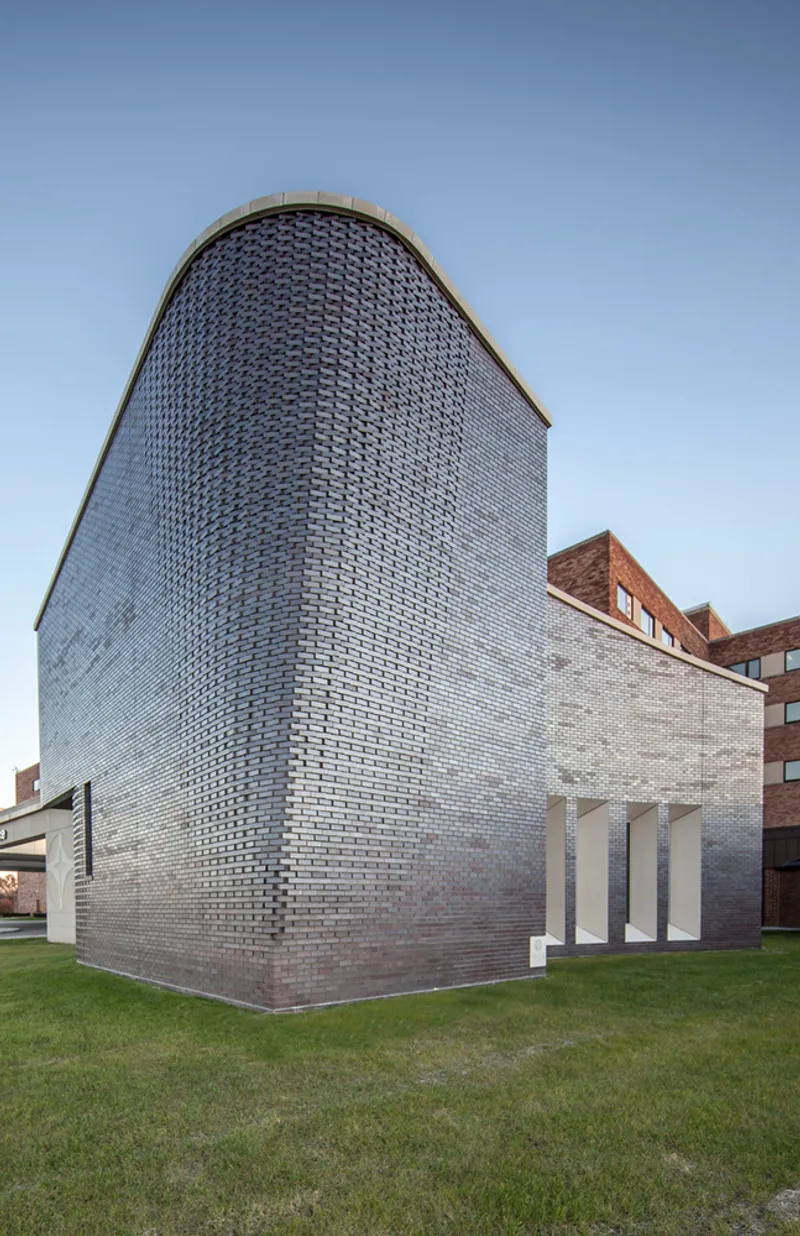
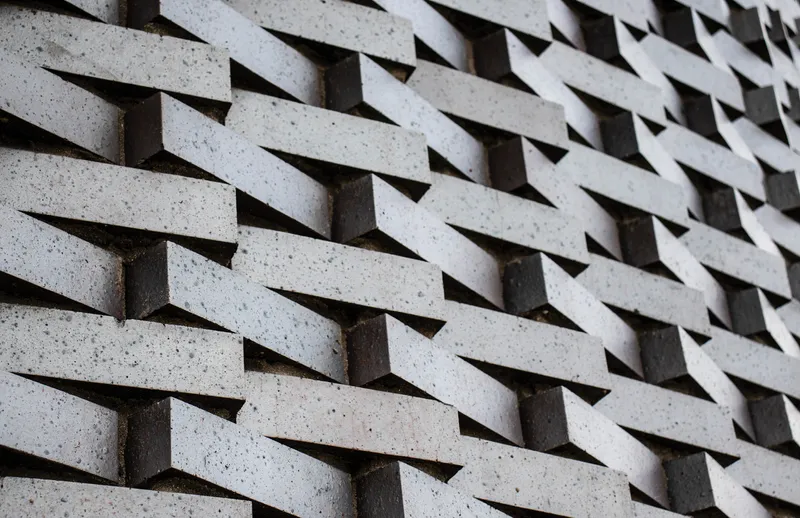
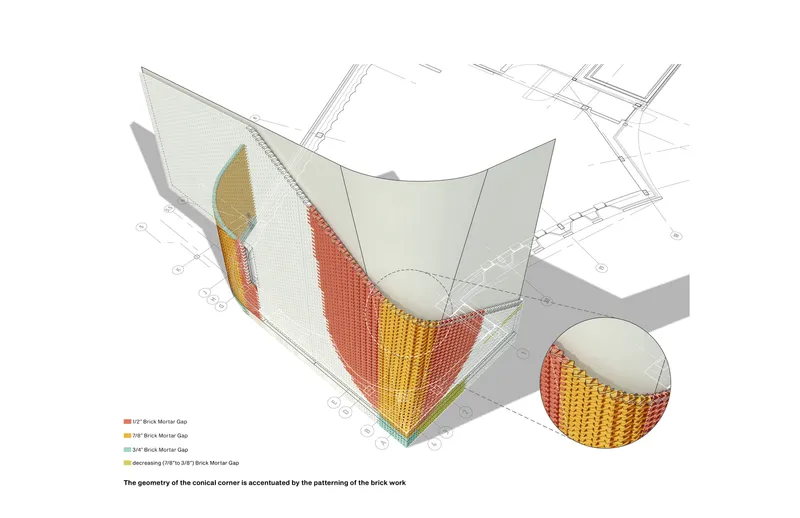
The conical corner of the chapel is a focal point, both structurally and spiritually. This design celebrates the tabernacle's position, with the ceiling geometry creating a visual connection that emphasizes the sacredness of this element. The exterior brick patterning at this corner involves a complex, woven design, achieved by rotating the masonry to create a dynamic and reflective façade.

St. Mary Chapel by PLY+ is a remarkable example of modern religious architecture. Its thoughtful design and innovative use of materials not only create a beautiful and functional spiritual space but also reflect the diverse and evolving needs of the Livonia community. The chapel stands as a testament to the power of architecture to foster spiritual unity and provide a serene haven amidst the bustling urban environment.
All photographs are work of Adam Smith, Jeffrey Kilmer




Popular Articles
Popular articles from the community


AL-JANNAH: Sustainable Architecture and Permaculture for Afghan Widows
AL-JANNAH uses sustainable architecture and permaculture to create resilient oasis of housing, learning, work and renewal for Afghan widows.

The Earth Pod: 3D Printed Homes for Resilient Refugee Communities
The Earth Pod reimagines refugee housing through 3D printed homes made from clay, combining resilience, self-sufficiency, and rapid shelter.

The Musturak Paradise: Senior Living Architecture for a Connected Future in Temara, Morocco
The Musturak Paradise reimagines senior living architecture in Temara via private homes, social spaces, culture, community, and shared care.

Riyadh For All: Intergenerational Urban Design for Active Aging in Rabat
Riyadh For All reimagines urban design in Rabat with intergenerational co-living, adaptive courtyards, and Moroccan cultural exchange today.


Similar Reads
You might also enjoy these articles


Hodi-Mandai Geram
Project Function: Preservation and revitalization of the Intangible heritage and socio-spatial identity of the Hodi by Housing, Cultural Memory Center, Sacred Grove, landscape, local tourism economy


Olio Towers: A Mid-Rise for Performers That Fuses Housing, Rehearsal, and Stage
Located blocks from Houston's Theater District, this modular tower stacks living units around a central performance atrium.

Oasis: Modular Green Housing Carved into Dhaka's Urban Fabric
A shortlisted Plugin Housing entry reclaims unauthorized settlements in Dhaka with stepped concrete volumes, green roofs, and ventilation-driven design.

Black Hole: A Floating Megastructure for the Post-Physical Era
Emiliano Mazzarotto envisions a spherical, self-scaling arena where e-sports, digital hotels, and holographic stadiums replace traditional public space.


Explore Chapel Competitions
Discover active competitions in this discipline



Challenge to reimagine the Iron Throne


Photograph architecture without architects


Illustrate the lost glory of Angkor Wat - Render Challenge


Bring back Drive In's
Comments (0)
Please login or sign up to add comments
No comments yet. Be the first to comment!