

Stella’s Cucina Restaurant by MQ Architecture: A Hidden Speakeasy-Inspired Dining Experience in Boulder
Hidden speakeasy-inspired restaurant in Boulder featuring immersive spatial design, natural materials, skylight illumination, and a mysterious, elegant hospitality experience.


Located in the vibrant city of Boulder, United States, Stella’s Cucina Restaurant by MQ Architecture redefines contemporary hospitality interiors through a narrative-driven architectural approach. Originally envisioned as a cannabis lounge, the project evolved into a sophisticated dining destination that blends mystery, elegance, and spatial storytelling. With a total area of 4,000 square feet, this 2022 project stands as a compelling example of immersive restaurant design rooted in historical inspiration and modern execution.


Speakeasy Concept and Urban Context
Positioned within a new commercial building facing Boulder’s Historic District, Stella’s Cucina deliberately disconnects from the external urban environment. Instead of creating a visual relationship with the street, the architects embraced the idea of secrecy and exclusivity. Drawing inspiration from the underground speakeasy culture of the American Prohibition era, the restaurant is designed as a hidden gem, an intimate, concealed world that unfolds gradually.
The entrance is intentionally discreet, marked only by a subtle “S” on Walnut Street. A towering 12-foot aluminum door, placed beneath a perforated metal canopy, acts as a threshold between the public realm and a curated interior experience. This architectural gesture reinforces the idea of discovery and intrigue, inviting guests into a space that feels both exclusive and timeless.


Spatial Journey and Interior Experience
The design of Stella’s Cucina focuses heavily on the sequence of movement, transforming the act of entering into a theatrical journey. As guests step through the aluminum door, they are greeted by a compressed entry space defined by a curved white ceiling. This deliberate spatial compression enhances anticipation while guiding visitors deeper into the restaurant.
An existing brick wall is preserved on one side, adding texture and historical depth, while a mirrored wall on the opposite side creates visual continuity and amplifies spatial perception. This interplay between material authenticity and reflective surfaces enriches the sensory experience, subtly expanding the narrow passage.
The lobby introduces a crafted oak wall featuring a check-in window, where guests are discreetly welcomed. This moment recalls the exclusivity of classic speakeasies, where entry is controlled and curated. Beyond this point, a hidden wooden door leads to a dimly lit corridor lined with wood finishes. The transition from light to shadow further intensifies the immersive atmosphere, preparing guests for the main dining area.


Material Palette and Design Elements
The interior design of Stella’s Cucina is defined by a refined material palette that balances warmth and sophistication. Natural materials such as oak wood and brick are paired with contemporary elements like aluminum, glass, and perforated metal. The use of mirrors enhances spatial depth, while carefully curated lighting creates a layered ambiance.
A central skylight plays a crucial role in the design, introducing natural light into the otherwise enclosed space. This strategic intervention softens the interior atmosphere, establishing a subtle connection with the outside world while maintaining the restaurant’s introspective character.
Furniture and finishes, sourced from leading manufacturers such as Arper, Maharam, and Daltile, contribute to a cohesive and high-end aesthetic. Lighting design by MAP Design Studio further enhances the mood, using controlled illumination to highlight textures and guide movement.


Architectural Narrative and Hospitality Innovation
Stella’s Cucina is more than a restaurant; it is an experiential environment that merges architecture, storytelling, and hospitality. MQ Architecture successfully transforms spatial limitations into design opportunities, crafting a sequence of moments that engage the senses and evoke curiosity.
The project challenges conventional restaurant design by prioritizing narrative over visibility, intimacy over openness, and experience over spectacle. By reinterpreting the speakeasy concept in a contemporary context, Stella’s Cucina offers a unique model for future hospitality interiors.


Stella’s Cucina Restaurant in Boulder exemplifies how architecture can shape human experience through thoughtful design, materiality, and spatial choreography. MQ Architecture’s approach demonstrates the power of storytelling in interior architecture, creating a hidden culinary destination that feels both exclusive and inviting.


All photographs are works of
Imagen Subliminal, Miguel Quismondo


Popular Articles
Popular articles from the community

Tsunami Convergenics: Turning Catastrophic Ocean Forces into Underwater Housing Infrastructure
A speculative underwater settlement off the coast of Onagawa, Japan, treats tsunamis and typhoons as energy sources rather than threats.

Cloaked Colonization: A Mobile Underwater Habitat That Moves Like a Fish
Micah Abaya's shortlisted EHC Pacific entry reimagines ocean settlement as a dispersed network of self-sustaining architectural organisms.

Opera by the Sea Estonia: Three Shells Dissolving Architecture into Tallinn's Coastline
A winning opera house proposal replaces monumental form with interconnected shells that blur the boundary between building, park and Baltic Sea.

Temporary Home for Dogs: A Reversed Zoo Rethinks Animal Shelter Architecture
In Bucharest, a sinuous corridor and freed landscape flip the logic of containment, designing a shelter that works to make itself unnecessary.

Similar Reads
You might also enjoy these articles

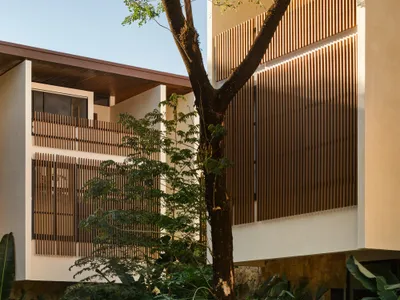
FAMM Arquitectura Organizes Ten Villas Around Courtyards and Jungle in Nosara, Costa Rica
El Molino pairs two elongated volumes with deep overhangs and timber louvers to build a compact coastal community five minutes from the beach.
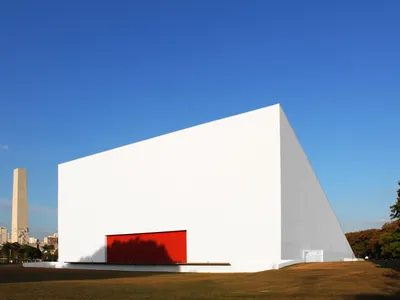
Oscar Niemeyer's Ibirapuera Park Pavilions Define São Paulo's Cultural Identity in Concrete and Curve
A constellation of modernist volumes set within São Paulo's most important urban park, conceived for the city's 400th anniversary in 1954.
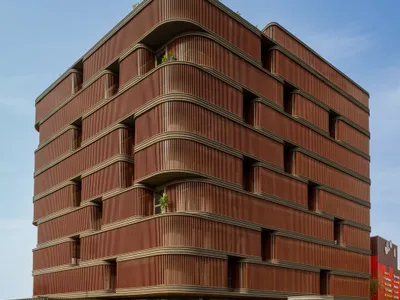
Sanjay Puri Architects Wraps a Jaipur Office Tower in Capsule-Shaped Green Buffers
A nine-level climate-responsive workplace near Jaipur Airport uses stacked planter terraces and aluminium screens to fight 40°C heat.
RHO Converts a Berlin Spree-Side Industrial Courtyard into Enkime's 1,000 m² Agency Headquarters
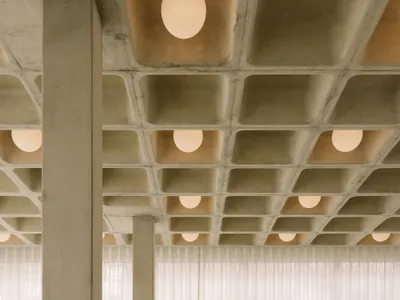
A social media agency's new home in Charlottenburg trades glossy branding for concrete waffle ceilings, glazed tile, and sheer curtains.

Explore Architecture Competitions
Discover active competitions in this discipline

Challenge to reimagine the Iron Throne

Photograph architecture without architects

Illustrate the lost glory of Angkor Wat - Render Challenge

Design challenge to reuse E-waste
Comments (0)
Please login or sign up to add comments
No comments yet. Be the first to comment!