

Steno Diabetes Center Copenhagen: A Holistic Approach to Health and Design
Steno Diabetes Center Copenhagen blends biophilic design, nature integration, and user-centric spaces to promote holistic health and well-being.


The Steno Diabetes Center Copenhagen (SDCC), designed by Vilhelm Lauritzen Architects, Mikkelsen Architects, and STED, is Northern Europe’s largest hospital dedicated to diabetes prevention and treatment. The facility goes beyond traditional healthcare architecture, reimagining the hospital as a place not just for healing but for fostering well-being through design. With a focus on biophilic principles, SDCC integrates nature and architecture to create an environment that supports physical and mental health.

Architectural Design and Materiality
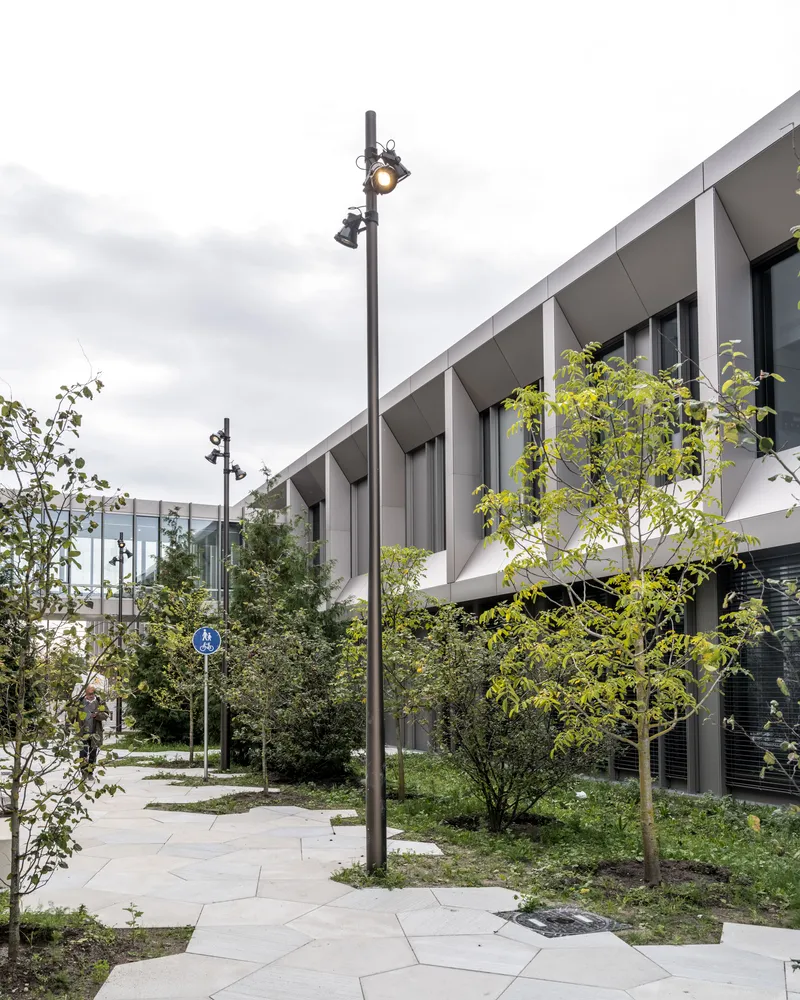
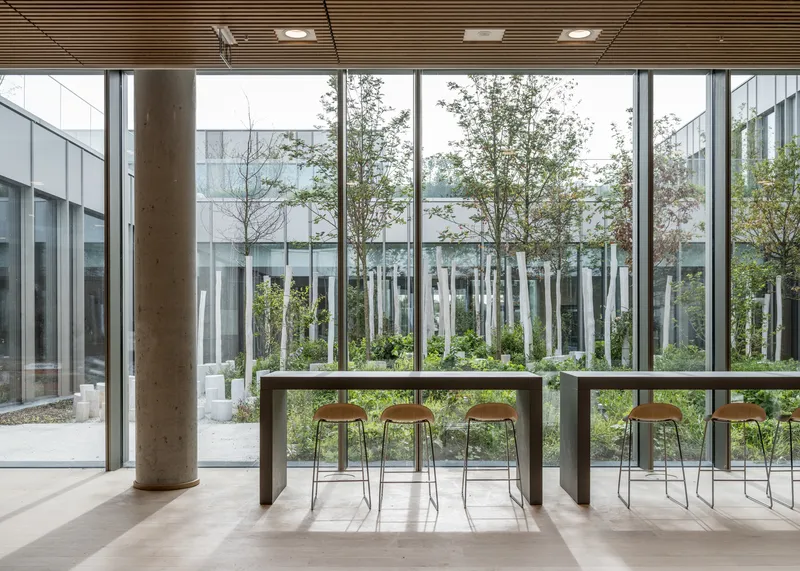
The SDCC building is a testament to innovative healthcare architecture. Its design incorporates a strong connection between the indoors and outdoors, where the facade, constructed with anodized aluminum and large glass panels, allows for uninterrupted views of the surrounding landscape. This transparency facilitates the integration of nature throughout the facility, breaking down the barriers between interior and exterior spaces.
The building is organized around a central two-story garden, flanked by six lush courtyards. These green spaces are not just ornamental—they serve as an integral part of the hospital’s therapeutic environment. A public rooftop garden further enhances the connection to nature, creating a space for relaxation and reflection.
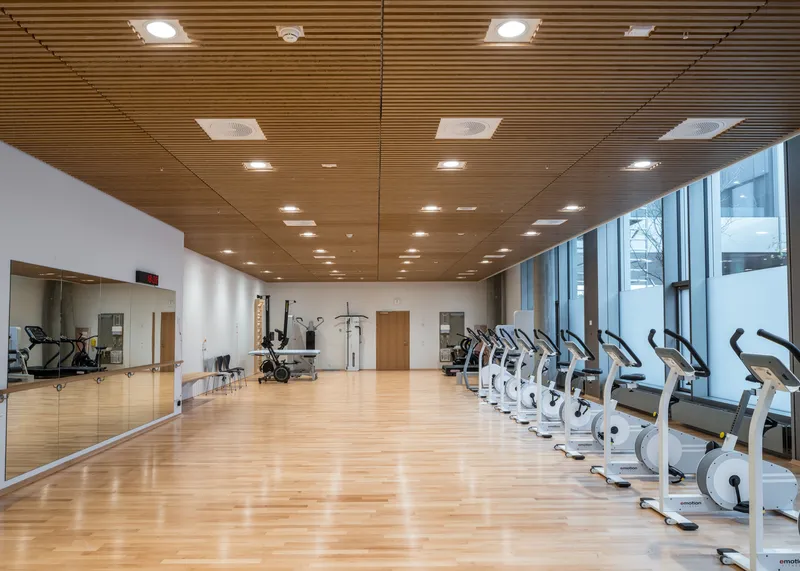
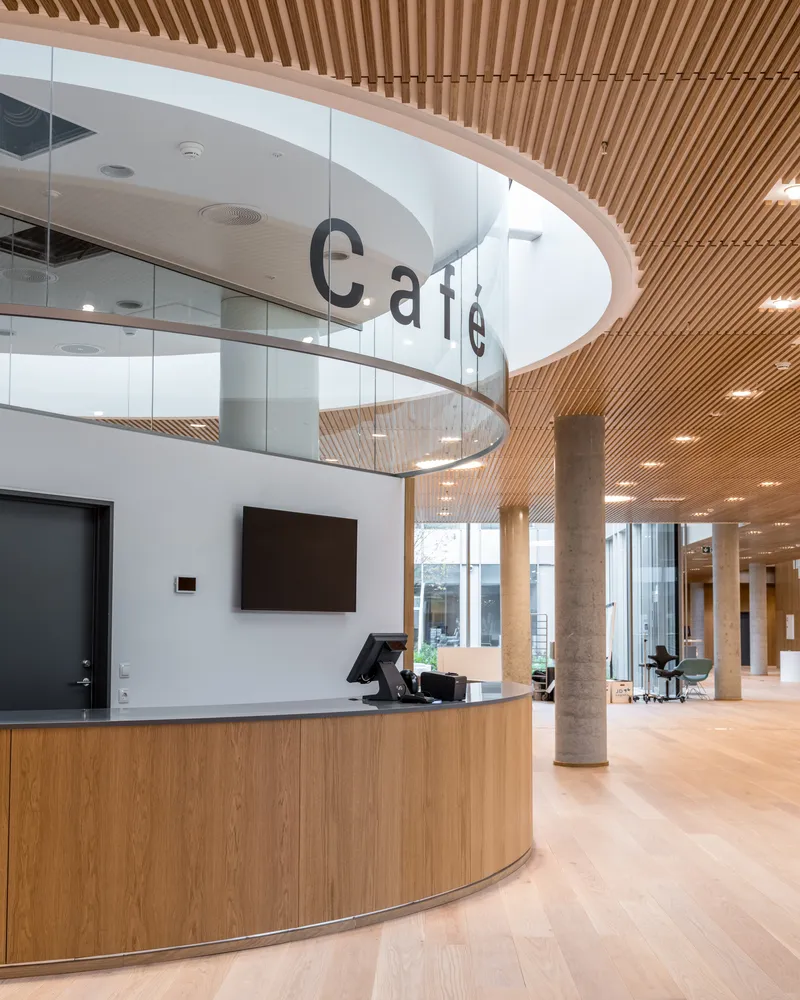
Warm materials such as wooden floors and ceilings are used extensively throughout the interior. Studies have shown that wood can reduce stress and improve overall well-being, making it a natural choice for the hospital’s design. The SDCC prioritizes comfort and warmth, creating spaces where patients, visitors, and staff alike feel at ease.


Biophilic Design and Wellness
The SDCC is a prime example of biophilic design—an approach that emphasizes the human connection to nature. Research has consistently shown that time spent in natural environments has profound benefits on both mental and physical health. By integrating greenery at every level, the design of SDCC seeks to provide a calming and restorative environment for patients. Whether it's the garden courtyard or the vibrant plant life visible through large windows, nature is a constant presence within the hospital.
The design of SDCC also embraces the principles of sustainability and biodiversity. The surrounding landscape is home to a diverse array of plant species, creating an educational space that highlights the importance of environmental stewardship. These green spaces are not just therapeutic but are also a central part of the hospital’s educational mission, promoting a healthy lifestyle that includes diet, exercise, and connection with nature.


User-Centric Design and Experience
One of the most innovative aspects of SDCC is its focus on the user experience. Traditional hospital settings can often make patients feel more ill, both physically and emotionally. At SDCC, the design rethinks common areas, turning waiting times into productive, engaging moments. By incorporating areas for activity and interaction, the hospital encourages patients to take an active role in their health journey.
The building’s spatial organization promotes easy movement and flow, ensuring a seamless experience for patients, visitors, and staff. The thoughtful design of the interiors, with their open, airy spaces, provides opportunities for social interaction and engagement, further enhancing the therapeutic atmosphere of the facility.

A Democratic Space for All
At the heart of SDCC is a commitment to inclusivity and equality. The hospital design embodies democratic values, creating a space that welcomes all individuals, regardless of background or health condition. This inclusivity extends beyond the architecture, as the hospital’s mission also focuses on the diversity of life, embracing the differences that make each individual unique. The hospital's design fosters an environment where health is not just the absence of illness but the presence of well-being in all its forms.
The Steno Diabetes Center Copenhagen stands as a groundbreaking example of how architecture can positively influence health outcomes. Through its biophilic design, use of warm materials, and user-centric approach, SDCC redefines the traditional hospital environment, offering a space that promotes healing, well-being, and education. By integrating nature at every level, both inside and outside, the design encourages a holistic approach to health that supports patients not only in their treatment but in their everyday lives.

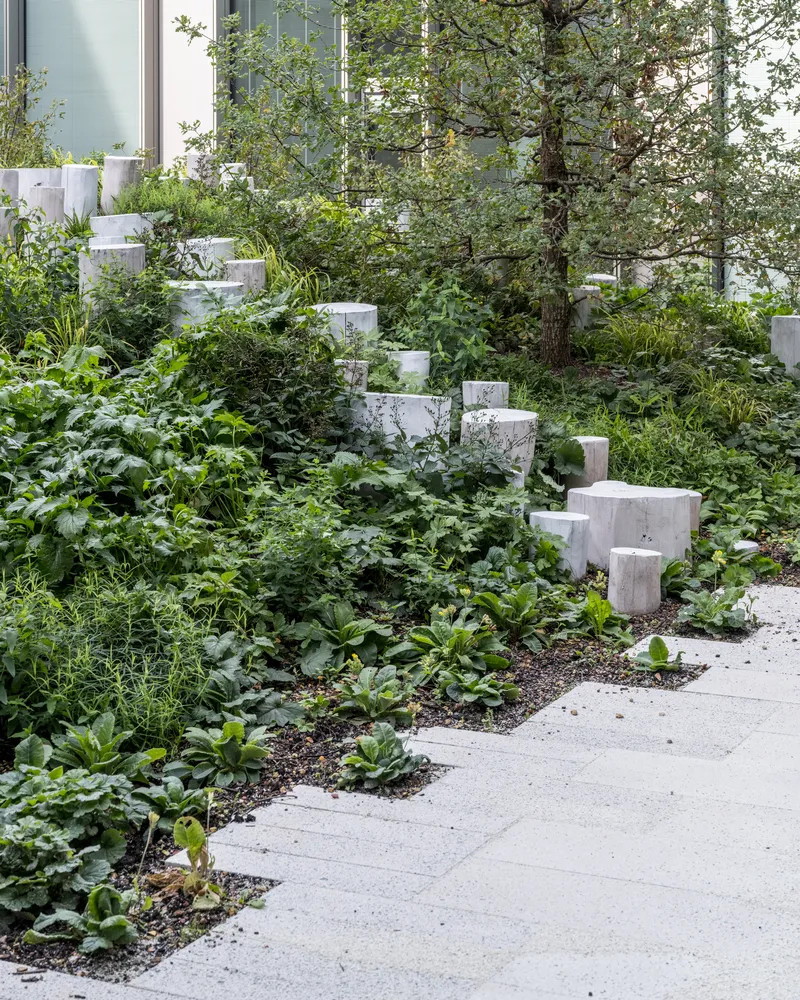
All Photographs are works ofSjavit Maestro, Rasmus Hjortshøj




Popular Articles
Popular articles from the community


Riyadh For All: Intergenerational Urban Design for Active Aging in Rabat
Riyadh For All reimagines urban design in Rabat with intergenerational co-living, adaptive courtyards, and Moroccan cultural exchange today.
EW PARK: Sustainable Architecture Reimagines the Future of Urban Parking
EW PARK reimagines city parking as a modular wooden tower combining automation, solar energy, electric mobility, and adaptable urban design.

Co-Life: Senior Housing Design That Reconnects Older Adults With the City
Co-Life reimagines senior housing design through healing gardens, shared streets, workshops, and a sustainable community across generations.

The Musturak Paradise: Senior Living Architecture for a Connected Future in Temara, Morocco
The Musturak Paradise reimagines senior living architecture in Temara via private homes, social spaces, culture, community, and shared care.


Similar Reads
You might also enjoy these articles


Hodi-Mandai Geram
Project Function: Preservation and revitalization of the Intangible heritage and socio-spatial identity of the Hodi by Housing, Cultural Memory Center, Sacred Grove, landscape, local tourism economy


Olio Towers: A Mid-Rise for Performers That Fuses Housing, Rehearsal, and Stage
Located blocks from Houston's Theater District, this modular tower stacks living units around a central performance atrium.

Oasis: Modular Green Housing Carved into Dhaka's Urban Fabric
A shortlisted Plugin Housing entry reclaims unauthorized settlements in Dhaka with stepped concrete volumes, green roofs, and ventilation-driven design.

Black Hole: A Floating Megastructure for the Post-Physical Era
Emiliano Mazzarotto envisions a spherical, self-scaling arena where e-sports, digital hotels, and holographic stadiums replace traditional public space.


Explore Hospitality Building Competitions
Discover active competitions in this discipline



Challenge to reimagine the Iron Throne


Photograph architecture without architects


Illustrate the lost glory of Angkor Wat - Render Challenge


Design challenge to reuse E-waste
Comments (0)
Please login or sign up to add comments
No comments yet. Be the first to comment!