
Studio Libeskind unveils National Holocaust Names Memorial in Amsterdam
The striking monument honours over 102,000 Dutch Jews, Roma, and Sinti who were victims of Nazi persecution during World War II

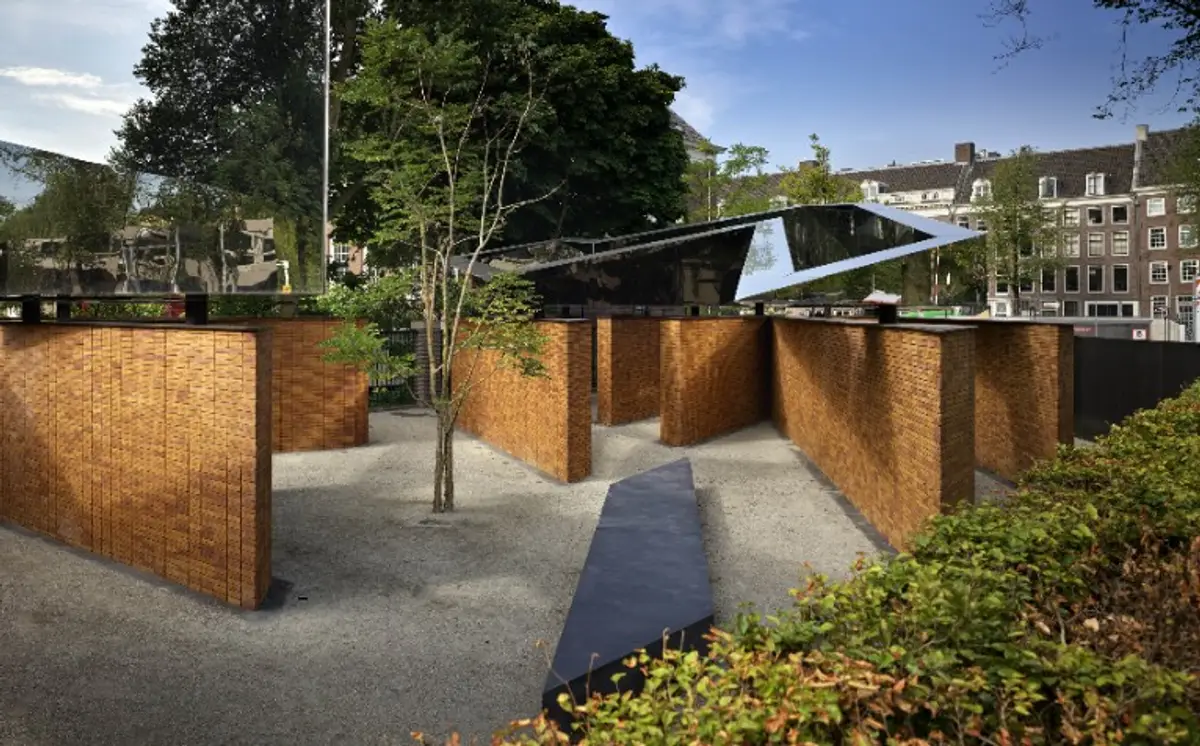
The Netherlands has finally unveiled its first National Holocaust Memorial of Names, a monument dedicated to the memory of over 102,000 Dutch victims of the Holocaust. The Dutch Auschwitz Committee, in collaboration with Studio Libeskind and local partner Rijnboutt, designed the memorial. The monument contains the names of all Dutch Jew, Sinti and Roma Holocaust victims who have no marked grave. The memorial is situated along the Weesperstraat, an important axis within the Jewish Cultural Quarter, adjacent to the Hermitage Museum and in close proximity to important Jewish cultural institutions such as the Jewish Historical Museum and the Portuguese Synagogue.
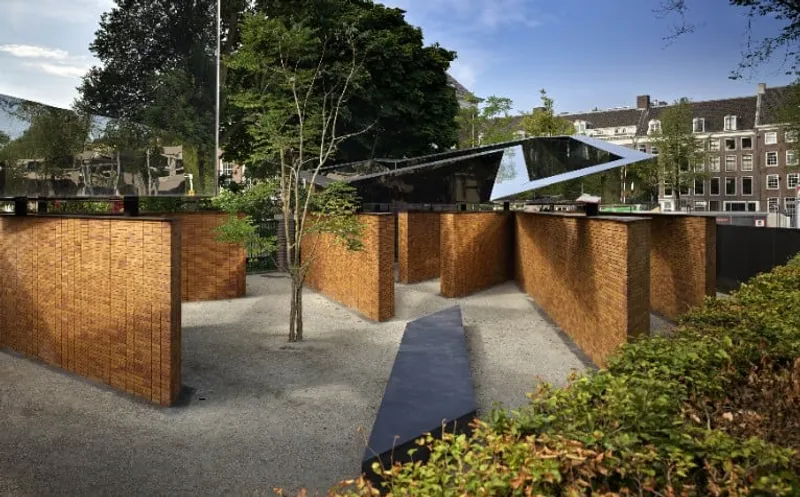
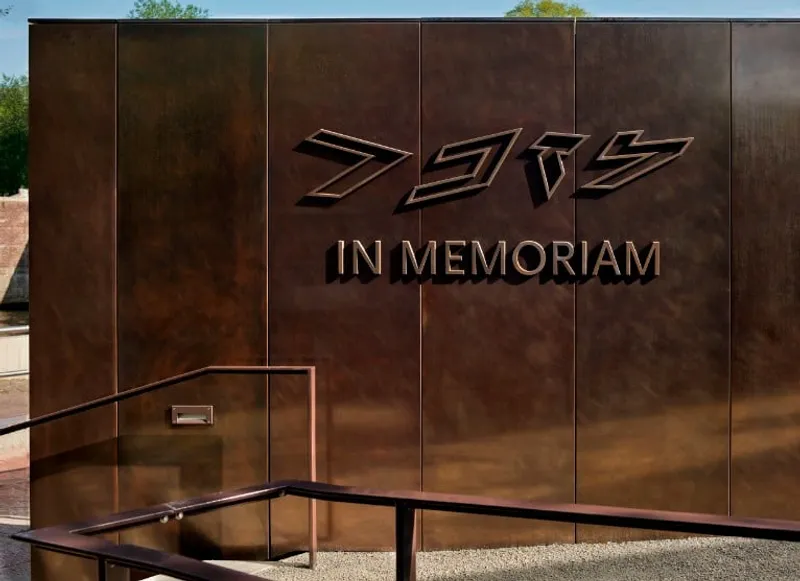
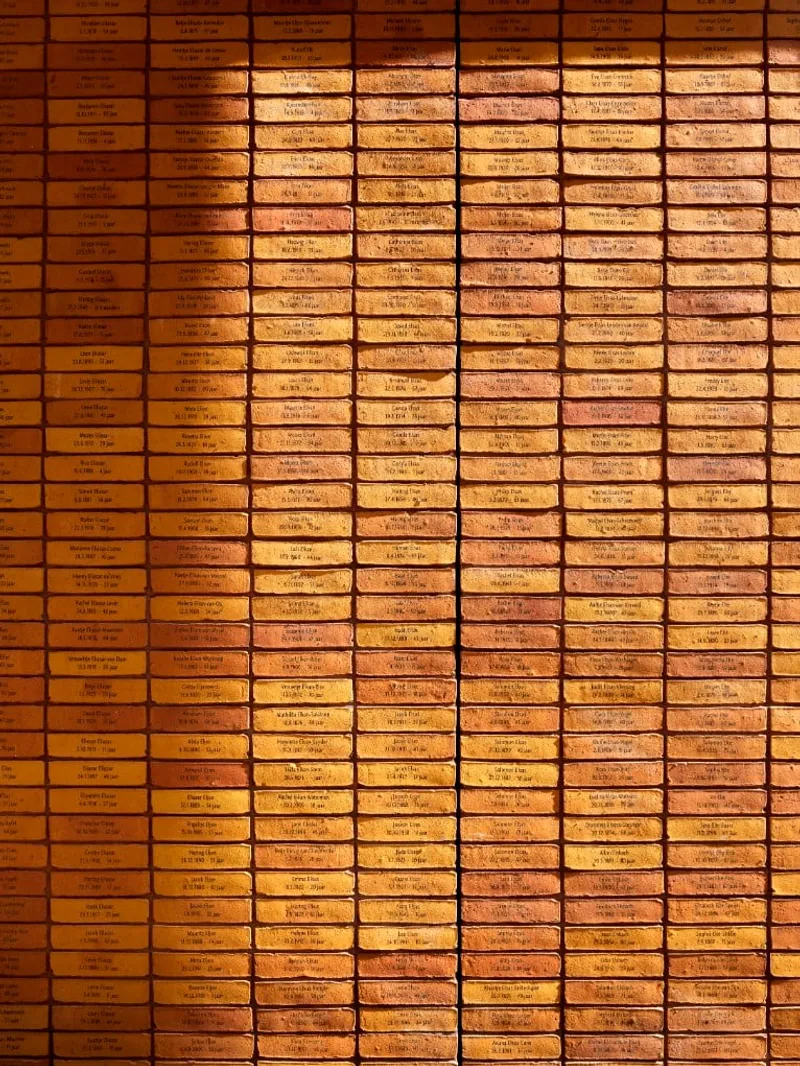
The monument incorporates four volumes that represent the letters in the Hebrew word לזכר meaning “In Memory of”. The volumes are arranged in a rectilinear configuration on the north-south axis of the main thoroughfare Weesperstraat and the Hoftuin pavilion to the West. Visitors enter the memorial through passages articulated by two-meter-high brick walls that carry the message of Remembrance. Each of the four volumes is crafted from mirror-finished stainless steel that hovers above the walls of individually stacked bricks. The 102,000 bricks will each be inscribed with the first and last name, along with the age and birthday of each victim. The monument will also feature 1000 blank bricks to memorialize the unknown victims.
The materiality of the brick—a ubiquitous material in The Netherlands and throughout the cities of Western Europe – paired with the highly reflective and geometric forms of the steel letters reference the connection between the Netherlands' past and present. The suspended emptiness, or ‘Breath of Air’, detaches the neighbourhood from a future in which Dutch-Jewish families went missing. The memorial will have an interactive element that will allow visitors to place stones by the names on the bricks, similar to the way one honours the dead at a grave.
“The Dutch lost the largest percentage of their Jewish population in the Holocaust. The National Holocaust Memorial of Names is the first Holocaust memorial to commemorate the Dutch victims and the first of its kind in Amsterdam,” said architect Daniel Libeskind. “My personal connection as a child of Holocaust survivors has made it increasingly important to be a part of this significant project. I hope it will become a place for contemplation, hope, and an important reminder to fight hate in all its forms for the people of the Netherlands and beyond,” added Libeskind.
“The Dutch lost the largest percentage of their Jewish population in the Holocaust. The National Holocaust Memorial of Names is the first Holocaust memorial to commemorate the Dutch victims and the first of its kind in Amsterdam,” said architect Daniel Libeskind. “My personal connection as a child of Holocaust survivors has made it increasingly important to be a part of this significant project. I hope it will become a place for contemplation, hope, and an important reminder to fight hate in all its forms for the people of the Netherlands and beyond,” added Libeskind.
The materiality of the brick—a ubiquitous material in The Netherlands and throughout the cities of Western Europe – paired with the highly reflective and geometric forms of the steel letters reference the connection between the Netherlands' past and present. At the intersection of the brick and metallic forms is a narrow void that creates the illusion that the steel letters are hovering above and represents an interruption in the history and culture of the Dutch people. This suspended emptiness, or ‘Breath of Air’, detaches the neighbourhood from a future in which Dutch-Jewish families went missing. The memorial will have an interactive element that will allow visitors to place stones by the names on the bricks, similar to the way one honours the dead at a grave.
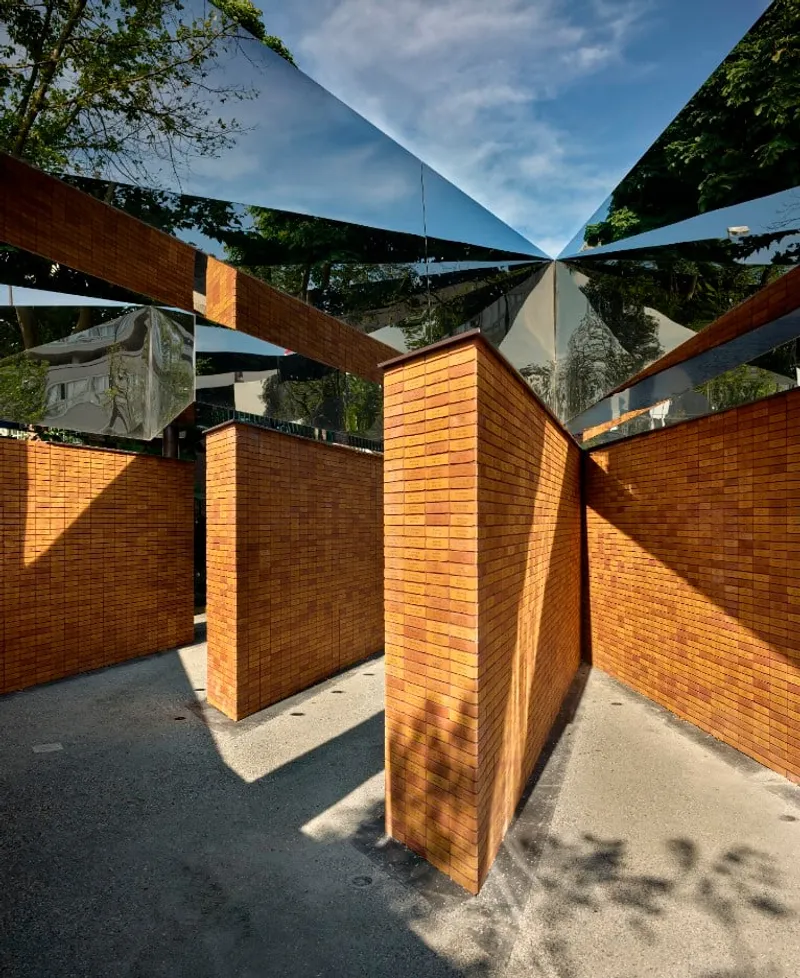
The memorial will serve as a place for contemplation and reflection, allowing the bereaved to remember their loved ones. It will also raise historical awareness of where wars can lead, encouraging people to reflect on and learn from World War II. The memorial will be visible to commuters during all hours, reminding them of the tragedy of the Holocaust. The floors around the walls are of light-stabilized gravel, creating a path through the four volumes. Simple stone blocks are placed in the open spaces and walkways to provide a resting place for contemplation and reflection.
In conclusion, the National Holocaust Memorial of Names is an important addition to the Jewish Cultural Quarter, offering a tangible memorial to collectively honour the 102,000 Dutch victims of the Holocaust. Its location in close proximity to important Jewish cultural institutions ensures that it will be easily accessible to visitors from all over the world. The interactive element of the memorial allows visitors to engage with the memory of the victims, making it a place for contemplation, hope, and reflection. The monument serves as a reminder to fight hate in all its forms, raising historical awareness and encouraging people to learn from the past.


Popular Articles
Popular articles from the community


Play: Fragments of Their World
Familiar architecture becomes modular playground design, creating safe spaces where displaced children can learn, connect, imagine and play.

The Musturak Paradise: Senior Living Architecture for a Connected Future in Temara, Morocco
The Musturak Paradise reimagines senior living architecture in Temara via private homes, social spaces, culture, community, and shared care.

Hill & Cross Opera: Sculptural Opera House Architecture Shaped by Tallinn’s Landscape and Identity
Hill & Cross Opera reimagines opera house architecture in Tallinn through its sculptural hill, civic plaza, glass wave and a luminous cross.

Co-life: Sustainable Architecture for Age-Friendly Community Living
Co-life reimagines sustainable architecture for seniors through courtyards, rammed earth, shared gardens, and spaces designed for belonging.

Similar Reads
You might also enjoy these articles
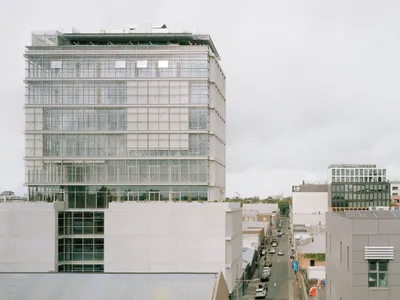
116 Rokeby Building, Collingwood
Sustainable Collingwood office building featuring double-skin façade, natural ventilation, rooftop amenities, and carbon-neutral design focused on wellbeing and longevity.
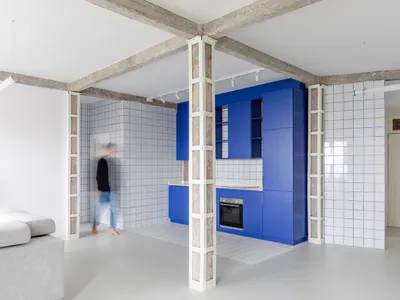
Contemporary Apartment Renovation in Spain: RV House by BIAN Opens Up to the Sea
A minimalist 1930s apartment in Santander is transformed into a flexible, sea-facing home through contemporary Spanish renovation.
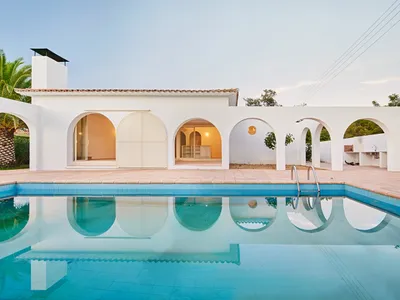
3 Marías House: A Contemporary Mediterranean Courtyard Retreat by Bajet Giramé + Burckhardt
Mediterranean courtyard home blending traditional architecture with modern design, terracotta flooring, flexible interiors, sustainable climate strategies, and garden integration.
NZ10 Apartment by auba studio: Adaptive Reuse in Palma de Mallorca
Adaptive reuse apartment transforms bakery into light-filled home with patios, privacy layers, and wood interiors enhancing urban living experience.

Explore Amsterdam Competitions
Discover active competitions in this discipline


Challenge to reimagine the Iron Throne

Photograph architecture without architects

Illustrate the lost glory of Angkor Wat - Render Challenge

Design challenge to reuse E-waste
Comments (0)
Please login or sign up to add comments
No comments yet. Be the first to comment!