
Sustainable Architectural Installations: The sunRICE Project by Carlo Ratti Associati
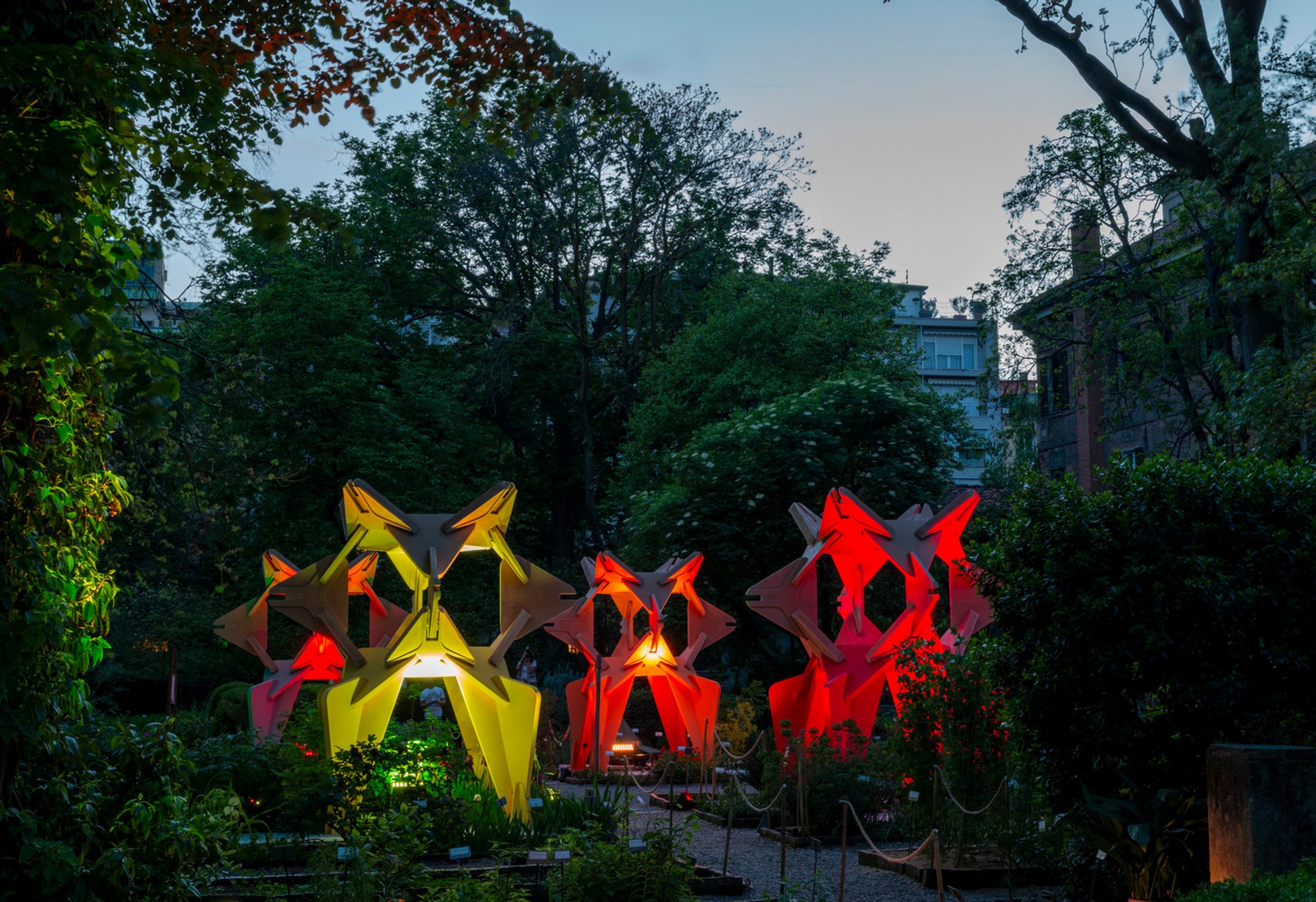
The sunRICE Installation by Carlo Ratti Associati transforms rice byproducts into sustainable architectural designs at Milan's Orto Botanico.

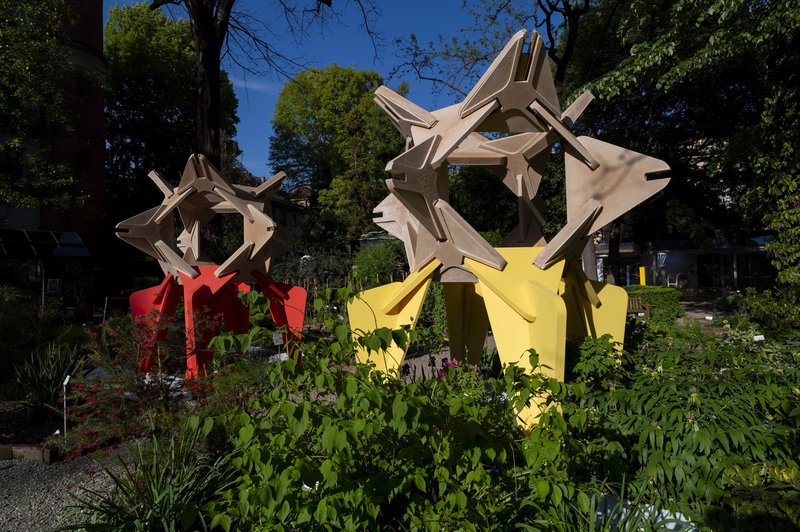
In the heart of Milan, the Brera Botanical Garden plays host to an extraordinary display of sustainable architectural creativity. The "sunRICE Installation," crafted by the internationally recognized firm Carlo Ratti Associati, in collaboration with the late Italo Rota, showcases how architecture can seamlessly integrate with nature and sustainability. This installation is a highlight of Milan Design Week 2024, drawing attention to the innovative uses of rice—a staple food turned into a pioneering construction material.
The Vision Behind sunRICE
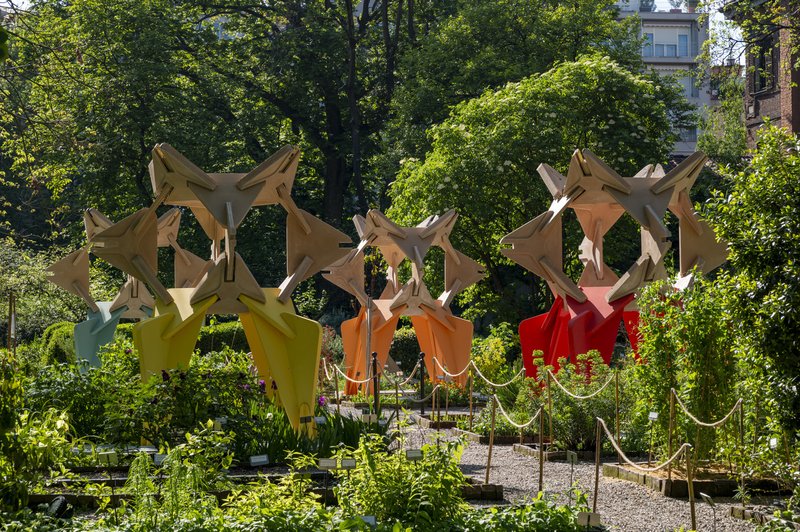
The project begins with a simple question: "How many things can be done with the world’s most abundant foodstuff—rice?" From this query springs a myriad of explorations into the potential of rice, particularly focusing on its byproducts. Carlo Ratti Associati, alongside three-Michelin-star chef Niko Romito, and the startup Ricehouse, have developed an installation that transcends traditional construction techniques.
Architectural Design and Sustainable Materials
The Use of Rice Husks in Construction
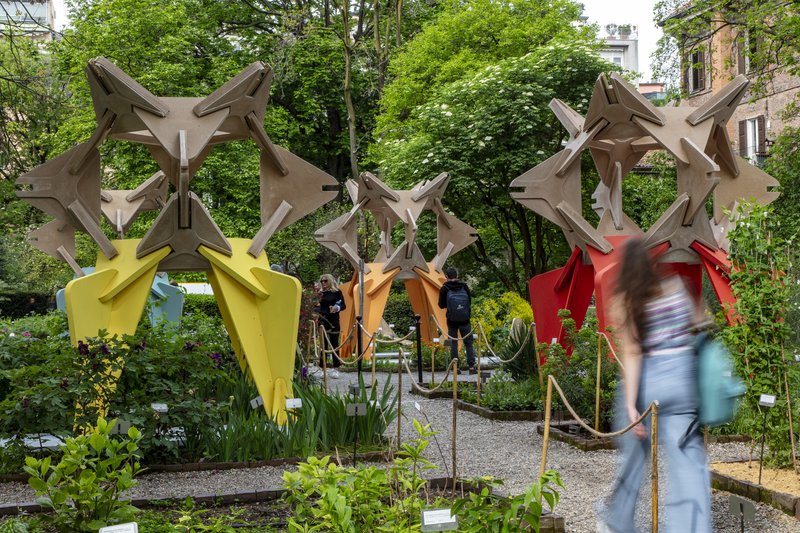
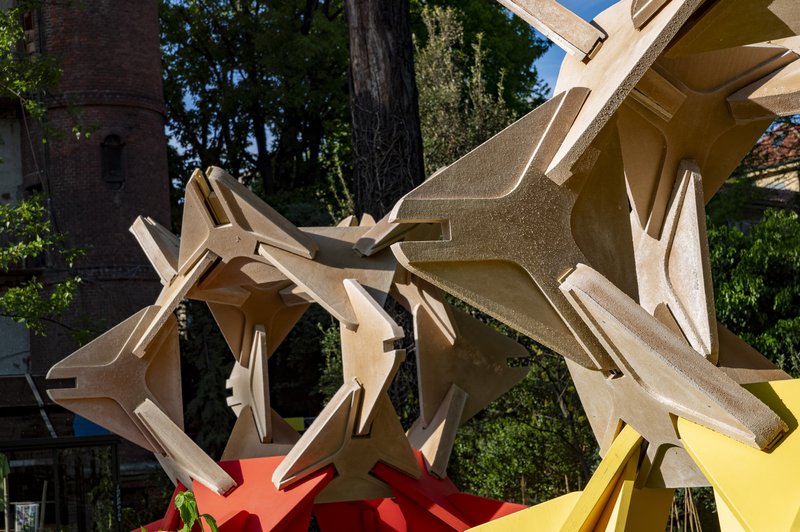
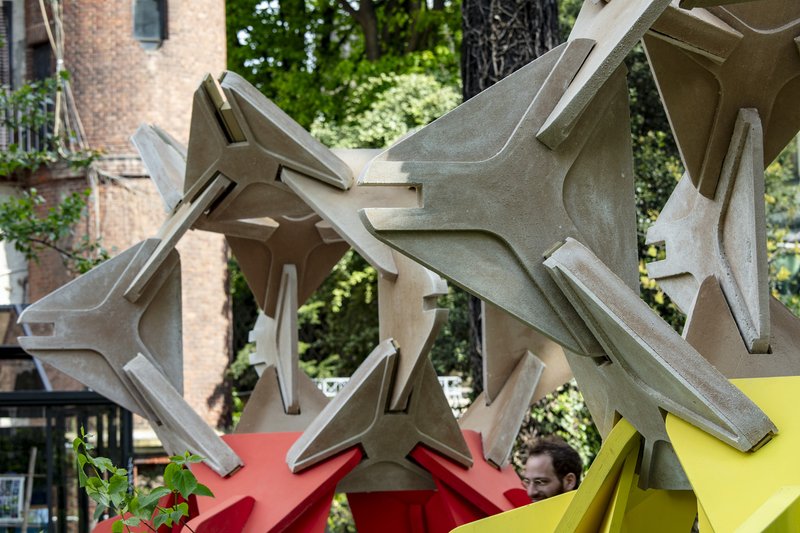
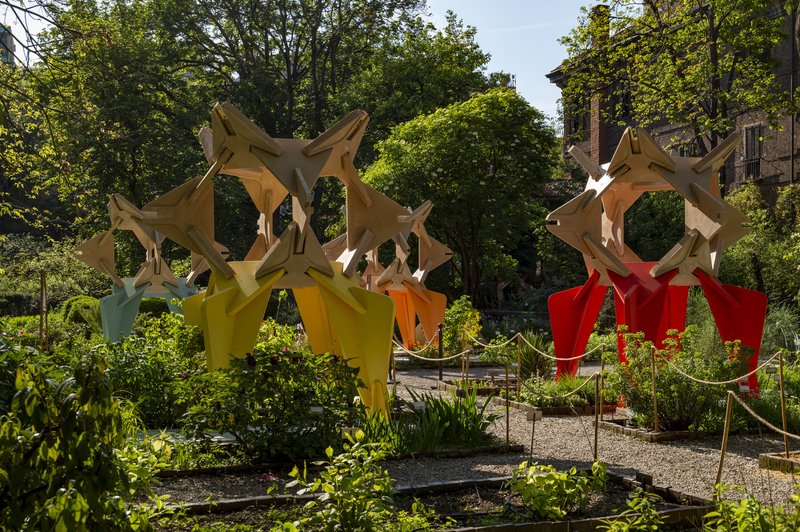
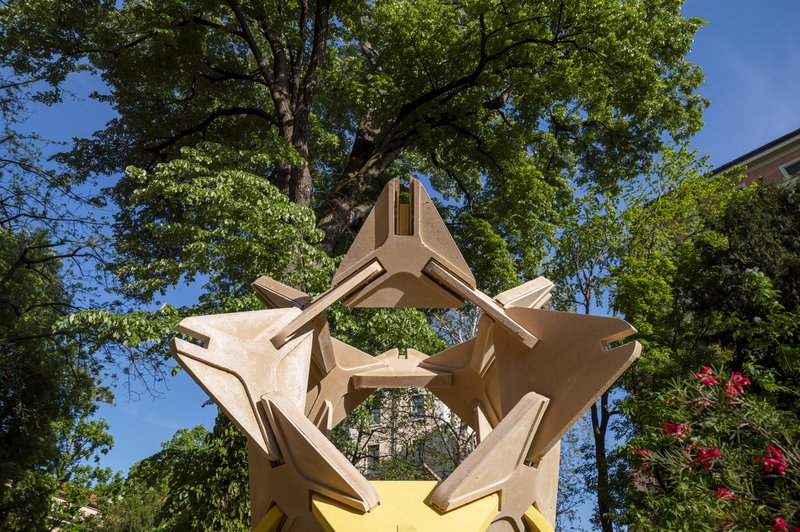
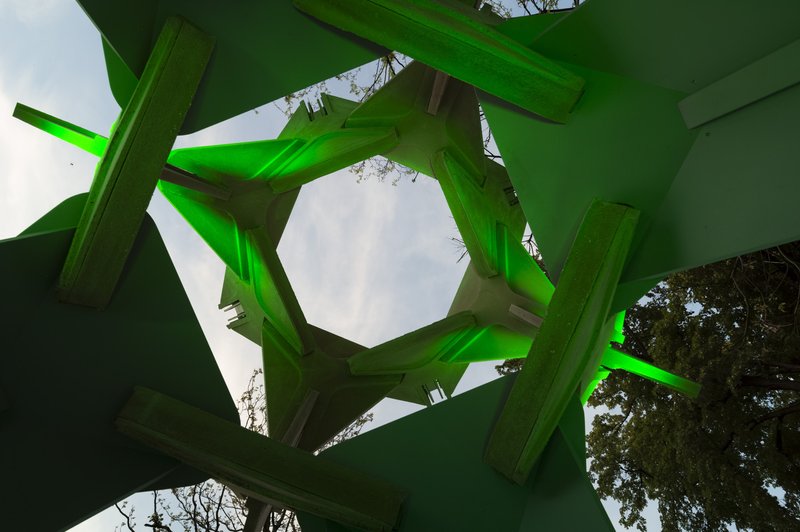
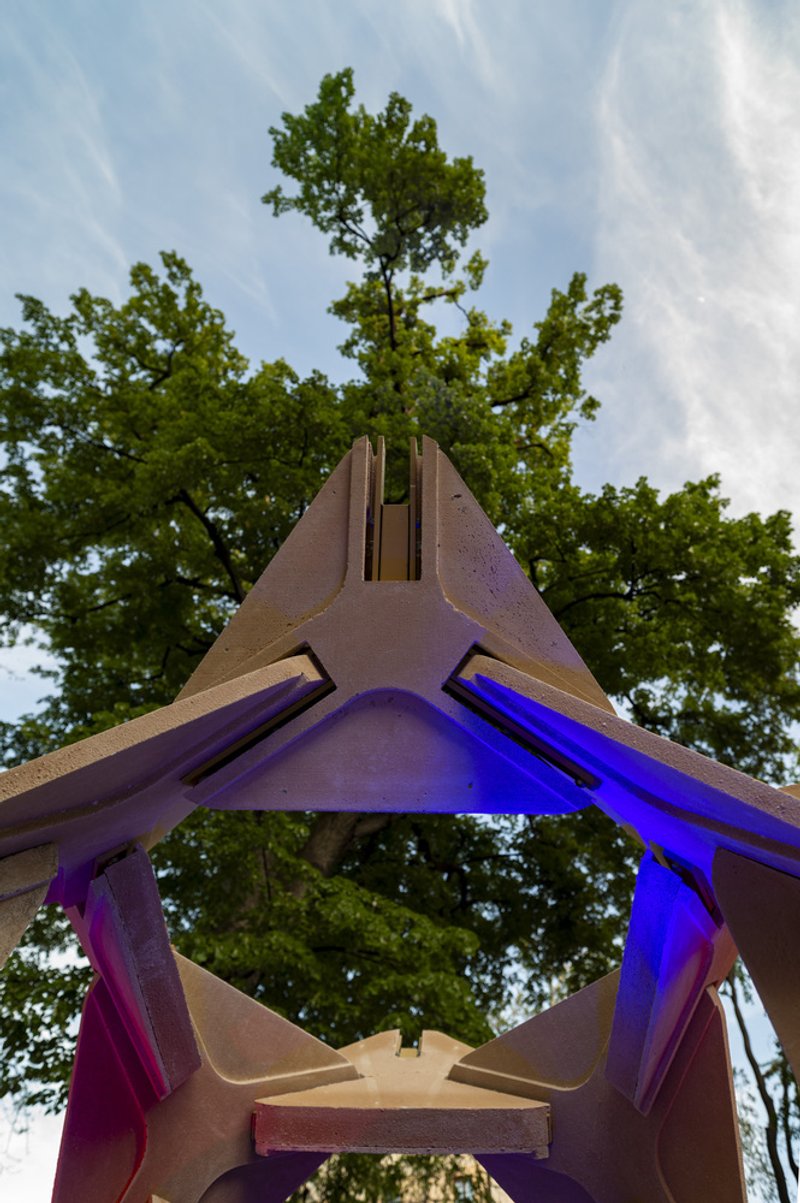
Central to the sunRICE installation are the geometrical units constructed from rice husks, a byproduct typically discarded after rice processing. These units adopt a triangular form, reminiscent of the cellular structure found in natural materials. This approach not only demonstrates the versatility of rice husks but also emphasizes a zero-waste production process through the use of silica-based geopolymer RH-GEO.
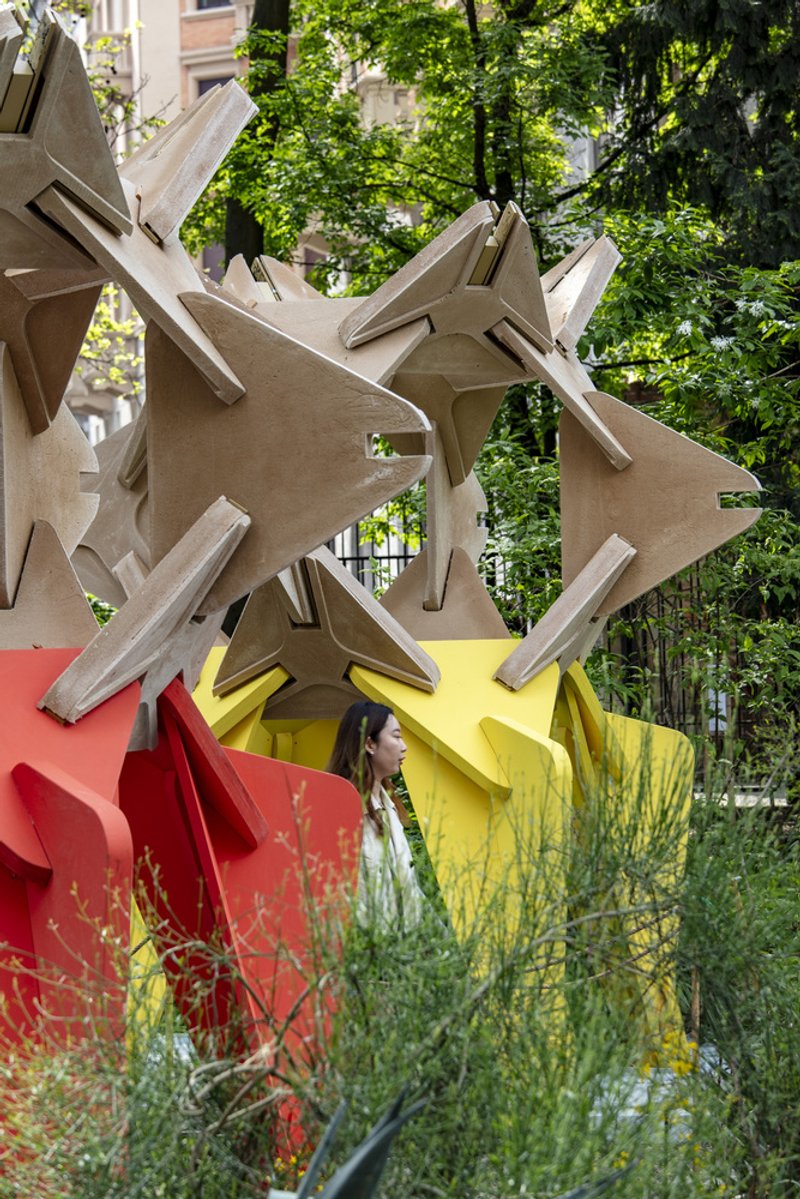
Influence of Yona Friedman's Metabolic Structures
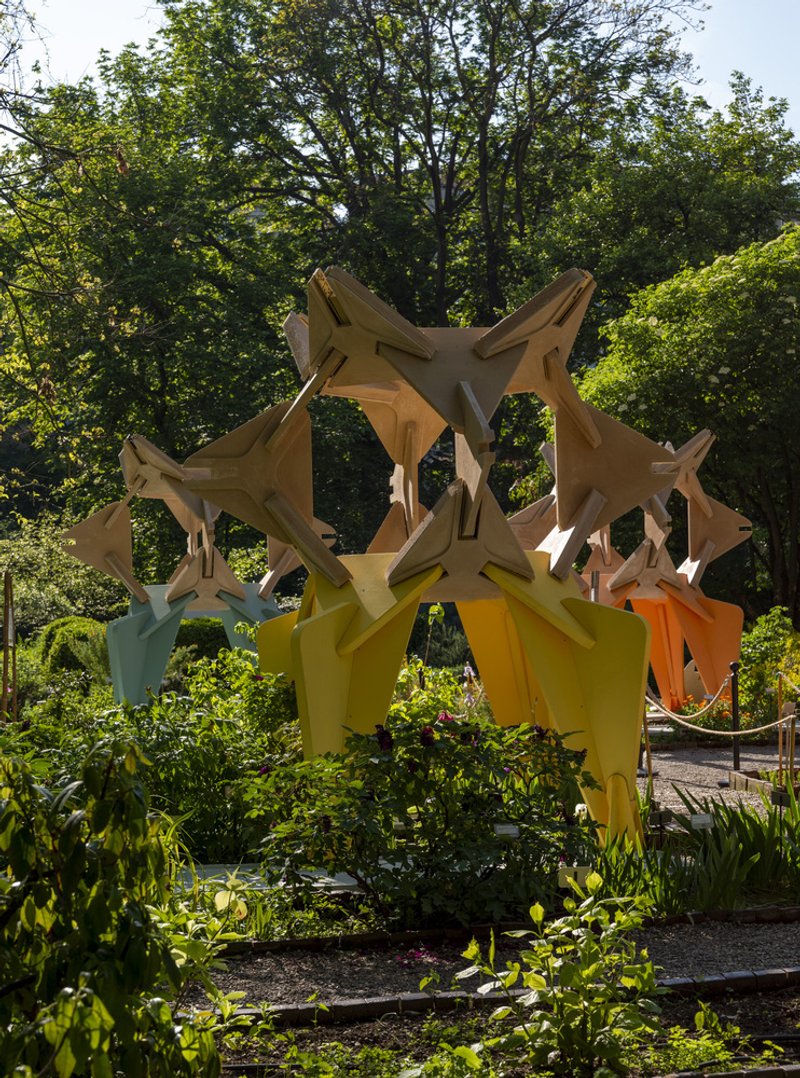
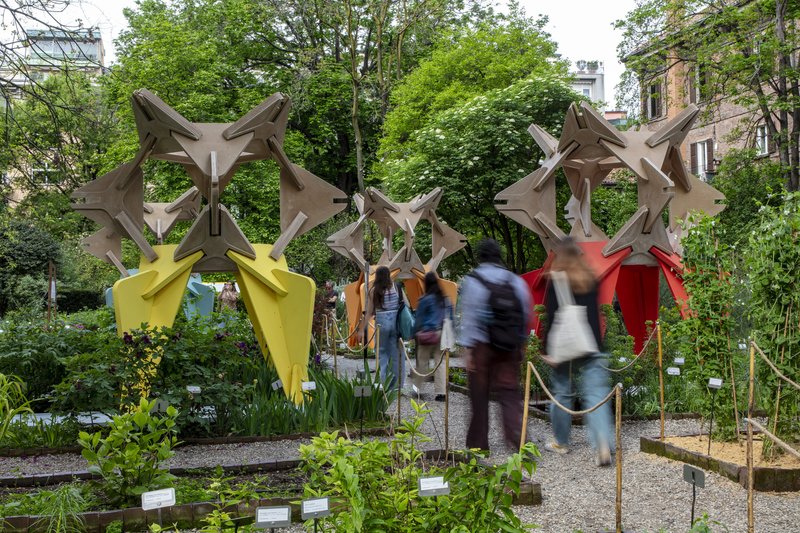
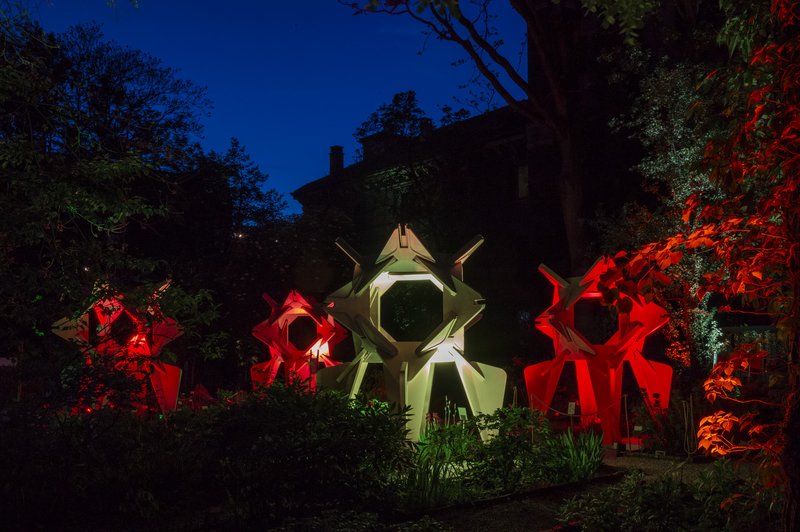
The design draws inspiration from Yona Friedman's metabolic structures, which advocate for adaptable, sustainable urban growth. The installation's modular design allows for dynamic interactions with the surrounding environment, illustrating a living, breathing example of architectural flexibility and ecological awareness.
Integration with the Botanical Garden
A Landscape of Edible Plants
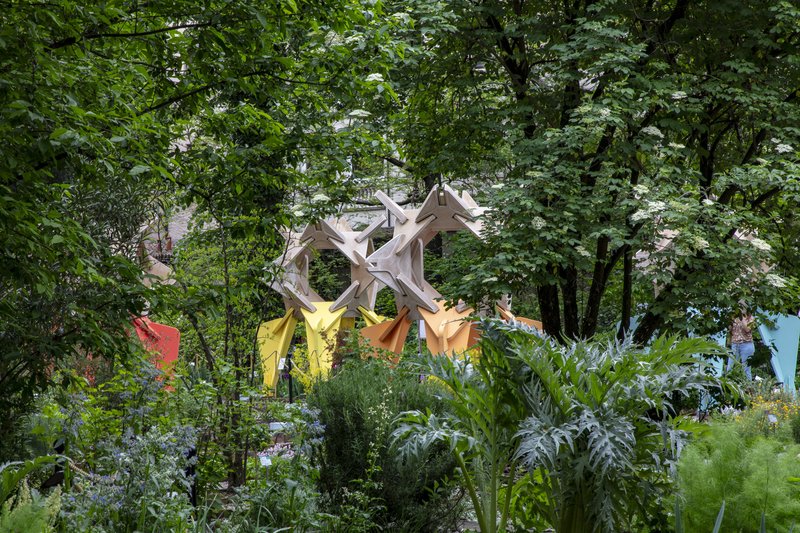
The installation is not merely a visual spectacle; it is an interactive experience that engages all senses. The surrounding garden is planted with edible species like sage and fennel, which are used by Chef Niko Romito to create innovative "cookies." This culinary aspect enhances the visitor's experience by connecting architecture not only to sustainability but also to taste.
Educational and Experiential Elements
The sunRICE installation serves as a platform for education and material research, promoting skills and training related to sustainable building practices. Visitors leave with a greater understanding of sustainable materials and their potential applications in modern architecture.
The Future of Sustainable Architecture
The sunRICE Installation by Carlo Ratti Associati exemplifies how modern architecture can align with environmental goals. Through innovative use of materials and integration with nature, it sets a precedent for future sustainable architectural installations. As we continue to explore new possibilities in sustainable design, projects like sunRICE serve as beacons of potential and creativity in the architectural world.
All photographs are work of Marco Beck Peccoz



Popular Articles
Popular articles from the community

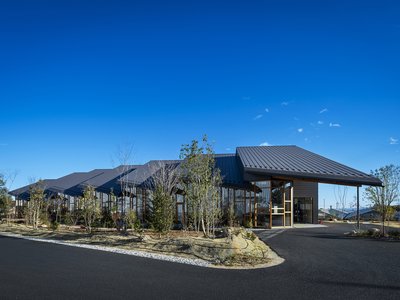
20 Most Popular Office Building Projects of 2025
From biophilic workspaces in India to net-positive energy offices in New Delhi, 20 office building projects that defined architecture in 2025.

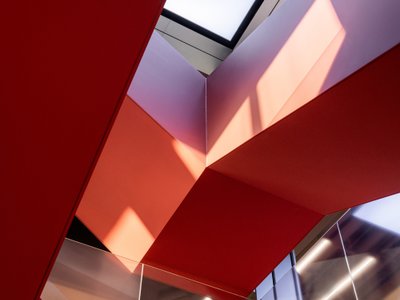
Ippolito Fleitz Group Identity Architects Turn Eight Floors in Shanghai into a Vertical Creative City
Publicis Groupe's new headquarters in Xintiandi reimagines the office as a courtyard-driven urban landscape stacked across eight floors.
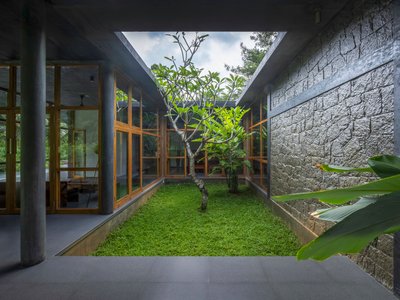
3dor Concepts Wraps a Kerala Home in Mirrored Concrete Arcs Around a Courtyard Tree
In the Western Ghats foothills of Thamarassery, a 270 m² single-story house uses two curved volumes to frame nature as its center.
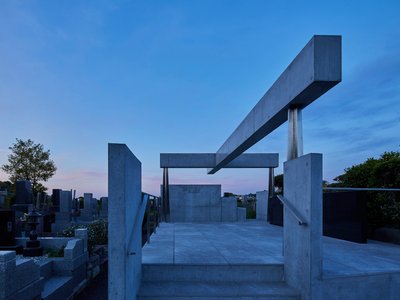
Takeshi Hosaka Architects Suspends a Concrete Cross Above a Yokohama Cemetery
A 28-square-meter burial renovation in Yokohama lifts the symbol of resurrection into the sky so mourners see it against heaven.
Similar Reads
You might also enjoy these articles
Olio Towers: A Mid-Rise for Performers That Fuses Housing, Rehearsal, and Stage
Located blocks from Houston's Theater District, this modular tower stacks living units around a central performance atrium.
Oasis: Modular Green Housing Carved into Dhaka's Urban Fabric
A shortlisted Plugin Housing entry reclaims unauthorized settlements in Dhaka with stepped concrete volumes, green roofs, and ventilation-driven design.

Black Hole: A Floating Megastructure for the Post-Physical Era
Emiliano Mazzarotto envisions a spherical, self-scaling arena where e-sports, digital hotels, and holographic stadiums replace traditional public space.
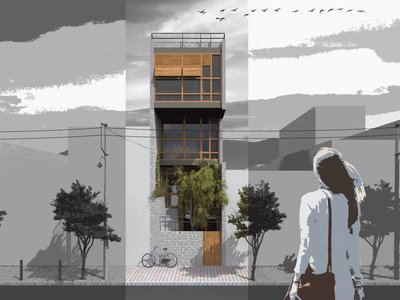
Compact & Sustainable Living in Piraeus: A Four-Level Family Home Built Around Light and Air
A narrow townhouse in one of Greece's densest port cities uses a central atrium and passive strategies to house three generations under one roof.

Explore Installations Competitions
Discover active competitions in this discipline




The International Standard for Design Portfolios


The Global Benchmark for Architecture Dissertation Awards


The Global Benchmark for Graduation Excellence

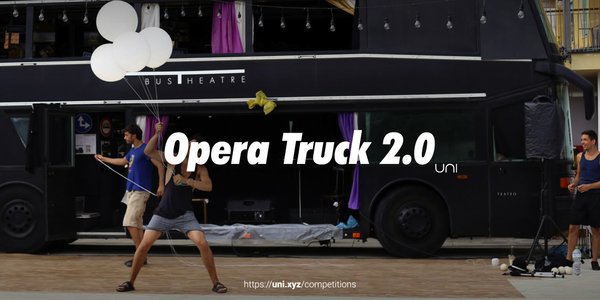
Challenge to design a portable theatre
Comments (0)
Please login or sign up to add comments
No comments yet. Be the first to comment!