
Sustainable Architecture in South Korea: The SUKSAN Café Project by MTT Architects
Exploring the SUKSAN Café in Mokpo-si, South Korea: a prime example of sustainable architecture blending with nature by MTT Architects.


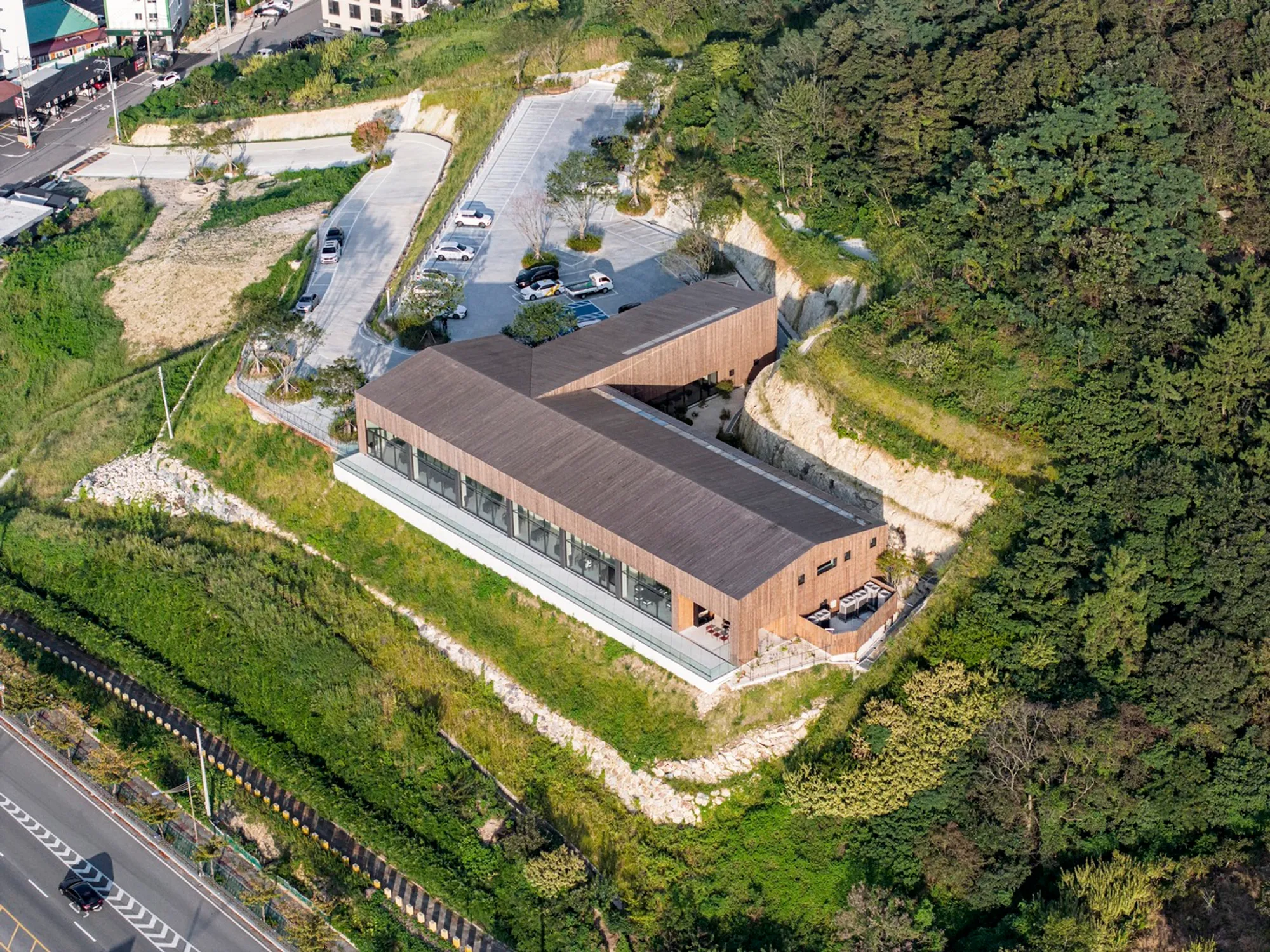
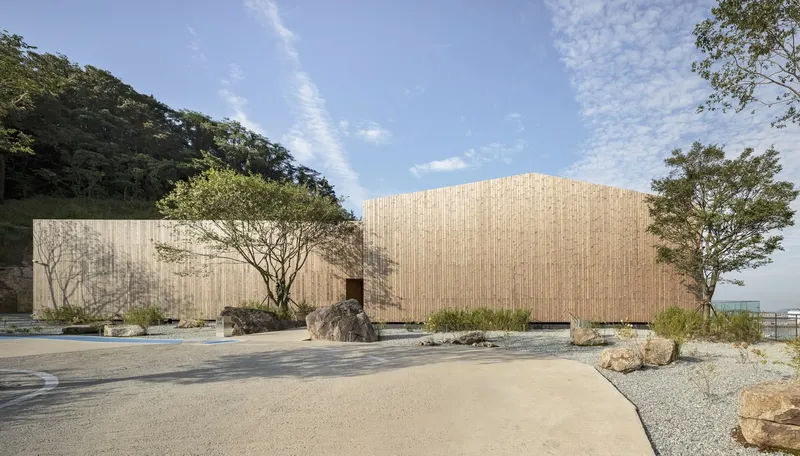
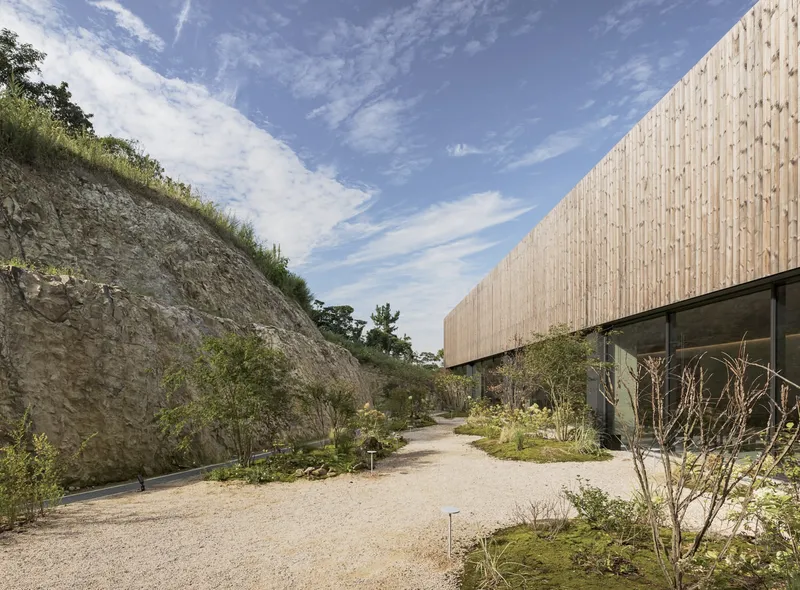
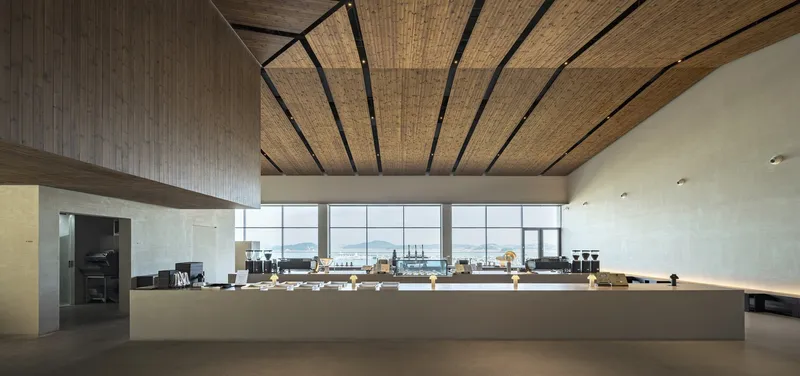
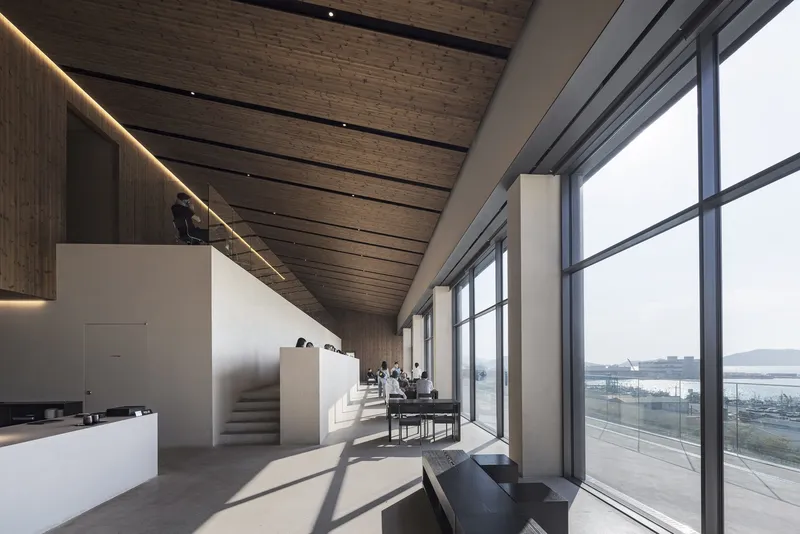
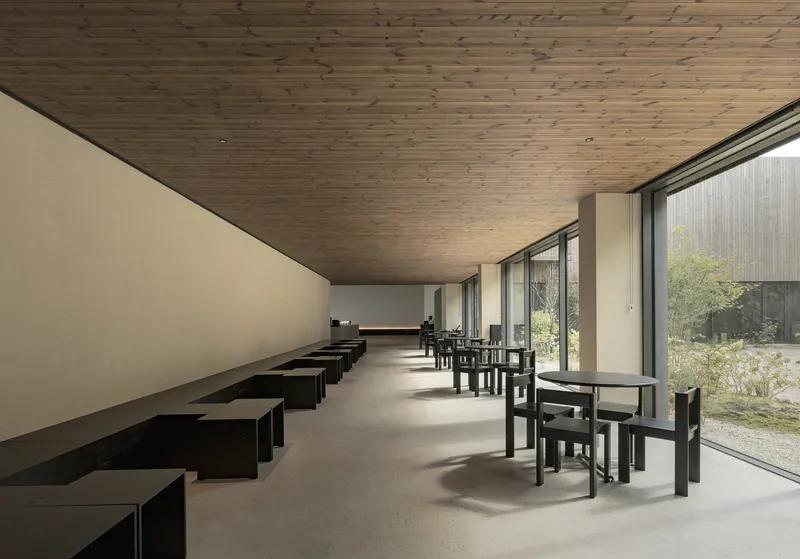
In the heart of Mokpo-si, South Korea, stands a testament to sustainable architecture that harmoniously blends with nature - the SUKSAN Café. This innovative project, completed in 2023 by MTT Architects, serves as a shining example of how modern design can coexist with the natural environment, promoting a dialogue between sea, island, wind, forest, and humanity.
The Genesis of SUKSAN Café
The concept for SUKSAN Café was born from a moment of profound connection with nature. Standing atop a rocky mountain, the lead architect, Jeon Jae Hong, witnessed a sunset that painted the West Sea with unparalleled beauty. This experience sparked an idea to create a space that would embody the warmth of the sea and the vitality of the landscape.
Design and Architecture
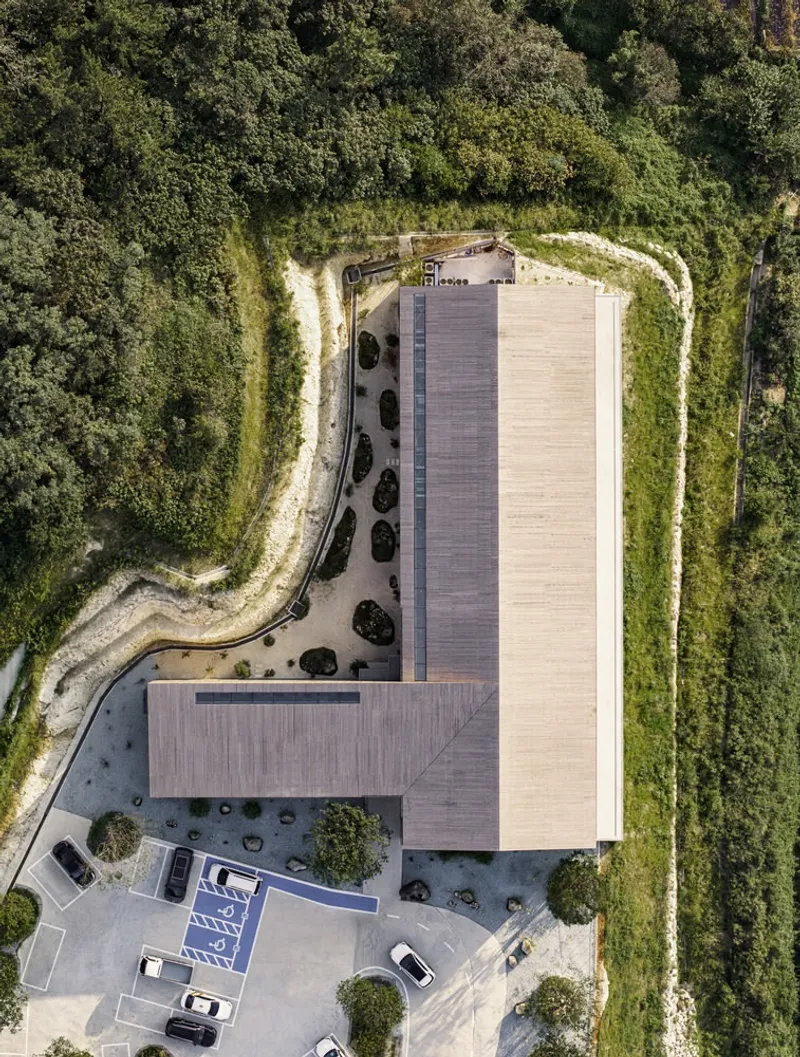
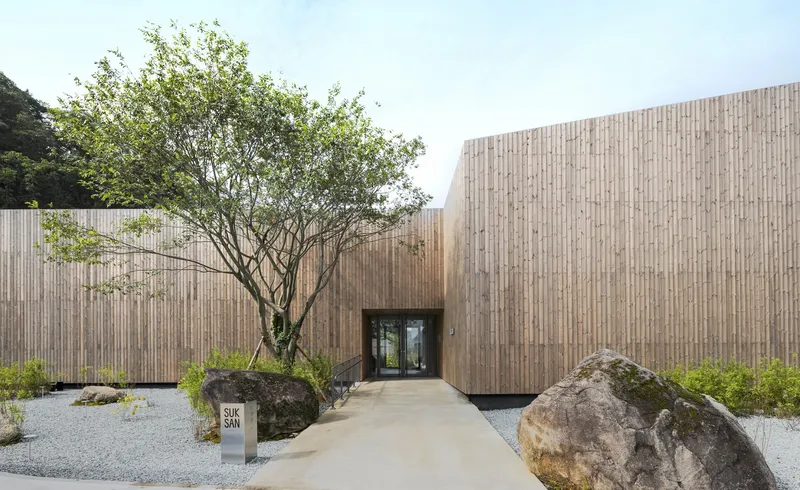
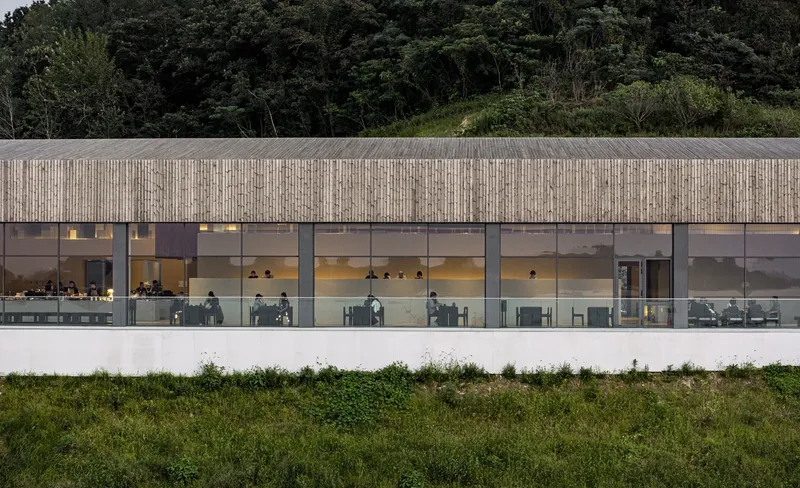
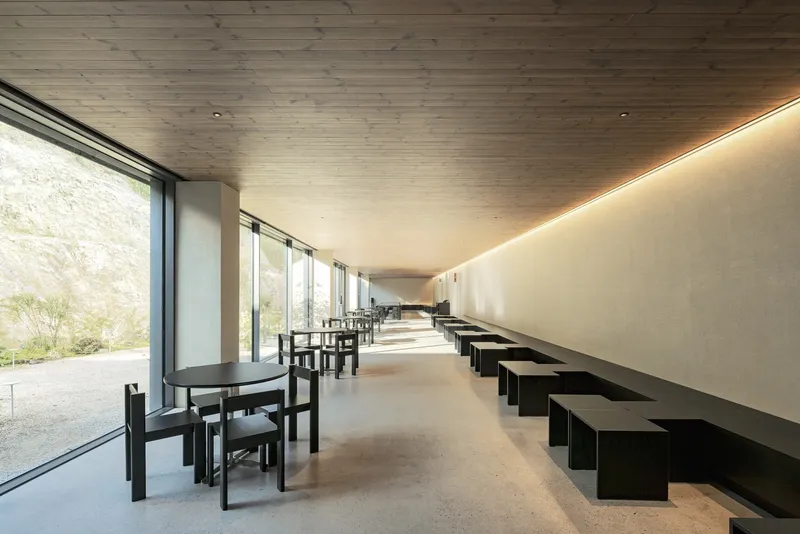
With an area of 1489 m², SUKSAN Café is a marvel of sustainable architecture. MTT Architects, under the guidance of Jeon Jae Hong, crafted a building that mirrors the rugged, natural beauty of its surroundings. By incorporating elements such as locally sourced materials, energy-efficient design, and green spaces, the project emphasizes environmental responsibility and sustainability.
Interior and Landscape Integration
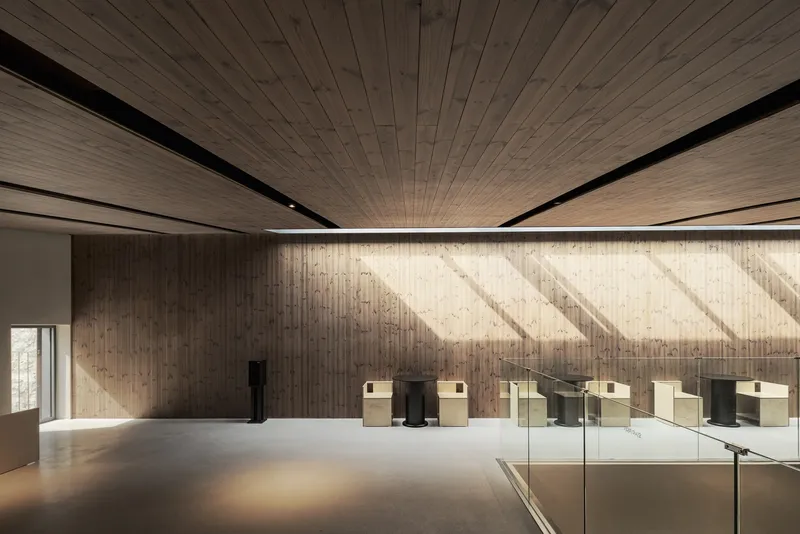
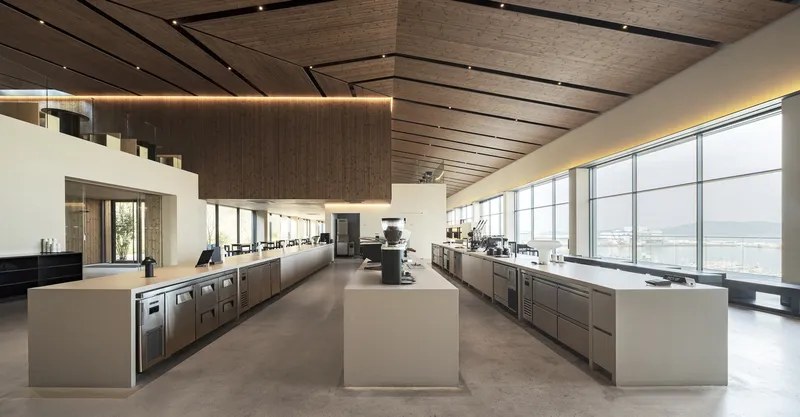
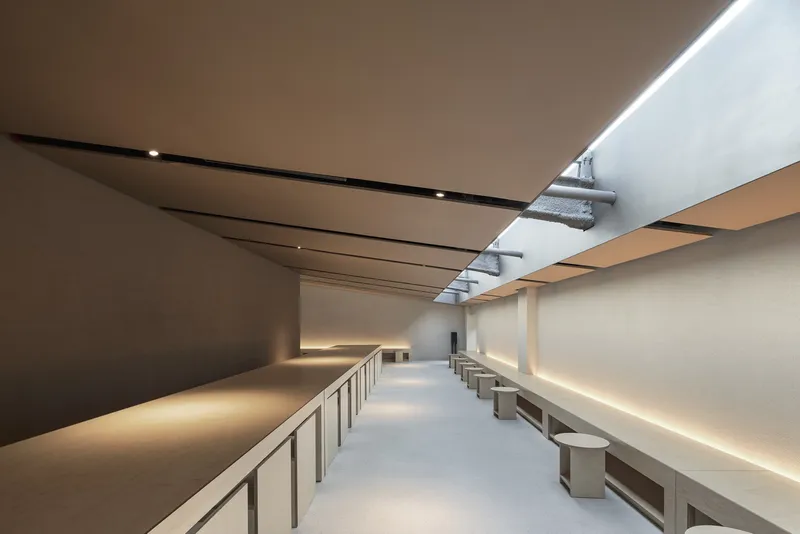
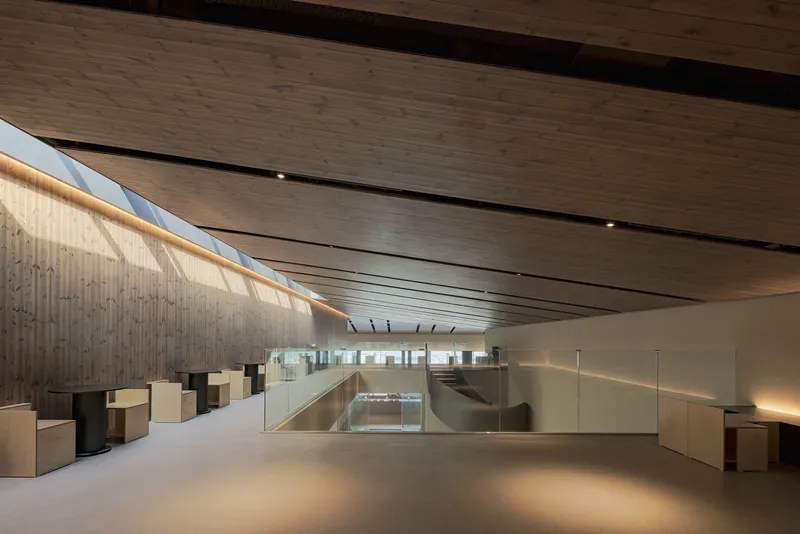
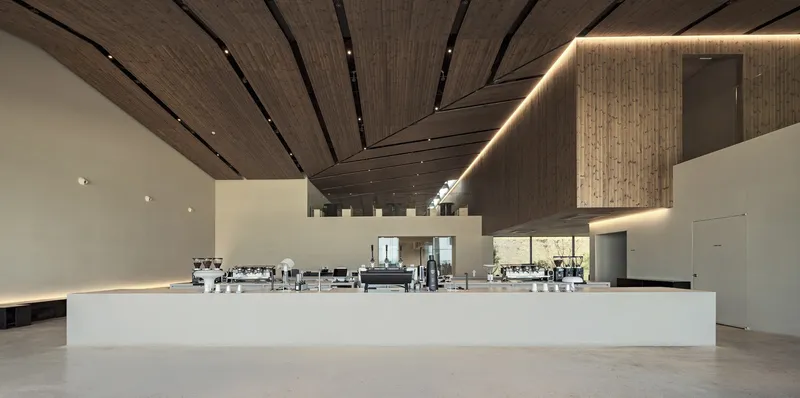
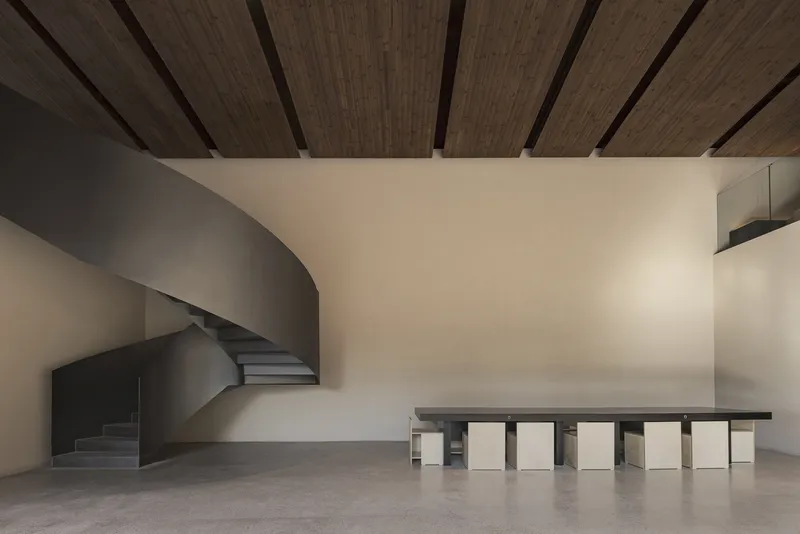
The interior, designed by MARU architecture, and the landscape, crafted by The Sup, work in tandem to create a seamless transition between indoor and outdoor spaces. The use of natural light, organic materials, and vegetation inside the café blurs the lines between the built environment and the natural world, allowing visitors to feel as though they are part of the landscape.
Sustainable Features and Materials
SUKSAN Café's commitment to sustainability is evident in its choice of materials and construction techniques. DONGDO General Construction and MARU architecture prioritized the use of renewable resources and sustainable building practices. Additionally, NAMDO Surveying & Design ENG Co., Ltd., ensured that the site's civil engineering aspects were handled with an eye towards minimizing environmental impact.
A Symbol of Harmony Between Architecture and Nature
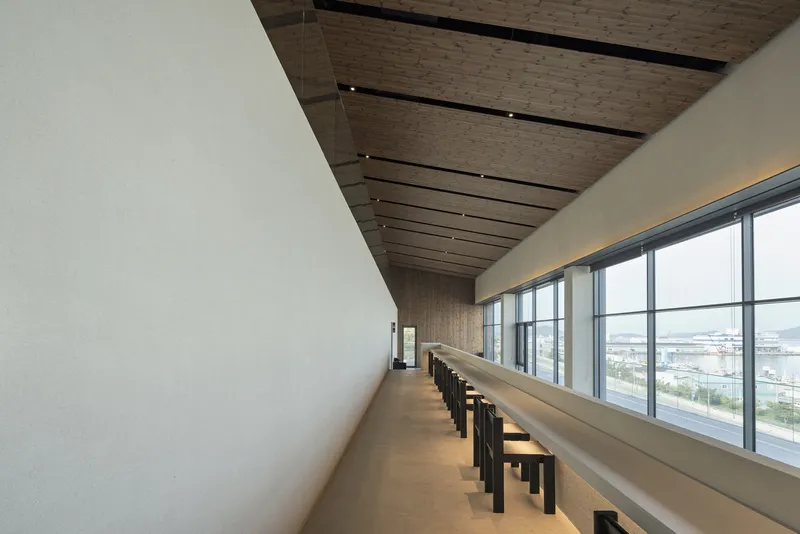
SUKSAN Café stands as a beacon of sustainable architecture in South Korea, demonstrating that it is possible to create spaces that offer solace and beauty while respecting and enhancing the natural environment. It is a place where architecture does not impose but rather converses with its surroundings, inviting visitors to rediscover the beauty of nature and the potential for sustainable living.
The Future of Sustainable Architecture in South Korea
As the world becomes increasingly aware of the importance of sustainability, projects like SUKSAN Café set a precedent for the future of architecture in South Korea and beyond. They show that thoughtful design, rooted in a respect for nature and a commitment to environmental stewardship, can lead to spaces that not only serve human needs but also contribute to the health of the planet.
The SUKSAN Café project by MTT Architects is more than just a building; it is a philosophy made tangible, a call to action for architects, designers, and citizens to embrace sustainable practices in every aspect of their lives. It is a reminder that beauty and sustainability are not mutually exclusive but are instead deeply interconnected concepts that can guide us towards a more harmonious and sustainable future.
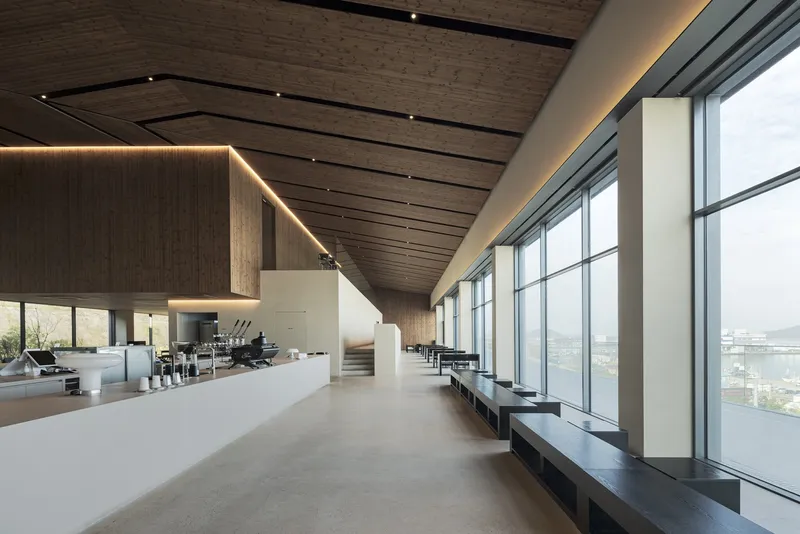
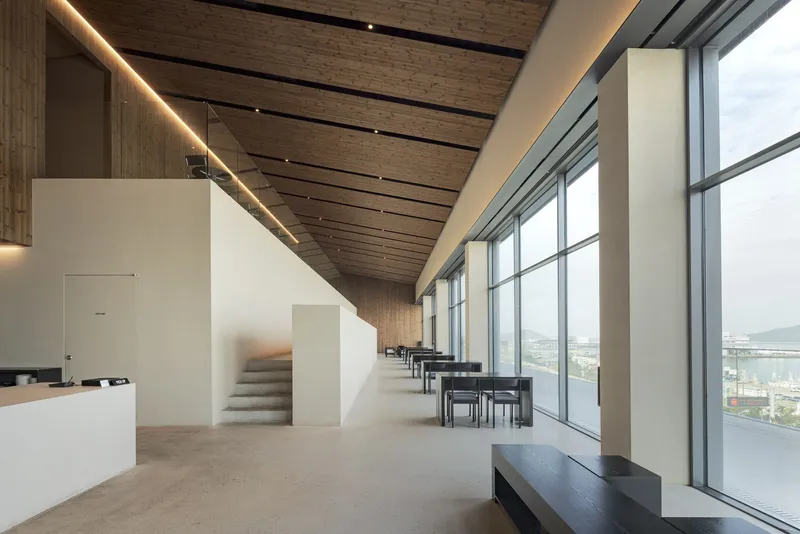
All photographs are work of Choi Young Joon




Popular Articles
Popular articles from the community


Lunar Spiral: Space Architecture Shaped by the Mathematics of the Universe
Lunar Spiral reimagines space architecture through Fibonacci geometry, lunar regolith, levitating habitats, and self-sustaining Moon living.

Co-Life: Senior Housing Design That Reconnects Older Adults With the City
Co-Life reimagines senior housing design through healing gardens, shared streets, workshops, and a sustainable community across generations.

Riyadh For All: Intergenerational Urban Design for Active Aging in Rabat
Riyadh For All reimagines urban design in Rabat with intergenerational co-living, adaptive courtyards, and Moroccan cultural exchange today.

Hill & Cross Opera: Sculptural Opera House Architecture Shaped by Tallinn’s Landscape and Identity
Hill & Cross Opera reimagines opera house architecture in Tallinn through its sculptural hill, civic plaza, glass wave and a luminous cross.

Similar Reads
You might also enjoy these articles


Hodi-Mandai Geram
Project Function: Preservation and revitalization of the Intangible heritage and socio-spatial identity of the Hodi by Housing, Cultural Memory Center, Sacred Grove, landscape, local tourism economy


Olio Towers: A Mid-Rise for Performers That Fuses Housing, Rehearsal, and Stage
Located blocks from Houston's Theater District, this modular tower stacks living units around a central performance atrium.

Oasis: Modular Green Housing Carved into Dhaka's Urban Fabric
A shortlisted Plugin Housing entry reclaims unauthorized settlements in Dhaka with stepped concrete volumes, green roofs, and ventilation-driven design.

Black Hole: A Floating Megastructure for the Post-Physical Era
Emiliano Mazzarotto envisions a spherical, self-scaling arena where e-sports, digital hotels, and holographic stadiums replace traditional public space.

Explore KSA Architects Competitions
Discover active competitions in this discipline



Challenge to reimagine the Iron Throne


Photograph architecture without architects


Illustrate the lost glory of Angkor Wat - Render Challenge


Design challenge to reuse E-waste
Comments (0)
Please login or sign up to add comments
No comments yet. Be the first to comment!