

Sustainable Architecture in Taiwan: A Deep Dive into Hidden House by Yuan Architects
Explore Hidden House by Yuan Architects, a model of sustainable architecture in Taitung, Taiwan, blending modern design with nature.


In the heart of Taitung, Taiwan, lies a marvel of sustainable architecture—the Hidden House, designed by the renowned Yuan Architects. This masterpiece exemplifies how modern living can harmoniously blend with natural landscapes, setting a benchmark for sustainable architecture in Taiwan.
The Architectural Vision of Yuan Architects
Design Philosophy
Yuan Architects, led by Wenyuan Peng, has long been celebrated for its commitment to integrating environmental sustainability with innovative architectural design. The Hidden House is a testament to this philosophy, crafted over several years in close collaboration with the homeowner to encapsulate a lifestyle deeply connected with nature.
Architectural Features
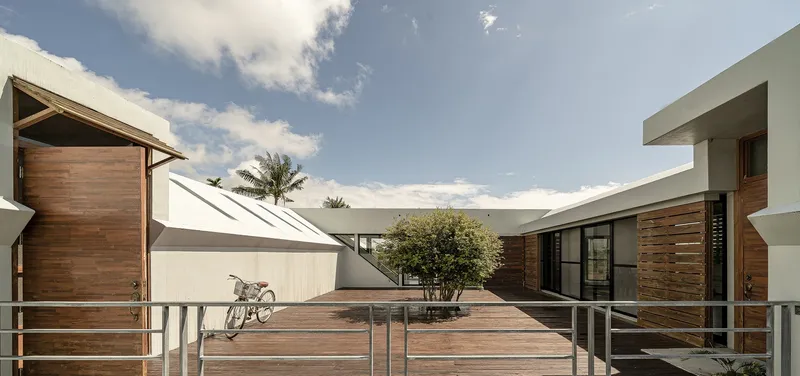
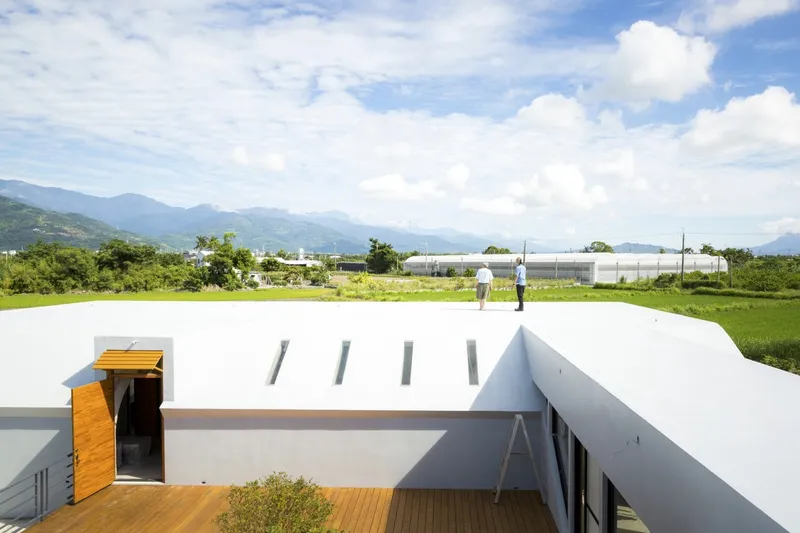
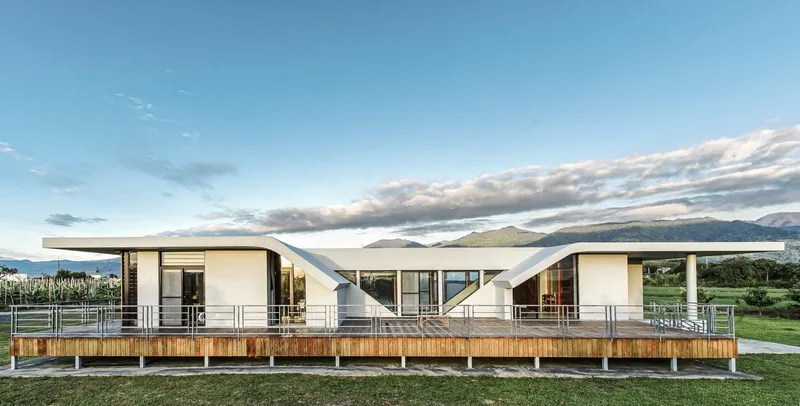
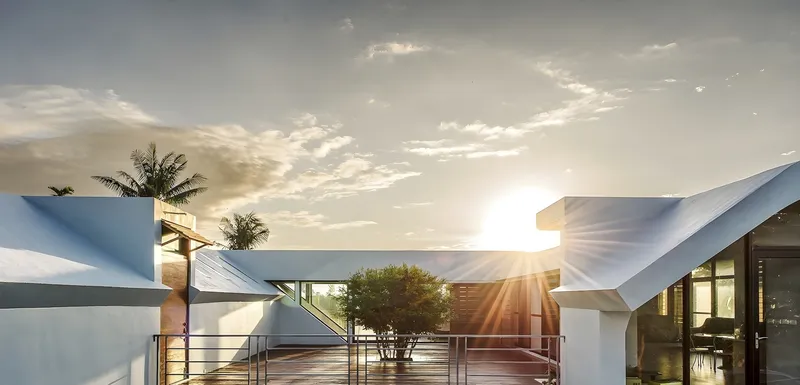
The design of Hidden House features horizontal roof panels that align with the horizon, offering unobstructed views of the surrounding rice fields, distant hills, and the ocean. Its structure takes inspiration from the traditional Taiwanese three-section compound, forming a unique "回" shape that seamlessly integrates an inner living court with the outer natural environment.
Sustainable Features and Environmental Integration
Utilization of Natural Elements
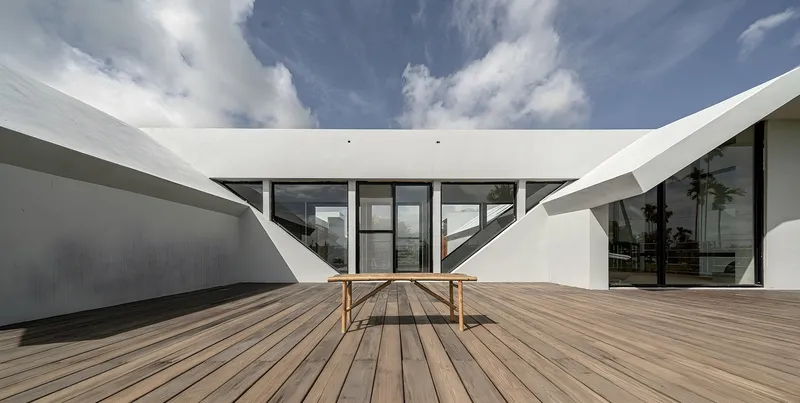
Hidden House is a prime example of sustainable architecture in Taiwan, utilizing natural elements to enhance living conditions. The architectural layout allows every space within the home to interact with natural phenomena—be it the touch of a breeze, the warmth of the sun, or the rhythm of the rain—ensuring that life within its walls moves in sync with nature.

Sustainable Materials and Construction
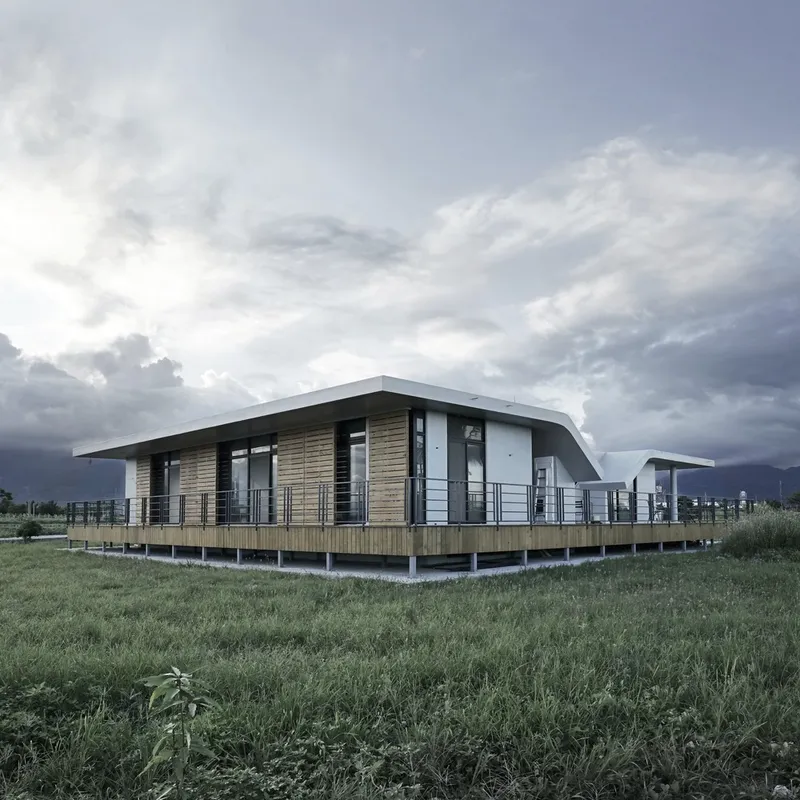
Reflecting the rustic quality of Taitung's landscape, Hidden House employs locally-sourced materials and sustainable construction practices. This not only reduces the environmental footprint but also helps the structure blend into its pristine setting, emphasizing a minimalist lifestyle that respects and enhances the natural environment.

Living Spaces and Interior Design
The Harmony of Indoor and Outdoor Living
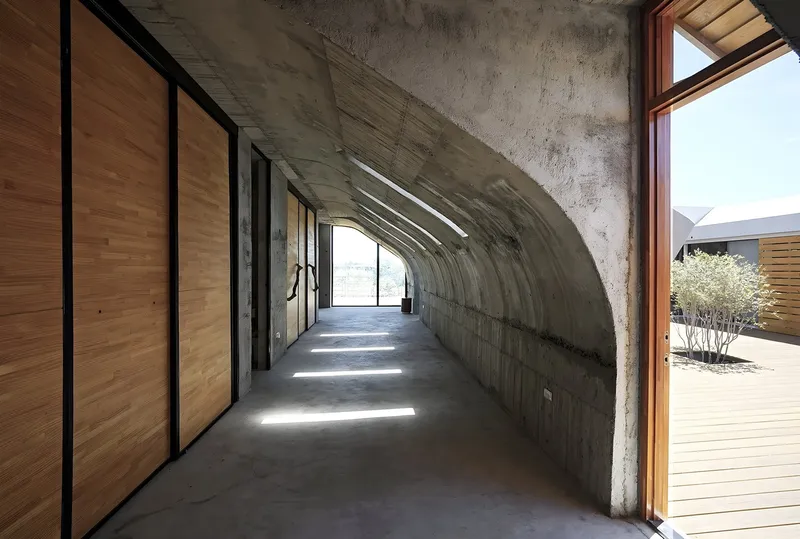
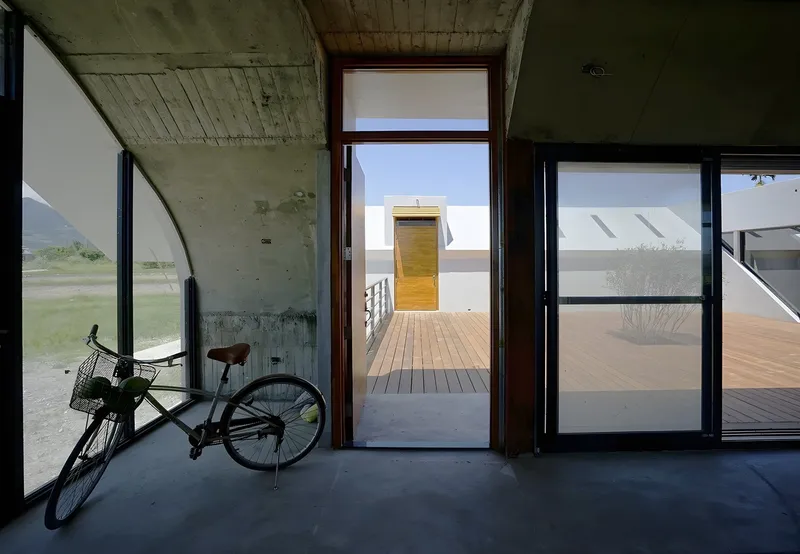
At Hidden House, the division between indoor and outdoor spaces blurs, with large windows and skylights inviting the outside in. The interior is designed to flow naturally, with gentle curves echoing the distant mountains, creating a continuous dialogue between the home and its surroundings.


Functional Layout
The thoughtful layout includes a public area comprising the living room, dining room, kitchen, and study, and a private area with bedrooms, each equipped with skylights modeled like a sundial. This spatial arrangement not only maximizes natural light but also enhances the functional use of each area within the home.
Hidden House by Yuan Architects stands as a beacon of sustainable architecture in Taiwan, demonstrating how modern architectural techniques can be employed to create living spaces that are both environmentally conscious and deeply integrated with their natural surroundings. It not only reflects the future of sustainable living in Taiwan but also serves as an inspiration for global architectural practices.

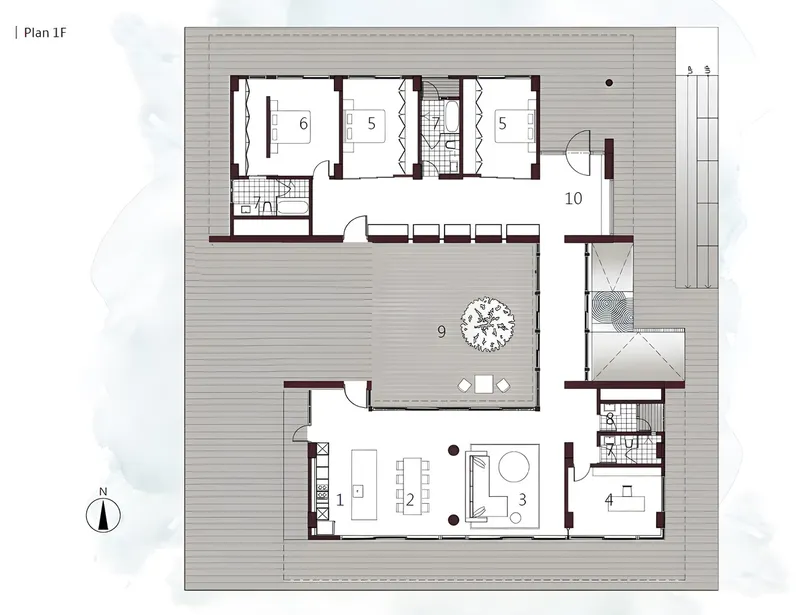
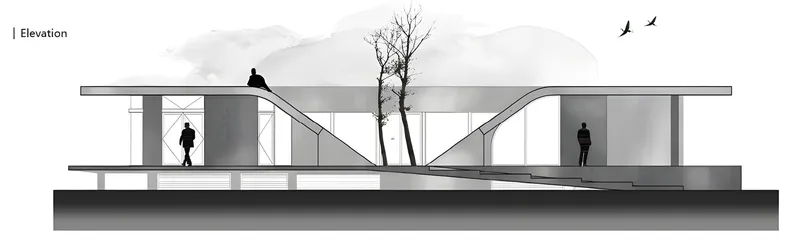
All photographs are work of Wenyuan Peng




Popular Articles
Popular articles from the community


Riyadh For All: Intergenerational Urban Design for Active Aging in Rabat
Riyadh For All reimagines urban design in Rabat with intergenerational co-living, adaptive courtyards, and Moroccan cultural exchange today.

The Earth Pod: 3D Printed Homes for Resilient Refugee Communities
The Earth Pod reimagines refugee housing through 3D printed homes made from clay, combining resilience, self-sufficiency, and rapid shelter.

The Musturak Paradise: Senior Living Architecture for a Connected Future in Temara, Morocco
The Musturak Paradise reimagines senior living architecture in Temara via private homes, social spaces, culture, community, and shared care.

Co-life: Sustainable Architecture for Age-Friendly Community Living
Co-life reimagines sustainable architecture for seniors through courtyards, rammed earth, shared gardens, and spaces designed for belonging.


Similar Reads
You might also enjoy these articles


Hodi-Mandai Geram
Project Function: Preservation and revitalization of the Intangible heritage and socio-spatial identity of the Hodi by Housing, Cultural Memory Center, Sacred Grove, landscape, local tourism economy


Olio Towers: A Mid-Rise for Performers That Fuses Housing, Rehearsal, and Stage
Located blocks from Houston's Theater District, this modular tower stacks living units around a central performance atrium.

Oasis: Modular Green Housing Carved into Dhaka's Urban Fabric
A shortlisted Plugin Housing entry reclaims unauthorized settlements in Dhaka with stepped concrete volumes, green roofs, and ventilation-driven design.

Black Hole: A Floating Megastructure for the Post-Physical Era
Emiliano Mazzarotto envisions a spherical, self-scaling arena where e-sports, digital hotels, and holographic stadiums replace traditional public space.

Explore Architecture Competitions
Discover active competitions in this discipline



Challenge to reimagine the Iron Throne


Photograph architecture without architects


Illustrate the lost glory of Angkor Wat - Render Challenge


Design challenge to reuse E-waste
Comments (0)
Please login or sign up to add comments
No comments yet. Be the first to comment!