
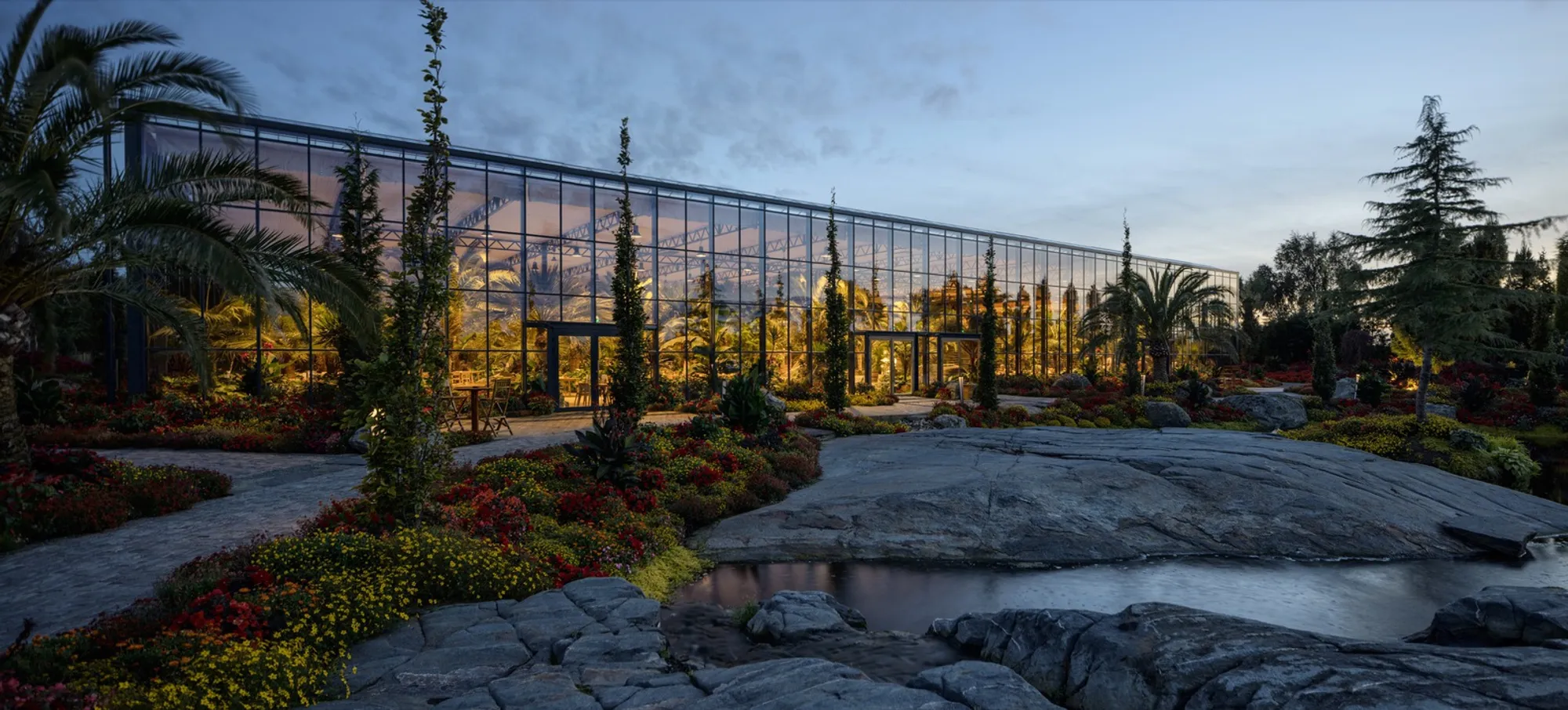
Sustainable Greenhouse Design in Norway: The Flor og Fjære Greenhouse by Helen & Hard
This article explores the Flor og Fjære Greenhouse by Helen & Hard, showcasing sustainable greenhouse design innovations in Stavanger, Norway.


Nestled on Sør Hidle outside Stavanger, the Flor og Fjære Greenhouse emerges as a pioneering example of sustainable greenhouse design in Norway. Designed by the acclaimed architectural firm Helen & Hard, this 4,000 square meter structure marks a significant step towards self-sufficiency and sustainability in the realm of garden design and local food production.
A Vision of Sustainability
Innovating for Self-Sufficiency
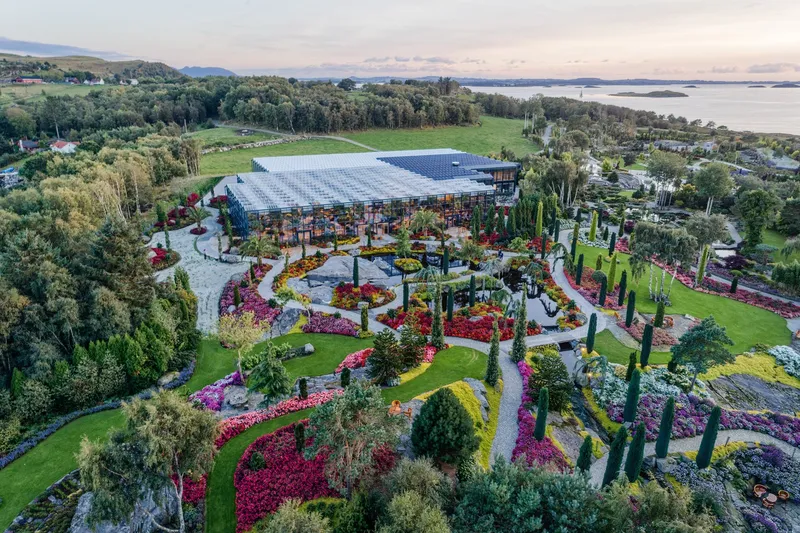
The new greenhouse at Flor og Fjære is not just a structure; it's a comprehensive ecosystem designed for the efficient production of food and flowers while minimizing environmental impact. With 1,000 m² of solar panels installed on its roof, the greenhouse achieves electricity self-sufficiency during the sunny days of summer, setting a new standard for sustainable greenhouse design in Norway.
Water Management and Energy Conservation
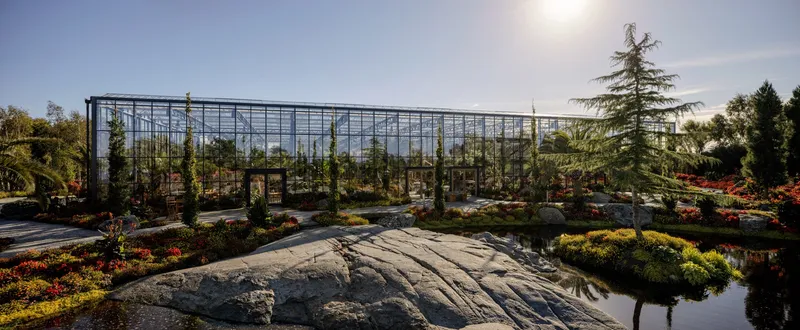
An integral part of the greenhouse's sustainability strategy is its innovative water management system. Rainwater collected from the greenhouse roof supplies the garden ponds and serves as irrigation water, ensuring that plants thrive throughout the year. Additionally, excess energy from the solar cells is ingeniously used to heat water, which keeps the greenhouse warm overnight, demonstrating a holistic approach to energy conservation.


Design and Experience
Minimizing Landscape Impact
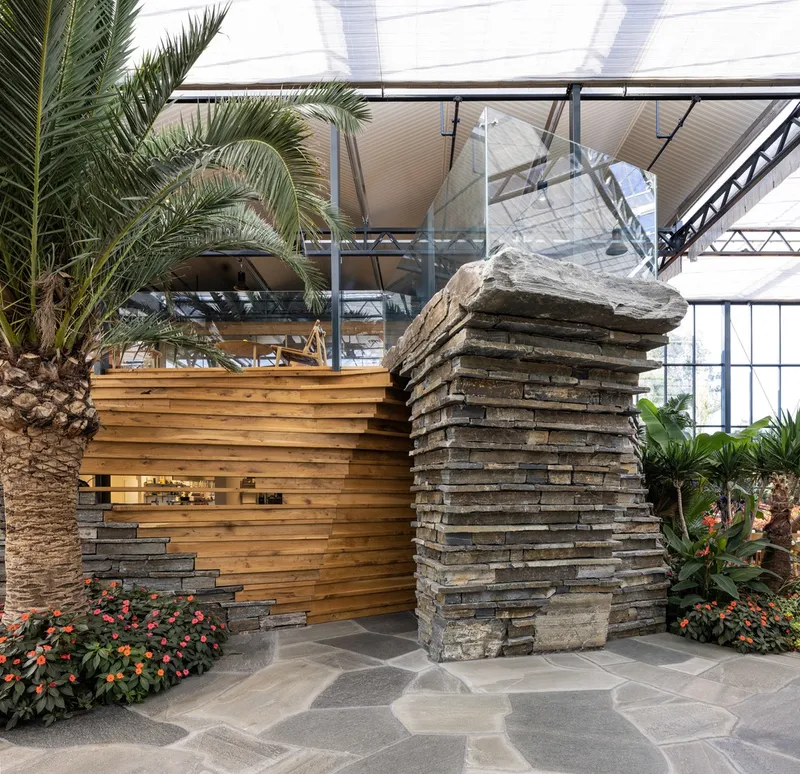
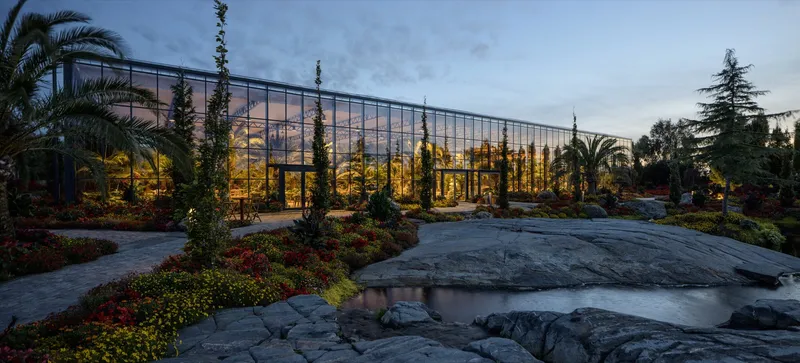
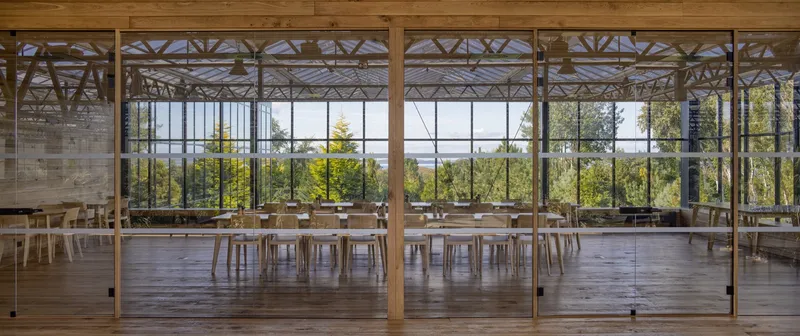
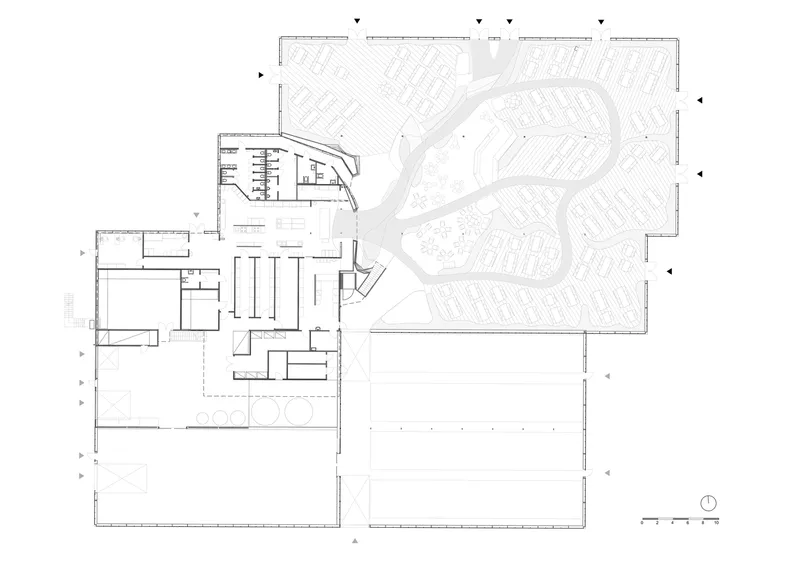
Helen & Hard carefully positioned the greenhouse to minimize terrain intervention and preserve the landscape's natural beauty. This careful planning ensures that the structure complements rather than dominates the surrounding lush garden and organic landscape.

Inside Meets Outside
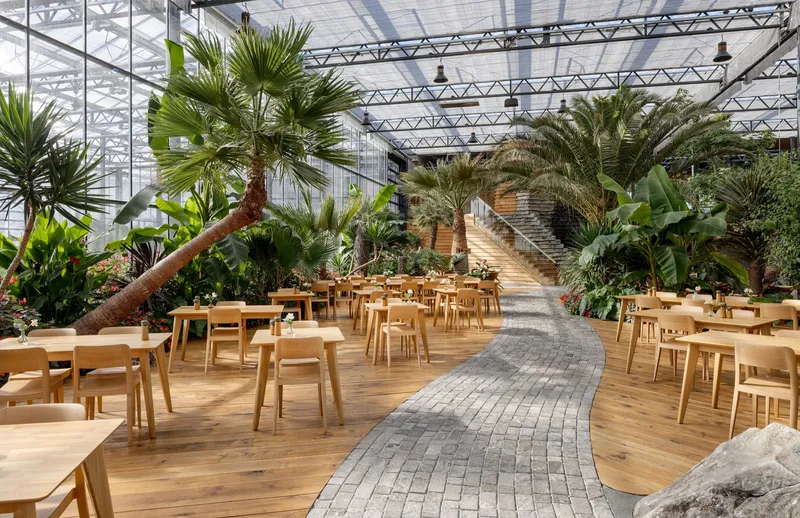
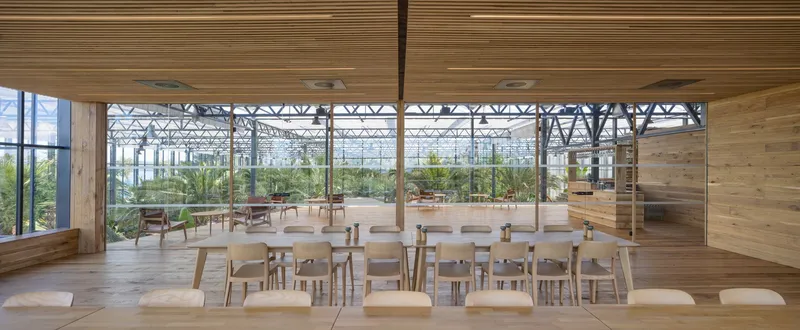
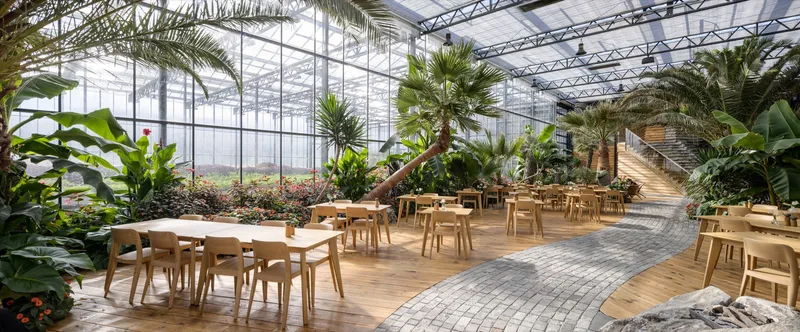
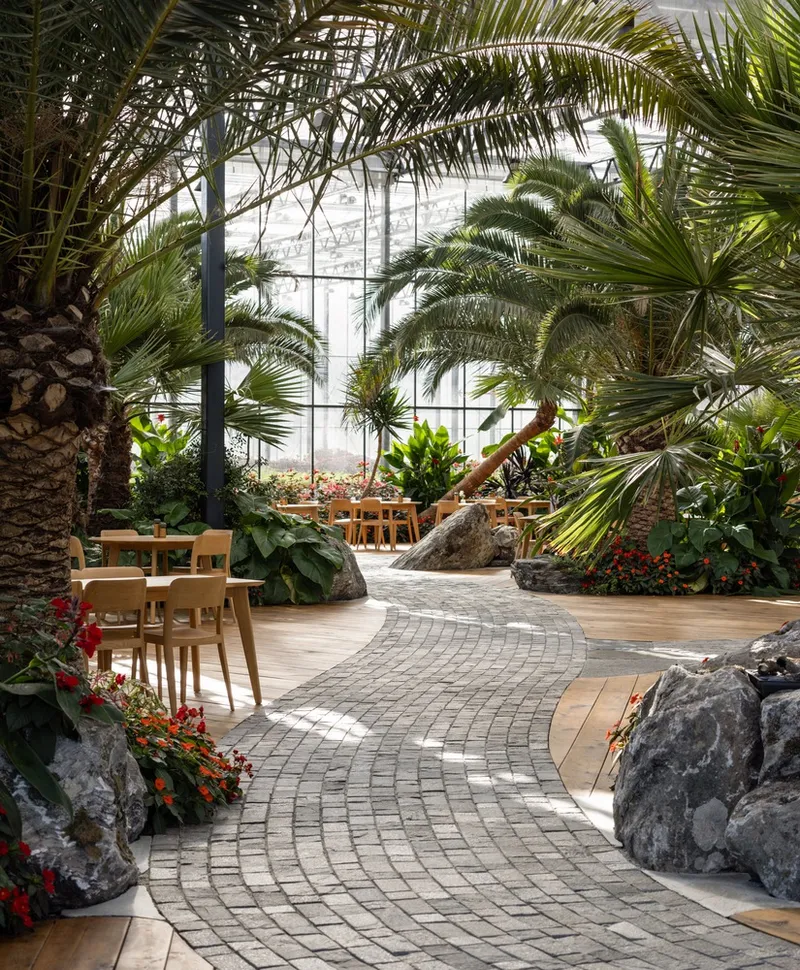
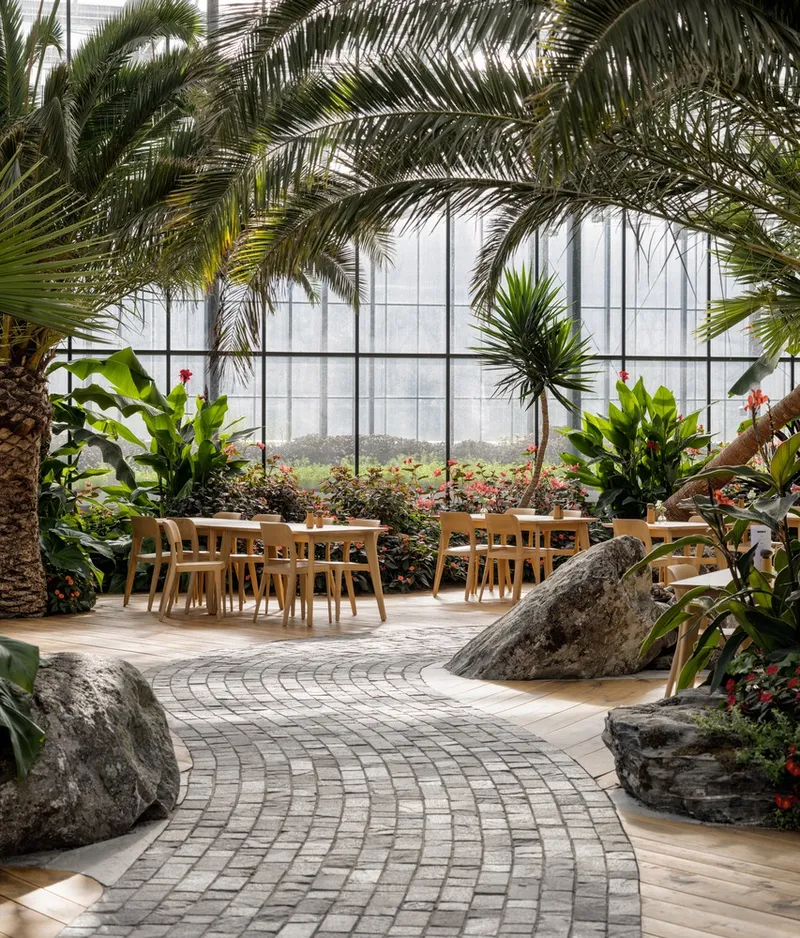
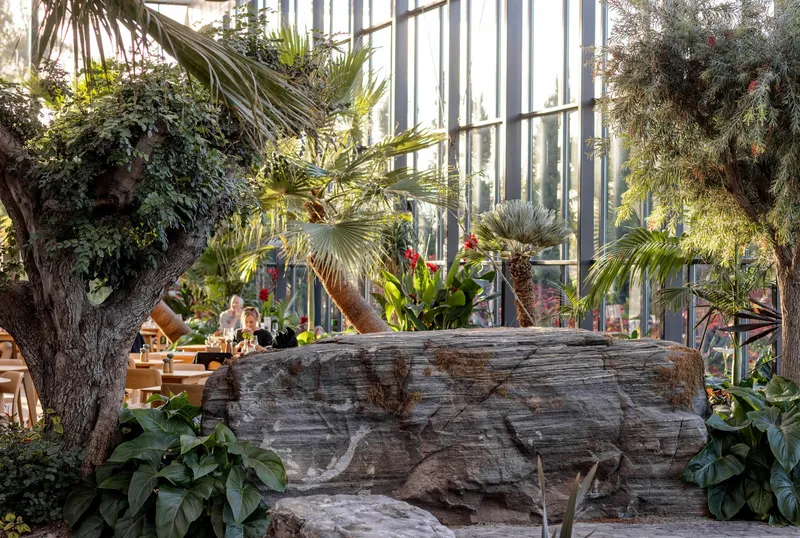
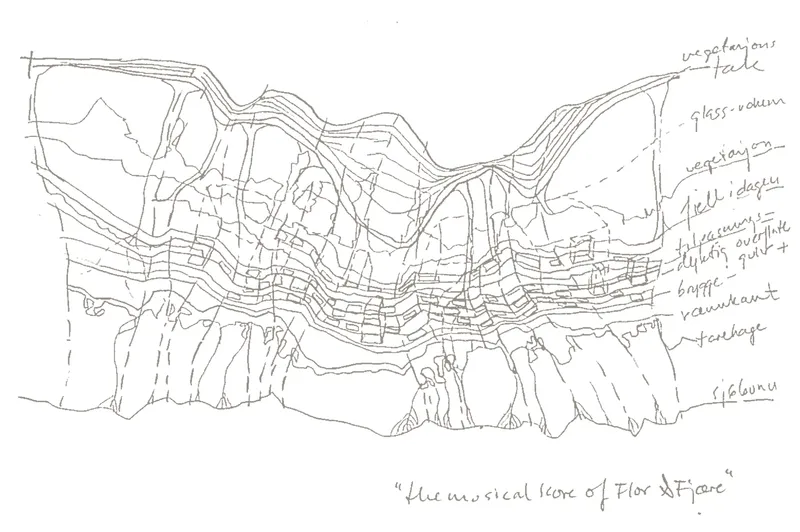
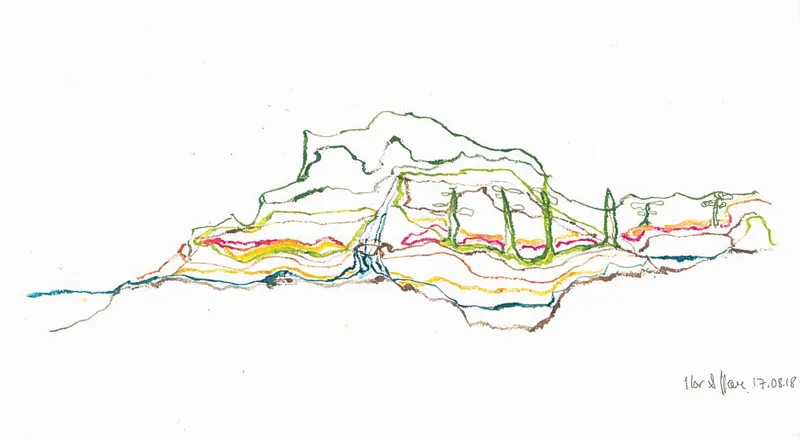
The interior organization of the Flor og Fjære Greenhouse has been meticulously designed to enhance the garden experience. By focusing on lines of sight and creating layers of perspective, the greenhouse encourages a seamless flow between indoor and outdoor spaces, enriching the visitor's experience with the scents, sights, and sounds of nature.

A Model for the Future
The Flor og Fjære Greenhouse by Helen & Hard stands as a beacon of sustainable greenhouse design in Norway, merging ecological responsibility with architectural elegance. It offers a model for future developments, showcasing how sustainability can be integrated into every aspect of design to create spaces that are both productive and in harmony with their natural surroundings. This project not only contributes to the local ecosystem but also inspires visitors with its innovative approach to green technology and sustainable living.


All the photographs are work of Sindre Ellingsen



Popular Articles
Popular articles from the community


Conexión: Biophilic Design Reimagines High-Rise Living in Hong Kong
Conexión reimagines high-rise living in Hong Kong through biophilic design, green facades, shared spaces, daylight, water and nature within.

The Musturak Paradise: Senior Living Architecture for a Connected Future in Temara, Morocco
The Musturak Paradise reimagines senior living architecture in Temara via private homes, social spaces, culture, community, and shared care.

Hill & Cross Opera: Sculptural Opera House Architecture Shaped by Tallinn’s Landscape and Identity
Hill & Cross Opera reimagines opera house architecture in Tallinn through its sculptural hill, civic plaza, glass wave and a luminous cross.

Co-life: Sustainable Architecture for Age-Friendly Community Living
Co-life reimagines sustainable architecture for seniors through courtyards, rammed earth, shared gardens, and spaces designed for belonging.


Similar Reads
You might also enjoy these articles


Hodi-Mandai Geram
Project Function: Preservation and revitalization of the Intangible heritage and socio-spatial identity of the Hodi by Housing, Cultural Memory Center, Sacred Grove, landscape, local tourism economy


Olio Towers: A Mid-Rise for Performers That Fuses Housing, Rehearsal, and Stage
Located blocks from Houston's Theater District, this modular tower stacks living units around a central performance atrium.

Oasis: Modular Green Housing Carved into Dhaka's Urban Fabric
A shortlisted Plugin Housing entry reclaims unauthorized settlements in Dhaka with stepped concrete volumes, green roofs, and ventilation-driven design.

Black Hole: A Floating Megastructure for the Post-Physical Era
Emiliano Mazzarotto envisions a spherical, self-scaling arena where e-sports, digital hotels, and holographic stadiums replace traditional public space.


Explore Green Houses Competitions
Discover active competitions in this discipline



Challenge to reimagine the Iron Throne


Photograph architecture without architects


Illustrate the lost glory of Angkor Wat - Render Challenge


Design challenge to reuse E-waste
Comments (0)
Please login or sign up to add comments
No comments yet. Be the first to comment!