

Sustainable Home Design: Tree Courtyard House by ao-ft
The Tree Courtyard House by ao-ft is a sustainable, space-efficient home that harmonizes with its natural surroundings in East London.


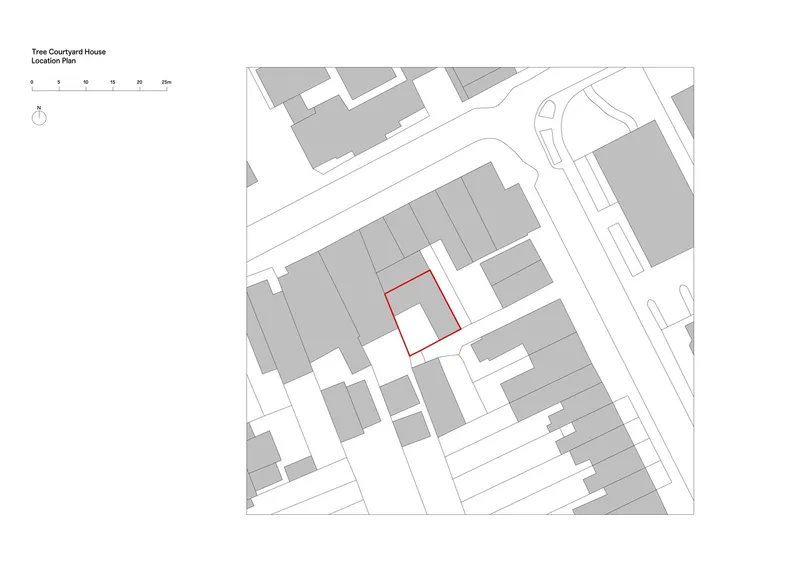
The Tree Courtyard House, located in Walthamstow, East London, is a shining example of sustainable home design in an urban context. This new-build, single-storey home has been thoughtfully placed on a backland site within a conservation area, guided by the presence of a mature London Plane tree. Designed by the architecture firm ao-ft, the house preserves the natural beauty of its surroundings while maximizing space efficiency and accessibility for its inhabitants. The home’s design prioritizes the environment and its users, demonstrating how sustainable architecture can meet the needs of modern living while respecting the natural landscape.
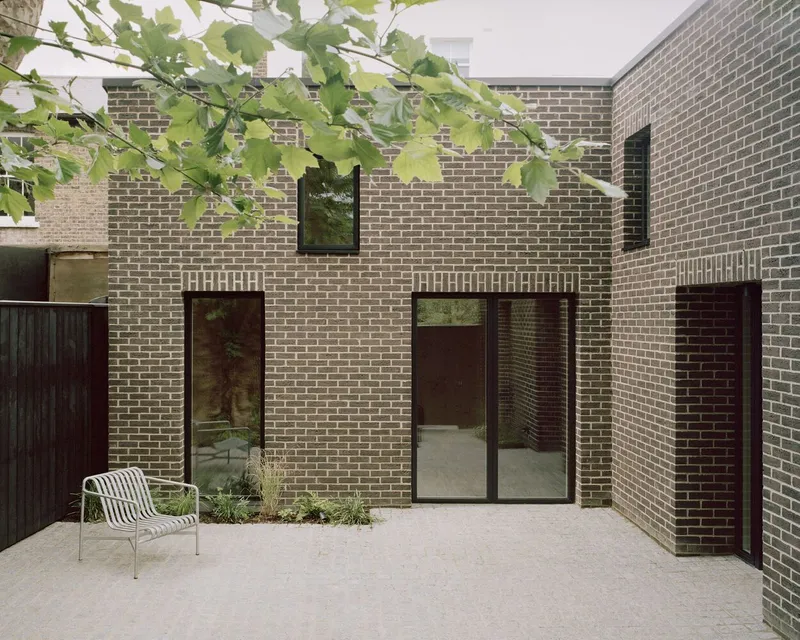
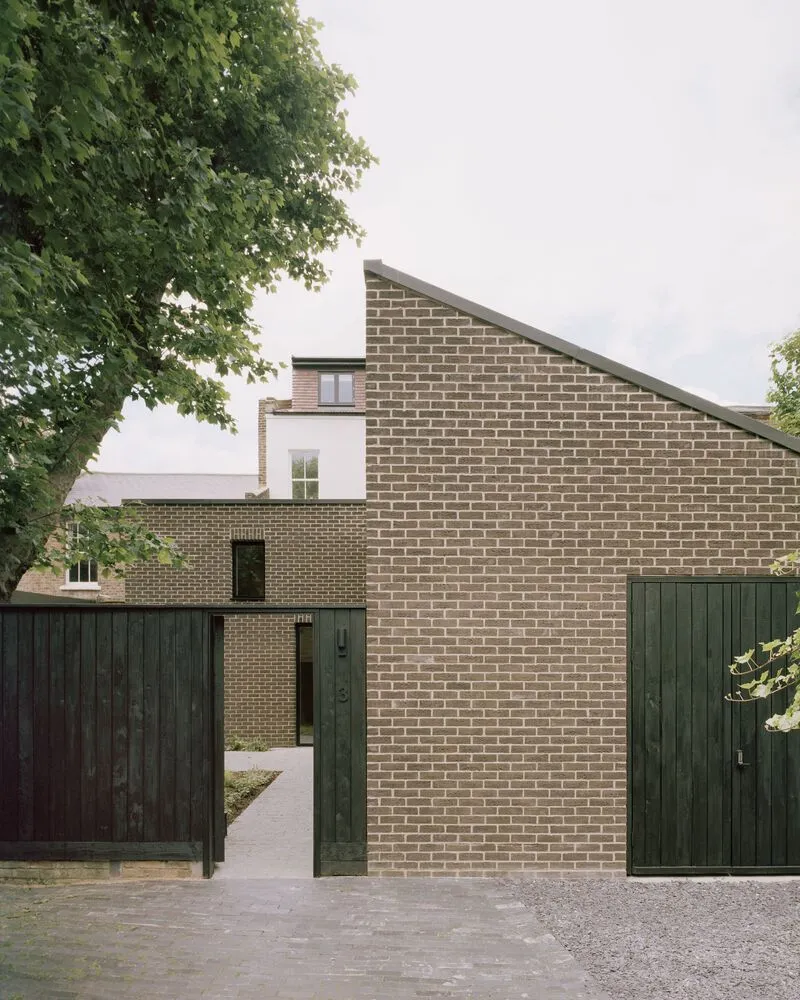
Site-Sensitive Architecture
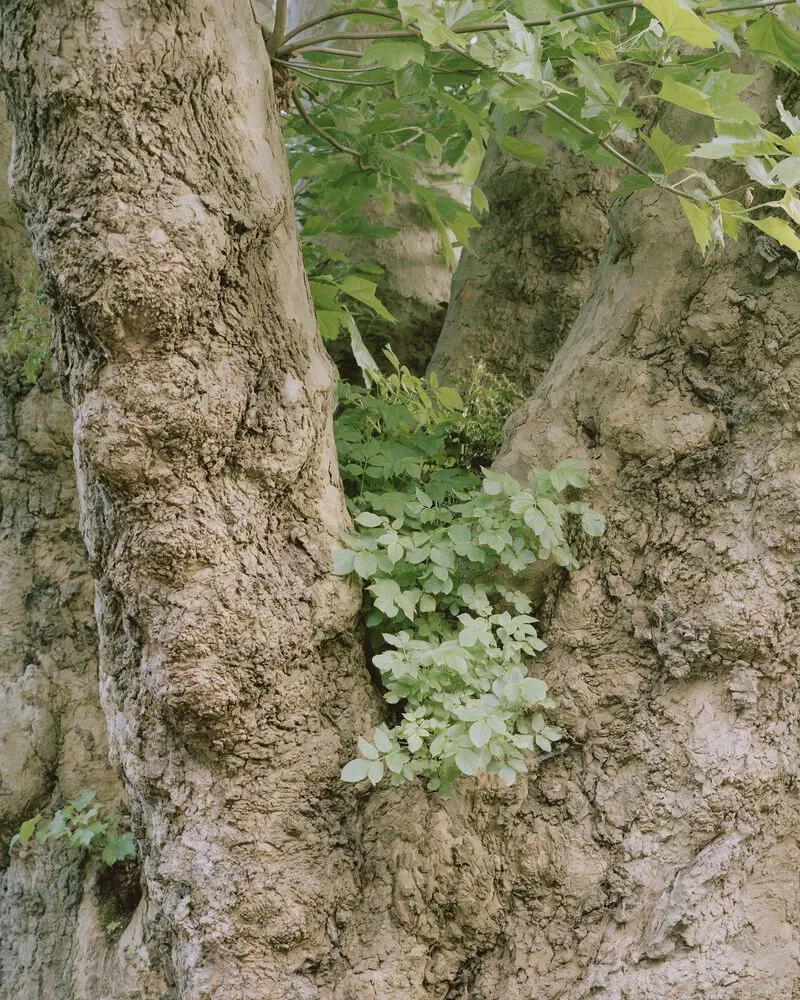
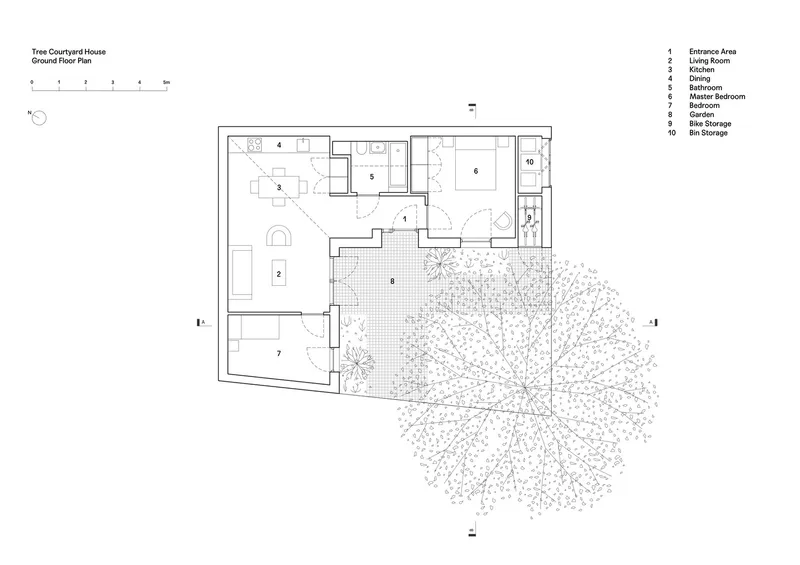
The project focuses on integrating the building harmoniously into the environment. The key design challenge was working with a restricted site and a large, mature tree at the corner of the plot. The architects skillfully organized the home around the tree and its root system, creating an L-shaped floorplan that maximizes both the building’s functionality and its connection to the outdoors. The design reflects the architects’ respect for the natural landscape, ensuring that the tree remains central to the experience of the home.
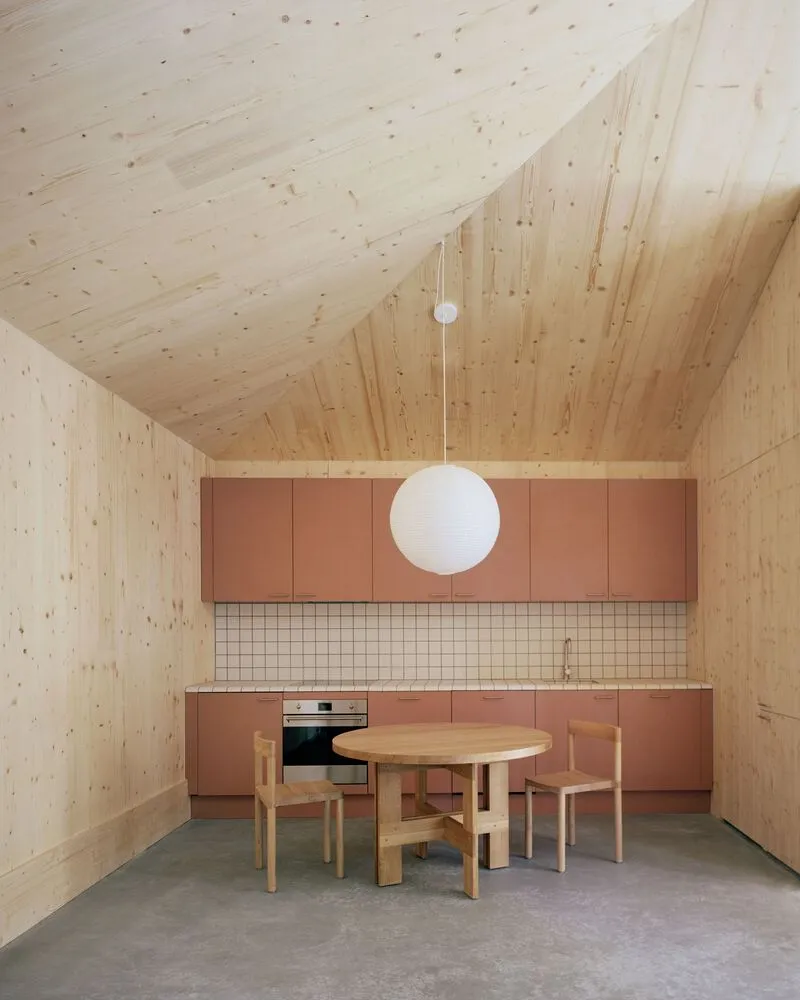

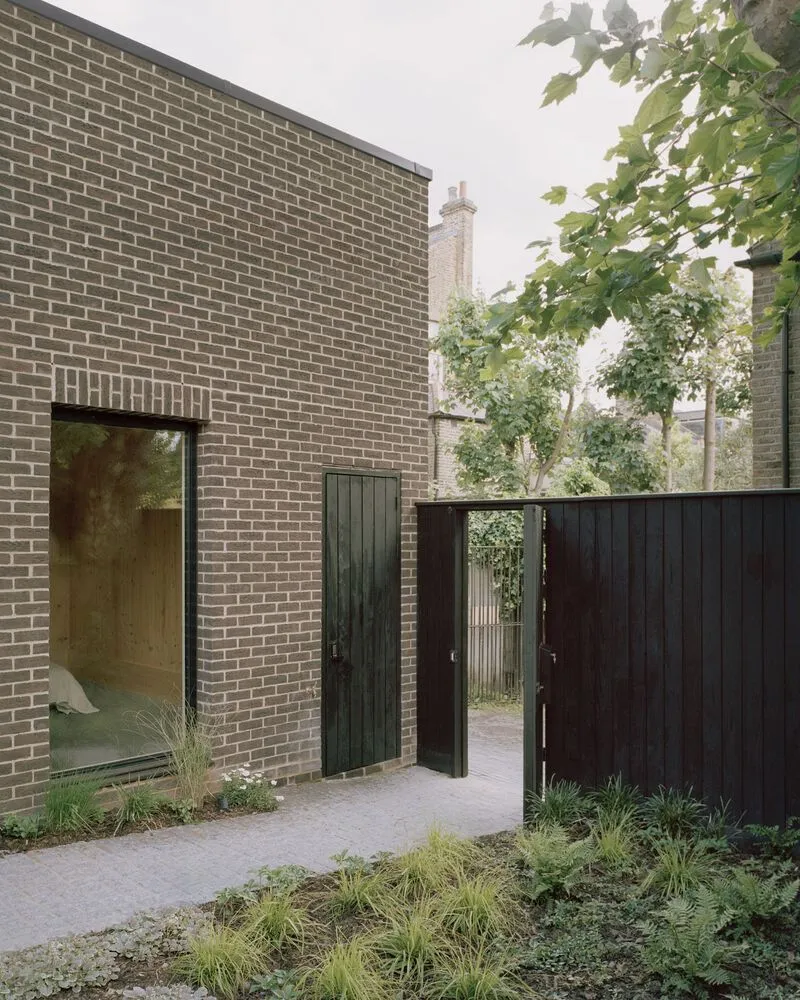
Efficient Use of Space
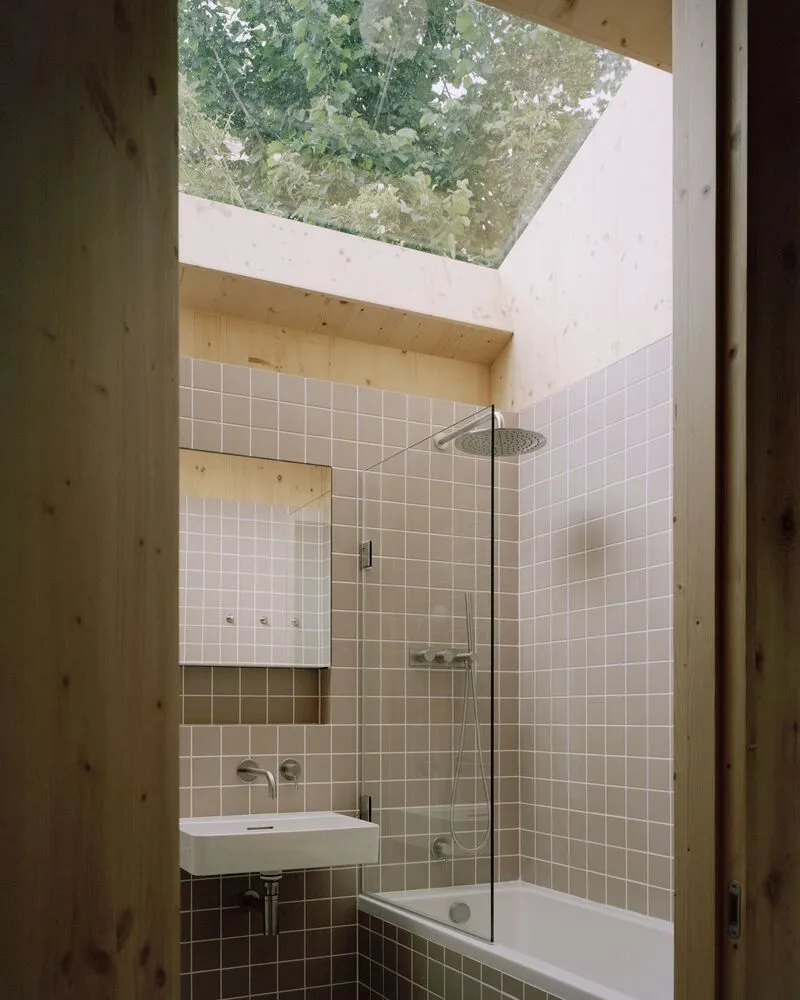
Given the constraints of the site, the Tree Courtyard House makes efficient use of its limited footprint. To maximize space, corridors were eliminated, ensuring smooth transitions between rooms. The design centers around a central living area, which includes a kitchen, dining room, bathroom, and the living space. On either side of this central area, two bedrooms open up to the courtyard garden. This layout optimizes the available space while ensuring that the interior is flooded with natural light and the residents are offered views of the surrounding greenery.

Maximizing Natural Light and Privacy
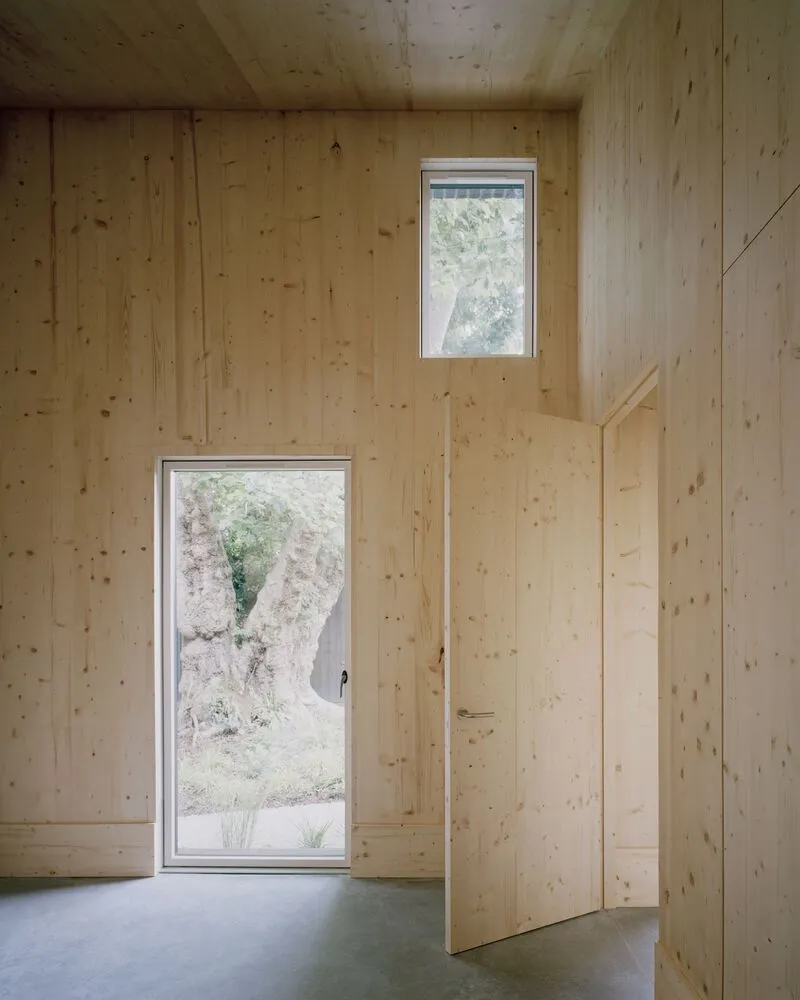
The roof form of the Tree Courtyard House is mono-pitched, sloping toward the courtyard to protect the privacy of the occupants while enhancing natural light. High-level windows offer framed views of the tree foliage above, while lower windows provide views directly into the garden and large tree trunks. This thoughtful design approach ensures that the interior is well-lit without compromising on privacy. The courtyard itself, with its high internal walls, creates a protected and tranquil enclave for residents, contributing to a sense of openness and volume within the garden.
Sustainable Materials and Building Techniques
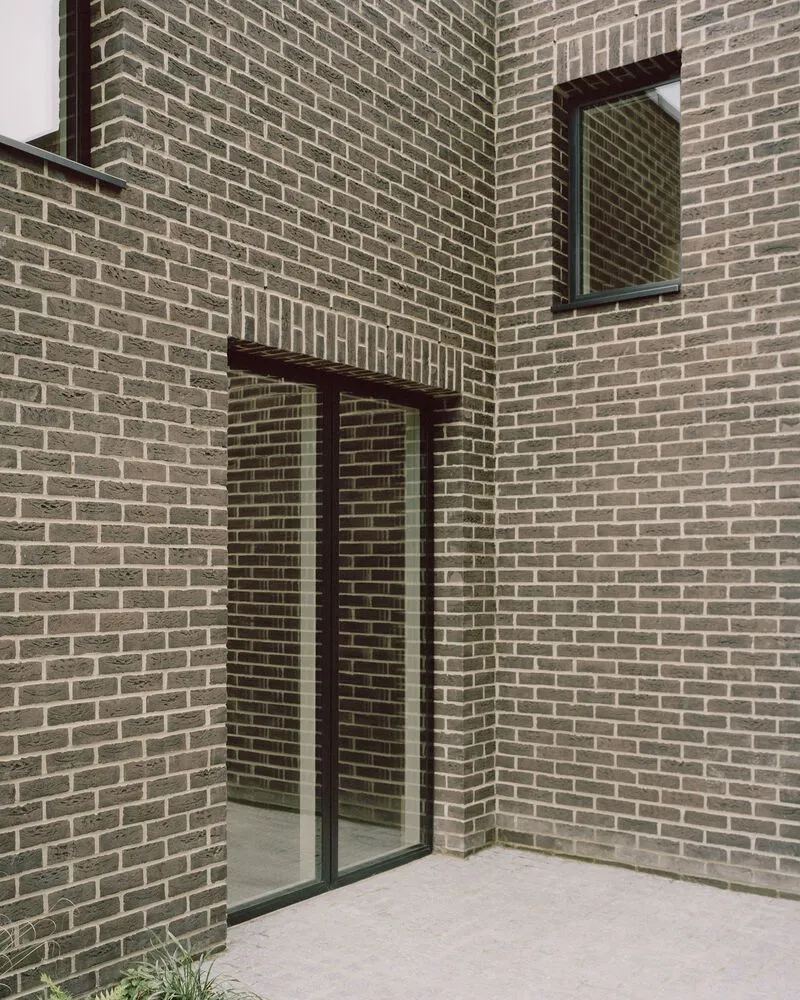
Tree Courtyard House demonstrates a commitment to sustainability through the careful selection of building materials. The structure is made from handmade bricks and cross-laminated timber (CLT), materials chosen for their minimal environmental impact. The natural aesthetics of these materials also enhance the home’s connection to the outdoors, creating a seamless bond between the built environment and nature. Additionally, an exhaust air heat pump has been integrated into the design to reduce operational carbon emissions, further enhancing the home’s sustainability.
The Key Design Feature: Exposed CLT Ceiling
A standout feature of Tree Courtyard House is the exposed CLT ceiling. This clean, uninterrupted surface creates a striking visual element and marks the transition between the two pitched ceilings in the L-shaped layout. The use of a glue-laminated beam embedded into the roof construction highlights the craftsmanship and attention to detail involved in the project. This design feature not only enhances the aesthetic quality of the interior but also exemplifies the integration of sustainable building practices into modern residential architecture.


A Model of Sustainable Living
The Tree Courtyard House by ao-ft is a remarkable example of sustainable home design. By carefully integrating the building with its natural surroundings and using environmentally responsible materials and techniques, the project showcases how modern residential architecture can meet the needs of both people and the planet. With its efficient use of space, focus on privacy, and incorporation of sustainable systems, Tree Courtyard House offers a model for the future of housing in urban environments.


All Photographs are work of Rory Gardiner


Popular Articles
Popular articles from the community


David Ortega Stacks a Two-Story Mexico City Penthouse Around a Steel Stair and a Pergola-Shaded Roof Terrace
In Colonia Roma, a 300 m² penthouse uses oak joinery, a planted steel stair and a slatted roof pergola to make a new-build apartment feel like a house.

GROUP A Strips a 1969 Rotterdam Harbor Headquarters to Its Frame and Wraps It in Timber Louvers
In Rotterdam's M4H harbor district, Ferro Offices reuses a 1969 frame, adds one timber storey and reaches BREEAM-NL Outstanding.

Juan García Correa, John González and Claudia Rueda Sink a Circular Amphitheater into a Manizales Engineering Building
On the La Nubia campus in Manizales, Colombia, the S1 Building folds labs and offices into a hillside of ramped lawns that double as a campus route.

Cube Design Draws an Ecological Corridor Between Two Shenzhen Hills with the Nankai Building
Beside Shenzhen's container docks, the Nankai Building pairs stacked balconies with a climbing green screen to connect two hillsides across its height.

Similar Reads
You might also enjoy these articles


Hodi-Mandai Geram
Project Function: Preservation and revitalization of the Intangible heritage and socio-spatial identity of the Hodi by Housing, Cultural Memory Center, Sacred Grove, landscape, local tourism economy


Olio Towers: A Mid-Rise for Performers That Fuses Housing, Rehearsal, and Stage
Located blocks from Houston's Theater District, this modular tower stacks living units around a central performance atrium.

Oasis: Modular Green Housing Carved into Dhaka's Urban Fabric
A shortlisted Plugin Housing entry reclaims unauthorized settlements in Dhaka with stepped concrete volumes, green roofs, and ventilation-driven design.

Black Hole: A Floating Megastructure for the Post-Physical Era
Emiliano Mazzarotto envisions a spherical, self-scaling arena where e-sports, digital hotels, and holographic stadiums replace traditional public space.

Explore Tree House Competitions
Discover active competitions in this discipline

Challenge to reimagine the Iron Throne

Photograph architecture without architects

Illustrate the lost glory of Angkor Wat - Render Challenge

Design challenge to reuse E-waste
Comments (0)
Please login or sign up to add comments
No comments yet. Be the first to comment!