
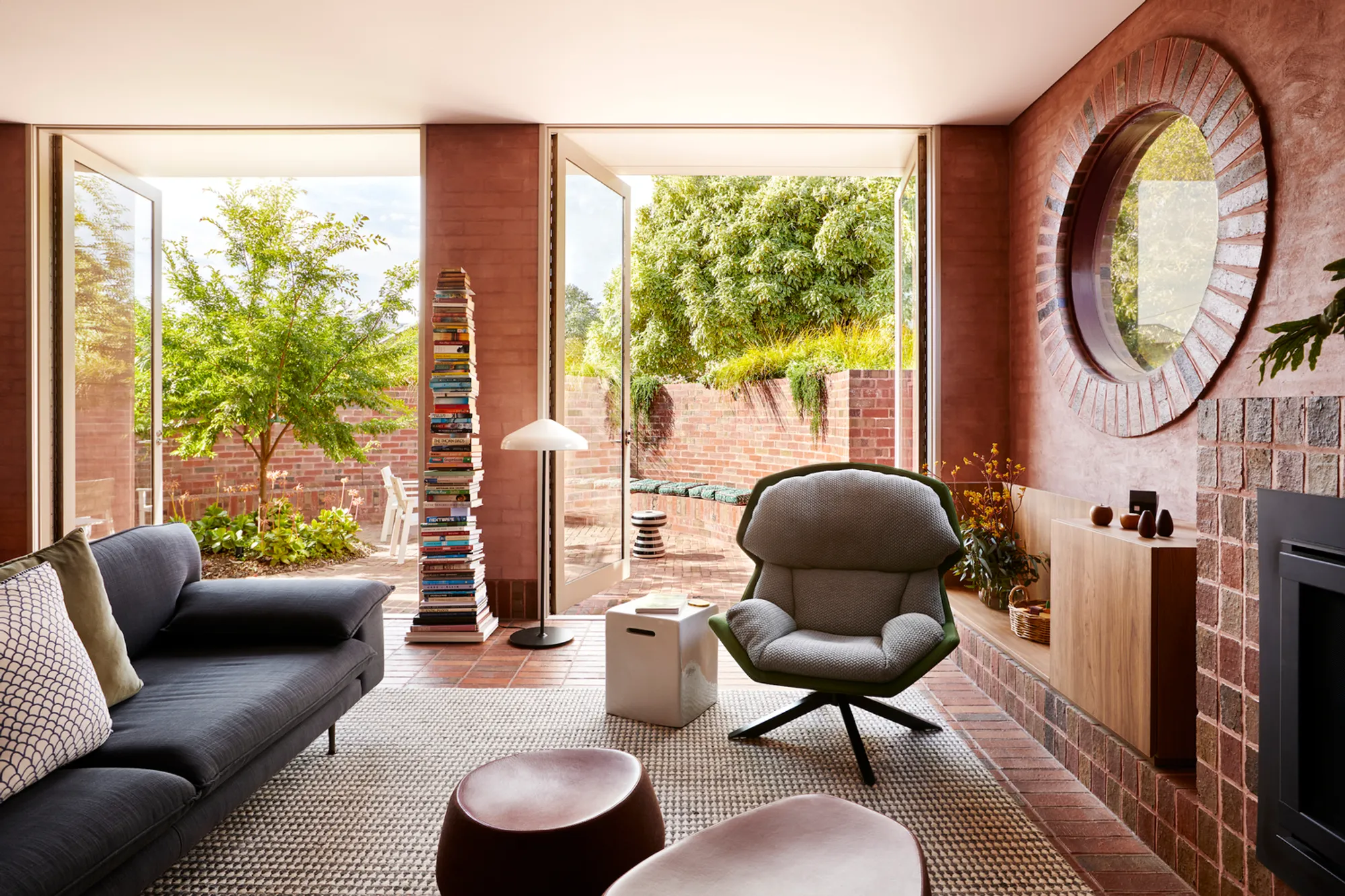
Sustainable House Renovation in Australia: Ararat House by SJB
A gentle, sustainable renovation of a 1950s house in rural Victoria designed for intergenerational living and long-term adaptability.


A Thoughtful Transformation of a 1950s Home for Intergenerational Living
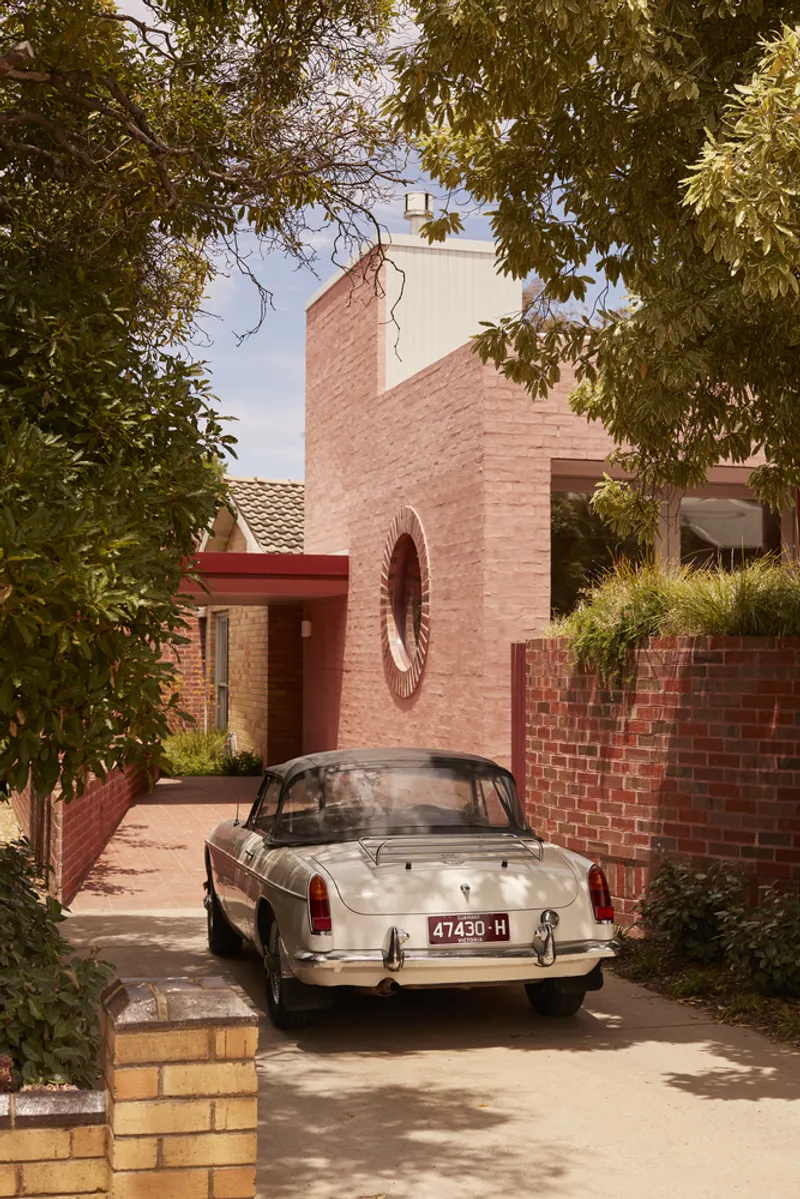
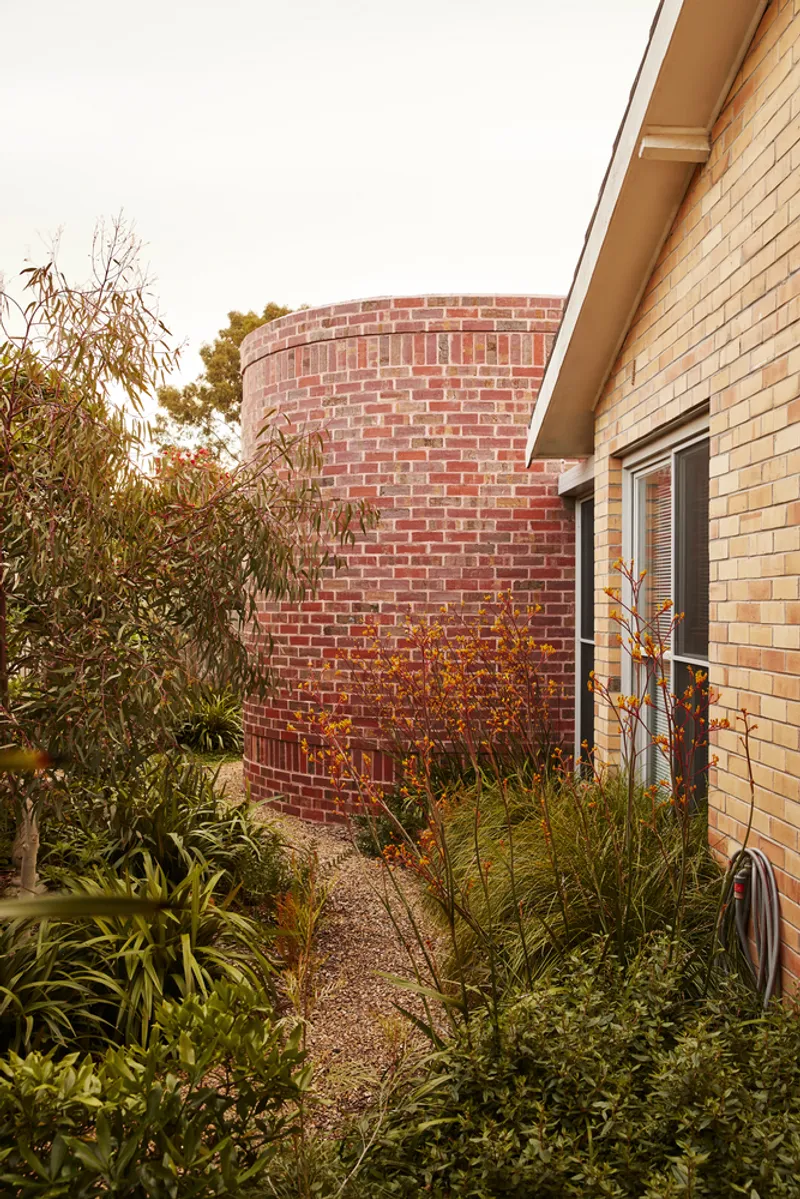
The Ararat House by SJB, designed by architect Adam Haddow for his parents, is a compelling case of sustainable house renovation in Australia. Located in the quiet regional town of Ararat, Victoria, the project reflects a deeply personal and ecologically conscious approach to architecture. Instead of replacing the aging 1950s cream brick home with a new build—a path often favored by local kit home developers—the architect opted to preserve and carefully expand the existing structure. This decision champions both environmental responsibility and cultural continuity.


Respecting the Original While Preparing for the Future
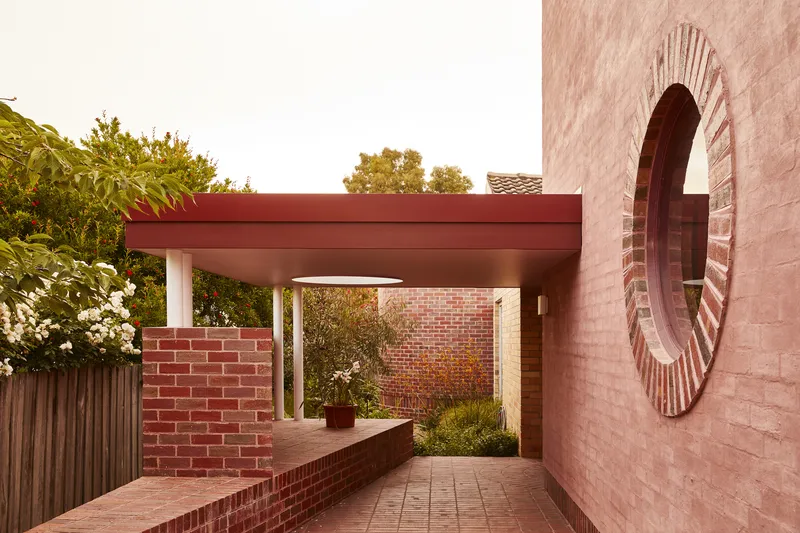
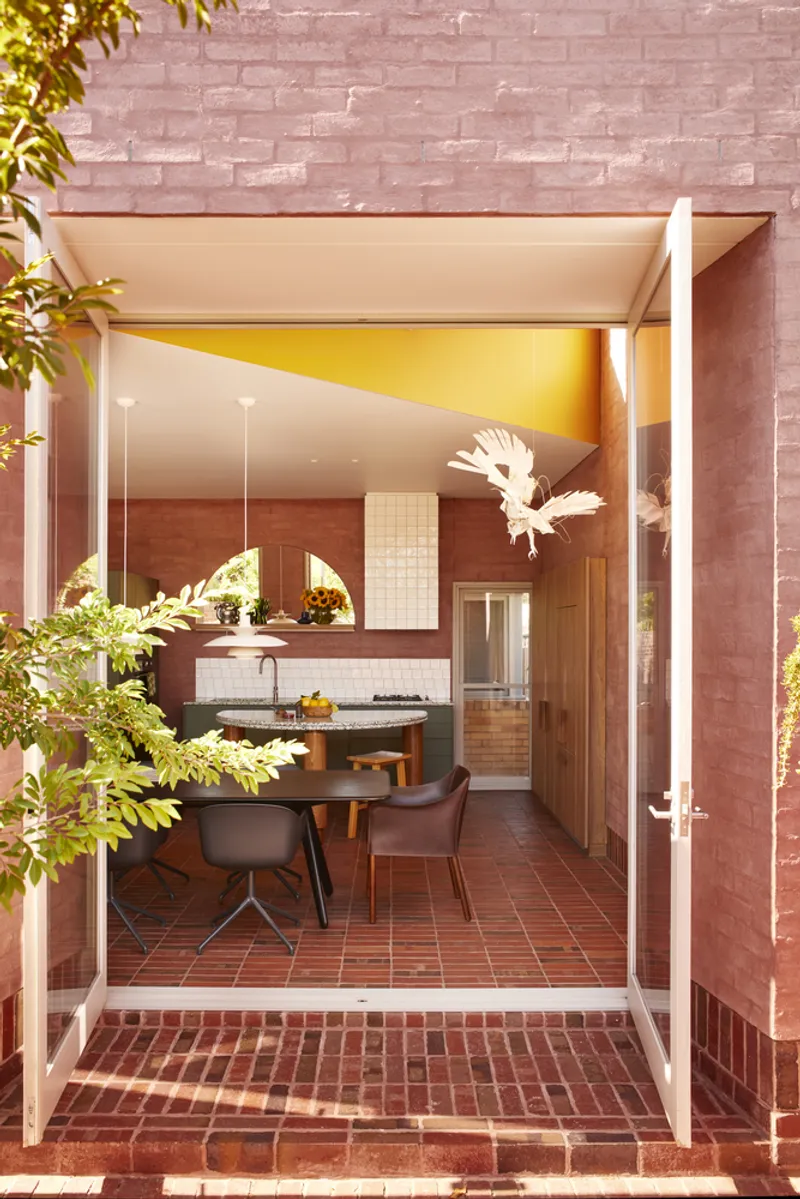
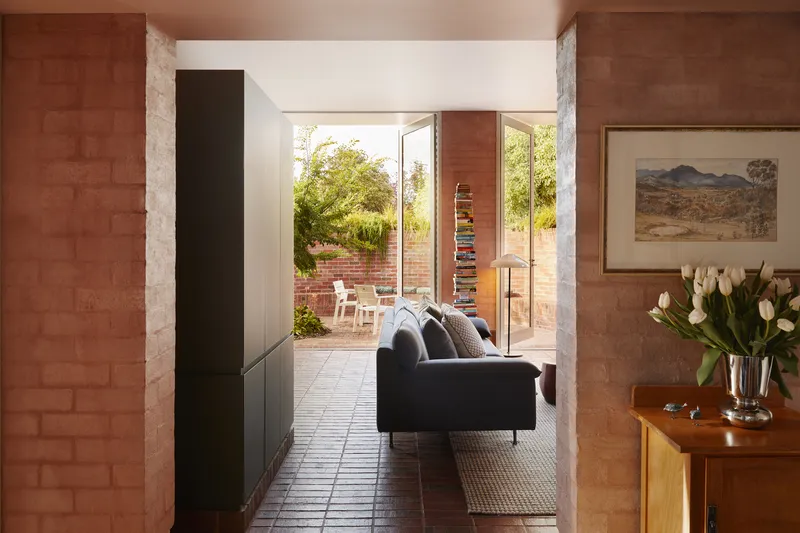
The renovation strategy was not about radical transformation but about performing a “series of surgeries” on the original dwelling. These subtle, strategic interventions retain the embodied carbon of the existing building while honoring the architectural modesty typical of regional Australian towns. The additions include a new “good room,” a kitchen, dining, and living area with a northern veranda and courtyard, and two bathrooms to the south. These spaces are seamlessly integrated with the three-bedroom core of the original house, creating a functional and flexible environment that can evolve with the family over time.


A Place Rooted in Local Identity
Every element of Ararat House is rooted in its locale. Built by local craftspeople using locally sourced materials, the home becomes more than architecture—it becomes an act of urban acupuncture, stitching together memory, sustainability, and livability. The streets of Ararat, known for their eclectic mix of modest homes and slow-paced development, form the cultural backdrop for this renovation. The home sits quietly among them, respectful of its place yet gently reimagined to meet contemporary needs.

Architecture for Aging and Legacy
Designed for aging in place, the home provides comfort and dignity for the current residents, while offering a framework for generational continuity. Haddow anticipates that the house may one day be home to his brother’s family. In that eventuality, the house is primed to receive a future rumpus room extension to the rear yard, supporting the life and energy of younger occupants without disrupting the calm order of the current design.


Vernacular Materials and Emotional Resonance
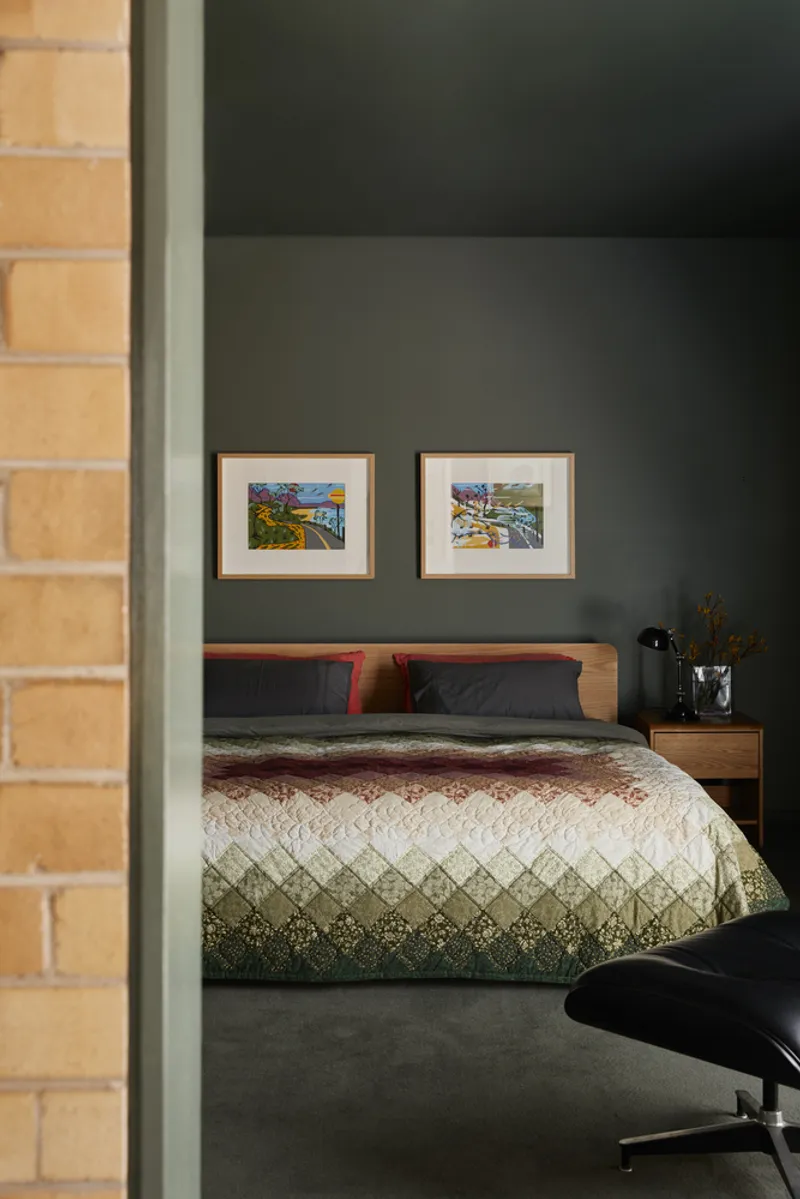
Brick, timber, and natural light define the interior spaces. There’s a tactile warmth that emerges through the considered use of honest materials. The renovation respects not only architectural heritage but emotional history. The memory of the house as a long-standing family home is preserved and extended, embracing change with grace.
Redefining Regional Australian Living
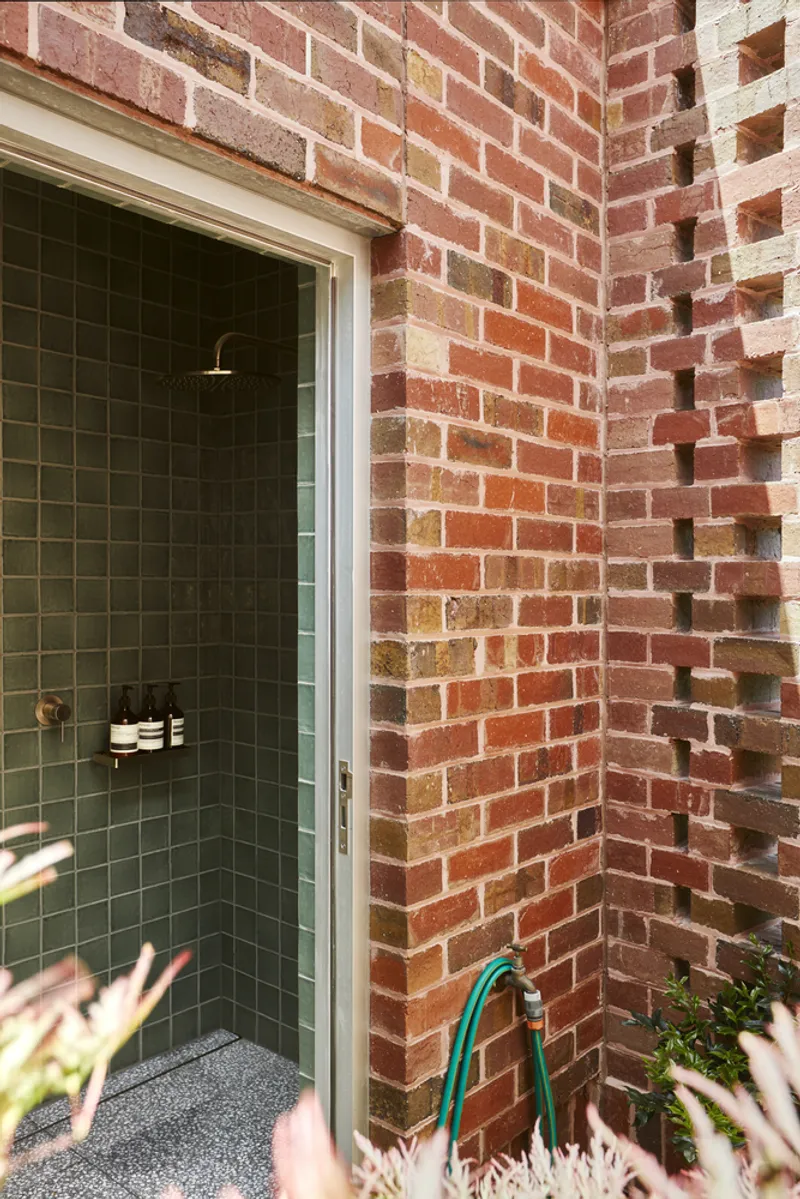
Sustainable house renovation in Australia is not limited to cities or dramatic eco-builds. In Ararat House, sustainability is about reuse, continuity, and a sensitive relationship to local context. This project reaffirms that architecture can support the everyday lives of families while fostering broader conversations around aging, memory, and the role of design in small-town renewal.

All Photographs are works of Martina Gemmola




Popular Articles
Popular articles from the community


AL-JANNAH: Sustainable Architecture and Permaculture for Afghan Widows
AL-JANNAH uses sustainable architecture and permaculture to create resilient oasis of housing, learning, work and renewal for Afghan widows.

The Earth Pod: 3D Printed Homes for Resilient Refugee Communities
The Earth Pod reimagines refugee housing through 3D printed homes made from clay, combining resilience, self-sufficiency, and rapid shelter.

Co-life: Sustainable Architecture for Age-Friendly Community Living
Co-life reimagines sustainable architecture for seniors through courtyards, rammed earth, shared gardens, and spaces designed for belonging.

The Musturak Paradise: Senior Living Architecture for a Connected Future in Temara, Morocco
The Musturak Paradise reimagines senior living architecture in Temara via private homes, social spaces, culture, community, and shared care.


Similar Reads
You might also enjoy these articles

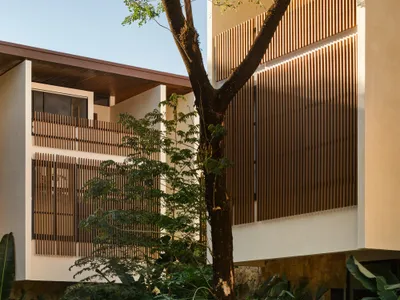
FAMM Arquitectura Organizes Ten Villas Around Courtyards and Jungle in Nosara, Costa Rica
El Molino pairs two elongated volumes with deep overhangs and timber louvers to build a compact coastal community five minutes from the beach.
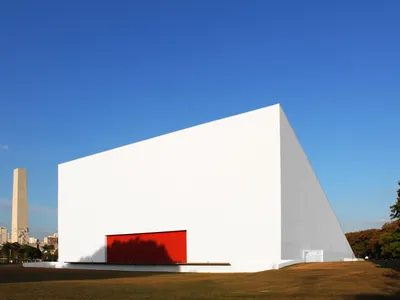
Oscar Niemeyer's Ibirapuera Park Pavilions Define São Paulo's Cultural Identity in Concrete and Curve
A constellation of modernist volumes set within São Paulo's most important urban park, conceived for the city's 400th anniversary in 1954.
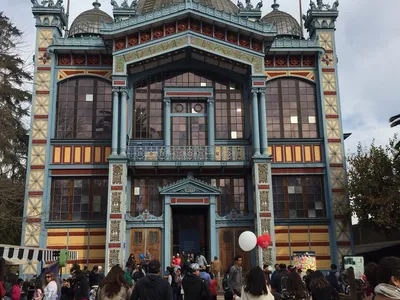
How Henri Picq's 1889 Paris Pavilion Traveled 11,000 Kilometers to Become Santiago's Artequín Museum
A prefabricated iron and glass pavilion built for the Paris Universal Exposition found a second life as a children's art museum in Chile.
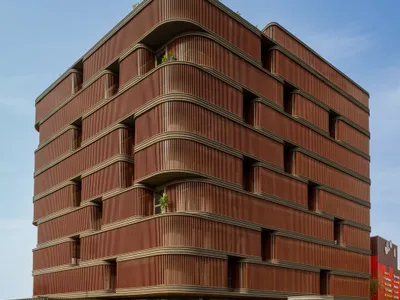
Sanjay Puri Architects Wraps a Jaipur Office Tower in Capsule-Shaped Green Buffers
A nine-level climate-responsive workplace near Jaipur Airport uses stacked planter terraces and aluminium screens to fight 40°C heat.


Explore Architecture Competitions
Discover active competitions in this discipline



Challenge to reimagine the Iron Throne


Photograph architecture without architects


Illustrate the lost glory of Angkor Wat - Render Challenge


Design challenge to reuse E-waste
Comments (0)
Please login or sign up to add comments
No comments yet. Be the first to comment!