

Sustainable Kindergarten Architecture: Designing for Future Generations
The article explores sustainable kindergarten architecture, highlighting eco-conscious designs that foster creativity, environmental stewardship, and holistic child development.


In an era where sustainability and innovative design intersect, kindergarten architecture is being reimagined. Beyond traditional classrooms, sustainable kindergarten architecture emphasizes eco-consciousness, creativity, and holistic development. This approach transforms educational spaces into dynamic environments where children thrive, blending modern design with nature's principles.
The Vision of Sustainable Kindergarten Design
Sustainable kindergartens are more than buildings; they are ecosystems designed to nurture curiosity, creativity, and environmental awareness in children. These designs incorporate natural light, energy efficiency, and green spaces to create inspiring, functional, and child-friendly environments.
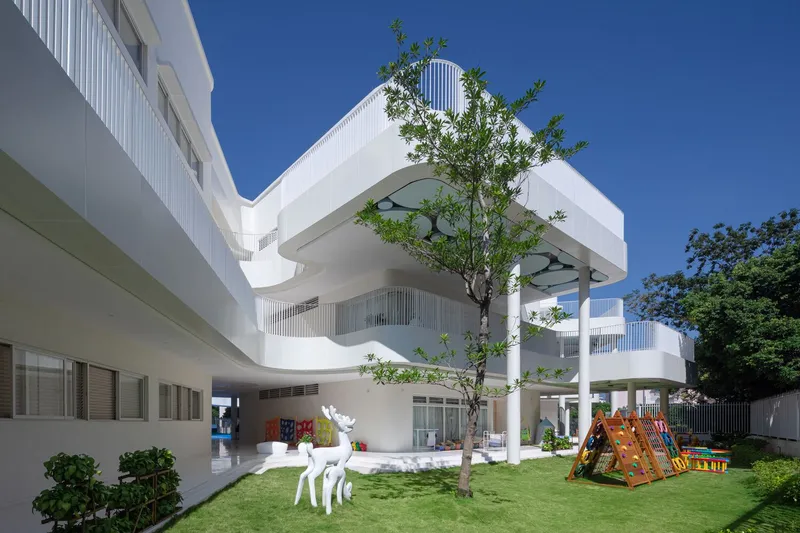

Key Principles
- Energy EfficiencySustainable kindergartens often use renewable energy sources like solar panels and incorporate passive cooling and heating systems. These ensure minimal environmental impact while maintaining comfort for children.
- Natural Light and VentilationAmple natural light reduces energy consumption and enhances well-being. Architects carefully position windows and use ventilation strategies that keep classrooms fresh and illuminated.
- Integration with NatureGreen roofs, gardens, and outdoor play areas connect children with nature, fostering environmental stewardship and physical activity.
- Flexible, Child-Centric SpacesClassrooms in sustainable kindergartens are designed with adaptability in mind. Movable furniture and open layouts accommodate various activities, from group learning to individual exploration.
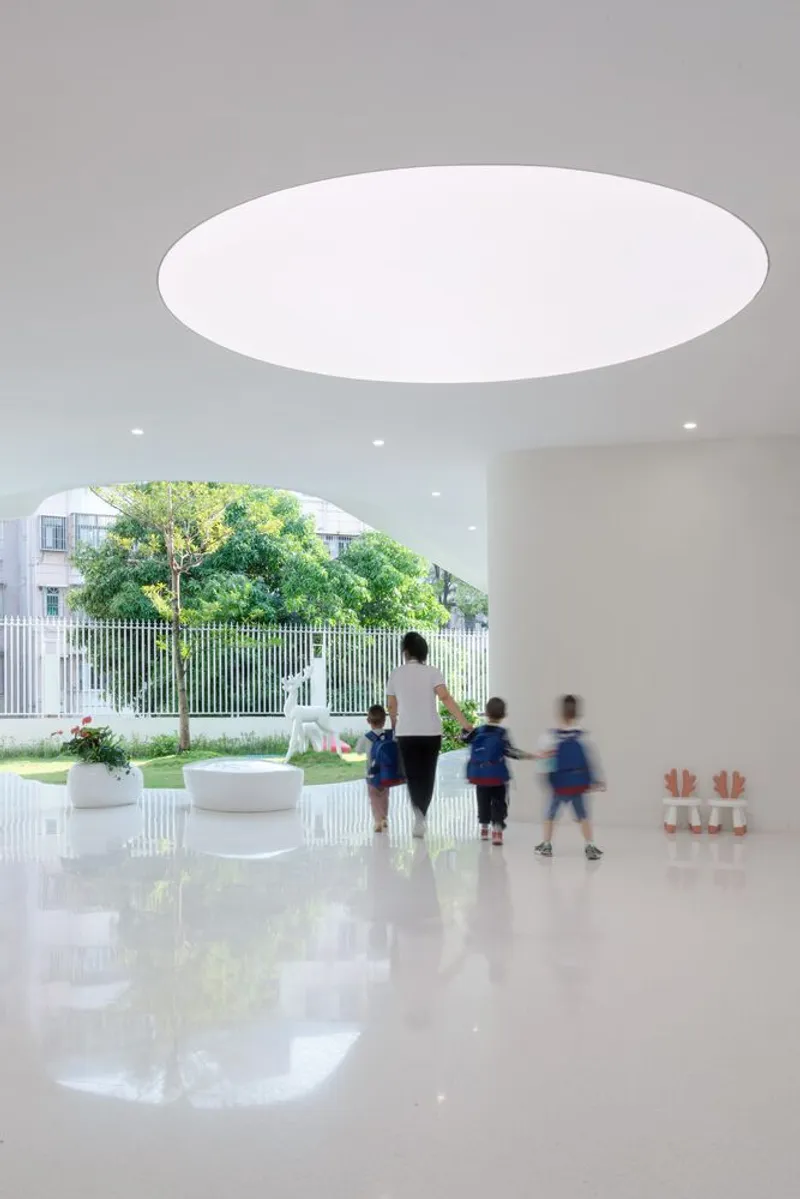

Case Study: Museum Forest Kindergarten
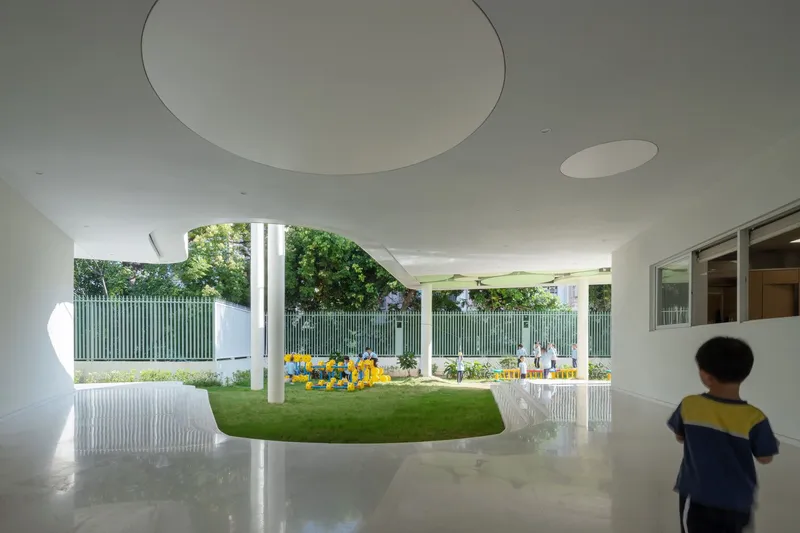
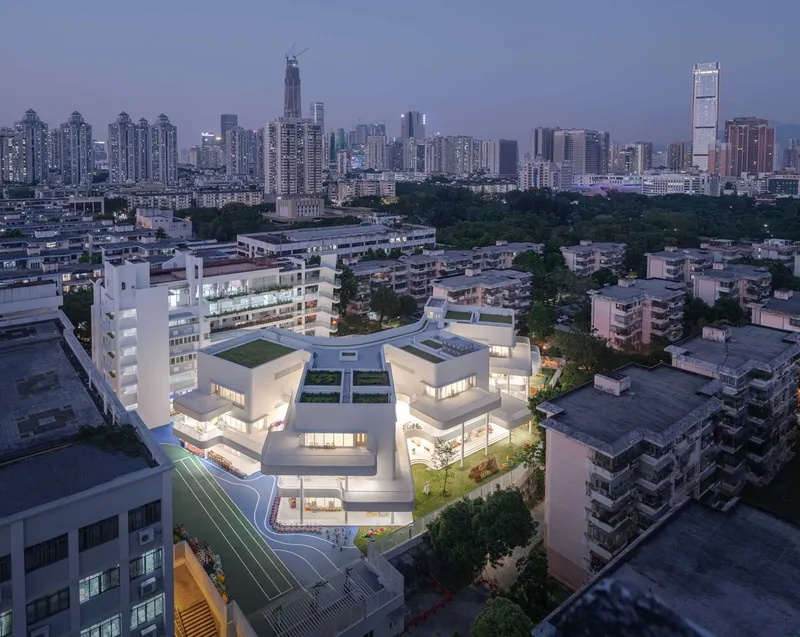
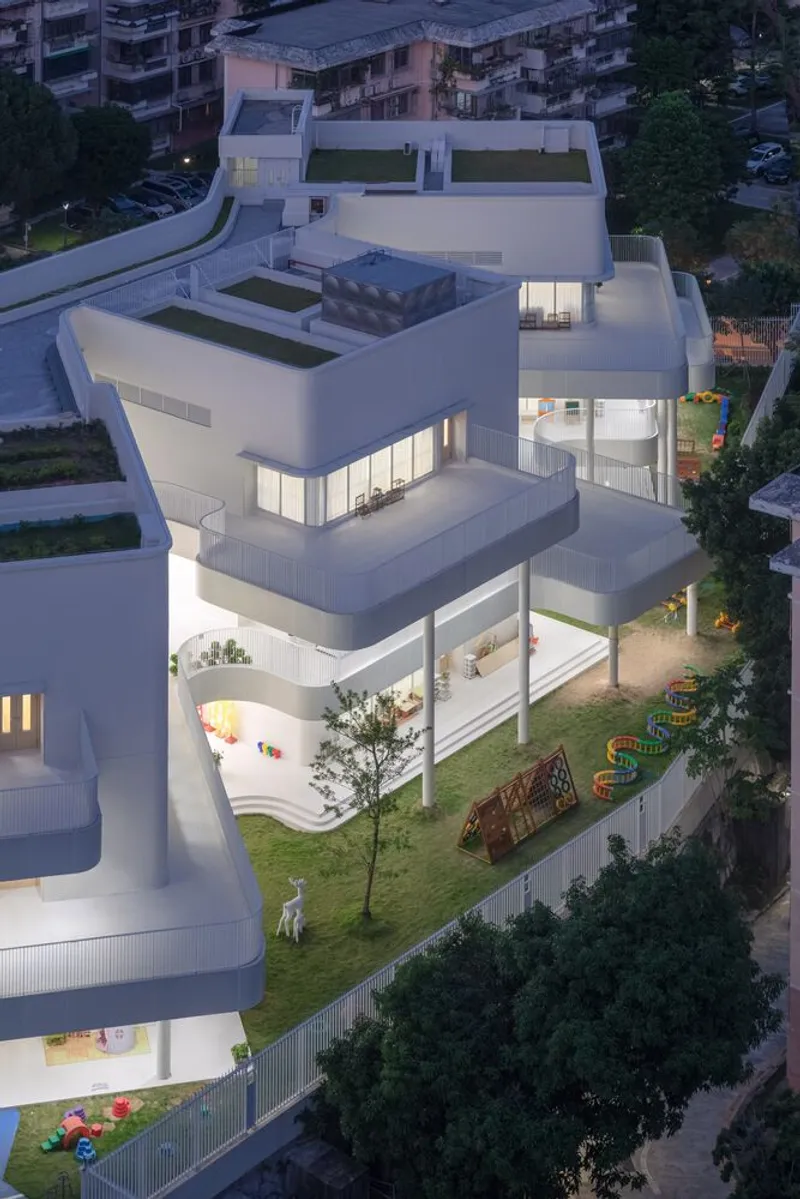
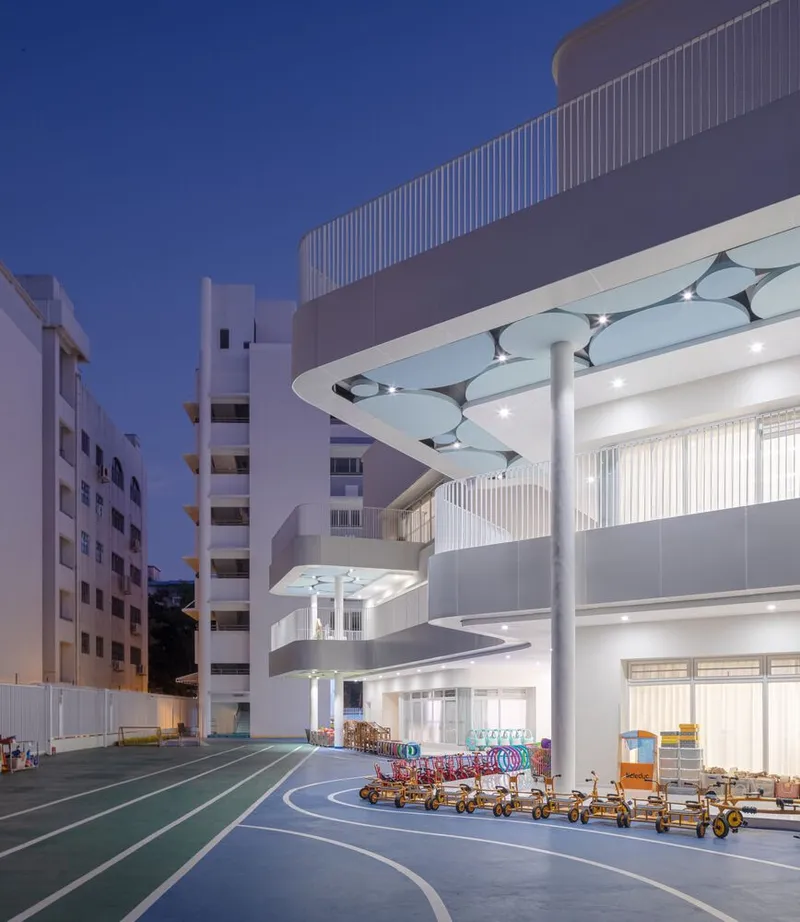
Located in Shenzhen, China, the Museum Forest Kindergarten exemplifies sustainable kindergarten architecture. Designed by Atelier Apeiron - SZAD, this project merges urban density with green design. The layout incorporates natural elements like tree shadows and open courtyards while ensuring smooth ventilation and daylighting throughout the campus.
The innovative geometric structure avoids disrupting nearby residential areas while fostering a playful and exploratory environment. Spaces between classrooms serve as extensions for children to connect with the outdoors, reflecting the philosophy that learning happens everywhere.

Global Examples of Sustainable Kindergarten Architecture
- EcoKid Kindergarten, VietnamThis project by LAVA integrates organic shapes and green courtyards, promoting activity-based learning and interaction with nature. Circular windows and bold colors foster an inviting and playful environment for young learners.
- Saint-Ouen-du-Tilleul Kindergarten, FranceDesigned by ACAU Architectes, this kindergarten combines energy-efficient materials and extensive greenery. It maximizes natural light and prioritizes child safety with an eco-conscious approach.


Benefits of Sustainable Kindergarten Design
- Fostering Creativity and GrowthInteractive spaces inspire children to explore and express themselves, supporting cognitive and emotional development.
- Healthier Learning EnvironmentsImproved air quality and natural materials create a healthier atmosphere, reducing allergies and boosting focus.
- Environmental StewardshipChildren learn the value of sustainability through daily interactions with eco-friendly designs, planting seeds of environmental responsibility.
Future of Sustainable Kindergarten Architecture
As urbanization accelerates, integrating sustainable principles into educational spaces becomes crucial. The focus will expand to include zero-carbon designs, advanced recycling systems, and community-integrated spaces. Architects and educators will continue to collaborate, ensuring that kindergartens remain at the forefront of innovative and sustainable design.
Sustainable kindergarten architecture is reshaping how we perceive early education spaces. By combining ecological consciousness with child-centric design, these spaces foster the growth of future generations while addressing global environmental challenges. As this trend grows, the vision for greener, more inclusive learning environments becomes a reality, setting a benchmark for future architectural endeavors.
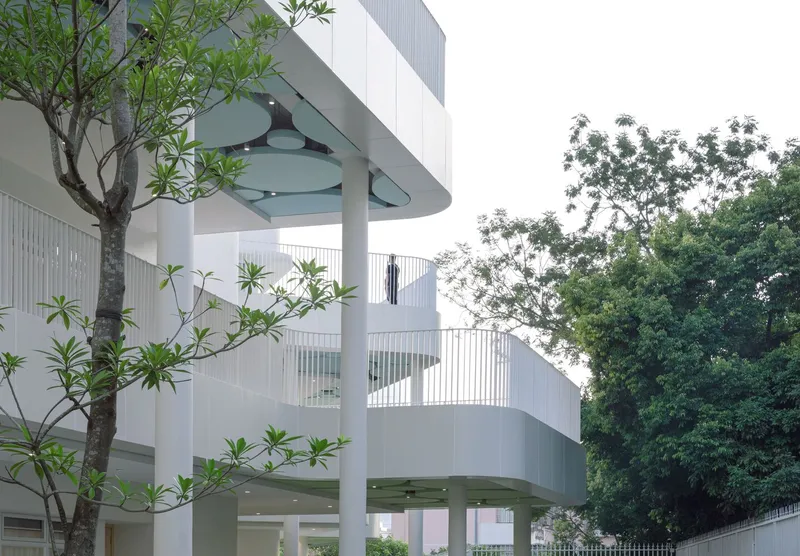
All Photographs are work of Schran Image


Popular Articles
Popular articles from the community


FCC Arquitectura Expands a Portuguese Granite House with a Board-Marked Concrete Wing
In Portugal, JV House pairs a cleaned-up whitewashed and granite dwelling with a timber-shuttered concrete extension, courtyards and a garden pool.


Manzana Morphosis: Stretching Barcelona's Grid into a Living Landscape for 2050
A radical reworking of the Eixample manzana turns density into a tool for generous public space, vertical ecology, and environmental performance.

The Amber Palace Opera: A Geological Fiction Surfaces on Tallinn's Baltic Waterfront
Pierre Brillard reimagines a Baltic legend as a public landscape, opera house, and waterfront promenade rooted in Tallinn's coastal identity.

ETEH Reworks the Shared Spaces of São Domingos School in Brazil Around Timber, Color and Hanging Plants
At São Domingos School in Brazil, 436 m² of hall, refectory and library are recast with timber joinery, a yellow and blue code and trailing greenery.

Similar Reads
You might also enjoy these articles


Hodi-Mandai Geram
Project Function: Preservation and revitalization of the Intangible heritage and socio-spatial identity of the Hodi by Housing, Cultural Memory Center, Sacred Grove, landscape, local tourism economy


Olio Towers: A Mid-Rise for Performers That Fuses Housing, Rehearsal, and Stage
Located blocks from Houston's Theater District, this modular tower stacks living units around a central performance atrium.

Oasis: Modular Green Housing Carved into Dhaka's Urban Fabric
A shortlisted Plugin Housing entry reclaims unauthorized settlements in Dhaka with stepped concrete volumes, green roofs, and ventilation-driven design.

Black Hole: A Floating Megastructure for the Post-Physical Era
Emiliano Mazzarotto envisions a spherical, self-scaling arena where e-sports, digital hotels, and holographic stadiums replace traditional public space.

Explore Green Architecture Competitions
Discover active competitions in this discipline

Challenge to design public laboratory

Challenge to reimagine the Iron Throne

Photograph architecture without architects

Illustrate the lost glory of Angkor Wat - Render Challenge
Comments (0)
Please login or sign up to add comments
No comments yet. Be the first to comment!