
Sustainable Kindergarten Architecture: Roland Baldi Architects’ Design for Kiens
A beautifully designed sustainable kindergarten fostering learning, play, and environmental responsibility in the heart of Kiens, Italy.

A New Standard in Sustainable Kindergarten Architecture
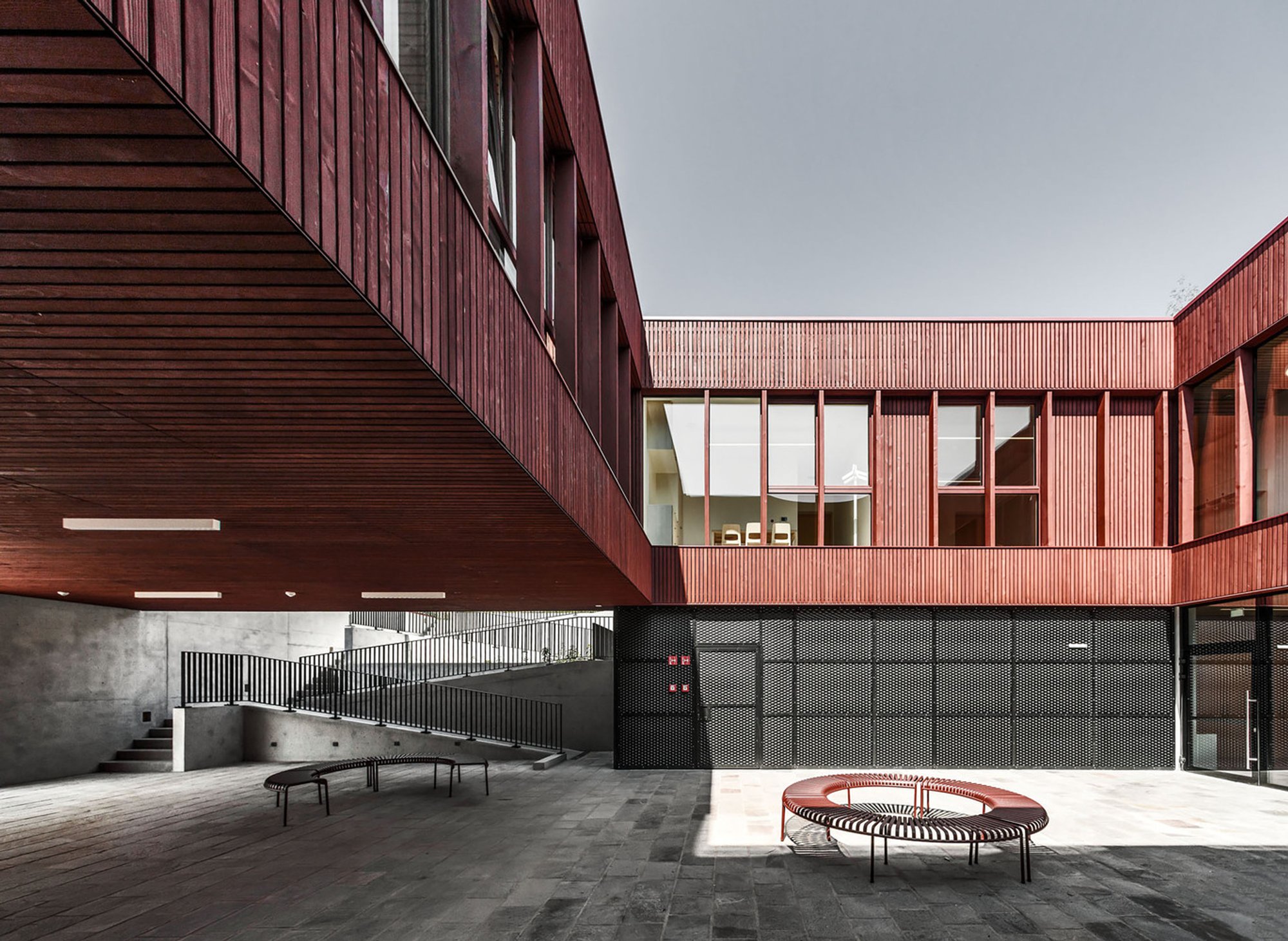
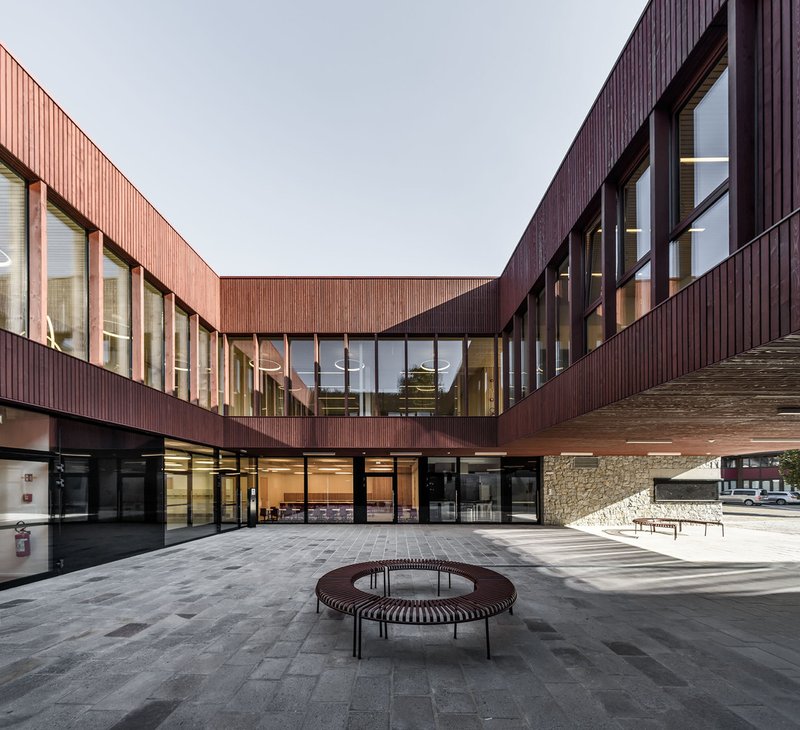
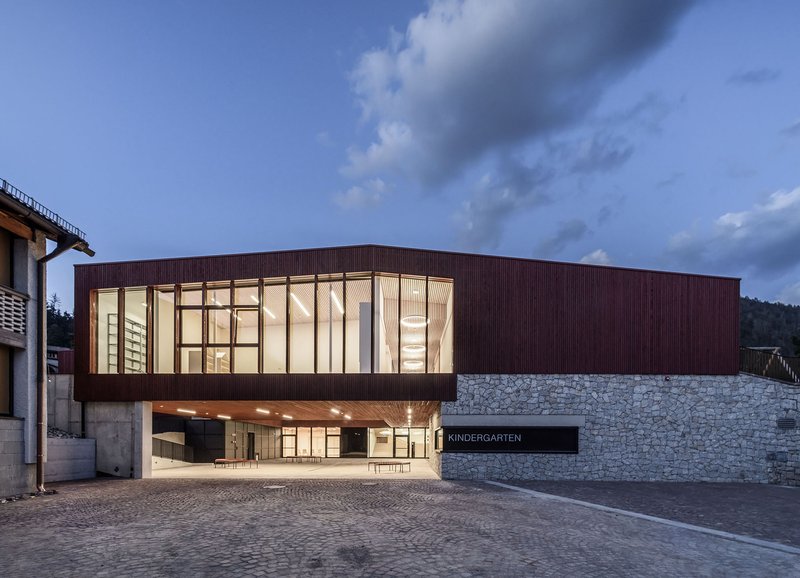
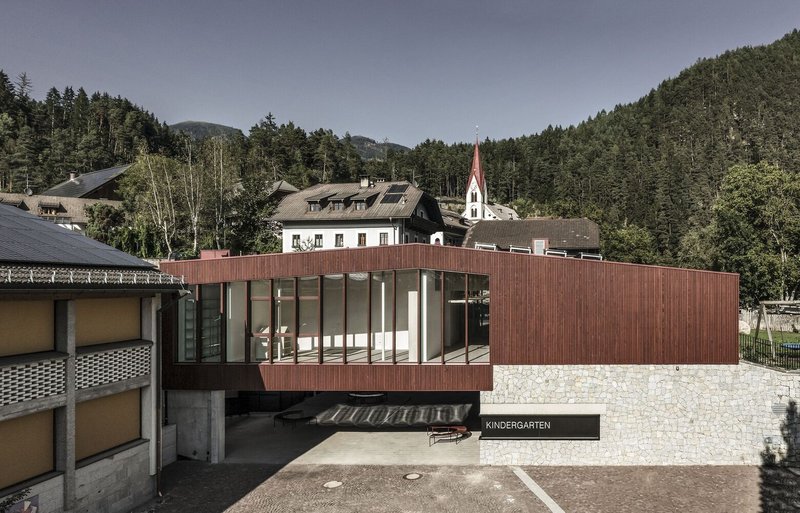
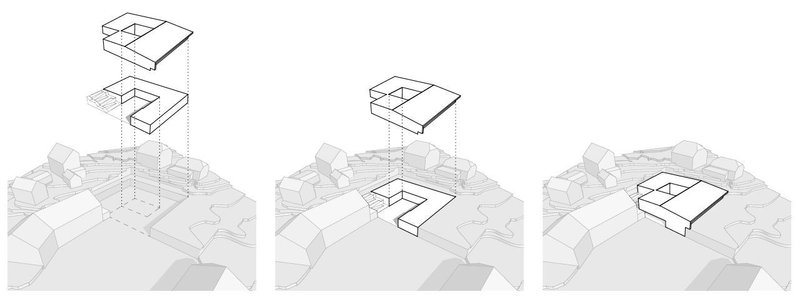
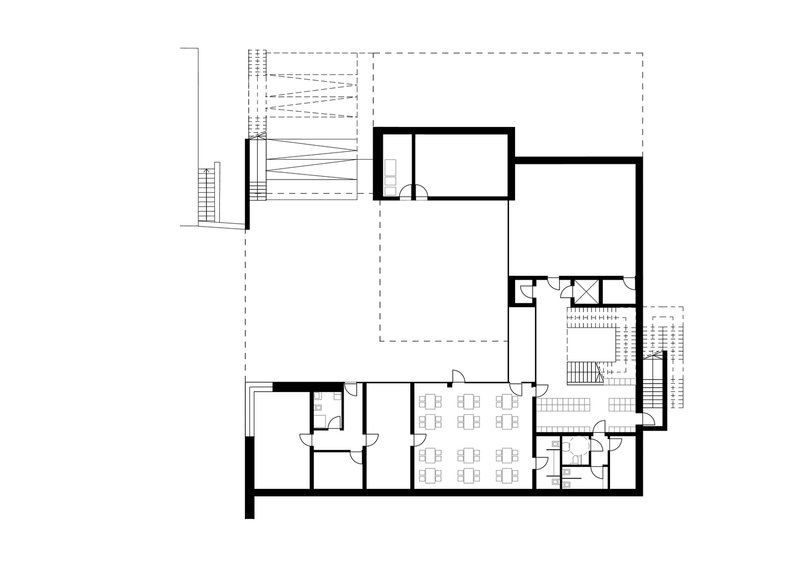
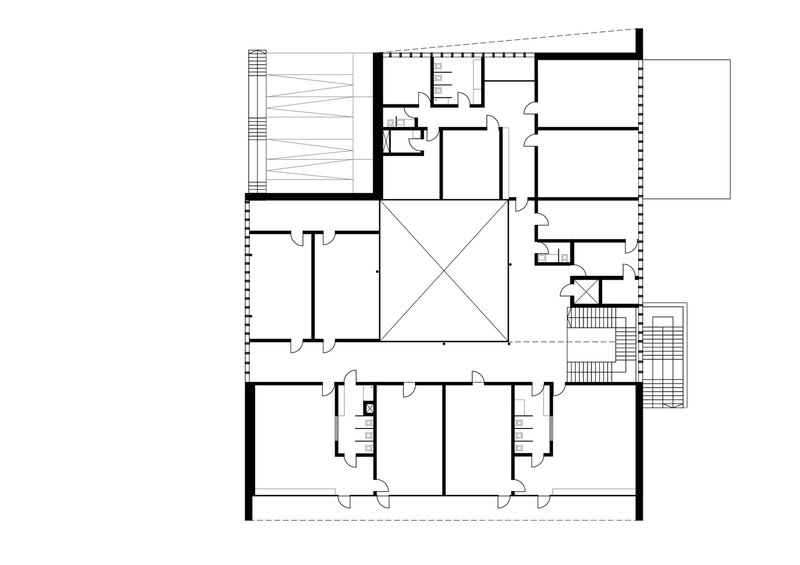
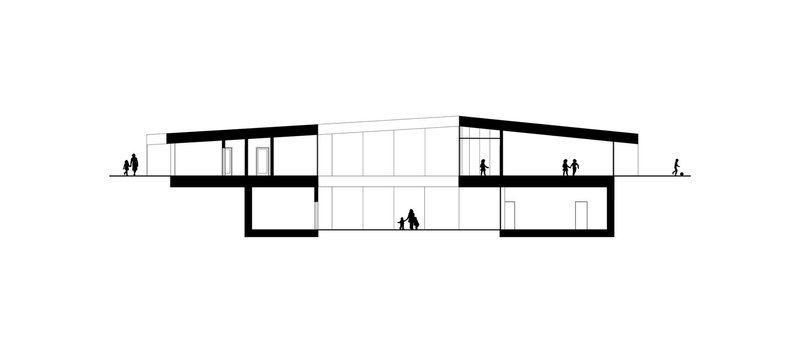
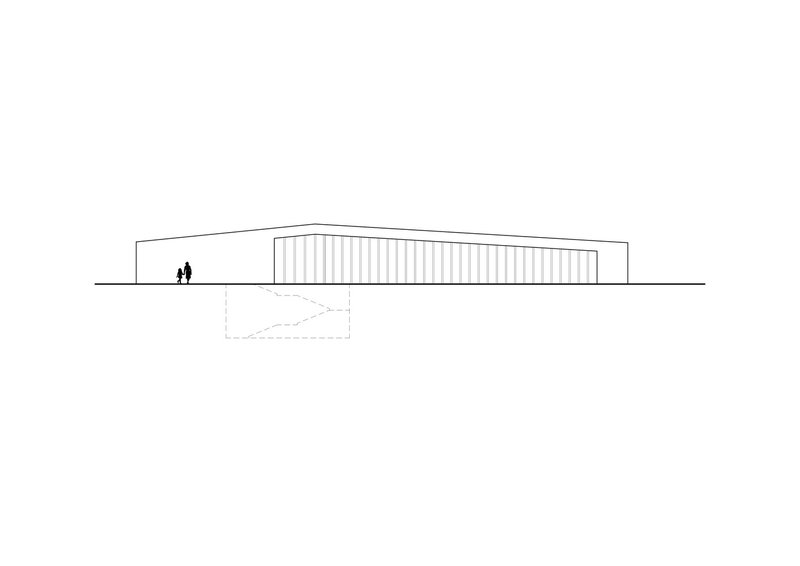
The Kindergarten and Daycare Center by Roland Baldi Architects in Kiens, Italy, is a remarkable example of sustainable kindergarten architecture that prioritizes children’s well-being, environmental responsibility, and seamless integration into the local context. Designed to replace an older facility, this two-story timber building now accommodates two kindergarten groups and provides daycare services for up to 20 children.
Thoughtful Design for Learning and Play
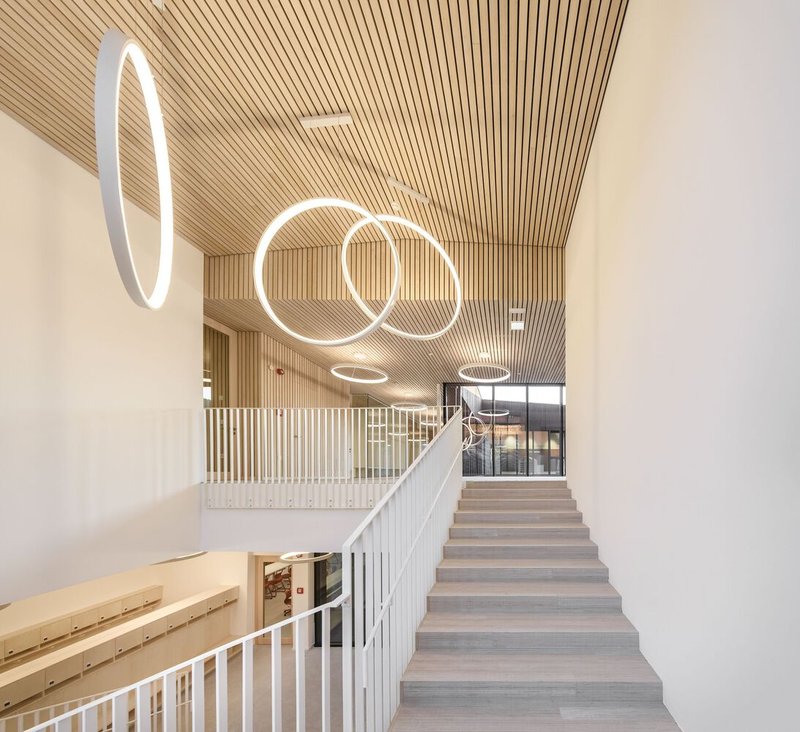
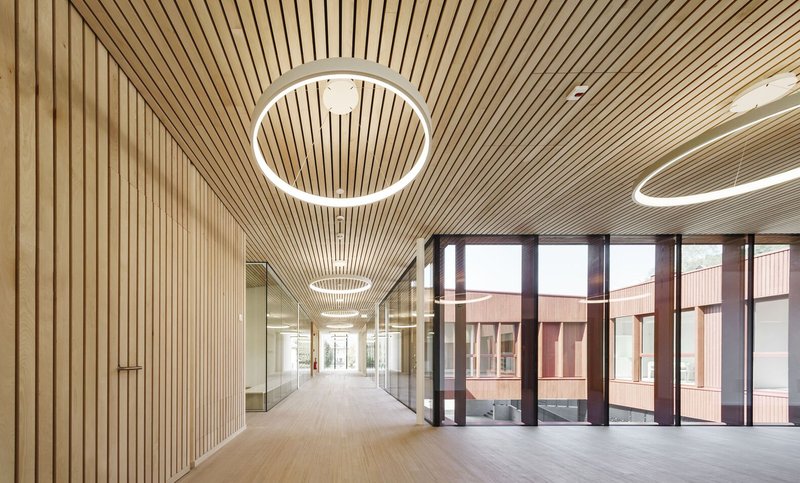
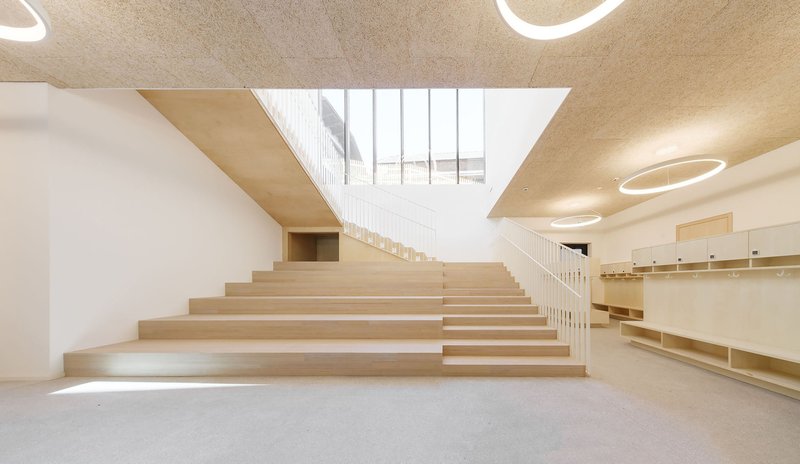
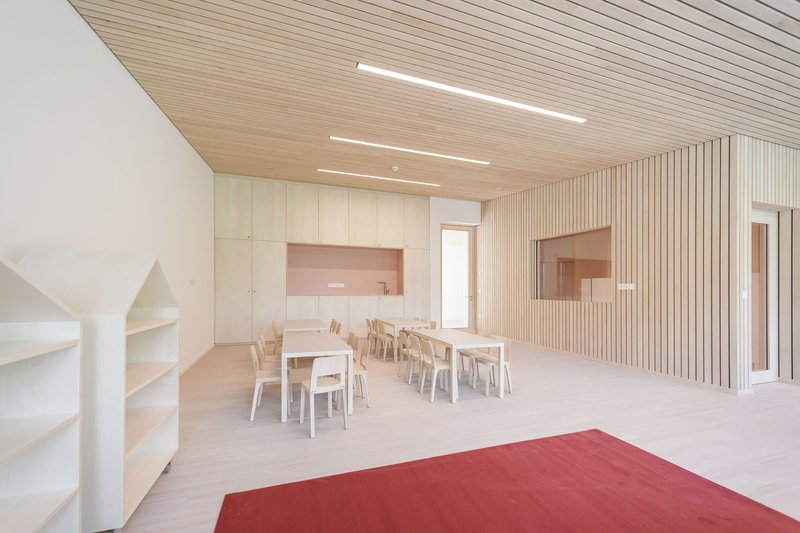
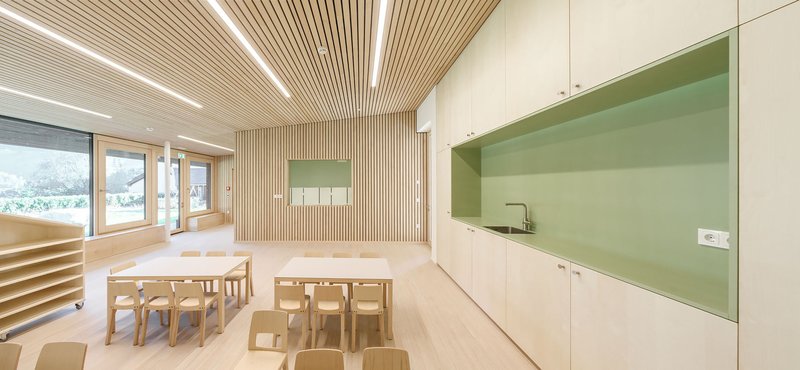
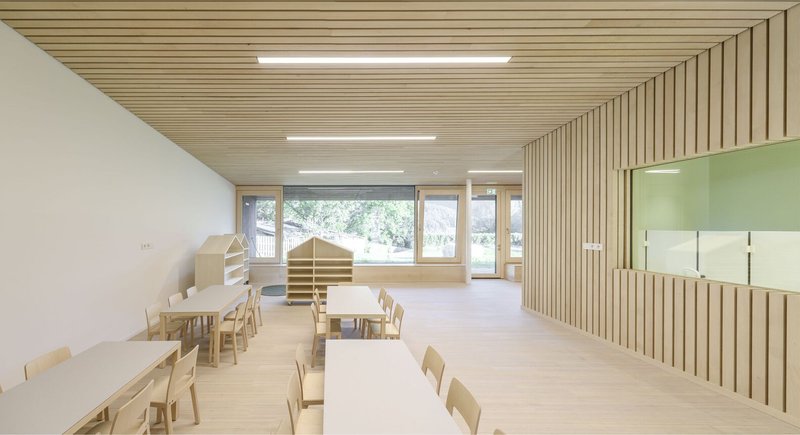
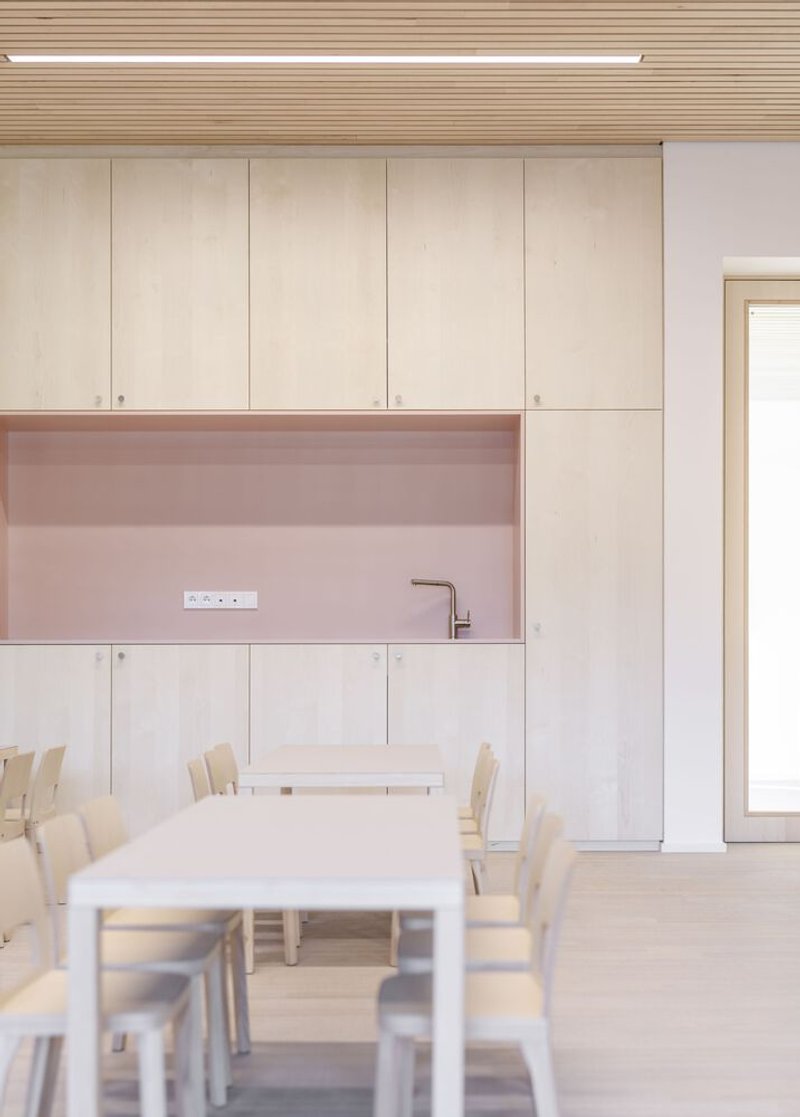
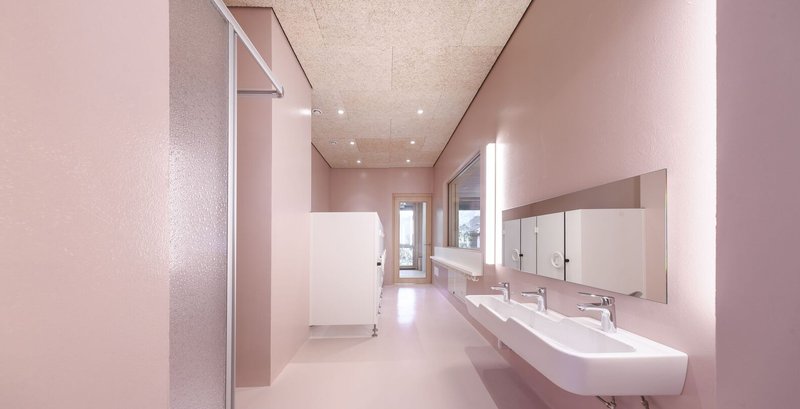
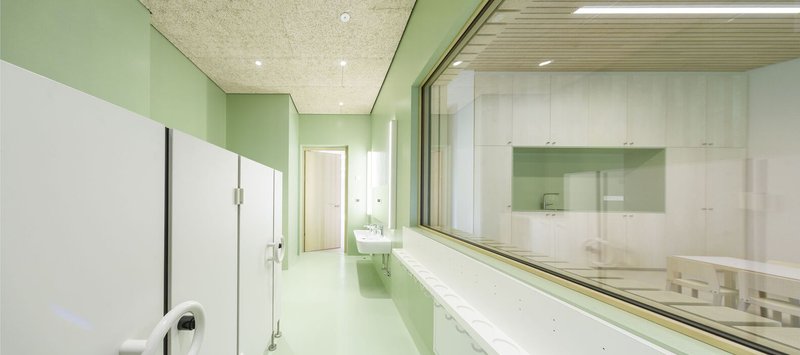
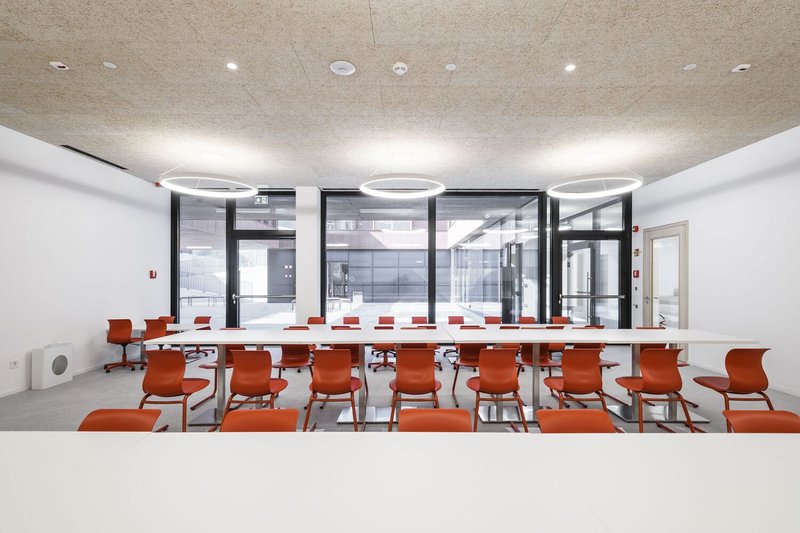
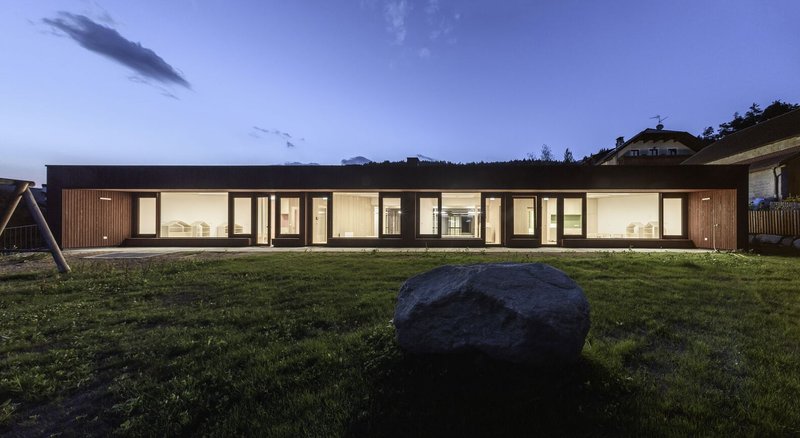
The architects crafted a clear design language that centers on light, openness, and flexibility. Inside, light-filled group rooms and various studios open directly to the garden, creating an inviting atmosphere that encourages exploration, creativity, and social interaction. The layout fosters a sense of community and offers children diverse spaces to learn and play, reflecting the core principles of sustainable kindergarten architecture.
A Harmonious Dialogue with the Village
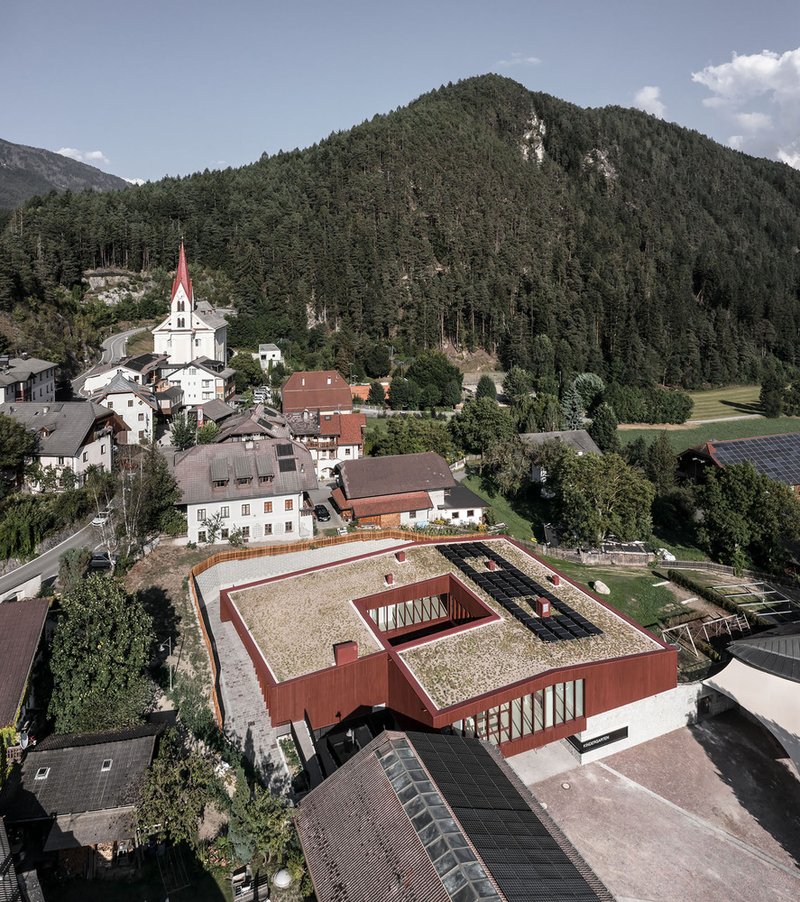
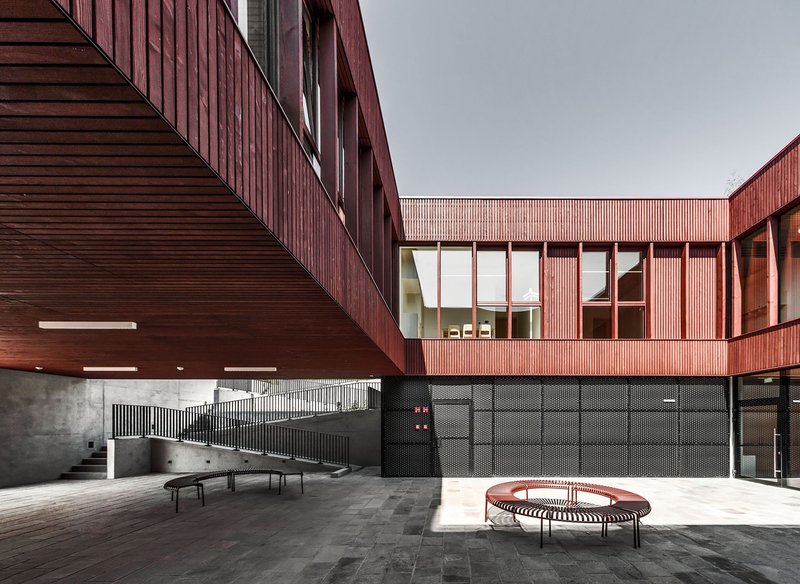
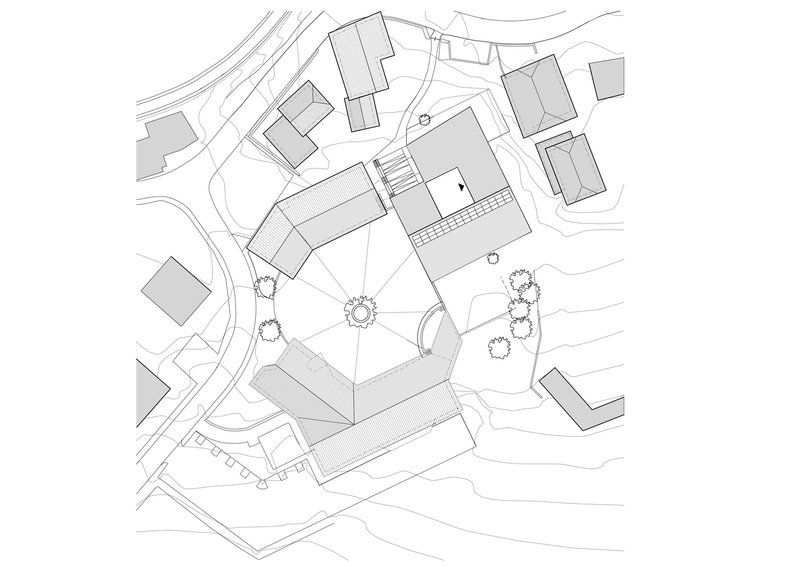
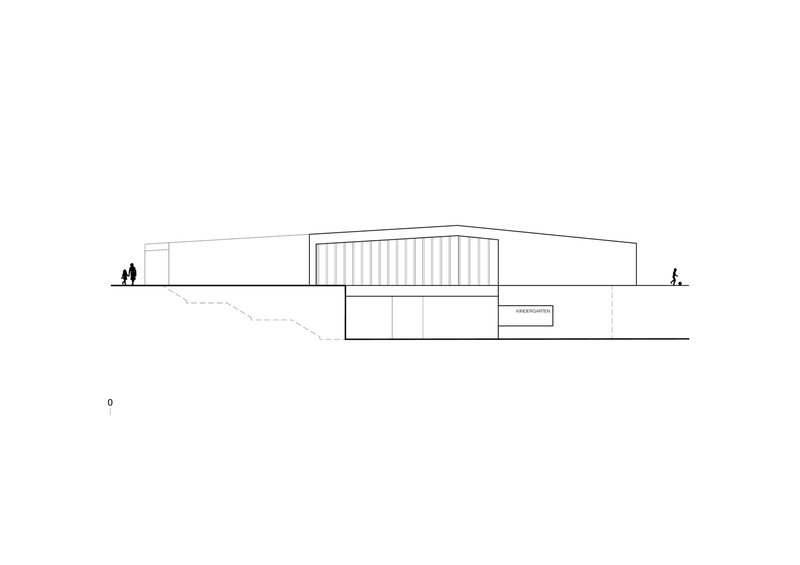
The building’s reddish-brown wooden façade draws inspiration from the neighboring church tower, allowing it to blend harmoniously into the townscape. This sensitive approach respects the architectural heritage of Kiens while introducing a contemporary design that feels both fresh and familiar. A zigzag ramp connects the upper floor and serves as a playful yet practical feature, providing step-free access and linking the building to the upper part of the village.
Sustainability at the Heart of the Project
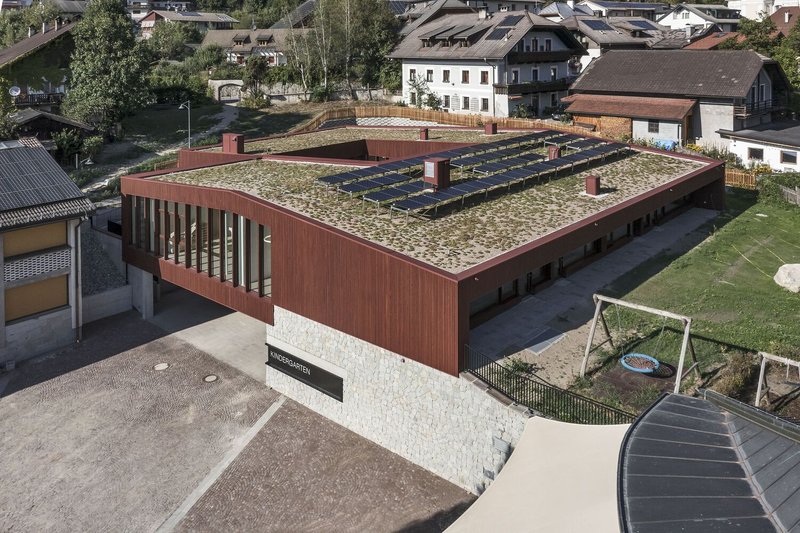
Achieving the Klimahaus / CasaClima A standard, the project integrates sustainable technologies and construction methods. An air-to-water heat pump ensures efficient energy use, while photovoltaic modules on the green roof harness renewable energy. The timber structure, with its low-carbon footprint and warm aesthetic, reinforces the project’s commitment to sustainability and climate-conscious design. This blend of environmental stewardship and child-centered architecture makes the building a model of sustainable kindergarten architecture.
A Dream Space for Children
The new kindergarten is more than just a building; it is a carefully designed environment where children can thrive. It offers a safe, nurturing, and stimulating setting that supports early childhood development while embodying the values of sustainability, inclusivity, and design excellence. With its integration of renewable energy systems, eco-friendly materials, and thoughtful spatial planning, this project sets a benchmark for future educational facilities.
All the photographs are works of Oskar Da Riz


Popular Articles
Popular articles from the community

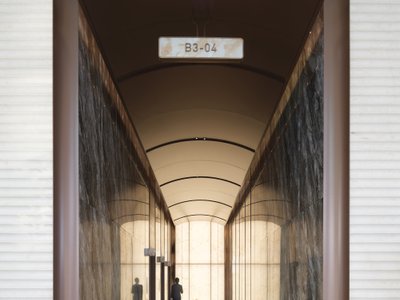
Guangzhou's Twin Towers Interiors Move Like Water
DuShe Architectural Design shapes the lobbies of a massive Guangzhou transit hub with undulating ceilings and deep geological materiality.
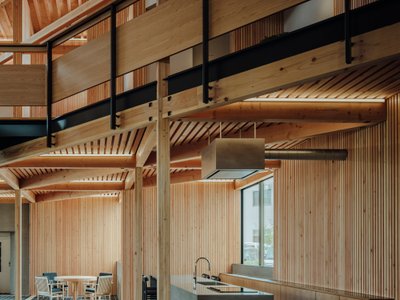
ure LLC Builds a Timber-Framed Suburban Office That Doubles as a Community Living Room in Hiroshima
KItoNOKO wraps sawtooth roofs and corrugated metal around an exposed timber frame to give a commercial district a new civic anchor.
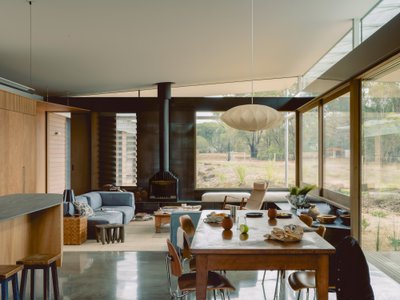
Not All Architecture Grounds a Timber Retreat in Victoria's Coastal Bushland
Ironbark House stretches low beneath eucalyptus canopy, threading a quiet domestic life between courtyard, deck, and landscape.
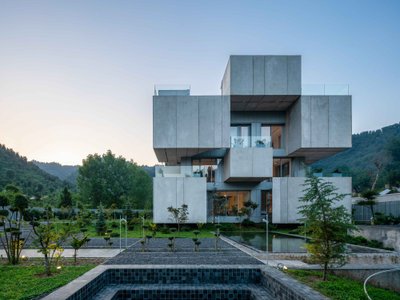
Bood Design Bureau Splits a Gilan Residence in Two to Let the Forest In
Double Side House negotiates privacy and openness through interlocking concrete volumes and planted courtyards in northern Iran's humid Caspian lowlands.


Similar Reads
You might also enjoy these articles
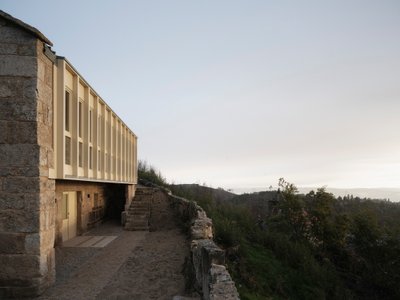
Three Architects Stitch a Social Center into a Crumbling Galician Hamlet
In Muimenta, Spain, timber and plywood volumes graft onto granite ruins to anchor a rural revitalization effort.
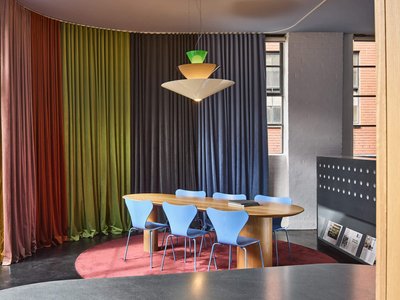
IF Architecture Designs Its Own Collingwood Studio as a Textile-Wrapped Incubator for Ideas
A 90-square-metre office in Melbourne's Collingwood uses layered curtains and color to turn a compact footprint into a laboratory for design.
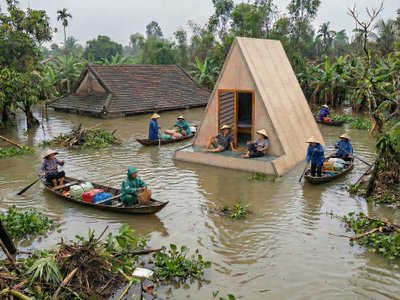
CTA | Creative Architects Designs Triangular Floating Shelters for Vietnam's Flood-Ravaged Communities
A timber-louvered triangular shelter rises on concrete pontoons to keep Vietnamese families safe and together when floodwaters come.
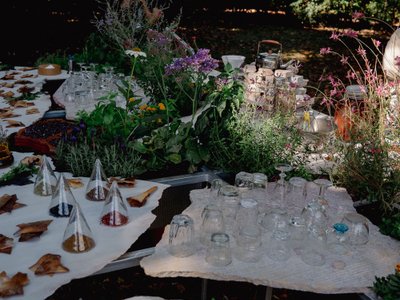
Francisca Sottomayor and Fahrenheit.Works Build a Living Kitchen Where Plants Cook Alongside People
A multispecies dining installation in Porto transforms a communal table into a working ecosystem of herbs, fire, and shared meals.
Explore Architecture Competitions
Discover active competitions in this discipline




The International Standard for Design Portfolios


The Global Benchmark for Architecture Dissertation Awards


The Global Benchmark for Graduation Excellence


Challenge to reimagine the Iron Throne
Comments (0)
Please login or sign up to add comments
No comments yet. Be the first to comment!