

Sustainable Restaurant Design: A Case Study of Como Agua Restaurant by Otherworlds
Exploring Como Agua Restaurant's sustainable design in Vagator, India, utilizing invasive species and bamboo for eco-friendly architecture.


In the heart of Vagator, India, stands a beacon of sustainable architecture and design innovation: Como Agua Restaurant. This project, curated by the visionary team at Otherworlds, redefines what it means to dine amidst nature while championing ecological preservation and sustainable building practices. This case study delves into the intricate details of how Como Agua Restaurant has set a new standard for sustainable restaurant design.
Conceptualization and Design Philosophy
The Idea Behind Como Agua
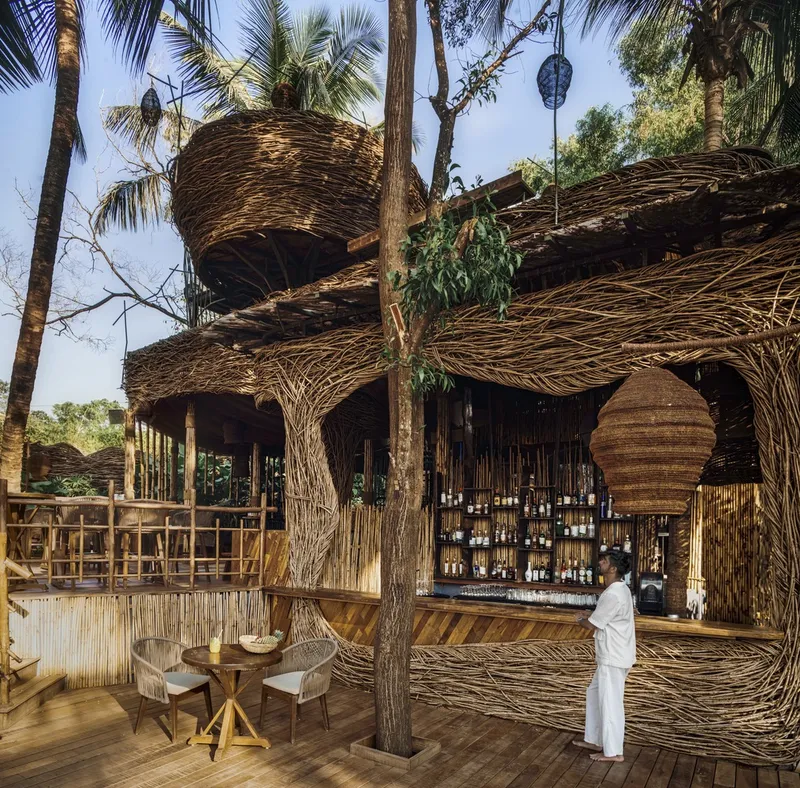
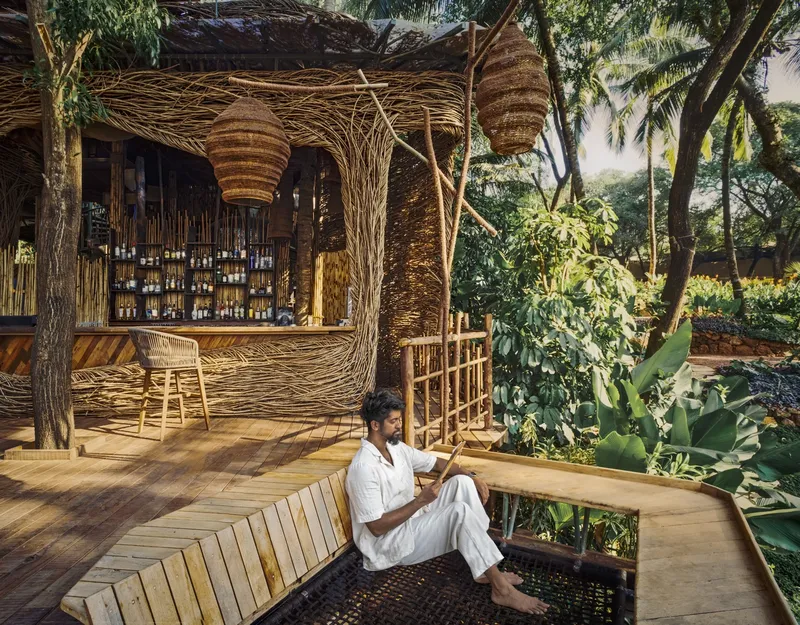
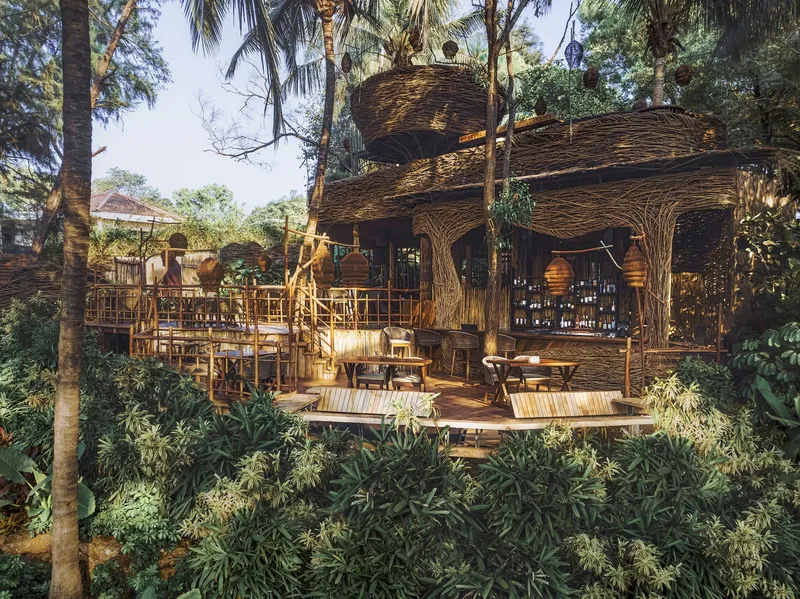
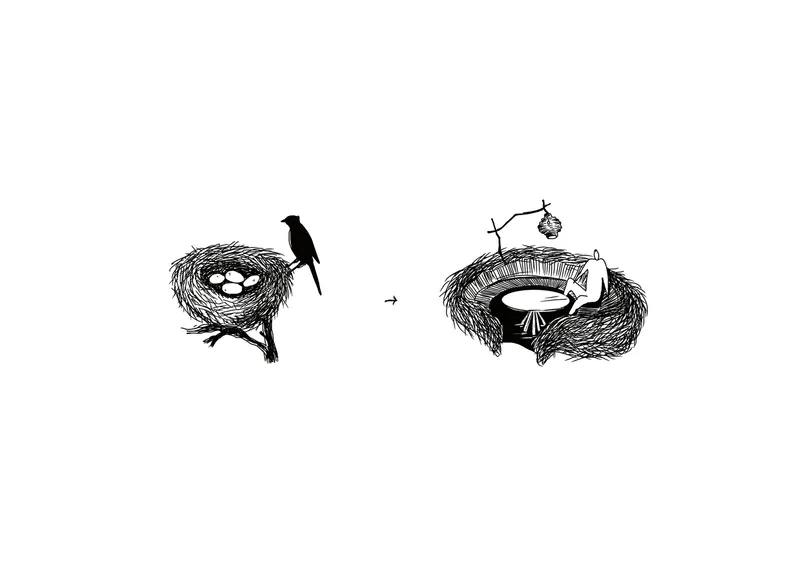
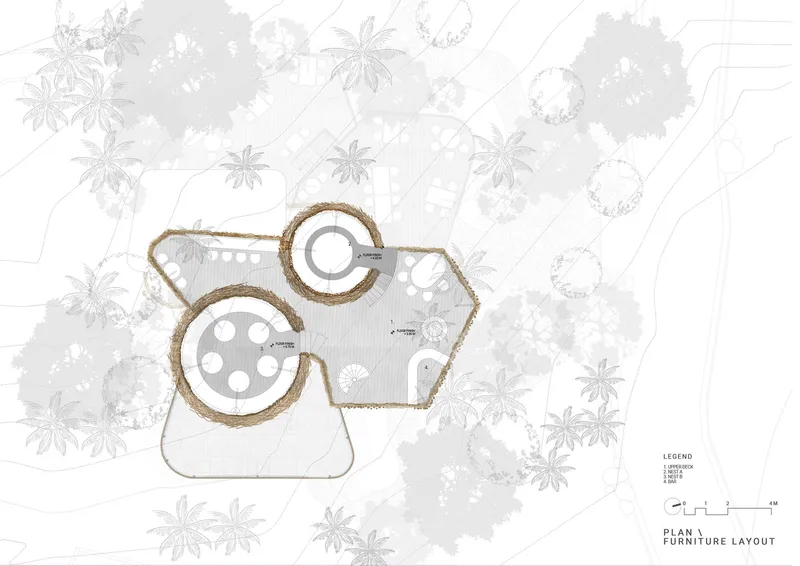
The conceptual genesis of Como Agua Restaurant was to create a dining experience reminiscent of being in a bird’s nest, perched atop a hill within a lush tropical paradise. Overlooking the serene sea in North Goa, the project seamlessly blends into its forested surroundings, inviting diners to immerse themselves in an overgrown, enlarged weaver’s nest. This innovative approach not only provides a unique dining experience but also underscores the project's commitment to sustainability and ecological sensitivity.

Biomimicry and Design Inspiration
The design of Como Agua draws heavily from biomimicry, particularly inspired by the nests of weaverbirds. These nests, characterized by their intricate weaving of natural materials, served as a muse for the architectural and interior design. By mimicking these forms, the restaurant not only pays homage to the ingenuity of nature but also integrates these principles into its very structure, promoting a harmonious relationship between the built environment and its natural setting.

Sustainable Building Practices
Repurposing Natural Materials
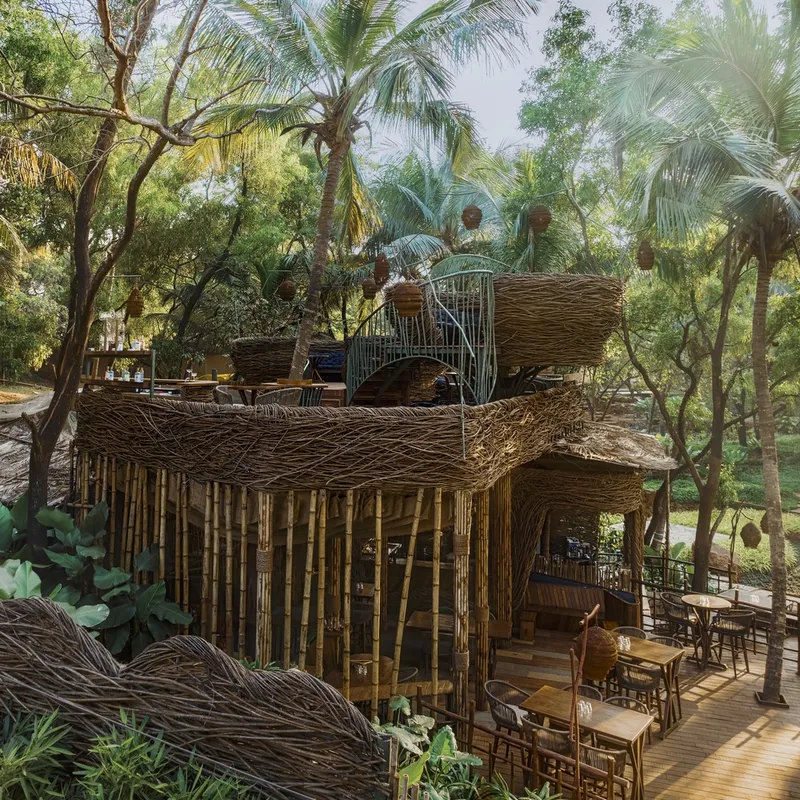
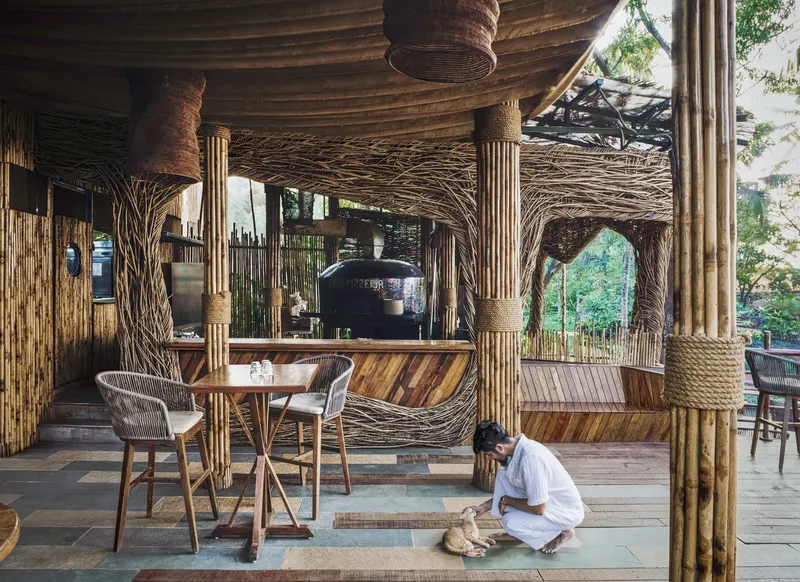
At the forefront of sustainable restaurant design, Como Agua Restaurant showcases the innovative use of Lantenna Camara, an invasive species in the Western Ghats, as a primary building material. This choice not only aids in the removal of the invasive species but also demonstrates a novel approach to material sustainability. Additionally, bamboo, a rapidly renewable resource, forms the structural backbone of the restaurant, further cementing its sustainable ethos.

Ecological Impact and Material Innovation
The project addresses the ecological concerns posed by Lantenna Camara, transforming a threat into an asset. By repurposing this material, Como Agua contributes to the restoration of local ecosystems while providing a template for innovative construction practices. The use of local materials extends beyond Lantenna and bamboo, incorporating reclaimed wood and Indian Kota stone, underscoring the project's commitment to local economies and minimal environmental impact.
The Dining Experience
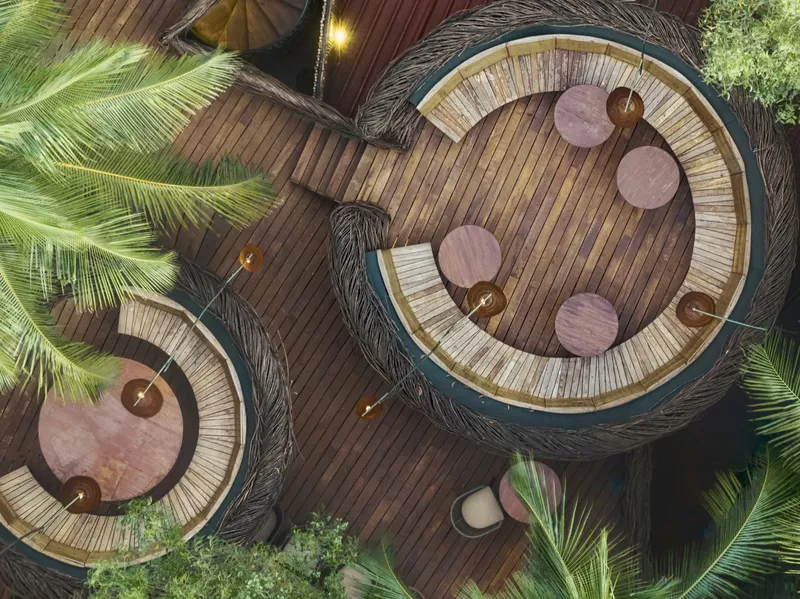
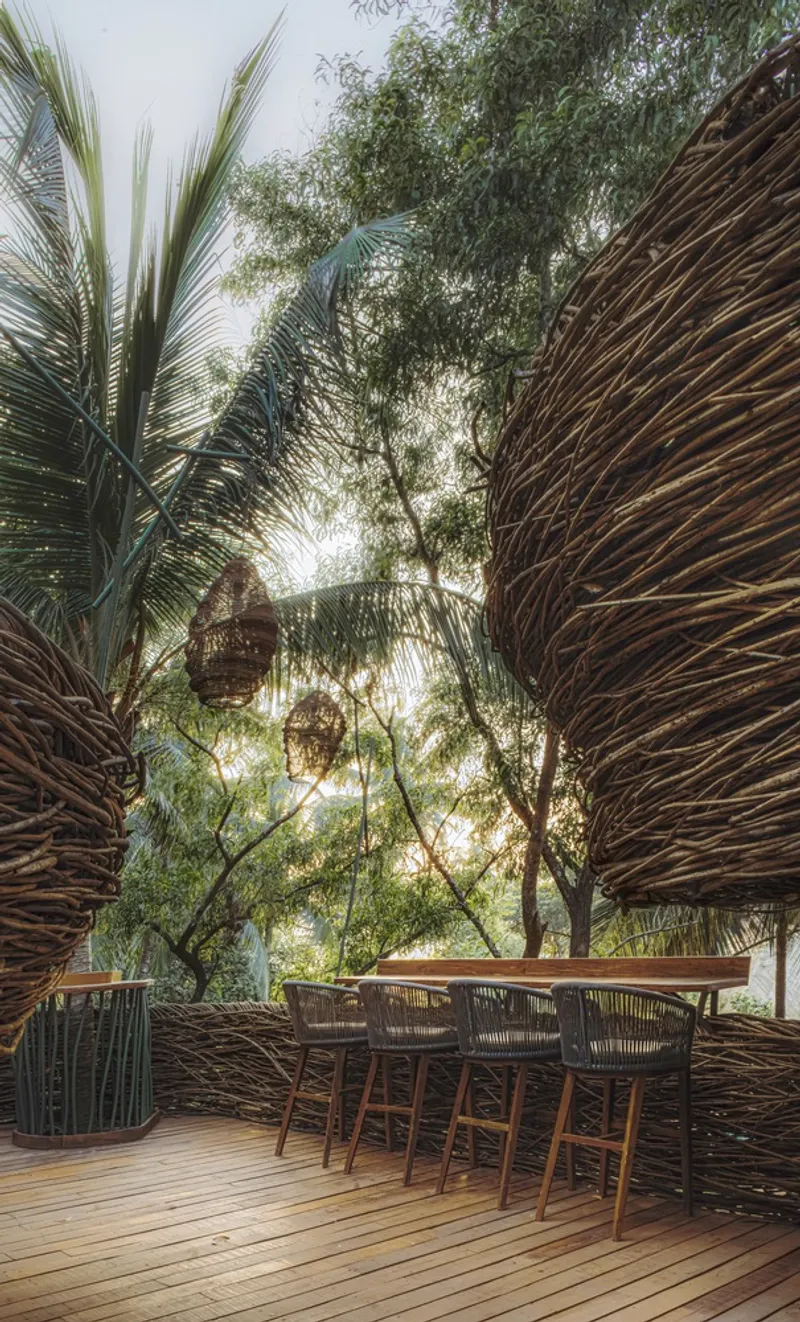
The spatial arrangement and material palette of Como Agua create a dining ambiance that is both whimsical and intimate. The top deck offers panoramic views of the surrounding landscape, while the ground floor wraps diners in a cocoon of woven Lantenna, creating a unique, nest-like dining space. This thoughtful design ensures that every meal is an experience that connects guests with nature and the ethos of sustainable living.

Como Agua Restaurant by Otherworlds stands as a testament to the possibilities of sustainable restaurant design. Through innovative use of materials, biomimicry, and a deep respect for the environment, this project not only provides a unique dining experience but also contributes to ecological restoration and sustainability discourse. As we look towards the future of architecture and design, projects like Como Agua serve as beacons of innovation, inspiring a new generation of designs that harmonize with our planet.

All photographs are work of Fabien Charuau


Popular Articles
Popular articles from the community


Singing Woman: An Opera House That Performs Before the Curtain Rises
Ovidiu Cristian Pavel's conceptual opera house translates Estonia's choral identity into a sculpted waterfront landmark facing the Baltic Sea.

The Amber Palace Opera: A Geological Fiction Surfaces on Tallinn's Baltic Waterfront
Pierre Brillard reimagines a Baltic legend as a public landscape, opera house, and waterfront promenade rooted in Tallinn's coastal identity.
Faces of the Soviet Avant-Garde: Turning Moscow's Street Names into an Open-Air Museum
A network of sculptural installations across a Moscow residential district transforms forgotten architect names into spatial encounters with cultural memor

Opera by the Sea Estonia: Three Shells Dissolving Architecture into Tallinn's Coastline
A winning opera house proposal replaces monumental form with interconnected shells that blur the boundary between building, park and Baltic Sea.

Similar Reads
You might also enjoy these articles


FAMM Arquitectura Organizes Ten Villas Around Courtyards and Jungle in Nosara, Costa Rica
El Molino pairs two elongated volumes with deep overhangs and timber louvers to build a compact coastal community five minutes from the beach.
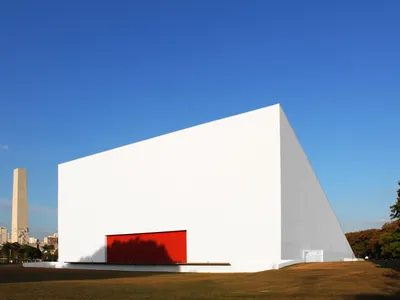
Oscar Niemeyer's Ibirapuera Park Pavilions Define São Paulo's Cultural Identity in Concrete and Curve
A constellation of modernist volumes set within São Paulo's most important urban park, conceived for the city's 400th anniversary in 1954.
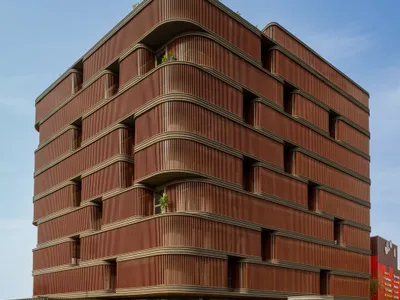
Sanjay Puri Architects Wraps a Jaipur Office Tower in Capsule-Shaped Green Buffers
A nine-level climate-responsive workplace near Jaipur Airport uses stacked planter terraces and aluminium screens to fight 40°C heat.
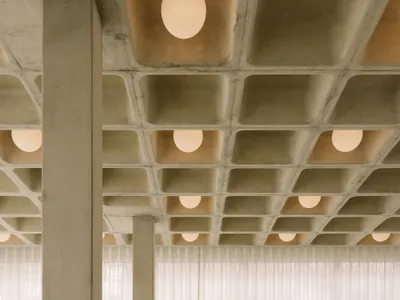
RHO Converts a Berlin Spree-Side Industrial Courtyard into Enkime's 1,000 m² Agency Headquarters
A social media agency's new home in Charlottenburg trades glossy branding for concrete waffle ceilings, glazed tile, and sheer curtains.

Explore Architecture Competitions
Discover active competitions in this discipline

Challenge to reimagine the Iron Throne

Photograph architecture without architects

Illustrate the lost glory of Angkor Wat - Render Challenge

Design challenge to reuse E-waste
Comments (0)
Please login or sign up to add comments
No comments yet. Be the first to comment!