

Sustainable Restaurant Design: A Deep Dive into TRAMO's Eco-Friendly Approach
TRAMO, a sustainable restaurant in Madrid, merges eco-friendly design with historical architecture for urban dining.


In the contemporary architectural landscape, sustainable restaurant design stands as a testament to the industry's commitment towards environmental stewardship and innovative use of materials. One pioneering example of this commitment is TRAMO, a collaborative project in Madrid by Selgascano and Andreu Carulla, which redefines urban dining through a lens of sustainability and responsible consumption.
Embracing Historical Integrity with a Modern Twist
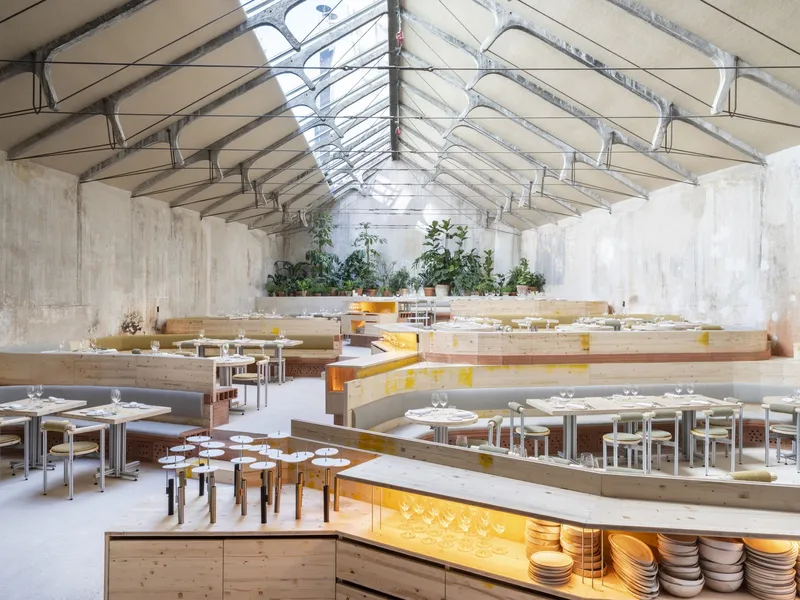
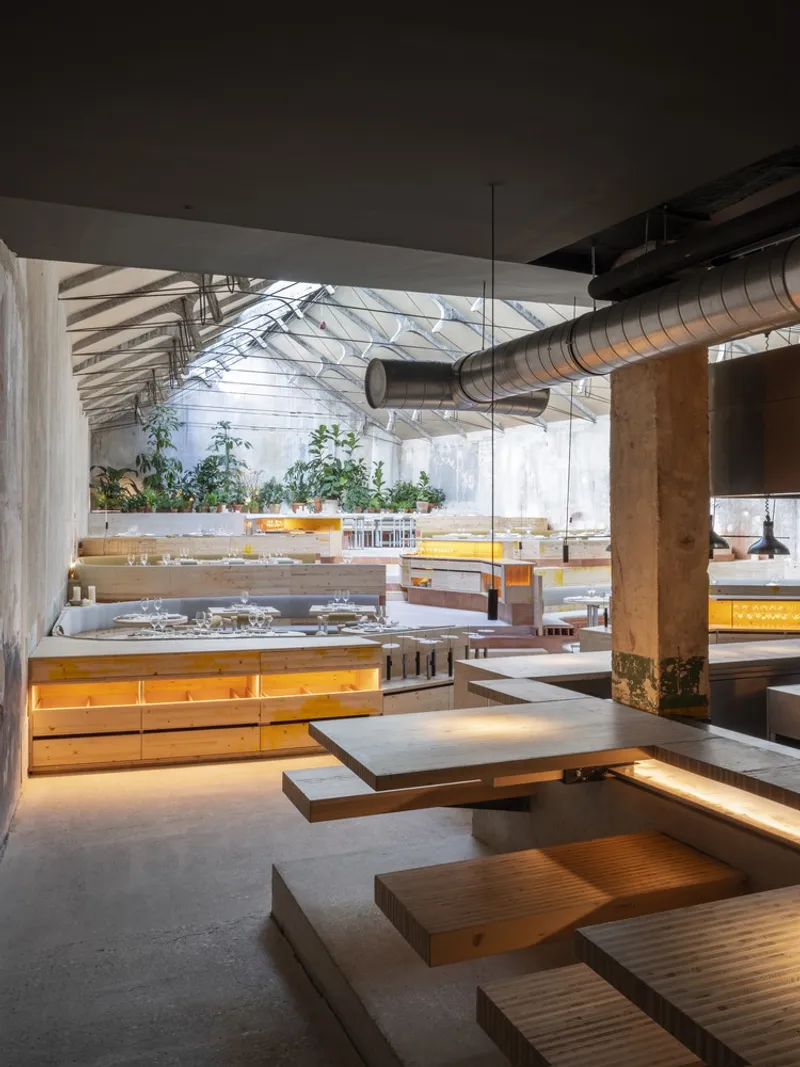
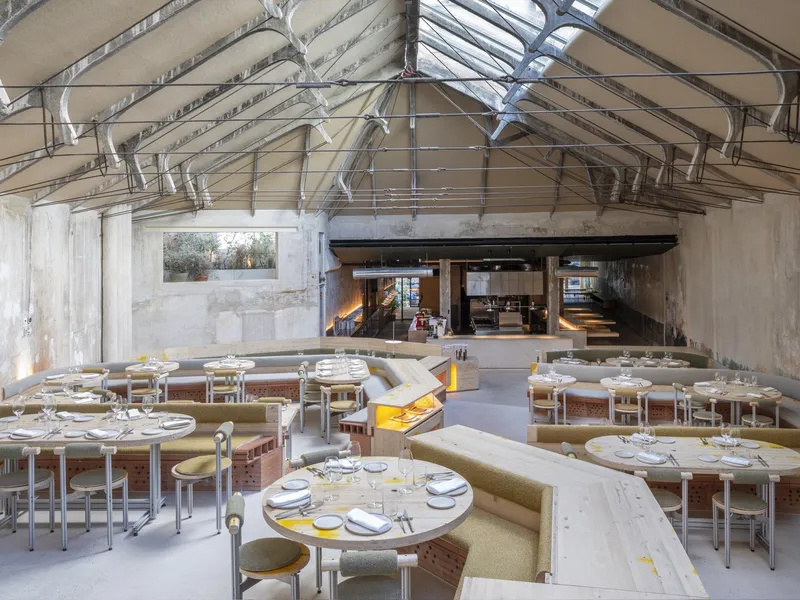
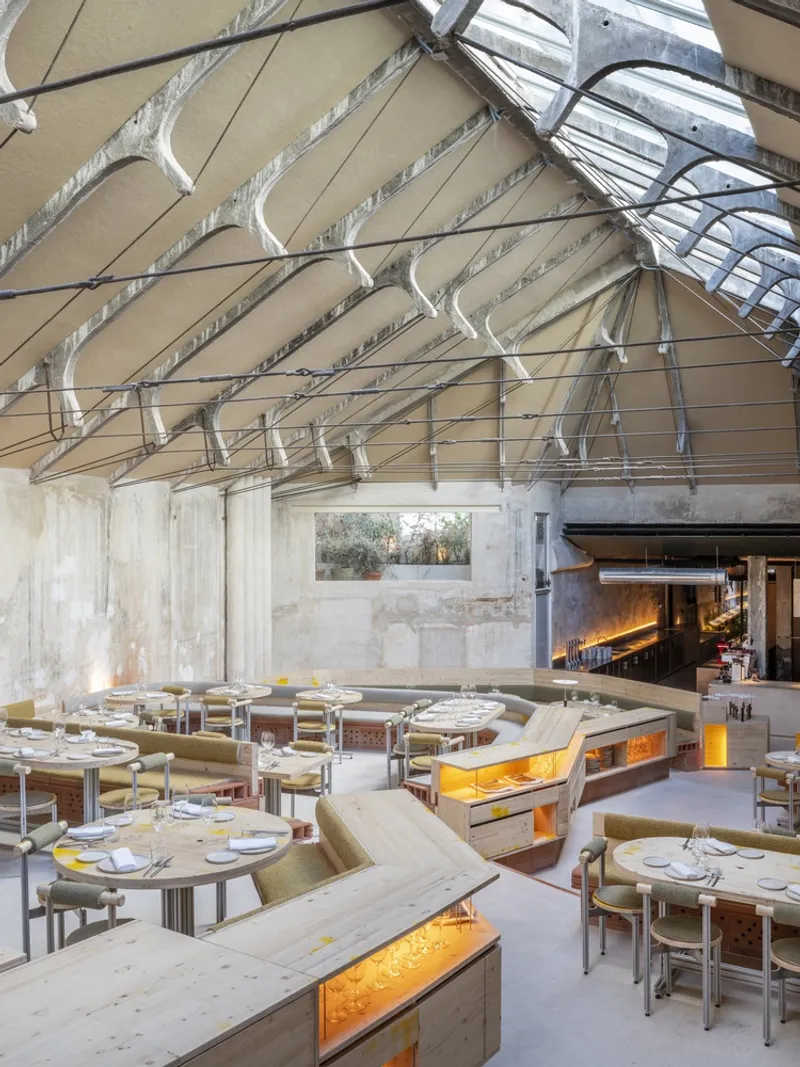
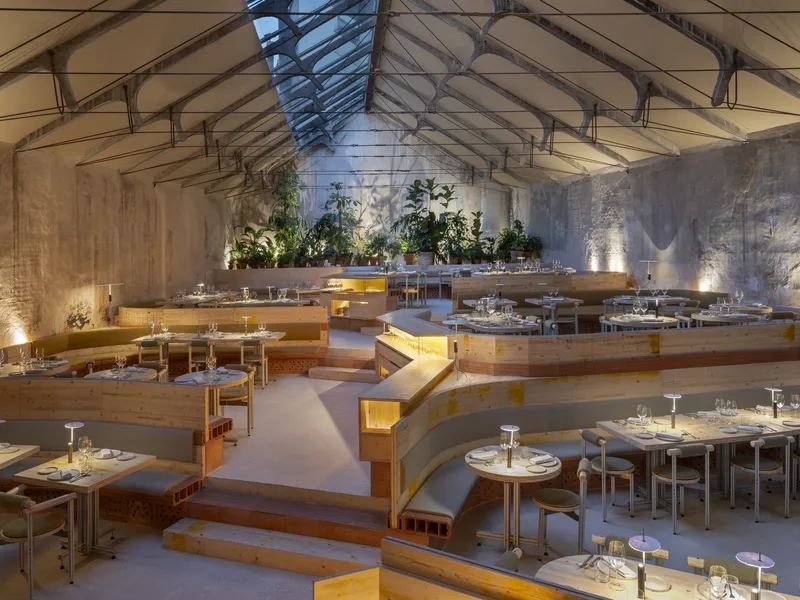
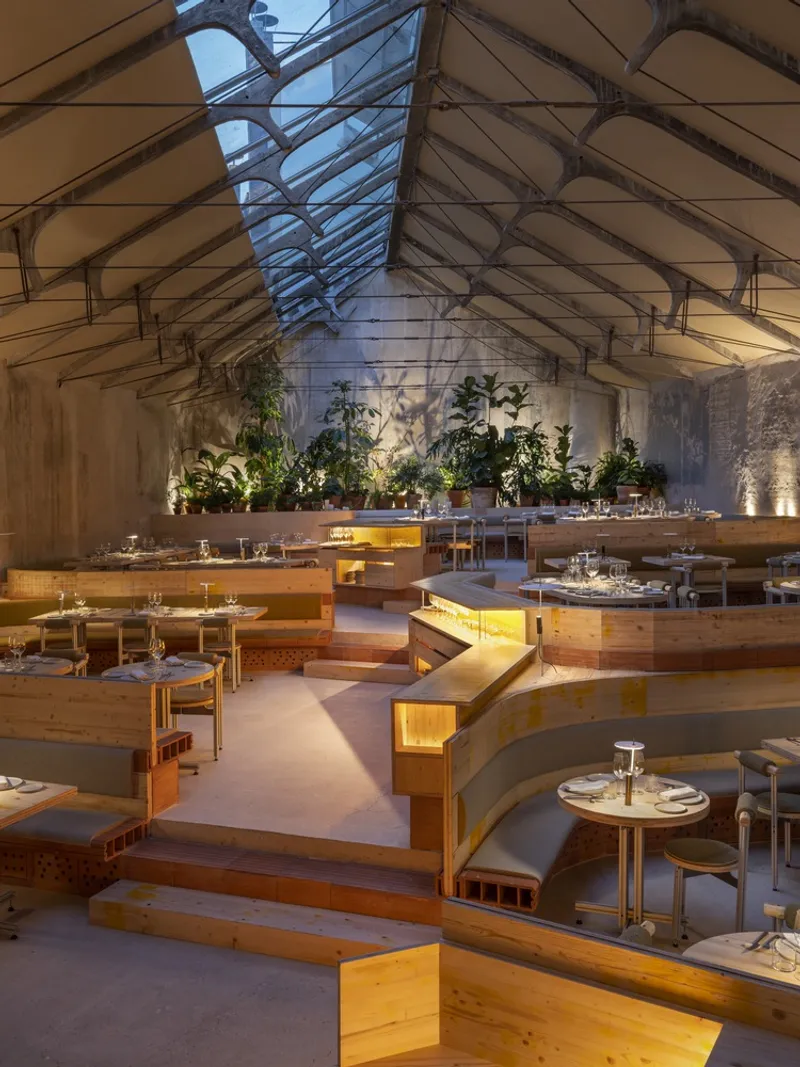
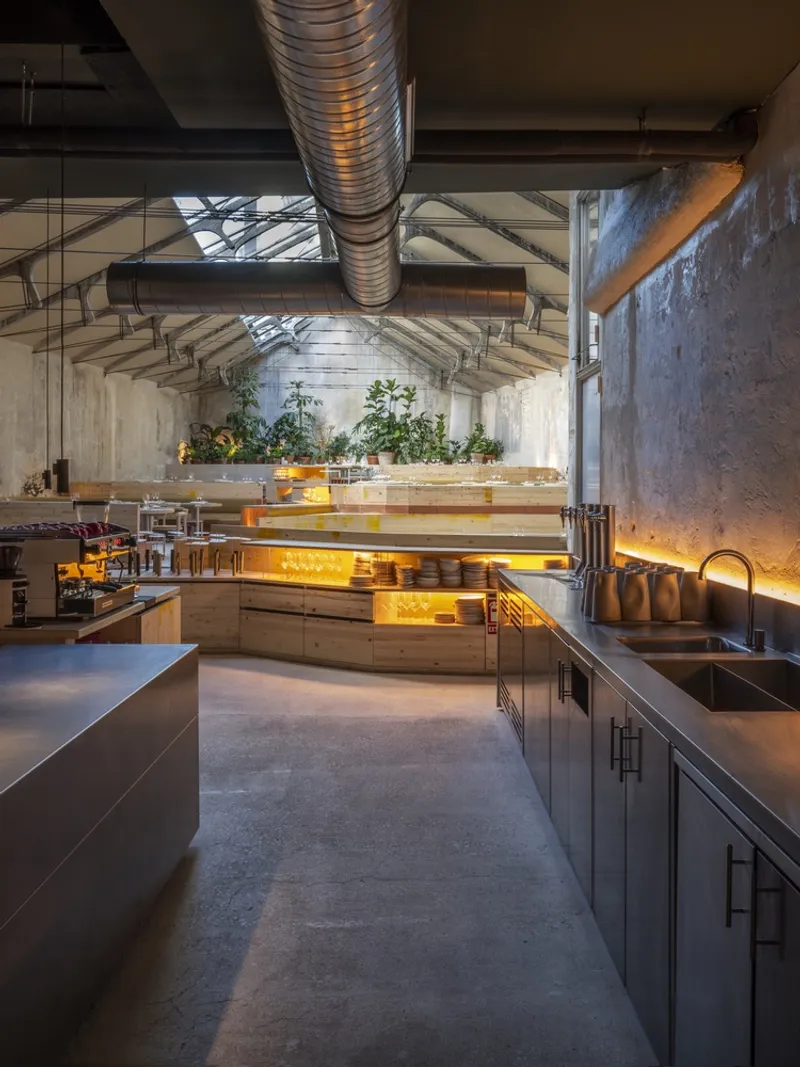
TRAMO, situated in the heart of Madrid, is a culinary venture that seamlessly blends respect for historical architecture with modern sustainable practices. The architects at Selgascano, alongside designer Andreu Carulla, have meticulously designed the space to limit modifications and introduce new elements sparingly, ensuring the original structure's character shines through.
A Commitment to Environmental Sustainability
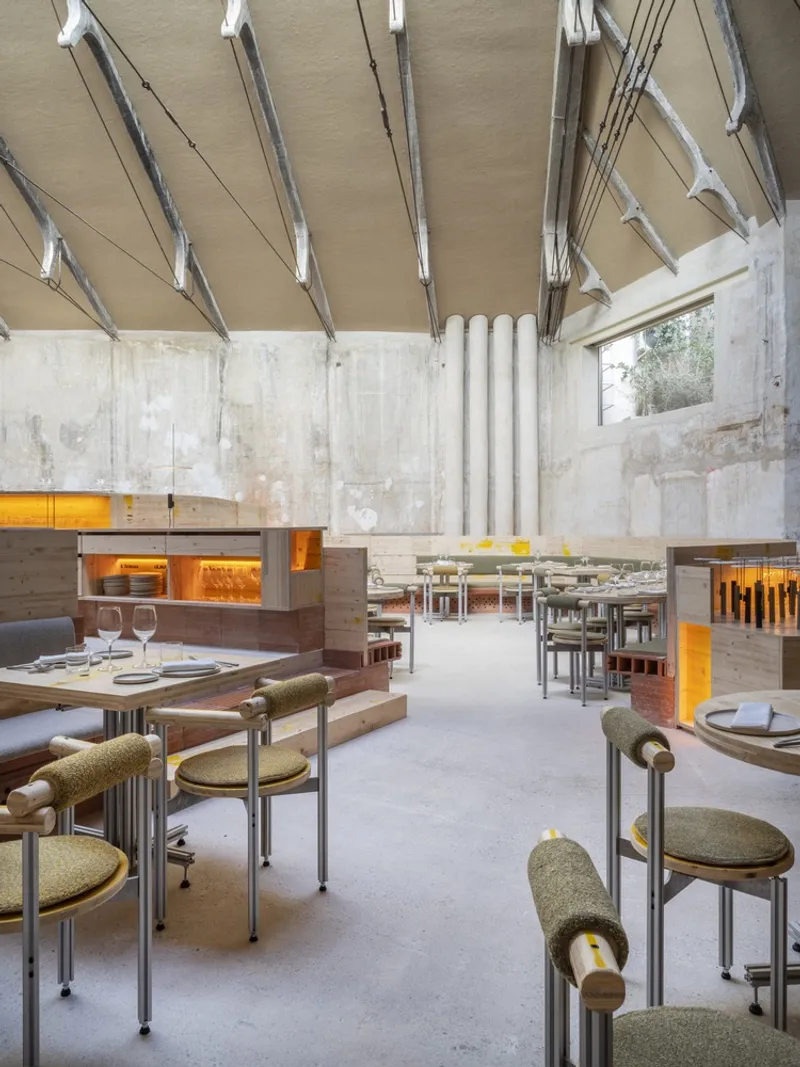
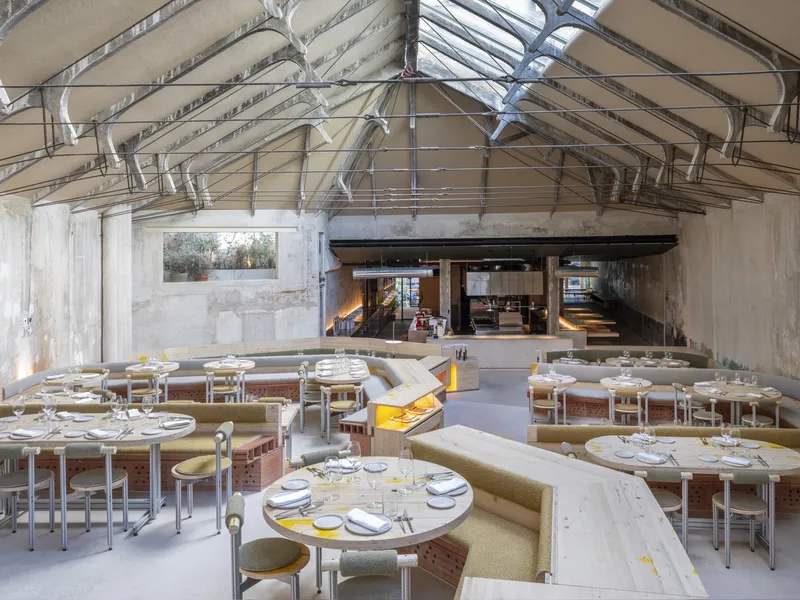
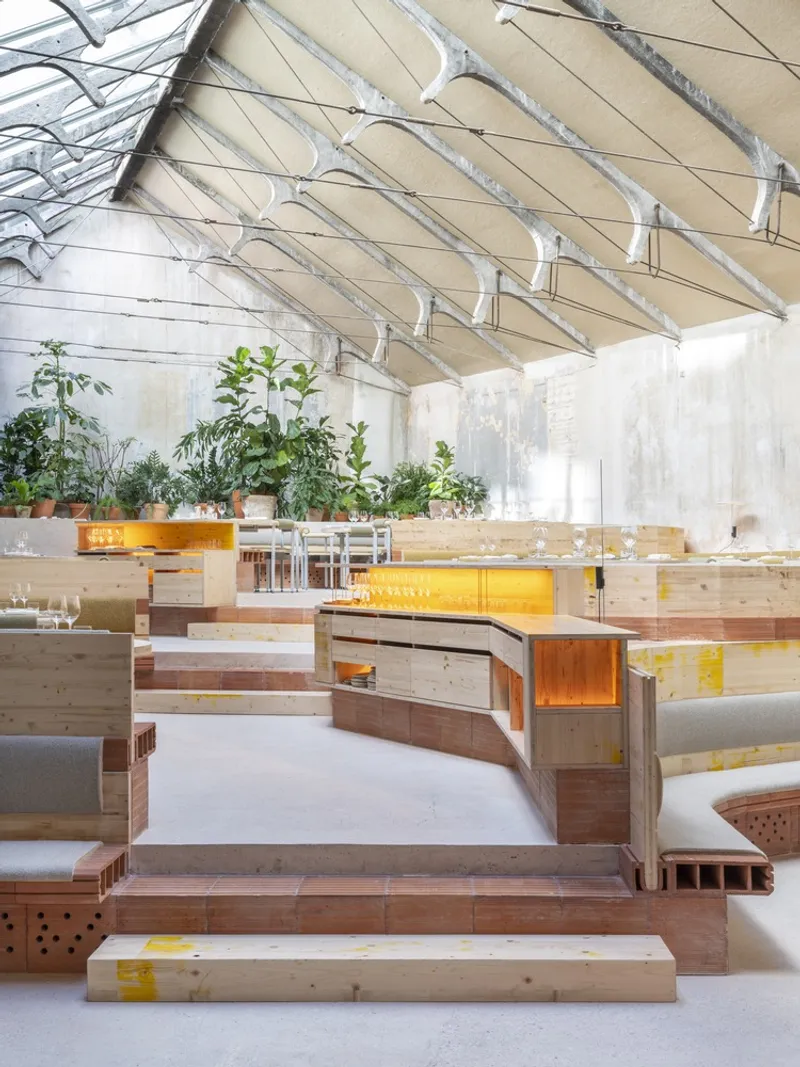
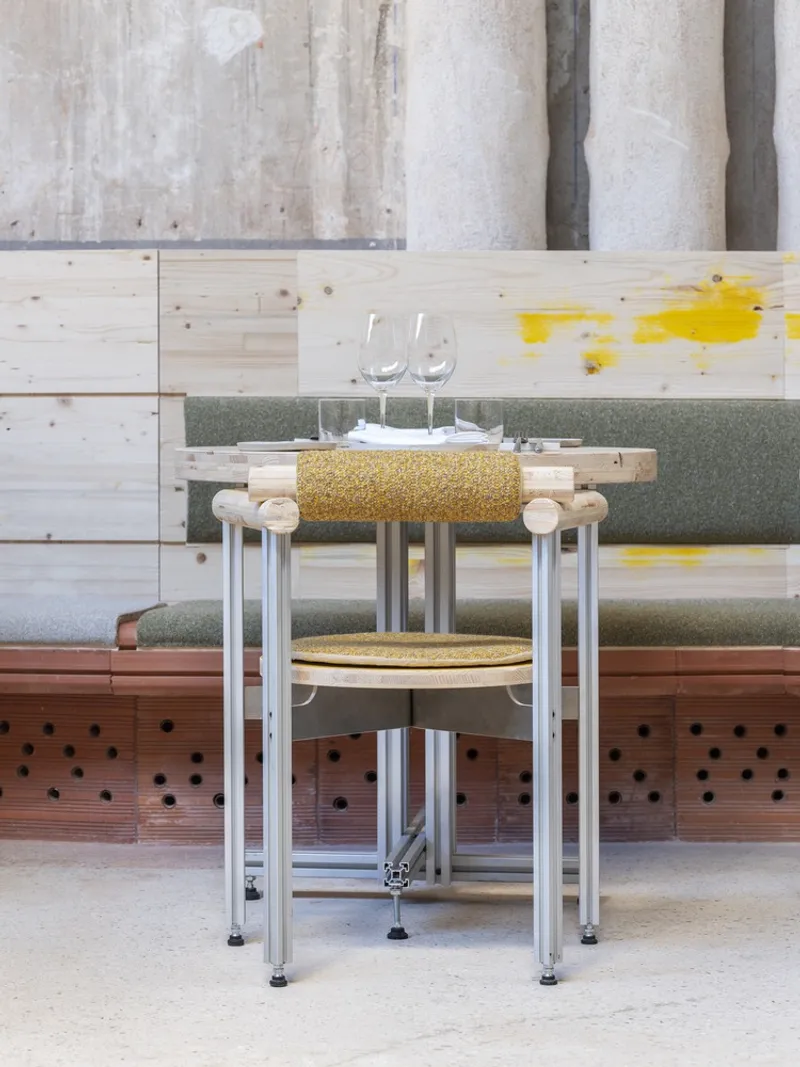
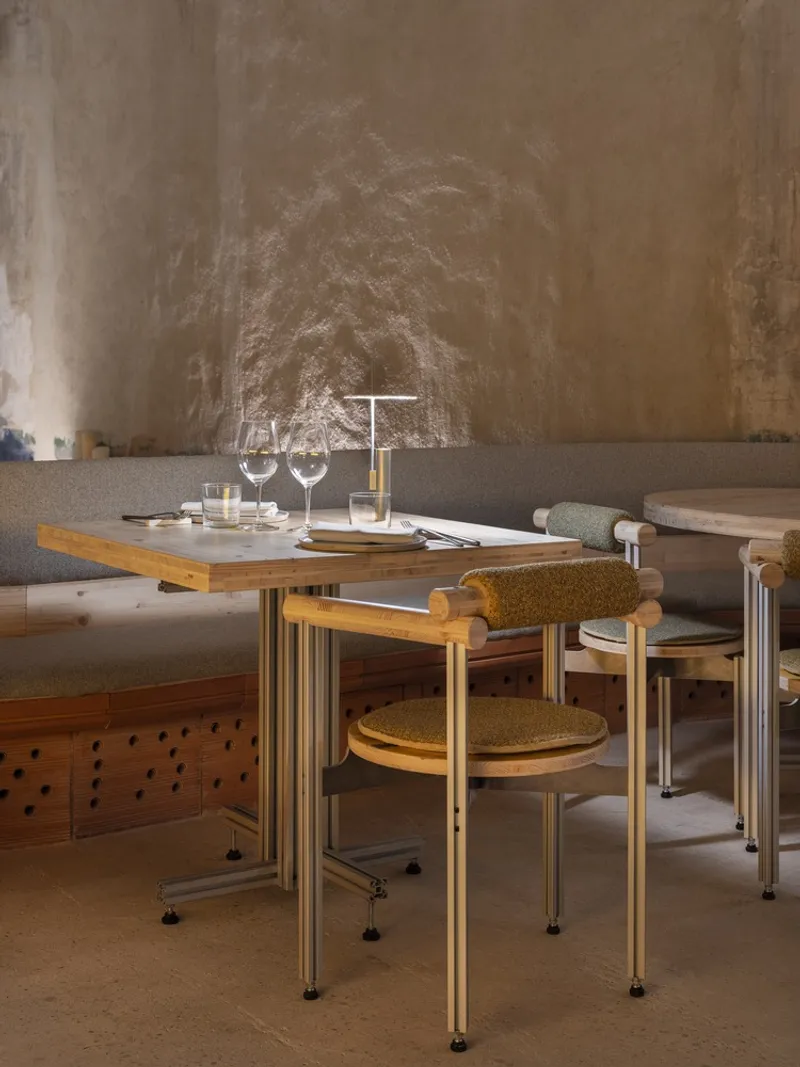
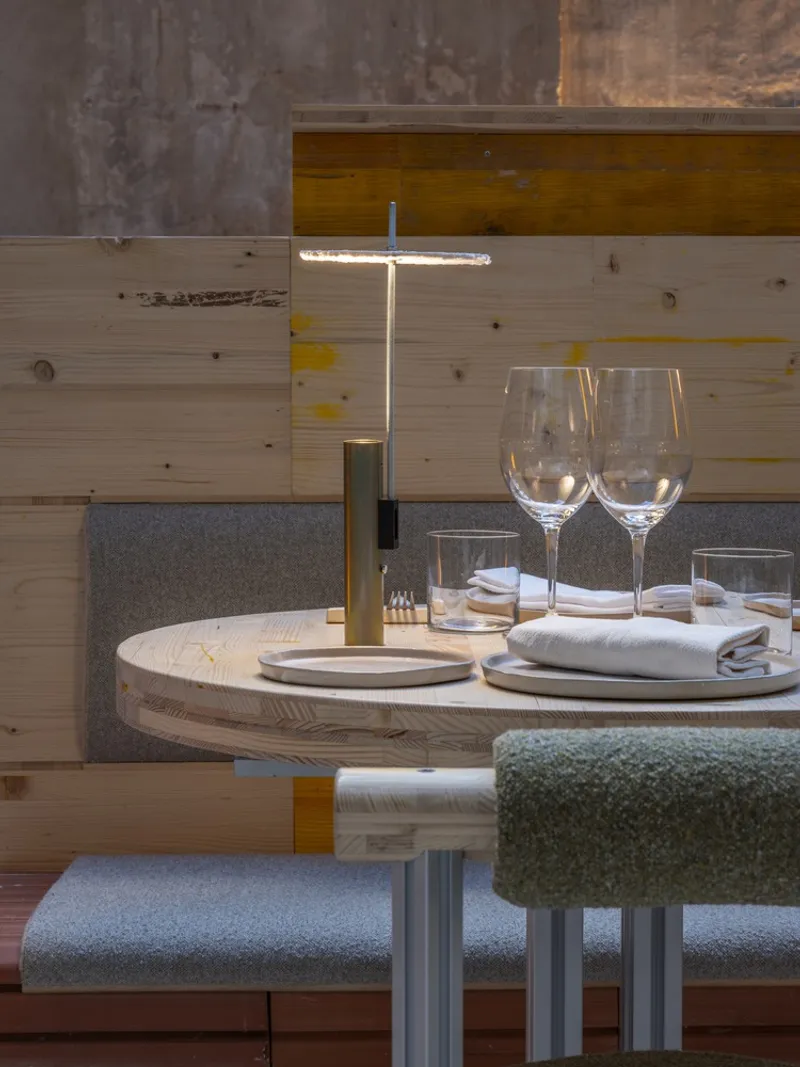
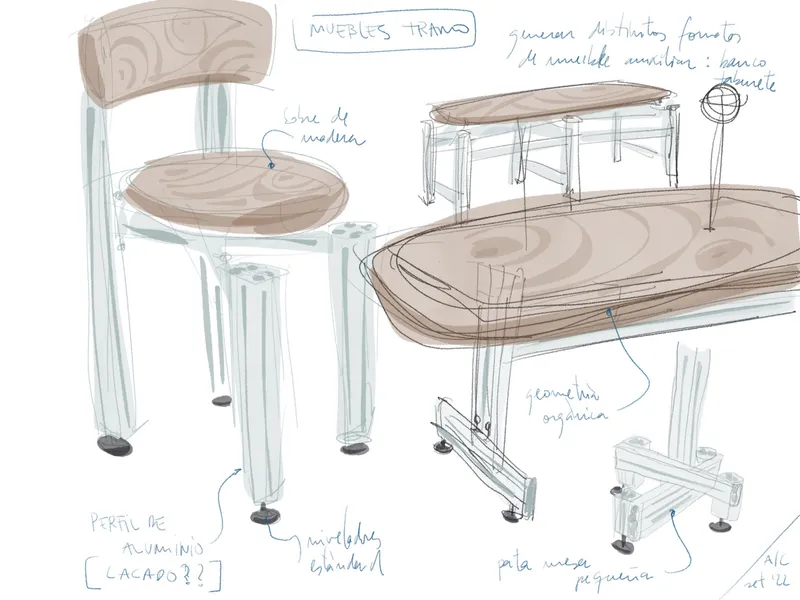
TRAMO's design philosophy is deeply rooted in environmental consciousness. From eschewing environmentally toxic materials like polyurethane foam and acrylic paints to adopting a circular construction model, every aspect of TRAMO's design and operation reflects a commitment to sustainability. The use of recycled wood for furniture and the creation of closed circuits during the construction process exemplify this ethos.
Harnessing Natural Elements for Efficiency
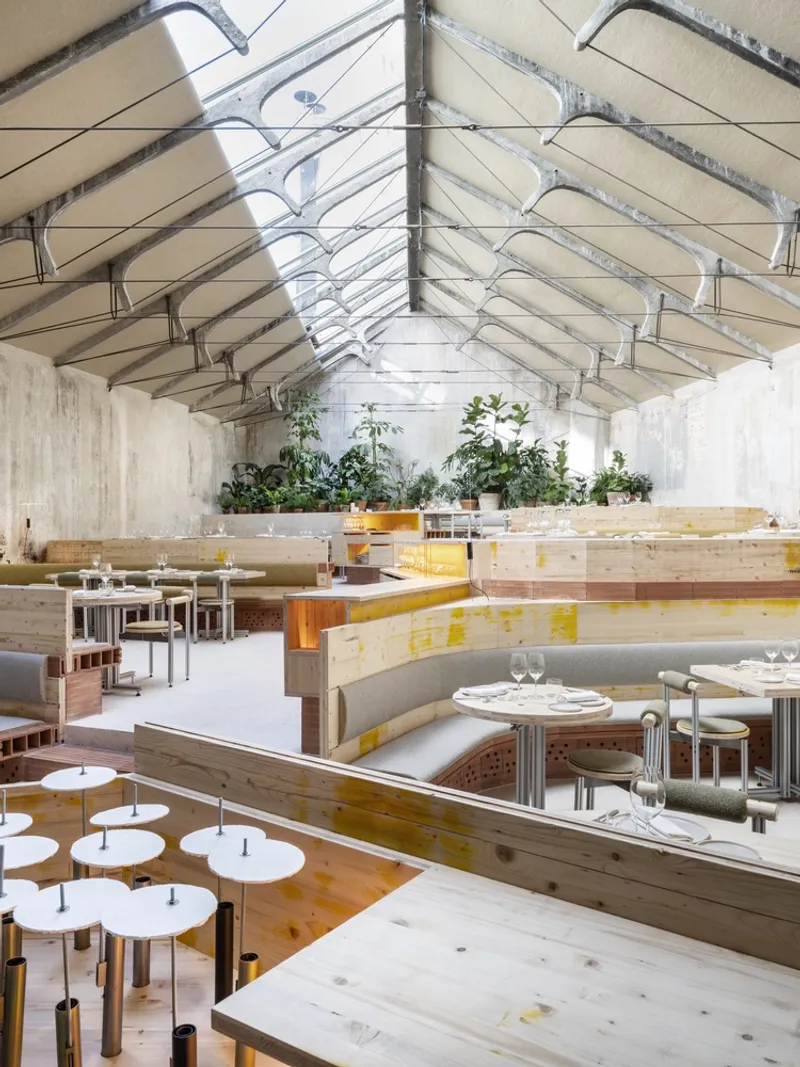
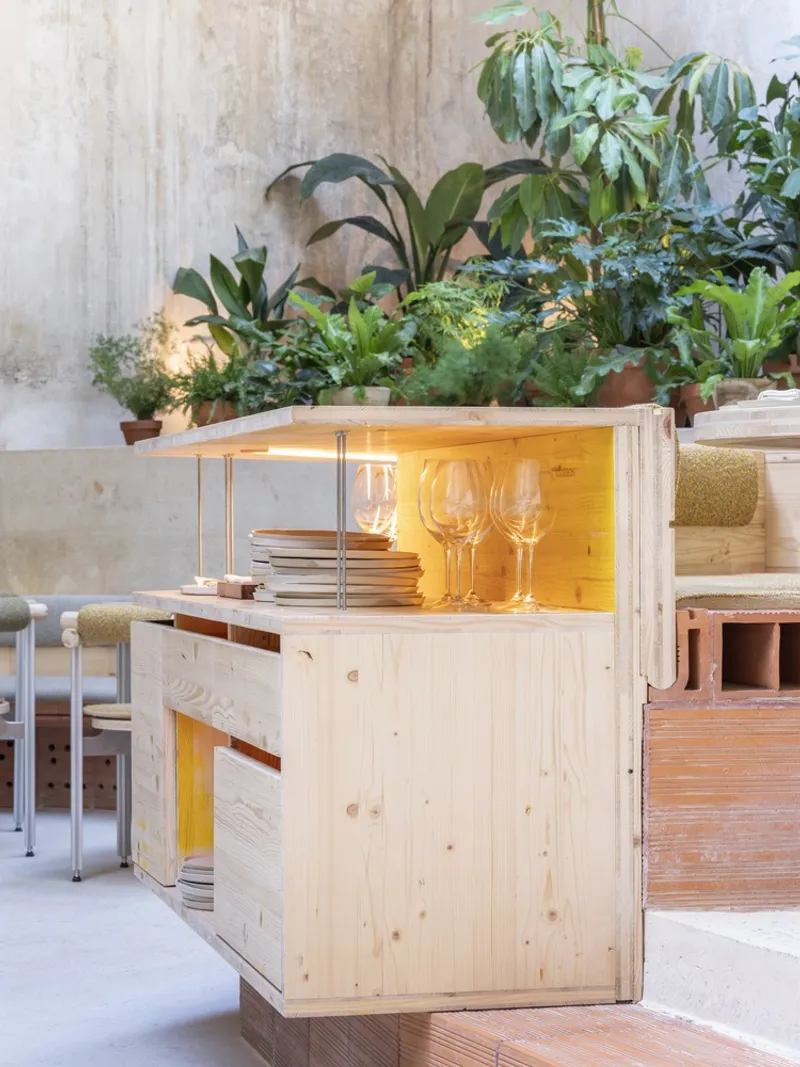
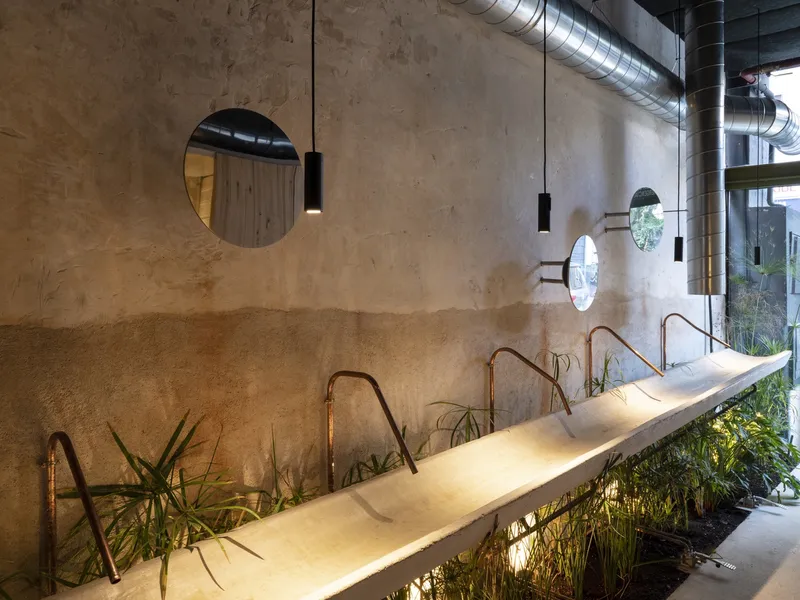
A standout feature of TRAMO is its almost 100% energy self-sufficiency. The restaurant utilizes a misting system for natural temperature and humidity control, alongside systems for reusing rainwater and sink water. These innovations not only reduce the restaurant's environmental footprint but also enhance the dining experience through improved air quality and comfort.
Furniture and Fixtures: A Modular Approach
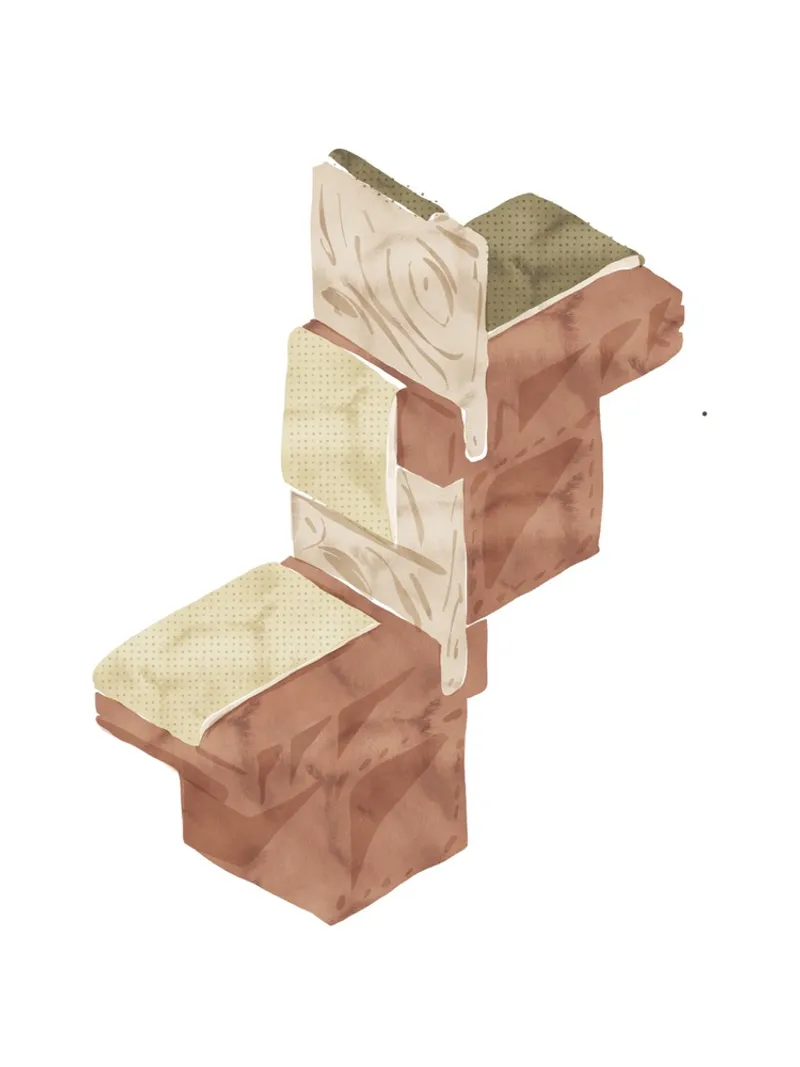
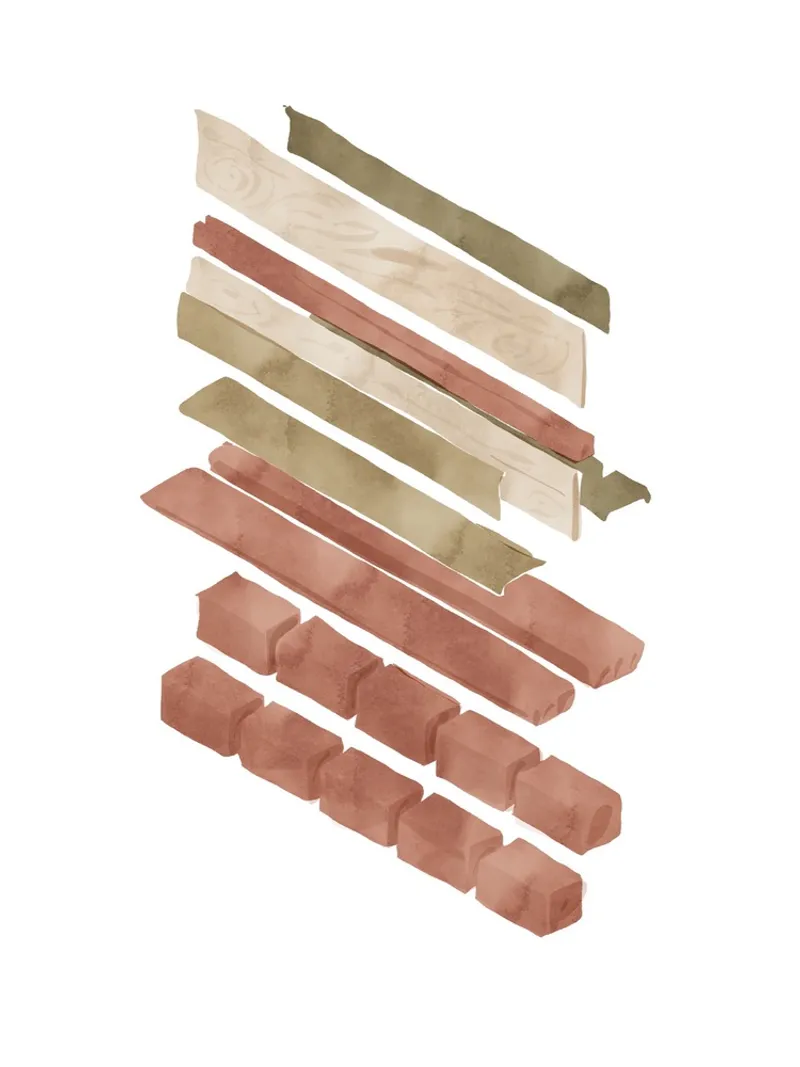
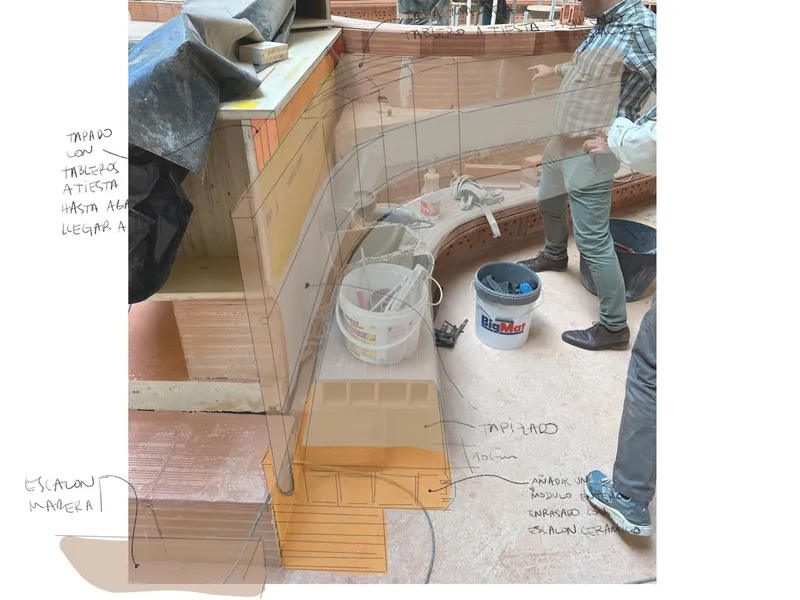
Andreu Carulla's staging and furniture design for TRAMO emphasize modularity and reuse. Over one thousand craftsman-made ceramic modules not only serve as a natural heating and cooling system but also double as seating, showcasing an innovative approach to functional design. The furniture's construction set-like system further illustrates the project's commitment to flexible and sustainable design solutions.
The Impact of TRAMO on Sustainable Urban Development
TRAMO is more than just a dining destination; it's a model for sustainable urban development. By integrating green energy generation and employing a comprehensive approach to sustainability, TRAMO sets a new standard for how restaurants can contribute positively to their urban environments. This project demonstrates the potential of architecture and design to create spaces that are both beautiful and beneficial to the planet.
The Future of Restaurant Design
TRAMO's approach to sustainable restaurant design offers valuable insights into the future of architecture and interior design within the hospitality industry. As the world becomes increasingly aware of the importance of environmental sustainability, projects like TRAMO pave the way for a new era of responsible and innovative design. By prioritizing the environment without compromising on aesthetics or functionality, TRAMO stands as a beacon of hope for the future of sustainable development in urban spaces.
Sustainable restaurant design, as exemplified by TRAMO, not only enhances the dining experience but also serves as a powerful tool for positive environmental change. As architects and designers continue to explore and implement sustainable practices, the potential for transformative impact on our urban landscapes and the planet as a whole is immense.
All Photographs are the work of Juan Baraja


Popular Articles
Popular articles from the community

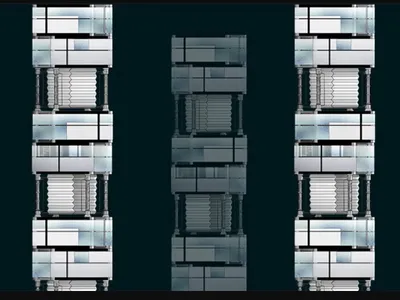
Tsunami Convergenics: Turning Catastrophic Ocean Forces into Underwater Housing Infrastructure
A speculative underwater settlement off the coast of Onagawa, Japan, treats tsunamis and typhoons as energy sources rather than threats.
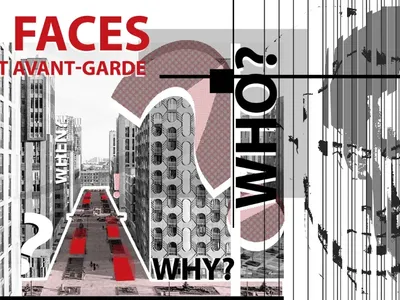
Faces of the Soviet Avant-Garde: Turning Moscow's Street Names into an Open-Air Museum
A network of sculptural installations across a Moscow residential district transforms forgotten architect names into spatial encounters with cultural memor

Opera on the Sea: Driftwood Logic Shapes a Timber Opera House on Estonia's Coast
Trevor Orgill's opera house translates the entangled drift of floating timber into a civic building where wood, water, and music converge.

The Amber Palace Opera: A Geological Fiction Surfaces on Tallinn's Baltic Waterfront
Pierre Brillard reimagines a Baltic legend as a public landscape, opera house, and waterfront promenade rooted in Tallinn's coastal identity.

Similar Reads
You might also enjoy these articles

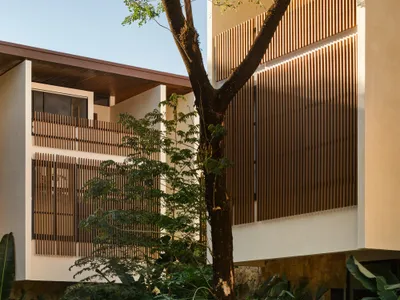
FAMM Arquitectura Organizes Ten Villas Around Courtyards and Jungle in Nosara, Costa Rica
El Molino pairs two elongated volumes with deep overhangs and timber louvers to build a compact coastal community five minutes from the beach.
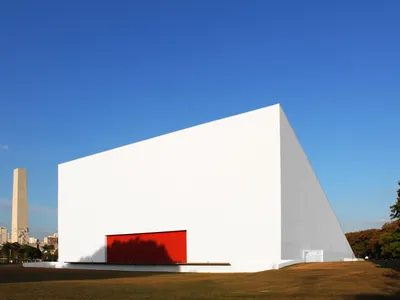
Oscar Niemeyer's Ibirapuera Park Pavilions Define São Paulo's Cultural Identity in Concrete and Curve
A constellation of modernist volumes set within São Paulo's most important urban park, conceived for the city's 400th anniversary in 1954.
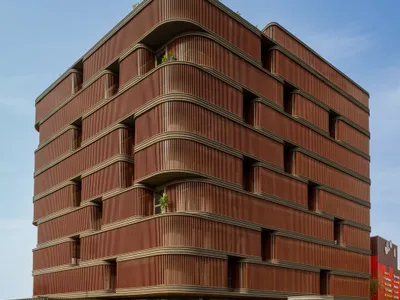
Sanjay Puri Architects Wraps a Jaipur Office Tower in Capsule-Shaped Green Buffers
A nine-level climate-responsive workplace near Jaipur Airport uses stacked planter terraces and aluminium screens to fight 40°C heat.
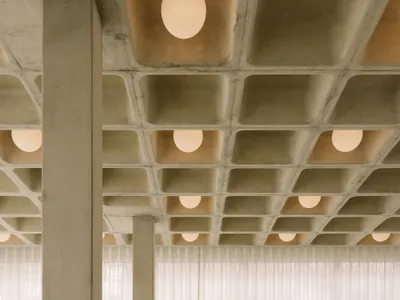
RHO Converts a Berlin Spree-Side Industrial Courtyard into Enkime's 1,000 m² Agency Headquarters
A social media agency's new home in Charlottenburg trades glossy branding for concrete waffle ceilings, glazed tile, and sheer curtains.

Explore Architecture Competitions
Discover active competitions in this discipline

Challenge to reimagine the Iron Throne

Photograph architecture without architects

Illustrate the lost glory of Angkor Wat - Render Challenge

Design challenge to reuse E-waste
Comments (0)
Please login or sign up to add comments
No comments yet. Be the first to comment!