
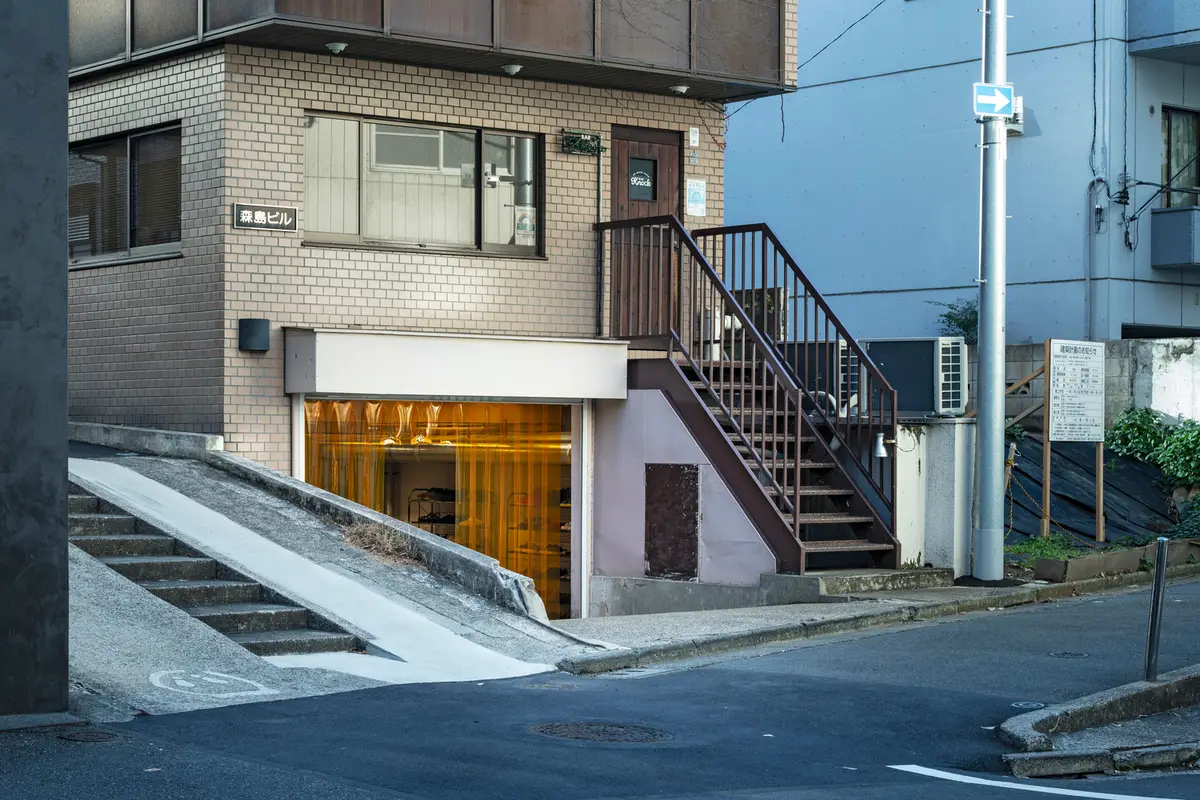
Sustainable Retail Design in Shibuya: The Circulation Retail and Repair Workshop by DDAA
Exploring Circulation Workshop by DDAA, a sustainable retail and repair space in Shibuya combining design, craftsmanship, and sustainability.


A Unique Retail Experience in Shibuya
In the bustling district of Shibuya, Tokyo, a unique intersection of commerce, sustainability, and craftsmanship emerges at Circulation Retail and Repair Workshop. Designed by the esteemed architecture firm DDAA, this project transforms a semi-basement space into a hub for repairing and reselling products, seamlessly blending functionality with sustainability. The concept reflects a contemporary approach to retail architecture, emphasizing repurposing over reconstruction while maintaining the integrity of its urban context.
The Context: A Hub of Creativity and Sustainability
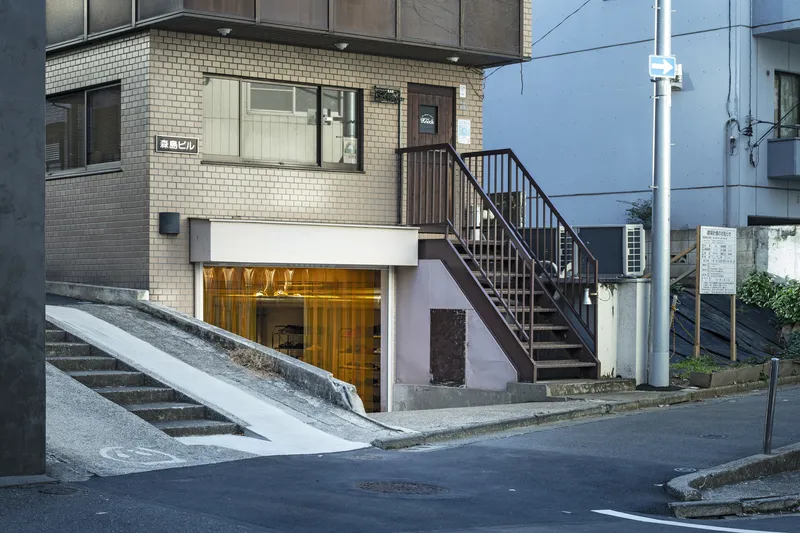
Located a short walk from Ebisu Station, Circulation occupies a prime position at a four-way junction. The area is home to creative ventures like the CAGE GALLERY and Hender Scheme's sukima Ebisu store, both curated by laicoS, an organization renowned for transforming unique properties into vibrant retail and gallery spaces. This project extends laicoS's vision by creating a space that encourages a circular economy, offering a venue for repairing, customizing, and reselling goods.
Design Philosophy: Repair, Repurpose, and Reimagine
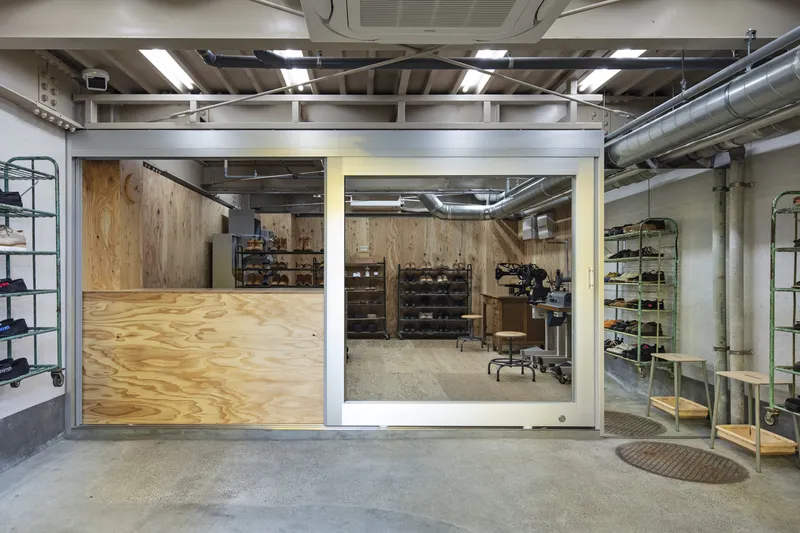
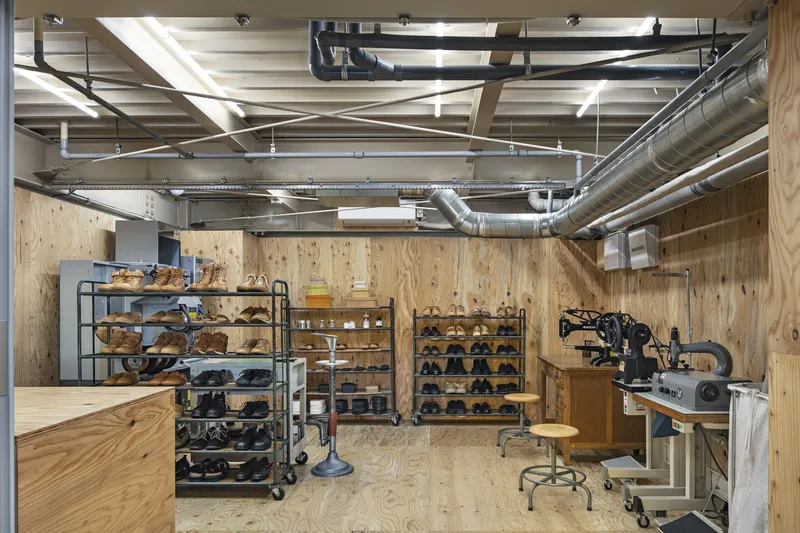
The Circulation workshop embodies the philosophy of sustainable design. Instead of constructing a new facility, DDAA renovated the existing space to preserve its character while adding modern functionality. The workshop focuses on repairing and customizing footwear, fostering a culture of sustainability and craftsmanship. By insulating and sealing the repair area, the architects created a controlled environment that ensures quality preservation while minimizing the spread of dust.
Spatial Organization: Blurring the Lines Between Retail and Workshop
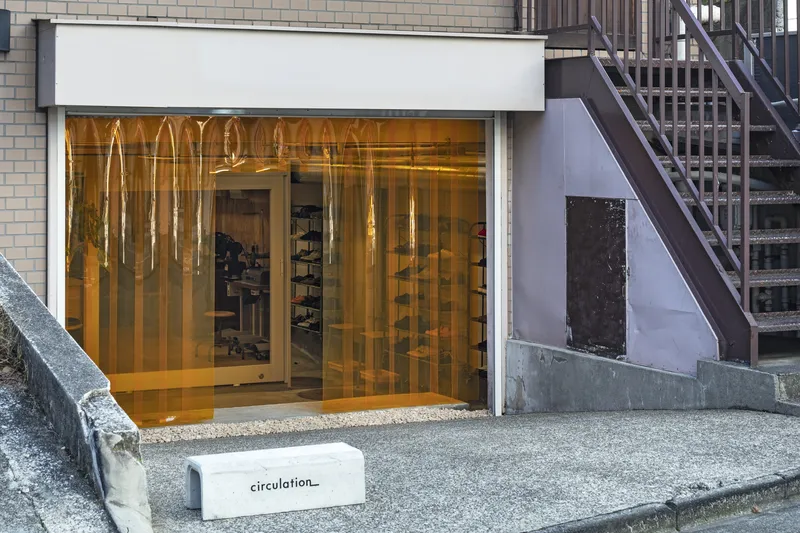
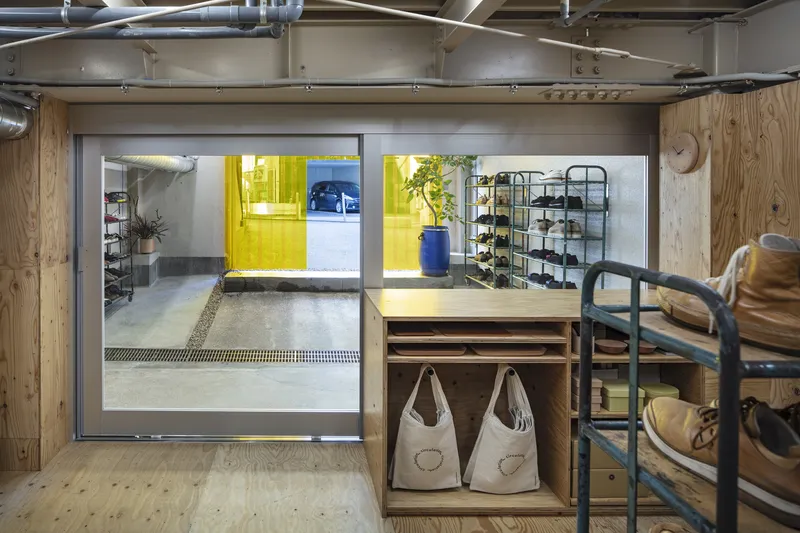
The spatial layout of Circulation is thoughtfully divided into two zones. The front area serves as a retail space for showcasing and selling products, while the rear section houses the repair workshop. An extra-large, aluminum-frame sliding door acts as a dynamic partition between the two zones, opening to reveal a functional counter. This seamless integration ensures a cohesive experience for customers and staff.
Aesthetic and Functional Challenges
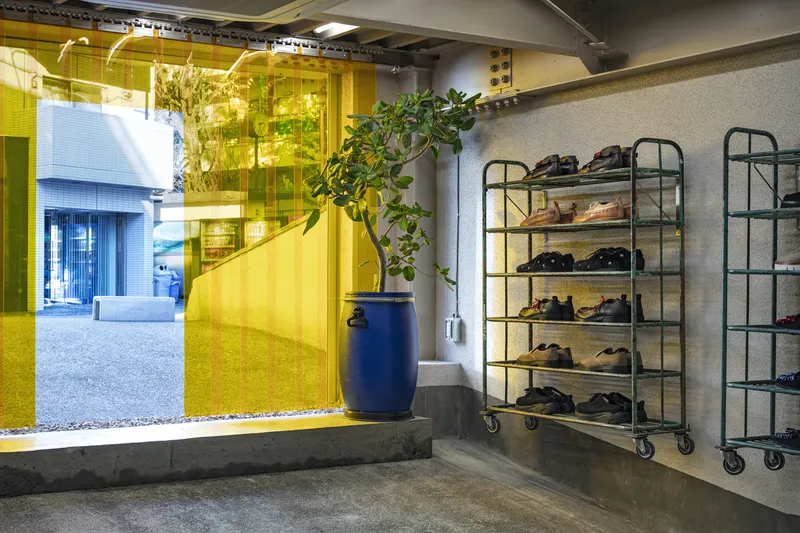
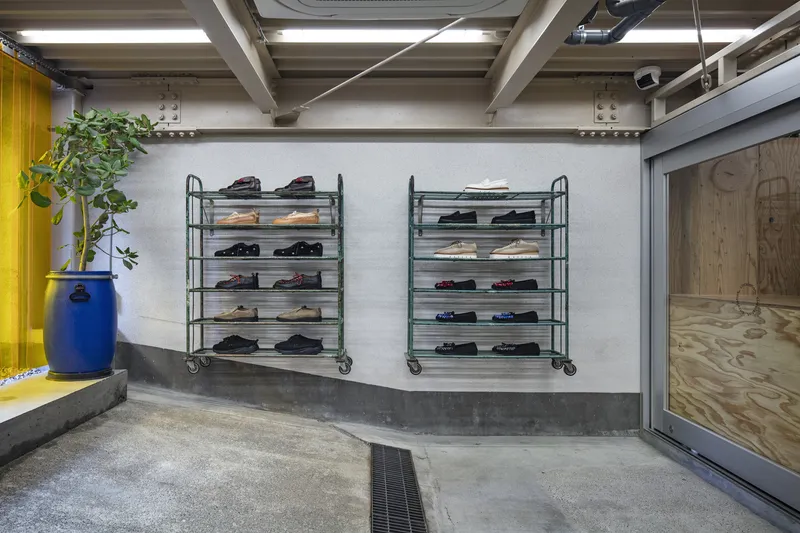
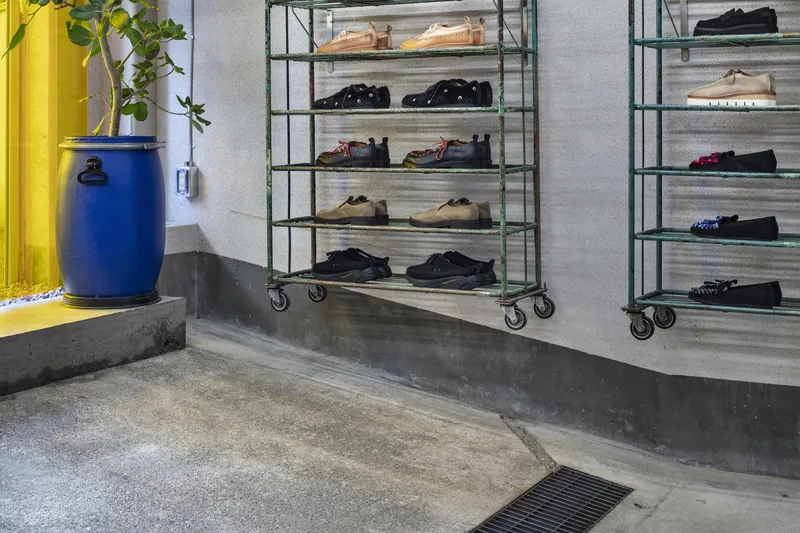
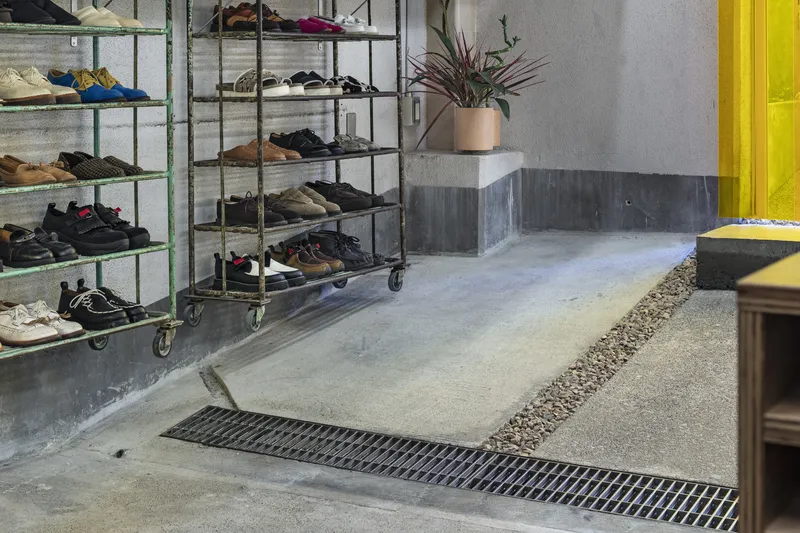
One of the most striking features of the retail space is its sloped floor, a challenging element that dictated innovative design solutions. Standard furniture placement was impractical, so DDAA adapted by repurposing old shoe racks with casters from the client’s collection, mounting them on the walls. This approach not only resolved functional issues but also added a layer of visual intrigue, emphasizing the workshop's commitment to reuse and repurposing.
Circulation’s Role in Sustainable Architecture
Circulation Retail and Repair Workshop exemplifies the principles of sustainable architecture by creatively adapting an existing space to new uses. Rather than demolishing and starting anew, the project celebrates the imperfections and history of the site. This aligns with the broader global movement toward environmentally conscious design, where the focus shifts from consumption to preservation and renewal.
A New Standard for Retail Architecture
The Circulation Retail and Repair Workshop by DDAA is more than just a store; it is a beacon of sustainable design and innovative thinking in the heart of Shibuya. By embracing the challenges of repurposing and repairing both products and spaces, it sets a new standard for retail architecture. Circulation not only supports a circular economy but also enriches the cultural fabric of its urban environment, making it a landmark in sustainable retail design.
All Photographs are work of Kenta Hasegawa


Popular Articles
Popular articles from the community


The Ocean Hive: Sustainable Architecture for a Self-Sufficient Civilization at Sea
The Ocean Hive imagines sustainable architecture at sea, where modular habitats, algae, wave power and ocean waste sustain a growing colony.

Play: Fragments of Their World
Familiar architecture becomes modular playground design, creating safe spaces where displaced children can learn, connect, imagine and play.

Conexión: Biophilic Design Reimagines High-Rise Living in Hong Kong
Conexión reimagines high-rise living in Hong Kong through biophilic design, green facades, shared spaces, daylight, water and nature within.

ALGAL REALM: A Bio-Integrated Lunar Habitat Design for Life Beyond Earth
ALGAL REALM reimagines lunar habitat design with algae-powered life support, 3D-printed regolith, and vertical living for a lunar future.

Similar Reads
You might also enjoy these articles


Hodi-Mandai Geram
Project Function: Preservation and revitalization of the Intangible heritage and socio-spatial identity of the Hodi by Housing, Cultural Memory Center, Sacred Grove, landscape, local tourism economy


Olio Towers: A Mid-Rise for Performers That Fuses Housing, Rehearsal, and Stage
Located blocks from Houston's Theater District, this modular tower stacks living units around a central performance atrium.

Oasis: Modular Green Housing Carved into Dhaka's Urban Fabric
A shortlisted Plugin Housing entry reclaims unauthorized settlements in Dhaka with stepped concrete volumes, green roofs, and ventilation-driven design.

Black Hole: A Floating Megastructure for the Post-Physical Era
Emiliano Mazzarotto envisions a spherical, self-scaling arena where e-sports, digital hotels, and holographic stadiums replace traditional public space.

Explore Architecture Competitions
Discover active competitions in this discipline

Challenge to reimagine the Iron Throne

Photograph architecture without architects

Illustrate the lost glory of Angkor Wat - Render Challenge

Design challenge to reuse E-waste
Comments (0)
Please login or sign up to add comments
No comments yet. Be the first to comment!