

Sustainable School Architecture: A Case Study of Joséphine Baker Middle School
This article explores the sustainable renovation of Joséphine Baker Middle School in Marseille, showcasing modern educational architecture's impact on learning environments.


In the heart of Marseille, France, the Joséphine Baker Middle School stands as a testament to the transformative power of sustainable school architecture. Redefining educational spaces through innovative design, this project by Panorama Architecture marries functionality with environmental responsibility, setting a new standard for school buildings worldwide.


The Challenges of Urban School Renovation
Navigating Complex Urban Sites
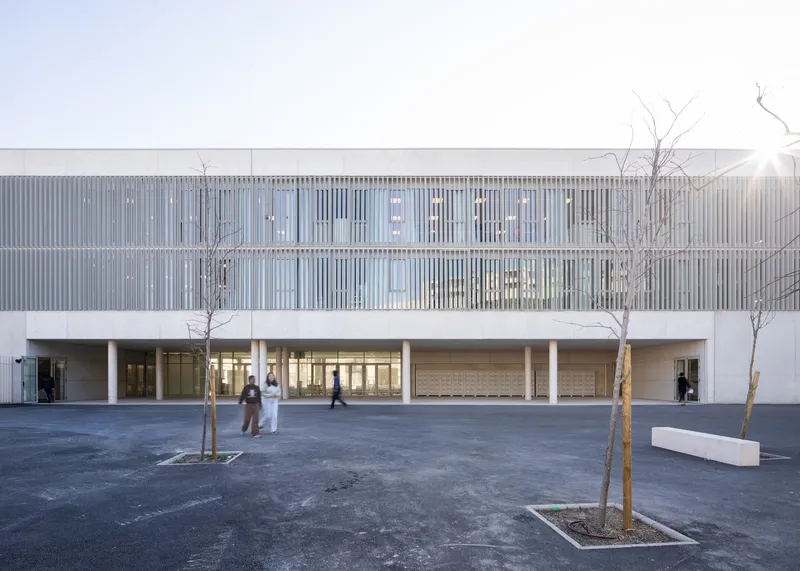
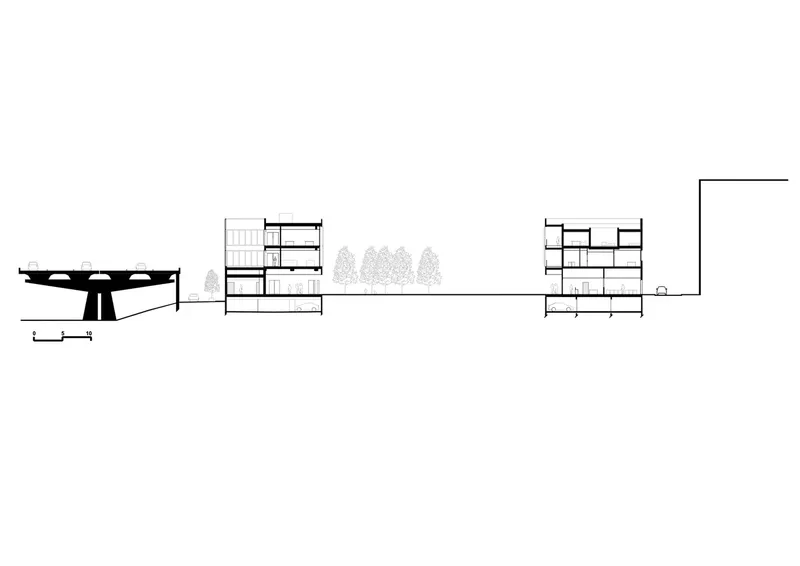
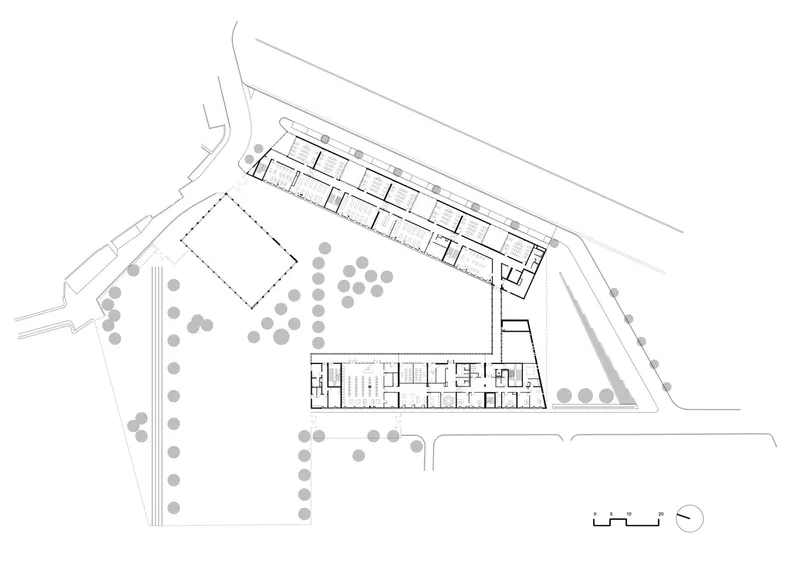
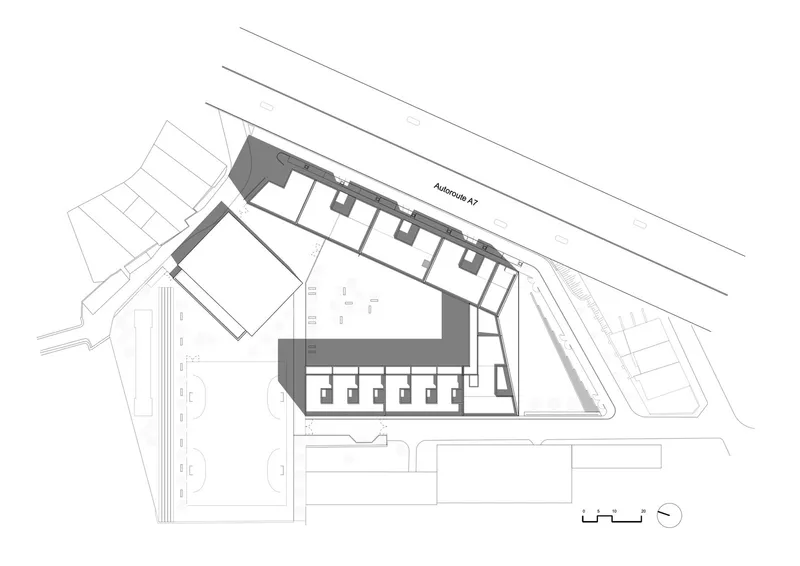
Located in an isolated urban zone plagued by noise from a nearby motorway, the Joséphine Baker Middle School faced significant challenges. The task was not only to renovate but to reimagine the space in a way that mitigated these environmental stressors while enhancing the learning experience for students.

A Total Renovation for a Modern Era
Constructed to replace an aging building from 1966, the new structure needed to provide a welcoming, enriching environment for 600 students. It includes modern facilities such as an auditorium and a gymnasium, marking a significant leap forward in educational architecture.


Architectural Strategies for Sustainable Development
Embracing the Mediterranean Climate
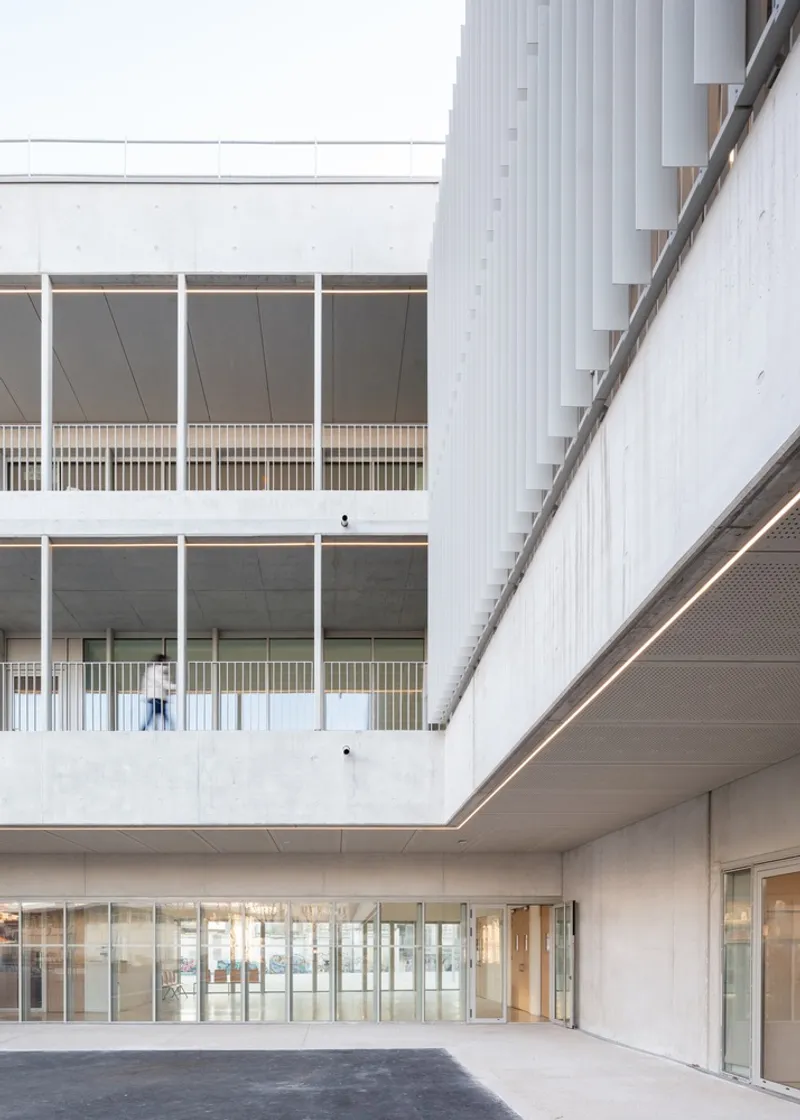
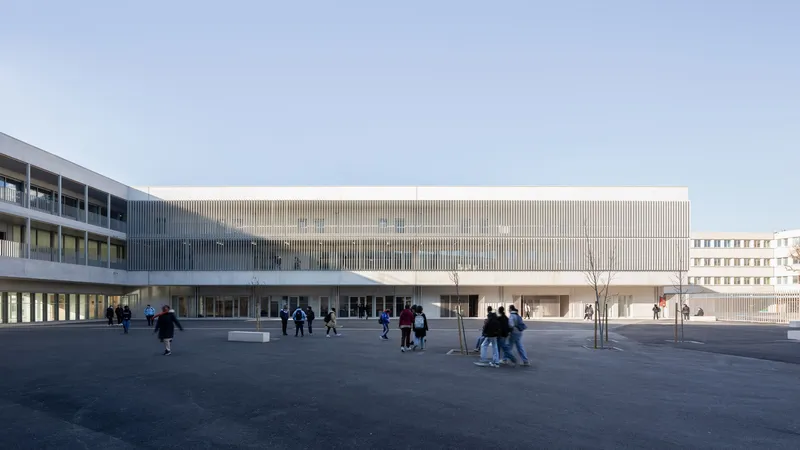
The design of the Joséphine Baker Middle School draws heavily on Mediterranean architectural principles. Its V-shaped structure, with walls that lend a protective appearance, maximizes natural light while using shadow and sunscreens to create a comfortable interior climate. This approach not only addresses the site's constraints but also aligns with broader sustainable development goals.
Compactness and Sustainability
The compactness of the school's design is a deliberate choice, reflecting a commitment to sustainability. By minimizing the building's footprint, the architects have created a space that is not only efficient but also conducive to saving resources, embodying the principles of sustainable school architecture.

The Impact of Sustainable Design on Education
A Pleasant and Liveable Learning Environment
The architectural qualities of the Joséphine Baker Middle School contribute to creating an environment where students and teachers alike can thrive. The interplay of light and space, alongside the thoughtful integration of sustainable design elements, ensures that the school is not just a place of learning but a sanctuary for growth and inspiration.
Setting a New Benchmark
The Joséphine Baker Middle School is more than just a building; it's a benchmark for future projects in sustainable school architecture. Its success demonstrates how thoughtful design can overcome environmental challenges, enhance educational experiences, and contribute to a more sustainable world.


The Future of School Architecture
The renovation of the Joséphine Baker Middle School is a compelling example of how sustainable school architecture can transform educational spaces. By prioritizing the well-being of its occupants and the planet, projects like this pave the way for a new era of school design that is both innovative and responsible.
As we move forward, the principles illustrated by the Joséphine Baker Middle School in Marseille will undoubtedly inspire architects and educators alike to rethink how schools are built, ensuring that they serve as pillars of sustainability and learning in their communities.
All photographs are work of Florence Vesval




Popular Articles
Popular articles from the community


The Ocean Hive: Sustainable Architecture for a Self-Sufficient Civilization at Sea
The Ocean Hive imagines sustainable architecture at sea, where modular habitats, algae, wave power and ocean waste sustain a growing colony.

Conexión: Biophilic Design Reimagines High-Rise Living in Hong Kong
Conexión reimagines high-rise living in Hong Kong through biophilic design, green facades, shared spaces, daylight, water and nature within.

AL-JANNAH: Sustainable Architecture and Permaculture for Afghan Widows
AL-JANNAH uses sustainable architecture and permaculture to create resilient oasis of housing, learning, work and renewal for Afghan widows.

Co-Life: Senior Housing Design That Reconnects Older Adults With the City
Co-Life reimagines senior housing design through healing gardens, shared streets, workshops, and a sustainable community across generations.


Similar Reads
You might also enjoy these articles

FAMM Arquitectura Organizes Ten Villas Around Courtyards and Jungle in Nosara, Costa Rica
El Molino pairs two elongated volumes with deep overhangs and timber louvers to build a compact coastal community five minutes from the beach.
Oscar Niemeyer's Ibirapuera Park Pavilions Define São Paulo's Cultural Identity in Concrete and Curve
A constellation of modernist volumes set within São Paulo's most important urban park, conceived for the city's 400th anniversary in 1954.
How Henri Picq's 1889 Paris Pavilion Traveled 11,000 Kilometers to Become Santiago's Artequín Museum
A prefabricated iron and glass pavilion built for the Paris Universal Exposition found a second life as a children's art museum in Chile.
Sanjay Puri Architects Wraps a Jaipur Office Tower in Capsule-Shaped Green Buffers
A nine-level climate-responsive workplace near Jaipur Airport uses stacked planter terraces and aluminium screens to fight 40°C heat.


Explore School Building Competitions
Discover active competitions in this discipline



Challenge to design public laboratory


Challenge to reimagine the Iron Throne


Photograph architecture without architects


Illustrate the lost glory of Angkor Wat - Render Challenge
Comments (0)
Please login or sign up to add comments
No comments yet. Be the first to comment!