

Sustainable School Architecture: A Case Study of Nyckelviksskolan Workshop by Marge Arkitekter
This article explores the sustainable architectural design of Nyckelviksskolan Workshop in Sweden, designed by Marge Arkitekter, emphasizing eco-friendly construction.


In recent years, the emphasis on sustainable development has permeated various sectors, notably in the field of educational facilities. Sustainable school architecture has emerged as a paramount focus, reflecting the integration of eco-friendly materials, energy efficiency, and a harmonious balance with the surrounding environment. A leading example of this trend is the Nyckelviksskolan Workshop in Sweden, designed by Marge Arkitekter.

Nyckelviksskolan Workshop: A Paradigm of Sustainability
Project Overview
The Nyckelviksskolan, founded in 1955 on Lidingö, is renowned for its pre-university courses in art, crafts, architecture, and design, along with vocational training for craft educators. Recognizing the need for expansion, Marge Arkitekter was commissioned to design a new workshop space, particularly for ceramic and sculpture classes.


Design Philosophy and Sustainability
Marge Arkitekter's design ethos for the Nyckelviksskolan Workshop was deeply rooted in sustainability and context sensitivity. The extension was envisioned as a "brick monolith," a sculptural block seamlessly integrating with the existing plaster and brick façades of the school's buildings. This design choice not only respects the historical context but also employs sustainable materials and construction methods.

Eco-friendly Materials and Construction
The workshop’s façade features sacked brick in varying red tones, carefully laid on site to ensure a cohesive and precise expression. This choice of material not only provides durability and low maintenance but also contributes to the building's thermal mass, enhancing its energy efficiency. The frame combines steel and prefabricated concrete, reducing construction waste and time. Furthermore, the roof is adorned with glulam beams, a sustainable alternative to traditional lumber, supporting the roof lights that maximize natural lighting, reducing the need for artificial illumination.

Harmonizing with the Environment
The extension's design harmonizes with its surroundings, creating an inviting east-facing entrance that bridges the new and old structures. The use of large, wooden-framed glass openings not only adds an aesthetic appeal but also ensures ample natural light, reducing energy consumption. Additionally, the workshop is strategically positioned to face a future sculpture park, emphasizing the school's commitment to fostering a symbiotic relationship with the environment.

The Impact of Sustainable School Architecture
The Nyckelviksskolan Workshop by Marge Arkitekter stands as a testament to the potential of sustainable school architecture. It showcases how thoughtful design, combined with eco-friendly materials and construction techniques, can create educational spaces that inspire, educate, and harmonize with the natural world. As we move towards a more sustainable future, projects like the Nyckelviksskolan Workshop serve as valuable blueprints for future developments in educational facilities and beyond.


All photographs are work of Johan Fowelin


Popular Articles
Popular articles from the community

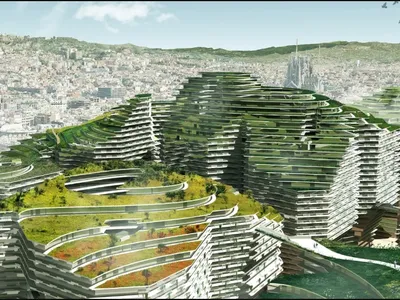
Manzana Morphosis: Stretching Barcelona's Grid into a Living Landscape for 2050
A radical reworking of the Eixample manzana turns density into a tool for generous public space, vertical ecology, and environmental performance.
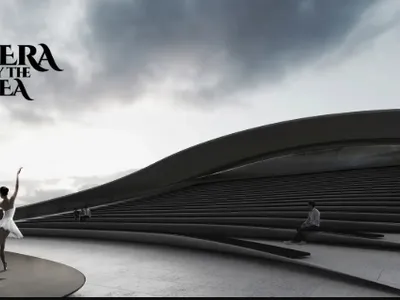
Opera by the Sea Estonia: Three Shells Dissolving Architecture into Tallinn's Coastline
A winning opera house proposal replaces monumental form with interconnected shells that blur the boundary between building, park and Baltic Sea.
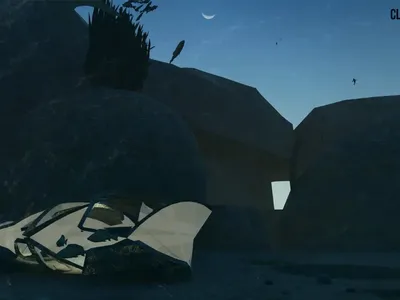
Cloaked Colonization: A Mobile Underwater Habitat That Moves Like a Fish
Micah Abaya's shortlisted EHC Pacific entry reimagines ocean settlement as a dispersed network of self-sustaining architectural organisms.

Singing Woman: An Opera House That Performs Before the Curtain Rises
Ovidiu Cristian Pavel's conceptual opera house translates Estonia's choral identity into a sculpted waterfront landmark facing the Baltic Sea.

Similar Reads
You might also enjoy these articles


Hodi-Mandai Geram
Project Function: Preservation and revitalization of the Intangible heritage and socio-spatial identity of the Hodi by Housing, Cultural Memory Center, Sacred Grove, landscape, local tourism economy


Olio Towers: A Mid-Rise for Performers That Fuses Housing, Rehearsal, and Stage
Located blocks from Houston's Theater District, this modular tower stacks living units around a central performance atrium.

Oasis: Modular Green Housing Carved into Dhaka's Urban Fabric
A shortlisted Plugin Housing entry reclaims unauthorized settlements in Dhaka with stepped concrete volumes, green roofs, and ventilation-driven design.

Black Hole: A Floating Megastructure for the Post-Physical Era
Emiliano Mazzarotto envisions a spherical, self-scaling arena where e-sports, digital hotels, and holographic stadiums replace traditional public space.

Explore Nordic Sustainable Architecture Competitions
Discover active competitions in this discipline

Challenge to design public laboratory

Challenge to reimagine the Iron Throne

Photograph architecture without architects

Illustrate the lost glory of Angkor Wat - Render Challenge
Comments (0)
Please login or sign up to add comments
No comments yet. Be the first to comment!