
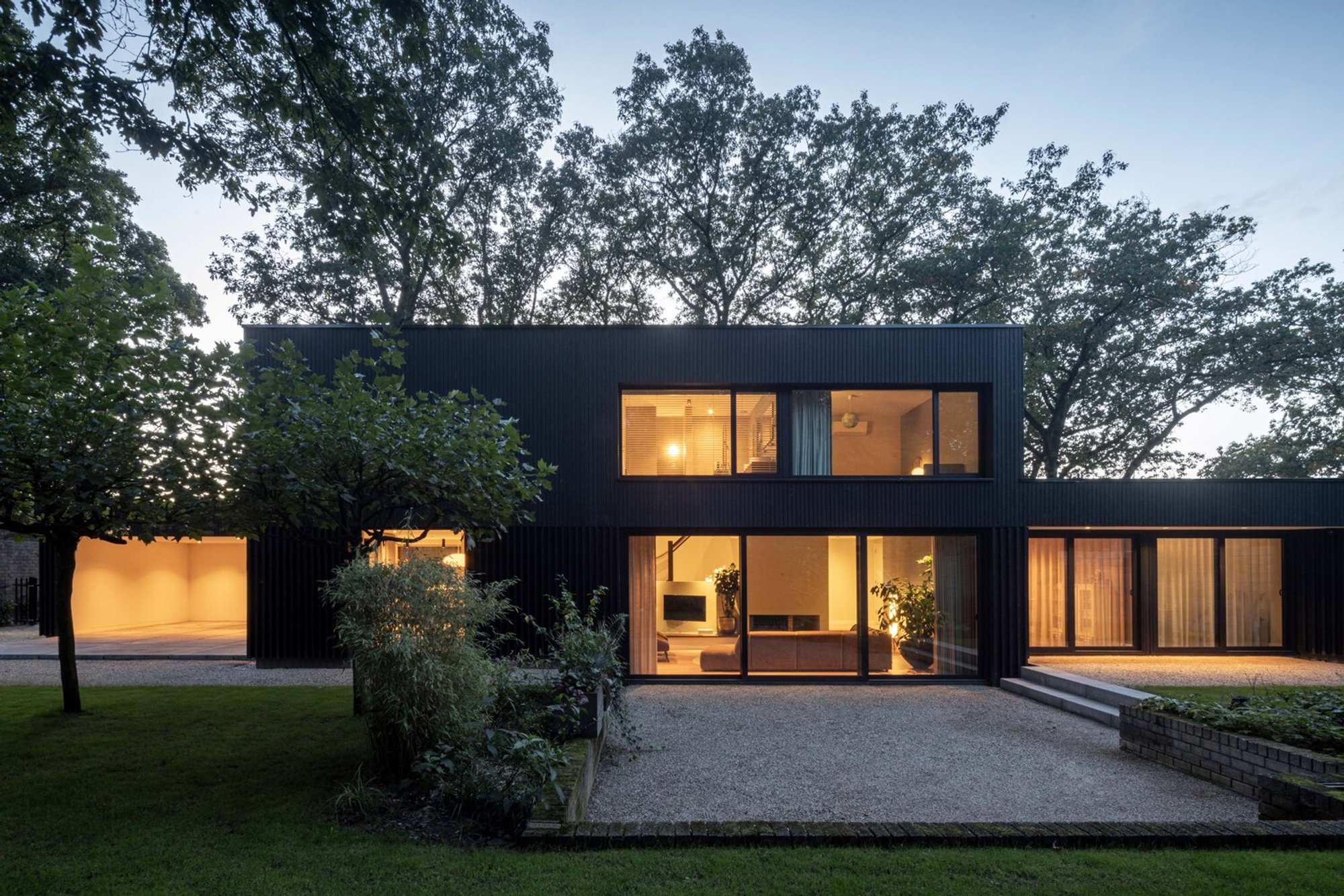
Sustainable Villa Renovation in Eindhoven by Wenink Holtkamp Architecten
A sustainable renovation of a 1970s villa in Eindhoven that preserves original design while achieving energy neutrality and architectural renewal.

Embracing Sustainability through Renovation
In a time where sustainability is central to architectural discourse, demolishing existing structures to build new often contradicts ecological principles. Wenink Holtkamp Architecten demonstrates a compelling alternative in their Sustainable Villa Renovation in Eindhoven, Netherlands. Instead of tearing down the 1970s villa on the southern edge of the city, the architects chose to transform and revitalize the existing structure—preserving both its architectural identity and its environmental integrity.
Preserving the Legacy of a 1970s Modernist Villa
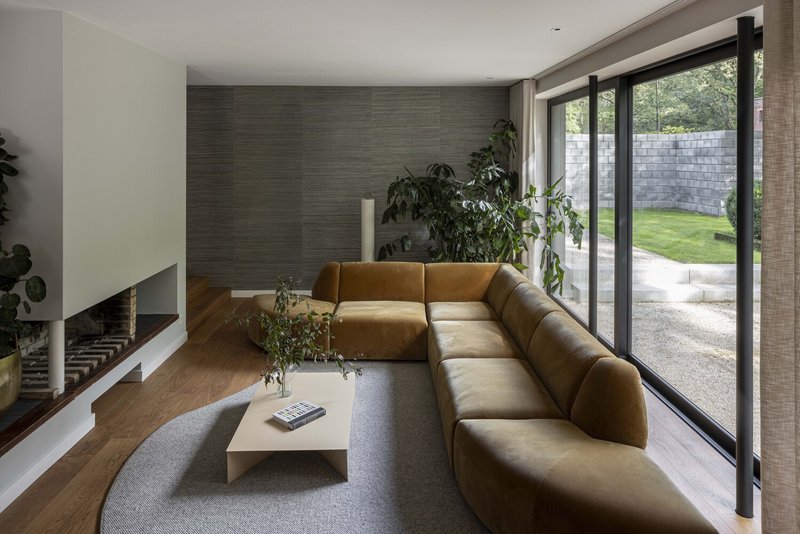
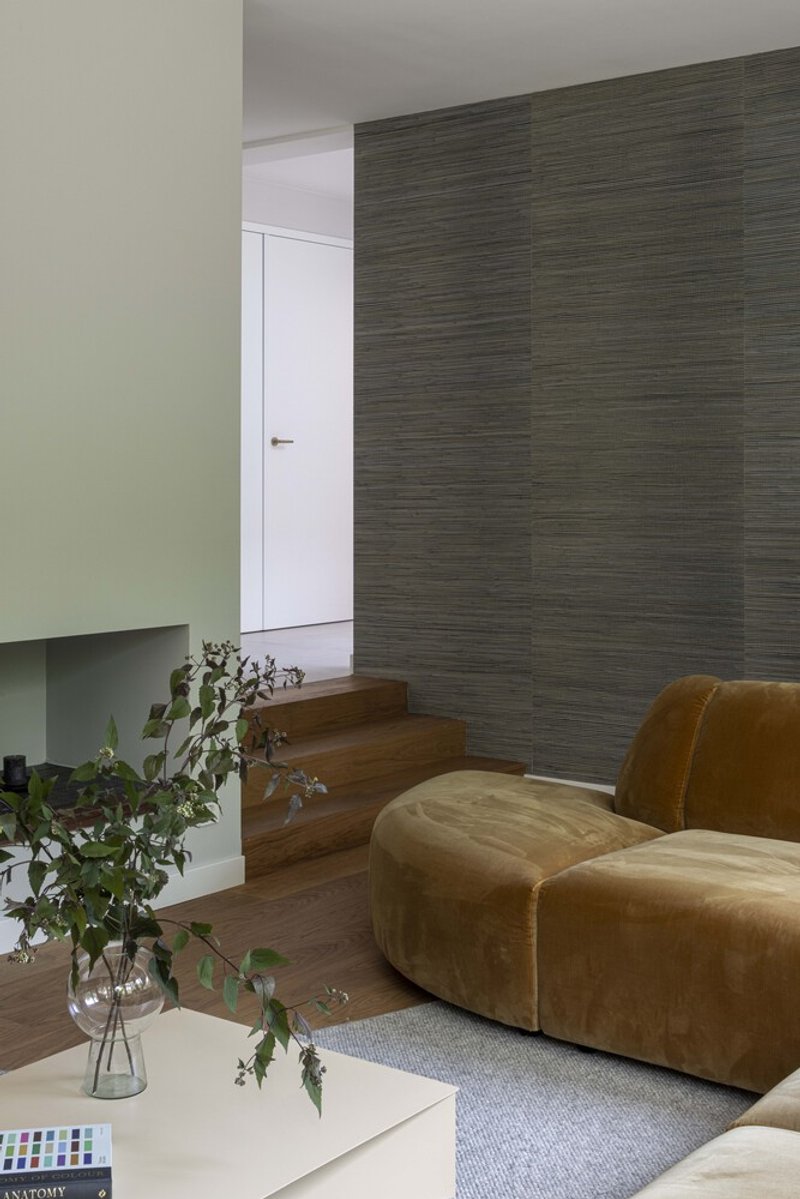
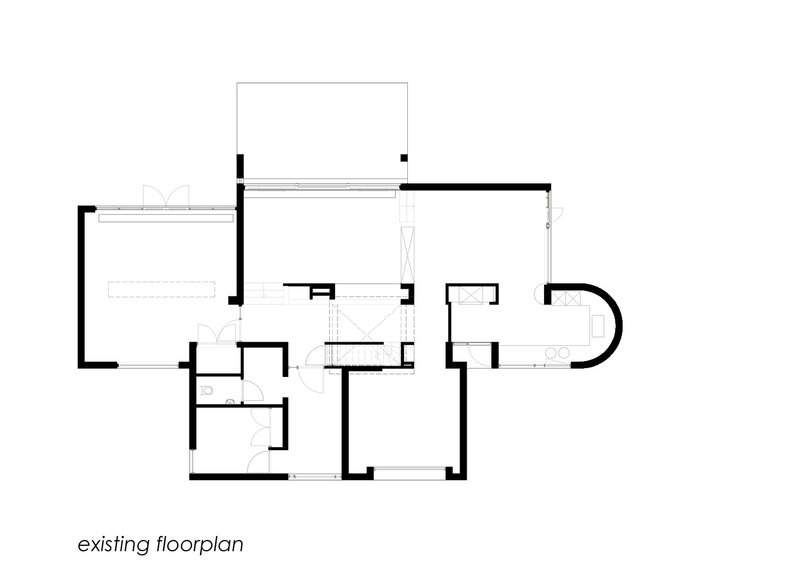
The original villa, although weathered by time, boasted several distinctive features: a sunken sitting pit and a central open staircase that defined the spatial narrative of the interior. These hallmarks of 1970s modernist design offered a dynamic living experience, which the architects intentionally retained in the renovation. By valuing the original structure, the team extended the life of the villa while embedding it with modern ecological sensibilities.
Enhancing Natural Connections and Spatial Fluidity
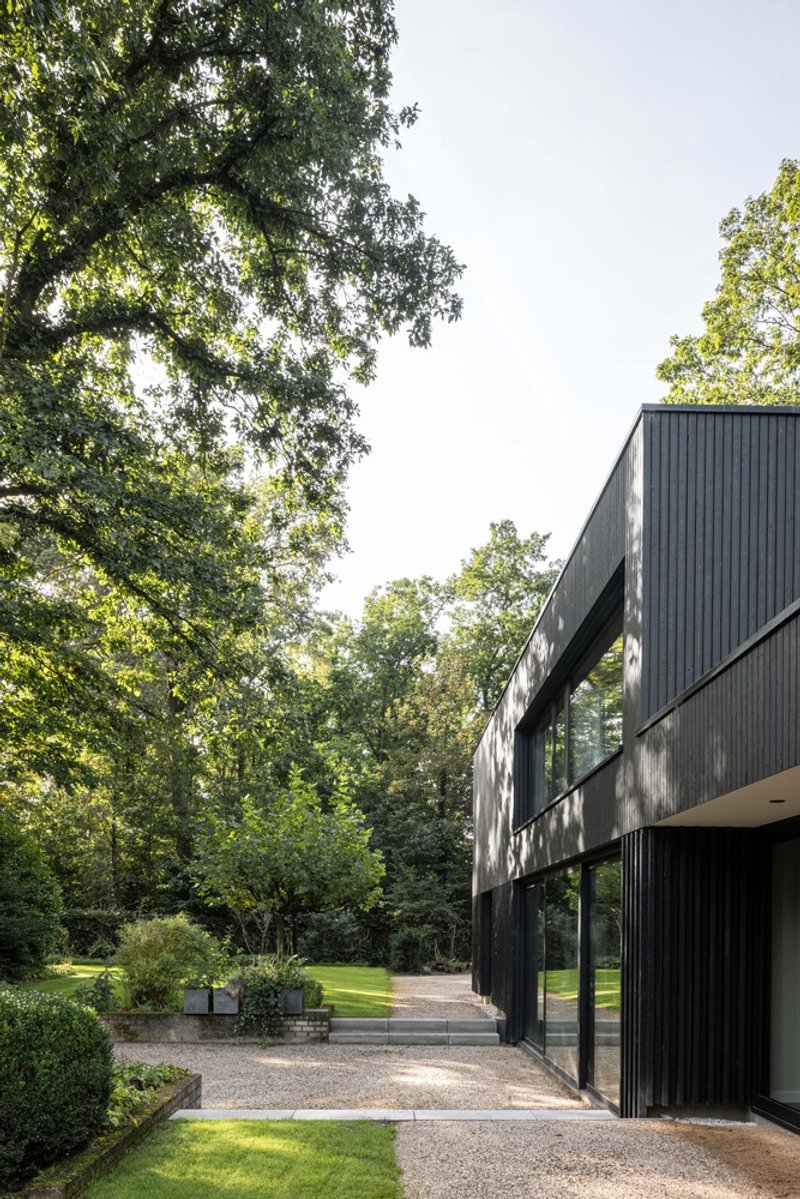
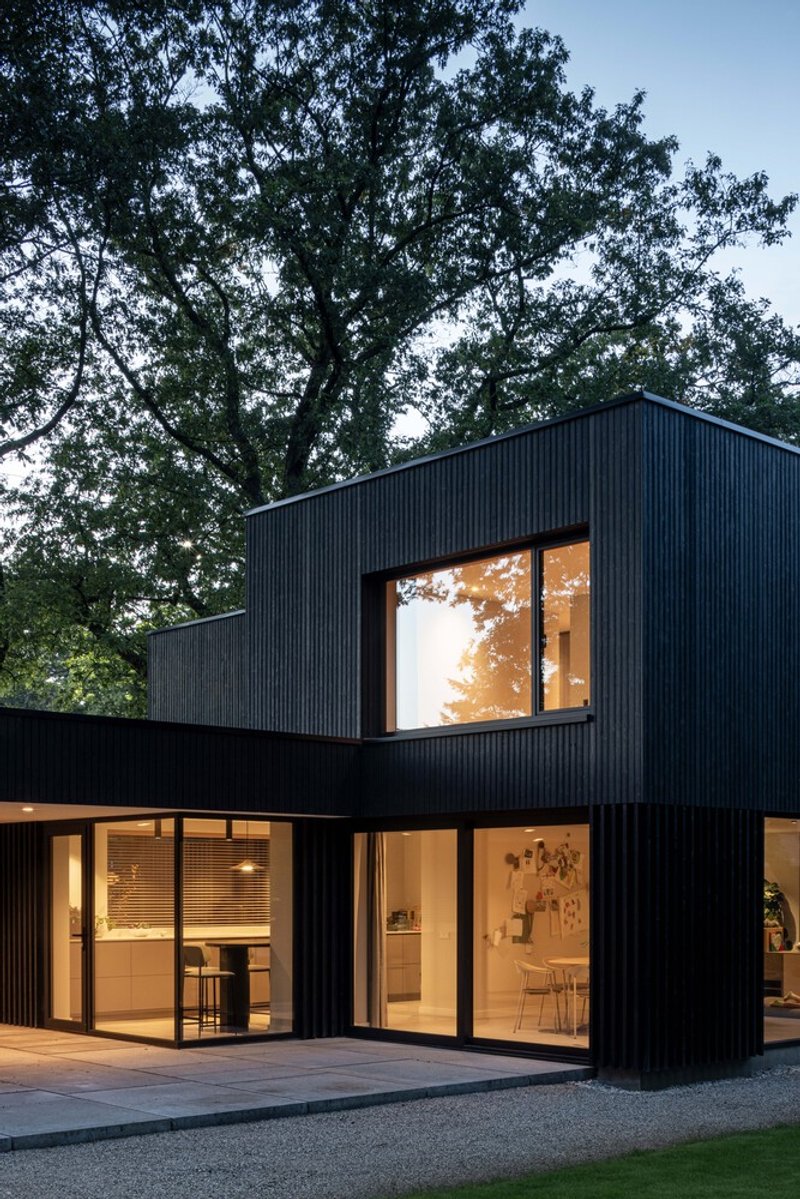
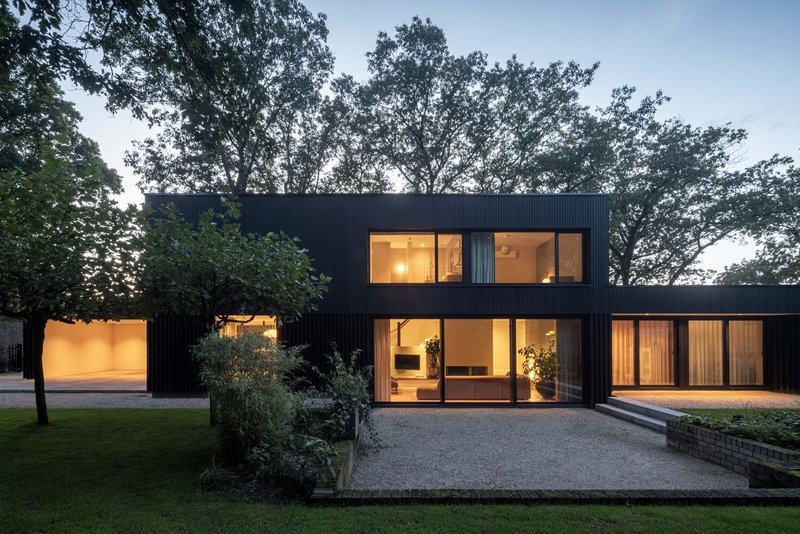
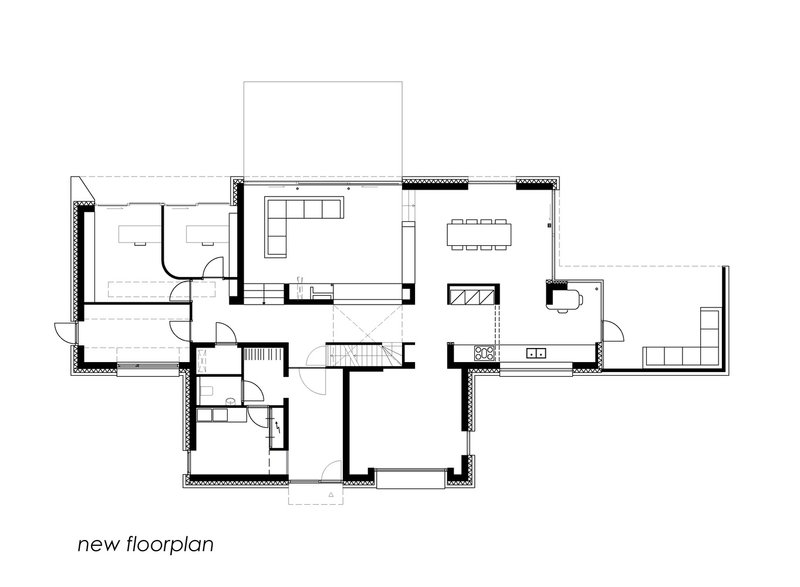
Situated among tall trees where the city blends into nature, the villa's surroundings provided a unique opportunity to draw in filtered natural light and garden views. To enhance this connection, the design introduced a covered outdoor space adjacent to the kitchen, creating a direct visual and functional link with the lush backyard. More façade openings were added, and a former balcony that blocked daylight was removed—ensuring sunlight gently filters into the living spaces through the tree canopy.
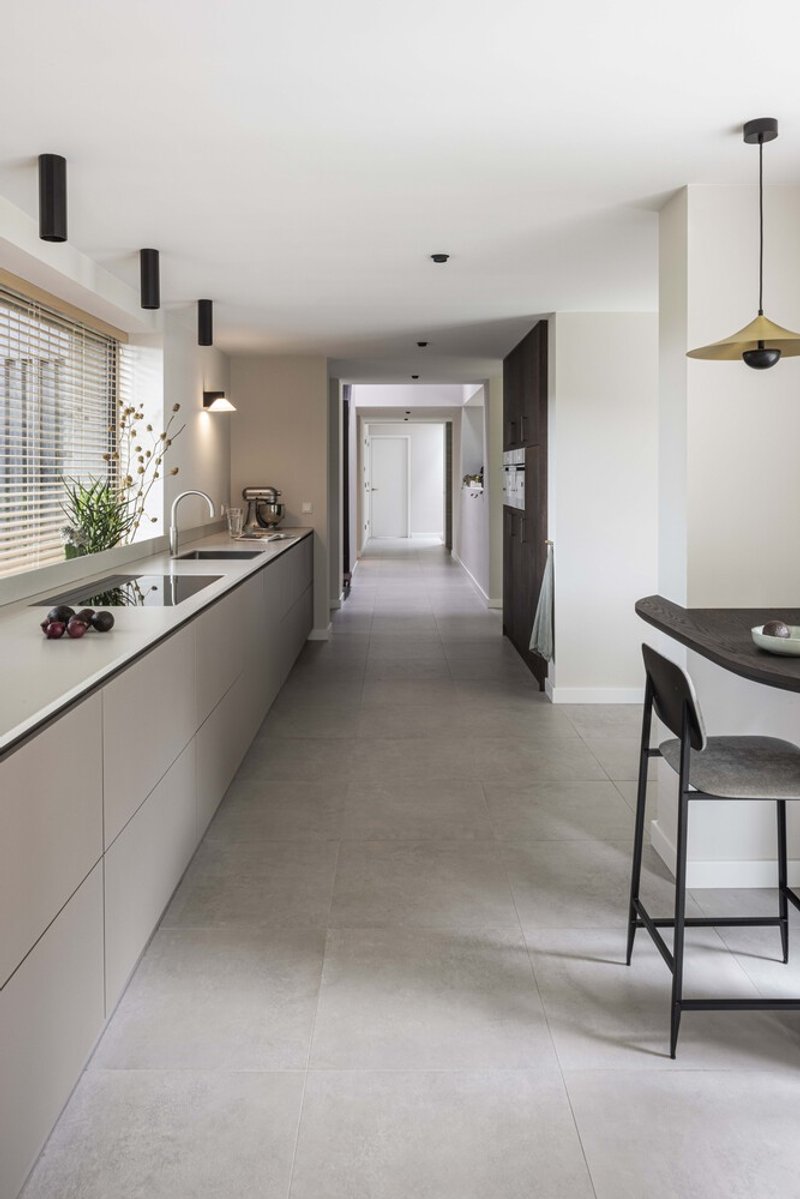
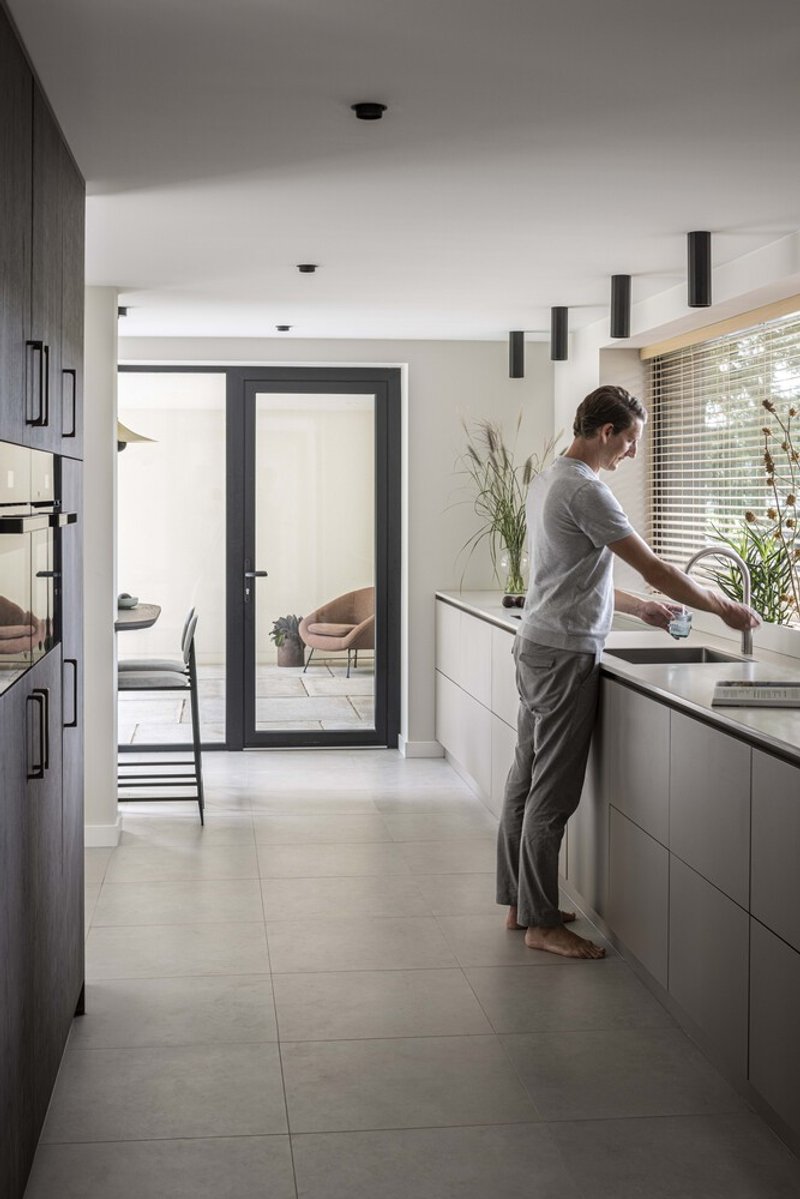
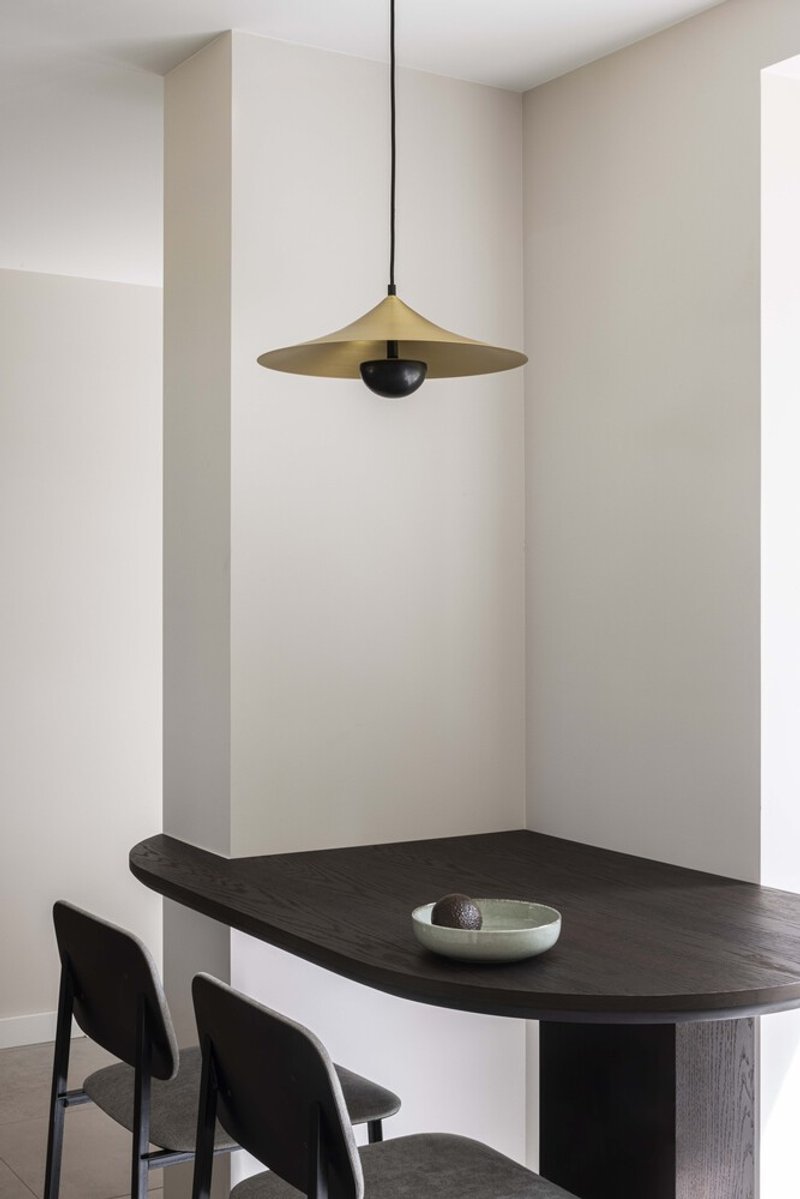
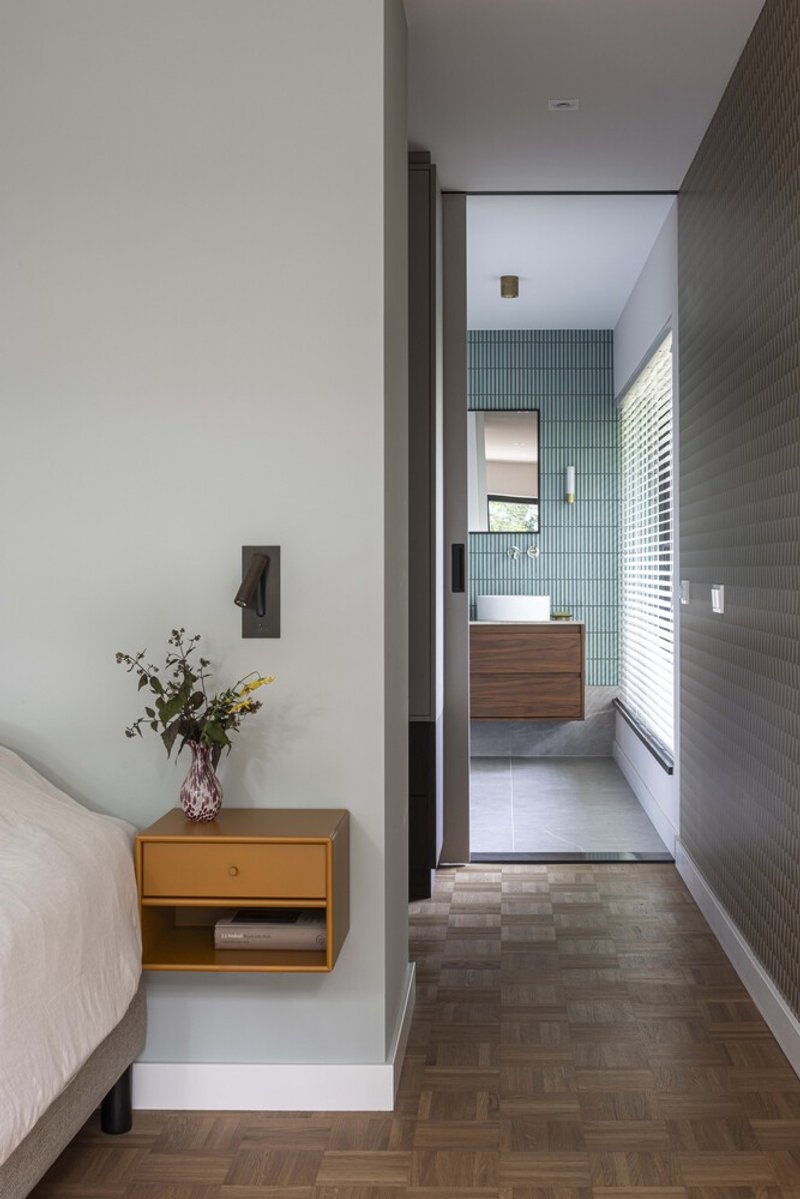
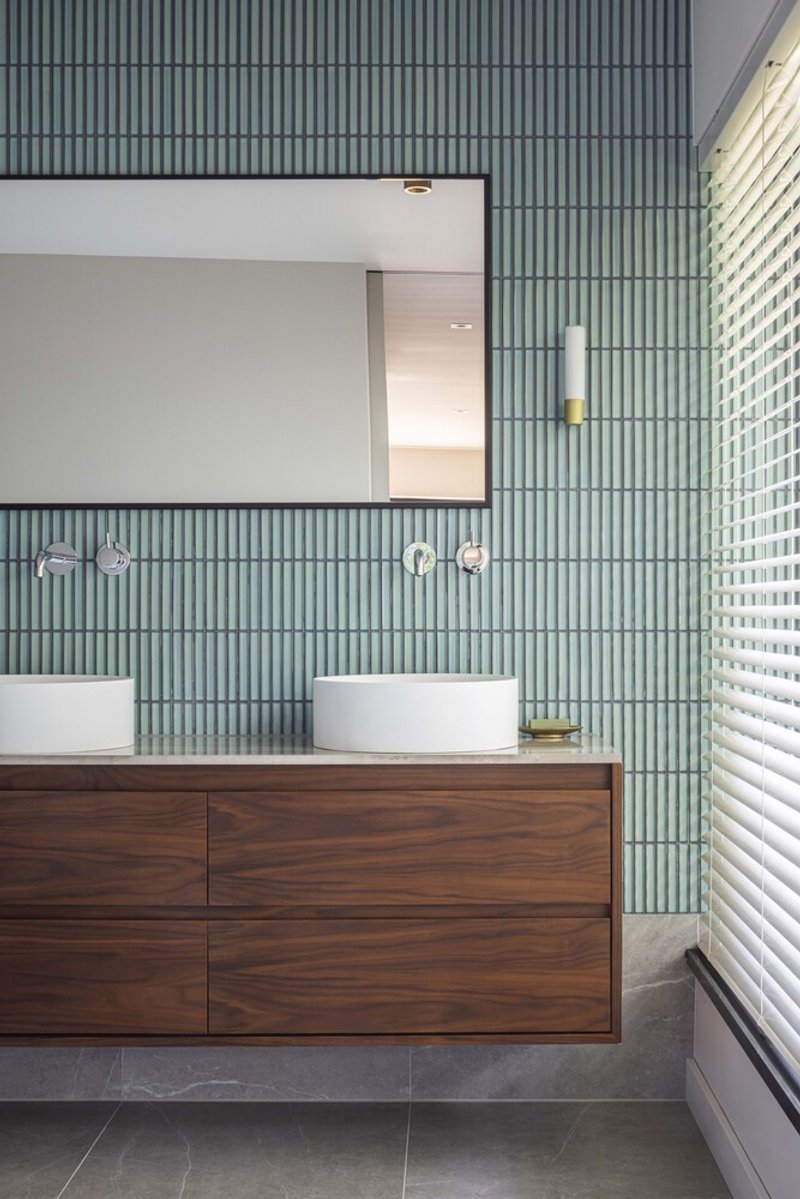
The architects also crafted a seamless spatial flow between the kitchen and living room, removing partitions that previously fragmented the interiors. The open-plan living experience now mirrors the natural openness of the surrounding forest, reinforcing the villa’s dialogue with its environment.
Sustainable Upgrades with Minimal Intervention
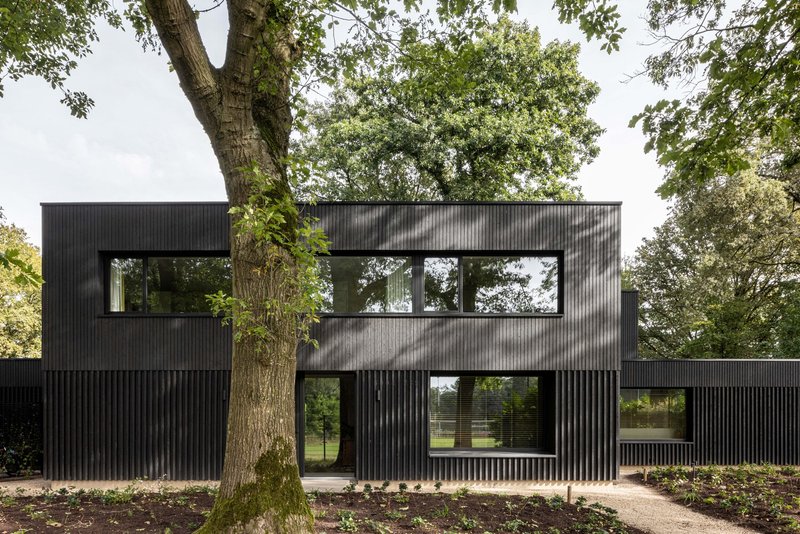
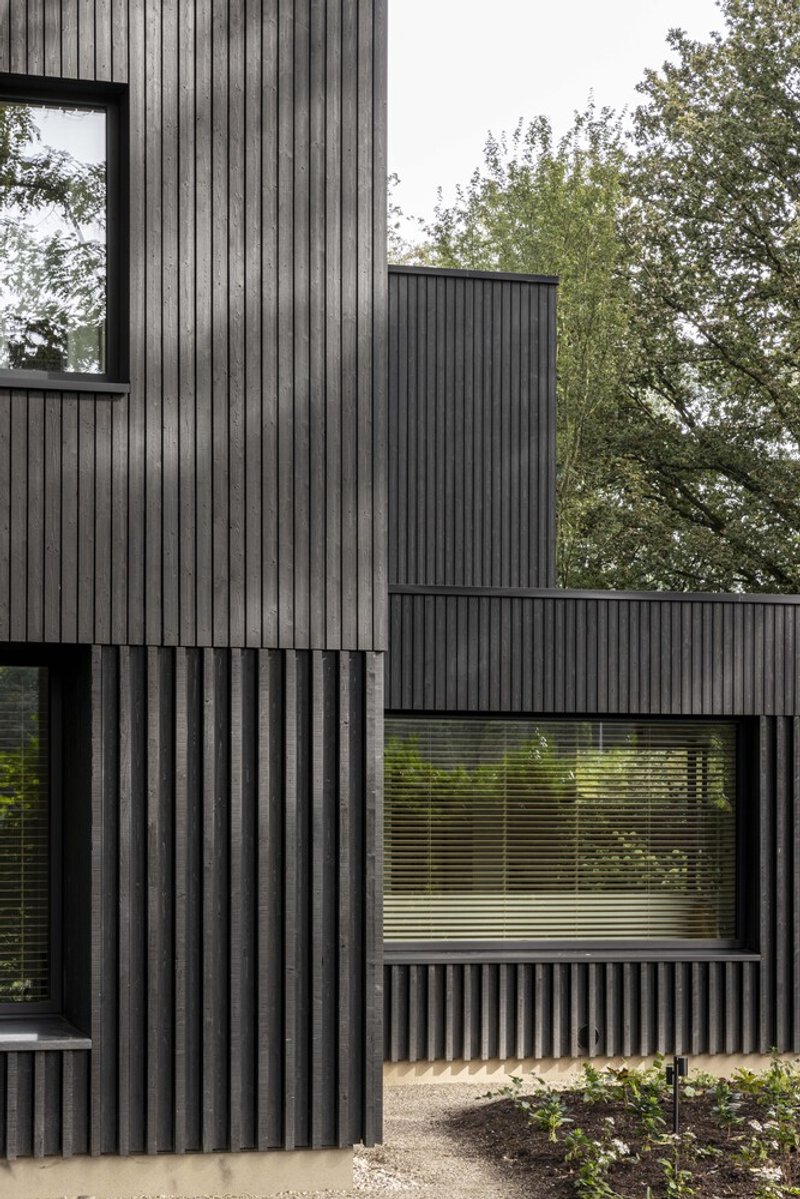
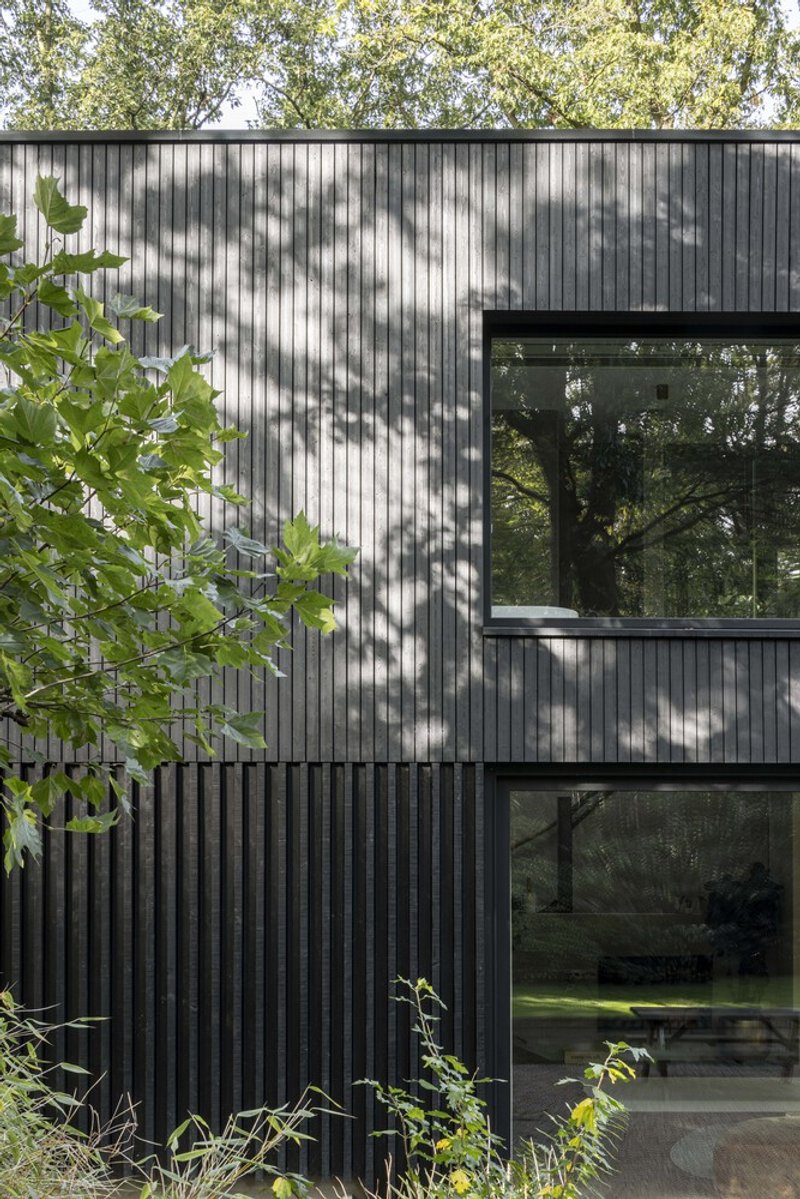
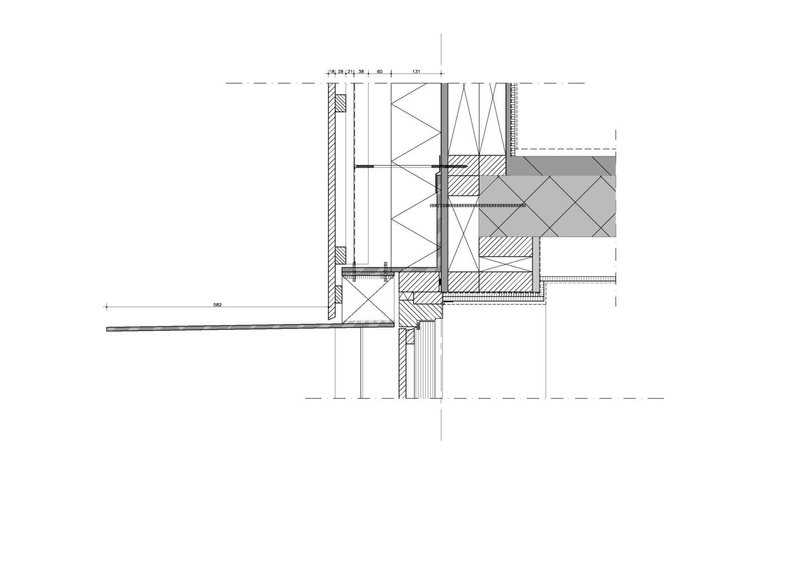
Rather than reconstructing from scratch, small yet impactful structural changes were made to the existing villa. Original construction elements and materials were largely preserved, drastically reducing demolition waste and CO₂ emissions. The new wooden façade, clad in black pinewood, adds warmth and depth while storing carbon in its material composition.
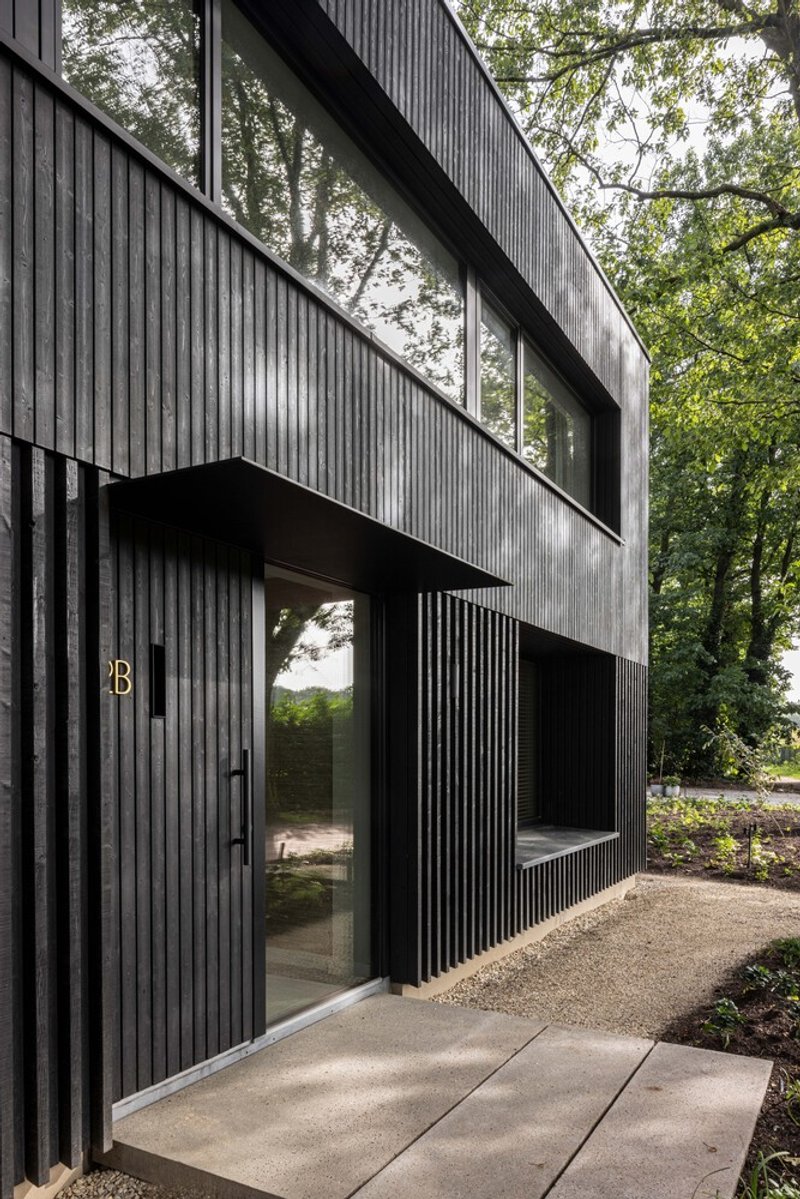
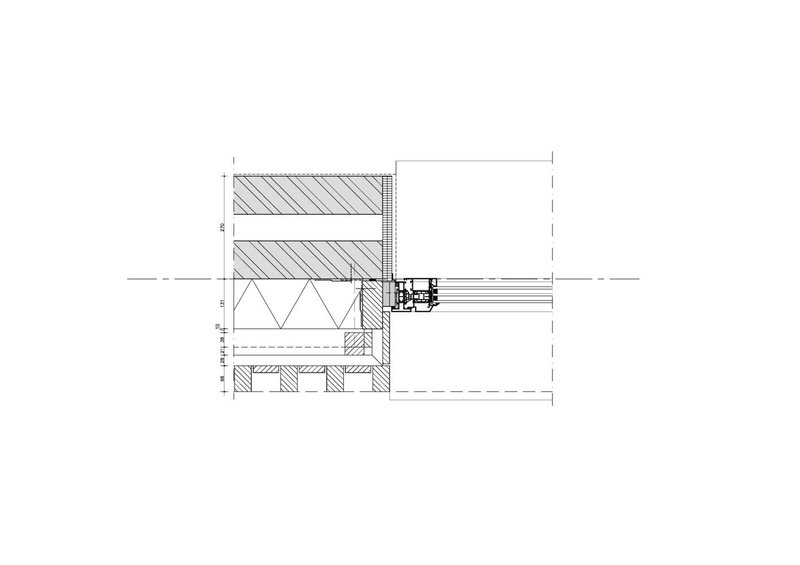
The shell of the house was wrapped in thick insulation, triple-glazed windows were installed, and a high-efficiency heat pump was integrated. Together with solar panels and optimal air sealing, these upgrades culminated in an energy-neutral villa—an achievement in line with contemporary sustainability benchmarks.
Redefining Architectural Identity with Natural Materials
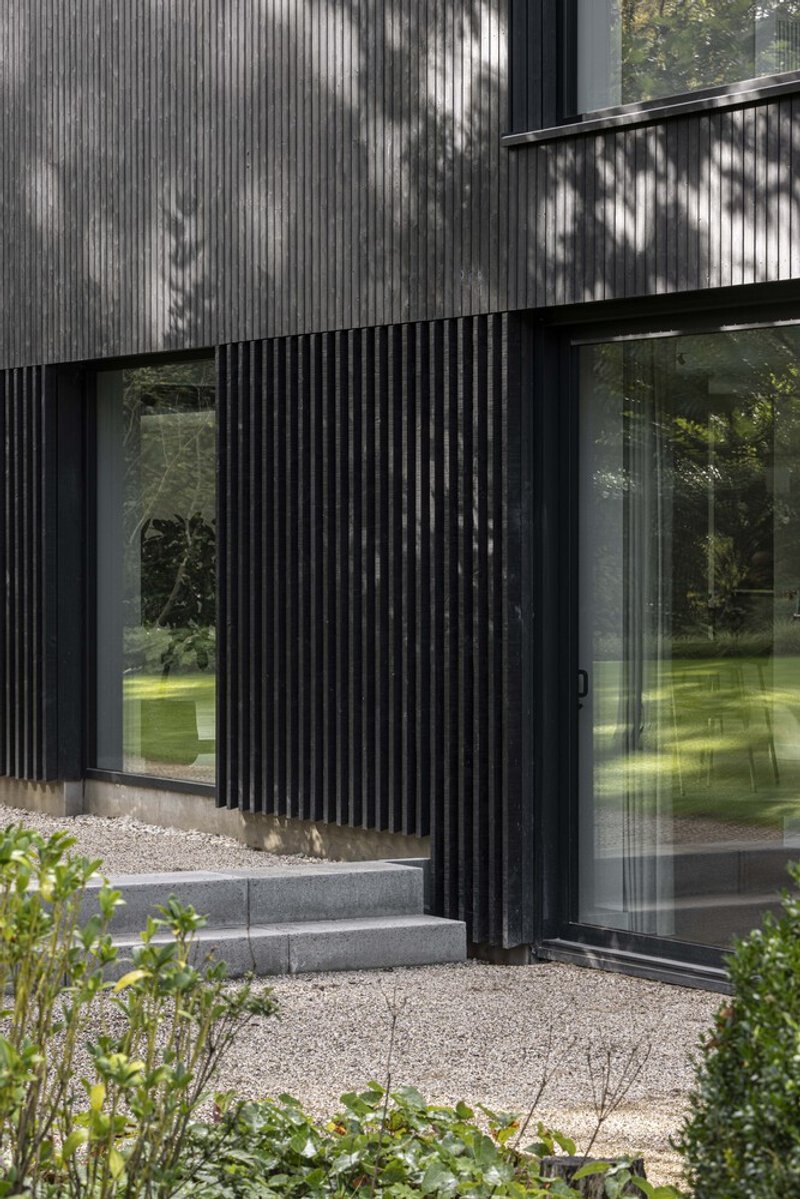
The material palette plays a vital role in the visual transformation of the villa. Finely sawn black pinewood was chosen for its refined grain and dark tone. The ground level features deeper wood reliefs that add texture and warmth at eye level, while the upper floor transitions to smoother surfaces for a more abstract visual effect. This subtle interplay of textures responds beautifully to the shifting sunlight, creating an ever-evolving architectural experience.
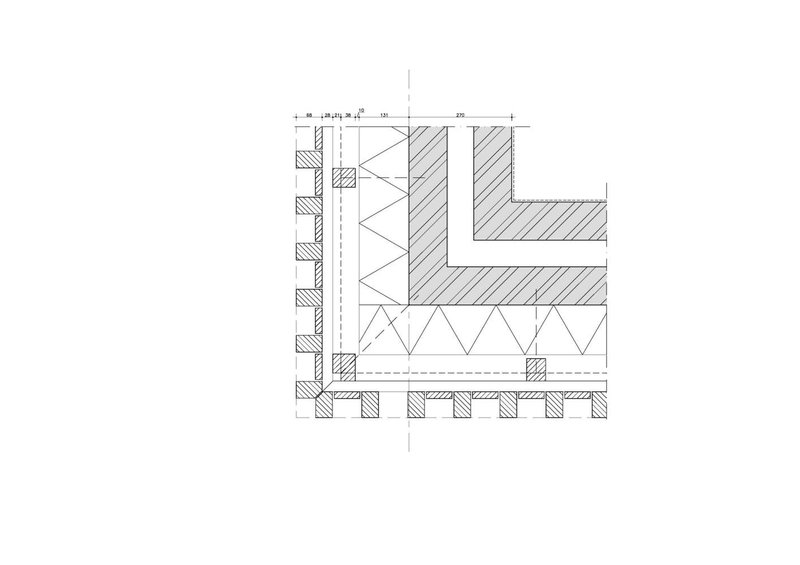
The facade wrapping does more than insulate—it visually redefines the house, balancing preservation with reinvention. The result is a home that feels deeply connected to its past, yet is wholly prepared for a sustainable future.
A Model for Future Sustainable Renovation
The Renovation of Park Villa Eindhoven exemplifies how sensitive design interventions can transform dated architecture into sustainable, high-performance homes. Wenink Holtkamp Architecten offer a powerful counterpoint to demolition-based development by proving that renovation, when thoughtfully executed, can exceed both aesthetic and environmental expectations. This project stands as a model for architects and homeowners seeking to reduce their ecological footprint without compromising design quality.
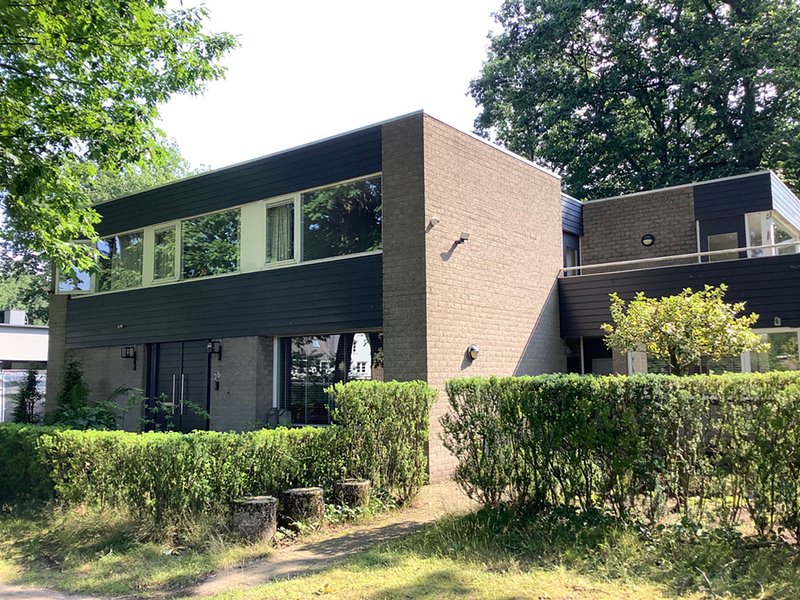
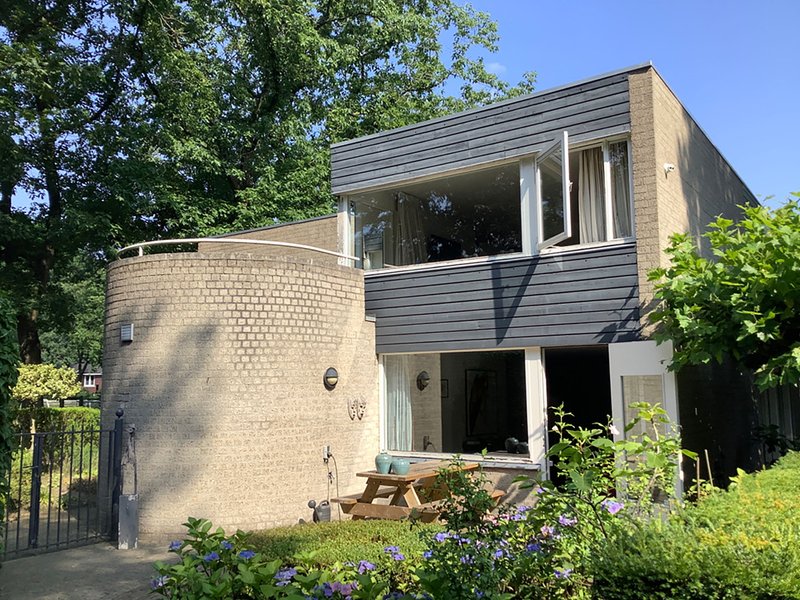
All the photographs are works of Tim van de Velde Photography




Popular Articles
Popular articles from the community

Foster + Partners Wraps a 200-Meter Shanghai Tower in Stainless Steel and Industrial Memory
The Suhe Centre Office Tower anchors a regenerated waterfront district in Shanghai with an all-steel structure that nods to local warehouse heritage.
VEIVE Architects Builds a Mountain Hostel That Disappears into a Hangzhou Hillside
On the Huihang Ancient Trail in Xiangjian Village, a shelter of wood, steel, and rammed earth roots itself in the rural landscape.
Constanti Architects Builds a Fortress of Privacy in Nicosia with House 345
A concrete and timber residence in Cyprus reinterprets the traditional introverted courtyard house for a new urban landscape.
IDIN Architects Wraps a Hua Hin Hotel Around a Private Courtyard to Escape the City
Dusit D2 Hua Hin turns an urban infill site in Thailand's family vacation heartland into a self-contained resort through courtyard planning.

Similar Reads
You might also enjoy these articles
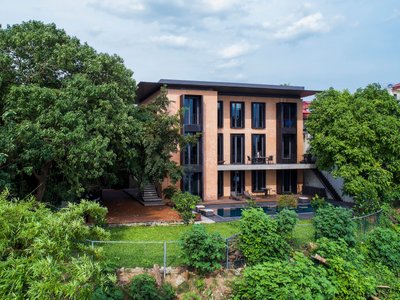
D and P Associates Build a Pi-Shaped House of Rammed Earth Memory on Vietnam's Red River
A 640-square-metre residence in Ngoc Thuy channels the pisé wall traditions of Vietnam's northern highlands into a riverfront family home.
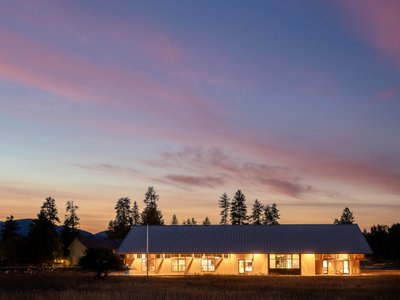
Johnston Architects Reimagines the Methow Valley Hay Barn as a Small-Town Library in Winthrop
A 7,300-square-foot timber library channels the region's agrarian vernacular to serve a rural Washington community of 400 year-round residents.
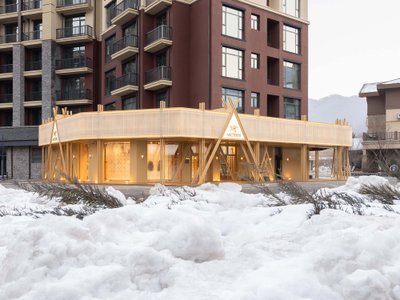
STILL YOUNG Builds a Glowing Campfire in the Snow for ARC'TERYX at a Chinese Ski Resort
A timber-framed pavilion at Beidahu Ski Resort in Jilin wraps warmth and glacier-like resin around outdoor retail.
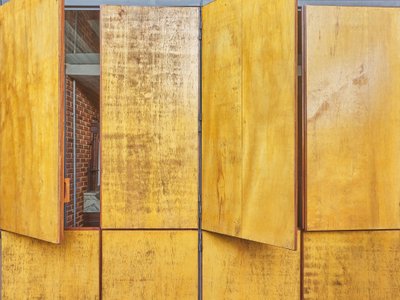
gru.a Builds a 70 m² Timber Shelter That Opens Like a Farm Door in Brazil's Valley of the Vines
In the mountainous region near Rio de Janeiro, a compact retreat uses plywood panels and deep eaves to blur the line between inside and out.

Explore Architecture Competitions
Discover active competitions in this discipline




The International Standard for Design Portfolios


The Global Benchmark for Architecture Dissertation Awards


The Global Benchmark for Graduation Excellence


Challenge to reimagine the Iron Throne
Comments (0)
Please login or sign up to add comments
No comments yet. Be the first to comment!