
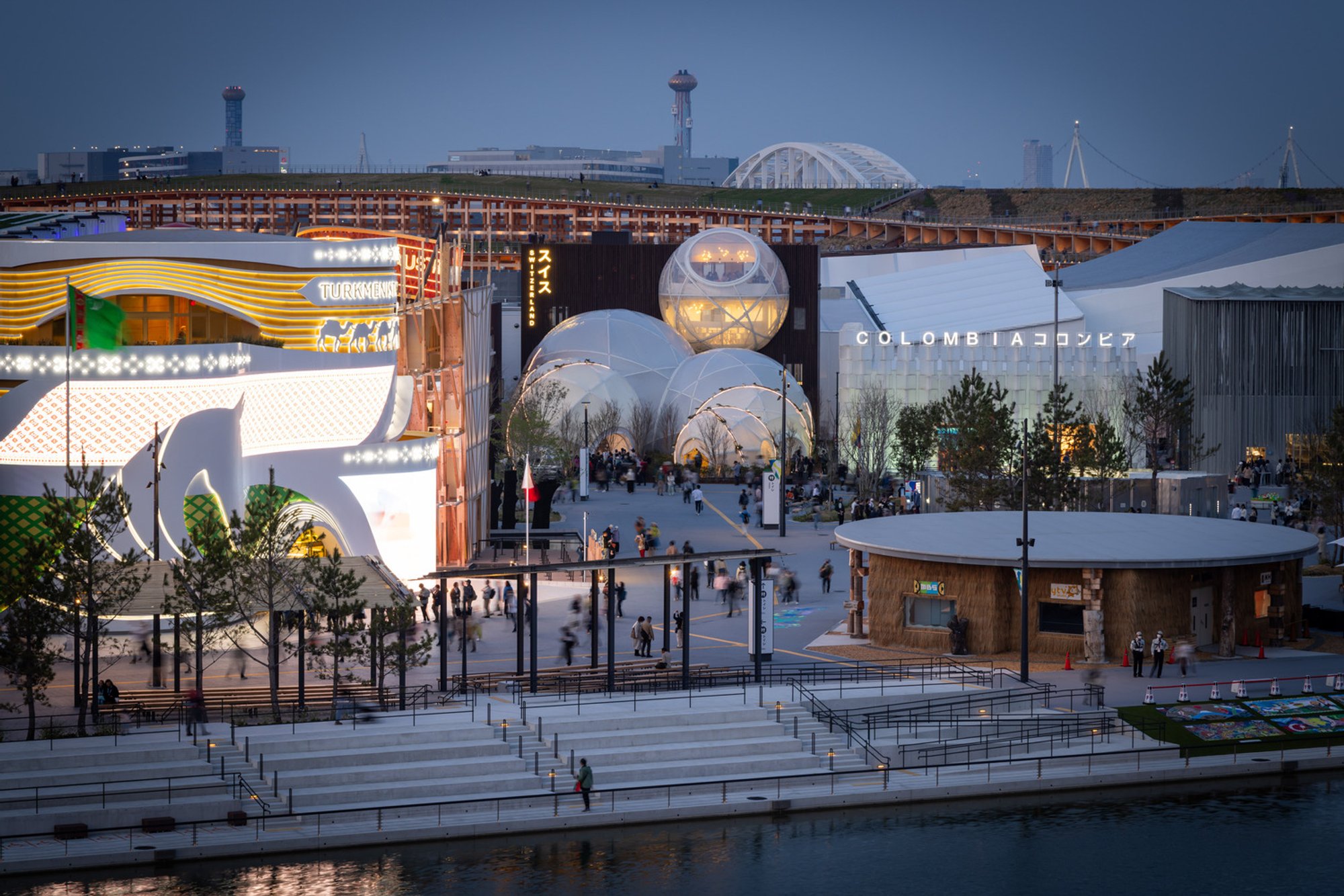
Switzerland Pavilion Expo 2025 Osaka: Sustainable Architecture by Manuel Herz Architects
Switzerland Pavilion Expo 2025 Osaka showcases sustainable architecture, cultural heritage, and innovative design by Manuel Herz Architects with immersive experiences.

The Switzerland Pavilion Expo 2025 Osaka is a striking example of cultural storytelling and sustainable architecture. Designed by Manuel Herz Architects in collaboration with Bellprat Partner, Robin Winogrond, and NUSSLI Group, the pavilion embodies the theme From Heidi to High-Tech. This narrative traces Switzerland’s transformation from its Alpine heritage to its global leadership in science, technology, and sustainability.
A Narrative of Heritage and Innovation
At the heart of the pavilion is the figure of Heidi, beloved in Japan for generations, symbolizing Swiss cultural charm and friendship between the two nations. By combining this icon with advanced architectural and technological innovations, the pavilion creates a dialogue between tradition and progress. This duality—rooted in heritage yet forward-looking—makes the Switzerland Pavilion Expo 2025 Osaka both culturally meaningful and architecturally innovative.
Architectural Design: Lightness and Sustainability
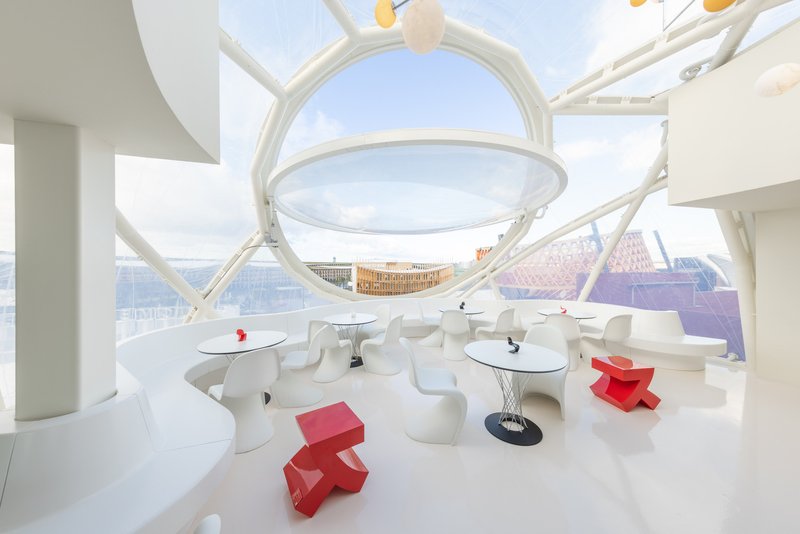
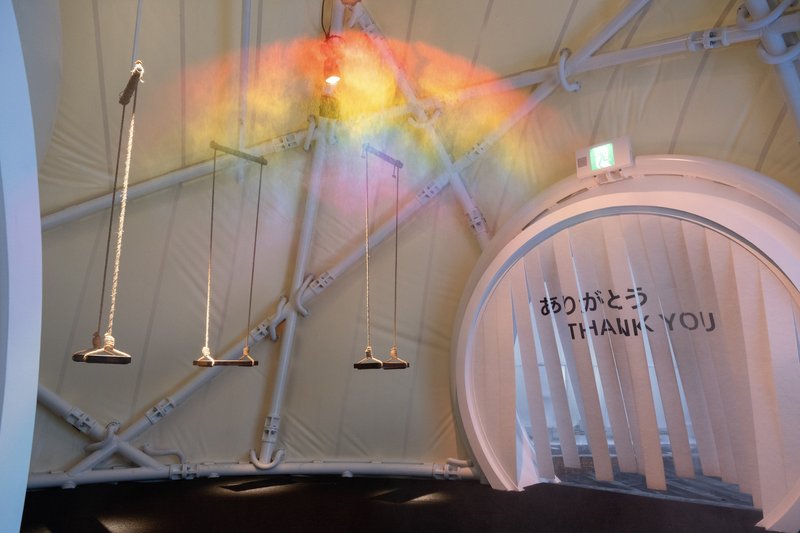
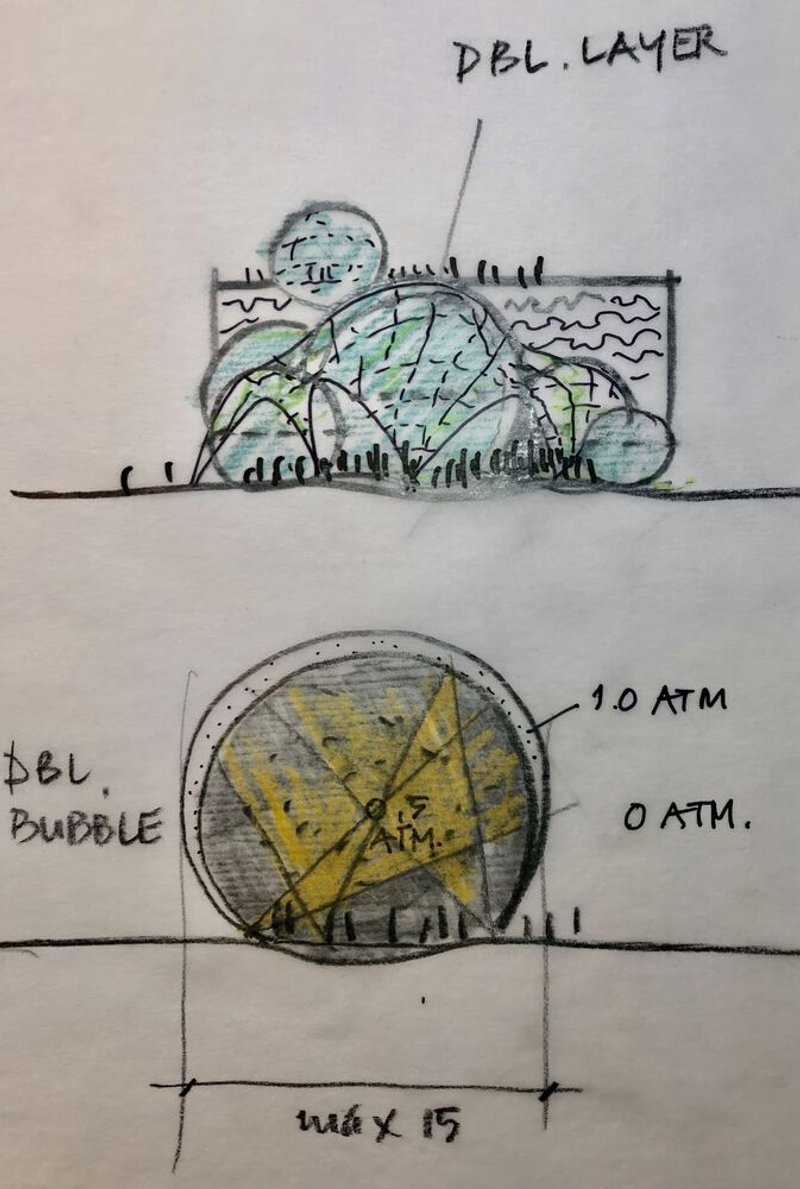
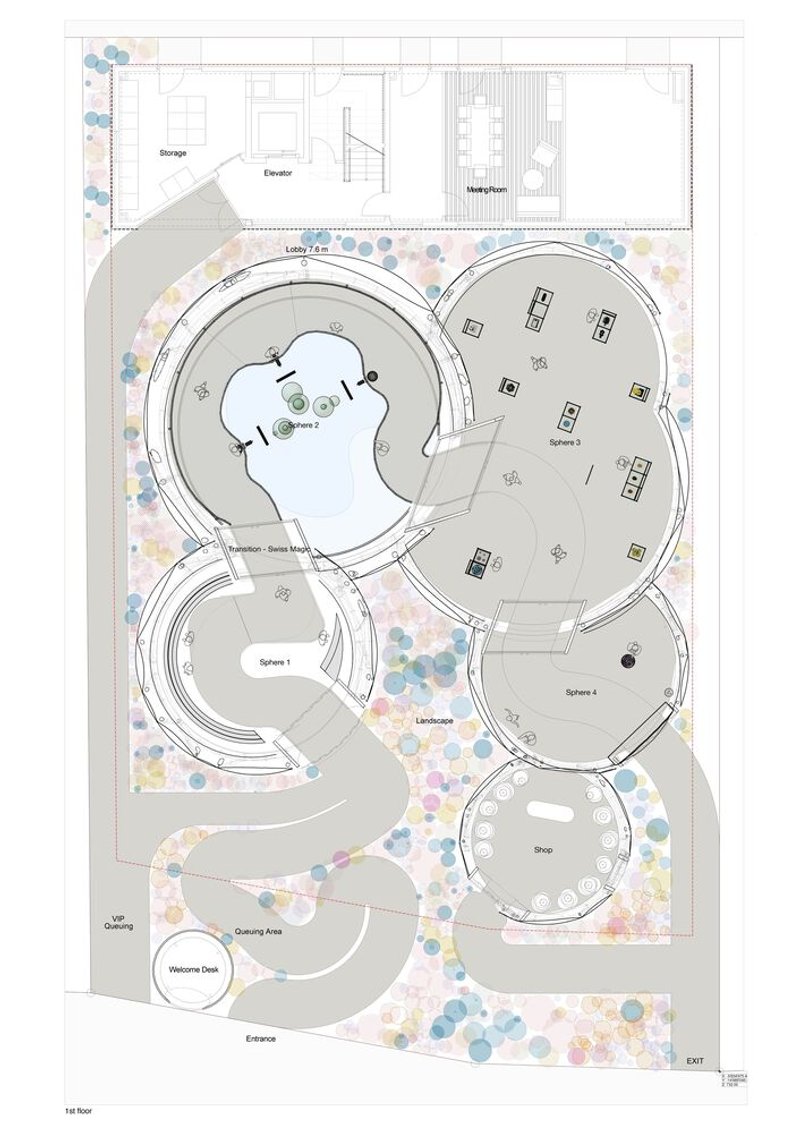
Sustainability is a central pillar of the pavilion’s architecture. Built with a lightweight membrane structure, the pavilion minimizes environmental impact while creating four interconnected spheres on the ground floor. These spherical volumes offer both architectural distinctiveness and functional flexibility. The design embodies lightness, joy, and openness, reflecting Switzerland’s vision of a sustainable and creative future.
The Four Spheres of Experience
The pavilion’s narrative unfolds across four spheres, each offering immersive experiences:
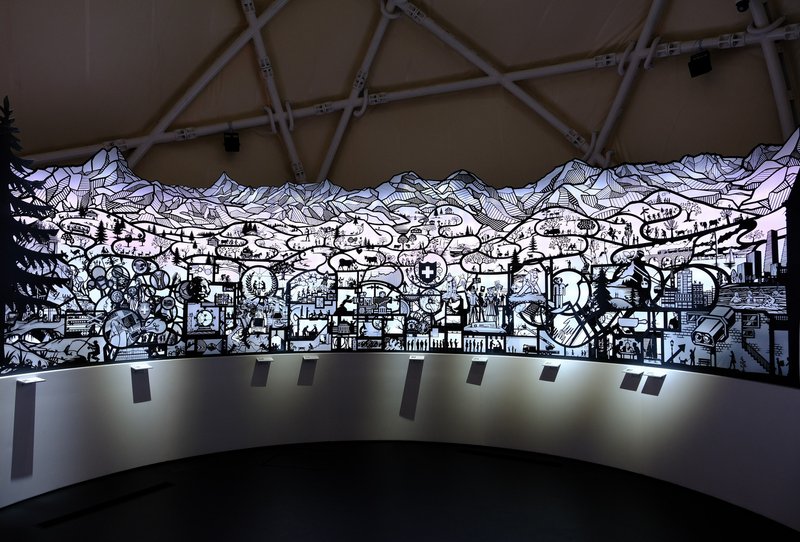
Sphere 1 | Values
Visitors are welcomed by a large-scale paper-cut installation. This three-layer design creates a parallax effect, continually revealing new images and immersing visitors in Swiss values of collaboration and innovation.
Sphere 2 | Visions
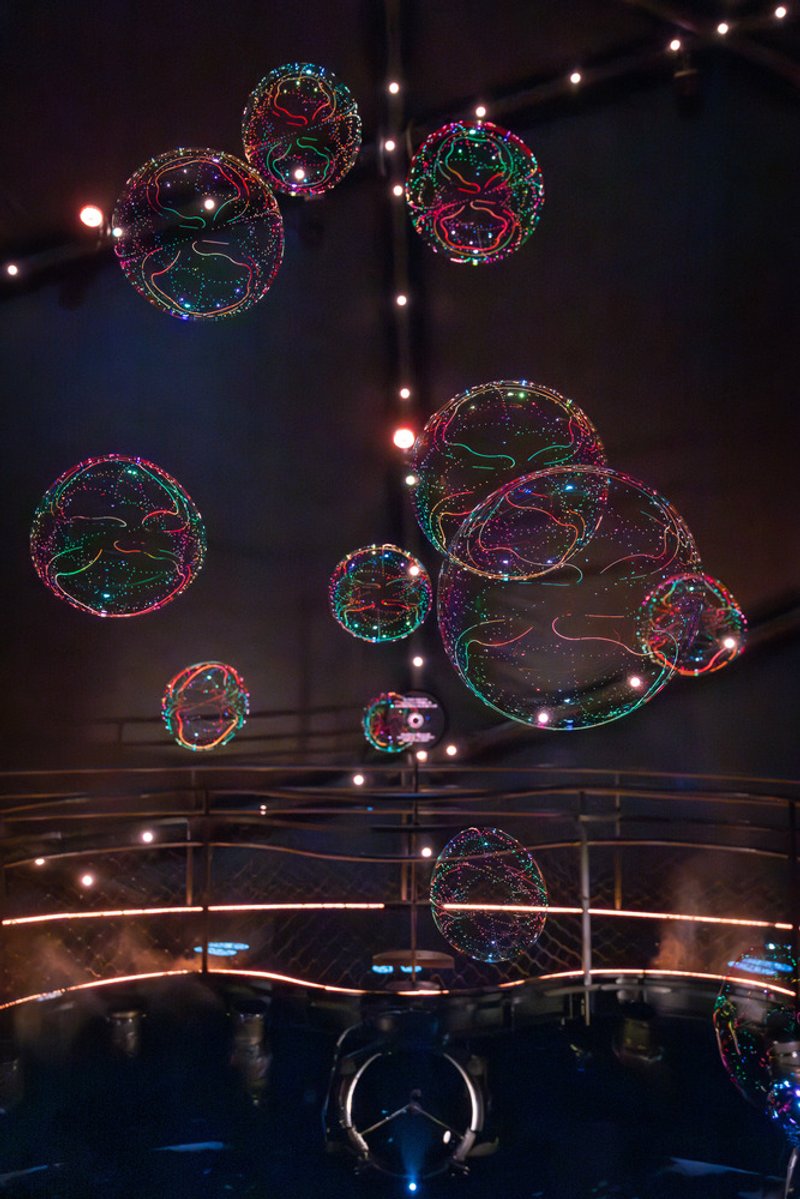
In this interactive space, visitors whisper their visions of the future into an installation. These spoken ideas are transformed into an evolving art display. With the support of AI technology, the most frequently expressed visions are analyzed and projected, allowing collective hopes and ideas to take shape.
Sphere 3 | Anticipation
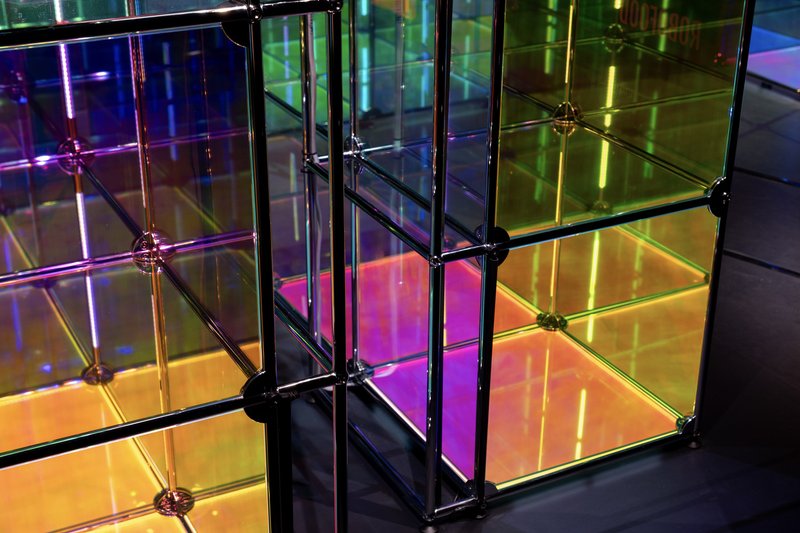
This sphere highlights Swiss innovations in science and technology, focusing on the Expo’s central themes of Augmented Human, Life, and Planet. Every two months, new breakthroughs are showcased using dichroic glass and immersive light displays, keeping the pavilion dynamic and future-oriented.
Sphere 4 | Joy
The final sphere celebrates Swiss joy, creativity, and cultural vibrancy. Heidi returns as a symbolic figure, representing innovation, imagination, and the human spirit at the heart of Switzerland’s global presence.
Cultural Exchange and Social Spaces
In addition to the exhibition spaces, the pavilion includes a Swiss shop and the Heidi Café. Perched in the highest floating sphere, the café offers a rooftop experience with stunning views over the Expo grounds. It creates an informal environment where visitors can relax, exchange ideas, and immerse themselves in Swiss hospitality.

Strengthening Swiss-Japanese Relations
Japan is Switzerland’s most significant partner in Asia for science and technology. The Switzerland Pavilion Expo 2025 Osaka reinforces this relationship, serving as a cultural bridge and platform for innovation exchange. By blending storytelling, sustainable architecture, and immersive technology, the pavilion builds upon the successful Swiss presence at Expo 2005 Aichi, continuing a legacy of impactful participation.
The Switzerland Pavilion Expo 2025 Osaka by Manuel Herz Architects is more than an exhibition space—it is an architectural symbol of collaboration, innovation, and sustainability. Through its immersive spheres, lightweight structure, and cultural storytelling, the pavilion connects the past and future while strengthening international partnerships.
All Photographs are works of Presence Switzerland, Effekt Schmiede




Popular Articles
Popular articles from the community

gru.a Builds a 70 m² Timber Shelter That Opens Like a Farm Door in Brazil's Valley of the Vines
In the mountainous region near Rio de Janeiro, a compact retreat uses plywood panels and deep eaves to blur the line between inside and out.
IDIN Architects Wraps a Hua Hin Hotel Around a Private Courtyard to Escape the City
Dusit D2 Hua Hin turns an urban infill site in Thailand's family vacation heartland into a self-contained resort through courtyard planning.
Constanti Architects Builds a Fortress of Privacy in Nicosia with House 345
A concrete and timber residence in Cyprus reinterprets the traditional introverted courtyard house for a new urban landscape.
Foster + Partners Wraps a 200-Meter Shanghai Tower in Stainless Steel and Industrial Memory
The Suhe Centre Office Tower anchors a regenerated waterfront district in Shanghai with an all-steel structure that nods to local warehouse heritage.


Similar Reads
You might also enjoy these articles
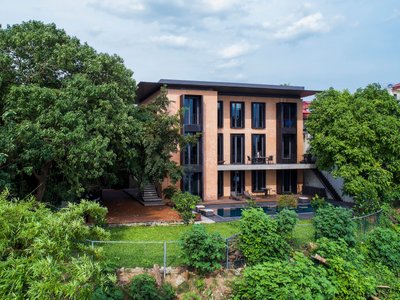
D and P Associates Build a Pi-Shaped House of Rammed Earth Memory on Vietnam's Red River
A 640-square-metre residence in Ngoc Thuy channels the pisé wall traditions of Vietnam's northern highlands into a riverfront family home.

Johnston Architects Reimagines the Methow Valley Hay Barn as a Small-Town Library in Winthrop
A 7,300-square-foot timber library channels the region's agrarian vernacular to serve a rural Washington community of 400 year-round residents.
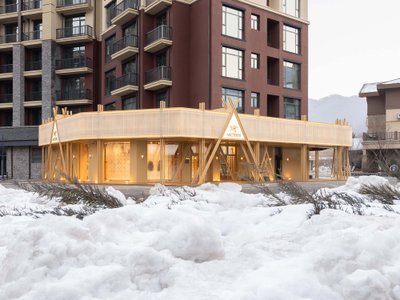
STILL YOUNG Builds a Glowing Campfire in the Snow for ARC'TERYX at a Chinese Ski Resort
A timber-framed pavilion at Beidahu Ski Resort in Jilin wraps warmth and glacier-like resin around outdoor retail.
gru.a Builds a 70 m² Timber Shelter That Opens Like a Farm Door in Brazil's Valley of the Vines
In the mountainous region near Rio de Janeiro, a compact retreat uses plywood panels and deep eaves to blur the line between inside and out.


Explore Architecture Competitions
Discover active competitions in this discipline




The International Standard for Design Portfolios


The Global Benchmark for Architecture Dissertation Awards


The Global Benchmark for Graduation Excellence


Challenge to reimagine the Iron Throne
Comments (0)
Please login or sign up to add comments
No comments yet. Be the first to comment!