

Symbiosis: A Sustainable Architecture Approach to Wildlife Rehabilitation
A sustainable architecture vision for koala rescue, blending habitat, healing, and human awareness into a symbiotic ecological design system.


In the evolving discourse of sustainable architecture, projects that bridge ecological restoration and human awareness are gaining increasing relevance. Symbiosis, a shortlisted entry of Haven 2020 by Dong An, positions itself at this intersection. The project proposes a wildlife rehabilitation center dedicated to koalas affected by forest fires, while simultaneously functioning as an educational and experiential space for humans.
The design is rooted in the principle of coexistence, emphasizing that architecture is not merely a shelter but an active participant in ecological recovery. Through a synthesis of biomaterial systems, organic morphogenesis, and programmatic clarity, the project articulates a compelling model for sustainable architecture in fragile ecosystems.
Context: Climate Crisis and Koala Habitat Loss
Australia’s recurring forest fires have significantly impacted koala populations, leading to habitat destruction and widespread injury. The site analysis highlights fire spreading trends, burned areas, and koala settlement zones, revealing a critical overlap between ecological vulnerability and human intervention zones.
Climatic data such as temperature variation, rainfall distribution, and humidity levels inform the architectural response. These parameters are not treated as constraints but as generative inputs, shaping spatial configurations and material strategies. The project demonstrates how sustainable architecture can be data-responsive, aligning built form with environmental behavior.
Concept: Symbiosis as an Architectural Framework
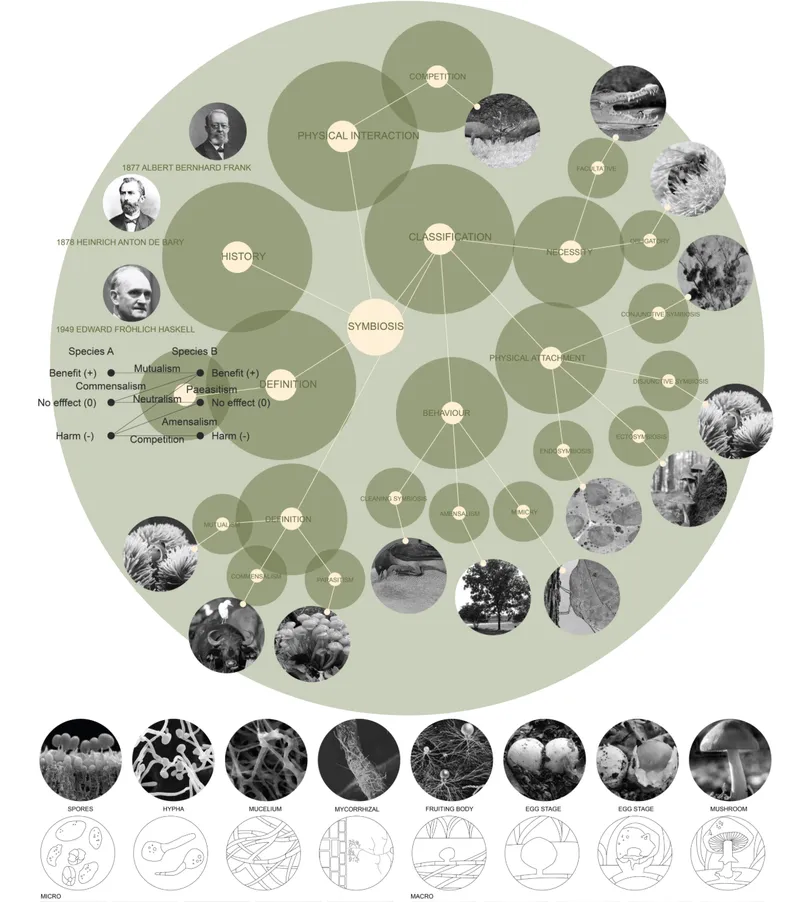
The conceptual foundation of the project draws from biological symbiosis, where different species coexist through mutual benefit. This principle is translated into architecture through spatial relationships, program distribution, and material selection.
The design explores various forms of symbiotic interaction such as mutualism, commensalism, and parasitism, not as abstract ideas but as operational logics. These relationships inform how humans, animals, and built spaces interact within the project.
By embedding these ecological principles into the architectural framework, the project moves beyond representation and becomes a living system. It redefines sustainable architecture as a dynamic network of relationships rather than a static object.
Material Strategy: Mycelium as a Sustainable Medium
A key innovation in the project is the use of mycelium-based materials. Mycelium, the root-like structure of fungi, offers a biodegradable, lightweight, and renewable alternative to conventional construction materials.
The material properties indicate moderate strength, good acoustic performance, and low environmental impact. While it presents limitations in weather resistance, its application within controlled environments makes it a viable choice for interior and semi-protected structures.
The use of mycelium reinforces the project’s commitment to sustainable architecture by reducing embodied energy and promoting circular material cycles. It also strengthens the conceptual link to symbiosis, as fungi themselves are central agents of ecological interdependence.
Morphogenesis: Organic Form Generation
The architectural form emerges through a process of morphogenesis inspired by natural growth patterns. Instead of rigid geometries, the design adopts fluid, cell-like structures that expand and connect organically.
These forms are not arbitrary but are derived from iterative studies of aggregation, clustering, and spatial adaptation. The resulting morphology allows for flexible program distribution and efficient circulation.
This approach aligns with contemporary sustainable architecture practices that prioritize adaptability and responsiveness over static formalism.
Functional Organization: Clarity within Complexity
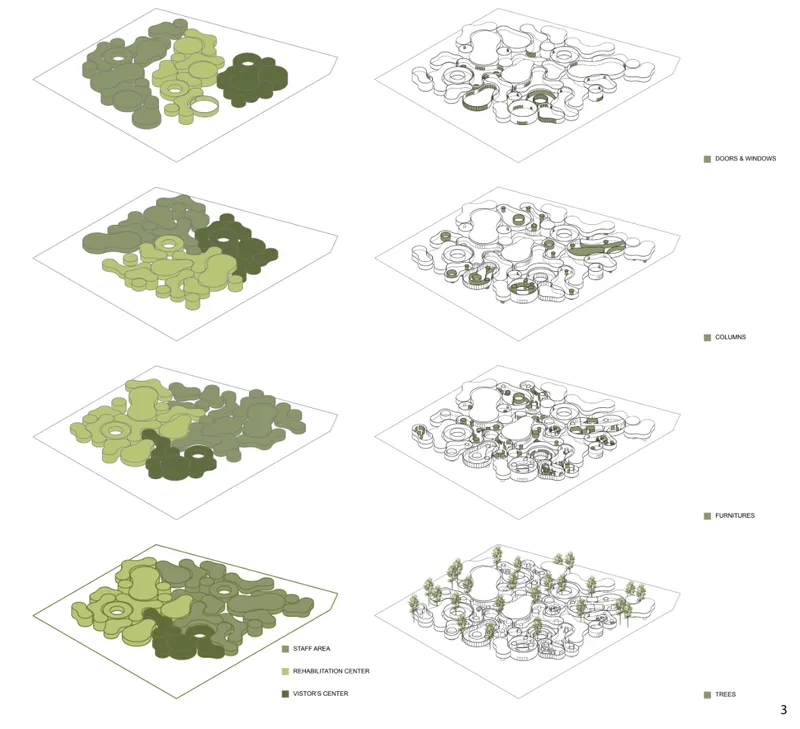
Despite its organic form, the project maintains a clear functional hierarchy. The spatial organization is structured around three primary zones:
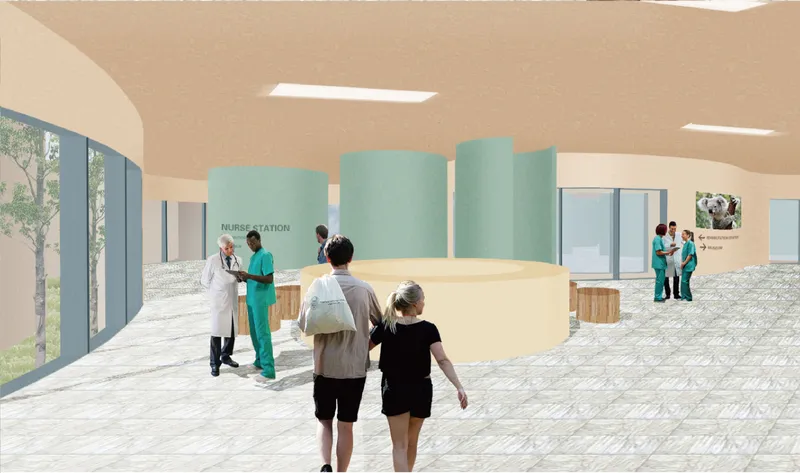
- Rehabilitation Center: Includes emergency rooms, operation rooms, intensive care, and treatment areas.
- Administrative and Support Spaces: Encompasses storage, kitchen, staff areas, and resting zones.
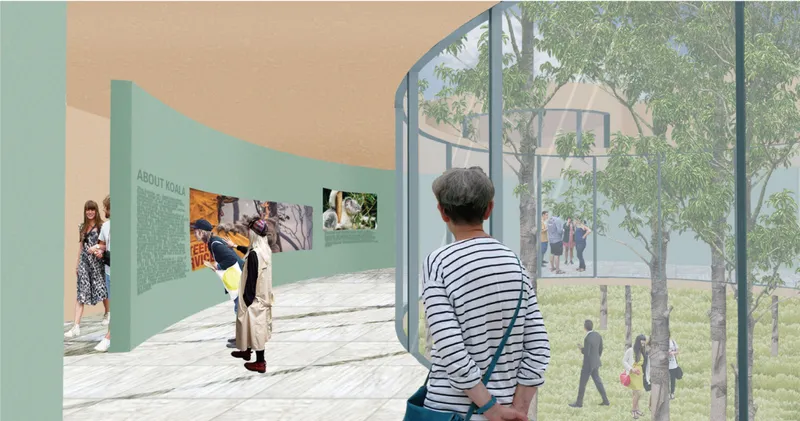
- Public Interface: Features reception, exhibition spaces, and a museum to educate visitors about koalas and environmental conservation.
The nurse station acts as a central node, ensuring efficient connectivity across medical functions. This radial organization enhances operational efficiency while maintaining spatial coherence.
Layout and Spatial Experience
The layout evolves through layered aggregation of organic units, creating a porous and interconnected spatial network. Each layer introduces additional complexity, integrating structural elements, circulation paths, and landscape features.
The inclusion of trees and green spaces within the built environment blurs the boundary between architecture and nature. Visitors are not passive observers but active participants in an immersive ecological narrative.
This integration exemplifies sustainable architecture by prioritizing environmental continuity over artificial segregation.
User Experience: Healing and Awareness
The project is designed to serve both koalas and humans, addressing physical healing and psychological awareness simultaneously.
For animals, the architecture provides controlled environments for treatment, rehabilitation, and eventual release into the wild. For humans, it offers curated experiences through exhibition spaces and visual connections to natural habitats.
This dual functionality reinforces the idea that sustainable architecture must operate across multiple scales, from individual well-being to collective consciousness.
Construction and Sectional Logic
The sectional strategy reveals a low-rise, horizontally distributed structure that minimizes visual and environmental impact. The building maintains a human-scaled profile while accommodating complex internal functions.
The use of modular, repeatable units allows for phased construction and potential scalability. This adaptability is crucial in disaster-prone regions where rapid deployment may be required.
Symbiosis presents a forward-thinking model for sustainable architecture that integrates ecological sensitivity, material innovation, and programmatic efficiency. By addressing wildlife rehabilitation within a broader environmental narrative, the project transcends conventional architectural boundaries.
As climate challenges intensify, such approaches will become increasingly critical. The project demonstrates that architecture can evolve into a regenerative force, fostering harmony between humans and the natural world.





Popular Articles
Popular articles from the community

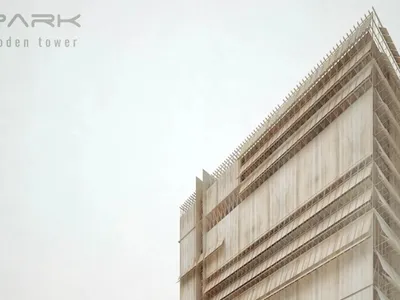
EW PARK: Sustainable Architecture Reimagines the Future of Urban Parking
EW PARK reimagines city parking as a modular wooden tower combining automation, solar energy, electric mobility, and adaptable urban design.

Co-life: Sustainable Architecture for Age-Friendly Community Living
Co-life reimagines sustainable architecture for seniors through courtyards, rammed earth, shared gardens, and spaces designed for belonging.

The Earth Pod: 3D Printed Homes for Resilient Refugee Communities
The Earth Pod reimagines refugee housing through 3D printed homes made from clay, combining resilience, self-sufficiency, and rapid shelter.

Riyadh For All: Intergenerational Urban Design for Active Aging in Rabat
Riyadh For All reimagines urban design in Rabat with intergenerational co-living, adaptive courtyards, and Moroccan cultural exchange today.


Similar Reads
You might also enjoy these articles

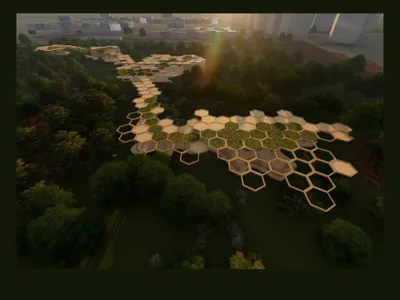
Eco Chapel: A Green Architecture Pavilion Designed in Symbiosis with the Forest
Eco Chapel uses green architecture to weave prayer, learning and reuse into a forest pavilion shaped by modular hexagonal canopies for life.
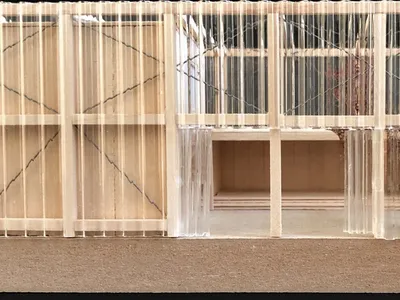
Kaffeebühnen: Coffee Shop Architecture Designed as a Civic Stage Between Vienna’s City and Park
Kaffeebühnen turns coffee shop architecture into a civic stage, linking Vienna’s park edge, urban life, warm timber yards, and coffee craft.
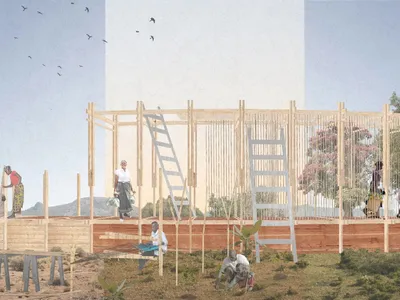
Healing Façade: Sustainable Architecture for Reforestation, Community, and Sacred Ecology in Ethiopia
Healing Façade reimagines sustainable architecture as a living wall that restores soil, catches water and renews Ethiopia's forest churches.


Urban Forest: A Vertical Ecosystem for 5,000 Workers in Singapore's Changi Business Park
Radially stacked pods and layered green decks turn a 7-acre plot into 47 acres of ecological workspace projected for 2040.

Explore Architecture Competitions
Discover active competitions in this discipline



Challenge to reimagine the Iron Throne


Photograph architecture without architects


Illustrate the lost glory of Angkor Wat - Render Challenge


Design challenge to reuse E-waste
Comments (0)
Please login or sign up to add comments
No comments yet. Be the first to comment!