

Symbiotic Urban Furniture Project by B.L.U.E. Architecture Studio
The Symbiotic Urban Furniture Project by B.L.U.E. Architecture Studio redefines public spaces with multifunctional designs fostering community, interaction, and coexistence.


Redefining Urban Public Spaces
The Symbiotic Urban Furniture Project by B.L.U.E. Architecture Studio reimagines how urban furniture can transform cities into vibrant, interactive, and human-centered environments. First exhibited at UCCA Lab in Beijing and later showcased at the 9th Bi-City Biennale of Urbanism/Architecture in Shenzhen, the project challenges conventional ideas of furniture as static, single-purpose objects. Instead, it introduces multi-functional installations that adapt to people’s everyday needs while fostering social interaction, creativity, and a renewed sense of belonging.


City of Protrusions – Reviving Urban Diversity
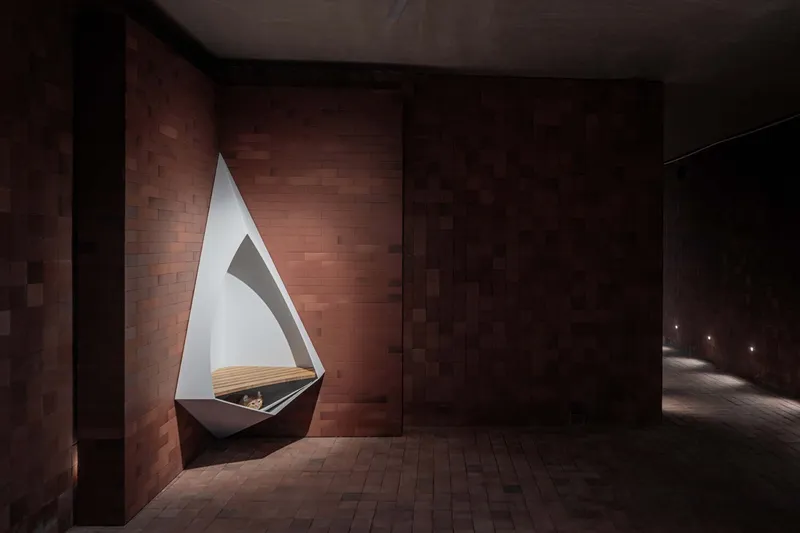
Modern cities often lose their local textures and human-scale nuances, becoming overly uniform and regulated. The concept of “protrusions” in this project introduces unexpected architectural elements that allow residents to reclaim agency in shaping urban life. These versatile interventions enable spontaneous activities—from conversations to creative gatherings—creating temporary homes within public spaces.

Symbiotic Relationships – People, Furniture, and the City
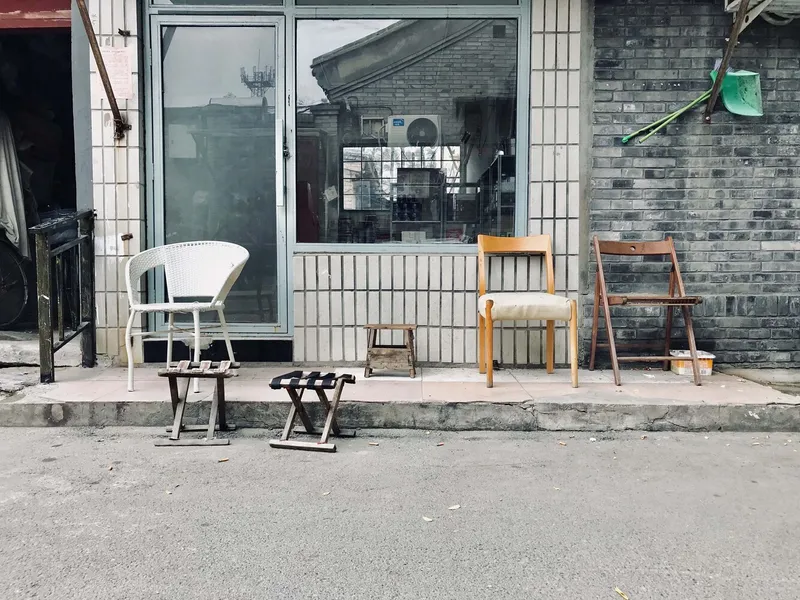
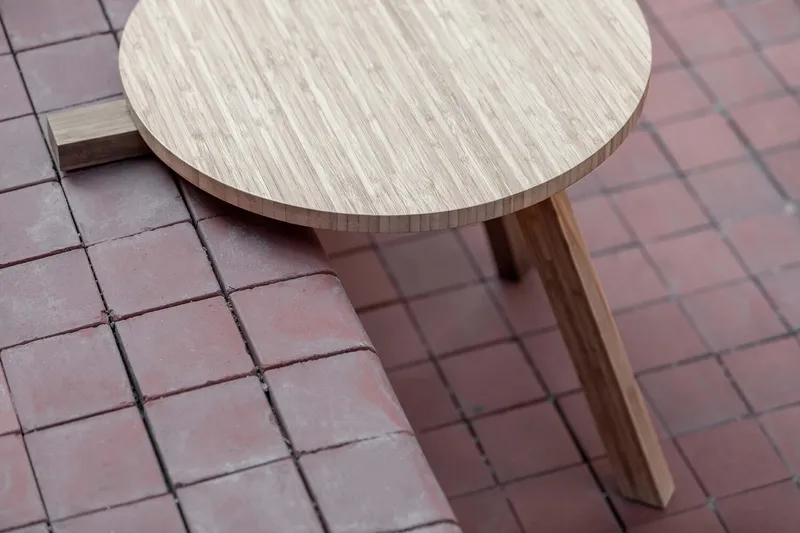
Just as symbiosis in nature is about mutual benefit, the Symbiotic Urban Furniture creates a dynamic relationship between people and the built environment. Furniture pieces depend on existing urban structures, while the city itself becomes more lively through their presence. This mutual reliance transforms otherwise overlooked corners, stairs, or handrails into meaningful places of connection and comfort.
Multi-Functional Installations – From Social Hubs to Personal Retreats
Each installation is designed to be flexible and adaptive:
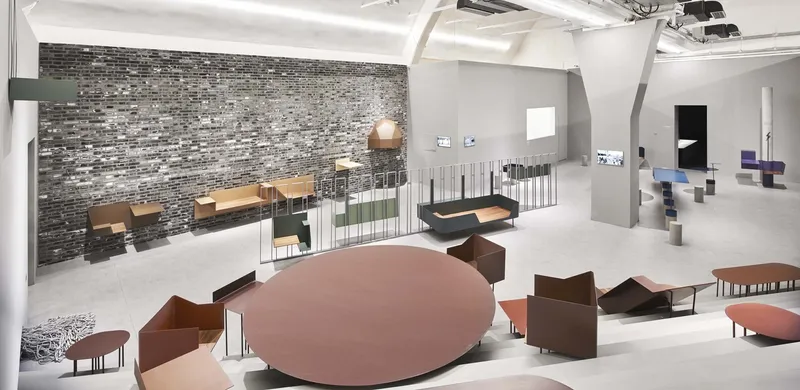
- Large communal tables encourage gatherings, dining, and group discussions.
- Benches and small chairs provide intimate spots for solitude or casual conversation.
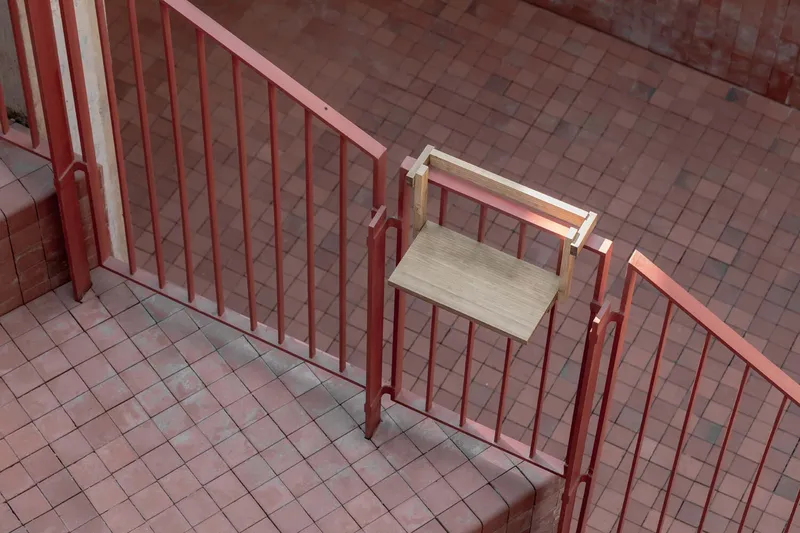
- Handrail-attached tables convert transitional spaces into destinations for coffee breaks.
- Furniture embracing columns turns structural elements into popular meeting points.
In Shenzhen’s Biennale section “More-than-Human Adventure”, these pieces invited people to sit, read, work, or simply enjoy the sunshine—blurring the boundary between private comfort and public life.

Shelter for Urban Animals – Coexistence Beyond Humans
In the section “Shelter for Urban Animals”, the furniture embraced overlooked spaces, creating shared habitats for people and cats. Soft fabric shelters beneath seating structures provided cozy resting spaces for animals, while the upper layers welcomed human activity. This inclusive design approach illustrates how architecture can facilitate coexistence between species in the urban fabric.


A New Culture of Public Living
The real success of the project lies in how people embraced it. Visitors used the furniture for working, painting, reading, eating, or simply meeting new friends. Large tables became places for shared experiences and spontaneous conversations, while individuals could still find personal retreat within a crowd. The installations even turned into popular spots for group photos, capturing moments of joy and community.
The Symbiotic Urban Furniture Project demonstrates how innovative urban design can restore human connections, cultural richness, and environmental inclusivity in modern cities. By merging furniture design, public space, and social interaction, B.L.U.E. Architecture Studio has crafted a new urban narrative—one where people, architecture, and even animals coexist in harmony.




Popular Articles
Popular articles from the community


The Ocean Hive: Sustainable Architecture for a Self-Sufficient Civilization at Sea
The Ocean Hive imagines sustainable architecture at sea, where modular habitats, algae, wave power and ocean waste sustain a growing colony.

Hill & Cross Opera: Sculptural Opera House Architecture Shaped by Tallinn’s Landscape and Identity
Hill & Cross Opera reimagines opera house architecture in Tallinn through its sculptural hill, civic plaza, glass wave and a luminous cross.

Riyadh For All: Intergenerational Urban Design for Active Aging in Rabat
Riyadh For All reimagines urban design in Rabat with intergenerational co-living, adaptive courtyards, and Moroccan cultural exchange today.

Conexión: Biophilic Design Reimagines High-Rise Living in Hong Kong
Conexión reimagines high-rise living in Hong Kong through biophilic design, green facades, shared spaces, daylight, water and nature within.


Similar Reads
You might also enjoy these articles


Hodi-Mandai Geram
Project Function: Preservation and revitalization of the Intangible heritage and socio-spatial identity of the Hodi by Housing, Cultural Memory Center, Sacred Grove, landscape, local tourism economy


Olio Towers: A Mid-Rise for Performers That Fuses Housing, Rehearsal, and Stage
Located blocks from Houston's Theater District, this modular tower stacks living units around a central performance atrium.

Oasis: Modular Green Housing Carved into Dhaka's Urban Fabric
A shortlisted Plugin Housing entry reclaims unauthorized settlements in Dhaka with stepped concrete volumes, green roofs, and ventilation-driven design.

Black Hole: A Floating Megastructure for the Post-Physical Era
Emiliano Mazzarotto envisions a spherical, self-scaling arena where e-sports, digital hotels, and holographic stadiums replace traditional public space.


Explore Urban Furniture Competitions
Discover active competitions in this discipline



Challenge to reimagine the Iron Throne


Photograph architecture without architects


Illustrate the lost glory of Angkor Wat - Render Challenge


Design challenge to reuse E-waste
Comments (0)
Please login or sign up to add comments
No comments yet. Be the first to comment!