

Tammisto Electricity Substation Renovation by Kivinen Rusanen Architects
Tammisto Electricity Substation in Vantaa blends historic and modern design, featuring warm brick facades, GIS technology, sustainable infrastructure, and future-ready power systems.


Architects: Kivinen Rusanen Architects
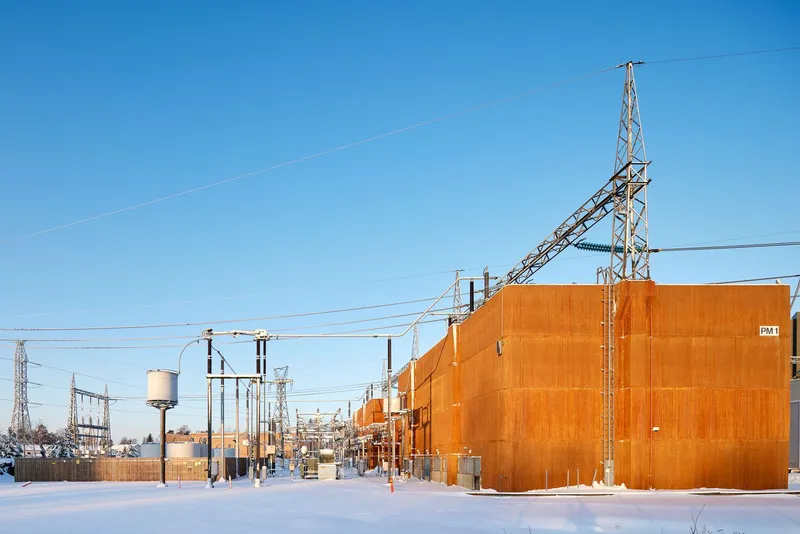
The Tammisto Electricity Substation in Vantaa has long served as a pivotal hub in the Helsinki metropolitan area's power grid. With aging systems requiring modernization, the Finnish main grid operator, Fingrid Oyj, commissioned a comprehensive upgrade to improve reliability, capacity, and safety. The renovation introduces a new 110 kV Gas-Insulated Switchgear (GIS) system, replacing the extensive, outdated air-insulated switchyard, while also including new powerline structures, fencing, a backup generator, and landscaping with fresh greenery.
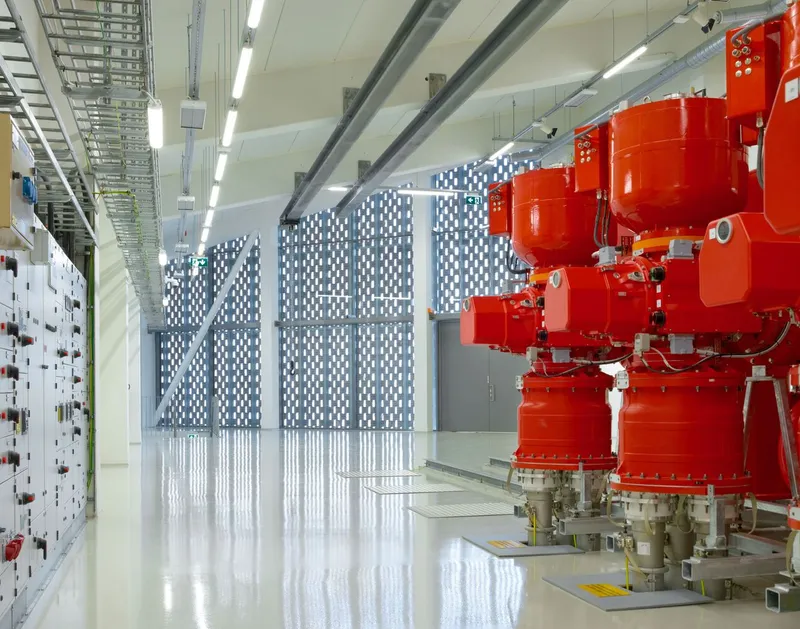
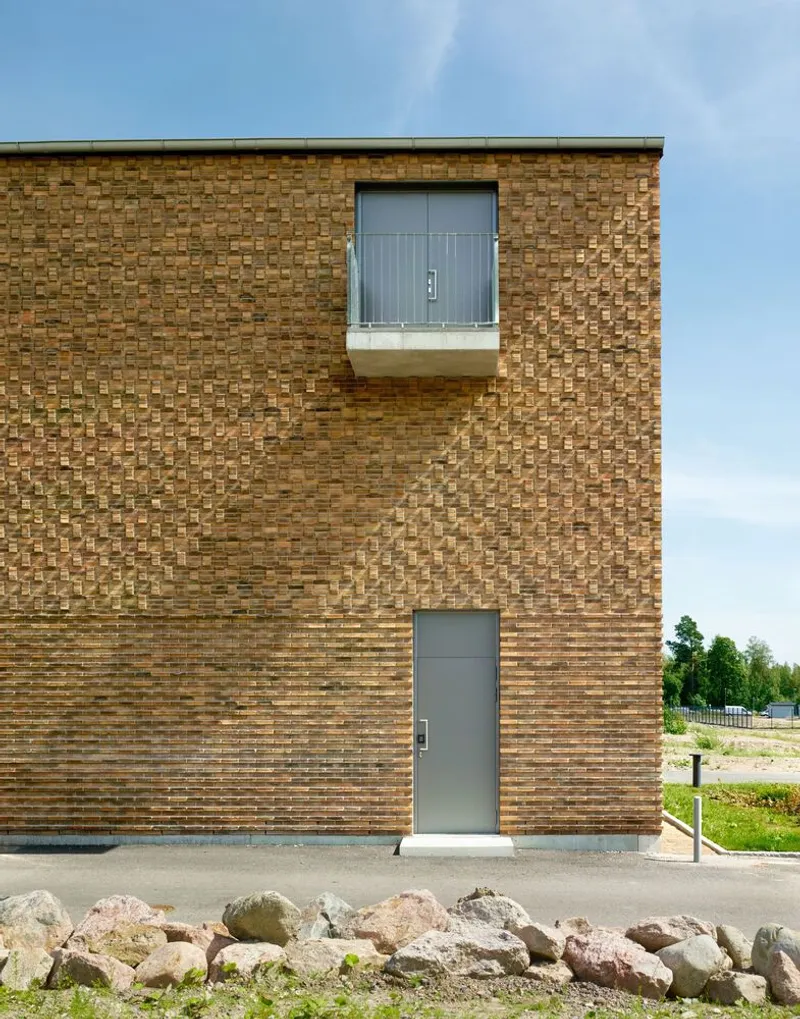
Architectural Concept and Design Strategy
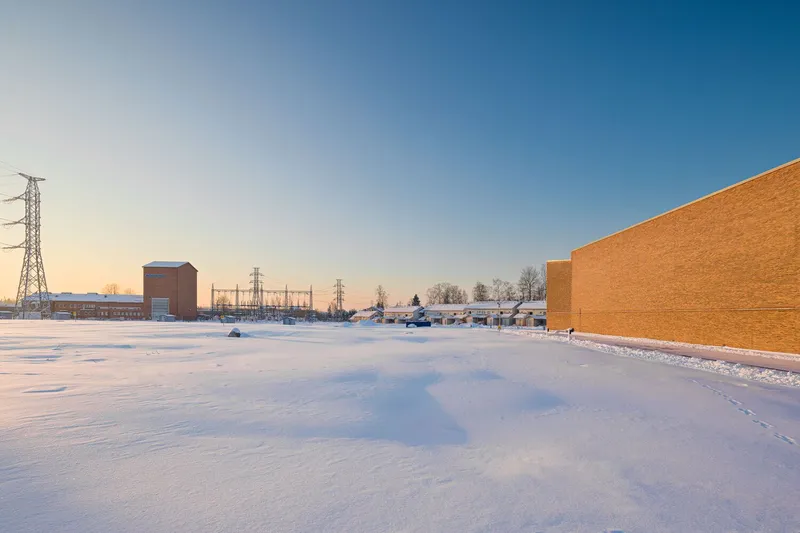
The architectural approach focused on harmonizing new infrastructure with historic structures and the adjacent residential context. The site features the iconic former substation designed by Aarne Ervi in 1947, characterized by a long low-rise building, a transformer tower, ornate red brick facades, and a gabled tile roof. Preserved under city zoning regulations, this building has been converted into office space, forming a central visual reference for the new construction.
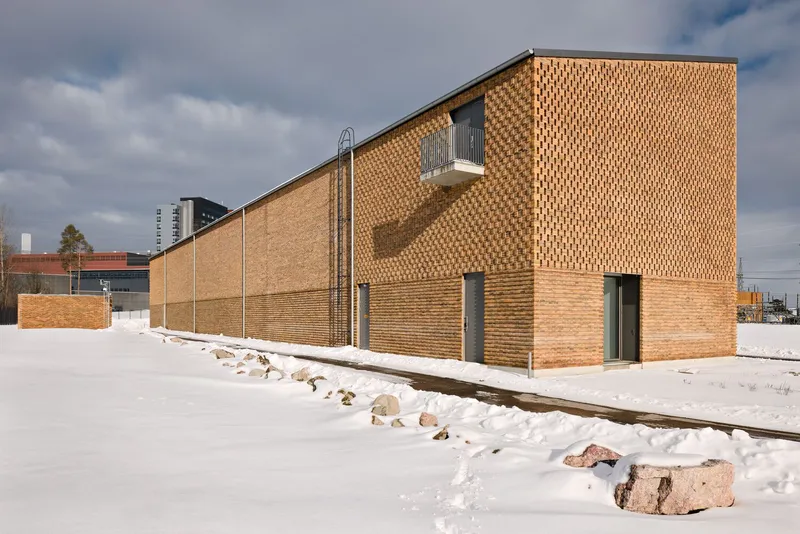
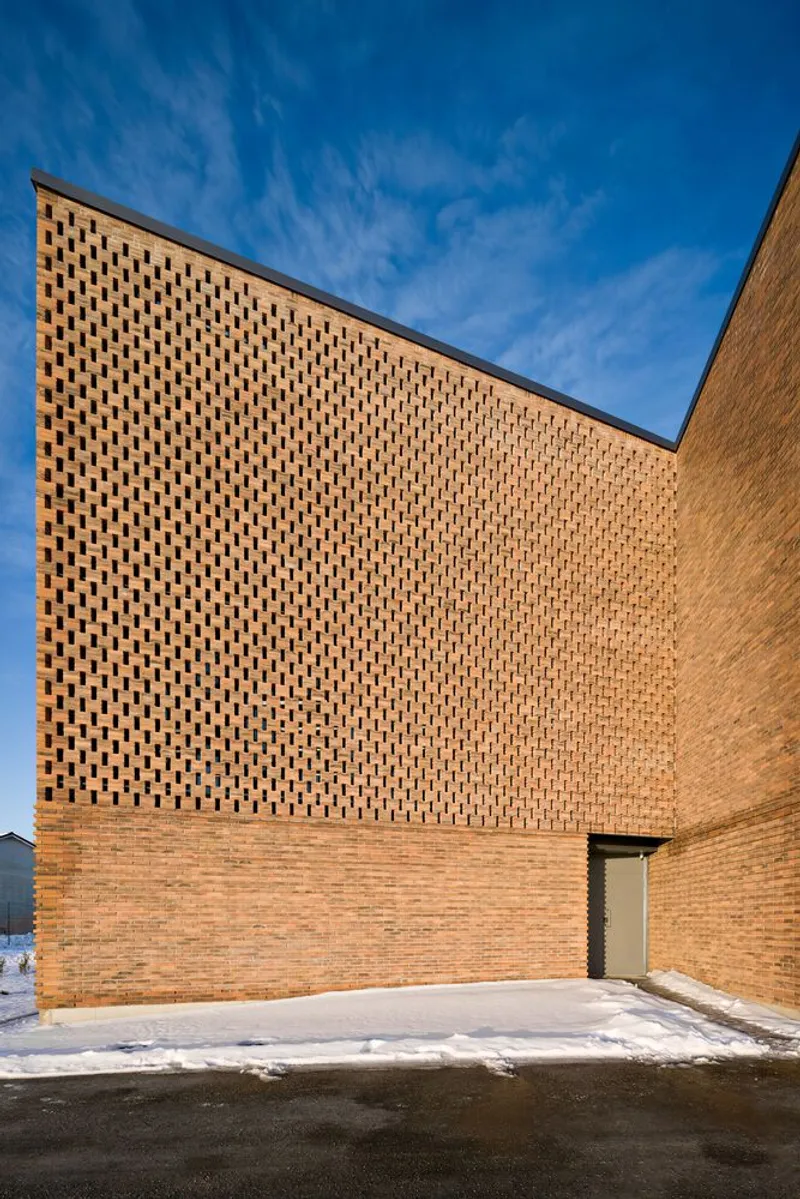
The new substation building features water-struck brick facades with varied warm tones and textures, reflecting the scale and massing of the historic substation and blending with the surrounding neighborhood. Triangular cuts in the building’s mass echo the old substation’s two-part composition, creating a three-sectioned layout with functional distribution: access and control areas at either end, and the main equipment and cable rooms in the central section. The two-story building positions support spaces on the ground floor and the main GIS and control rooms on the upper level.

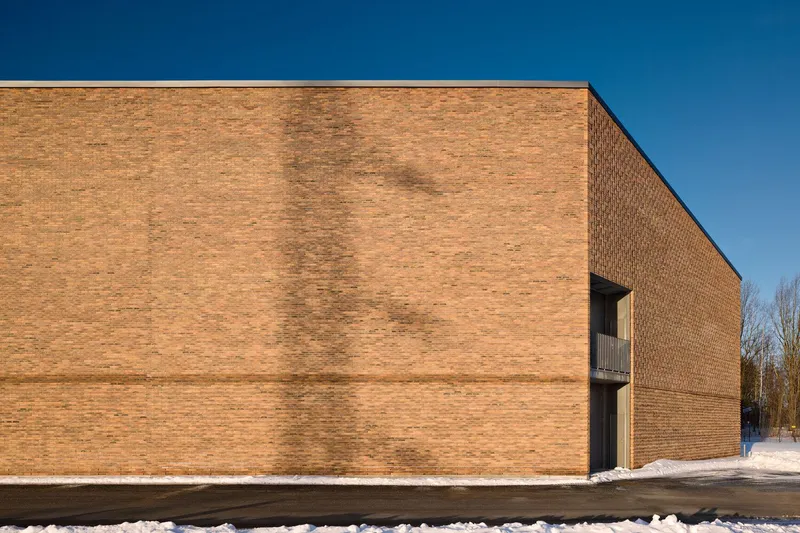
Materiality and Facade Innovation
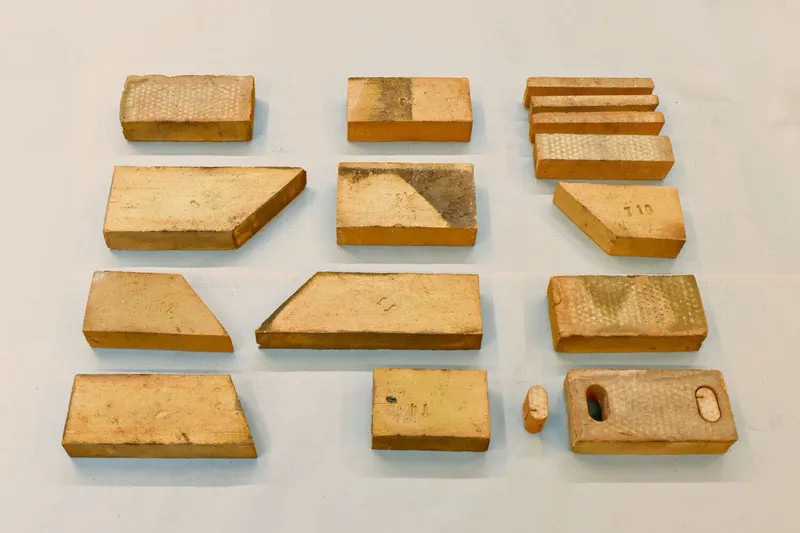
A key feature of the design is its brickwork detailing, which incorporates four distinct masonry patterns, articulated across right-angle, tight-angle, and wide-angle corners and openings. Achieving this required 13 custom brick types, meticulously modeled in 3D to guide fabrication. Prefabricated concrete frames and double-skin facades supported by steel structures ensure durability and compliance with safety standards.
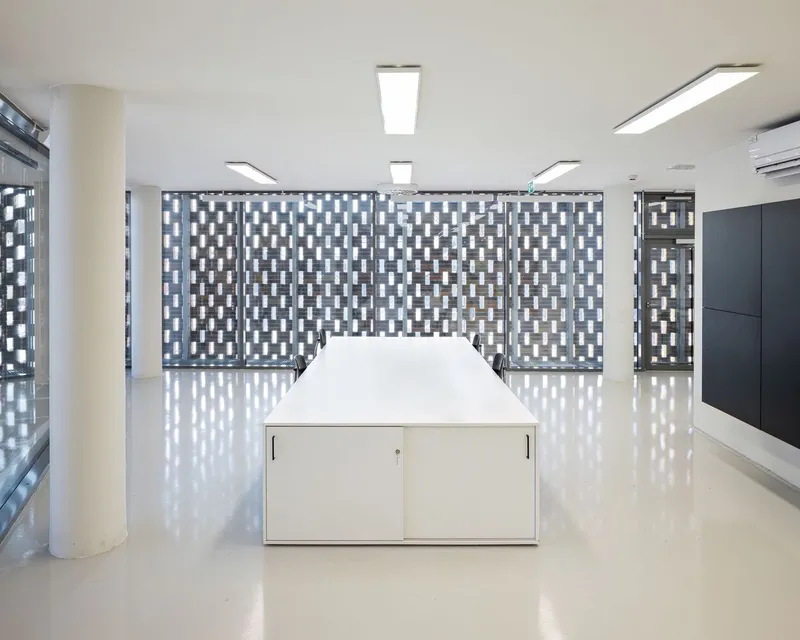
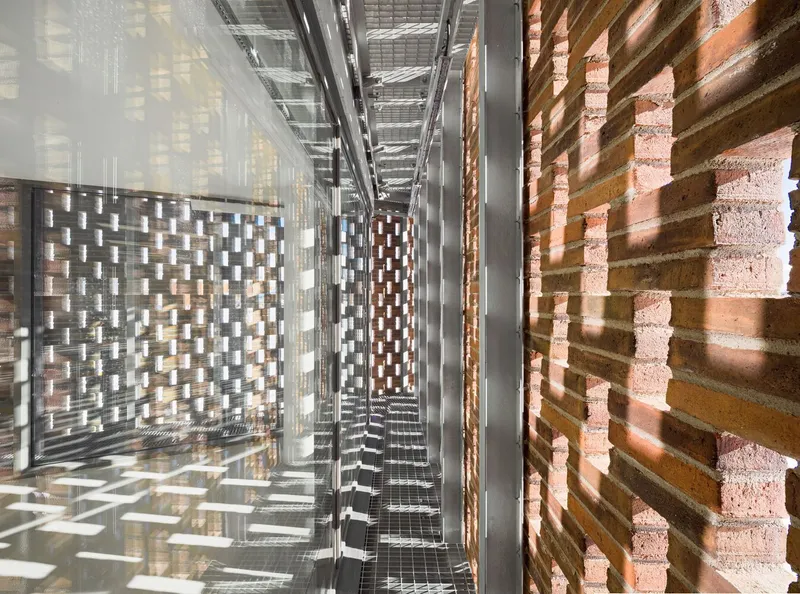
Double-skin lattice masonry walls allow natural light to filter into the north and south sections while maintaining security and preventing direct visibility into sensitive areas. Concrete transformer bunkers from the 1980s were enhanced with Umbra patination, creating harmonious reddish-brown tones that complement the brick facades and Cor-Ten steel details, producing a warm, unified visual language across the site.
Sustainability and Urban Integration
The renovation was phased carefully to maintain uninterrupted operation of the substation and grid infrastructure. Once installations were completed, the old air-insulated switchgear was decommissioned, and redundant powerline structures removed. The project allows for future expansion, ensuring the substation meets the growing demand for electricity while contributing aesthetically and culturally to the surrounding landscape.
Kivinen Rusanen Architects’ design demonstrates how critical urban infrastructure can achieve architectural quality, integrating sustainable energy systems, historic preservation, and contemporary design principles into a cohesive, visually engaging environment.

All photographs are works of
Tuomas Kivinen, Max Plunger



Popular Articles
Popular articles from the community


The Musturak Paradise: Senior Living Architecture for a Connected Future in Temara, Morocco
The Musturak Paradise reimagines senior living architecture in Temara via private homes, social spaces, culture, community, and shared care.

Hill & Cross Opera: Sculptural Opera House Architecture Shaped by Tallinn’s Landscape and Identity
Hill & Cross Opera reimagines opera house architecture in Tallinn through its sculptural hill, civic plaza, glass wave and a luminous cross.

Co-life: Sustainable Architecture for Age-Friendly Community Living
Co-life reimagines sustainable architecture for seniors through courtyards, rammed earth, shared gardens, and spaces designed for belonging.

The Earth Pod: 3D Printed Homes for Resilient Refugee Communities
The Earth Pod reimagines refugee housing through 3D printed homes made from clay, combining resilience, self-sufficiency, and rapid shelter.
Similar Reads
You might also enjoy these articles

FAMM Arquitectura Organizes Ten Villas Around Courtyards and Jungle in Nosara, Costa Rica
El Molino pairs two elongated volumes with deep overhangs and timber louvers to build a compact coastal community five minutes from the beach.
Oscar Niemeyer's Ibirapuera Park Pavilions Define São Paulo's Cultural Identity in Concrete and Curve
A constellation of modernist volumes set within São Paulo's most important urban park, conceived for the city's 400th anniversary in 1954.
How Henri Picq's 1889 Paris Pavilion Traveled 11,000 Kilometers to Become Santiago's Artequín Museum
A prefabricated iron and glass pavilion built for the Paris Universal Exposition found a second life as a children's art museum in Chile.
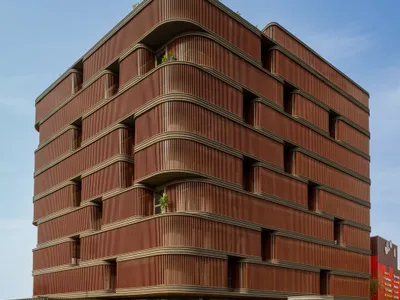
Sanjay Puri Architects Wraps a Jaipur Office Tower in Capsule-Shaped Green Buffers
A nine-level climate-responsive workplace near Jaipur Airport uses stacked planter terraces and aluminium screens to fight 40°C heat.

Explore Architecture Competitions
Discover active competitions in this discipline



Challenge to reimagine the Iron Throne


Photograph architecture without architects


Illustrate the lost glory of Angkor Wat - Render Challenge


Design challenge to reuse E-waste
Comments (0)
Please login or sign up to add comments
No comments yet. Be the first to comment!