
Tan Coffee: Industrial Charm Meets Green Oasis in Hue, Vietnam
Tan Coffee transforms an abandoned factory into a green industrial café, blending nostalgia, sustainability, and contemporary design in Hue, Vietnam.


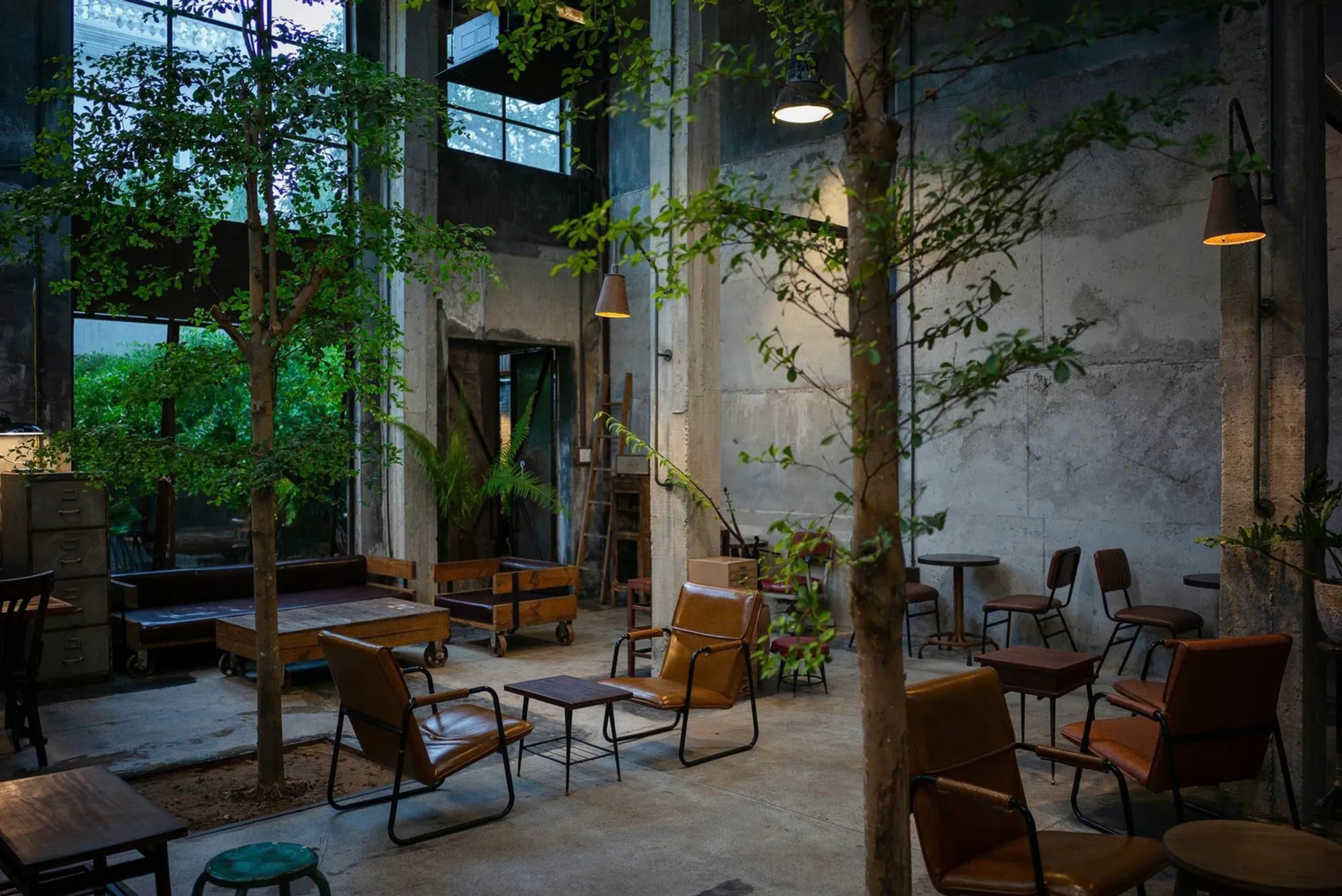
In the heart of Thành phố Huế, Vietnam, Tan Coffee by Son Studio transforms an abandoned factory into a unique coffee shop that blends industrial aesthetics with natural elements. Spanning 245 m², this innovative project revitalizes old structures while introducing modern materials and sustainable practices. Tan Coffee is a testament to how architecture can breathe new life into forgotten spaces, creating a harmonious balance between history, functionality, and design.
Redefining Space: From Factory to Coffee Shop
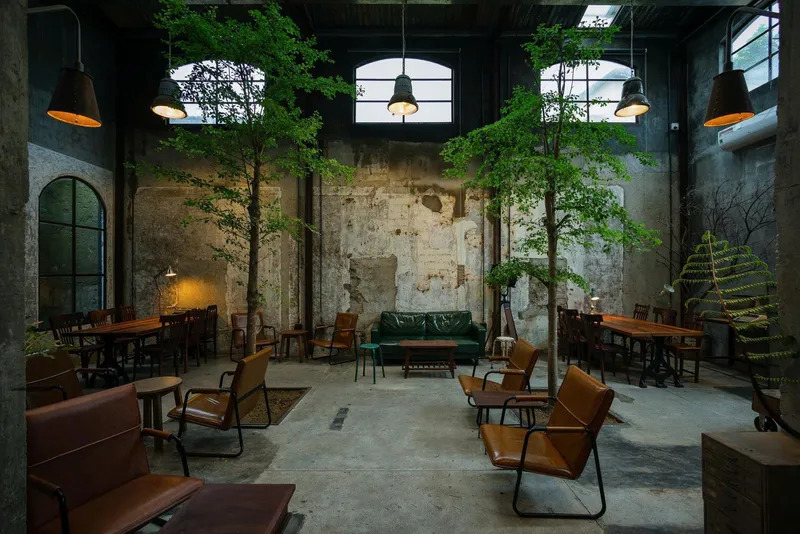
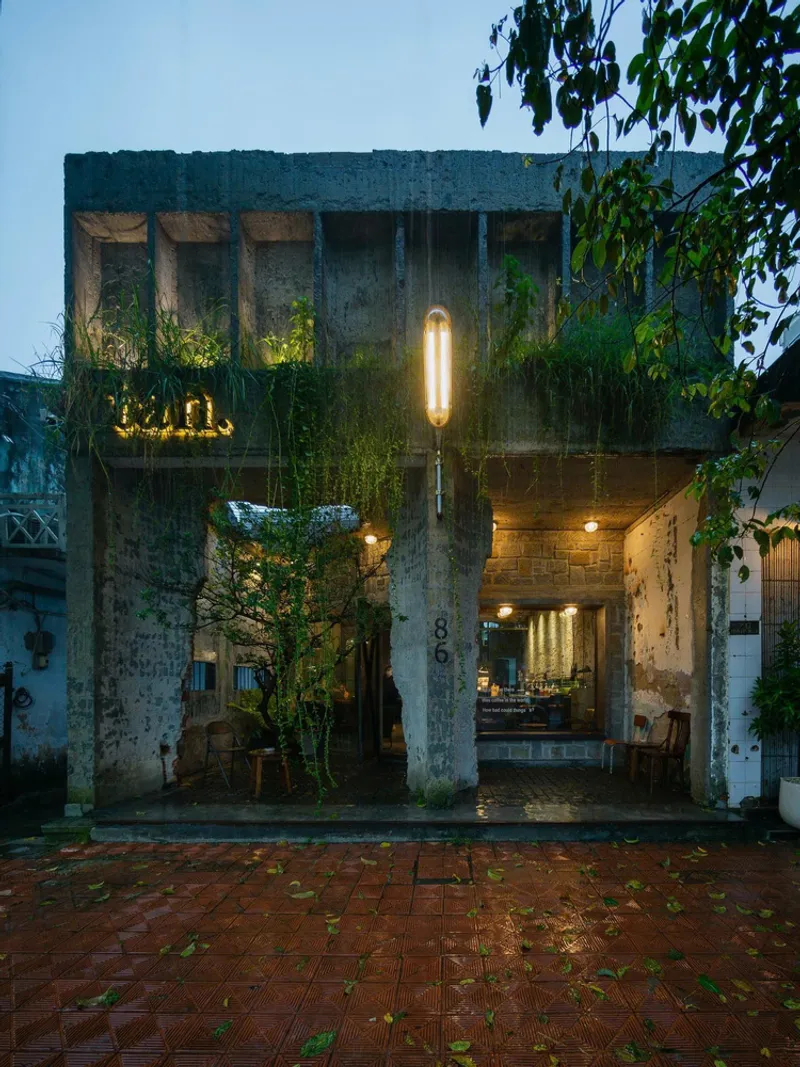
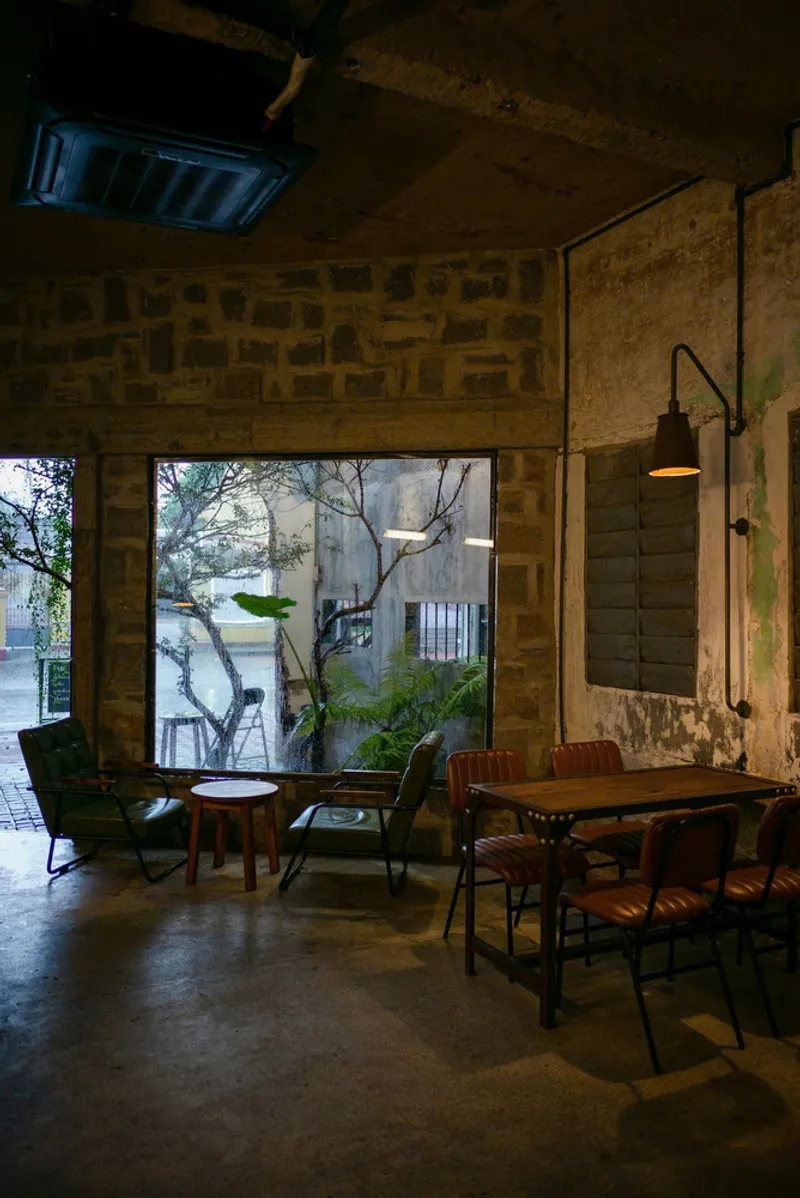
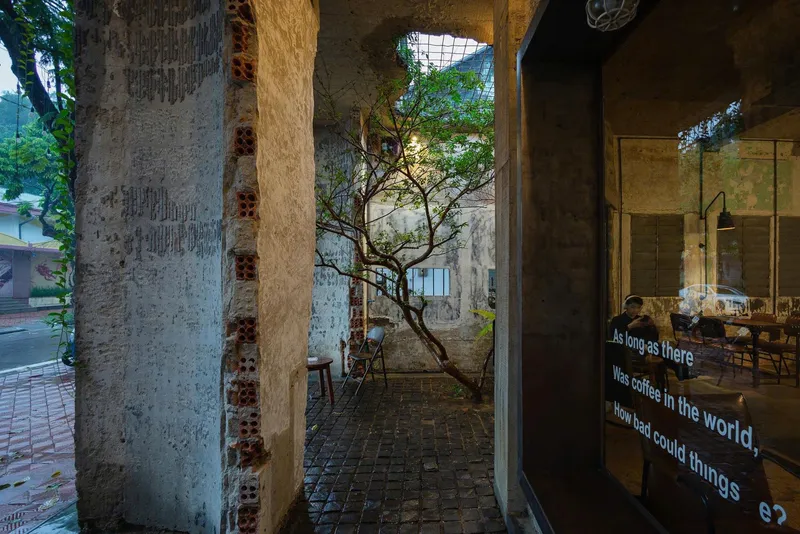
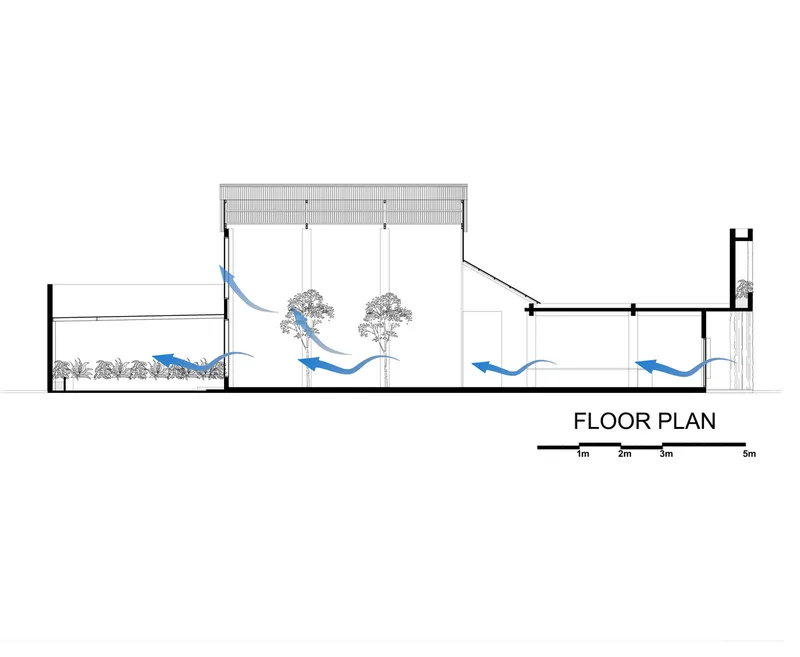
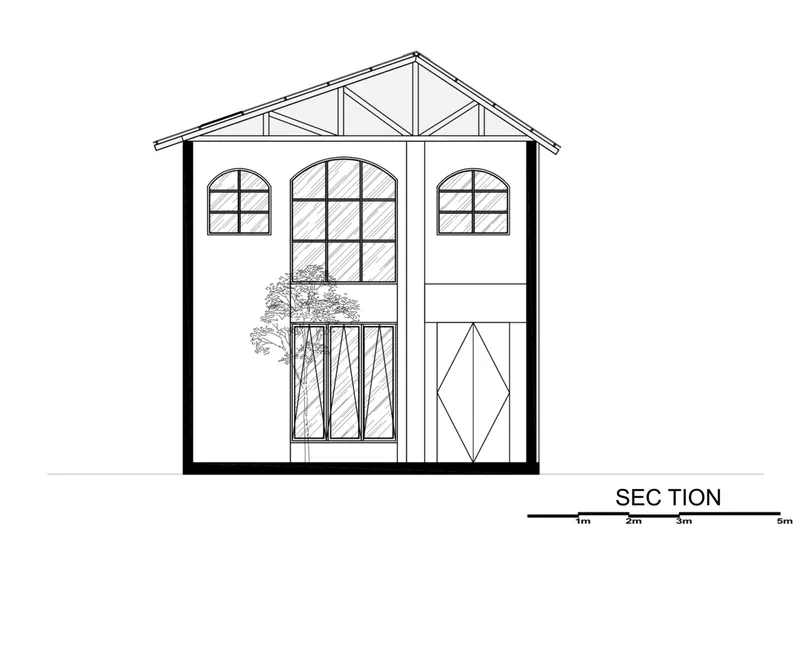
The concept for Tan Coffee began with an abandoned factory, whose original structure was carefully deconstructed. The design retained key elements of the old space, such as the concrete ceiling and aged walls in the front house, while introducing a new steel and concrete framework for durability and functionality. The tin roof was elevated to evoke a factory-like atmosphere, with large concrete pillars segmenting the space and expansive windows allowing natural light and ventilation to flow freely.
The result is a design that blends modern industrial features with the nostalgia of the past, evoking a sense of history while meeting contemporary needs.


A Green Haven Amid Concrete and Steel
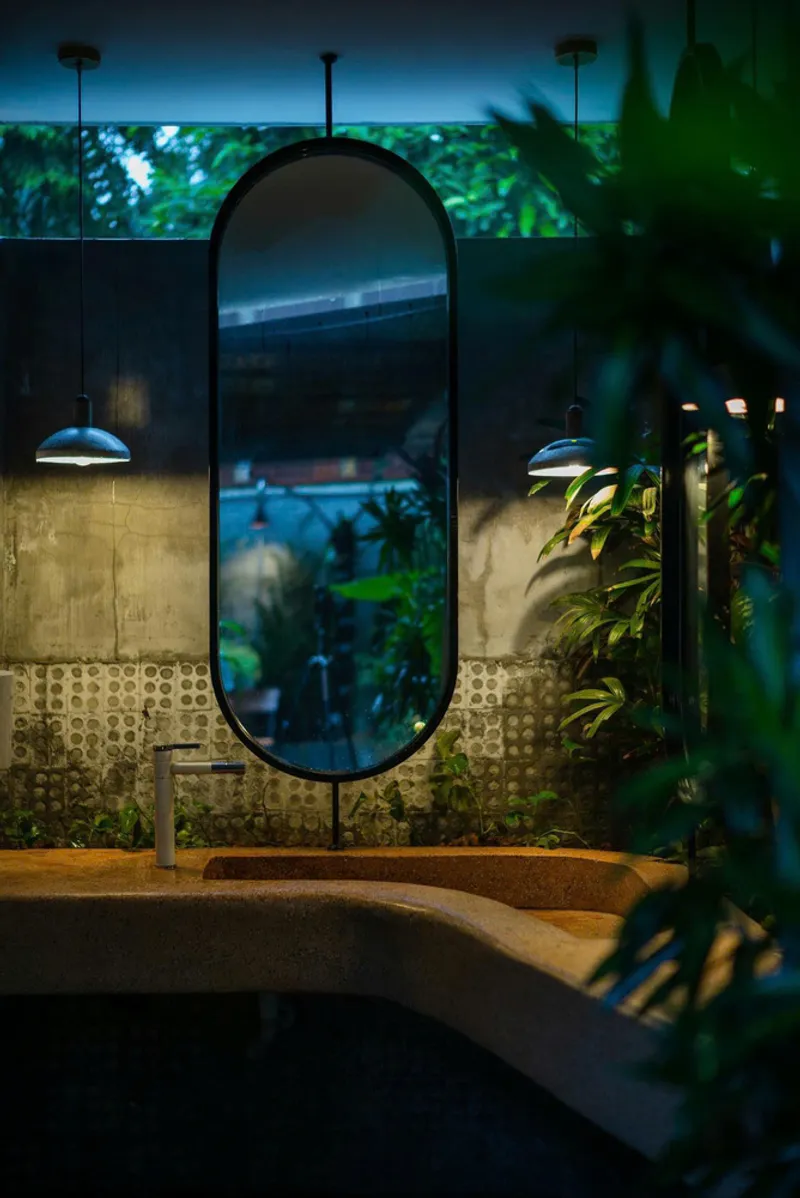
Despite its industrial framework, Tan Coffee incorporates lush greenery to soften the visual impact of its materials. An indoor garden serves as a focal point, providing a refreshing contrast to the concrete walls, steel structures, and glass elements. This green space not only enhances the visual appeal but also contributes to a calm and welcoming atmosphere for visitors.
The greenery is complemented by recycled wood accents, adding warmth and texture to the space, while highlighting the sustainable approach of the project.

Functionality in Design
The layout of Tan Coffee prioritizes practicality while maintaining its aesthetic appeal.
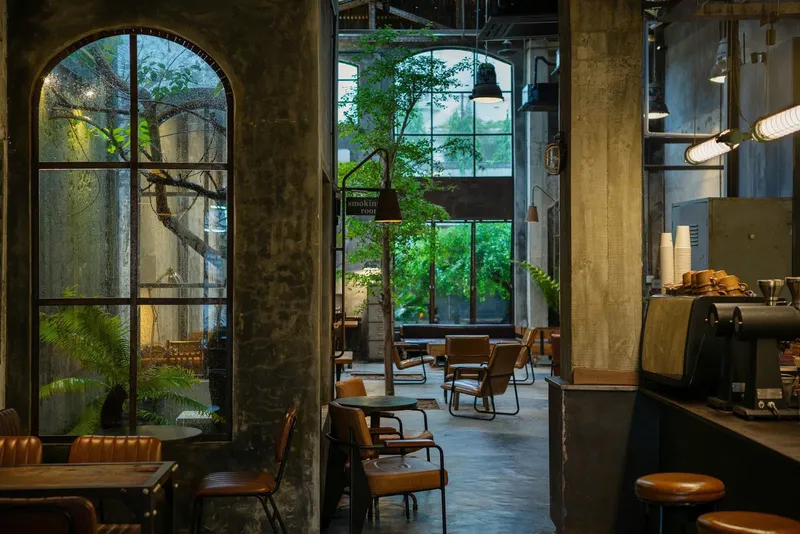
- The bar is positioned at the front entrance for accessibility.
- Essential spaces such as the office, storage room, and toilets are strategically placed at the back.
- A second indoor garden at the rear enhances the connection between the architecture and nature.
This thoughtful design ensures smooth operations for the staff while creating distinct zones for customers to enjoy.


Materials and Sustainability
One of the most striking aspects of Tan Coffee is its commitment to sustainability and the creative reuse of materials.
- Recycled tin roofing preserves the industrial essence of the original factory.
- Steel structures were treated with additives to achieve a naturally rusted appearance, contributing to the "abandoned" aesthetic.
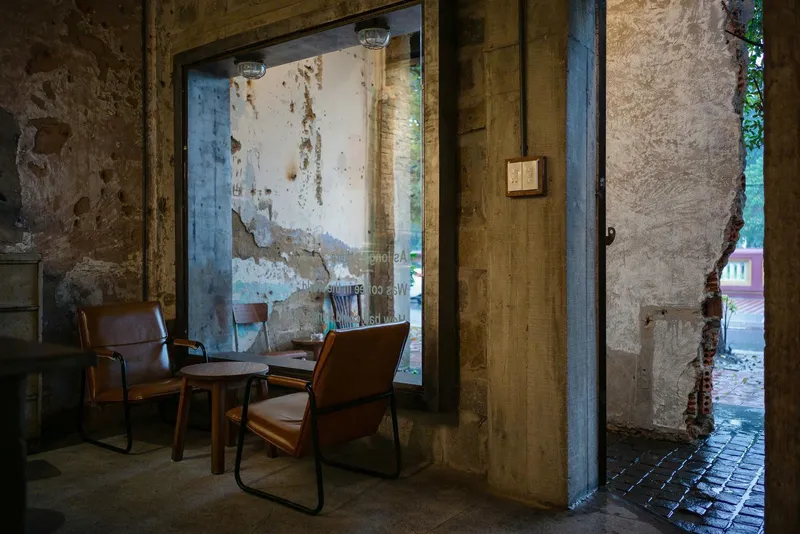
- Concrete ceilings and old walls were left intact, celebrating the history of the site.
- Wooden elements were sourced from other deconstructed buildings, adding character and depth.
These design choices not only align with the concept of an "abandoned factory" but also demonstrate a thoughtful approach to eco-friendly architecture.
Industrial Aesthetics with a Modern Twist
The interior design complements the industrial theme, featuring minimalist furniture in steel, wood, and glass. The muted color palette highlights the raw textures of the materials, creating a space that feels both authentic and contemporary. Each element—from the weathered surfaces to the recycled fixtures—adds to the overall narrative of transformation and renewal.


Challenges and Triumphs
The project posed unique challenges, particularly in achieving the desired “color of past times.” This required meticulous attention to detail, including:
- Artificially aging the steel structures.
- Preserving imperfections in the concrete and wood.
- Ensuring that new additions blended seamlessly with the original elements.
After six months of design and construction, the result is a coffee shop that feels as though it has always existed—a space where the past and present coexist beautifully.
A Café with Character
Tan Coffee by Son Studio is more than just a coffee shop; it is a thoughtful exploration of how architecture can transform forgotten spaces into vibrant community hubs. By combining industrial elements with sustainable practices and natural touches, the café offers a unique and inviting experience in Hue. This project is a perfect example of how adaptive reuse can preserve history while embracing modern needs.



All Photographs are work of Quang Dam



Popular Articles
Popular articles from the community


Co-life: Sustainable Architecture for Age-Friendly Community Living
Co-life reimagines sustainable architecture for seniors through courtyards, rammed earth, shared gardens, and spaces designed for belonging.

The Ocean Hive: Sustainable Architecture for a Self-Sufficient Civilization at Sea
The Ocean Hive imagines sustainable architecture at sea, where modular habitats, algae, wave power and ocean waste sustain a growing colony.

The Musturak Paradise: Senior Living Architecture for a Connected Future in Temara, Morocco
The Musturak Paradise reimagines senior living architecture in Temara via private homes, social spaces, culture, community, and shared care.

Riyadh For All: Intergenerational Urban Design for Active Aging in Rabat
Riyadh For All reimagines urban design in Rabat with intergenerational co-living, adaptive courtyards, and Moroccan cultural exchange today.

Similar Reads
You might also enjoy these articles


Hodi-Mandai Geram
Project Function: Preservation and revitalization of the Intangible heritage and socio-spatial identity of the Hodi by Housing, Cultural Memory Center, Sacred Grove, landscape, local tourism economy


Olio Towers: A Mid-Rise for Performers That Fuses Housing, Rehearsal, and Stage
Located blocks from Houston's Theater District, this modular tower stacks living units around a central performance atrium.

Oasis: Modular Green Housing Carved into Dhaka's Urban Fabric
A shortlisted Plugin Housing entry reclaims unauthorized settlements in Dhaka with stepped concrete volumes, green roofs, and ventilation-driven design.

Black Hole: A Floating Megastructure for the Post-Physical Era
Emiliano Mazzarotto envisions a spherical, self-scaling arena where e-sports, digital hotels, and holographic stadiums replace traditional public space.

Explore Vietnam Architecture Competitions
Discover active competitions in this discipline



Challenge to reimagine the Iron Throne


Photograph architecture without architects


Illustrate the lost glory of Angkor Wat - Render Challenge


Design challenge to reuse E-waste
Comments (0)
Please login or sign up to add comments
No comments yet. Be the first to comment!