

Tapa Villa by Studio Tanama: A Modern Tropical Sanctuary Rooted in Wabi-Sabi Design
A serene modern tropical villa blending Bali and Tulum aesthetics, featuring wabi-sabi materials, open spaces, rice field views, and calming natural harmony.


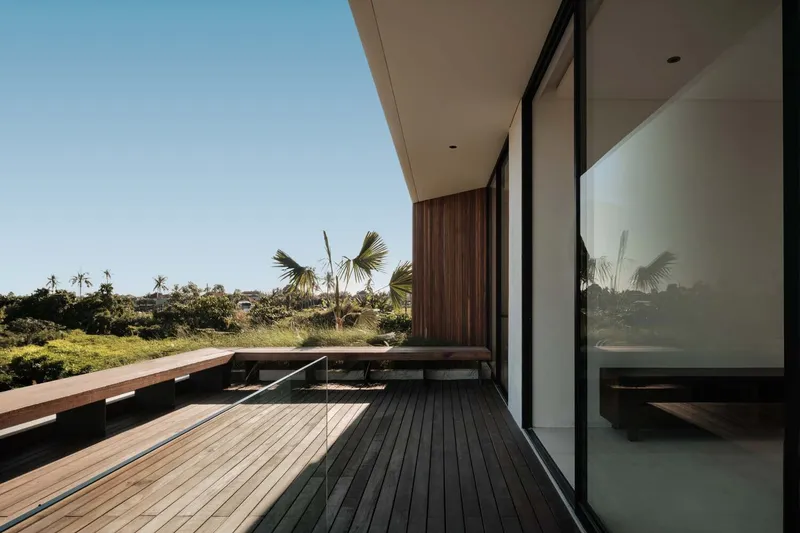
Nestled in the serene village of Beraban in Tabanan, Kediri, Indonesia, Tapa Villa by Studio Tanama redefines modern tropical living through an architectural language that celebrates nature, simplicity, and soulful design. Surrounded by expansive rice fields and the gentle sound of a flowing riverscape, the 260 m² villa offers a retreat where time slows, and the natural world becomes an integral part of everyday experience.
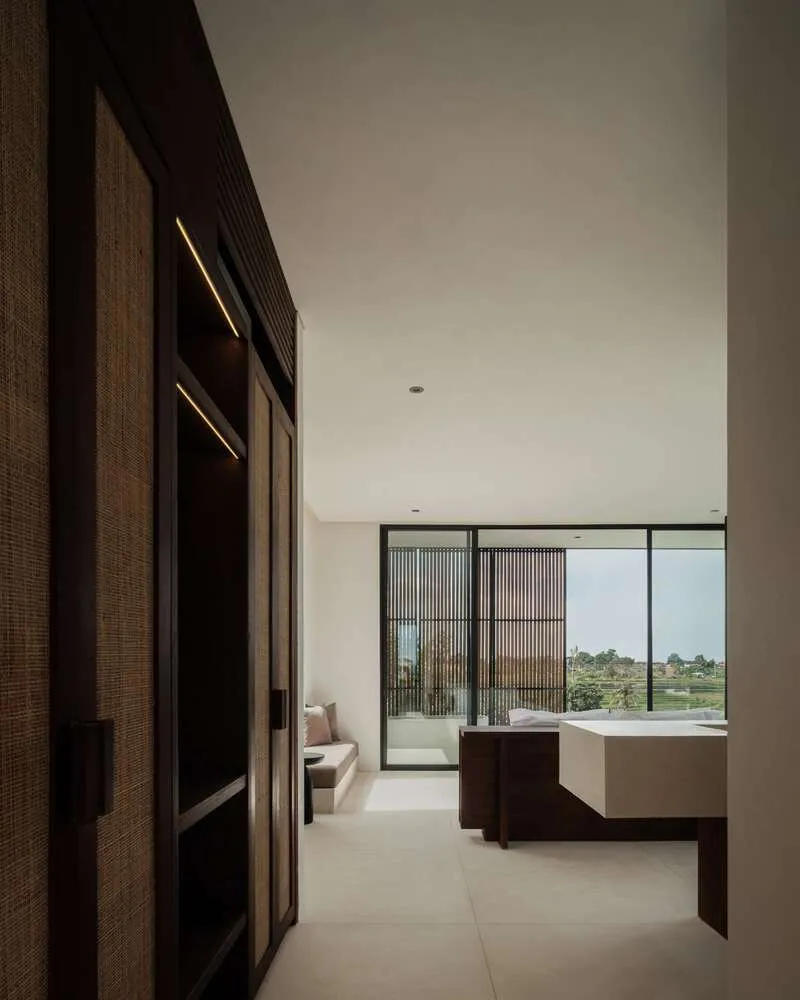
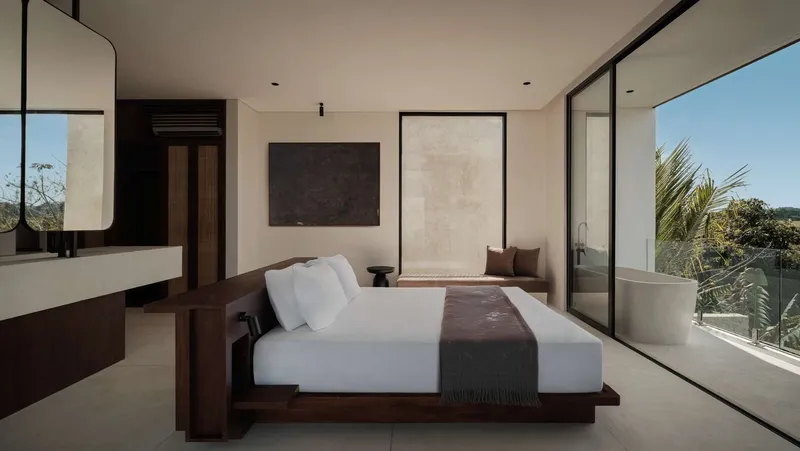
Designed by architect Ryan B. Saputra of Studio Tanama, the villa reflects a harmonious intersection of Bali’s earthy aesthetics and the relaxed, bohemian character of Tulum. This fusion creates a warm, intentional atmosphere that feels both globally inspired and deeply rooted in its local context.
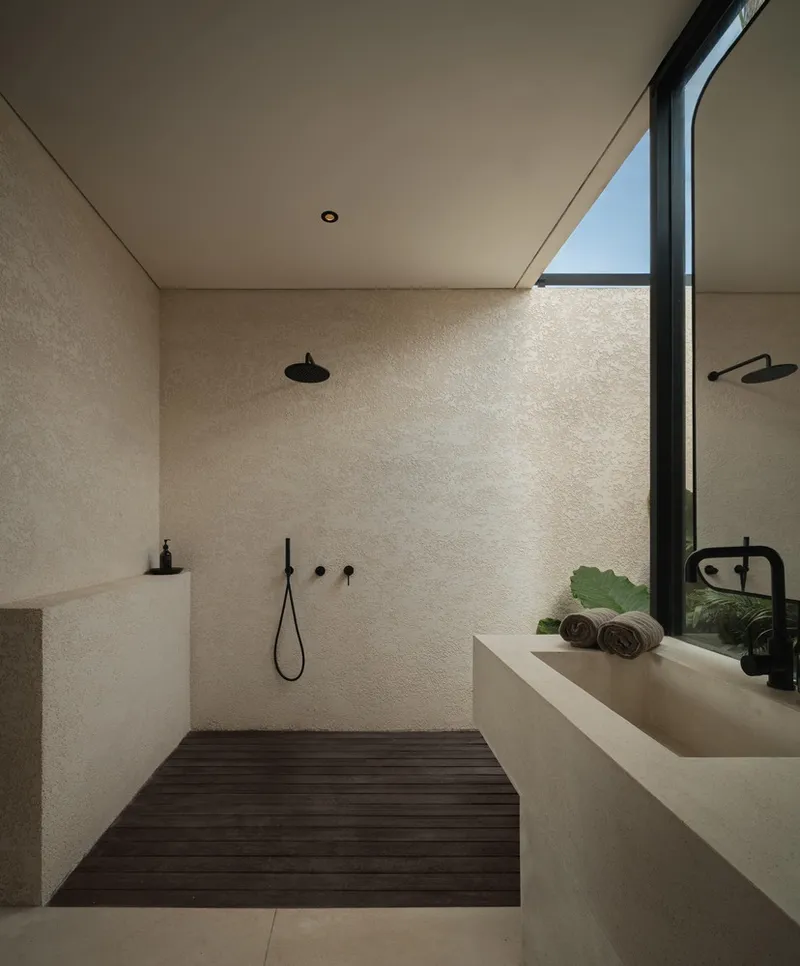
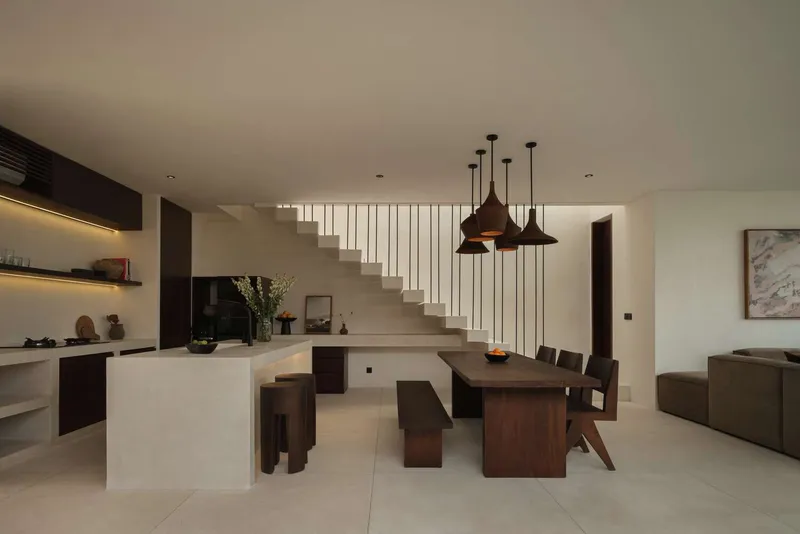
A Modern Tropical Architectural Expression
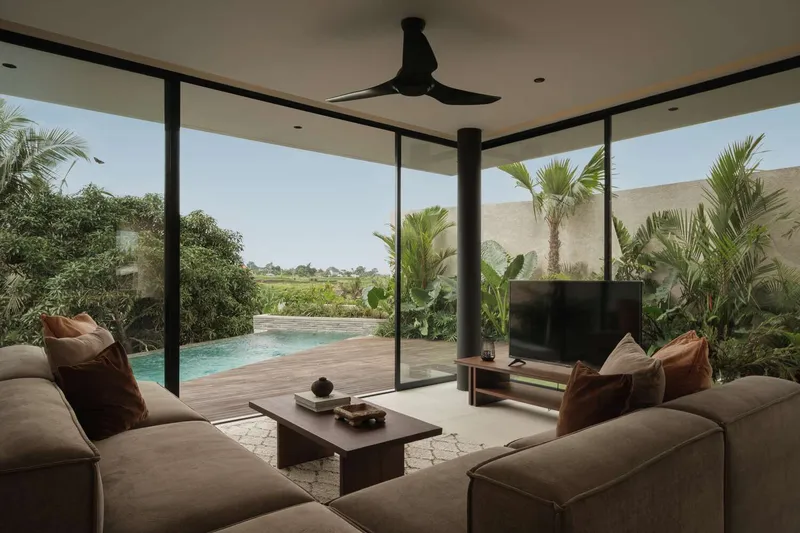
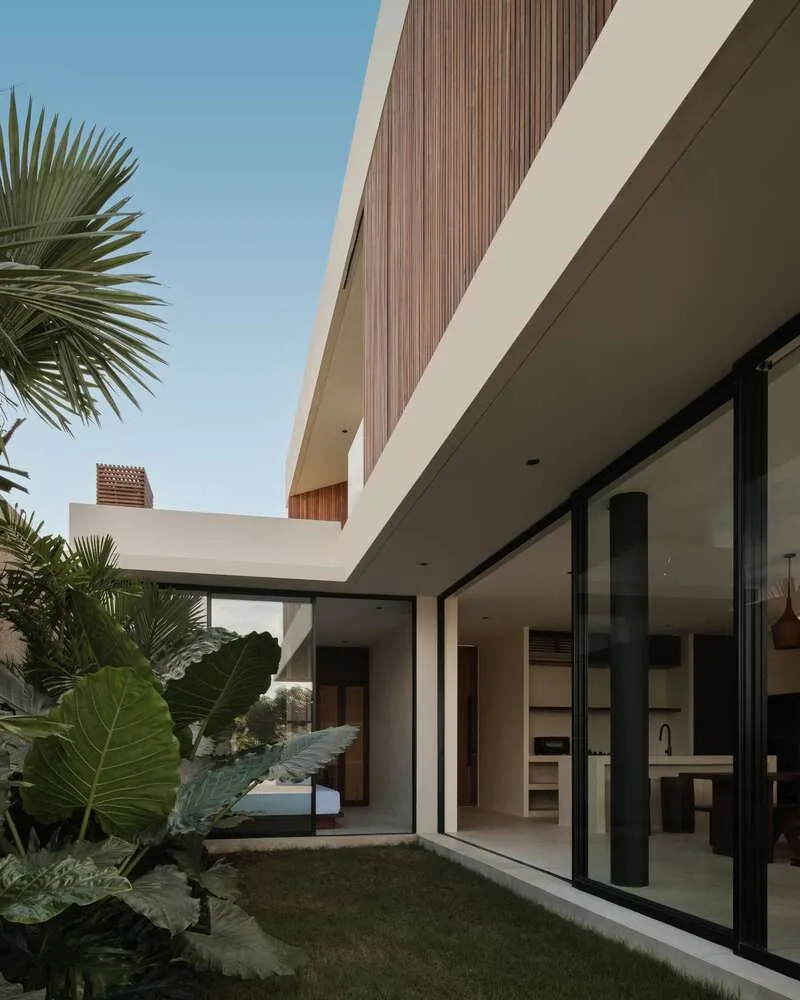
The architectural concept embraces Modern Tropical design, characterized by wide openings, natural ventilation, and seamless transitions between indoor and outdoor spaces. Large sliding doors and full-height apertures dissolve the rigid boundaries of the built form, allowing Bali’s light, air, and lush greenery to enter effortlessly.
This fluid connection with the environment enhances thermal comfort while minimizing the need for mechanical cooling—an essential consideration for sustainable tropical architecture. The villa's open layout encourages guests to live in rhythm with natural cycles, reinforcing the project’s overarching commitment to environmental harmony.
Materiality Inspired by Wabi-Sabi Philosophy
At the heart of Tapa Villa lies the wabi-sabi philosophy, an appreciation for imperfection, patina, and the quiet beauty of natural aging. The material palette features raw textures, weathered finishes, and handcrafted elements that give the villa a distinctive character.
Wood, stone, and earthy plasters create a tactile and visual richness that speaks to authenticity rather than polish. Each surface carries its own story—marks, grains, and variations that reflect the passage of time. This honest approach to materiality invites guests to slow down, reflect, and embrace the imperfect elegance of their surroundings.
Interior Spaces That Nurture Calm
The interiors follow an understated, organic design approach that enhances the villa’s serene ambiance. Neutral tones, soft lighting, and natural materials shape tranquil living spaces designed for rest and restoration.
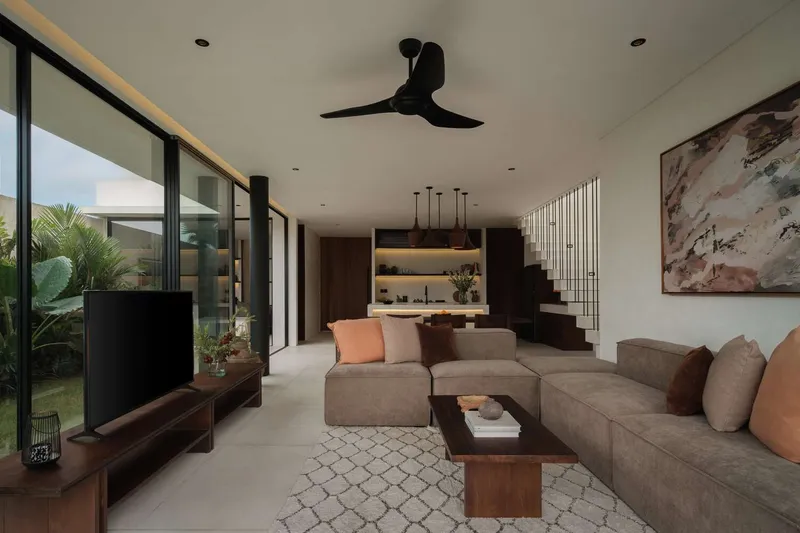
- The living room features warm timber surfaces, handcrafted furniture, and open views toward the rice fields.
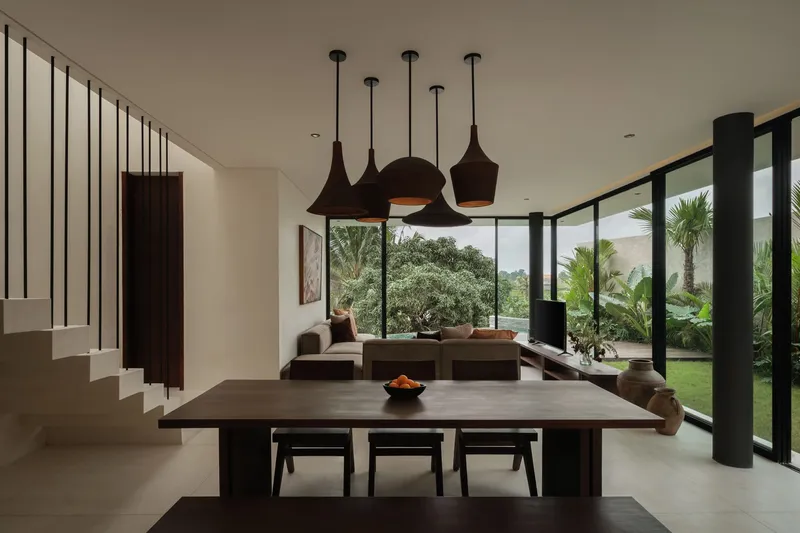
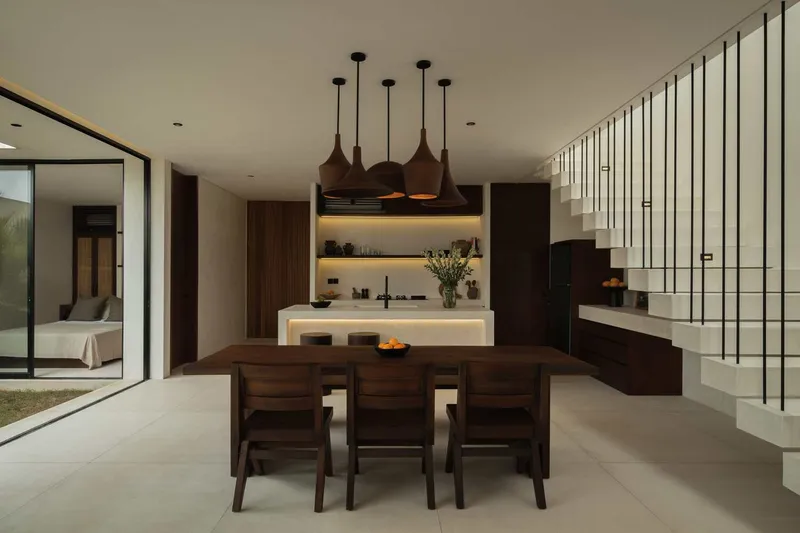
- The dining area incorporates wooden chairs and a natural-finish table, creating a grounded space for communal gatherings.
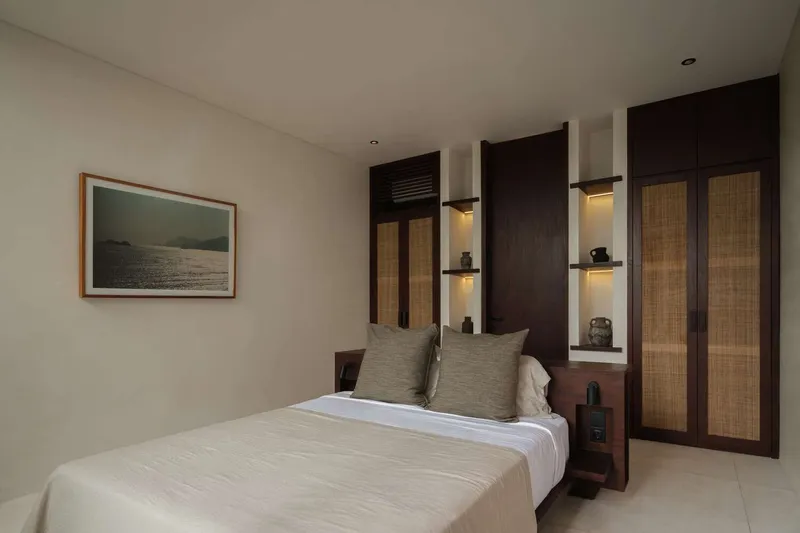
- The bedrooms and private areas emphasize minimalism, comfort, and a deep connection with the outdoor landscape.
Texture plays a significant role throughout—linen fabrics, raw wood, rattan, and textured walls create a layered sensory experience that soothes and inspires.
A Sanctuary for Mindful Living
More than a visually striking villa, Tapa Villa is envisioned as a sanctuary of simplicity, where nature, architecture, and lifestyle blend into a cohesive whole. Every corner reflects a mindful approach to design: calm, intentional, and deeply immersive.
The villa pays homage to tropical living in its purest form—open, relaxed, and intimately grounded in its natural surroundings. It encourages a way of living that is slower, more thoughtful, and attuned to the rhythms of the land.
An Authentic Island Retreat
With its thoughtful balance of modern tropical architecture, cultural sensitivity, and wabi-sabi inspired materiality, Tapa Villa stands as a contemporary expression of Bali’s enduring spirit. It is both a retreat and a celebration: a space where the elegance of nature meets the warmth of handcrafted design, and where freedom and grounding coexist in perfect harmony.
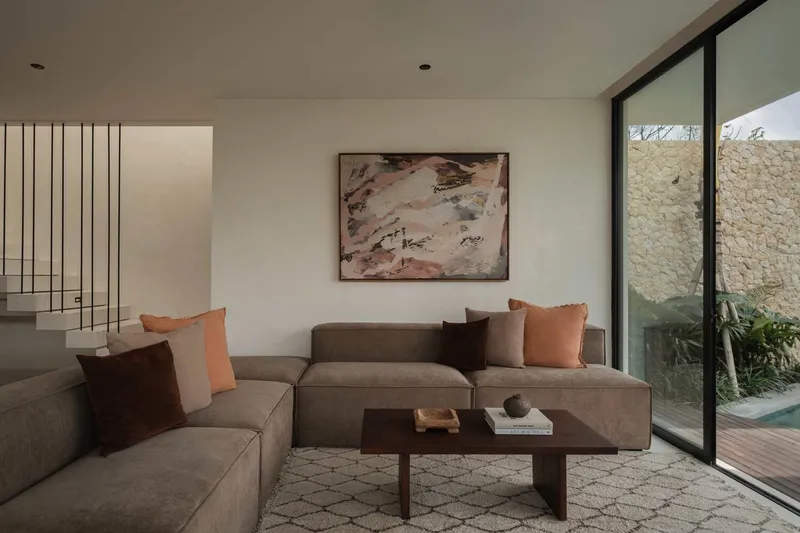
All photographs are works of Thomas Irsyad


Popular Articles
Popular articles from the community


The Amber Palace Opera: A Geological Fiction Surfaces on Tallinn's Baltic Waterfront
Pierre Brillard reimagines a Baltic legend as a public landscape, opera house, and waterfront promenade rooted in Tallinn's coastal identity.

Singing Woman: Contemporary Architecture Inspired by Estonia’s Voice and the Sea
Singing Woman turns Estonia’s song culture into flowing opera house architecture, blending public life, landscape, sea, and national memory.
Temporary Home for Dogs: A Reversed Zoo Rethinks Animal Shelter Architecture
In Bucharest, a sinuous corridor and freed landscape flip the logic of containment, designing a shelter that works to make itself unnecessary.

Opera on the Sea: Driftwood Logic Shapes a Timber Opera House on Estonia's Coast
Trevor Orgill's opera house translates the entangled drift of floating timber into a civic building where wood, water, and music converge.

Similar Reads
You might also enjoy these articles


Hodi-Mandai Geram
Project Function: Preservation and revitalization of the Intangible heritage and socio-spatial identity of the Hodi by Housing, Cultural Memory Center, Sacred Grove, landscape, local tourism economy


Olio Towers: A Mid-Rise for Performers That Fuses Housing, Rehearsal, and Stage
Located blocks from Houston's Theater District, this modular tower stacks living units around a central performance atrium.

Oasis: Modular Green Housing Carved into Dhaka's Urban Fabric
A shortlisted Plugin Housing entry reclaims unauthorized settlements in Dhaka with stepped concrete volumes, green roofs, and ventilation-driven design.

Black Hole: A Floating Megastructure for the Post-Physical Era
Emiliano Mazzarotto envisions a spherical, self-scaling arena where e-sports, digital hotels, and holographic stadiums replace traditional public space.

Explore Bali Competitions
Discover active competitions in this discipline

Challenge to reimagine the Iron Throne

Photograph architecture without architects

Illustrate the lost glory of Angkor Wat - Render Challenge

Design challenge to reuse E-waste
Comments (0)
Please login or sign up to add comments
No comments yet. Be the first to comment!