
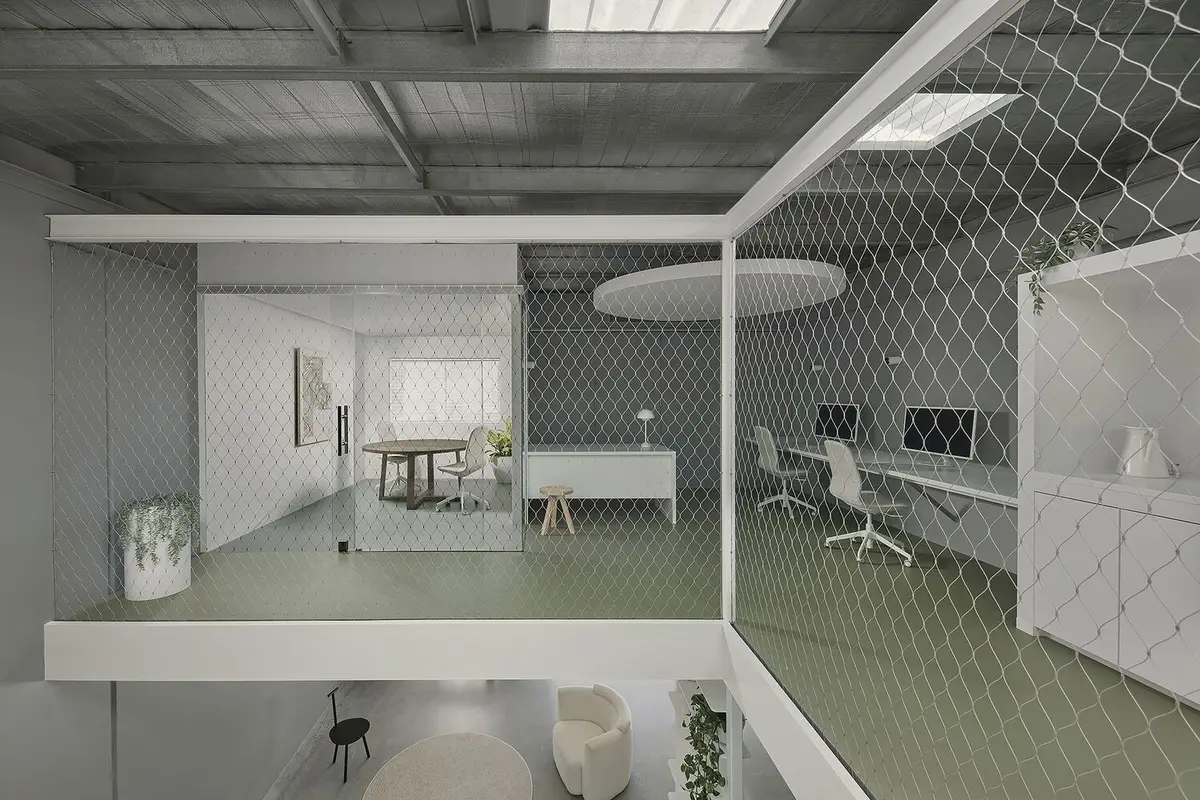
Tasman Gallery by Benn + Penna Architecture: A Harmonious Fusion of Work and Art
Tasman Gallery by Benn + Penna Architecture transforms an industrial space into a hybrid gallery-workplace, emphasizing wellbeing, creativity, and sustainable design.


Reimagining Industrial Spaces for Post-COVID Work-Life Balance
Located in Byron Bay’s vibrant Arts and Industry Estate, Tasman Gallery by Benn + Penna Architecture transforms a former industrial storage shed into an innovative hybrid space that blends workspace and gallery. Designed to enhance wellbeing, creativity, and collaboration, this project reflects the evolving needs of the post-pandemic era, where work and life seamlessly intersect.
Architect Andrew Benn, alongside Sean Tran and Ana Subotic, led the design, with Eco Building & Sustainable Design handling construction and structural engineering. Their shared vision was to create a flexible, wellness-focused environment that fosters artistic exchange and professional productivity.
Spatial and Material Design for Wellbeing
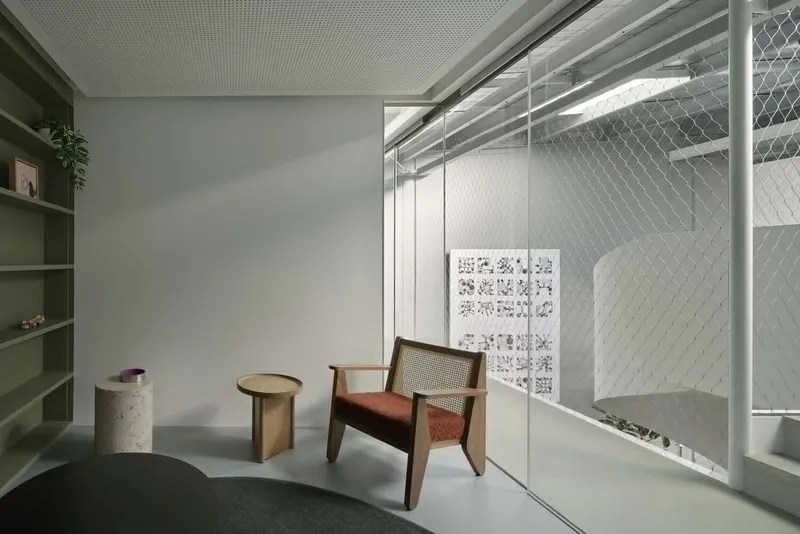
Benn + Penna’s design philosophy emphasizes spatial diversity and material refinement to enhance comfort and engagement. Within the 180 m² structure, the layout features a dynamic interplay of volumes—from dramatic double-height voids to intimate nooks—offering diverse atmospheres within a single architectural framework.
Key Design Features:
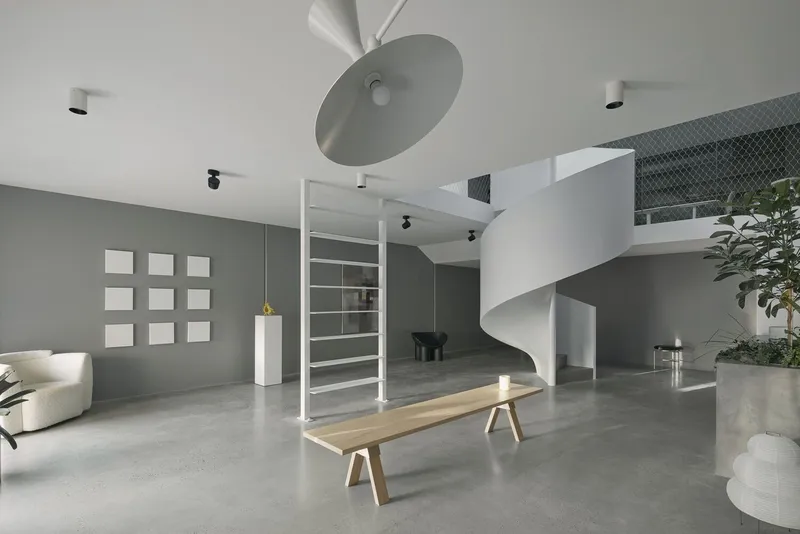
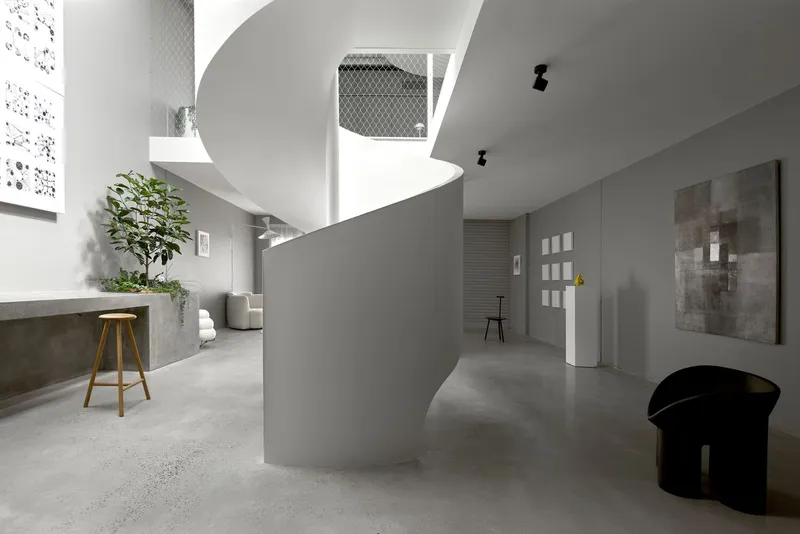
- Hybrid Functionality: The ground floor serves as a contemporary gallery space, initially showcasing the client’s private art collection and later hosting temporary exhibitions by local artists. Above, mezzanine-level workspaces offer a refined setting for creative professionals.
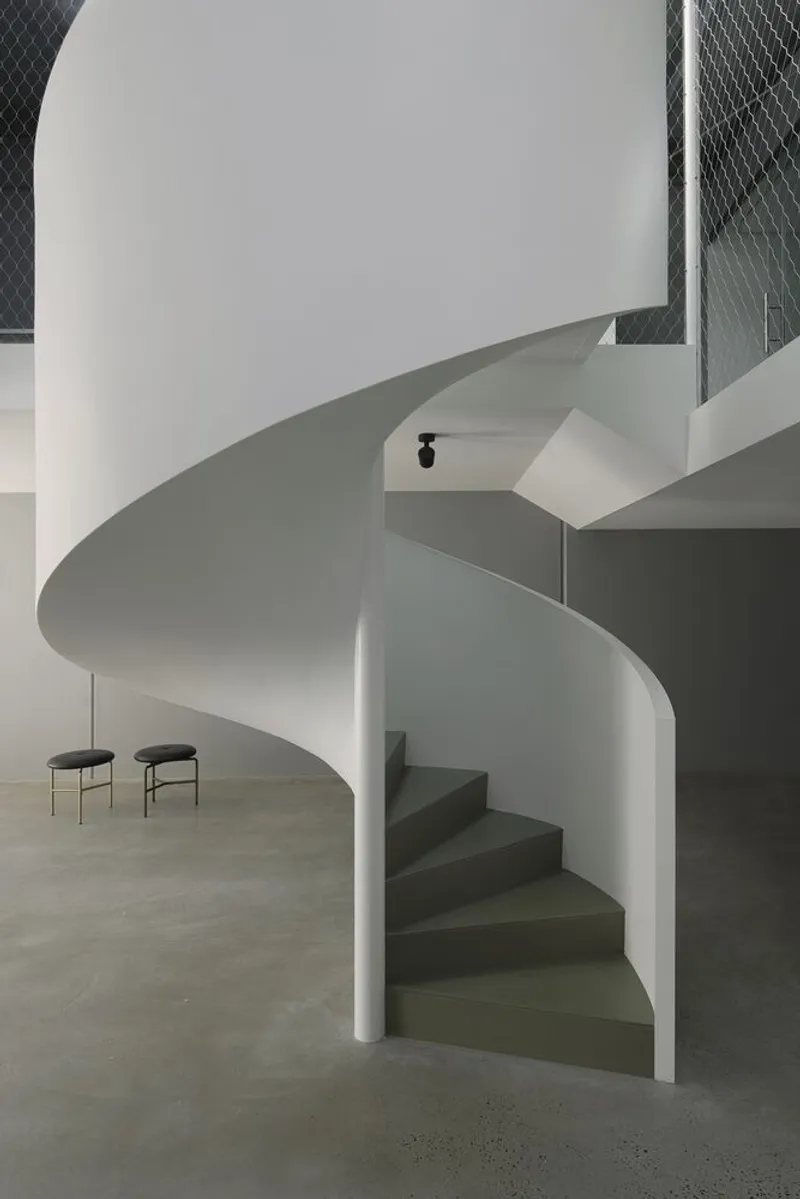
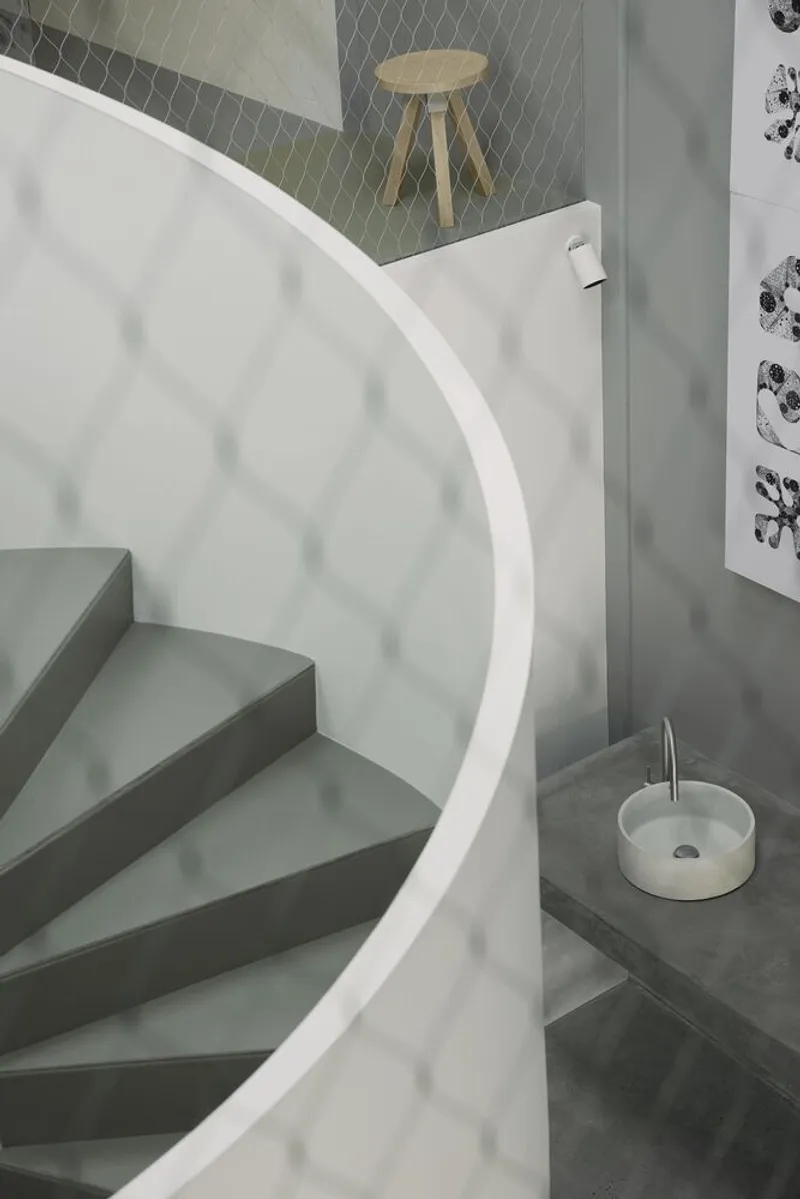
- Dramatic Spatial Elements: A sweeping sculptural staircase acts as a visual and social connector, encouraging movement and interaction. A stainless steel curtain around the mezzanine enhances the theatrical quality of the space.
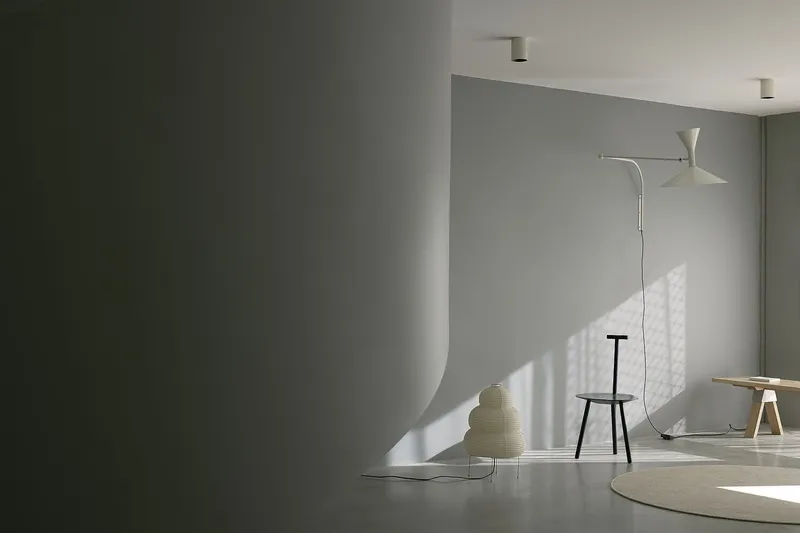
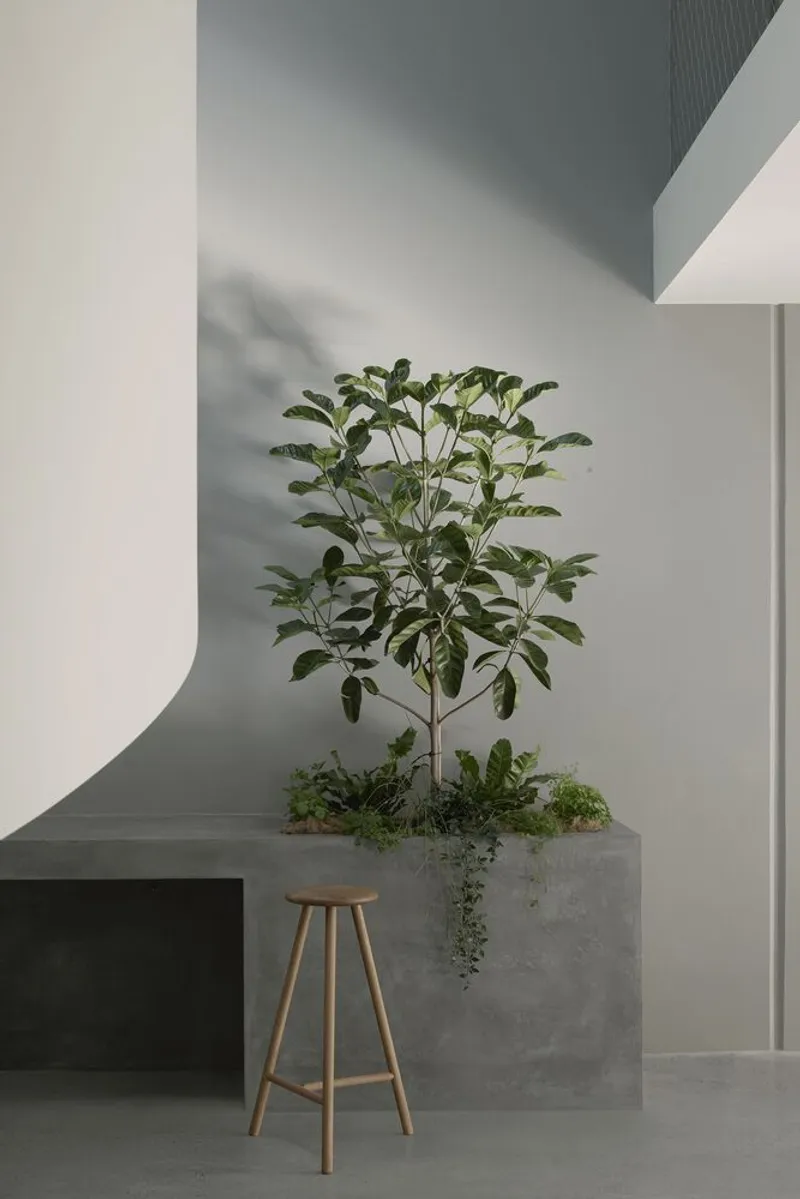
- Industrial Aesthetic with Softened Edges: The design maintains an industrial character while integrating elements that improve acoustics, lighting, and comfort. Steel mesh balustrades, lino flooring, perforated surfaces, and lush furnishings contribute to a sense of warmth and functionality.
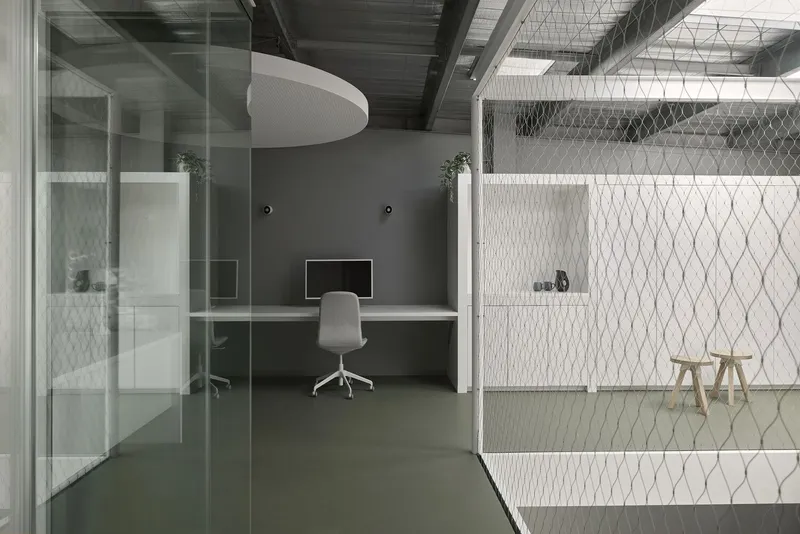
- Natural Light & Acoustic Comfort: Strategically placed skylights introduce diffused daylight, creating an optimal environment for both work and exhibitions. Suspended acoustic panels balance sound quality, ensuring a calm and productive atmosphere.
Innovative Material Use & Sustainable Principles
Sustainability is at the core of Tasman Gallery. The architects utilized a minimal yet high-quality material palette, ensuring both aesthetic longevity and environmental responsibility.
Material Highlights:
- Polished concrete flooring on the ground level defines zones, with painted sections where needed.
- Marmoleum flooring on the upper level offers durability, sound absorption, and color customization for adaptable office layouts.
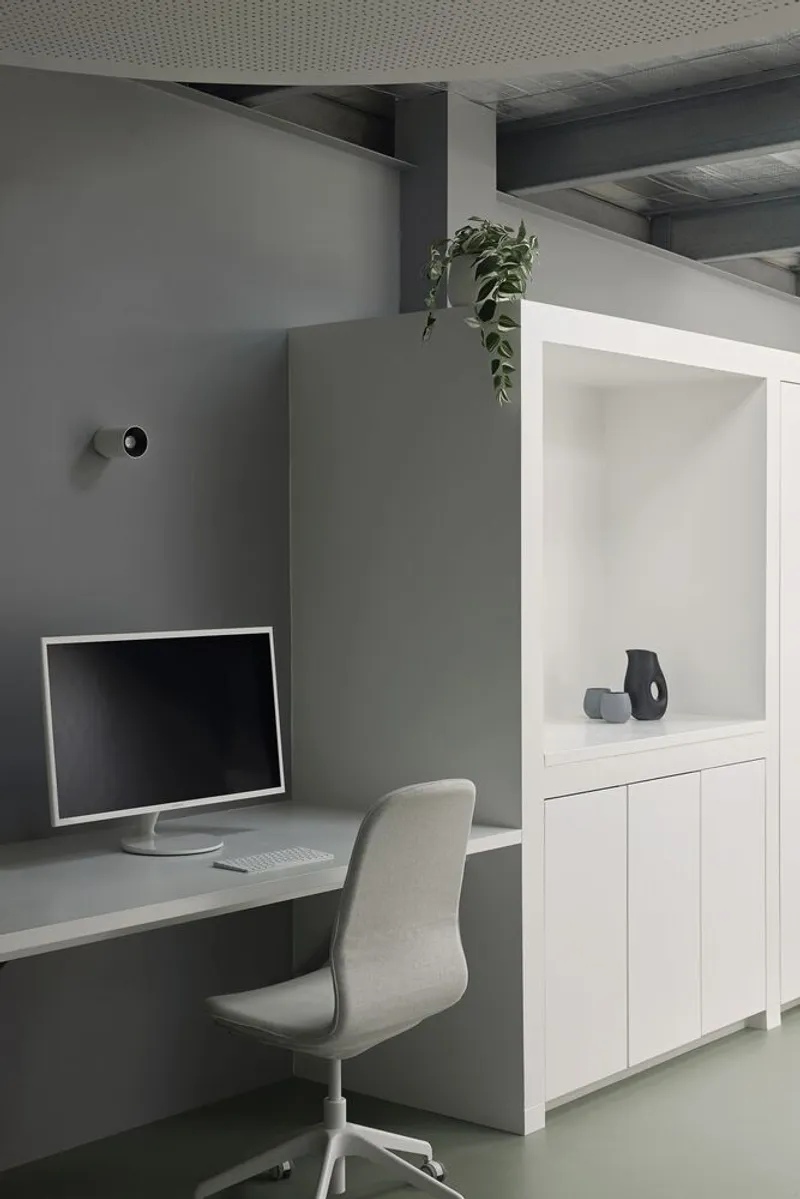
- Pristine white office pods contrast against the raw industrial shell, creating a visually coherent and reconfigurable workspace.
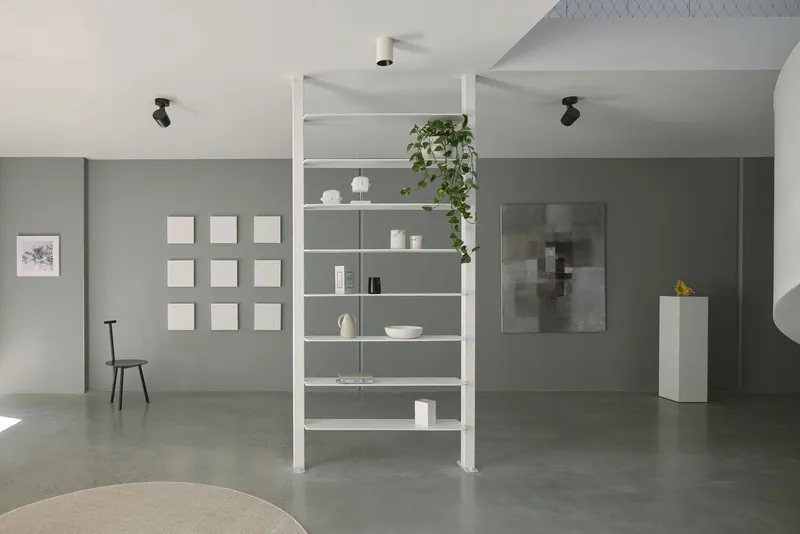
- Exposed services contribute to an industrial-modern aesthetic, while freestanding metal shelving organizes art collections and books.
A Contribution to Byron Bay’s Creative Industry
Nestled in a hub of artisanal boutiques, sustainable food ventures, and creative startups, Tasman Gallery strengthens Byron Bay’s reputation as a center for artistic and entrepreneurial innovation. The project is tailored to attract culturally invested tenants, fostering a community-driven workspace where creativity, well-being, and sustainability converge.
As Andrew Benn explains, “This project continues our studio’s mission to create calm, constrained, and considered spaces using a minimal material palette. It contributes to the creative industries of Northern NSW while enhancing local community well-being.”
All Photographs are works of Brock Beazley


Popular Articles
Popular articles from the community


Cube Design Draws an Ecological Corridor Between Two Shenzhen Hills with the Nankai Building
Beside Shenzhen's container docks, the Nankai Building pairs stacked balconies with a climbing green screen to connect two hillsides across its height.

GROUP A Strips a 1969 Rotterdam Harbor Headquarters to Its Frame and Wraps It in Timber Louvers
In Rotterdam's M4H harbor district, Ferro Offices reuses a 1969 frame, adds one timber storey and reaches BREEAM-NL Outstanding.

Jaramillo Van Sluys Arquitectura and Urbanismo Turn a Demolished Registry Lot in Quito into an Orchard Plaza
In Quito's Centro Histórico, a 2,800 m² plaza exposes the San Agustín convent wall and redraws its lost Augustinian orchard in volcanic stone.

longwave studio Reorganizes a 112 m² Tainan Apartment Around the Daily Routines of a Family and Two Cats
In Tainan, Taiwan, birch plywood, rust-red furniture and a freestanding plaster wall link arrival, storage, work and family life in one apartment.

Similar Reads
You might also enjoy these articles


Hodi-Mandai Geram
Project Function: Preservation and revitalization of the Intangible heritage and socio-spatial identity of the Hodi by Housing, Cultural Memory Center, Sacred Grove, landscape, local tourism economy


Olio Towers: A Mid-Rise for Performers That Fuses Housing, Rehearsal, and Stage
Located blocks from Houston's Theater District, this modular tower stacks living units around a central performance atrium.

Oasis: Modular Green Housing Carved into Dhaka's Urban Fabric
A shortlisted Plugin Housing entry reclaims unauthorized settlements in Dhaka with stepped concrete volumes, green roofs, and ventilation-driven design.

Black Hole: A Floating Megastructure for the Post-Physical Era
Emiliano Mazzarotto envisions a spherical, self-scaling arena where e-sports, digital hotels, and holographic stadiums replace traditional public space.

Explore Contemporary Gallery Competitions
Discover active competitions in this discipline

Challenge to reimagine the Iron Throne

Photograph architecture without architects

Illustrate the lost glory of Angkor Wat - Render Challenge

Design challenge to reuse E-waste
Comments (0)
Please login or sign up to add comments
No comments yet. Be the first to comment!