
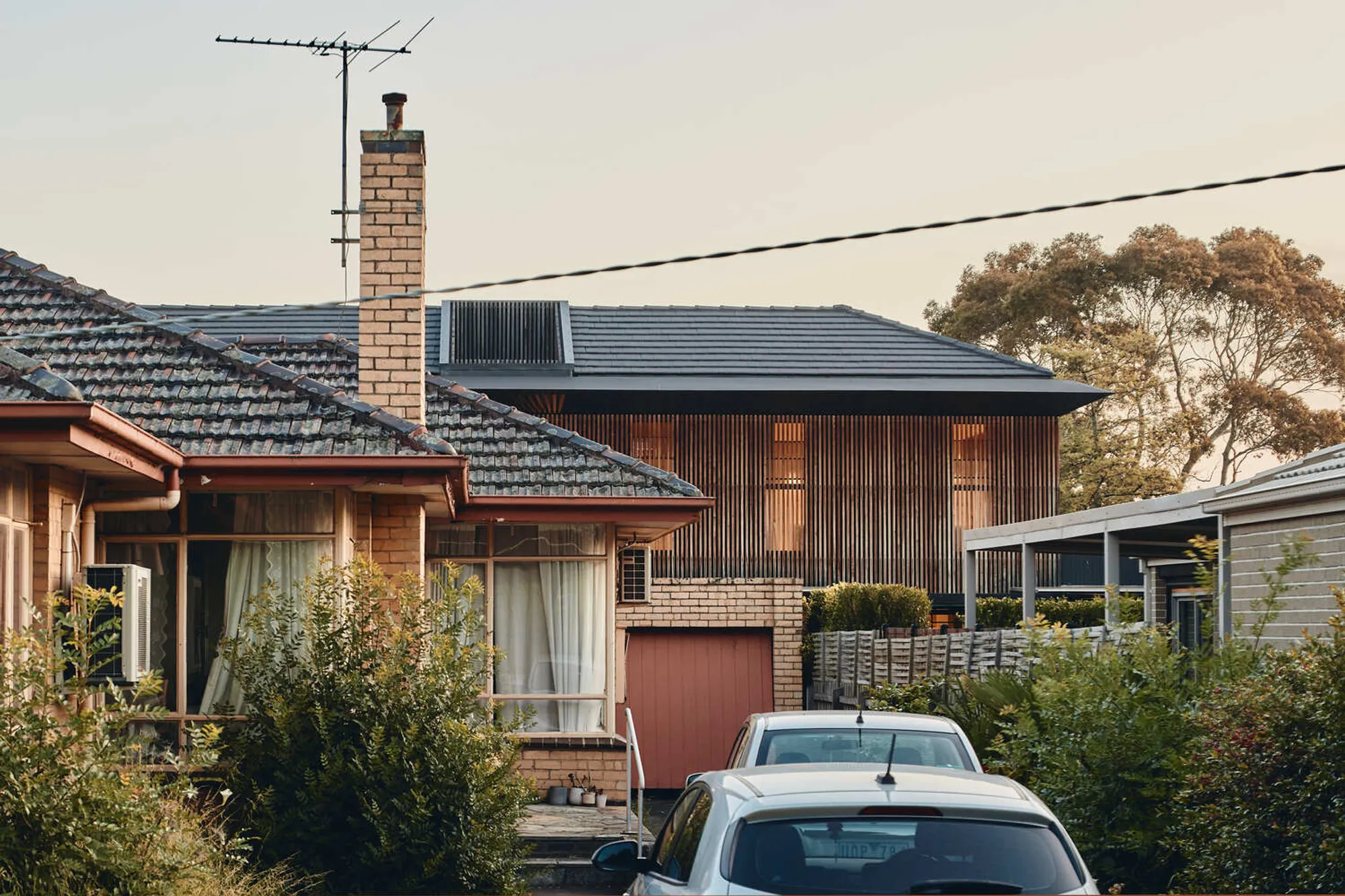
Tea House by Krisna Cheung Architects: A Harmony of Tradition and Modernity
The Tea House blends Asian traditions with modern design, creating a tranquil, sustainable home rooted in cultural and local harmony.


The Tea House, designed by Krisna Cheung Architects in Glen Iris, Melbourne, is a home that masterfully balances Asian architectural traditions with modern Australian design principles. Completed in 2023 and spanning 720 m², this house reflects cultural connection, tranquility, and familial harmony. With its unique blend of heavy masonry, light timber facades, and sustainability features, the Tea House is both a private retreat and a beacon of calm in Melbourne's bustling suburban environment.
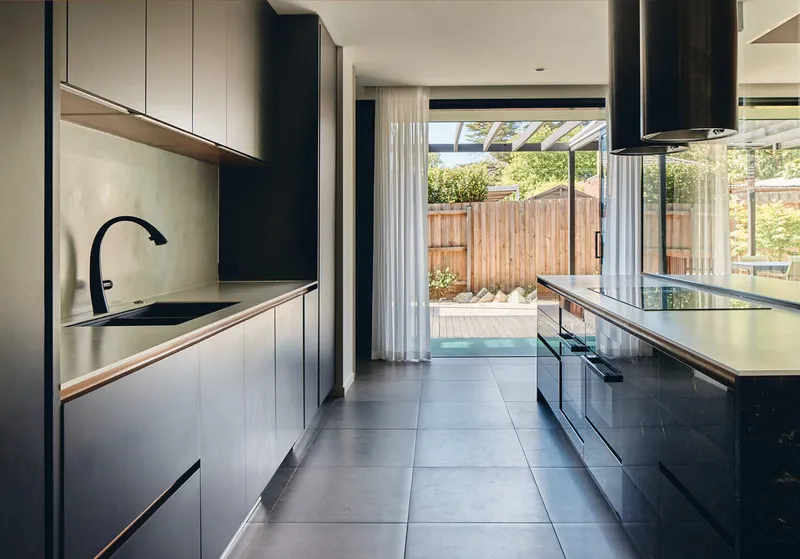
A Design Inspired by Oriental and Local Influences
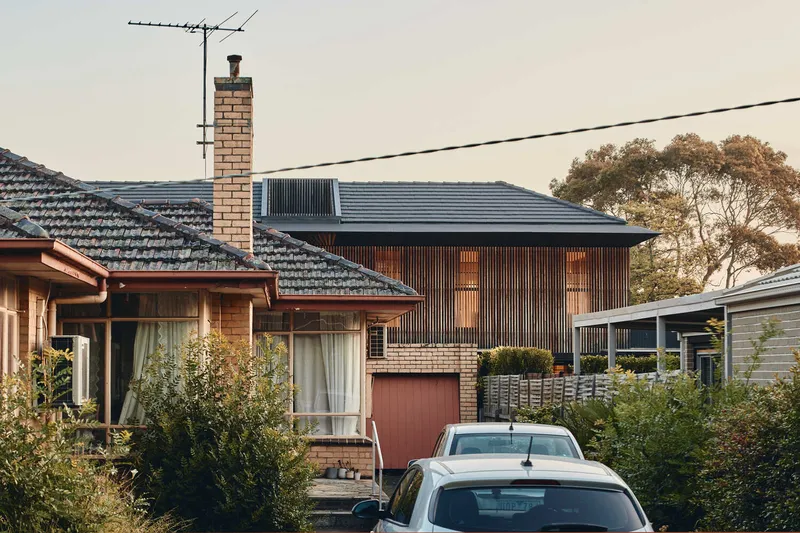
The design of the Tea House is rooted in a deep respect for both the clients’ passion for oriental architecture and the local Australian suburban context. The architects have created a home that exudes warmth, lightness, and cultural depth while integrating seamlessly into the neighborhood.
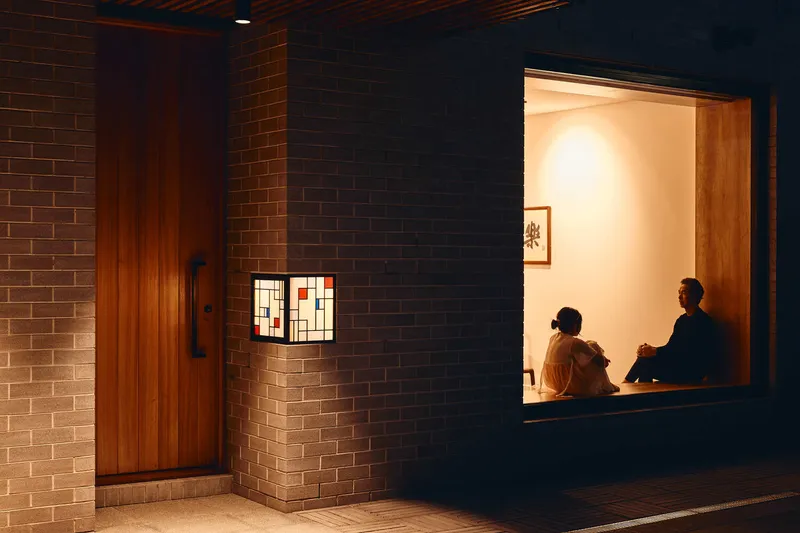
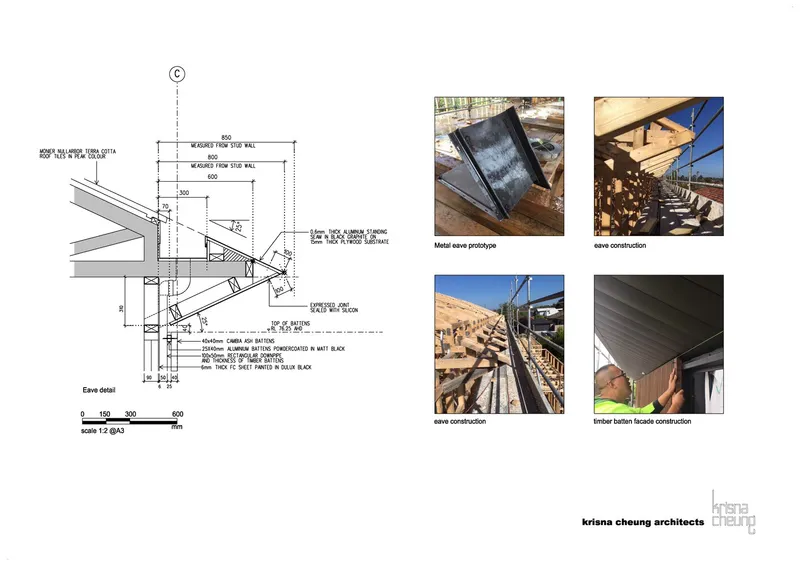
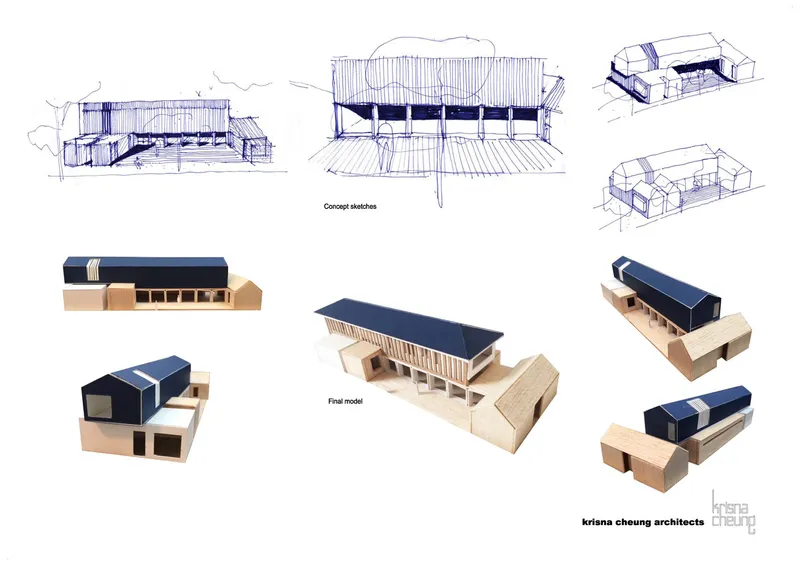
At the heart of the design is the contrast between the ground floor’s heavy masonry brick structure and the lightweight timber batten façade of the upper level. This contrast creates a unique lantern effect, where the house appears to float softly, illuminated against its surroundings. Large timber doors lead into the home, where the dark brick walls invert the outdoor experience, creating continuity between interior and exterior spaces.
Cultural Connection Through Architectural Elements
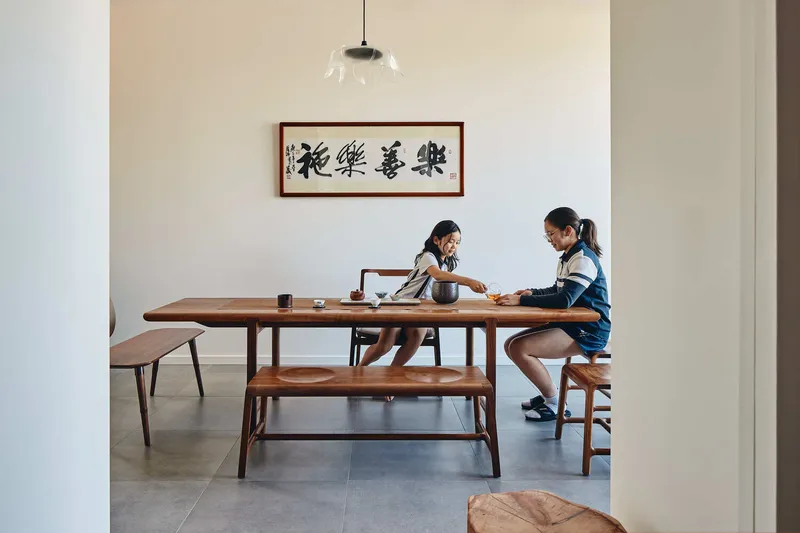
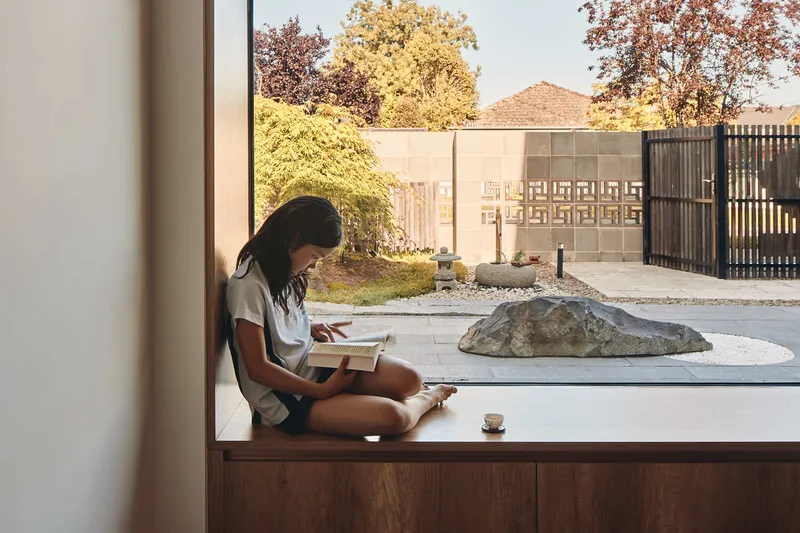
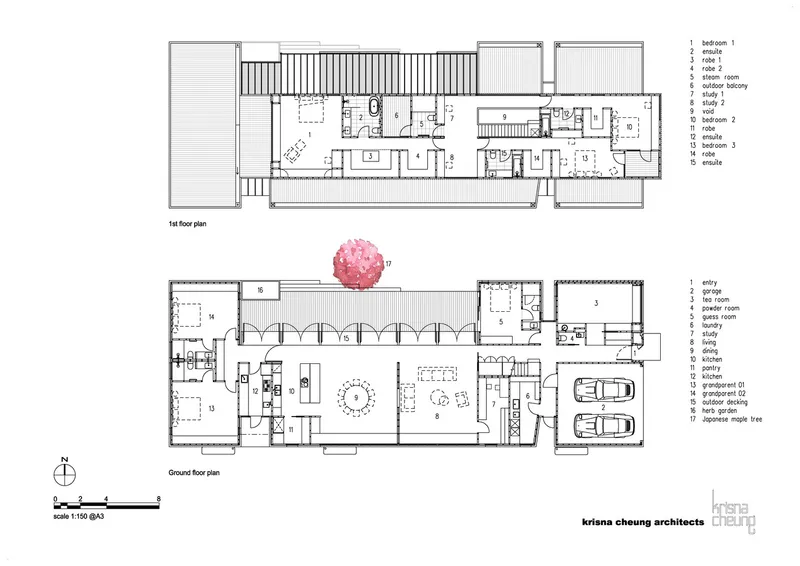
The Tea House reinterprets traditional elements with a modern lens. A prominent tearoom at the front of the house honors timeless rituals, allowing the family to bask in the morning light while enjoying tea. The design integrates Feng Shui principles, with carefully aligned spaces fostering harmony and energy flow. A central axis connects the front entry door to a circular wall opening, creating a sense of peace and spatial continuity.
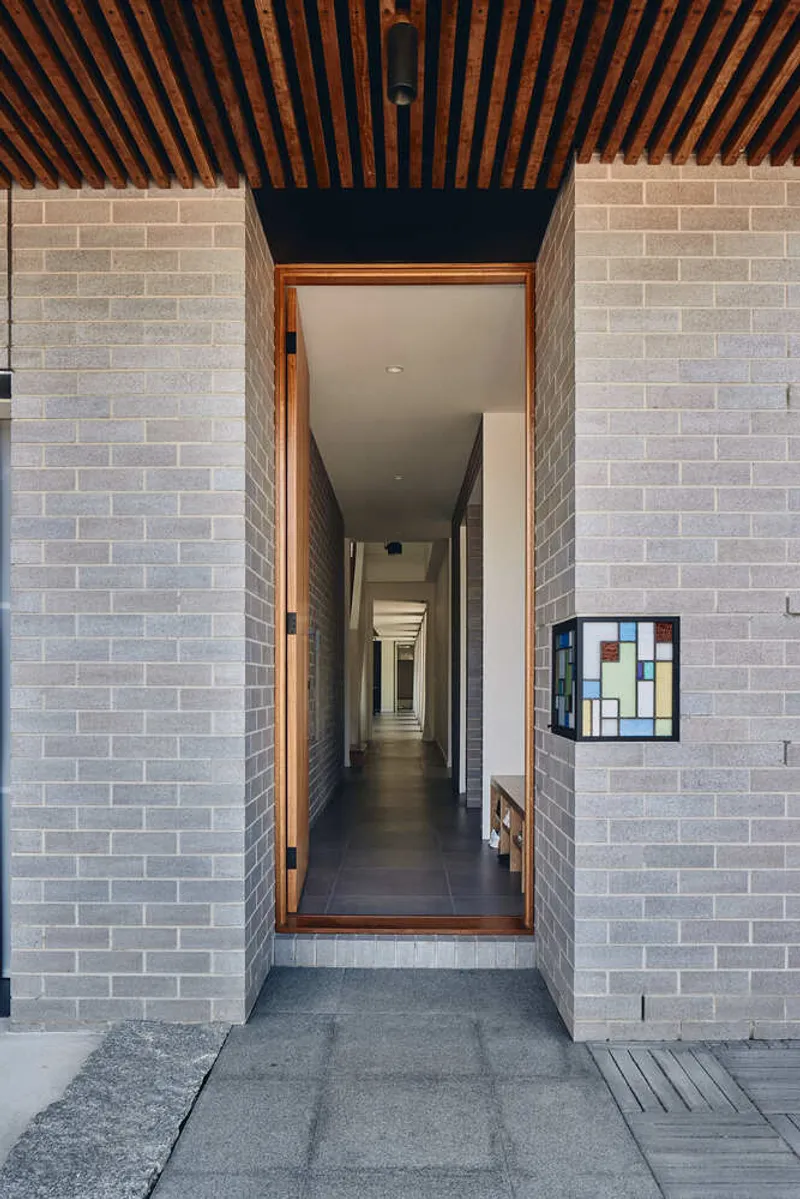
The house reflects an architectural “push and pull,” using timber screens and nooks to prioritize privacy while allowing glimpses of the streetscape and cityscape beyond. These thoughtful choices balance the home’s connection to the outside world with its role as a private sanctuary.
Multigenerational Living and Flexibility
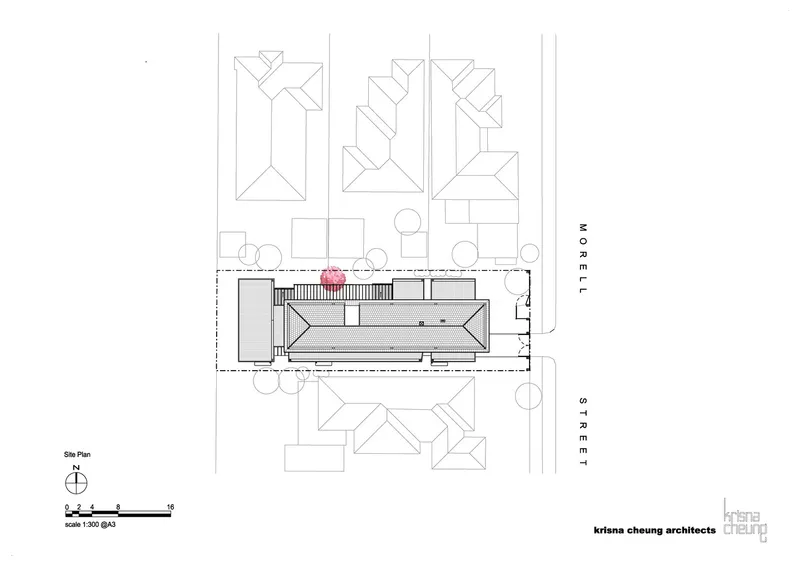
The Tea House addresses contemporary housing needs, including multi-generational living. A private retreat for the grandparents is positioned at the rear of the property, connected to the main house via a central hallway that acts as a spine. This layout ensures a balance between separation and accessibility, fostering connection while respecting individual space.
A shared courtyard serves as a communal meeting point, strengthening relationships within the extended family. The flexible design adapts to evolving family dynamics, making it ideal for modern suburban settings.
Sustainability and Environmental Responsibility
The Tea House demonstrates a strong commitment to sustainability, using locally sourced materials to reduce environmental impact and support local economies. Key sustainability features include:
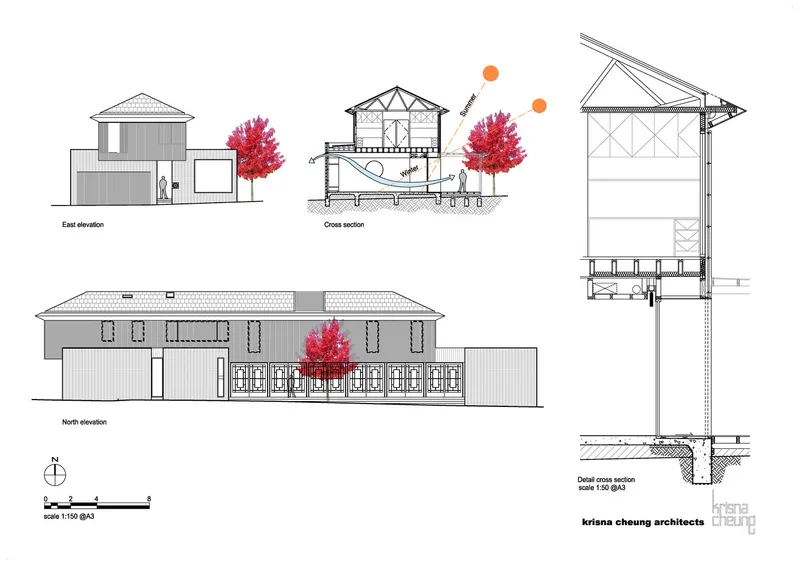
- North-oriented timber battens for sun shading, improving thermal performance and privacy.
- A traditional tiled roof for insulation, enhancing energy efficiency.
- Motorized windows and large green-shrouded doors that optimize cross ventilation, reducing reliance on mechanical cooling.
These elements work together to create a sustainable and energy-efficient home that aligns with modern environmental goals.
Blending Architecture with Nature
The house’s design seamlessly integrates with nature, offering outdoor spaces that prioritize calm and reflection. The open roof design provides expansive views of the sky, while carefully placed punctures in the façade frame beautiful glimpses of the surrounding landscape. Architectural choices emphasize the importance of natural light, ventilation, and connection to the outdoors, creating a serene and healthy living environment.
A Lantern of Calm and Harmony
The Tea House by Krisna Cheung Architects is a masterful representation of modern architecture grounded in cultural tradition. By blending Asian warmth with Melbourne’s local identity, the home becomes a sanctuary of balance, peace, and connection. Its thoughtful design supports sustainability, multi-generational living, and spatial harmony, making it a timeless addition to Melbourne's architectural landscape. The Tea House not only serves its residents but also contributes to the broader context, embodying a lantern-like presence that reflects warmth and renewal in the heart of Glen Iris.
All Photographs are work of Peter Bennetts Studio


Popular Articles
Popular articles from the community


The Ocean Hive: Sustainable Architecture for a Self-Sufficient Civilization at Sea
The Ocean Hive imagines sustainable architecture at sea, where modular habitats, algae, wave power and ocean waste sustain a growing colony.

Riyadh For All: Intergenerational Urban Design for Active Aging in Rabat
Riyadh For All reimagines urban design in Rabat with intergenerational co-living, adaptive courtyards, and Moroccan cultural exchange today.

Co-Life: Senior Housing Design That Reconnects Older Adults With the City
Co-Life reimagines senior housing design through healing gardens, shared streets, workshops, and a sustainable community across generations.

The Musturak Paradise: Senior Living Architecture for a Connected Future in Temara, Morocco
The Musturak Paradise reimagines senior living architecture in Temara via private homes, social spaces, culture, community, and shared care.
Similar Reads
You might also enjoy these articles


Hodi-Mandai Geram
Project Function: Preservation and revitalization of the Intangible heritage and socio-spatial identity of the Hodi by Housing, Cultural Memory Center, Sacred Grove, landscape, local tourism economy


Olio Towers: A Mid-Rise for Performers That Fuses Housing, Rehearsal, and Stage
Located blocks from Houston's Theater District, this modular tower stacks living units around a central performance atrium.

Oasis: Modular Green Housing Carved into Dhaka's Urban Fabric
A shortlisted Plugin Housing entry reclaims unauthorized settlements in Dhaka with stepped concrete volumes, green roofs, and ventilation-driven design.

Black Hole: A Floating Megastructure for the Post-Physical Era
Emiliano Mazzarotto envisions a spherical, self-scaling arena where e-sports, digital hotels, and holographic stadiums replace traditional public space.

Explore Architecture Competitions
Discover active competitions in this discipline



Challenge to reimagine the Iron Throne


Photograph architecture without architects


Illustrate the lost glory of Angkor Wat - Render Challenge


Design challenge to reuse E-waste
Comments (0)
Please login or sign up to add comments
No comments yet. Be the first to comment!