
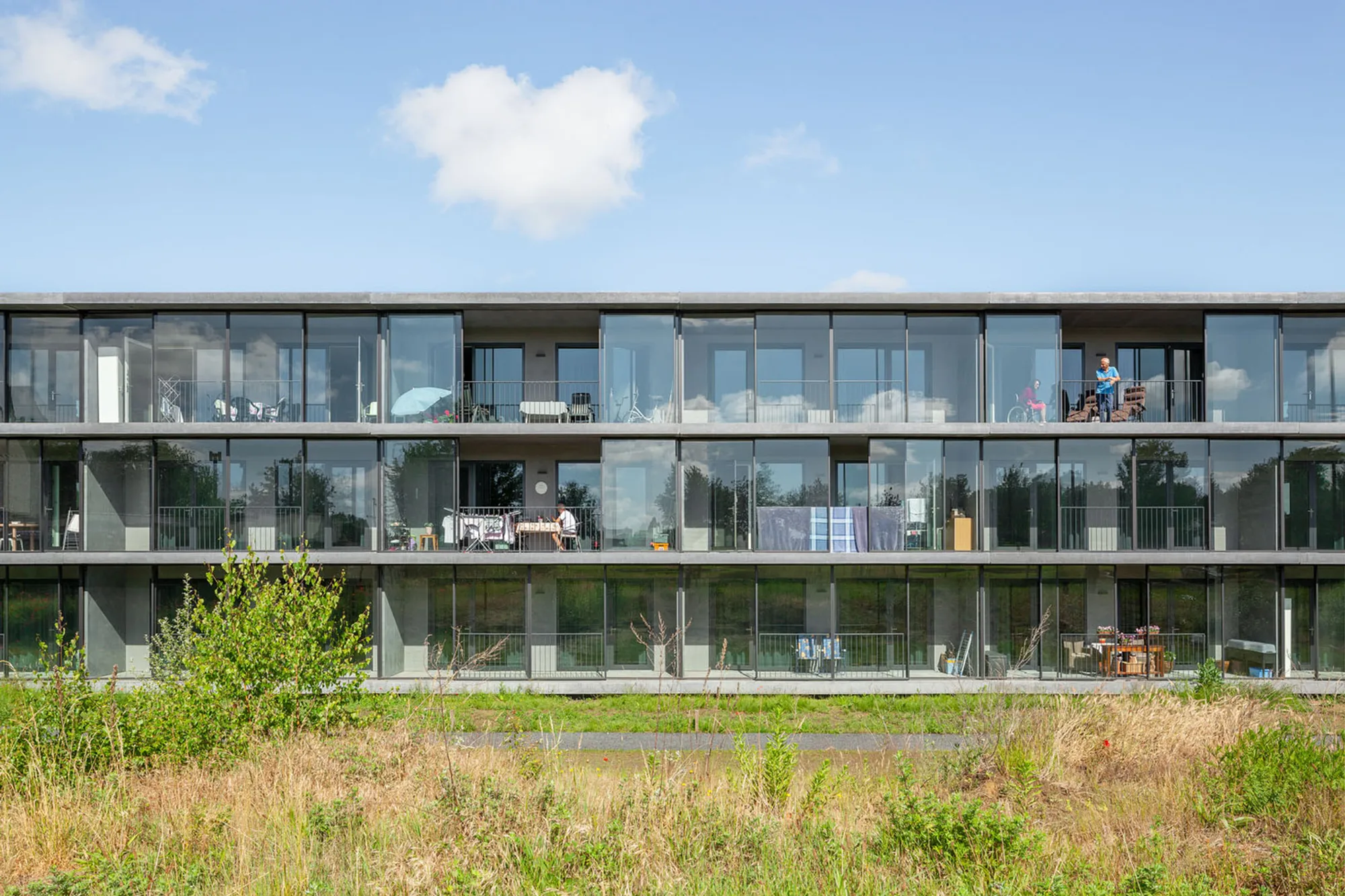
Ten Kerselaere Residential Care Center by Atelier Kempe Thill: Redefining Elderly Living in Rural Belgium
A compact, atrium-centered care home with winter gardens, blending robust concrete exteriors and bright interiors for elderly residents.


Nestled in the serene rural landscape of Heist-op-den-Berg, Belgium, the Ten Kerselaere Residential Care Center by Atelier Kempe Thill, in collaboration with Daniel van Doorslaer, represents a forward-thinking model for senior housing in the 21st century. Completed in 2020, the 3,363 m² facility seamlessly integrates architectural innovation with the evolving needs of elderly residents—providing a dignified, accessible, and vibrant environment.
A Master Plan Rooted in Context and Community
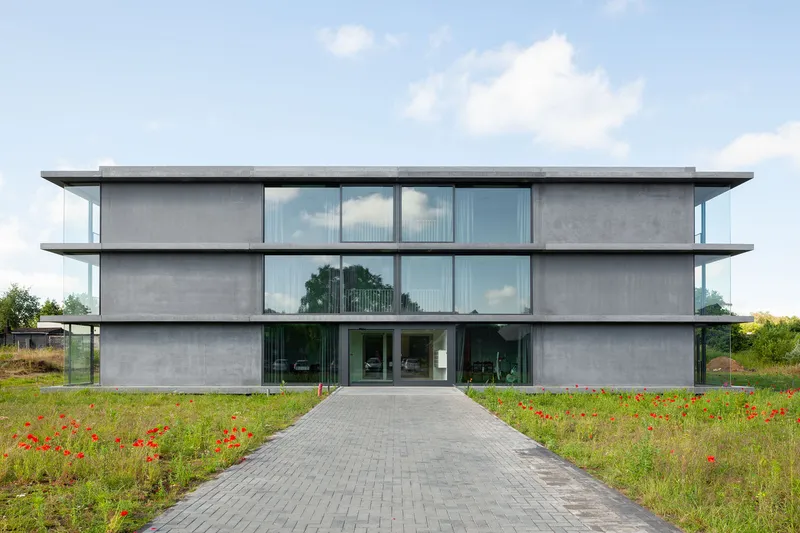
The architectural concept emerged from a competition win in 2013 and called for a major expansion of an existing 1970s care facility. Atelier Kempe Thill proposed a visionary master plan composed of four elongated urban villas set within an open, car-free park. This approach honors the low-rise, horizontal nature of the Flemish countryside, while offering a flexible framework for phased development.
Each building is independently designed to meet specific budgetary constraints and resident needs, yet contributes to a cohesive whole. The result is a “care landscape” that reflects the diversity of elderly care and promotes a more human-centered approach to senior living.
Architecture for Accessibility and Wellbeing
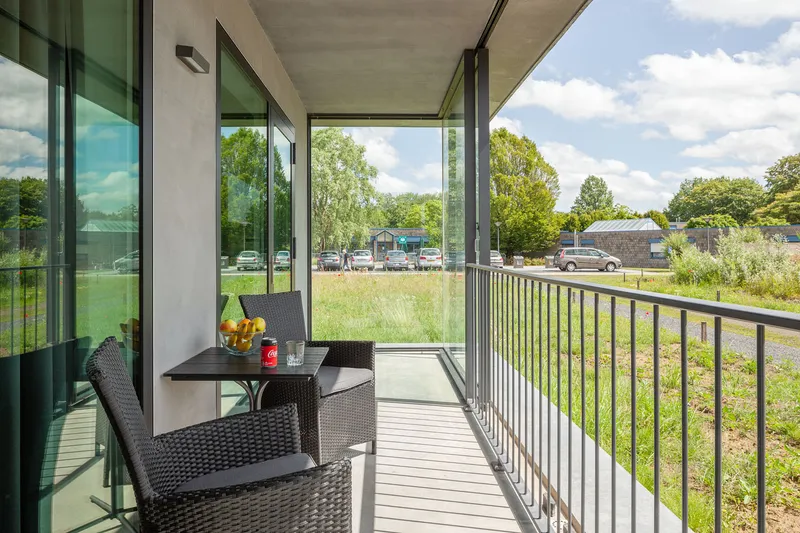
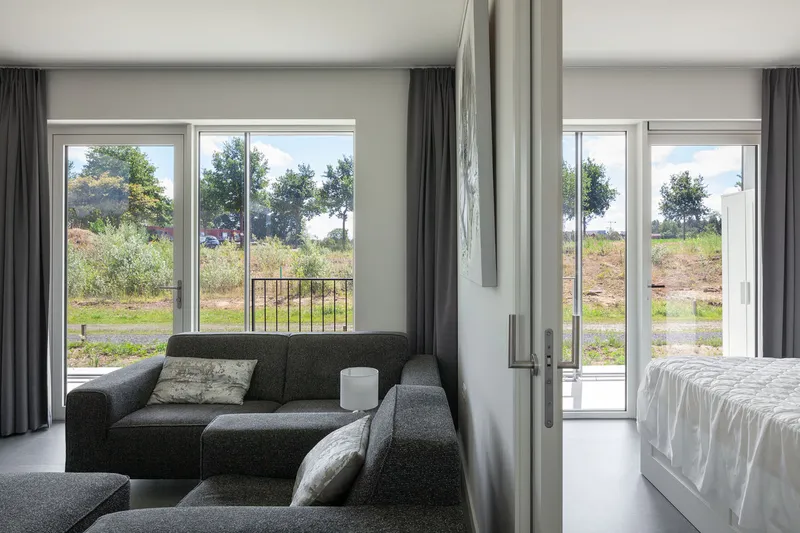
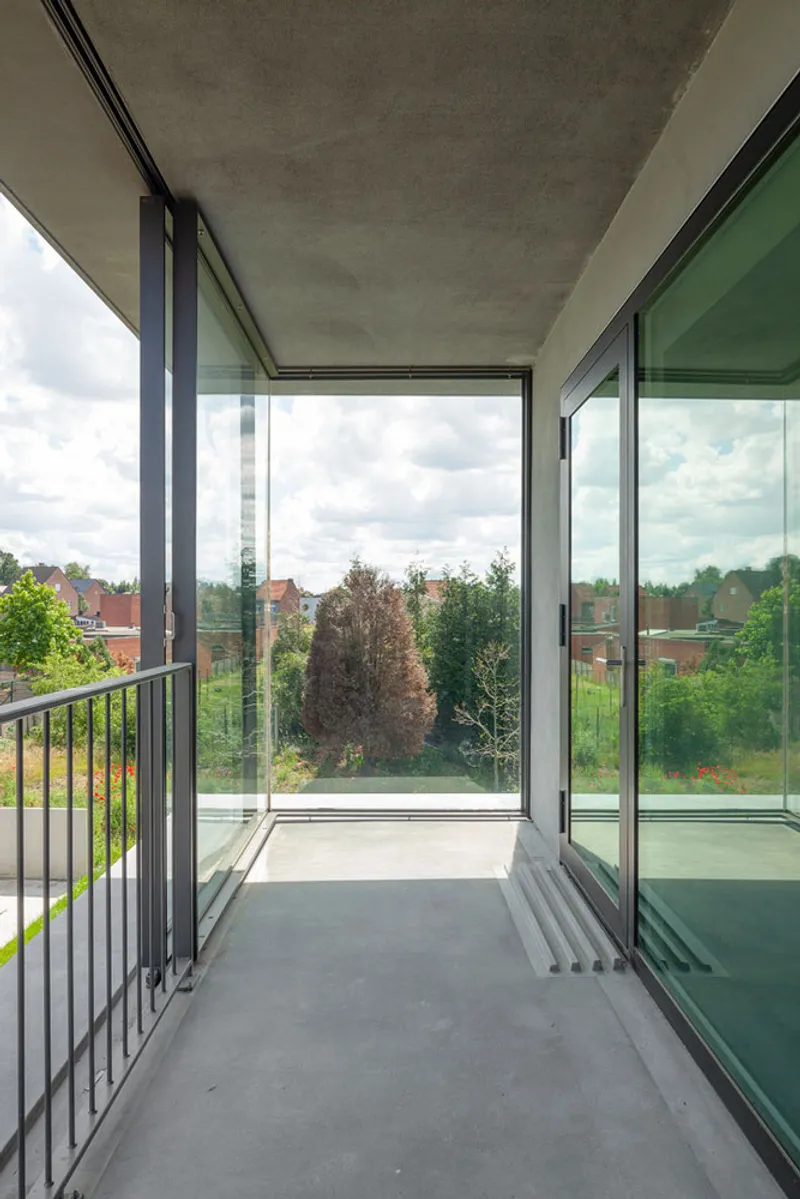
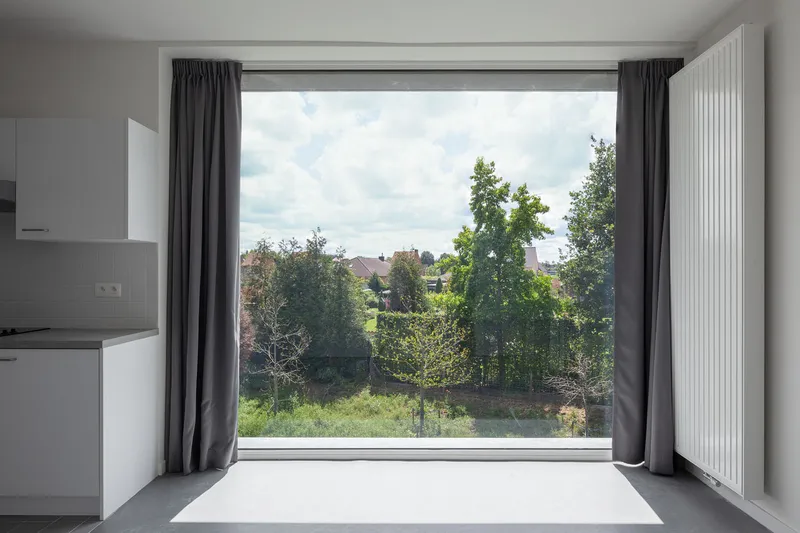
The first completed building houses 36 assisted living units, all fully wheelchair-accessible. The apartments—primarily two-room flats of approximately 62 m²—feature open-plan kitchens and are aligned along a 7.20 m axial grid. Spacious corner flats with three rooms expand the typological variety, while all units include 7-meter-wide winter gardens that allow year-round outdoor access.
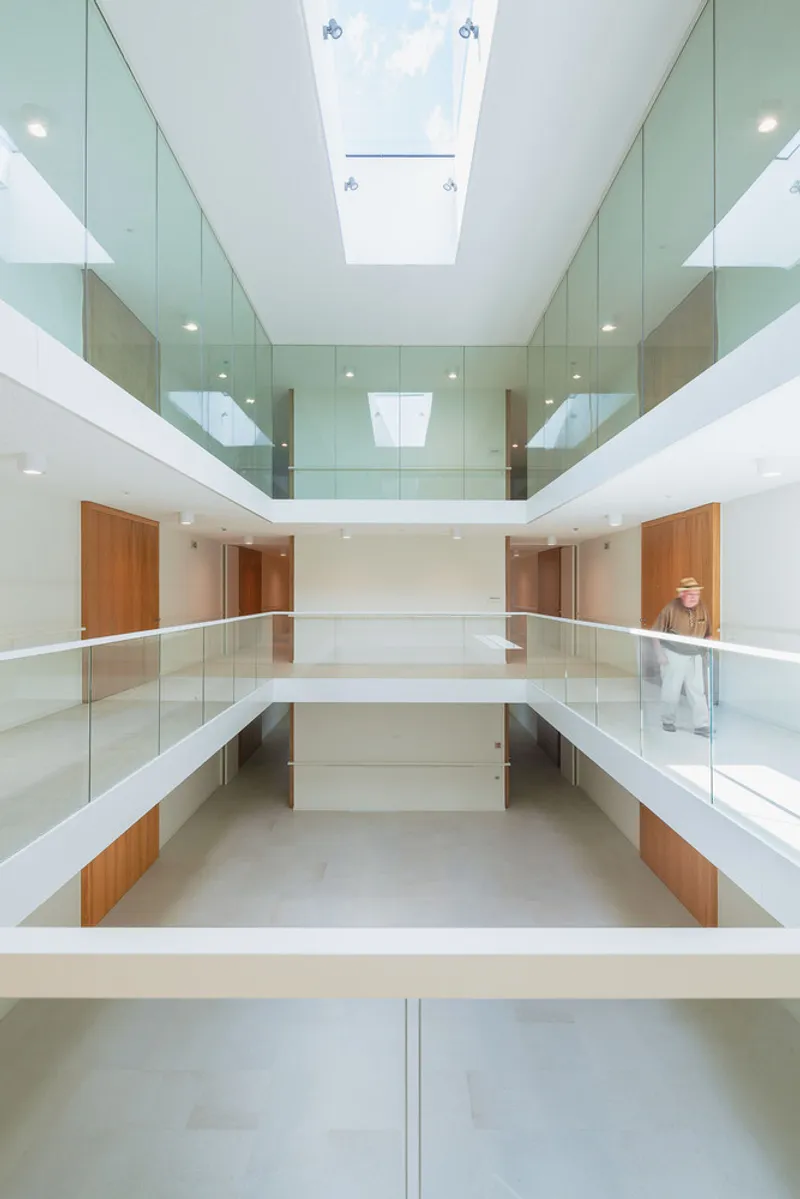
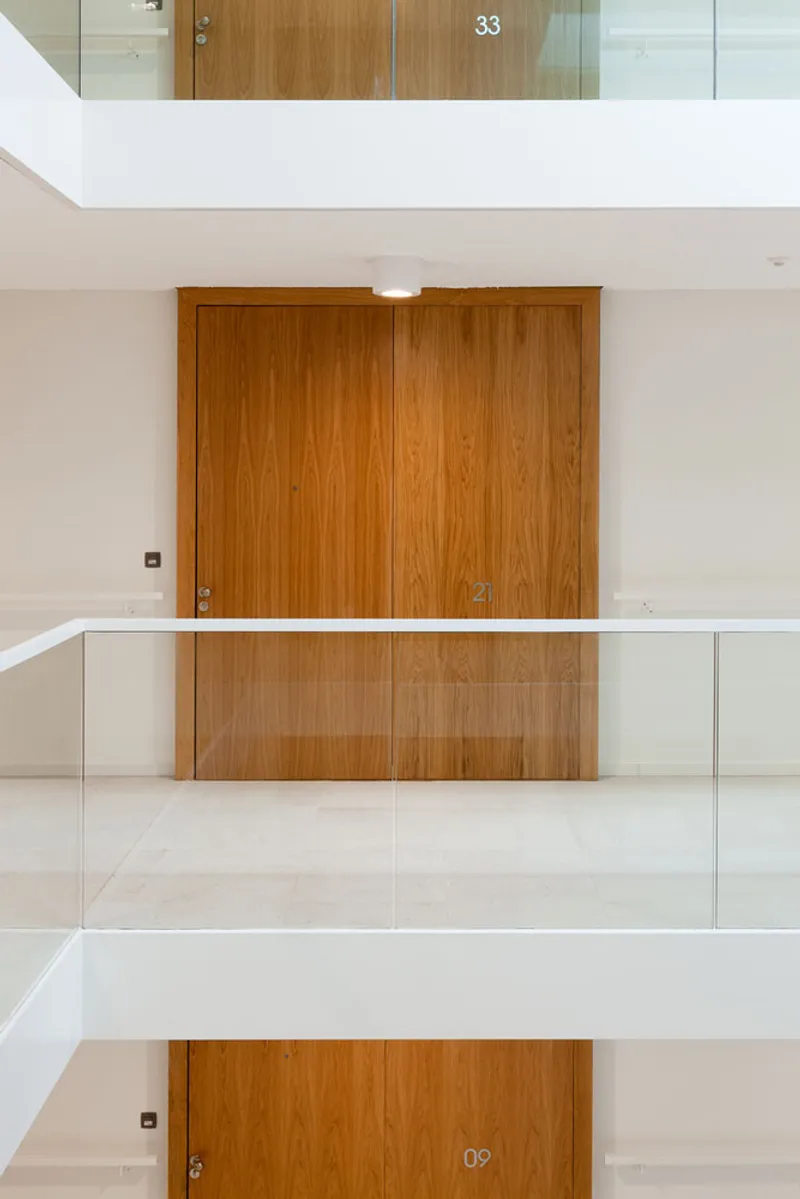
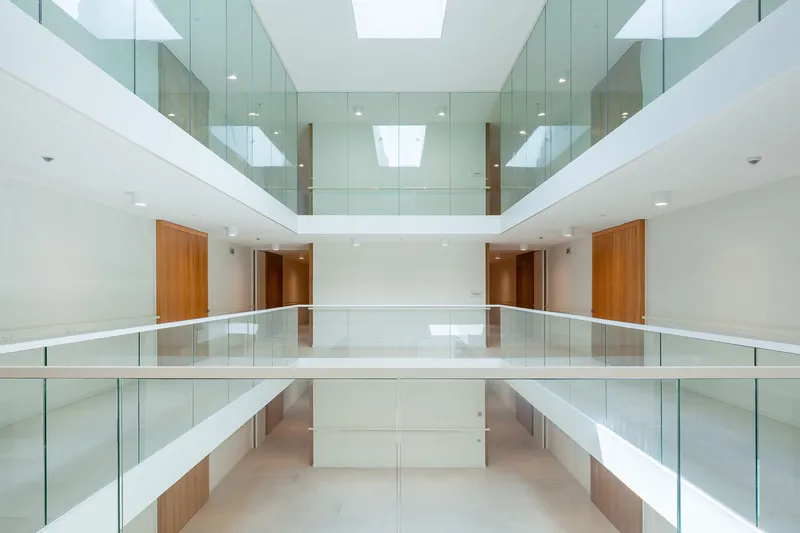
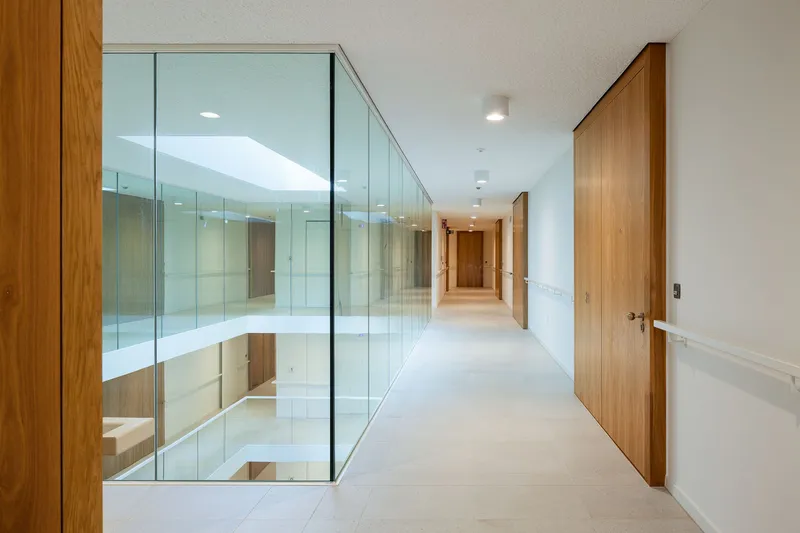
The building’s compact and efficient floor plan is organized around a central atrium, filled with natural light. This atrium not only improves ventilation and illumination but also serves as a social heart of the residence. Open galleries connect the apartments, encouraging resident interaction, while a communal kitchen transforms the space into a shared domestic setting—reinforcing a sense of belonging and community.
Material Expression and Environmental Response
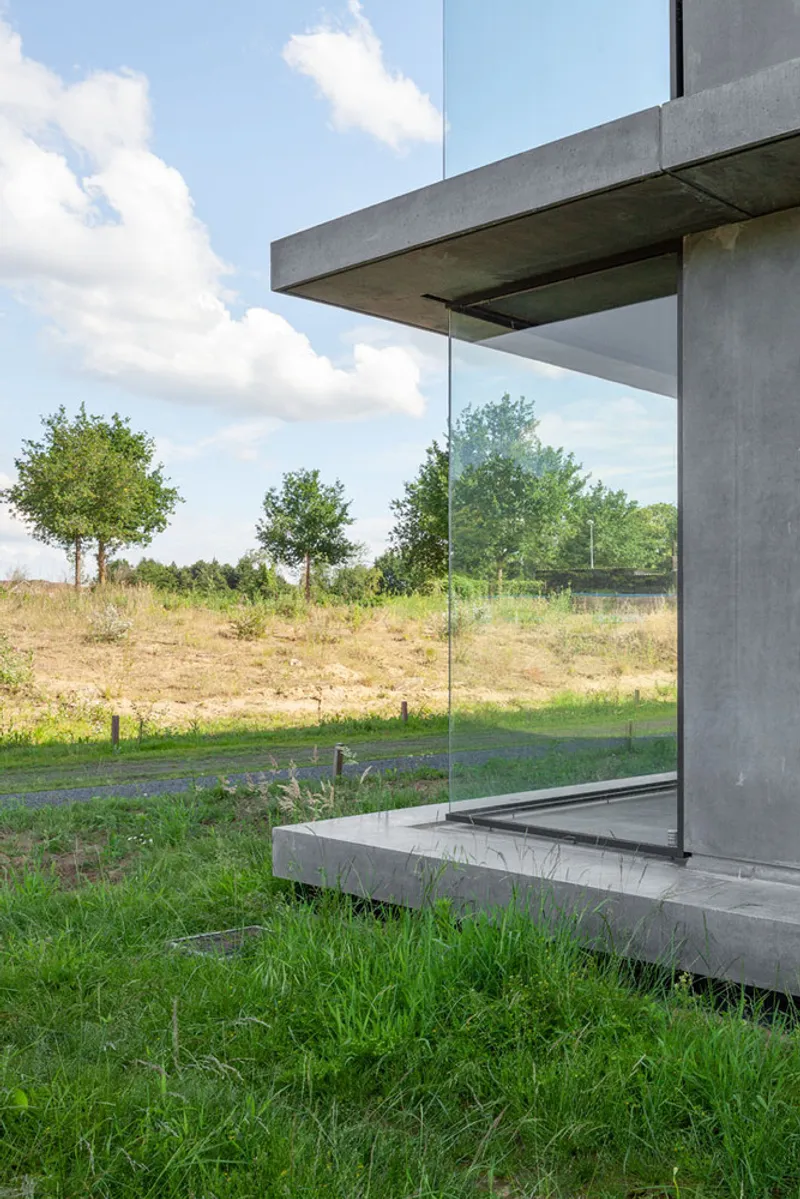
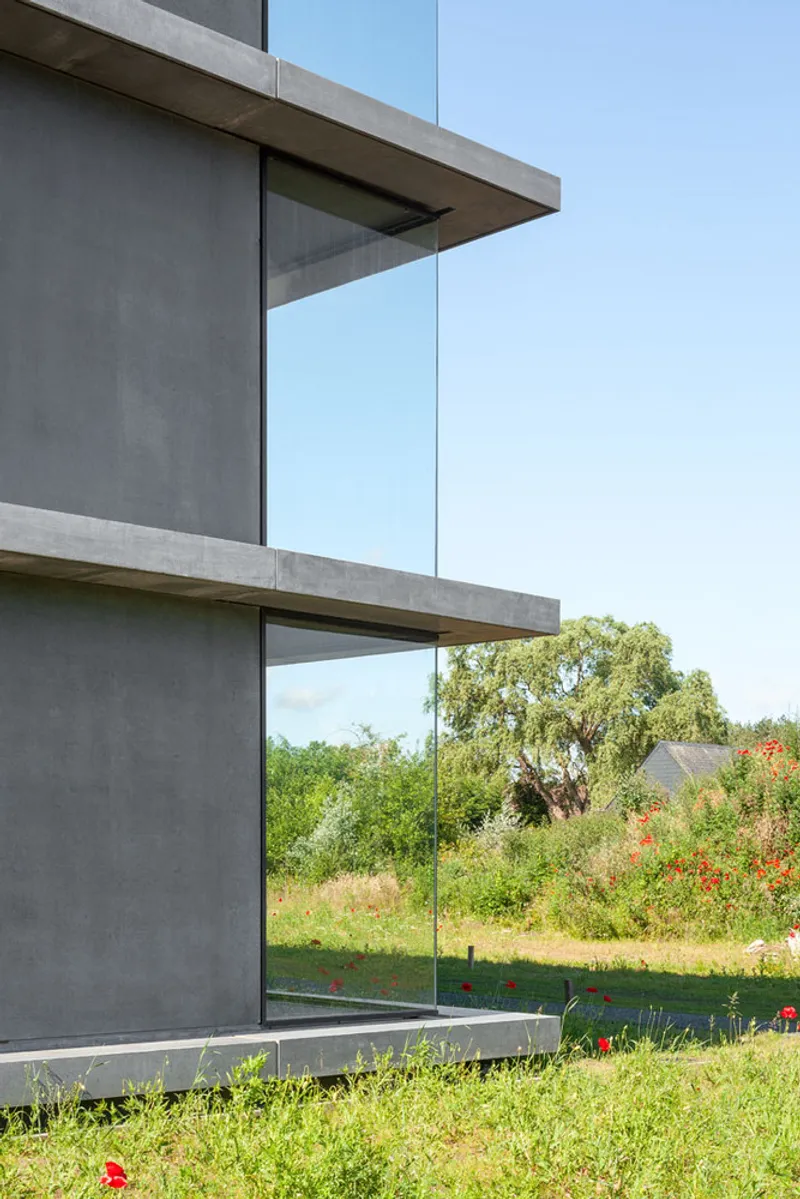
From the outside, the building’s presence is bold yet refined. The facade features prefabricated concrete panels, cast in white concrete with black pigment aggregates and polished for a rich, anthracite finish. These elements are both aesthetically striking and climate-resilient, suited to the humid maritime conditions of Flanders.
The winter garden facades use floor-to-ceiling sliding glass panels framed in slim, anodized aluminum. This transparency blurs the boundary between interior and exterior, enhancing daylight access while animating the façade with glimpses of daily life. Inside, the mood shifts: sun-drenched atriums, glass balustrades, and sand-colored floor tiles cultivate an atmosphere of warmth and clarity. Custom solid oak doors further contribute to the homely ambiance.
A Prototype for Future-Oriented Elderly Housing
The Ten Kerselaere Care Center is a compelling prototype for cost-effective, high-quality senior housing. Designed within a standard Flemish retirement home budget, the project strategically minimized technical complications—reducing suspended ceilings and excessive piping—to redirect resources toward generous communal spaces and durable materials.
This balance between economy and experience is a testament to Atelier Kempe Thill’s commitment to socially responsive architecture. The design provides not just shelter, but a thriving environment that enhances daily life, independence, and dignity for aging residents.
All Photographs are works of Ulrich Schwarz


Popular Articles
Popular articles from the community


Co-Life: Senior Housing Design That Reconnects Older Adults With the City
Co-Life reimagines senior housing design through healing gardens, shared streets, workshops, and a sustainable community across generations.

Hill & Cross Opera: Sculptural Opera House Architecture Shaped by Tallinn’s Landscape and Identity
Hill & Cross Opera reimagines opera house architecture in Tallinn through its sculptural hill, civic plaza, glass wave and a luminous cross.

The Musturak Paradise: Senior Living Architecture for a Connected Future in Temara, Morocco
The Musturak Paradise reimagines senior living architecture in Temara via private homes, social spaces, culture, community, and shared care.

Co-life: Sustainable Architecture for Age-Friendly Community Living
Co-life reimagines sustainable architecture for seniors through courtyards, rammed earth, shared gardens, and spaces designed for belonging.


Similar Reads
You might also enjoy these articles


Hodi-Mandai Geram
Project Function: Preservation and revitalization of the Intangible heritage and socio-spatial identity of the Hodi by Housing, Cultural Memory Center, Sacred Grove, landscape, local tourism economy


Olio Towers: A Mid-Rise for Performers That Fuses Housing, Rehearsal, and Stage
Located blocks from Houston's Theater District, this modular tower stacks living units around a central performance atrium.

Oasis: Modular Green Housing Carved into Dhaka's Urban Fabric
A shortlisted Plugin Housing entry reclaims unauthorized settlements in Dhaka with stepped concrete volumes, green roofs, and ventilation-driven design.

Black Hole: A Floating Megastructure for the Post-Physical Era
Emiliano Mazzarotto envisions a spherical, self-scaling arena where e-sports, digital hotels, and holographic stadiums replace traditional public space.
Explore Ageing-Well Design Competitions
Discover active competitions in this discipline


Challenge to design mud housing for contemporary communities


Challenge to reimagine the Iron Throne


Photograph architecture without architects


Illustrate the lost glory of Angkor Wat - Render Challenge
Comments (0)
Please login or sign up to add comments
No comments yet. Be the first to comment!