
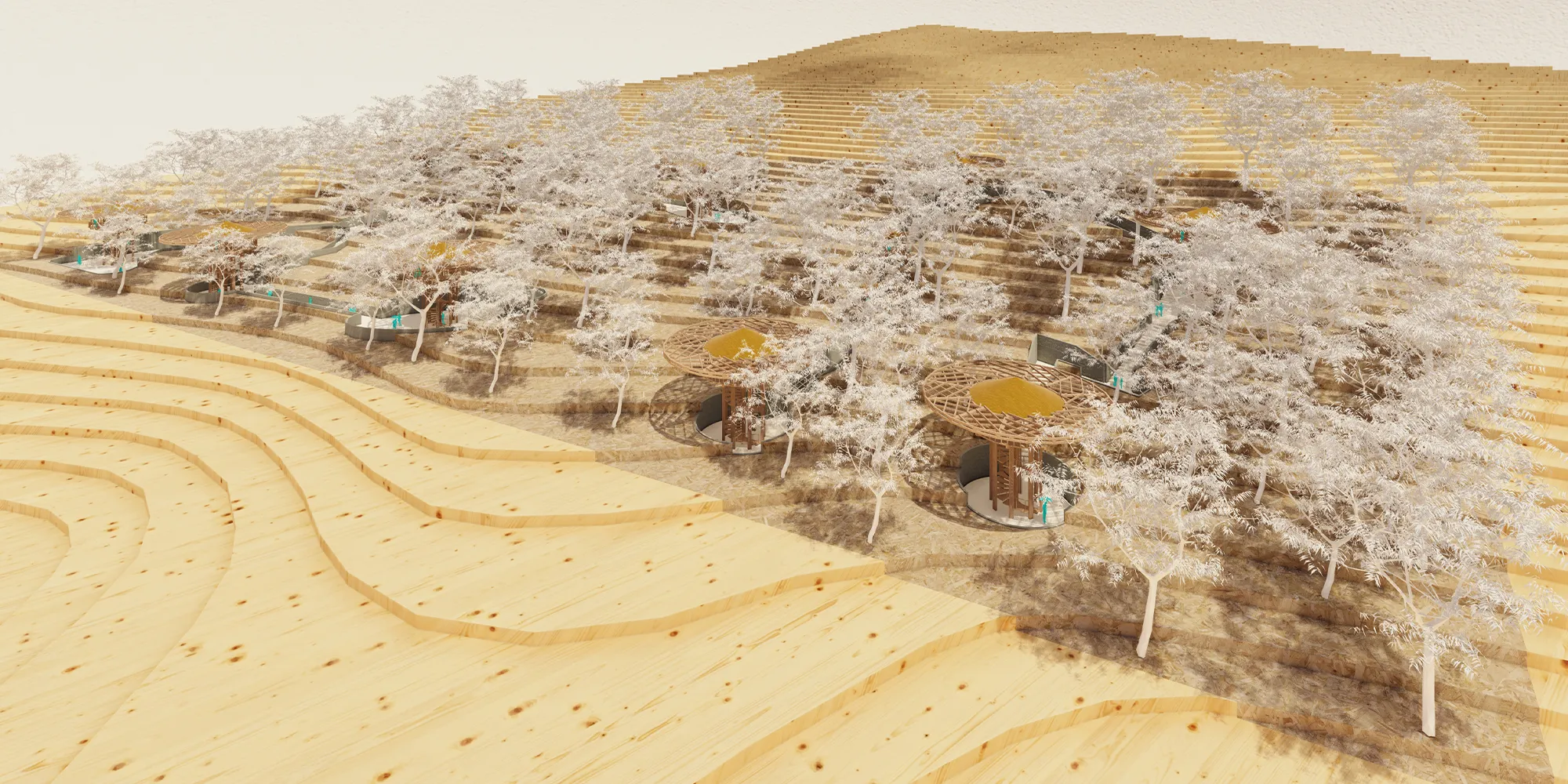
The Arboreal Perspective
A Proposed Re-interpretation of Observation Towers in the Lake Nakuru National Park.

The concept of The Arboreal Perspective lies within the idea that humans utilize watchtowers/observation towers to varying degrees with equally varying relationships. To some, it's a simple elevated structure designed to give better vistas while in areas of interest. To others, it's a sanctuary that protects them from the area they are in. I decided that both schools of thought have something to offer concerning the redefinition of the typology. In addition, the idea of symbiosis between man and his surroundings has always been neglected with the watchtower typology. So I decided that the concept for the watchtower reinterpretation would provide proper vistas, that not only protected the visitors but also engaged them in a relationship with their environment, hence, The Arboreal Perspective.
Since primates are the closest relatives we human beings, have I realized that I can utilize the tree (or at least the form and a simple biomimetic version of it) to my advantage to achieve my goals. The form would (in the closest ideals of a natural ecosystem) help me achieve my goals while still providing adequate vistas to the visitors. The arboreal portion of the concept is simple parallelism to us and primates which develops the idea further.
The design has two main parts, The Tower and The Underground. The Tower(s) provide the vistas while The Underground provides the protected and 'camouflaged' avenue for movement within the site. The site is populated by 10 towers to allow more visitors and more viewpoints. The Underground helps facilitate movement through these towers to provide a different vantage point than humans are used to. As I stated previously, the project also aims to promulgate a relationship between site and man which is achieved through The Underground. Given that the site elevation is sloped, the position of the towers and of the pathways was strategically placed to ensure that there are truly many perspectives and viewpoints to appreciate. There is also this almost labyrinth-esque appeal to The Underground that should really relate the visitors to the site as a whole. It should be appreciated as an alternate experience as opposed to a nuisance that must be overcome.
Material-wise, The Towers are made up of the traditional watchtower material (which is wood) and a tiered thatched roof. Construction-wise, while The Underground presents some construction complications, I believe that a simple closure of the area would solve this problem. The sheer walls would be made out of a concrete outer layer and a rammed earth inner layer. The steps will be made out of porous concrete as well.
Man, in the situation of visiting wildlife preserves, has always presented a form of hubris in the scenario - it is my goal to remove this hubris for us to truly appreciate not only the views of the place but also the relationship between humans and nature.
The redefinition of the simple watchtower typology is perpetuated in the aforementioned relationship between man and nature. I believe it is this relationship that has caused our species to appreciate nature in this way. In the maquette-style perspectives, you can see that the visual goals of the concept were met, as well as, the redefined relationship between the watchtower, nature, and man.



Popular Articles
Popular articles from the community

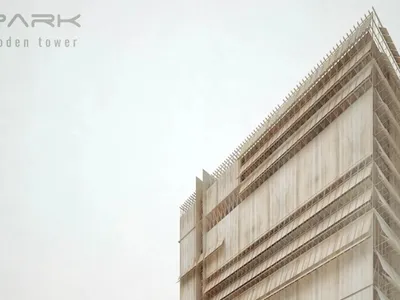
EW PARK: Sustainable Architecture Reimagines the Future of Urban Parking
EW PARK reimagines city parking as a modular wooden tower combining automation, solar energy, electric mobility, and adaptable urban design.

Hill & Cross Opera: Sculptural Opera House Architecture Shaped by Tallinn’s Landscape and Identity
Hill & Cross Opera reimagines opera house architecture in Tallinn through its sculptural hill, civic plaza, glass wave and a luminous cross.

Co-life: Sustainable Architecture for Age-Friendly Community Living
Co-life reimagines sustainable architecture for seniors through courtyards, rammed earth, shared gardens, and spaces designed for belonging.

Conexión: Biophilic Design Reimagines High-Rise Living in Hong Kong
Conexión reimagines high-rise living in Hong Kong through biophilic design, green facades, shared spaces, daylight, water and nature within.

Similar Reads
You might also enjoy these articles

Day and Night Park: A Time-Based Urban Newsstand in Beijing
A temporary urban newsstand in Beijing blending travel, light, and reading through poetic colors, compact form, and community-focused design.

Modernist Patio Renovation in El Masnou, Barcelona by Oliver Segura Arquitectura + Cebrià Arquitectura
Modernist patio renovation blending tradition and innovation with a movable pool, leveled floors, and Catalan materials in El Masnou.

Alto Residencial Coop: Cooperative Housing Development in Santiago de Compostela by Carbajo Barrios Arquitectos
A linear cooperative housing complex blending white volumes and perforated metal façades, enhancing community living, natural light, privacy, and urban integration.
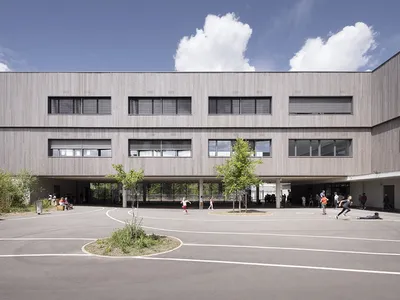
Vil Genis School by BPA ARCHITECTURE – Massy, France
Vil Genis School in Massy, France, features sustainable design, south-facing classrooms, community integration, accessible spaces, and modern educational architecture.

Comments (0)
Please login or sign up to add comments
No comments yet. Be the first to comment!