
The Brilliance of Adaptive Reuse in Architecture: A Case Study of The Church Residence
This article showcases The Church Residence, a stunning example of adaptive reuse in architecture, blending historic preservation with modern living in Sydney.


In an era where sustainability and preservation are paramount, adaptive reuse in architecture stands as a beacon of innovation and respect for our historical buildings. Adaptive reuse refers to the process of repurposing old buildings for new uses, a practice that not only conserves resources but also breathes new life into structures with significant historical, cultural, or architectural value. The Church Residence by Michiru Higginbotham, nestled in Sydney, Australia, exemplifies this practice brilliantly, marrying the past with the present in a seamless blend of old and new.
The Transformation of The Church Residence
Preserving History While Embracing Modernity
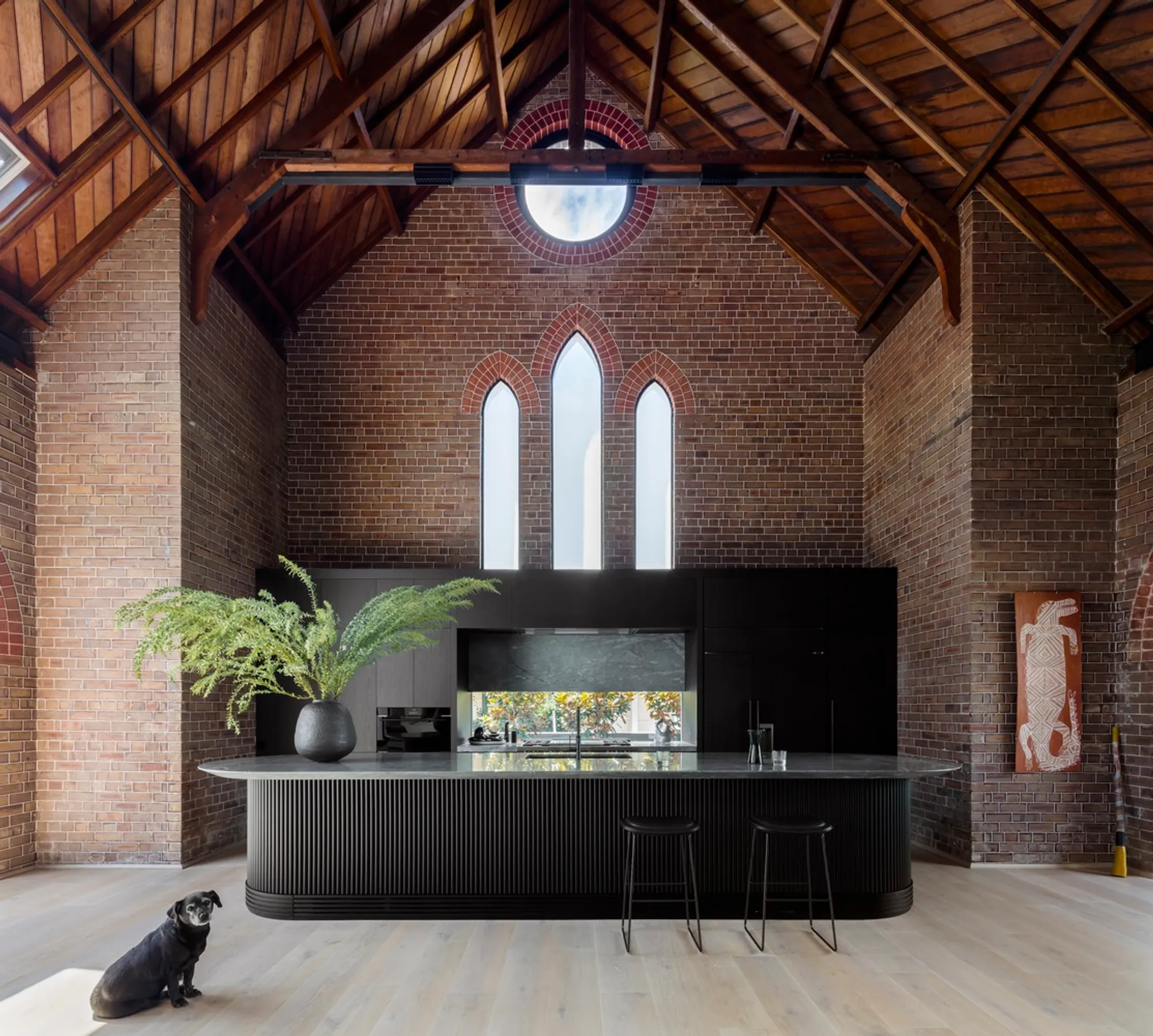
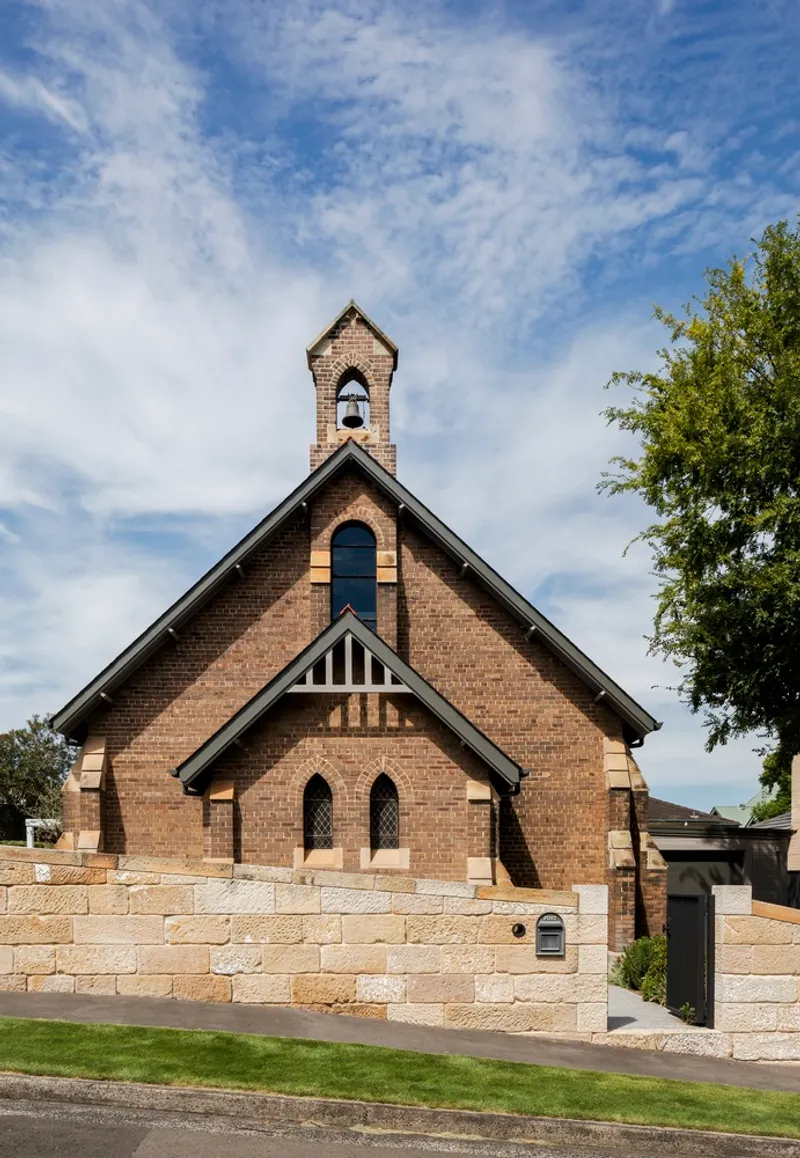
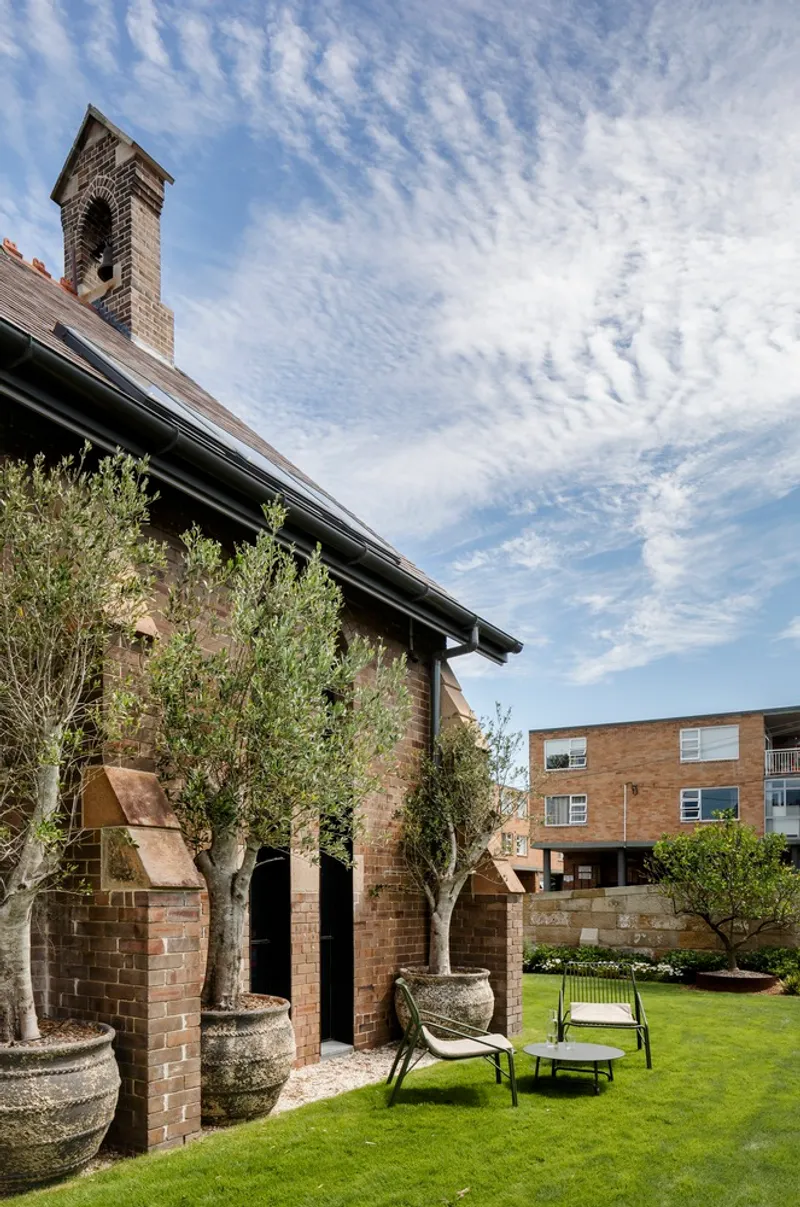
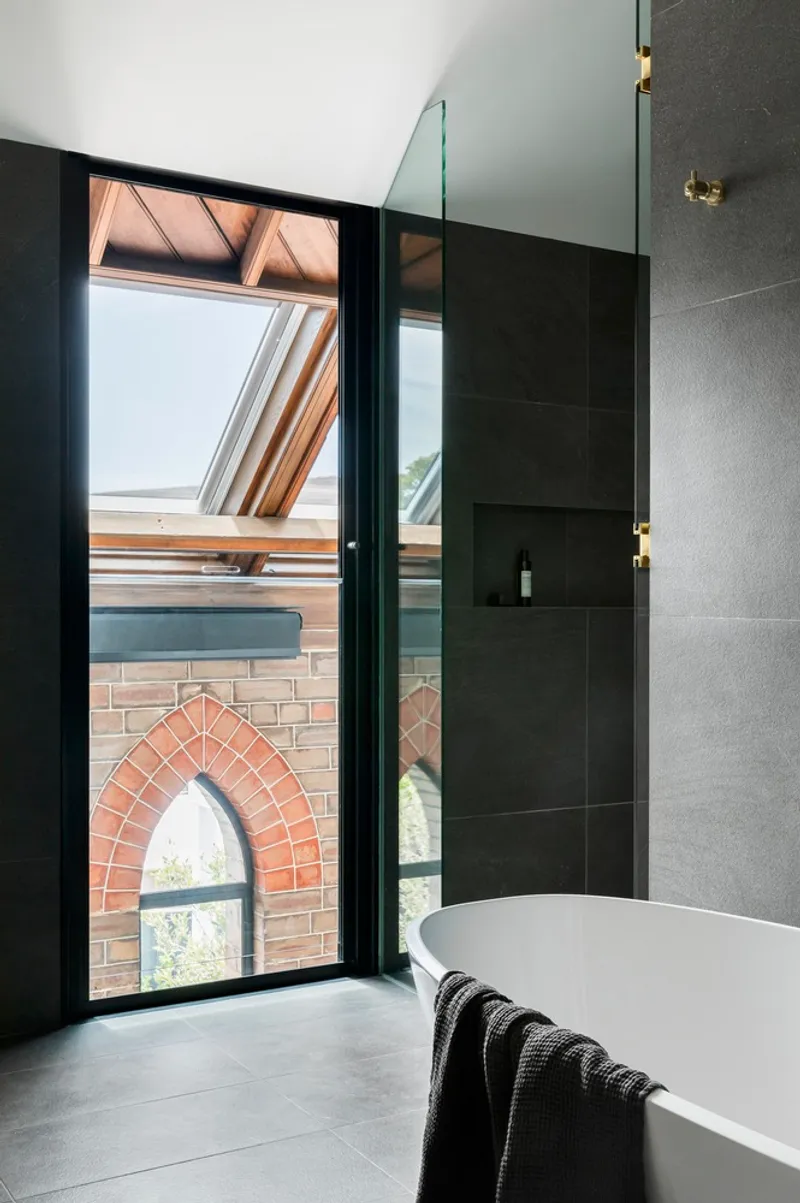
Originally a community church and theatre, The Church Residence underwent a transformative rejuvenation, emerging as a stunning three-level contemporary dwelling. This project showcases how adaptive reuse in architecture can preserve the integrity of historical buildings while introducing a modern aesthetic. The residence maintains its heritage-listed brick and sandstone façade, a nod to its rich past, while the interior showcases a modern design that respects the building's historical essence.
A Modern Home within Historical Walls
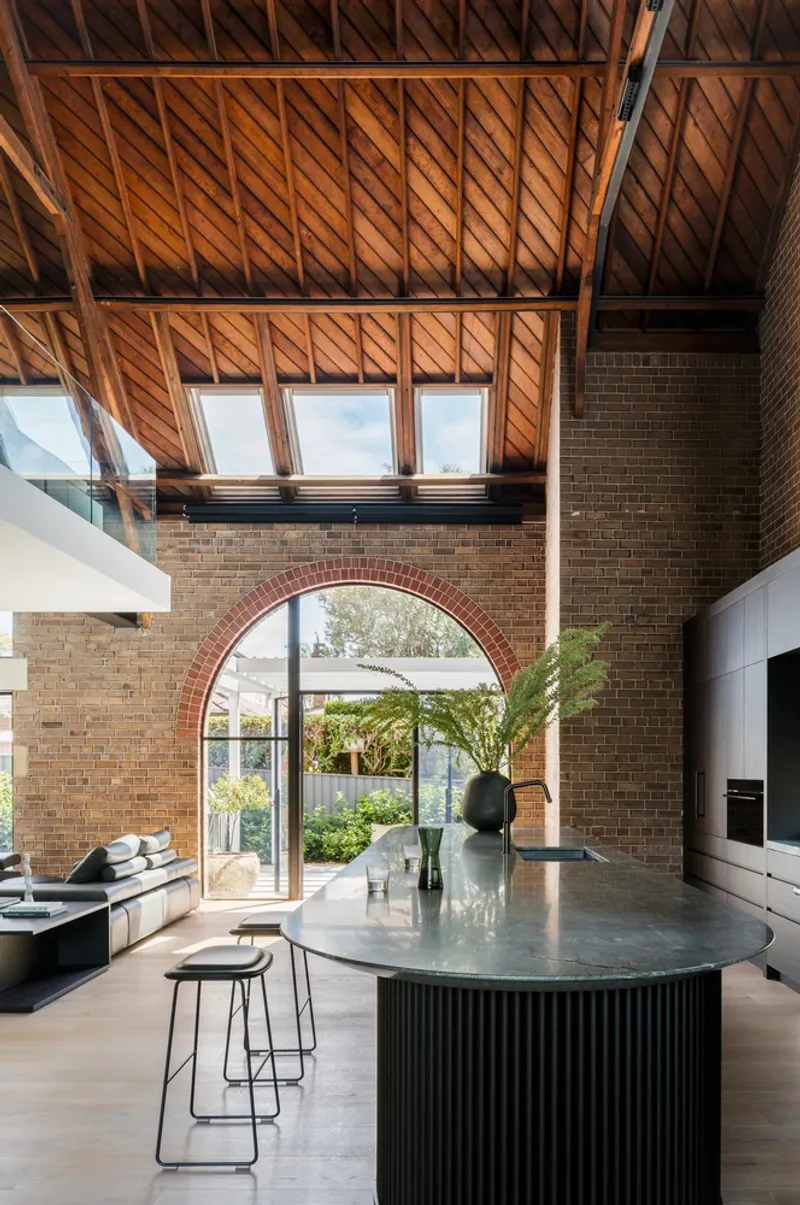
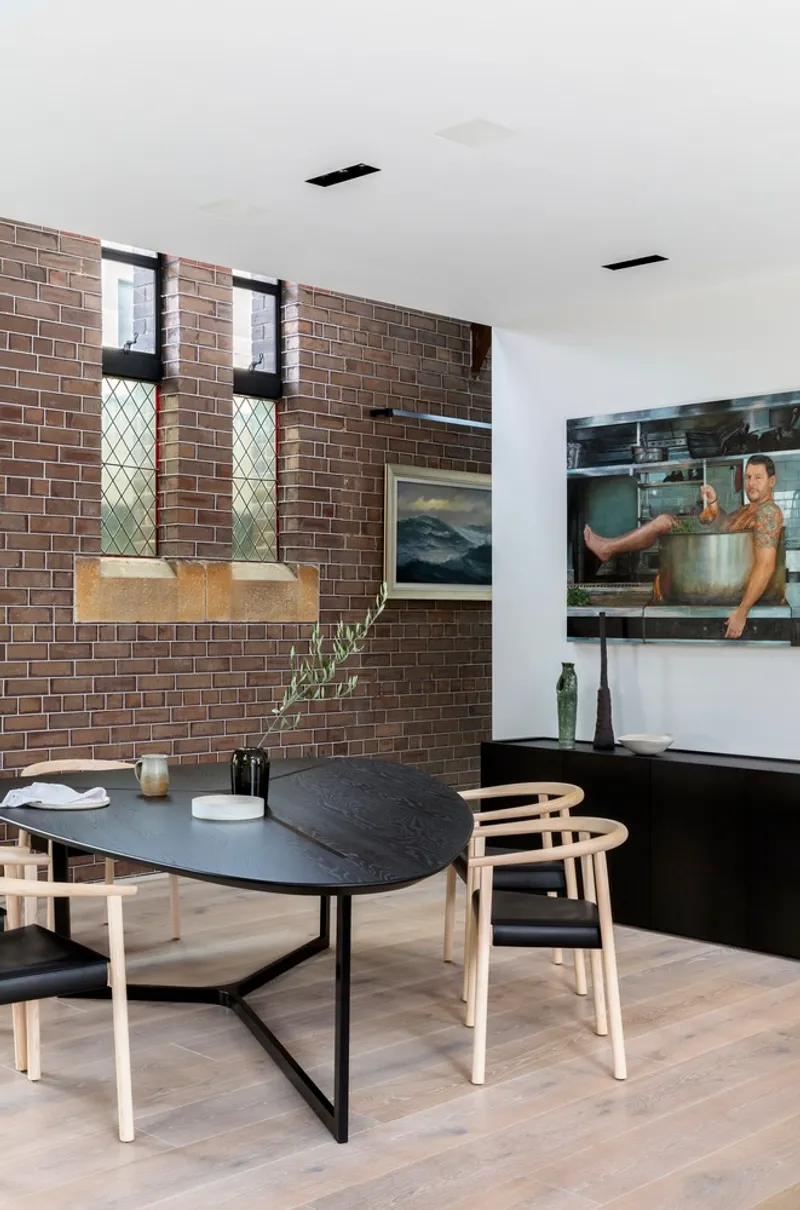
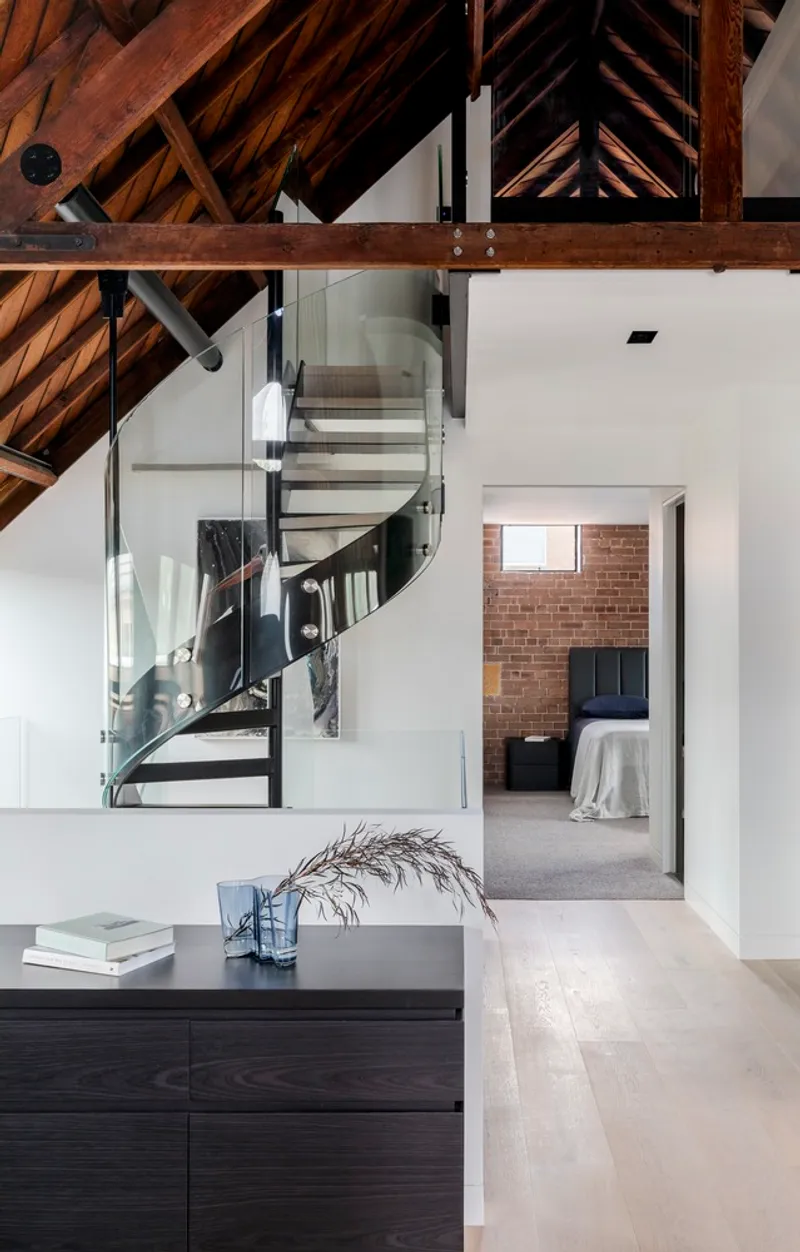
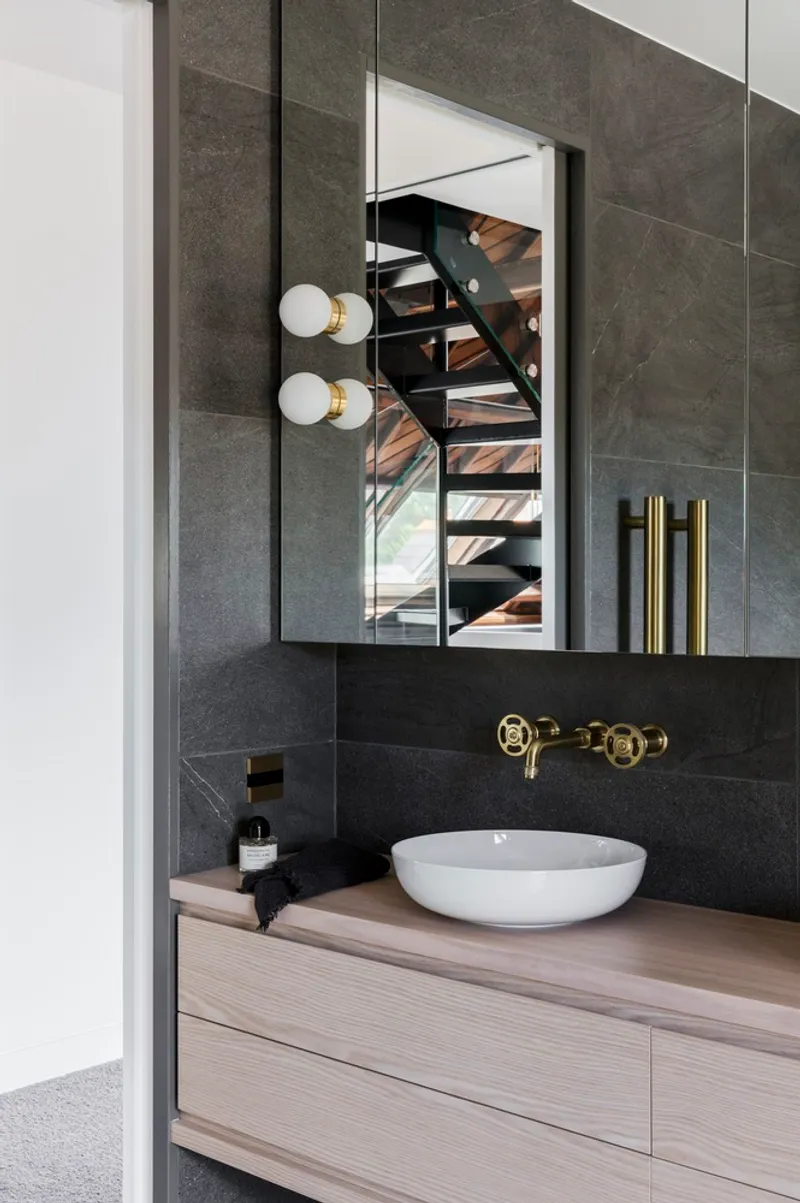
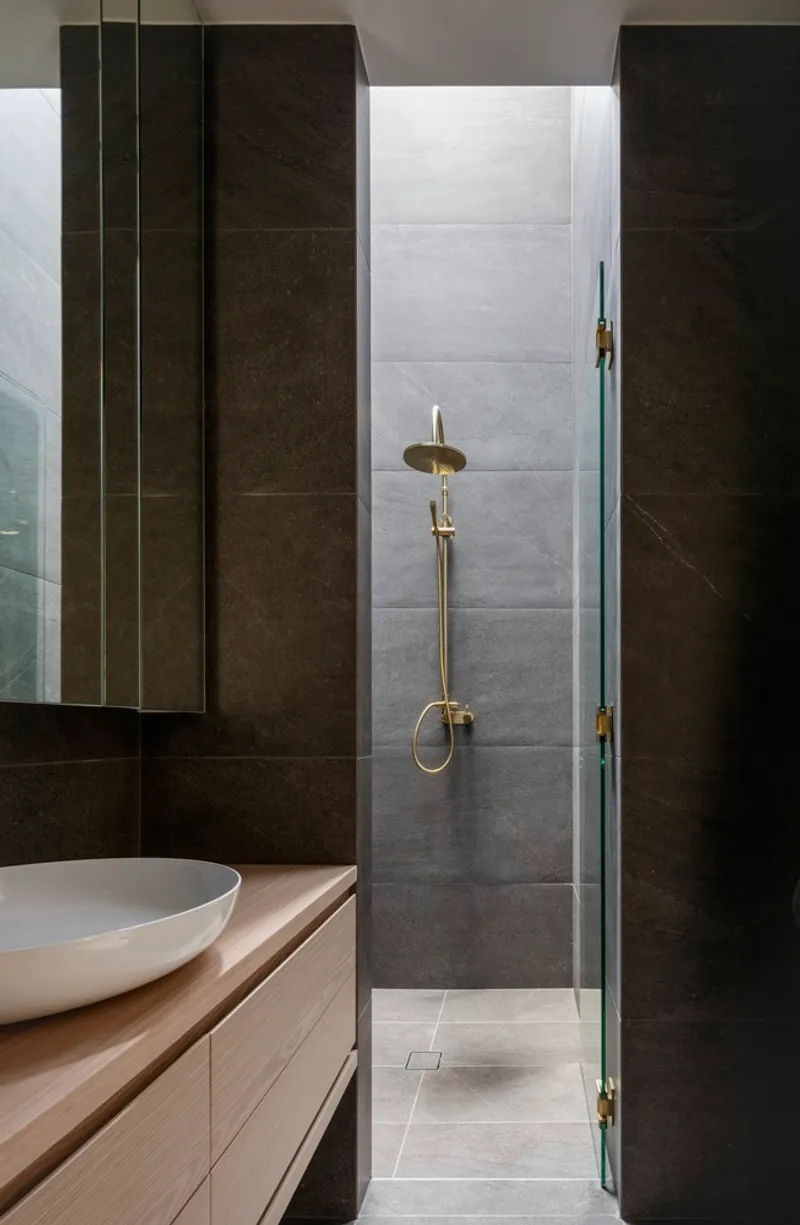
The architectural intervention at The Church Residence delicately balances tradition with contemporary design through careful material selection, lighting, and spatial arrangement. By adhering to the existing footprint, the space within has been maximized, offering an impressive volume that contrasts traditional elements with modern touches. Features such as minimal partitions, floating mezzanine levels, and expansive glazed arches highlight the structure's original beauty while providing a bright, airy atmosphere.
The Heart of the Home: A Modern Altar
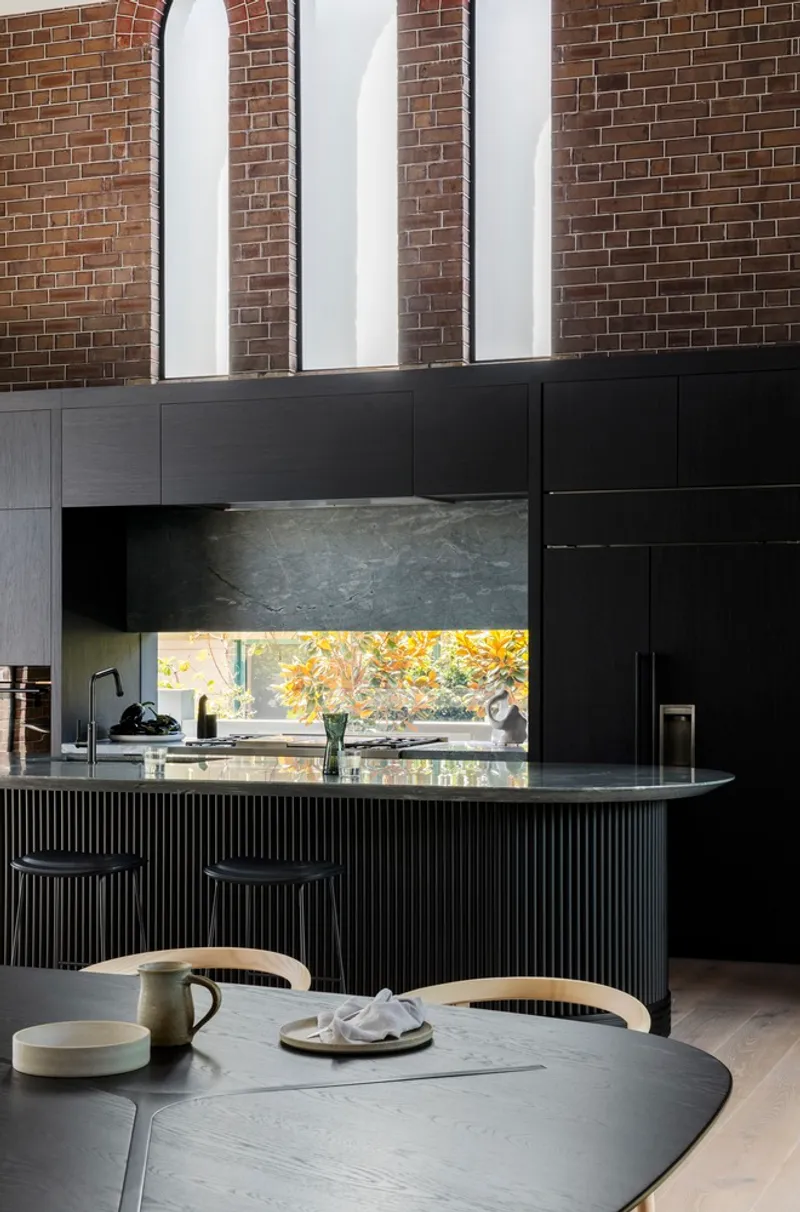
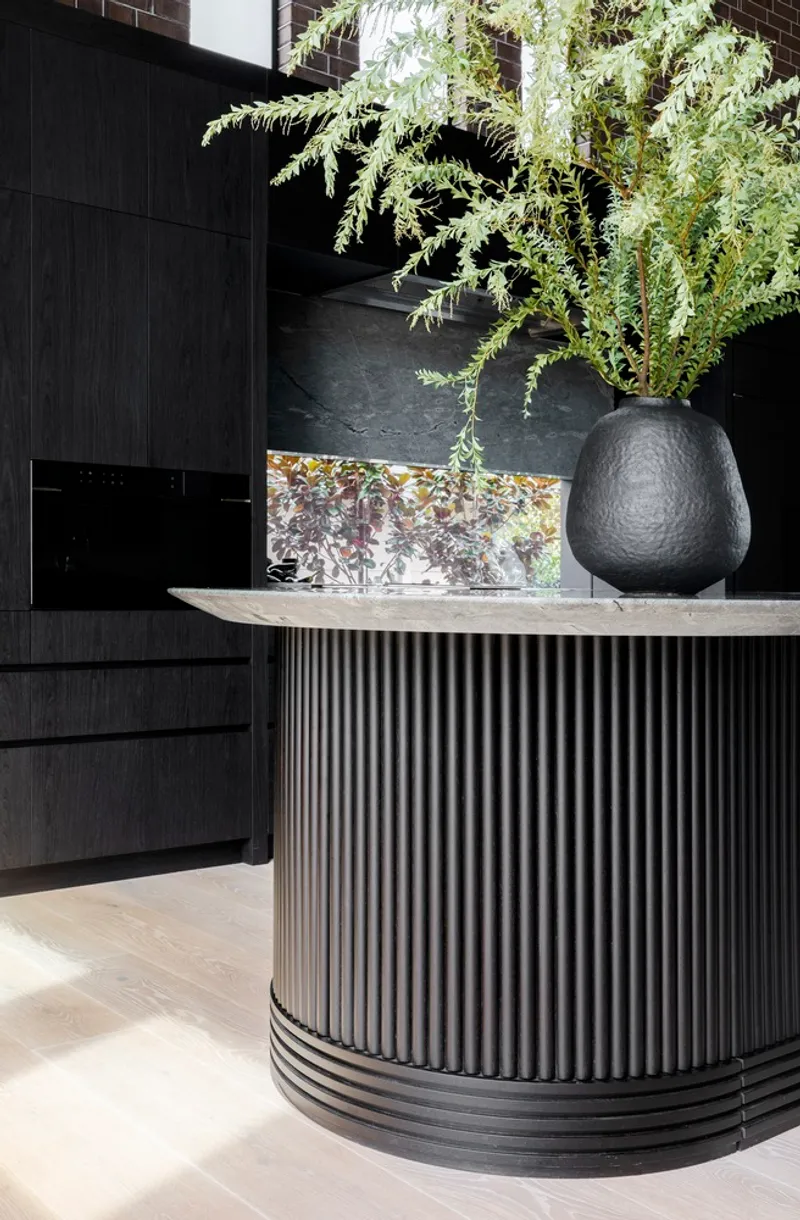
Emphasizing the communal and sacred aspect of its original purpose, the kitchen is positioned as the heart of The Church's new dwelling, mirroring the significance of an altar in a church setting. The design of the kitchen island, with its curved corners and strategic position, underscores the blend of functionality and aesthetic appeal, reinforcing the connection between past and present.
The Significance of Adaptive Reuse in Architecture
Sustainable Practice with Cultural Preservation
Adaptive reuse is more than just an architectural trend; it's a sustainable approach that conserves materials and energy, reduces urban sprawl, and preserves our cultural heritage. Projects like The Church Residence illustrate how adaptive reuse can meet contemporary needs while respecting and celebrating the history of a place.
A Model for Future Projects
The success of The Church Residence as a case study in adaptive reuse highlights the potential for other architects and developers to explore similar transformations. By creatively reimagining existing spaces, we can create functional, beautiful homes that honor their historical roots while supporting modern lifestyles.
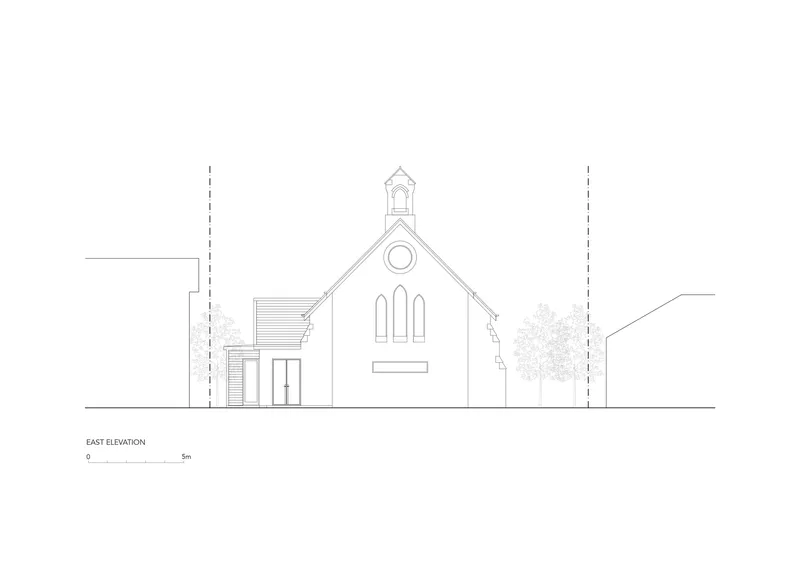
The Church Residence stands as a testament to the power and beauty of adaptive reuse in architecture. It is a prime example of how historic buildings can be given a new lease on life, offering lessons in sustainability, creativity, and respect for our architectural heritage. As we look to the future, let us embrace the possibilities that adaptive reuse holds for creating vibrant, sustainable, and culturally rich living spaces.
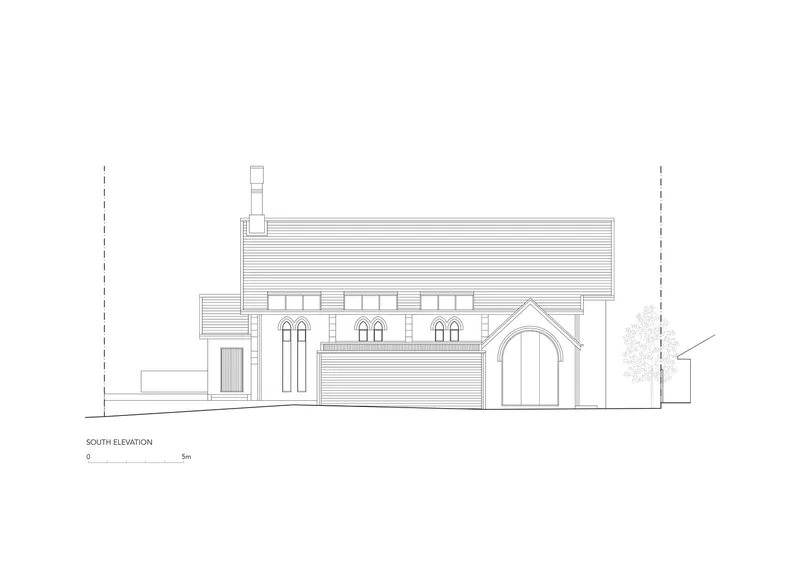
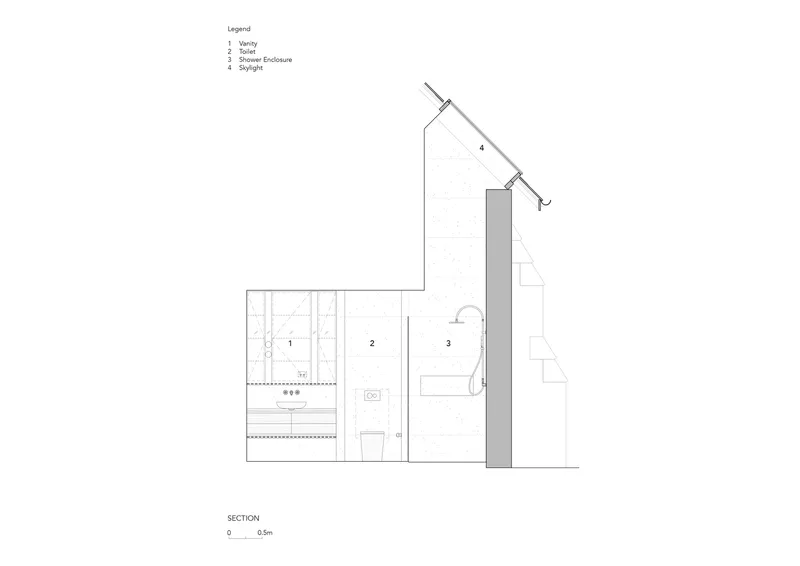
All photographs are work of Katherine Lu



Popular Articles
Popular articles from the community


Hill & Cross Opera: Sculptural Opera House Architecture Shaped by Tallinn’s Landscape and Identity
Hill & Cross Opera reimagines opera house architecture in Tallinn through its sculptural hill, civic plaza, glass wave and a luminous cross.

Lunar Spiral: Space Architecture Shaped by the Mathematics of the Universe
Lunar Spiral reimagines space architecture through Fibonacci geometry, lunar regolith, levitating habitats, and self-sustaining Moon living.

Co-life: Sustainable Architecture for Age-Friendly Community Living
Co-life reimagines sustainable architecture for seniors through courtyards, rammed earth, shared gardens, and spaces designed for belonging.

The Ocean Hive: Sustainable Architecture for a Self-Sufficient Civilization at Sea
The Ocean Hive imagines sustainable architecture at sea, where modular habitats, algae, wave power and ocean waste sustain a growing colony.


Similar Reads
You might also enjoy these articles

Maya Harvest: A Cacao Resort Village Rooted in Mayan Tradition and Local Craft
Situated within a Tabasco cacao plantation, this shortlisted resort proposal merges vernacular materials with hands-on cultural immersion.
Harmonia: A River-Shaped Community That Grows Over Decades in Boa Vista
Curved pathways and modular grid structures along the Branco River create a phased settlement designed to evolve from 2030 to 2050.

The Architecture of Bathing: A Mughal Hammam Reimagined Across the Yamuna
Charlotte May's honorable mention entry for The Black Taj reinterprets Agra's bathing rituals through red sandstone, water, and framed views of the Taj Mah

Om-1: A Wall-Hung System That Moves Your Workspace Off the Desk
Modular plywood boards, magnetic pegs, and utility elements migrate clutter from the horizontal surface to the vertical plane.


Explore Adaptive Reuse Competitions
Discover active competitions in this discipline



Challenge to reimagine the Iron Throne


Photograph architecture without architects


Illustrate the lost glory of Angkor Wat - Render Challenge


Bring back Drive In's
Comments (0)
Please login or sign up to add comments
No comments yet. Be the first to comment!