
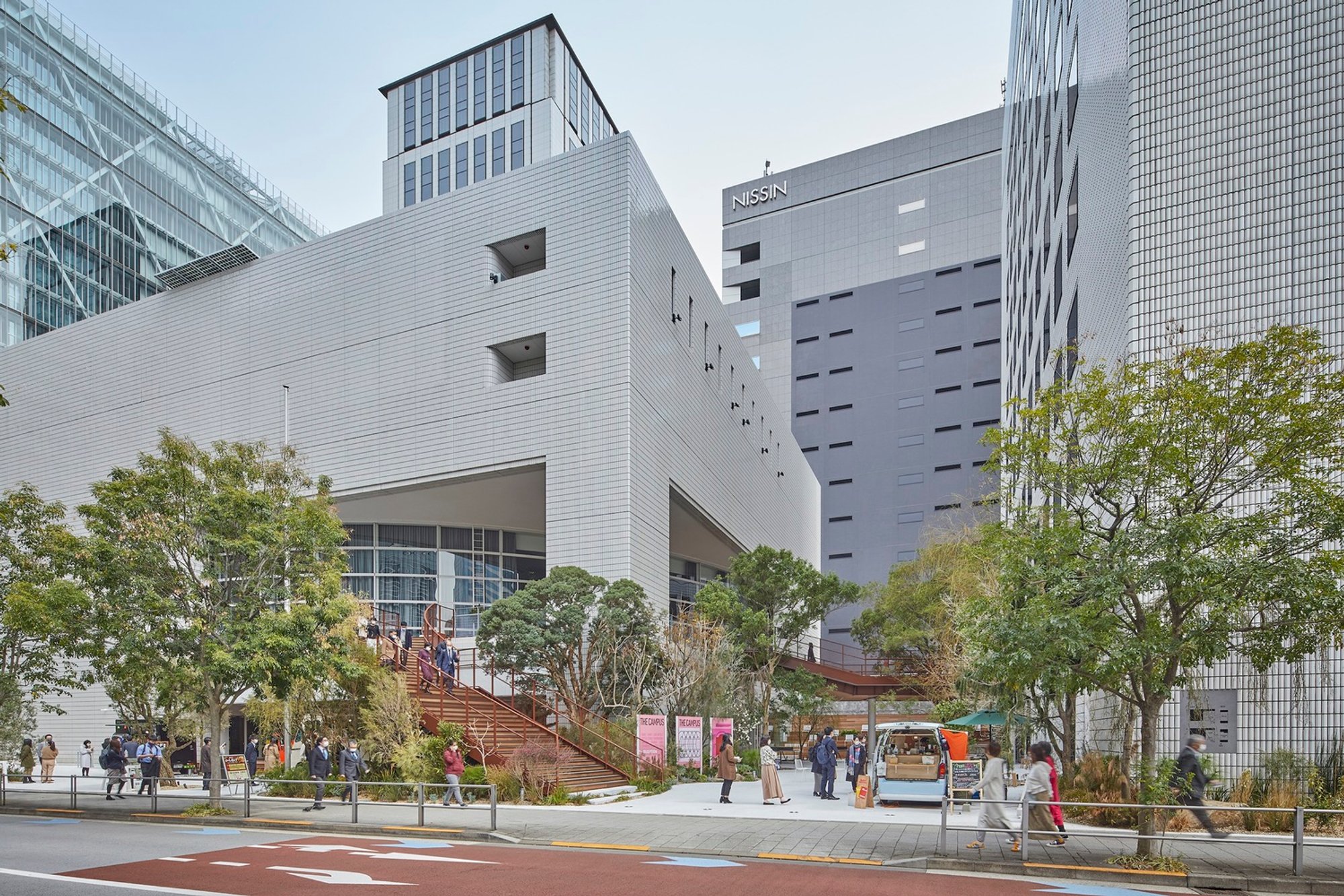
THE CAMPUS by KOKUYO: Redefining the Urban Workplace in Minato City, Tokyo
THE CAMPUS by KOKUYO transforms a corporate building into an open, inclusive, creative urban workplace blending nature and community.

Architects: KOKUYO Location: Minato City, Tokyo, Japan Project Area: 8,426 m² Completion Year: 2021 Photography: Nacasa & Partners Manufacturers: KOKUYO Furniture, Ashford Japan, ModuleX, NEW LIGHT POTTERY, Nagoya Mosaic-Tile, Toray
A New Vision for Urban Office Life: “Work & Life Precinct”
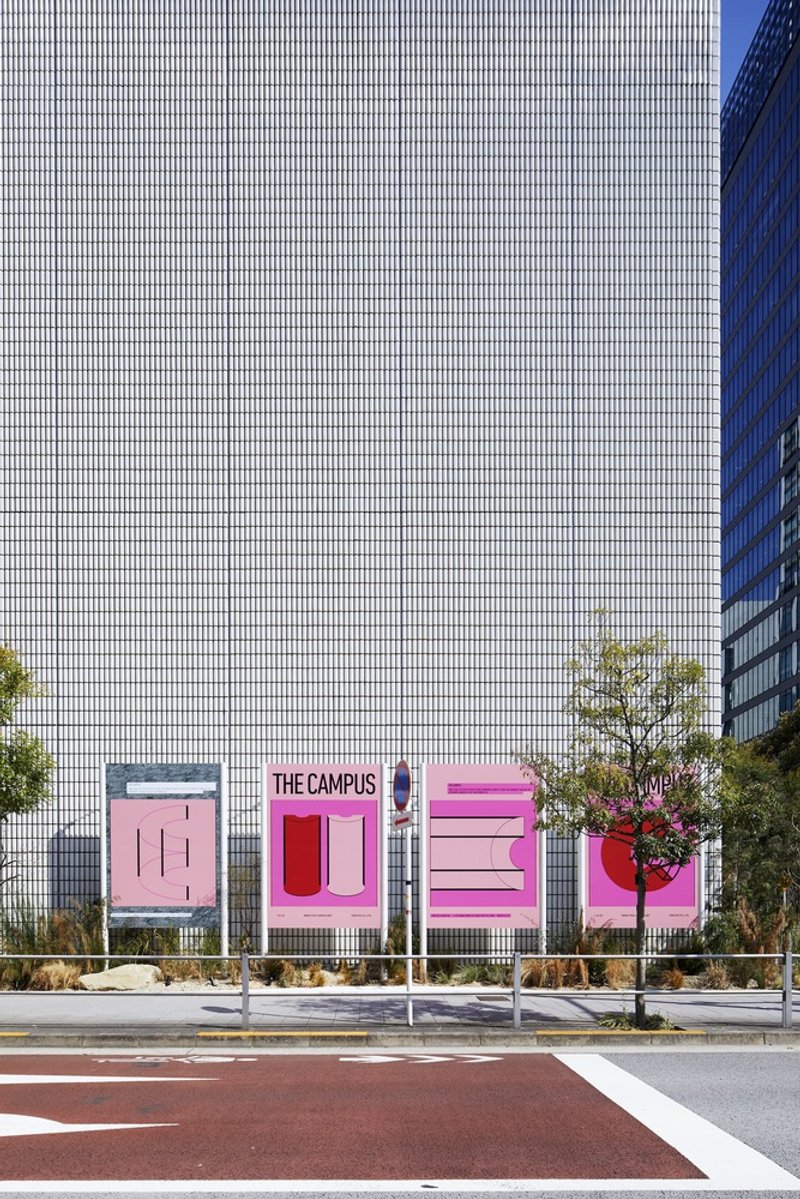
THE CAMPUS by KOKUYO is a pioneering architectural renovation project that transforms a 40-year-old corporate building in Tokyo’s Shinagawa district into a forward-thinking hub of creativity, community, and work-life integration. More than just a physical transformation, it is a bold reimagining of the traditional office campus, blurring the lines between public and private, indoor and outdoor, work and leisure.
Rooted in the concept of a “Work & Life Precinct,” this project acts as a prototype for the future of urban offices—spaces that foster creative encounters, social diversity, and inclusive engagement. By opening up corporate activities to the city, THE CAMPUS challenges the conventional image of a closed, business-only workplace and offers a more human-centered environment built around flexibility, accessibility, and innovation.
Subtractive Design: Controlled Chaos and Natural Flow
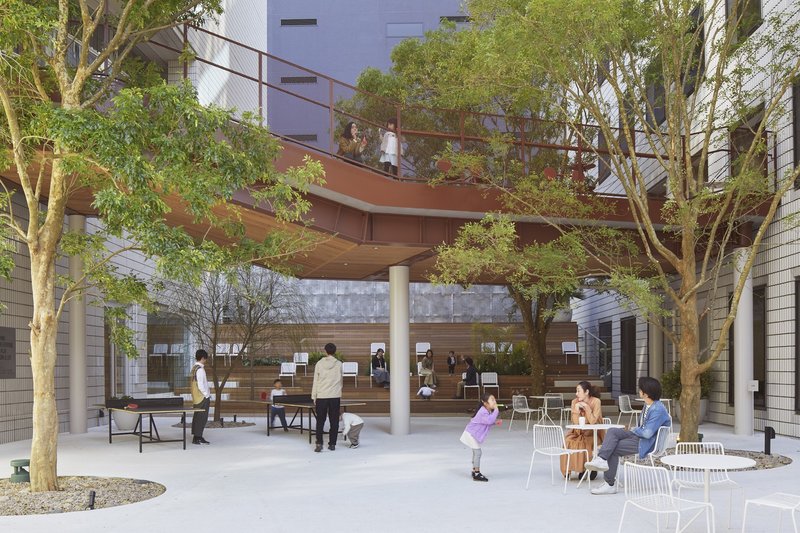
Instead of building anew, KOKUYO chose to apply "creative subtraction"—a method of design where existing elements are stripped back to reveal openness, connection, and natural flow. By demolishing the central of three existing structures, the architects carved out a generous courtyard that now serves as a green urban park open to the public.
Throughout the remaining two buildings, large openings, curved staircases, terraces, and decks create a breathable, porous structure that connects seamlessly with the city’s rhythm. Nature flows through the space via wind paths, garden pockets, and tree-lined corridors, allowing visitors to feel immersed in a tranquil, semi-outdoor atmosphere. The environment is designed to stimulate creativity by offering users spaces to linger, stroll, or engage—hallmarks of inspiring public architecture typically absent in commercial zones.
Public Integration and Adaptive Reuse in Tokyo’s Urban Fabric
Situated on a prominent corner lot in Minato City, THE CAMPUS stands as a landmark of adaptive reuse and urban regeneration. KOKUYO’s renovation respects the history of the structure while dramatically reorienting its purpose and accessibility. The building’s transformation from a corporate enclave into an open, collaborative, and inclusive space makes it a unique model for mixed-use architecture in Tokyo.
The design aims to dissolve the boundary between office life and public life, creating a place that welcomes not just employees but also local residents, creatives, students, and entrepreneurs. The various spatial typologies—from semi-private meeting rooms to communal dining halls—enable multi-functional uses throughout the day, turning the site into a living part of the city’s social infrastructure.
A Landscape of Connectivity: Stairs, Bridges, and Green Spaces
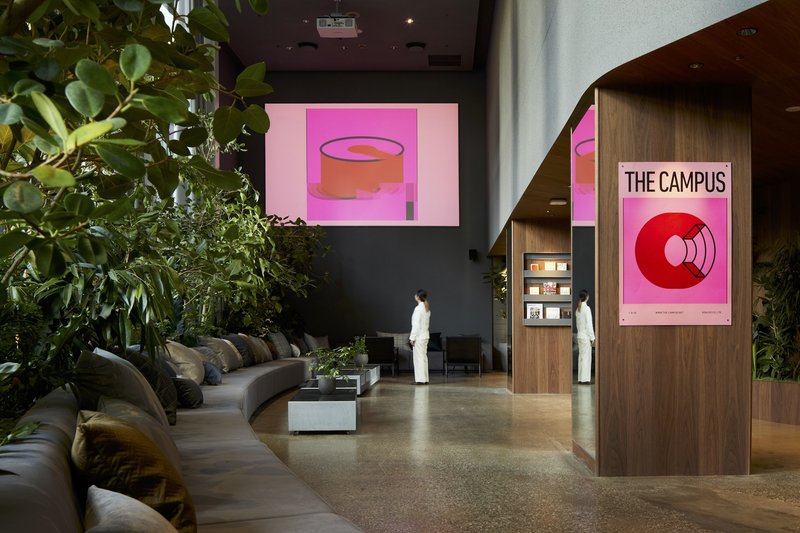
Inside, KOKUYO orchestrated a subtle choreography of stairs, platforms, bridges, and organic elements to create what they call a “landscape with greenery and steps.” These architectural gestures serve as both physical connectors and social activators. Grand staircases invite spontaneous gatherings, while curved balconies and bridges add a touch of softness and fluidity to the building’s industrial shell.
The spatial arrangement encourages non-linear circulation, where visitors can choose their own paths and discover varied perspectives of the building and the city. This deliberate informality supports serendipitous encounters—the very interactions that fuel innovation and creativity.
Designed for Diversity: A Vessel of Change
True to its mission as a future-oriented workplace, THE CAMPUS embraces inclusivity by integrating gender-neutral toilets, nursing rooms, prayer rooms, and flexible changing spaces. These elements foster an environment where all individuals—regardless of gender, belief, or lifestyle—can feel welcomed and empowered.
The first-floor fixtures, including movable furniture and modular design systems, enable rapid spatial reconfiguration for events, exhibitions, and pop-ups. In this way, the project becomes more than just architecture; it becomes a platform for cultural programming and community dialogue, reflecting Tokyo’s dynamic urban identity.
A Prototype for the Future of Work
THE CAMPUS by KOKUYO exemplifies how renovation and reuse can catalyze a broader cultural transformation. It’s a working prototype of human-centric, adaptable office design that not only responds to current demands for hybrid and flexible work but also anticipates a future where architecture serves as a bridge between corporate activity and civic life.
With its deep integration of biophilic design, inclusive facilities, and urban permeability, this project stands as a model for sustainable urban redevelopment, offering a bold new blueprint for the next generation of mixed-use commercial spaces in Japan and beyond.
All photographs are works of Nacasa & Partners




Popular Articles
Popular articles from the community

Kerry Kounnapis Packs 800 Daily Coffees into a 43-Square-Metre Melbourne Laneway Bar
Palace Coffee channels Pellegrini's and European standing bars through oxide-red steel and spotted gum timber in a Ridgway Place sliver.

The Faith: Modular Architecture for Play, Learning, and Hope in Kutupalong Refugee Camp
A modular playground architecture project in Bangladesh where play, learning, safety, and hope rebuild childhood inside a refugee camp anew.
Eco Chapel: A Green Architecture Pavilion Designed in Symbiosis with the Forest
Eco Chapel uses green architecture to weave prayer, learning and reuse into a forest pavilion shaped by modular hexagonal canopies for life.
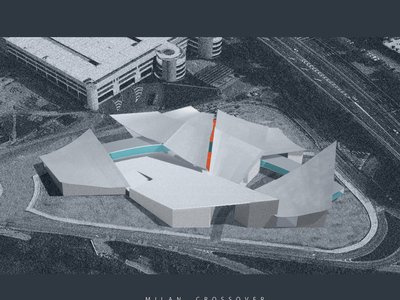
Milan Crossover: Sustainable Architecture for a New Fashion Culture in Milan
Milan Crossover transforms fashion culture through sustainable architecture, linking material libraries, remake studios, and public runways.


Similar Reads
You might also enjoy these articles

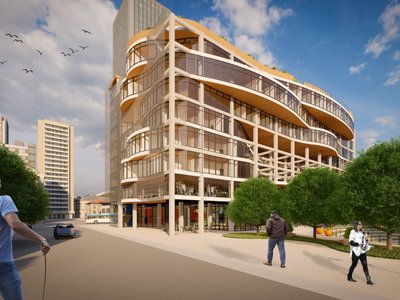
Olio Towers: A Mid-Rise for Performers That Fuses Housing, Rehearsal, and Stage
Located blocks from Houston's Theater District, this modular tower stacks living units around a central performance atrium.
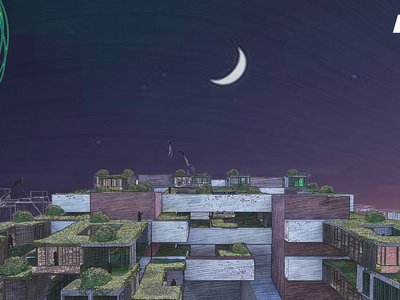
Oasis: Modular Green Housing Carved into Dhaka's Urban Fabric
A shortlisted Plugin Housing entry reclaims unauthorized settlements in Dhaka with stepped concrete volumes, green roofs, and ventilation-driven design.

Black Hole: A Floating Megastructure for the Post-Physical Era
Emiliano Mazzarotto envisions a spherical, self-scaling arena where e-sports, digital hotels, and holographic stadiums replace traditional public space.
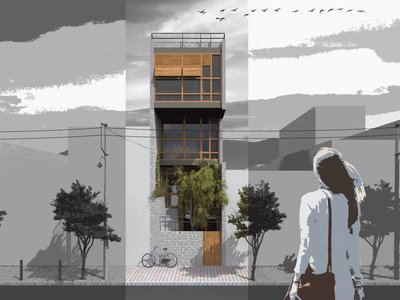
Compact & Sustainable Living in Piraeus: A Four-Level Family Home Built Around Light and Air
A narrow townhouse in one of Greece's densest port cities uses a central atrium and passive strategies to house three generations under one roof.


Explore Hospitality Building Competitions
Discover active competitions in this discipline




The International Standard for Design Portfolios


The Global Benchmark for Architecture Dissertation Awards


The Global Benchmark for Graduation Excellence


Challenge to reimagine the Iron Throne
Comments (0)
Please login or sign up to add comments
No comments yet. Be the first to comment!