
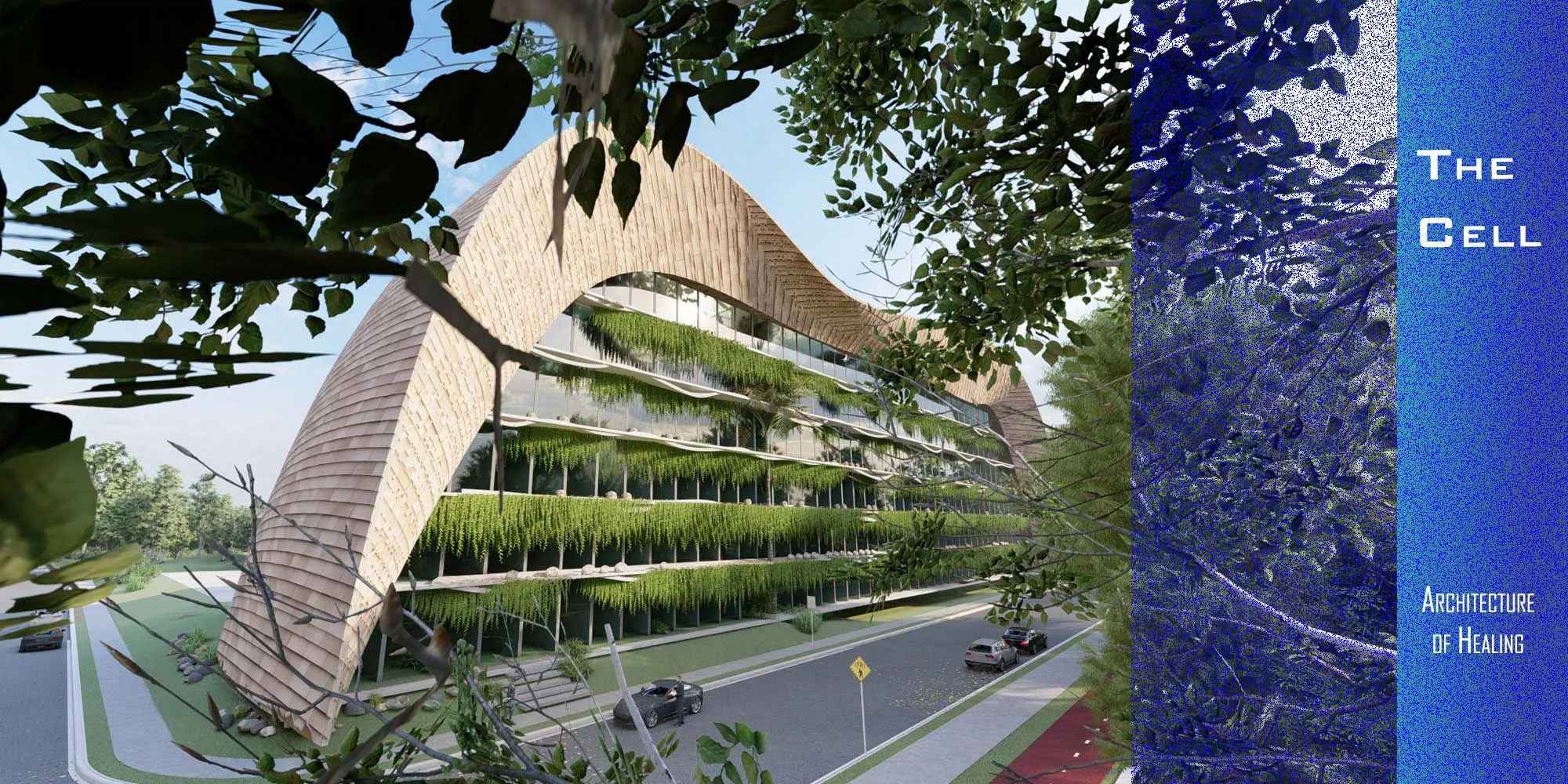
THE CELL | Architecture of Healing
Inspired by ancient caves for therapeutic living

When we are not well, where are we? Where do we want to be?
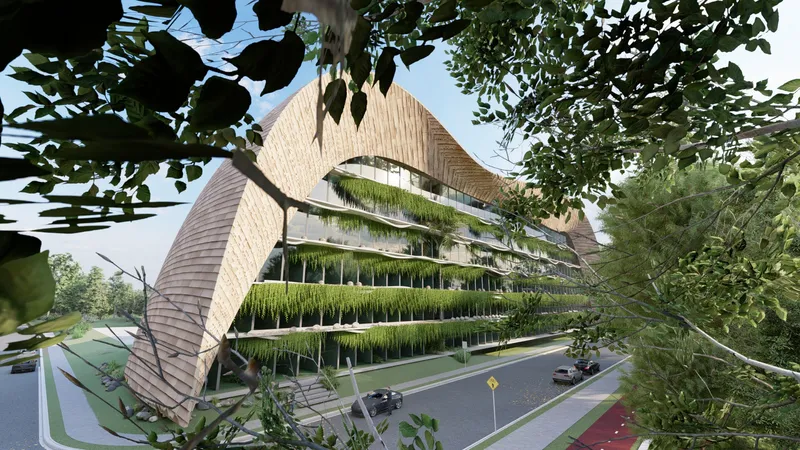
We need to be institutionalized but we resent the feeling of being attached to machines, going through exhausting tests under heavy medication, surrounded by cold and pale hospital environment losing sense of time and self…
Mental Health Statistics in 2021 shows that over 970 million people in the world are affected by a mental disorder, which means 1 out of 8 people walking on earth is suffering from anxiety, depression, schizophrenia, autism, and other 200 types of disorders.
When people are not in their minds, they lose touch with reality. They are in a distorted reality, dealing with pain, doubt, anger. What benefit does psychiatric hospital do with an image of blue and white painted walls and corridors, and an echo of deadly sound of monitoring equipment? Stress can be triggered by the environment, healing architecture can influence people’s interaction and behavior, as well as their physical and psychological well-being.
Form and Pattern, Materiality and Color
Form is one of the basics in architectural design. Traditional buildings based on Cartesian Coordinates have unconsciously evolved to be organic and parametric shapes. My design concept for The Cell is originated from a primitive cave complex named ‘Guyaju (古崖居)’ in Beijing suburban area built by a tribe over a thousand years ago. First impression of the building façade in earth-colored terracotta panels can win over a traumatized brain, forming an idea of the stay for mental health treatment is simply a tour different than no other.
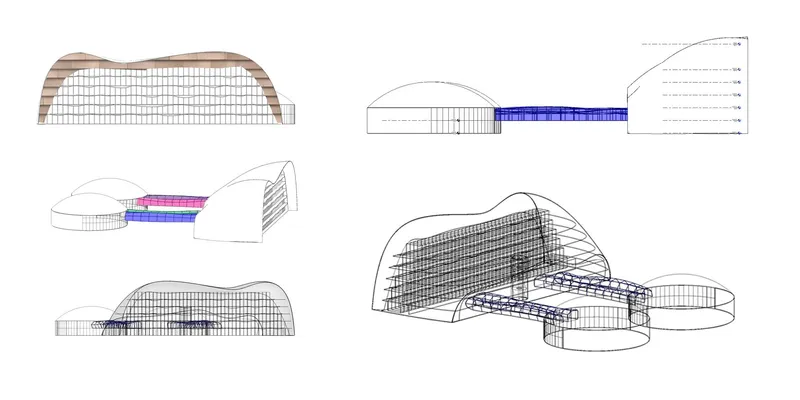
In-patients live in a 2 x 6 meter square ‘cell’ with soft paneled interior shaped in white curves, spend their days gazing out through the ivy veins at each cave opening – glass window, or calculating the curvature radius to make sense of the existing. When a testing is scheduled, patient can take the moving walkway and flow to the other buildings where computerized EEG, ECT machines are. The movement without making effort calms and helps patients to relax while enjoy the outdoor views.
The moving walkways are set up on a suspended Birch wood bridge structure symbolizing people as neuron cells traveling in nerve fibers to keep their brain healthy. The tinted glazing on the bridge gives the path a touch of blue, green, purple and pink, using color psychology to enhance the calming effects.
In the concept design of The Cell, patterns can be found everywhere: wavy geometry creates energy and continuity, white sculpture décor aids in mental clarity, conveys the cleanliness and peace of the space.
Elements
Views of hanging ivies from inside of each cave cell and of living trees in the center atrium drive people’s focus onto therapeutic plants, especially with the contrast of the enclosure and the live, vivid scene, shining the light of hope on those dark times.
In each room of the in-patients, a family corner is spared to meet custom needs for people to channel the feeling of being home – an extra bed can be set up to accommodate family who wants to stay and care for their loved ones. Familiarity is important to help create an environment of familiar routines and activities for a person whose ability is impaired, it allows them to feel calm and comforted.
Music and Art Therapy
Apart from the main building for diagnosing, admission and dwelling, there are two halls in dome shapes in connection with the cave via colored bridges. They are the hall of music and the hall of art.
The hall design is based on half seating half performance area thesis, meaning to blend the treatment hours with music and art. In the hall, five rows auditorium is embedded on grass surface, buffering to the individual treatment cubes behind. Through the transparent cube doors, patients can see the performance on central stage while being examined or treated. The music eases their minds and keeps them interested in completing the activities; the art making process keeps them occupied.
It’s normal practice to separate patients from the outside world fun, they are bound to medication and endless treatment. Getting involved in making music and art crafts can help them feel they are still alive; they are still living. Music therapy uses music to promote healing and enhance quality of life.
For hospital employees, it generates an art environment that supports their work life. Colorful and cheerful collaboration space allows staff to have a moment together to detach from the intense and frustrated interaction with patients and diseases.



Popular Articles
Popular articles from the community


The Ocean Hive: Sustainable Architecture for a Self-Sufficient Civilization at Sea
The Ocean Hive imagines sustainable architecture at sea, where modular habitats, algae, wave power and ocean waste sustain a growing colony.

Conexión: Biophilic Design Reimagines High-Rise Living in Hong Kong
Conexión reimagines high-rise living in Hong Kong through biophilic design, green facades, shared spaces, daylight, water and nature within.

The Earth Pod: 3D Printed Homes for Resilient Refugee Communities
The Earth Pod reimagines refugee housing through 3D printed homes made from clay, combining resilience, self-sufficiency, and rapid shelter.

Riyadh For All: Intergenerational Urban Design for Active Aging in Rabat
Riyadh For All reimagines urban design in Rabat with intergenerational co-living, adaptive courtyards, and Moroccan cultural exchange today.

Similar Reads
You might also enjoy these articles

Day and Night Park: A Time-Based Urban Newsstand in Beijing
A temporary urban newsstand in Beijing blending travel, light, and reading through poetic colors, compact form, and community-focused design.

Modernist Patio Renovation in El Masnou, Barcelona by Oliver Segura Arquitectura + Cebrià Arquitectura
Modernist patio renovation blending tradition and innovation with a movable pool, leveled floors, and Catalan materials in El Masnou.

Alto Residencial Coop: Cooperative Housing Development in Santiago de Compostela by Carbajo Barrios Arquitectos
A linear cooperative housing complex blending white volumes and perforated metal façades, enhancing community living, natural light, privacy, and urban integration.
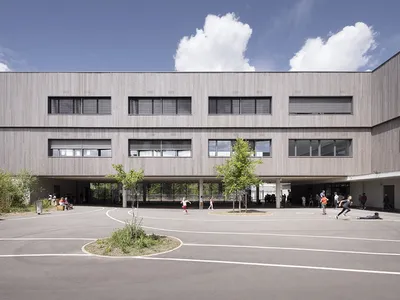
Vil Genis School by BPA ARCHITECTURE – Massy, France
Vil Genis School in Massy, France, features sustainable design, south-facing classrooms, community integration, accessible spaces, and modern educational architecture.


Comments (1)
Please login or sign up to add comments
Good work on the structuring of the blog. The topic is well researched. Physical ad mental healing is adequately presented. An updated approach could be taken addressing healthcare crisis in the last few years.